Wolf Cut for Women: 12 Shaggy, Layered Styles to Try
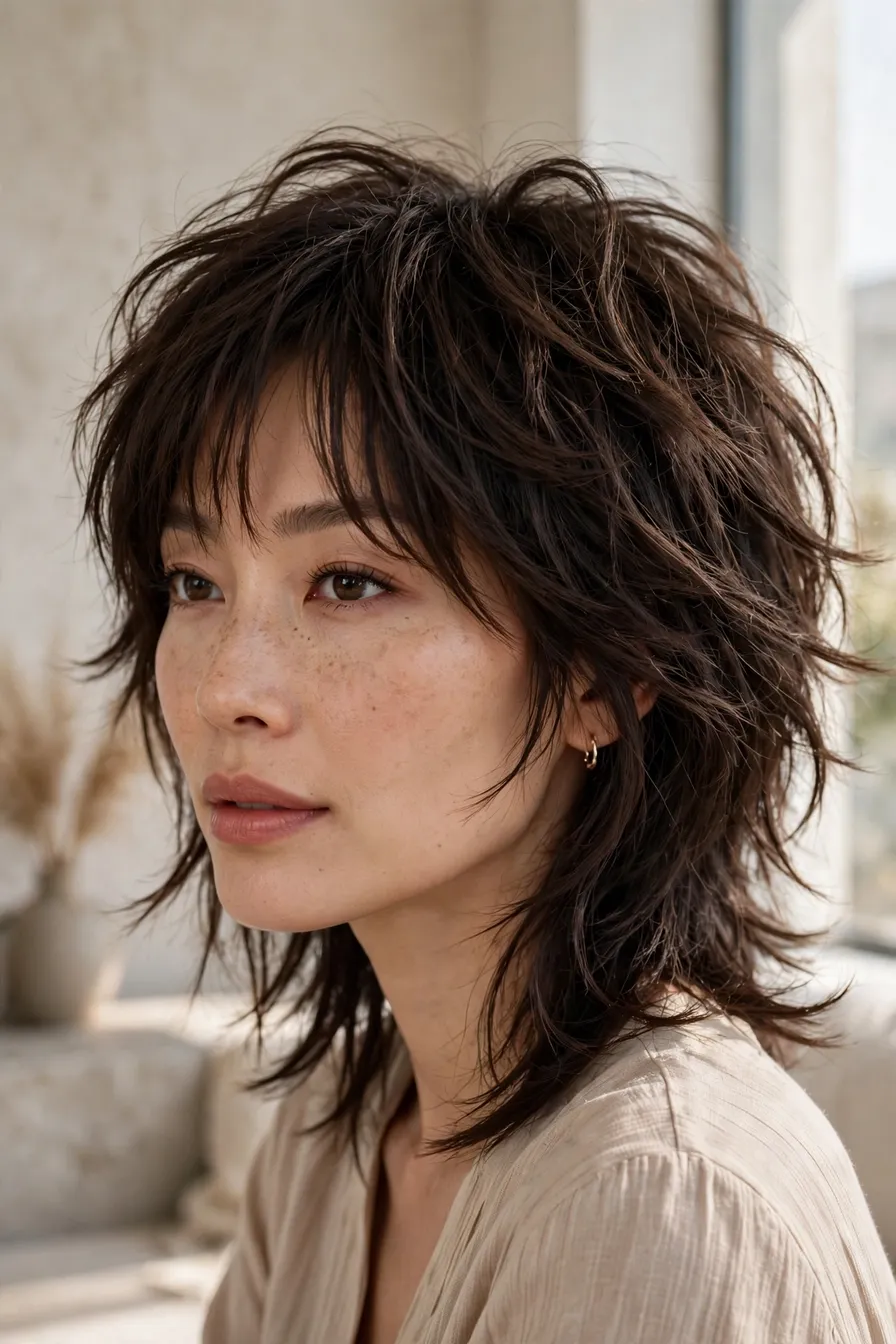
A wolf cut is what happens when a shag and a mullet meet in the middle: heavy, choppy layers on top, lots of volume at the crown, and lengths that stay longer and wispier toward the ends. The top is short and textured enough to lift; the bottom keeps its length but is thinned into feathery pieces. That contrast — full on top, airy at the ends — is the whole silhouette.
It suits more people than its edgy reputation suggests, because the two halves can be rebalanced. A softer version keeps the layers longer and the fringe gentle; a bolder version pushes the crown volume and piecey ends further. The twelve cuts below run that whole range. If you like the layered idea but want something more polished, the butterfly haircut is its smoother relative — the wolf cut is the same layering logic with the polish deliberately left off.
1. Classic Shaggy Wolf Cut
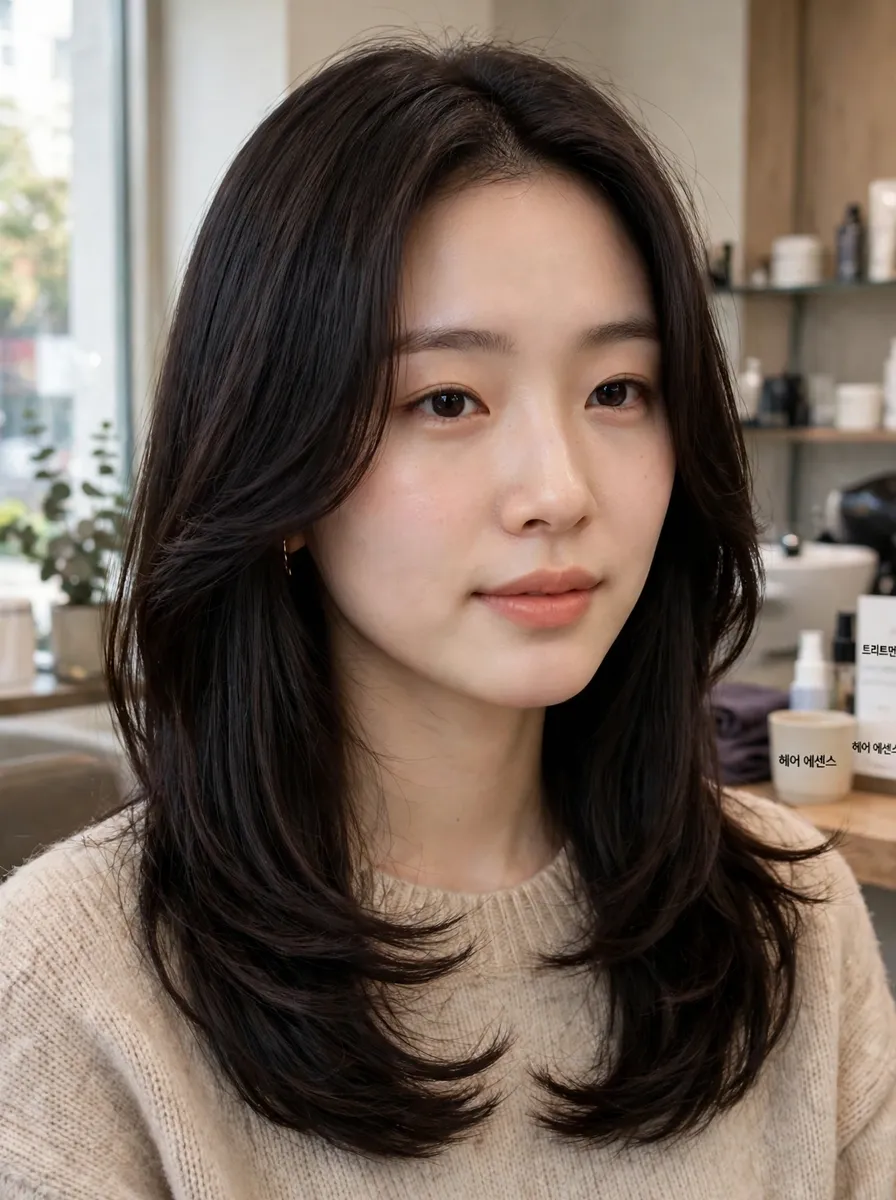
The reference version: crown layers cut short enough to stack volume at the top, a curtain-style fringe, and lengths that taper into wispy ends around the shoulders. It works best on straight-to-wavy hair with enough natural body to hold the shape without heat styling every day.
2. Long Wolf Cut
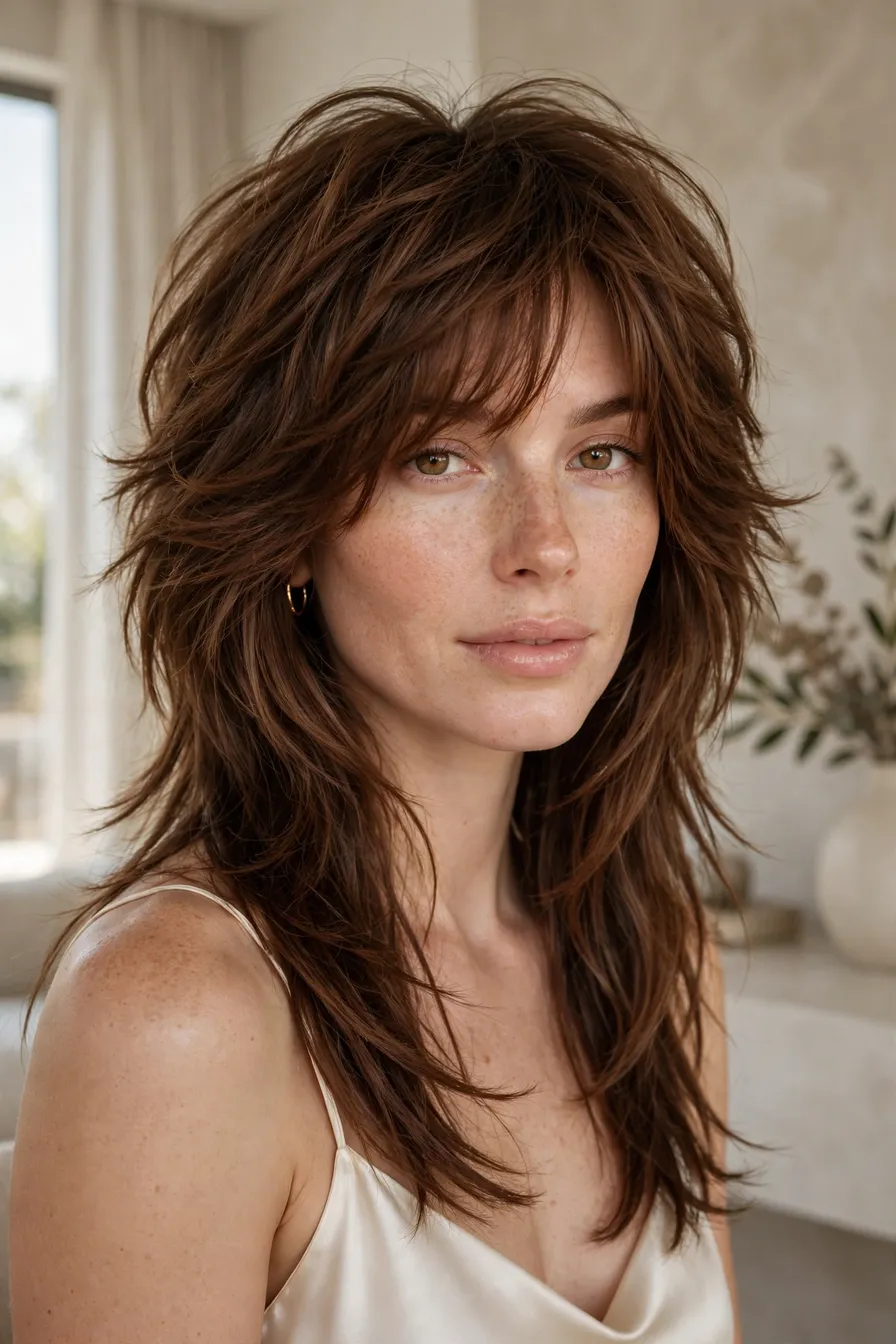
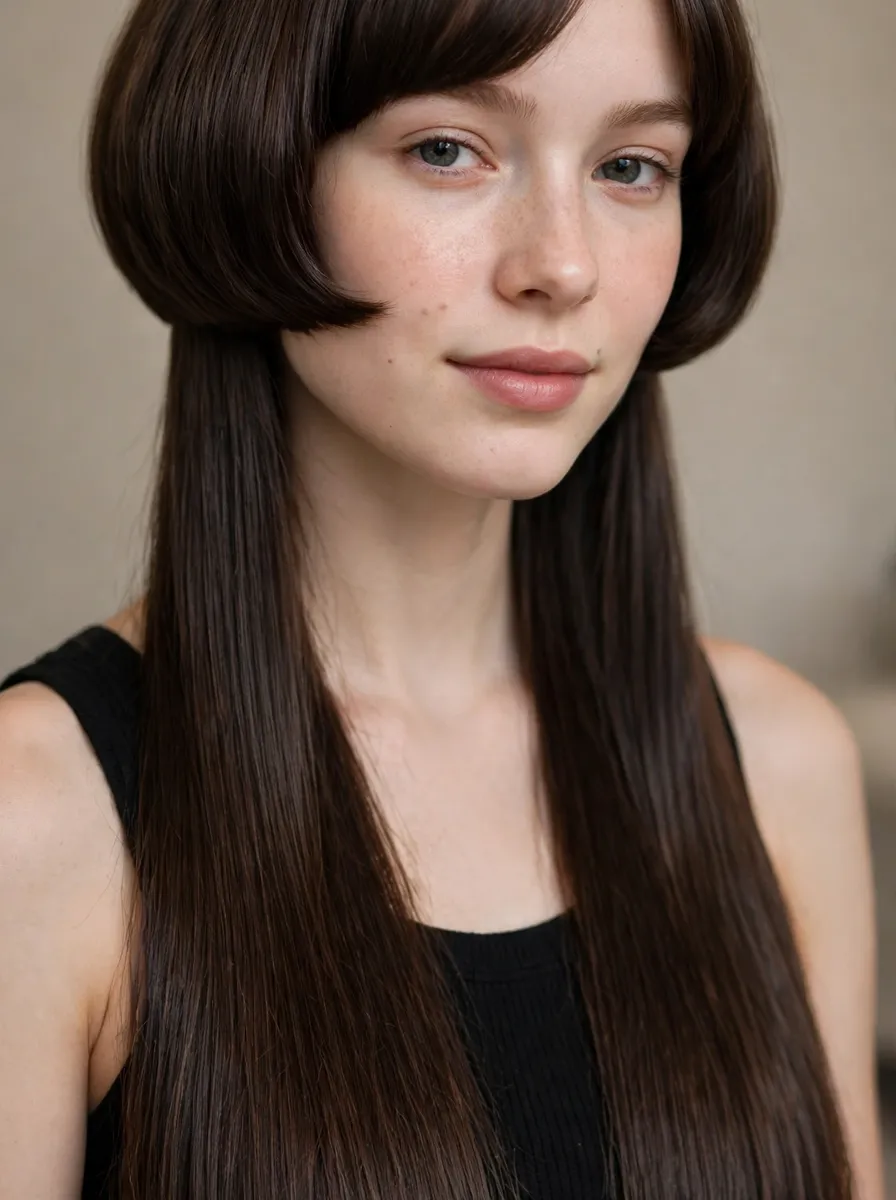
For anyone who wants the attitude without giving up length. The layers start high — around the cheekbones — while the longest pieces reach well past the shoulders. The trade-off is maintenance: long wolf cuts lose their shape fastest at the ends, so plan on a tidy every eight to ten weeks to keep the taper intentional rather than stringy.
3. Short Wolf Cut
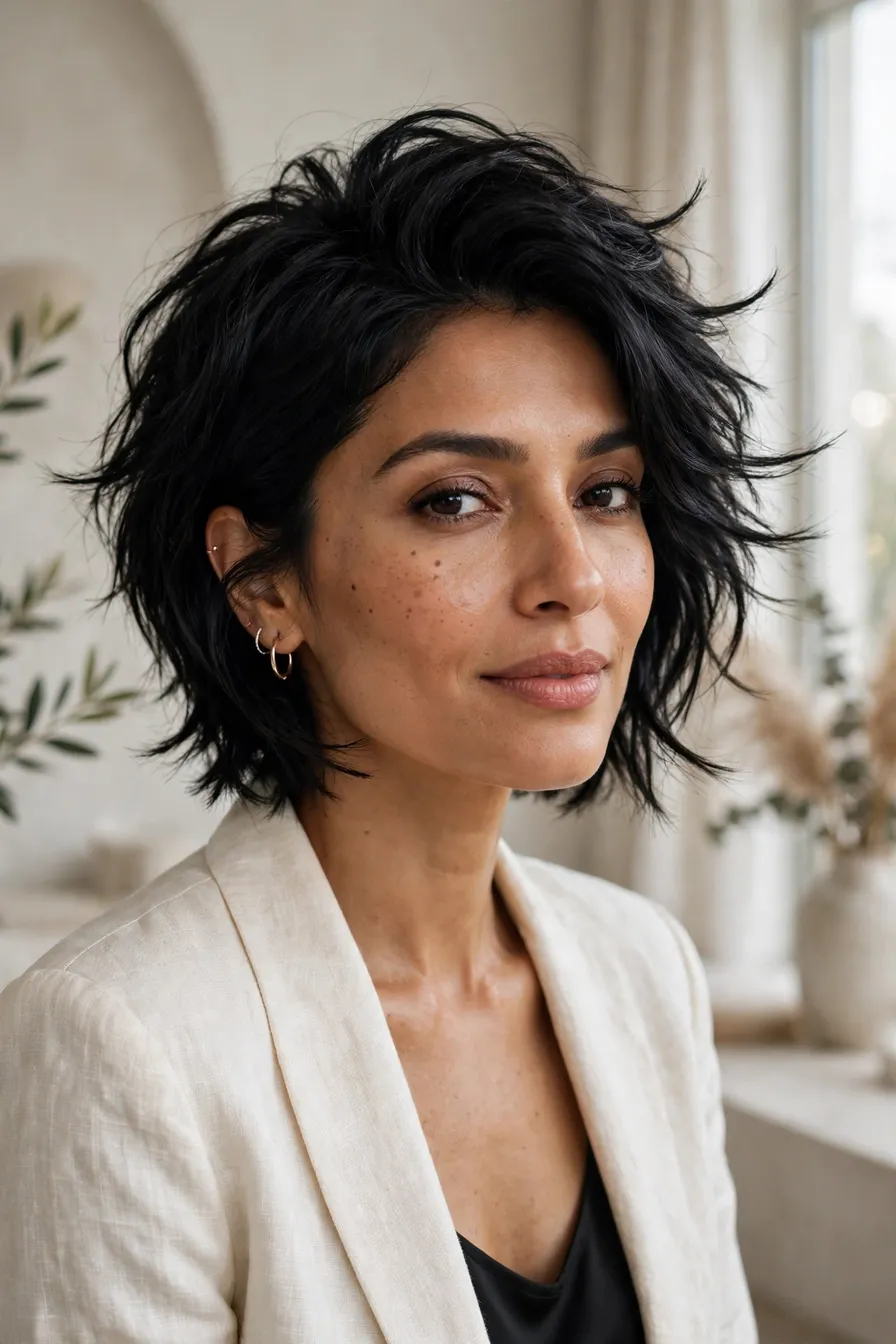
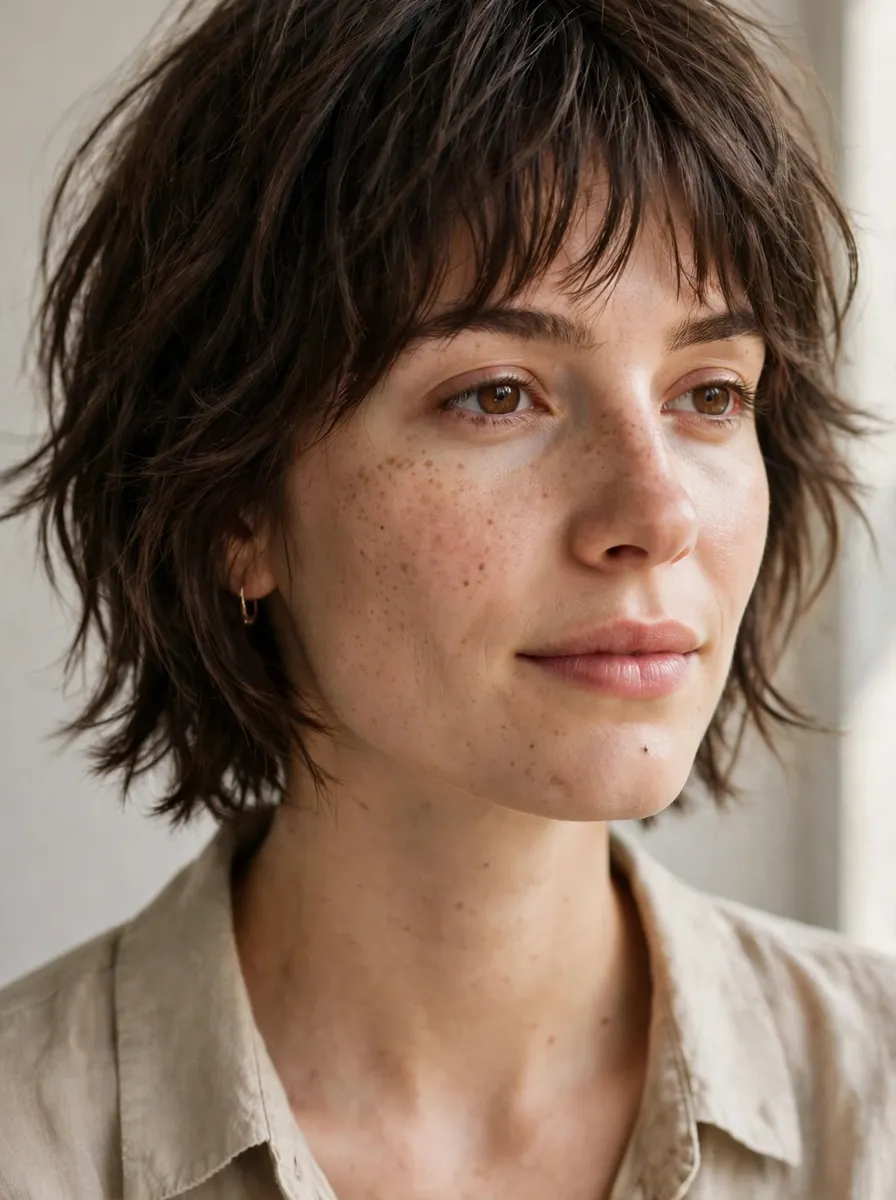
Cutting the lengths to jaw or chin level concentrates everything the wolf cut does well: the crown volume reads stronger, the ends flick out, and styling takes minutes. It is the easiest version to live with and the best entry point if you are coming from a bob — our bob haircuts guide shows the shapes it grows from.
4. Wolf Cut with Curtain Bangs
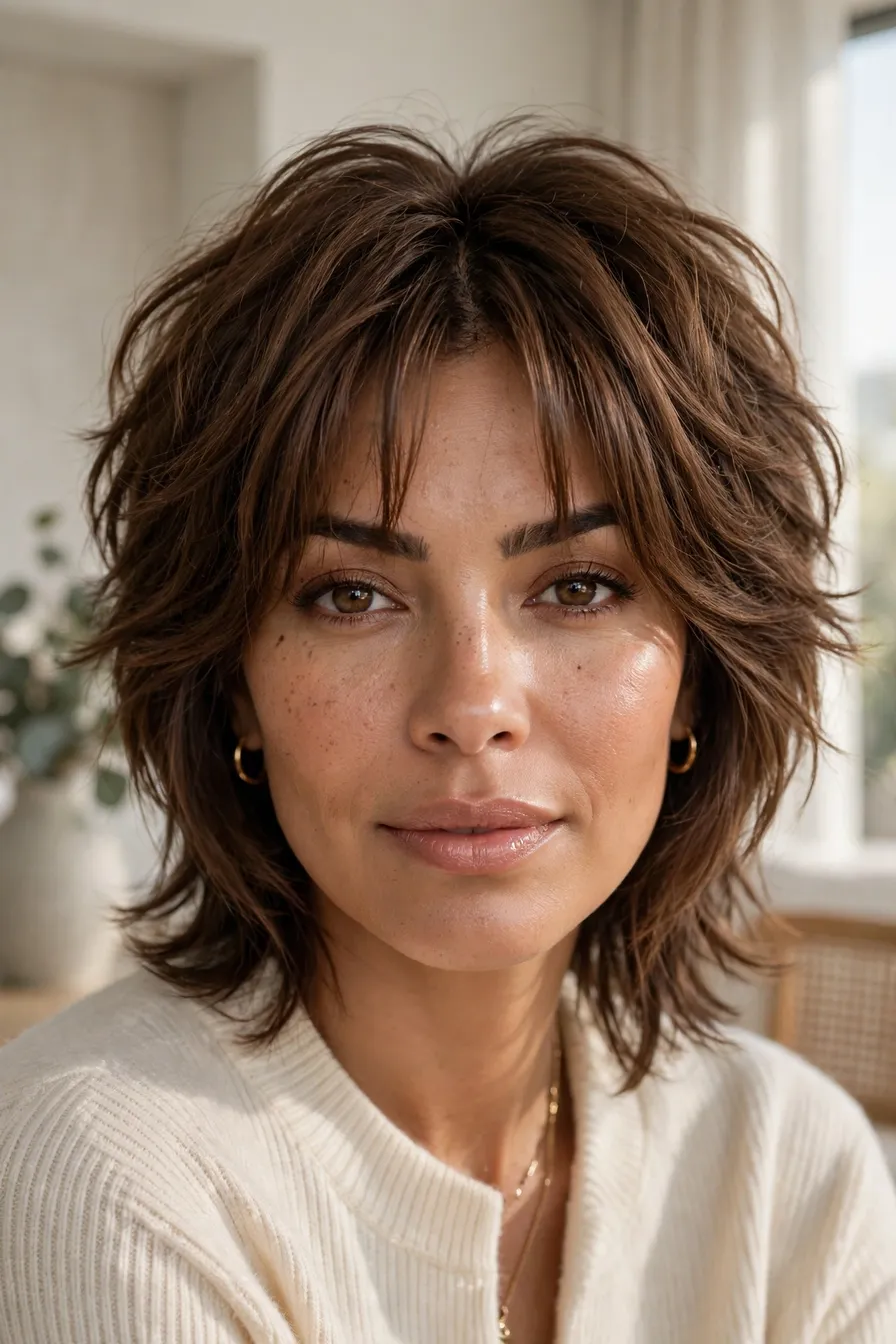
Curtain bangs are the natural partner for this cut — they continue the face-framing layers instead of interrupting them. Parted in the middle and blended into the cheekbone layers, they soften the whole silhouette and make the wolf cut workable for more conservative settings.
5. Wolf Cut with Wispy Bangs
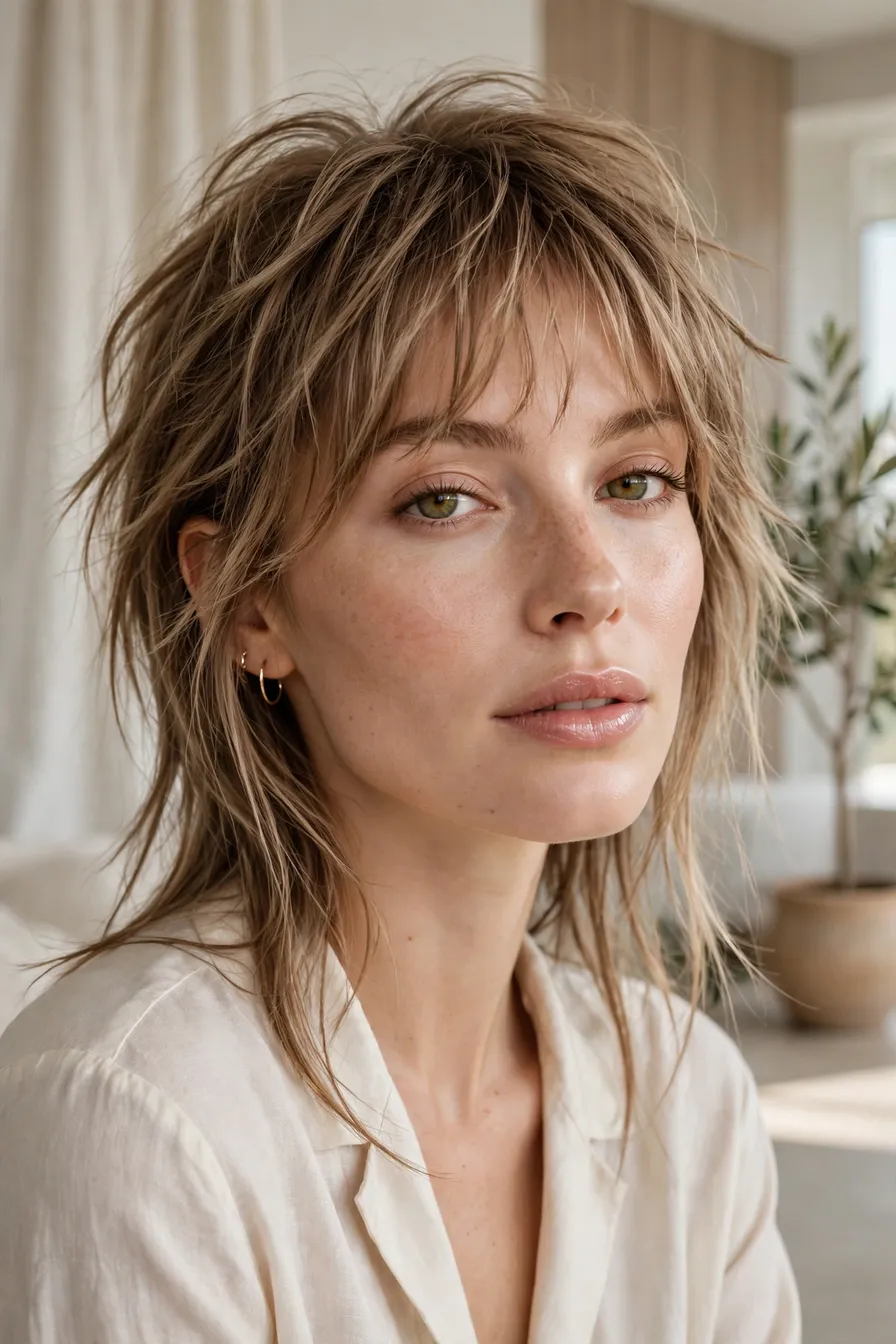
A lighter, piecey fringe instead of a curtain changes the mood: younger, softer, and more forgiving to grow out. Wispy bangs also suit finer hair, where a heavy curtain fringe can look sparse. Ask for the fringe to be point-cut rather than blunt so it separates the way the rest of the cut does.
6. Curly Wolf Cut
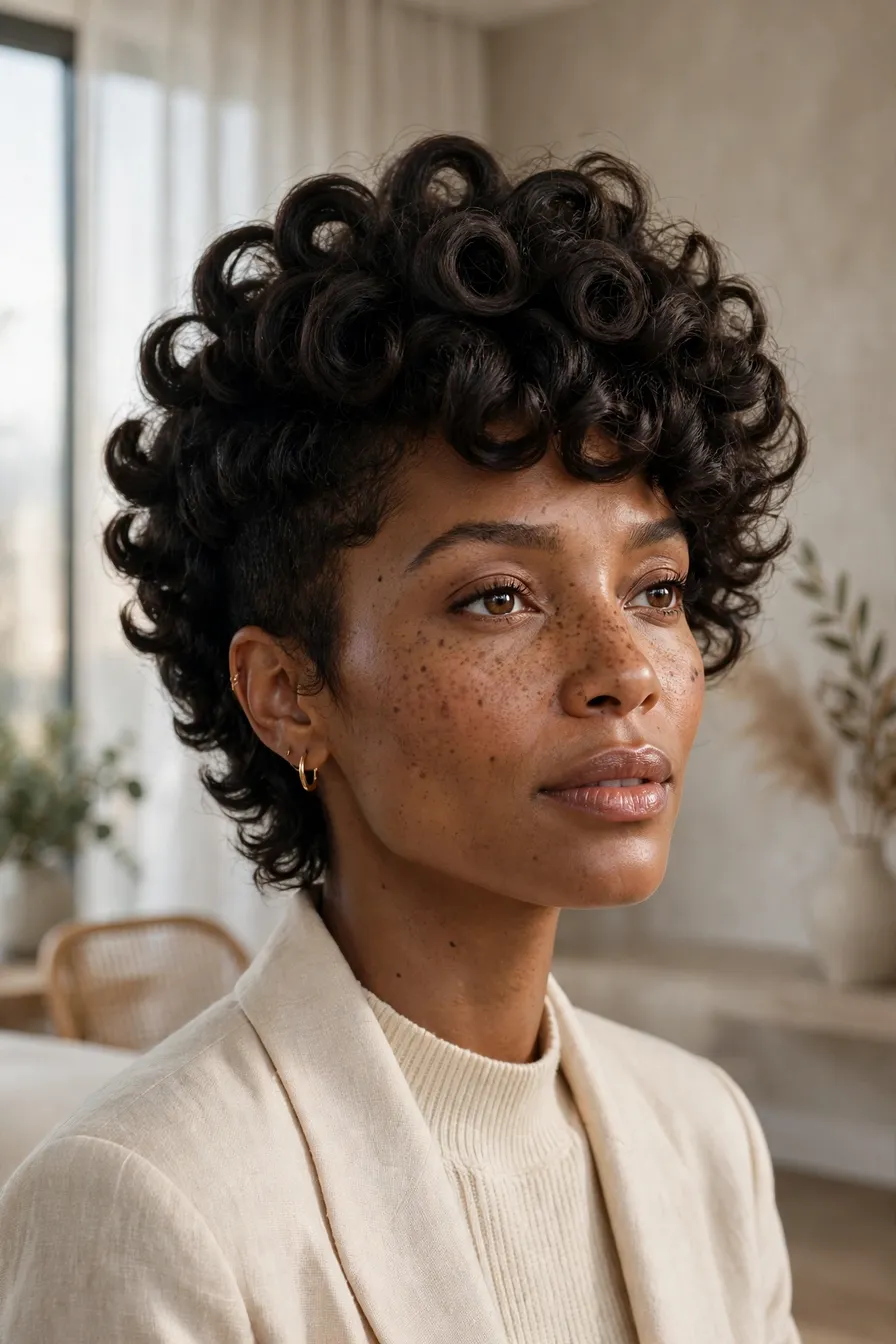
Curly hair is arguably what the wolf cut was made for — the curl pattern supplies the crown volume for free. The key is cutting on dry, curly hair so the layer placement follows the actual curl pattern; cut wet and straightened, the short top layers spring up far shorter than intended. Keep the ends lighter than a straight-hair version, because curls already taper naturally.
7. Wolf Cut for Thick Hair
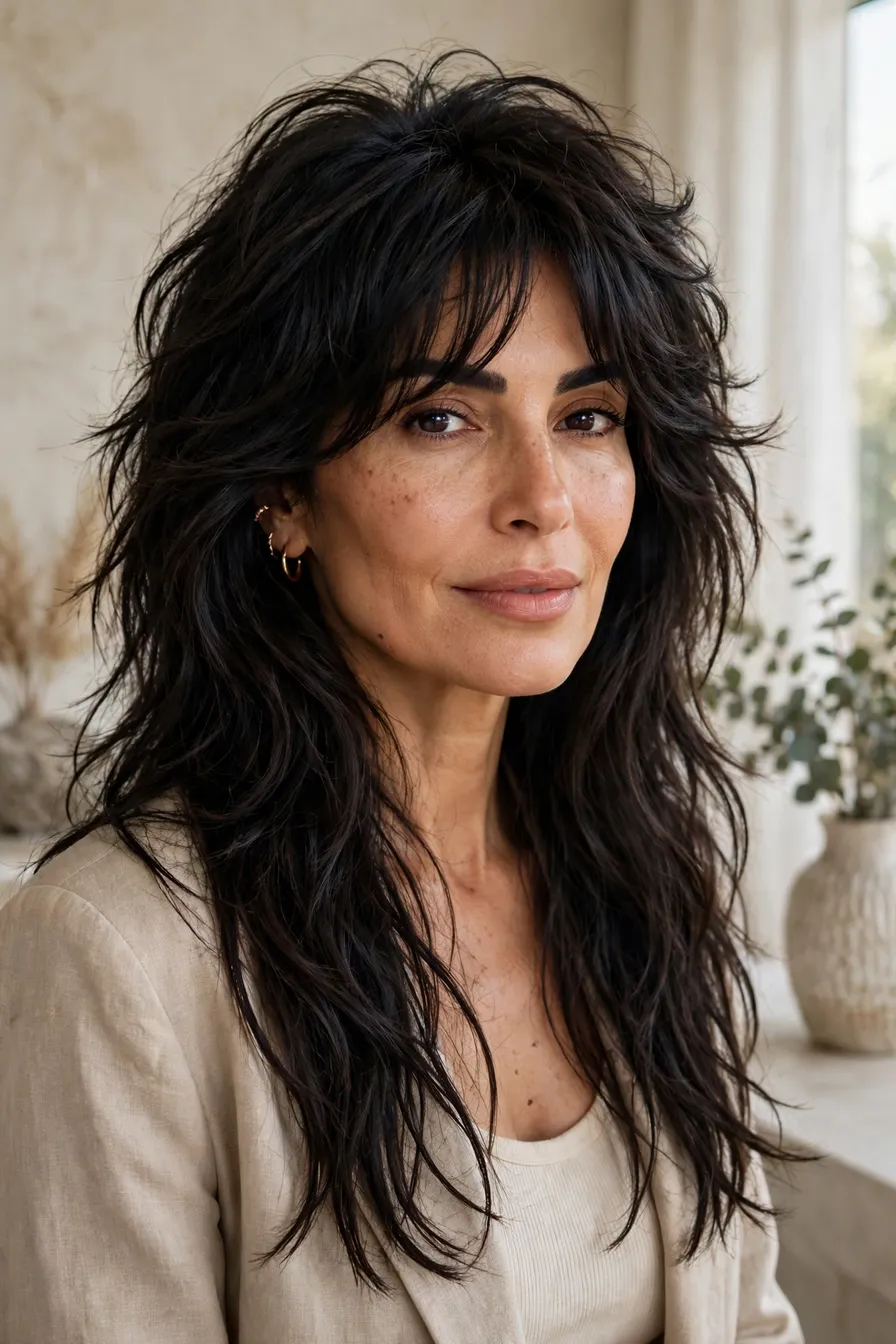
Thick hair gives the wolf cut its drama but can tip into a triangle shape if the ends keep too much weight. The fix is internal layering and thinned ends rather than shorter lengths — the silhouette stays long while the bulk comes out of the bottom third. If thickness is your main concern across short cuts too, our pixie cuts for thick hair guide covers the same weight logic at pixie length.
8. Wolf Cut for Fine Hair
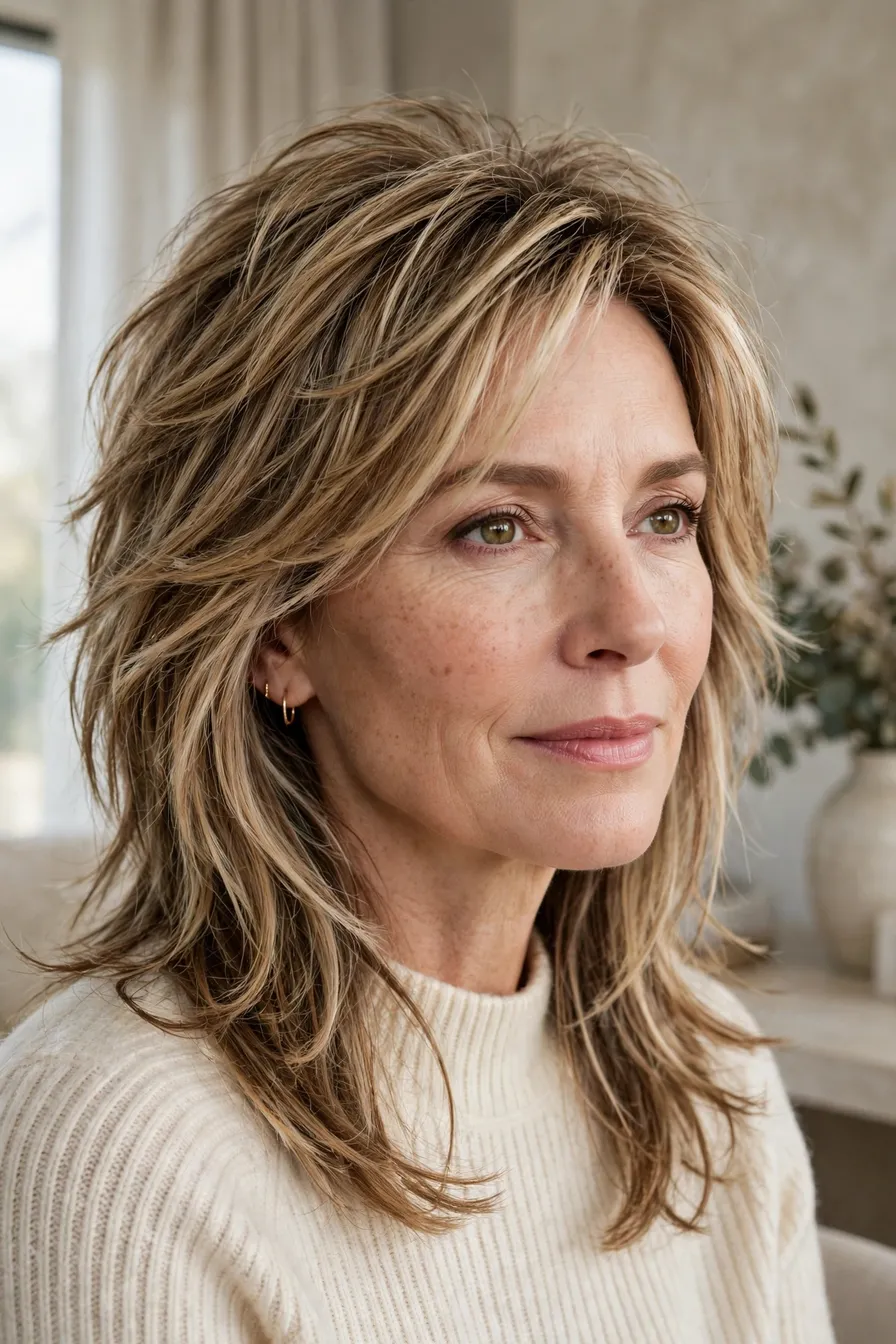
Fine hair needs a cautious version: layers kept longer, ends left blunter, and no razor thinning. Done that way, the crown layers create the impression of volume without sacrificing the density fine hair cannot spare. Done aggressively, it goes wispy in the wrong way — this is the version where choosing a stylist who knows fine hair matters most.
9. Shaggy Wolf Cut with Choppy Ends
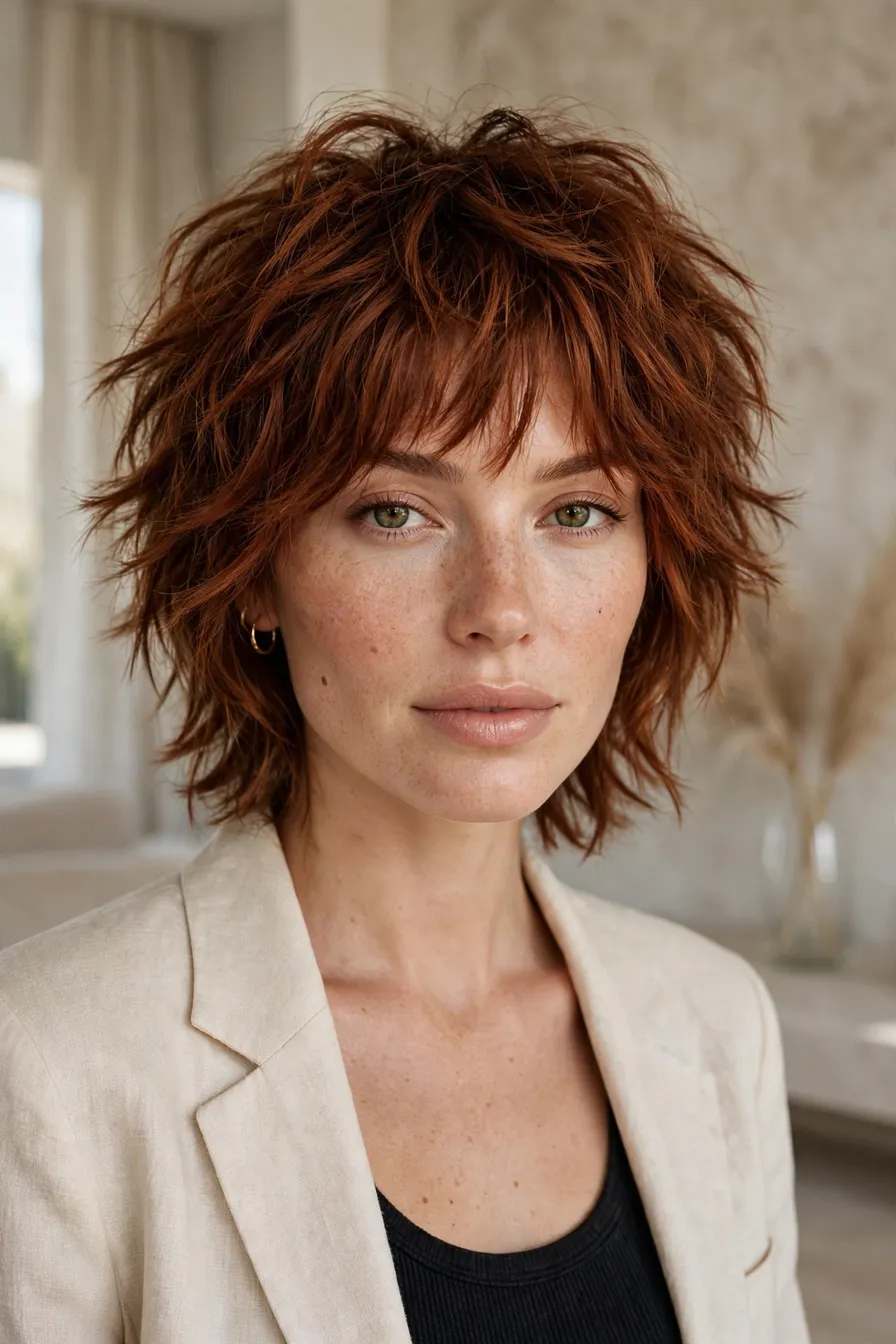
The maximal version: more layers, more separation, ends deliberately uneven. It leans fully into the rock-inspired roots of the cut and needs texture product — a salt spray or styling paste worked through dry hair — to keep the pieces defined rather than fluffy.
10. Soft Wolf Cut (The Grown-Out Version)
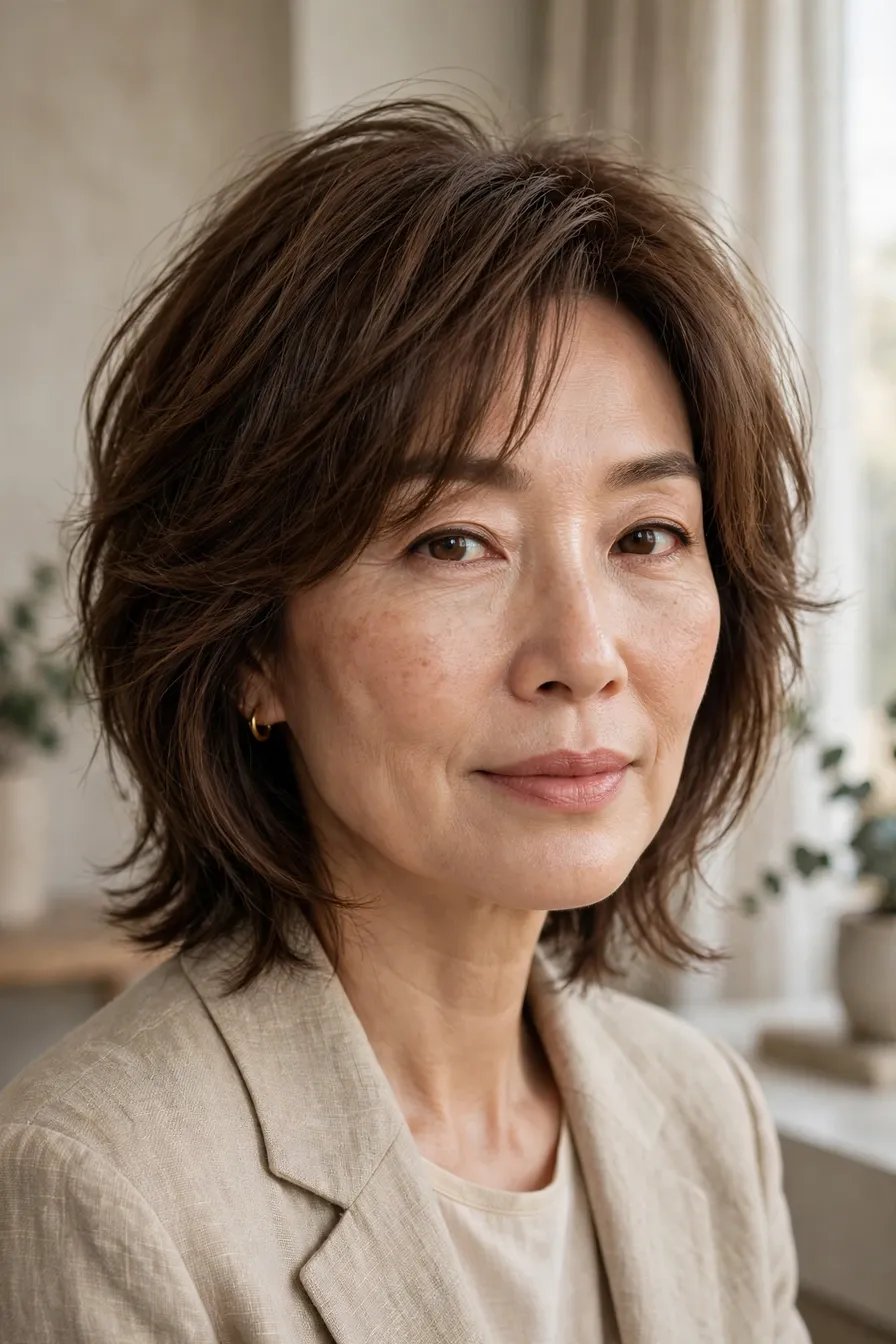
Every wolf cut becomes this eventually, and some people ask for it directly: the layers longer and more blended, the contrast dialled down until it reads as a textured layered cut with a fringe. It is the most office-friendly version and the easiest to grow out into a standard layered cut.
11. Wolf Cut with a Mullet Edge
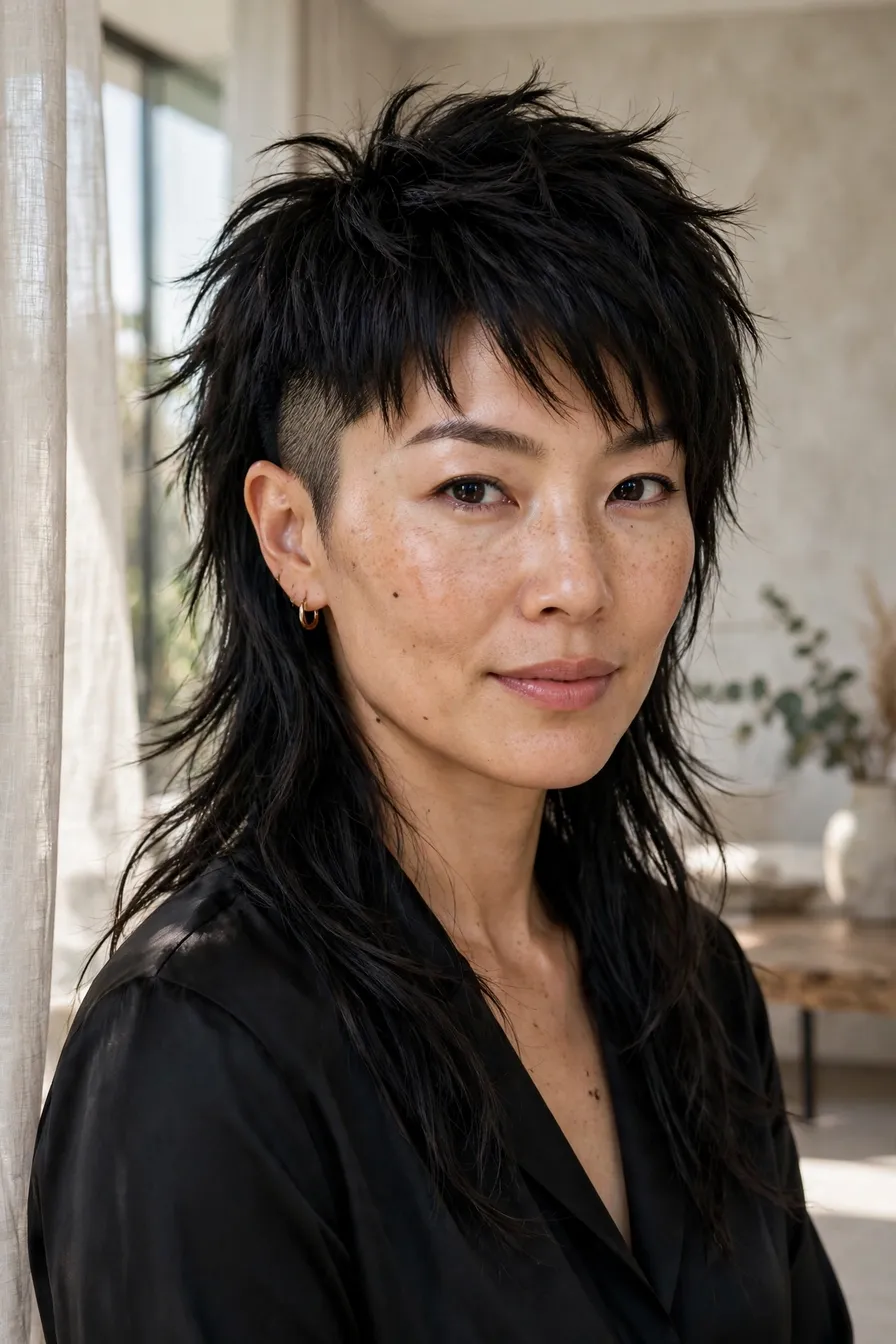
Push the sides shorter and keep the back longer and the wolf cut slides toward its mullet parent. It is a statement, and it commits you: the sides need regular tidying to keep the contrast deliberate rather than accidental. Try the short wolf cut first if you are not sure you want to live at this end of the scale.
12. Wolf Cut on Wavy Hair with Face-Framing Layers
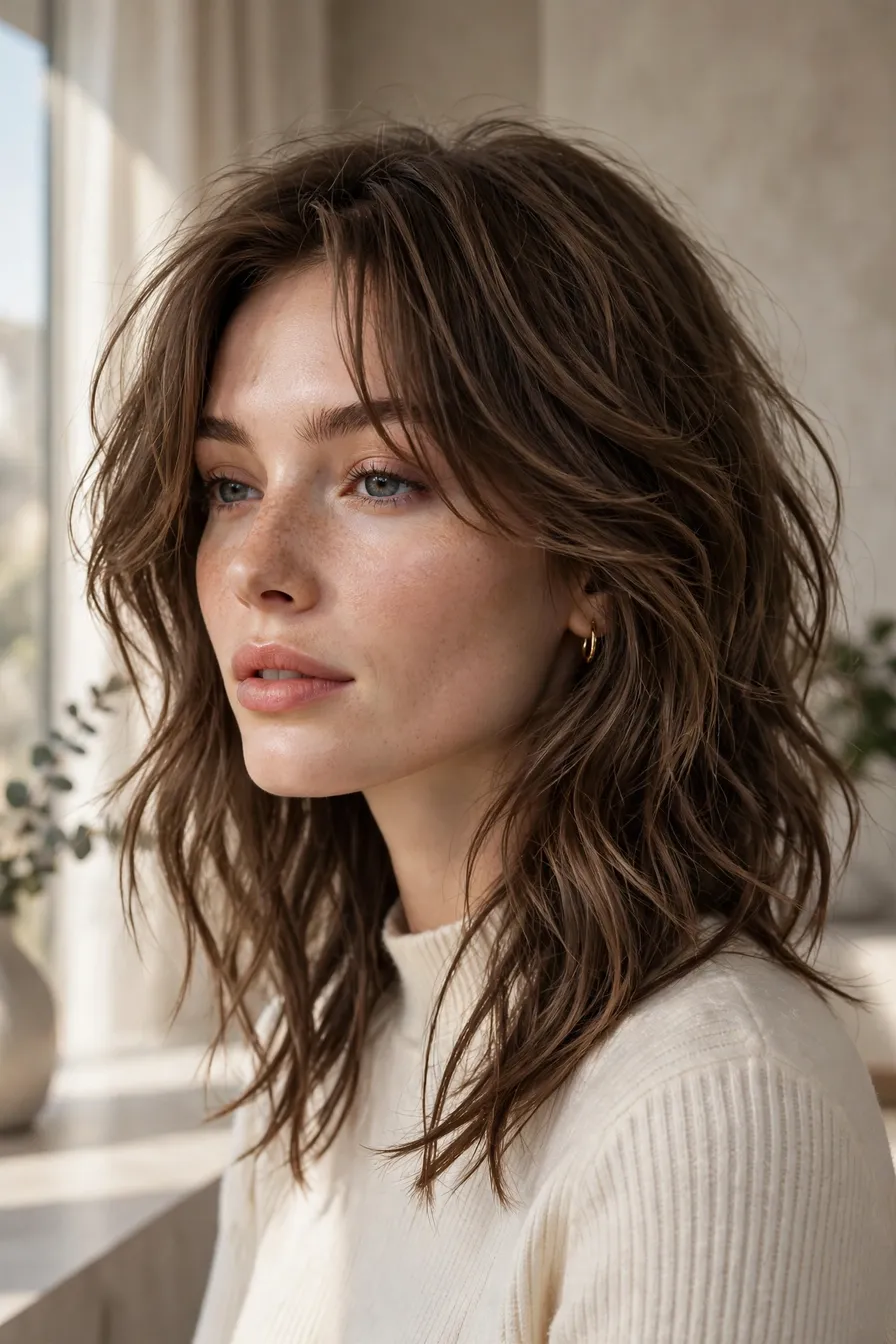
Natural waves plus graduated face-framing is the lowest-effort combination on this list: scrunch in a leave-in, air-dry, and the layers fall where they were cut to fall. The face-framing pieces do the same job as in our face-framing layers guide — they are what makes the cut feel styled even when it is not.
What to Ask Your Stylist For
Bring photos — “wolf cut” still means different things in different salons. The specifics that define the cut: short, choppy layers through the crown; a fringe or face-framing that connects to those layers; length kept at the back with the ends thinned and textured. Say explicitly how strong you want the contrast, because that single choice separates the soft version (style 10) from the mullet-leaning one (style 11). And if your hair is curly, ask whether they cut curly hair dry — for this cut, they should.
How a Wolf Cut Grows Out
Better than most statement cuts. The layers lengthen into a shag, then into a general layered cut, without an awkward shelf stage — the soft version above is literally a grown-out wolf cut. Expect the fringe to need attention first (a quick fringe trim at four to six weeks), and the ends to want reshaping around eight to twelve weeks, depending on how sharp you want to keep the taper.
Frequently Asked Questions
What is the difference between a wolf cut and a shag?
They are close relatives. A shag layers the whole head fairly evenly for all-over texture; a wolf cut concentrates the short layers and volume at the crown and keeps noticeably more length at the back — that top-heavy contrast, borrowed from the mullet, is the difference.
Does a wolf cut suit round faces?
It can, if the volume sits on top rather than at the sides. Crown height lengthens the face visually, while the tapered ends avoid adding width at the jaw. Keep the fringe longer and swept — curtain-style rather than short and blunt.
Is a wolf cut high maintenance?
Day to day, no — it is designed to look undone, and most versions air-dry well with one texture product. The maintenance is in the salon visits: every eight to twelve weeks to keep the layer contrast and taper, plus fringe trims in between if you wear one.
Can you get a wolf cut with thin hair?
Yes, in its soft form: longer layers, blunt-ish ends, no razor thinning. Fine hair cannot spare the density that aggressive wolf-cut texturising removes, so the fine-hair version (style 8) is about crown layering for the impression of volume rather than true piecey texture.
How do you style a wolf cut at home?
Less than you would expect. On damp hair, work a small amount of mousse or salt spray through the crown layers, scrunch, and air-dry or diffuse briefly. The cut does the shaping; product is there to separate the pieces, not to build the silhouette.
What is a wolf cut called at the salon?
Ask for a wolf cut by name and bring reference photos — most stylists know it now, but photos settle the two things the name leaves open: how short the crown layers go and how much length stays at the back. “Shaggy layered cut with a mullet shape” is the description to use if the name draws a blank.
Final Thoughts
The wolf cut endures because it is a system, not a single look: crown volume plus tapered length, tuned anywhere from soft to statement. Pick your contrast level first, match the version to your hair type second, and the twelve styles above will narrow to two or three real candidates. If even the soft version feels like too much edge, step one notch smoother to the butterfly haircut — same layered logic, polished finish.