Bob Haircuts: 14 Classic & Modern Bob Styles to Try
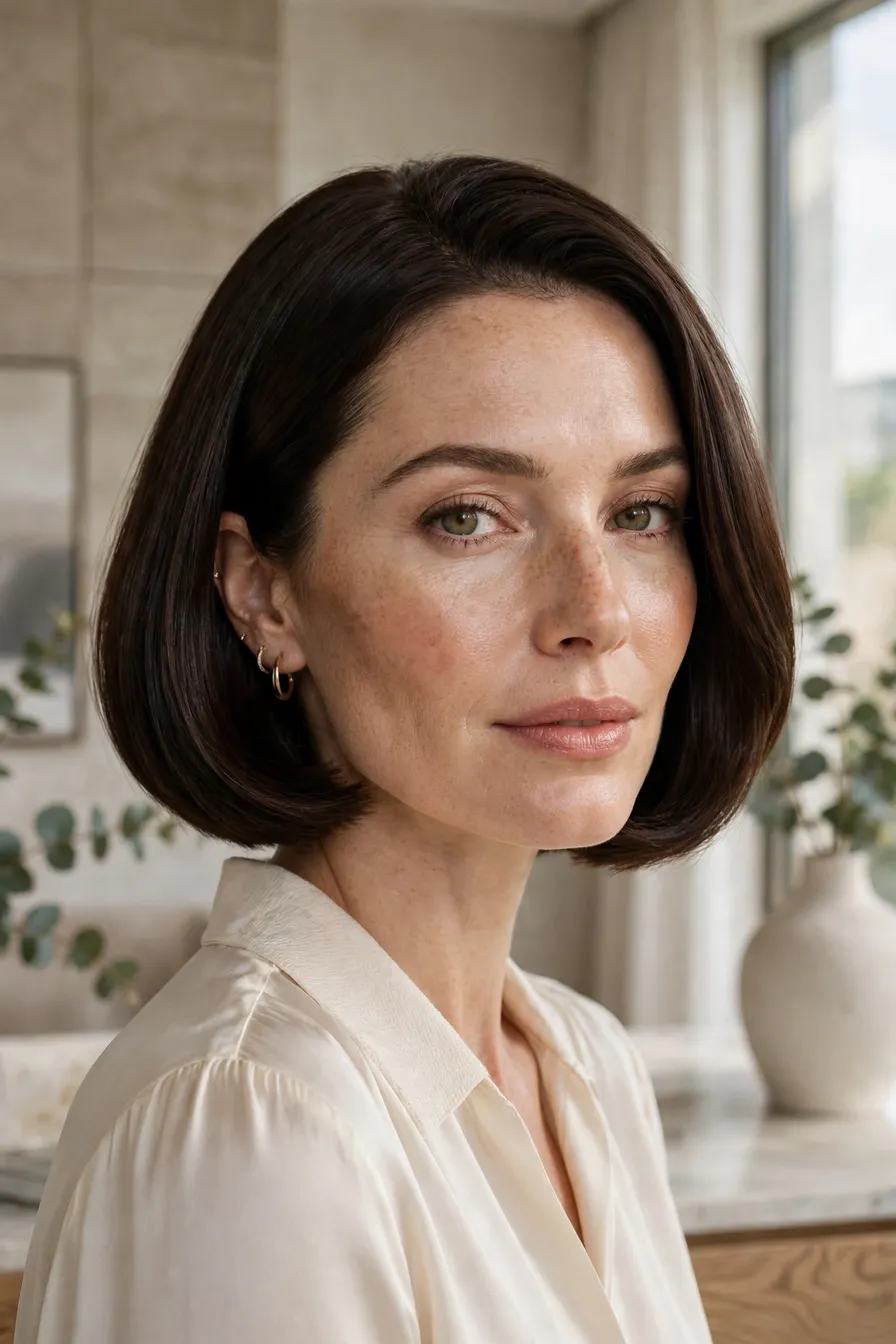
“Bob” is not one haircut — it is a family of them, all built on the same foundation: hair cut to a defined perimeter somewhere between the jaw and the shoulders, with the shape created by what happens inside that outline. Change the length by two inches, add layers or take them away, blunt the ends or texturise them, and the same family produces a polished classic, a Parisian crop, a soft layered cut or a sharp A-line.
This guide is the map of that family: fourteen bob haircuts, what defines each one, and who each suits. Several have their own dedicated guides on this site — the French bob, bobs for fine hair and the pixie bob — and this page is where to start before going deeper into any of them.
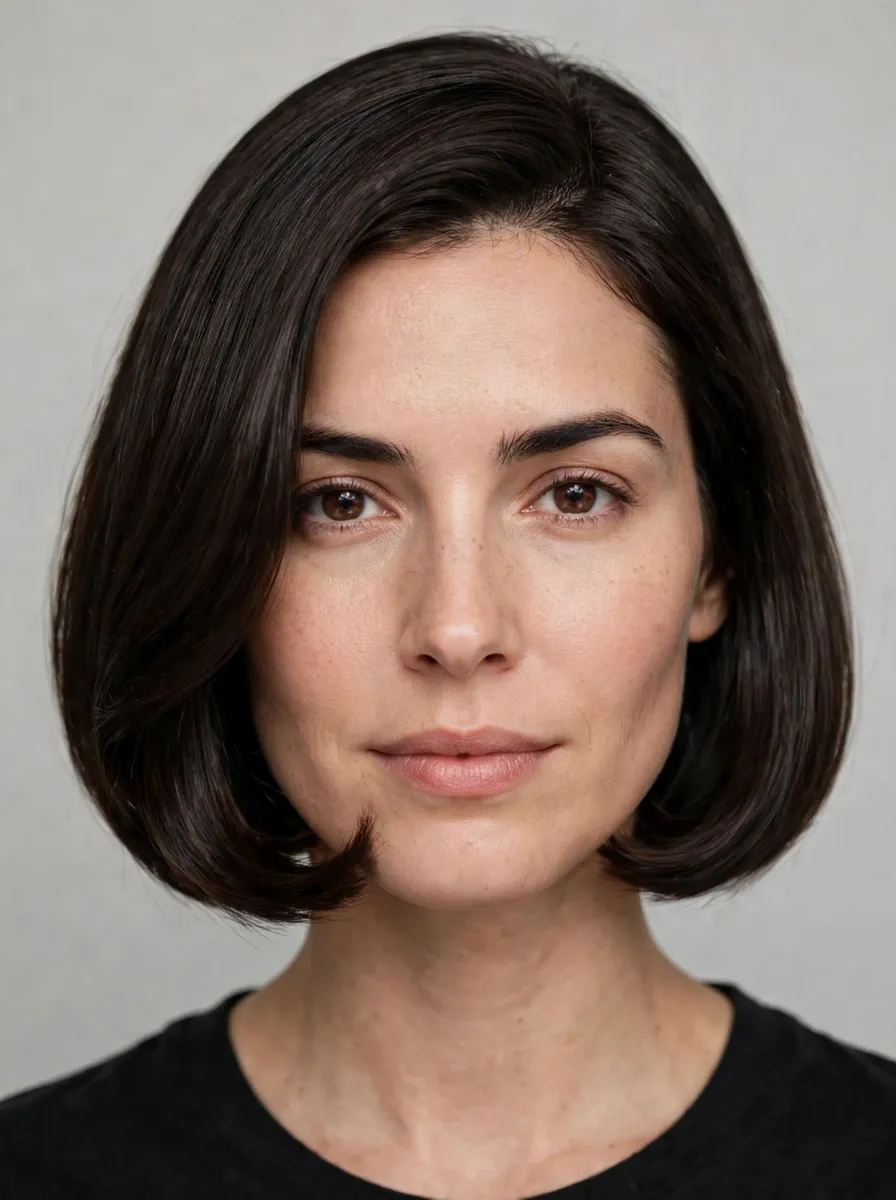
1. Classic Chin-Length Bob
The reference bob: one length, ends at the jaw, minimal layering, worn smooth or with a slight bend. Its power is the perimeter — a clean, strong line that makes hair look thicker and more deliberate. It suits most face shapes and is the version to choose if you want the bob as a polished, low-effort staple rather than a statement.
2. French Bob

Shorter and softer than the classic: cut around the cheekbones or jaw, usually with a fringe, and worn with natural texture rather than smoothed flat. The French bob’s charm is that it is meant to look slightly undone. Our full French bob guide covers its comeback and styling in detail.
3. Long Bob (Lob)
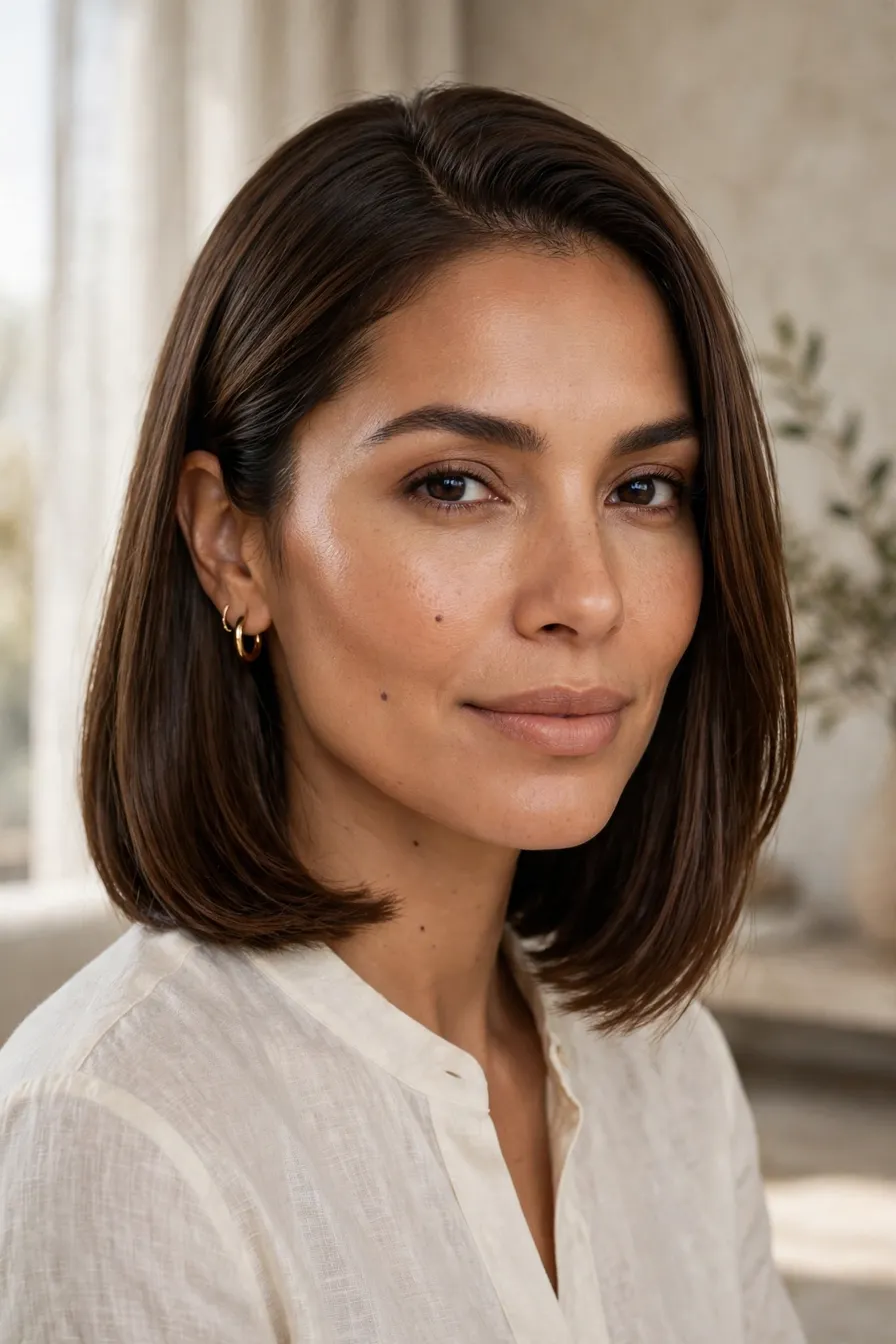
The bob stretched to collarbone length. You keep the strong perimeter and the tidy silhouette but gain ponytail length and slower, more forgiving grow-out. It is the standard recommendation for a first bob — all of the shape, none of the commitment shock — and it transitions naturally into a medium layered cut later.
4. A-Line Bob

Shorter at the nape, longer at the front, with a diagonal line you can actually see. The A-line creates movement and a longer-looking front without layers, which makes it a strong choice for fine or straight hair that needs shape built into the cut rather than the styling.
5. Layered Bob
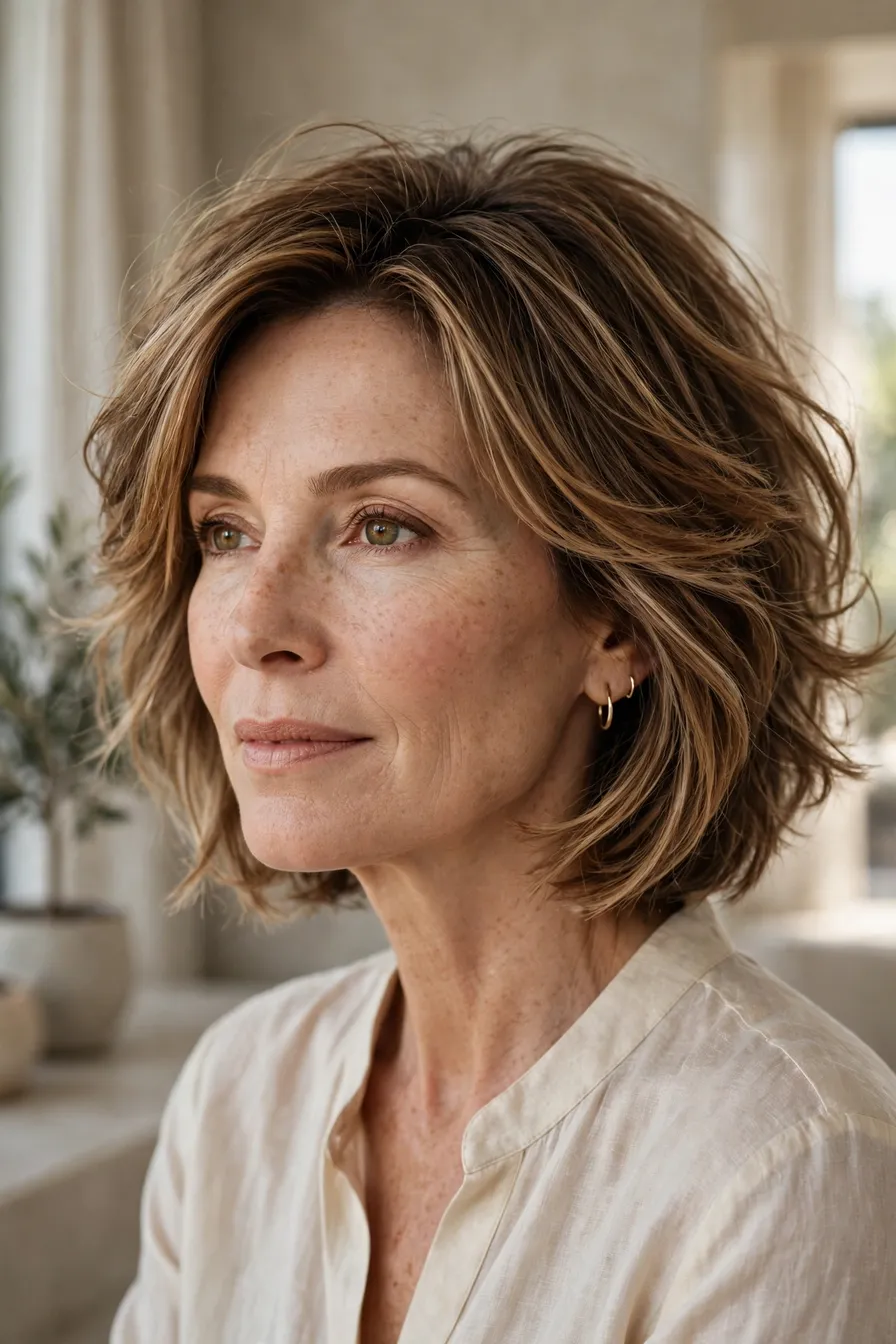
Layers inside the bob trade the classic’s solid perimeter for movement and lightness. Thick hair sheds the helmet effect; wavy hair gains definition. The cost is a perimeter that grows out less cleanly — layered bobs want reshaping around every eight weeks. For layering as its own subject, see our layered haircuts guide.
6. Blunt Bob
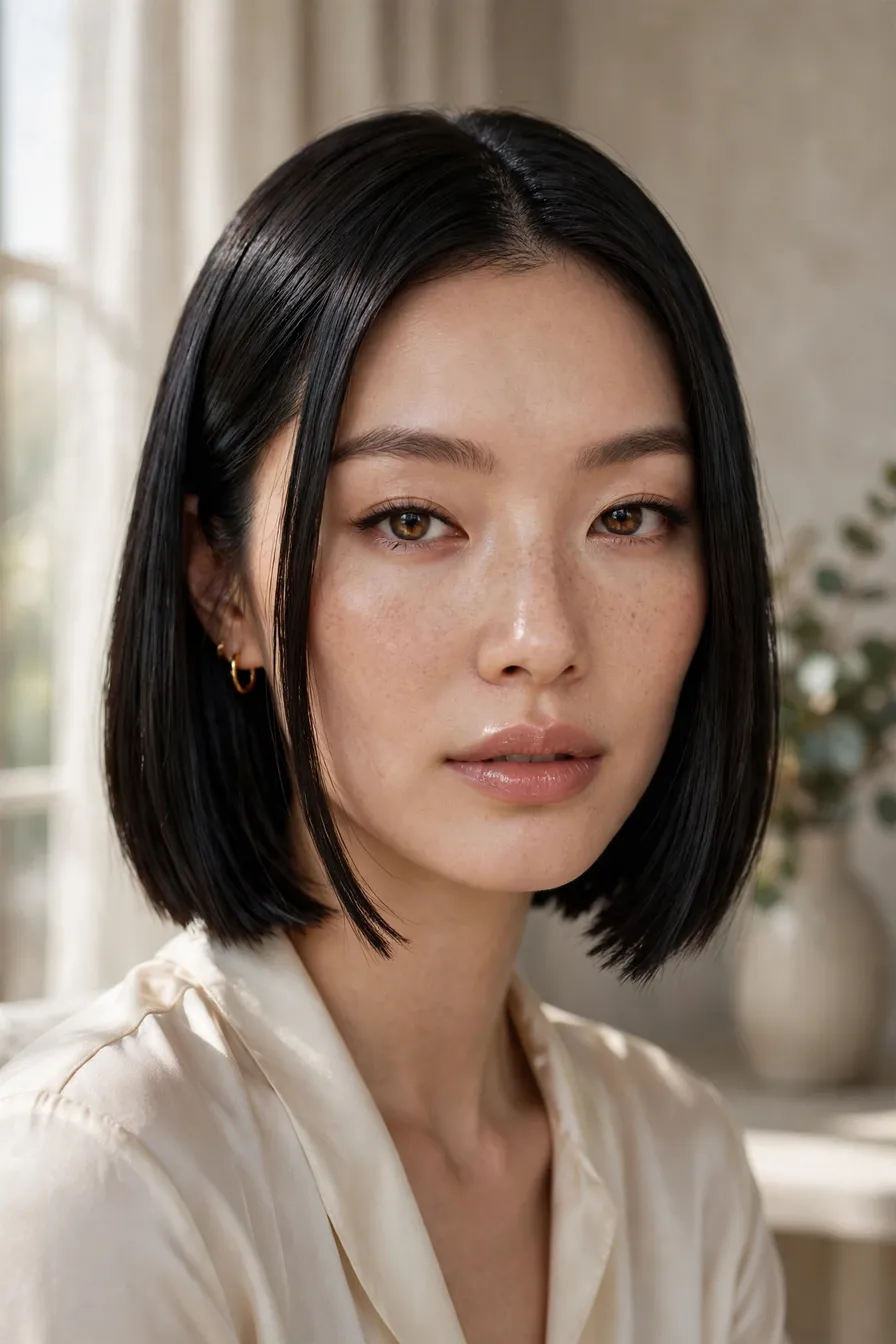
The classic bob with the volume turned up: ends cut dead even, no layering, no texturising, worn sleek. A blunt perimeter is the single most effective trick for making fine hair look thick — which is why this version anchors our bob haircuts for fine hair guide.
7. Curly Bob
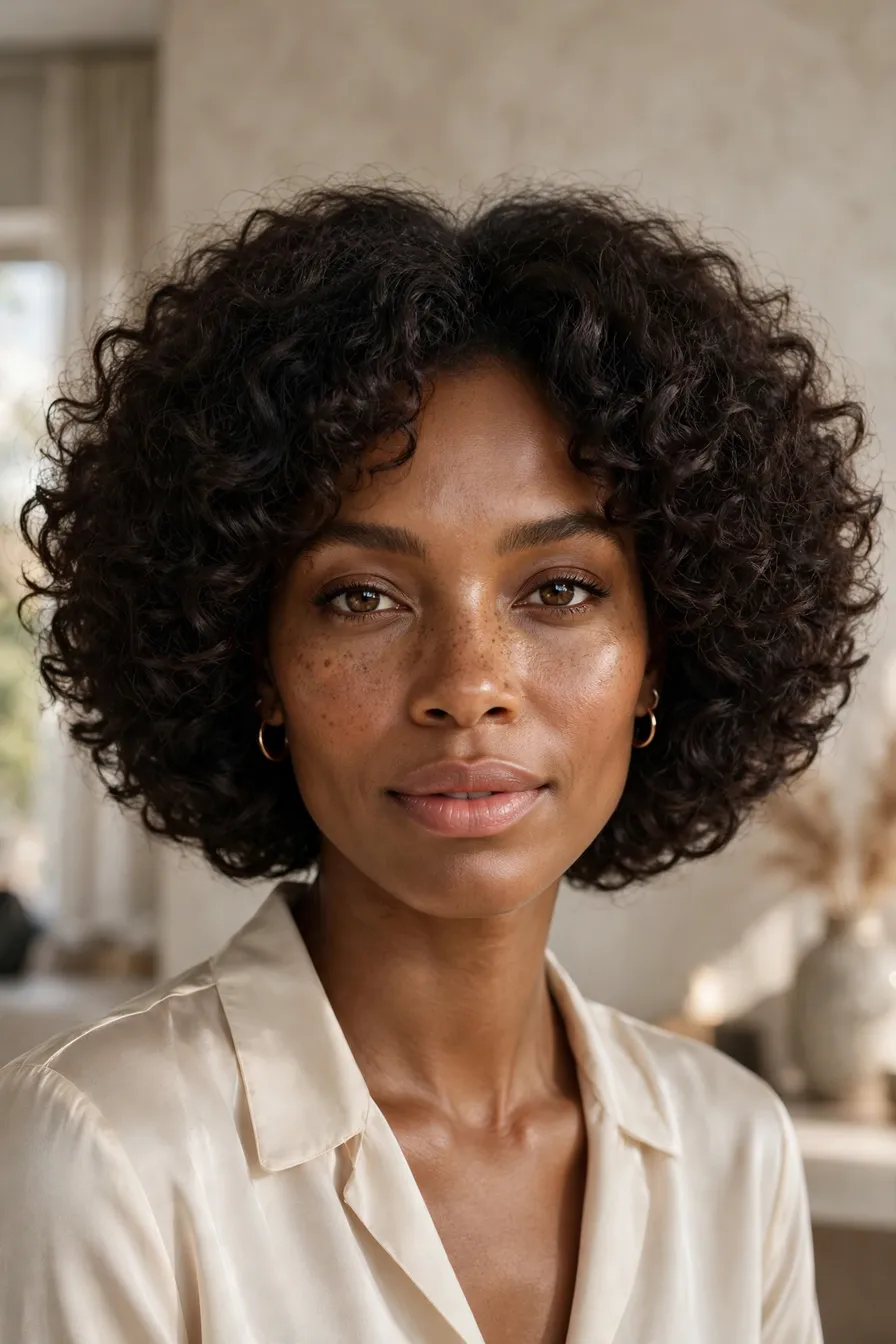
A bob shaped around the curl pattern instead of against it: cut dry, with a rounded silhouette that lets curls stack instead of spreading into a triangle. Length is deceptive on curly hair — a jaw-length curly bob was cut considerably longer wet — so this is a cut to get from someone who works with curls regularly.
8. Bob with Bangs

A fringe changes a bob more than any layering can. Full bangs sharpen it, curtain bangs soften it, and a side fringe makes it gentler and more classic. The honest cost: bangs are the highest-maintenance element on this page, needing trims every three to four weeks and daily styling on most hair types.
9. Shoulder-Length Bob

Sitting between the lob and the classic, the shoulder-length bob is the most versatile length in the family: long enough for updos and heat styling variety, short enough to keep the bob’s tidy line. It is also the easiest bob to grow out of if you change your mind.
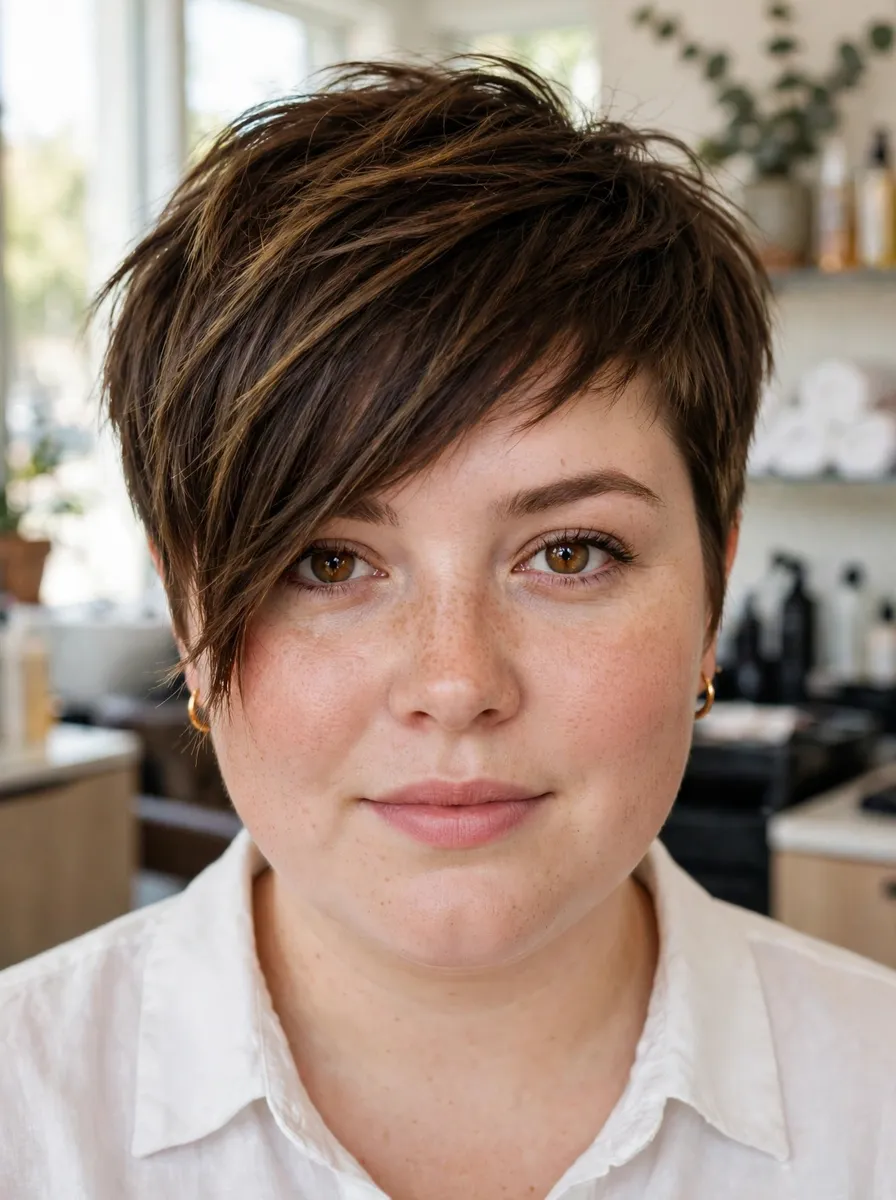
10. Textured Bob
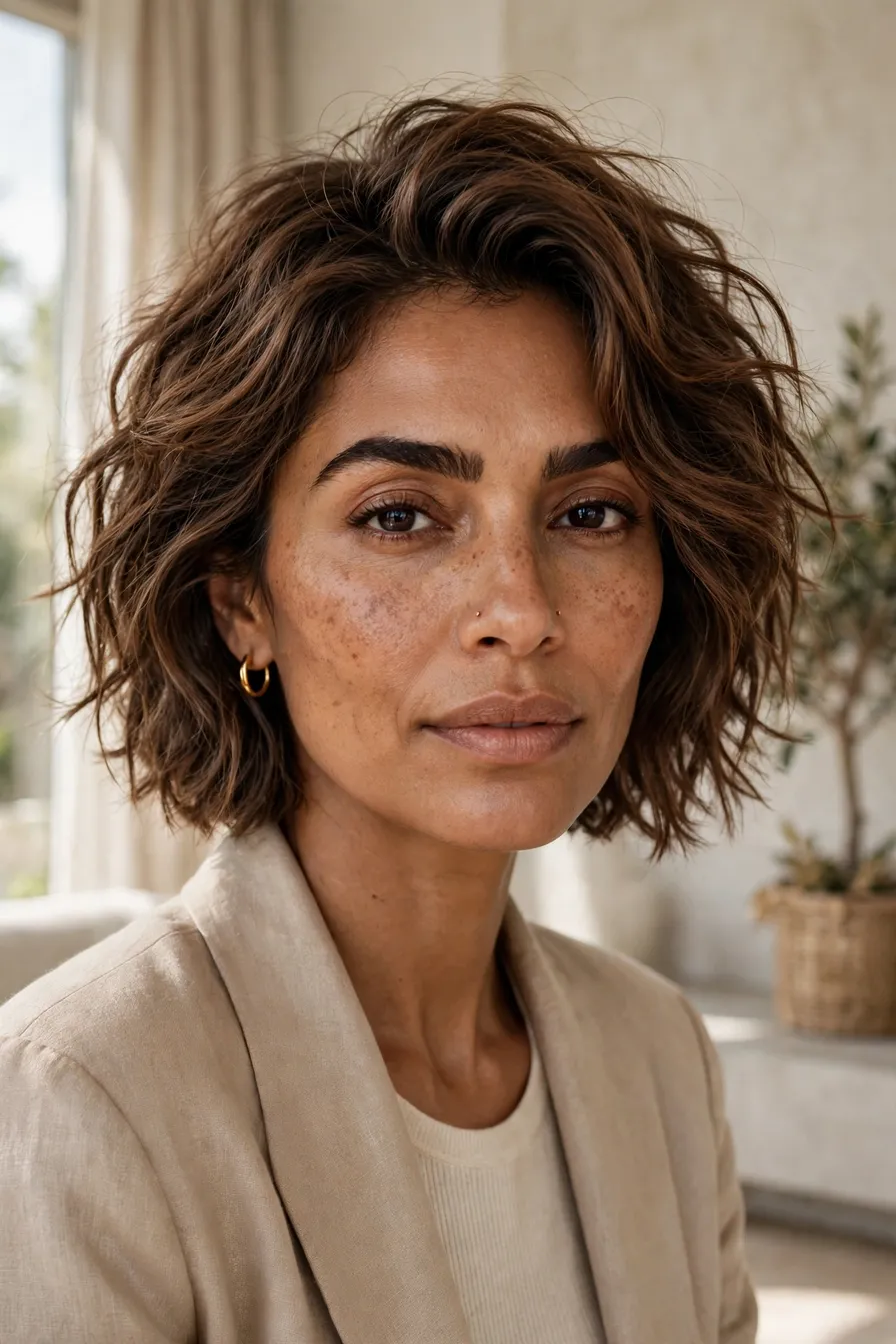
Point-cut, piecey ends and styling that aims for separated rather than smooth. The textured bob is the relaxed member of the family — it forgives imperfect styling, hides grow-out well, and suits wavy hair that fights sleek finishes anyway. It is one step of polish away from a short shag.
11. Asymmetrical Bob
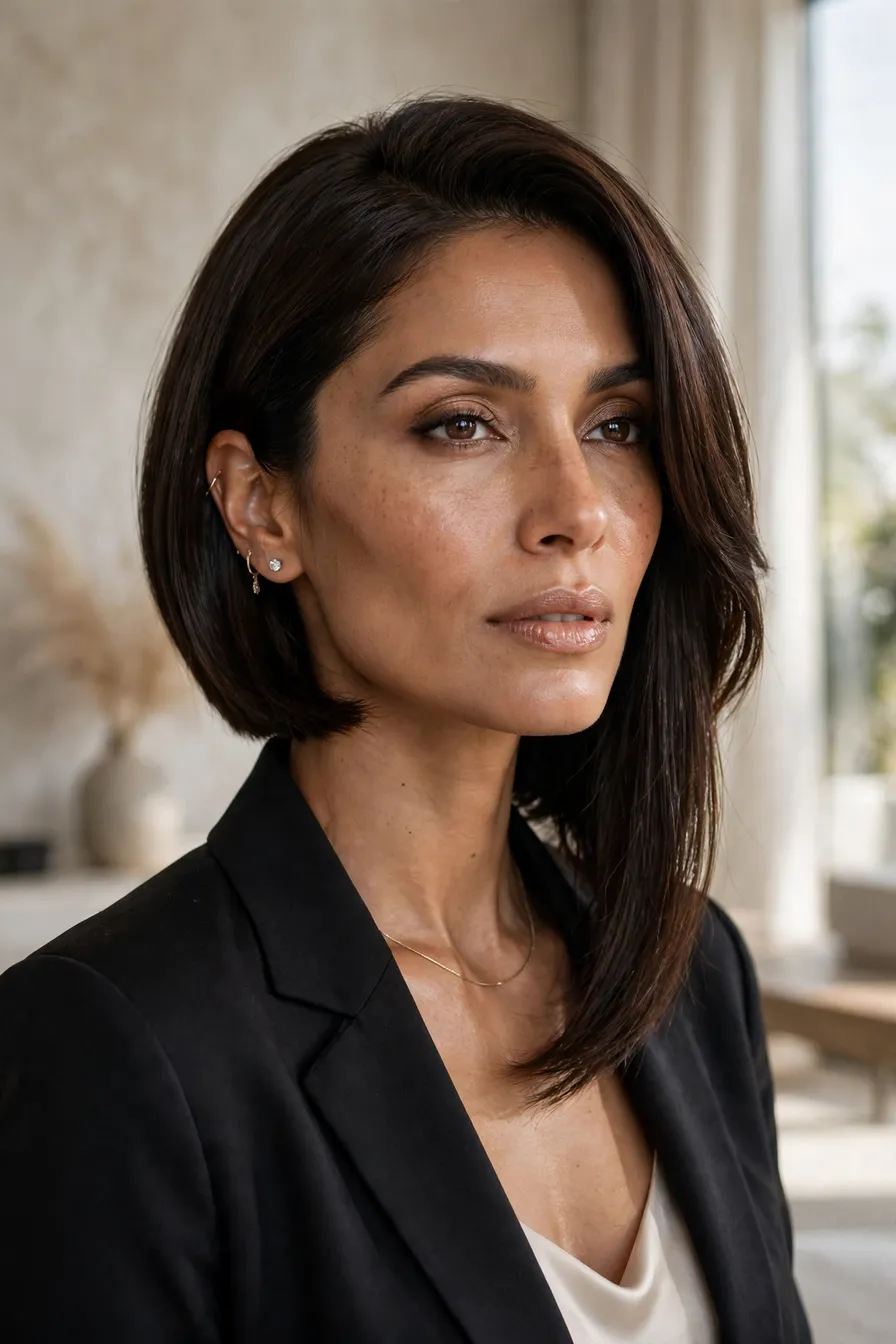
One side noticeably longer than the other. The asymmetry does the styling work — the cut reads intentional even completely unstyled — but it is the least forgiving bob to grow out, passing through a visibly uneven stage. Choose it for the look itself, not as a stepping stone.
12. Bob with Curtain Bangs
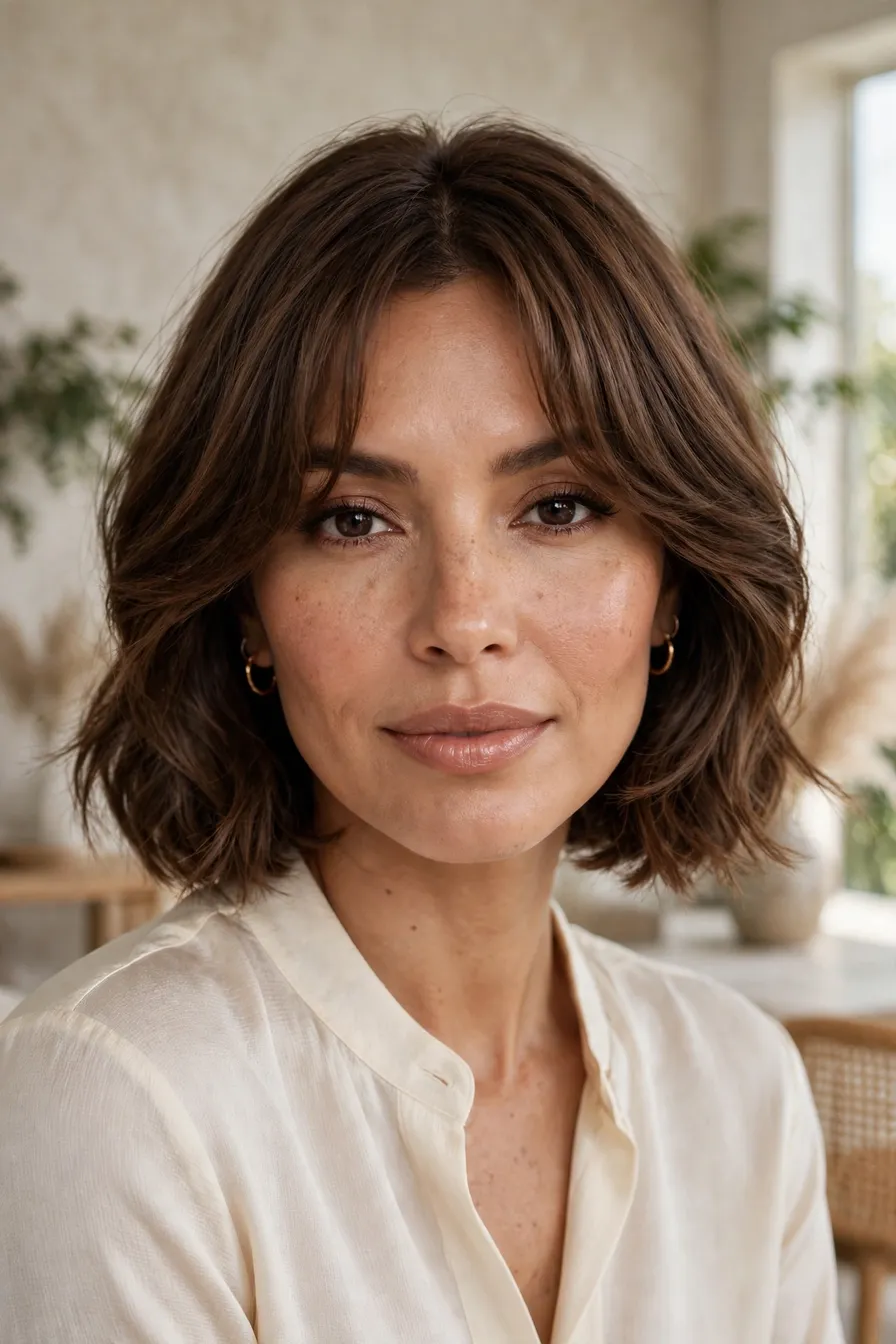
The softest fringe pairing: curtain bangs blend into the bob’s front corners, framing the face and covering the transition that a blunt fringe makes obvious. If you are bang-curious, this is the lowest-risk way in — they grow out into face-framing layers, exactly the pieces in our face-framing layers guide.
13. Stacked Bob
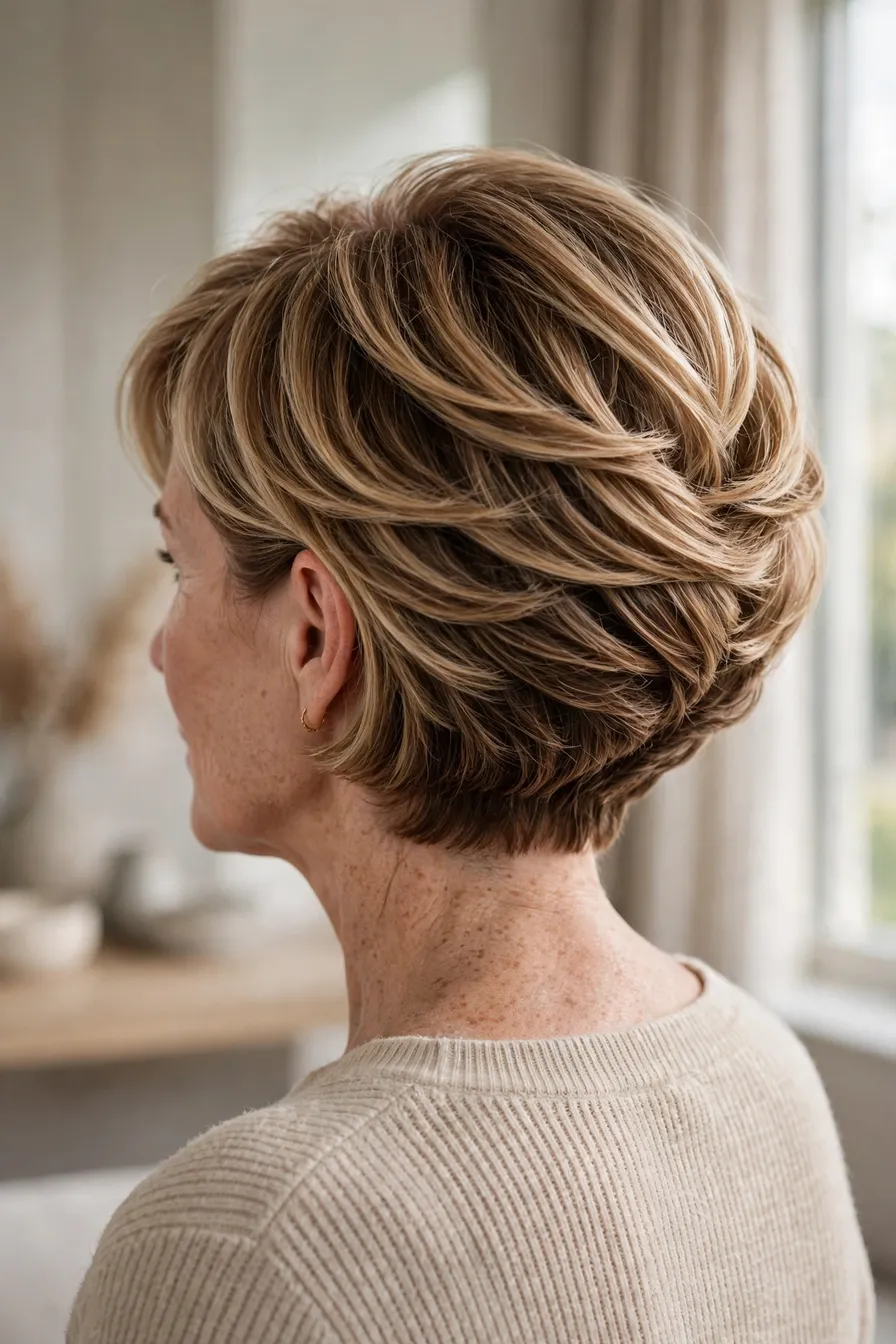
Graduated layers stacked at the back build a rounded volume that flat-backed heads and fine hair often lack. The front stays longer and smoother. Stacked bobs are precision cuts — the graduation is the whole effect — so they need a stylist confident with the technique and trims every six to eight weeks.
14. Micro Bob
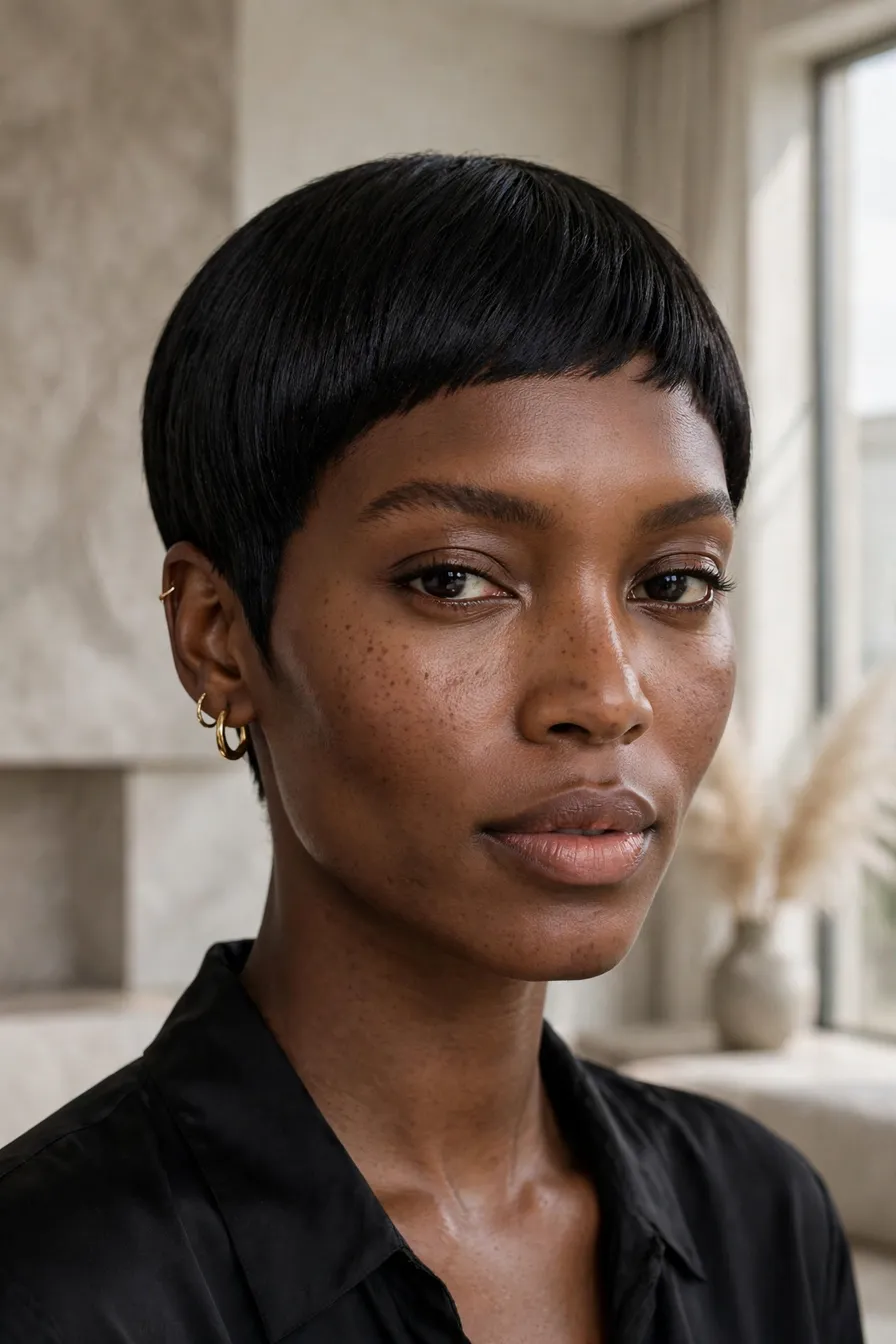
The bob at its shortest: above the jaw, sometimes at cheekbone height, exposing the neck and jawline completely. It is striking, genuinely low-styling, and entirely dependent on the perimeter staying sharp — budget for the most frequent trims on this page. If you want shorter still, you have crossed into pixie bob territory.
How to Choose Your Bob
Three questions narrow the family fast. Length: jaw for impact and thickness, collarbone for versatility and easy grow-out. Layers: none for a strong perimeter and fine hair, some for movement and thick hair. Fringe: none for the lowest upkeep, curtain for softness, full for sharpness. Answer those and one or two of the fourteen above will be the obvious candidates — take their photos to your stylist, because bob names still vary between salons.
Bob Upkeep, Honestly
Bobs are not wash-and-go for everyone. The perimeter is the look, and perimeters blur as hair grows: most bobs want a trim every six to eight weeks (micro and stacked closer to six), fringe versions need bang trims between visits, and sleek versions ask for heat styling on hair that does not dry straight. Set against that: drying time is short, product use is minimal, and no other cut at this length makes hair look this deliberate with this little daily work.
Frequently Asked Questions
What is the most popular bob haircut?
The classic chin-length bob and the long bob trade the top spot depending on the season. The classic is the sharper, more fashionable statement; the lob is the most-booked in salons because it suits the widest range of face shapes, hair types and risk appetites.
Which bob is best for fine hair?
A blunt or classic bob at jaw length. The even perimeter creates the appearance of thickness, and keeping the length short stops fine hair from separating at the ends. Avoid heavy layering, which removes density fine hair cannot spare.
Do bobs suit round faces?
Yes — with length past the jaw or an A-line shape. Length in front of the jawline lengthens the face visually, while a bob that ends exactly at the widest point of the face emphasises roundness. A side part helps more than a centre part here.
How often does a bob need trimming?
Every six to eight weeks for most versions. The perimeter line is the haircut, and it softens noticeably after two months of growth. Fringe versions need bang trims at three to four weeks, which many salons do free or cheaply between full cuts.
Can you tie up a bob?
A lob and shoulder-length bob, yes. A jaw-length bob, mostly — expect the nape pieces to escape, which a couple of pins fix. A micro bob, no. If updos matter to you daily, choose from the longer end of the family.
What is the difference between a bob and a lob?
Length, only. A lob (“long bob”) is a bob whose ends reach roughly the collarbone; a classic bob ends around the jaw. Everything else — layering, fringe, texture — can be identical between the two.
Final Thoughts
Start with length, then layers, then fringe — that order turns fourteen options into one or two. The bob has lasted a century because the family keeps absorbing new variations without losing its foundation: a clean perimeter at a deliberate length. Once you know which member of the family you want, the dedicated guides — French bob, fine-hair bobs, pixie bob — go deeper on each.