Micro Bangs: 12 Styles, Who They Suit and How to Style Them
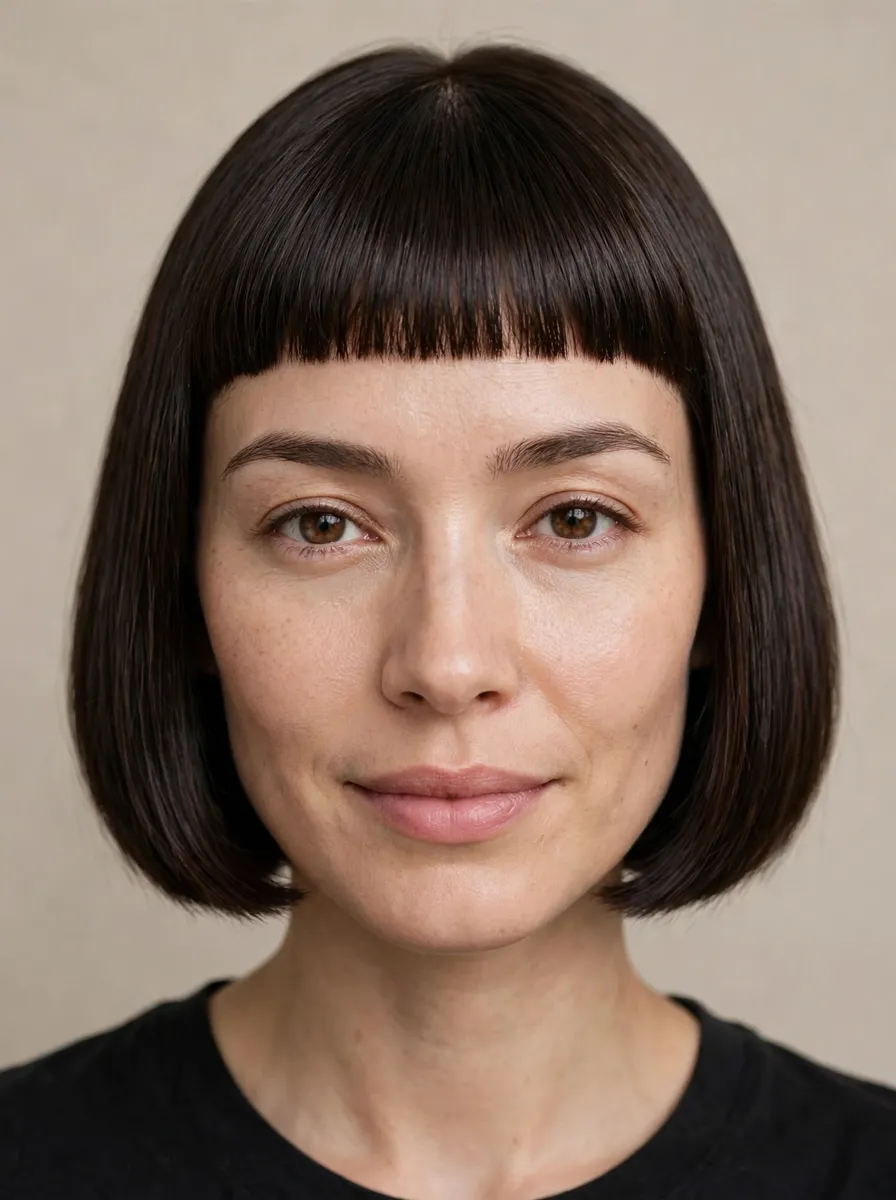
Micro bangs — baby bangs — are a fringe cut well above the eyebrows, sometimes a full two inches clear of the brow line. That exposed forehead is the whole point: the look is bold, graphic and a little bit retro, and it changes the balance of a face more than any other fringe. It is also the least forgiving cut in the fringe family, because there is nowhere for a mistake to hide and the regrowth shows within weeks.
That does not mean it is only for the brave. The twelve styles below run from the full-commitment blunt version to a soft, grown-out micro fringe that reads as a styling choice rather than a statement. If even the softest version feels like too much forehead, curtain bangs are the gentler alternative — they skim the brows and sweep away instead of stopping short. Start here instead: what micro bangs actually are, and who they honestly suit.
What Are Micro Bangs?
A standard blunt fringe ends at or just below the eyebrows. Micro bangs end anywhere from the middle of the forehead up to the hairline itself. The section taken is usually the same triangle a normal fringe uses — the difference is purely length, which is why the style works over almost any base cut: bobs, pixies, long hair and curls all take it. Because the fringe is so short, it stays off the brows and out of the eyes completely, never needs pushing back, and shows off eyebrows and eye make-up like no other cut.
Who Do Micro Bangs Suit?
- Strong brows and balanced features carry the classic version best. Micro bangs put the brow bone on display, so full, well-shaped brows are an asset rather than something to hide.
- Oval faces suit almost every length, including the shortest — the proportions forgive the lost forehead height.
- Round faces should go choppy or curved rather than blunt and straight across, which can widen the face; texture breaks the horizontal line.
- Square and angular faces do well: a short fringe softens nothing, but it balances a strong jaw by adding interest at the top of the face. Keep the edges slightly soft.
- Long faces should be careful. A very short fringe on a long forehead emphasises length; the grown-out micro (style 12) or a curved version keeps more coverage.
- Curly hair shrinks — a lot. A fringe that sits mid-forehead wet can spring to the hairline dry, so curly micro bangs must be cut longer than the target and shaped dry.
- Fine hair can look sparse in a blunt micro fringe, because there is so little length to give the edge body. Wispy and choppy versions, which are meant to look light, work better.
- Thick, straight hair is the ideal canvas for the blunt classic: the edge stays crisp and the density reads as deliberate.
1. Classic Blunt Micro Bangs
The reference version: a straight-across fringe cut in one clean line, ending mid-forehead or higher, with a blunt edge and no layering. It is the most graphic of the twelve and the one that reads as a deliberate fashion choice. The edge must be perfect — any unevenness shows immediately — so this is a salon cut, not a bathroom-mirror one. Best for: thick, straight hair and oval faces; the purest form of the style.
2. Choppy Textured Micro Bangs
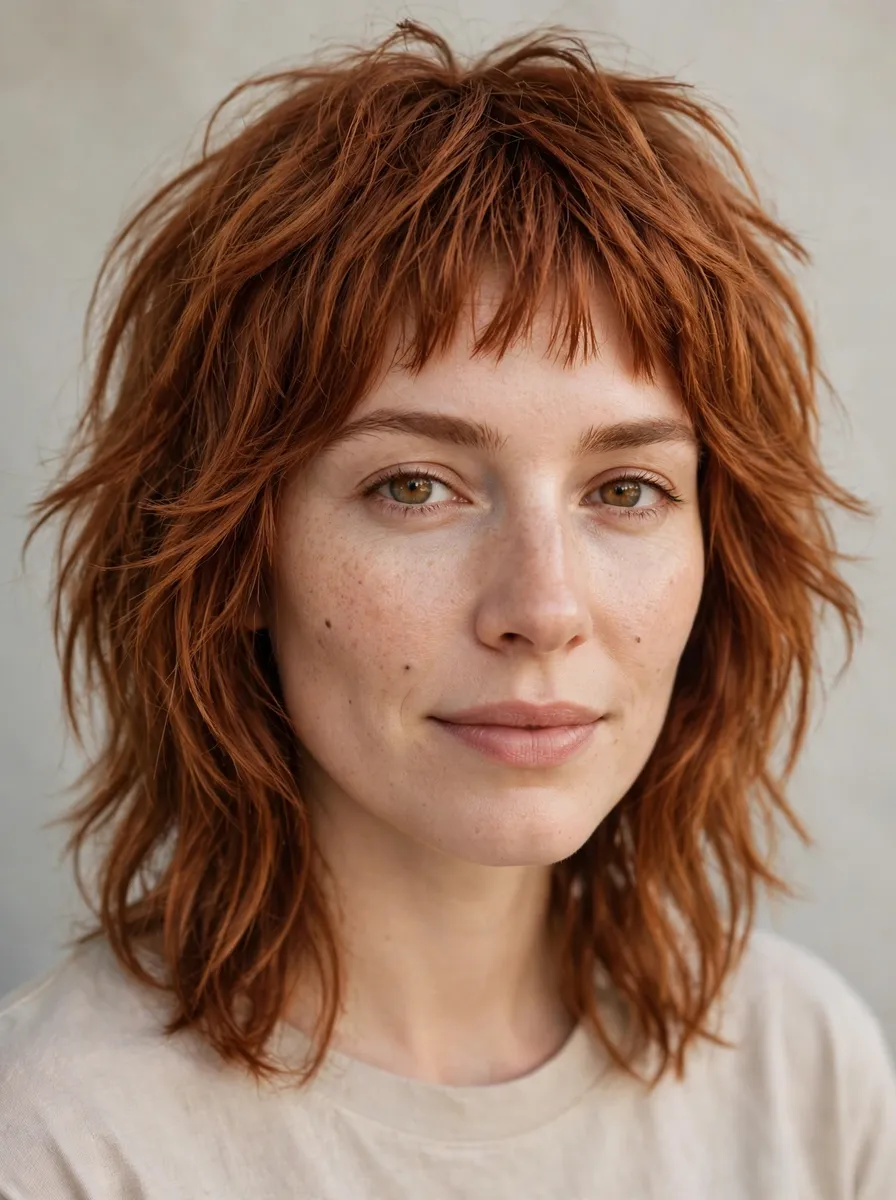
Point-cut and piecey, with the ends broken up so no straight line forms. The uneven edge is far more forgiving than the blunt version — small cutting errors vanish into the texture, and the style grows out gracefully because there is no crisp line to lose. It pairs naturally with shags and layered cuts. Best for: round faces, wavy hair, and anyone who wants micro bangs without the severity.
3. Curved Arch Micro Bangs
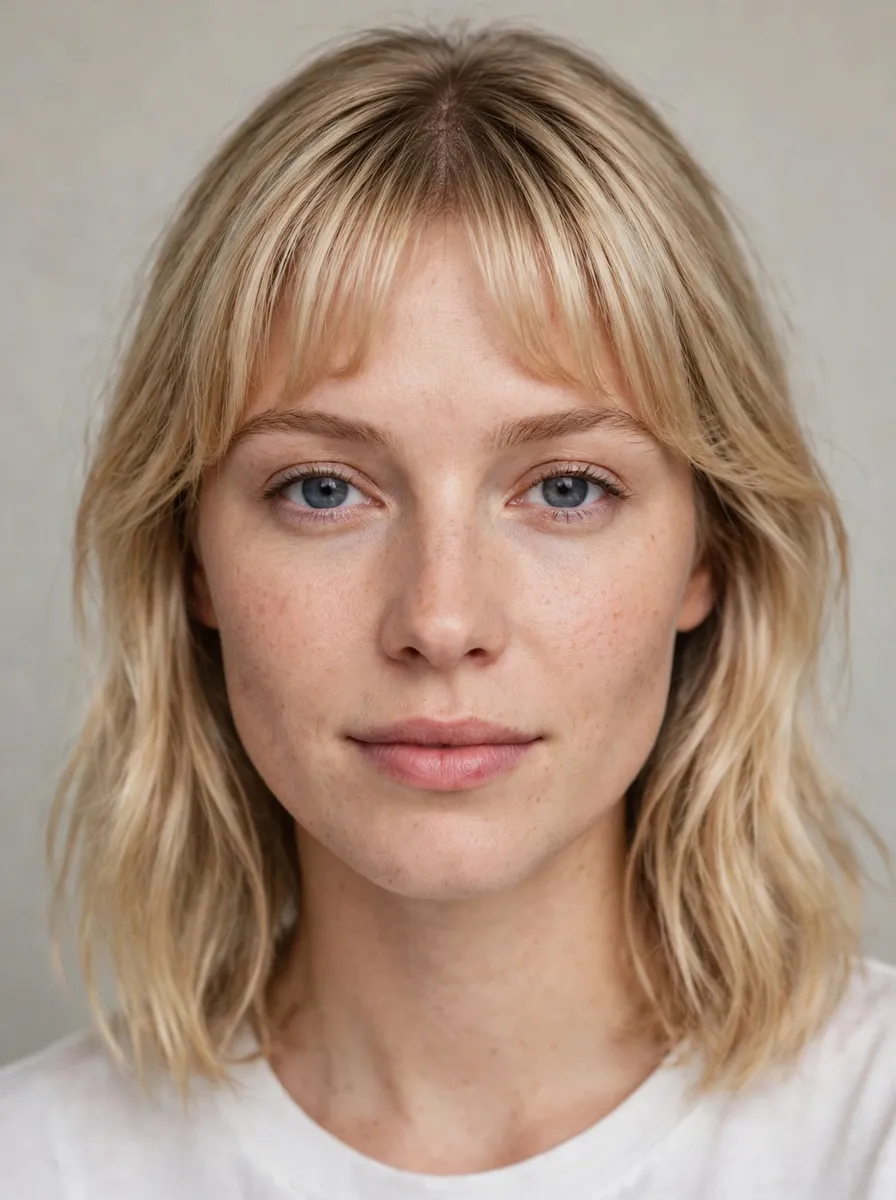
Cut in a shallow arc — shortest at the centre, slightly longer at the temples — so the fringe follows the brow bone instead of fighting it. The curve keeps a little coverage at the sides, which softens the look and flatters faces that a straight-across line would widen. It is the most traditionally “pretty” version of the cut. Best for: round and heart-shaped faces, and first-timers who want the option of growing into a standard fringe.
4. Side-Swept Micro Bangs
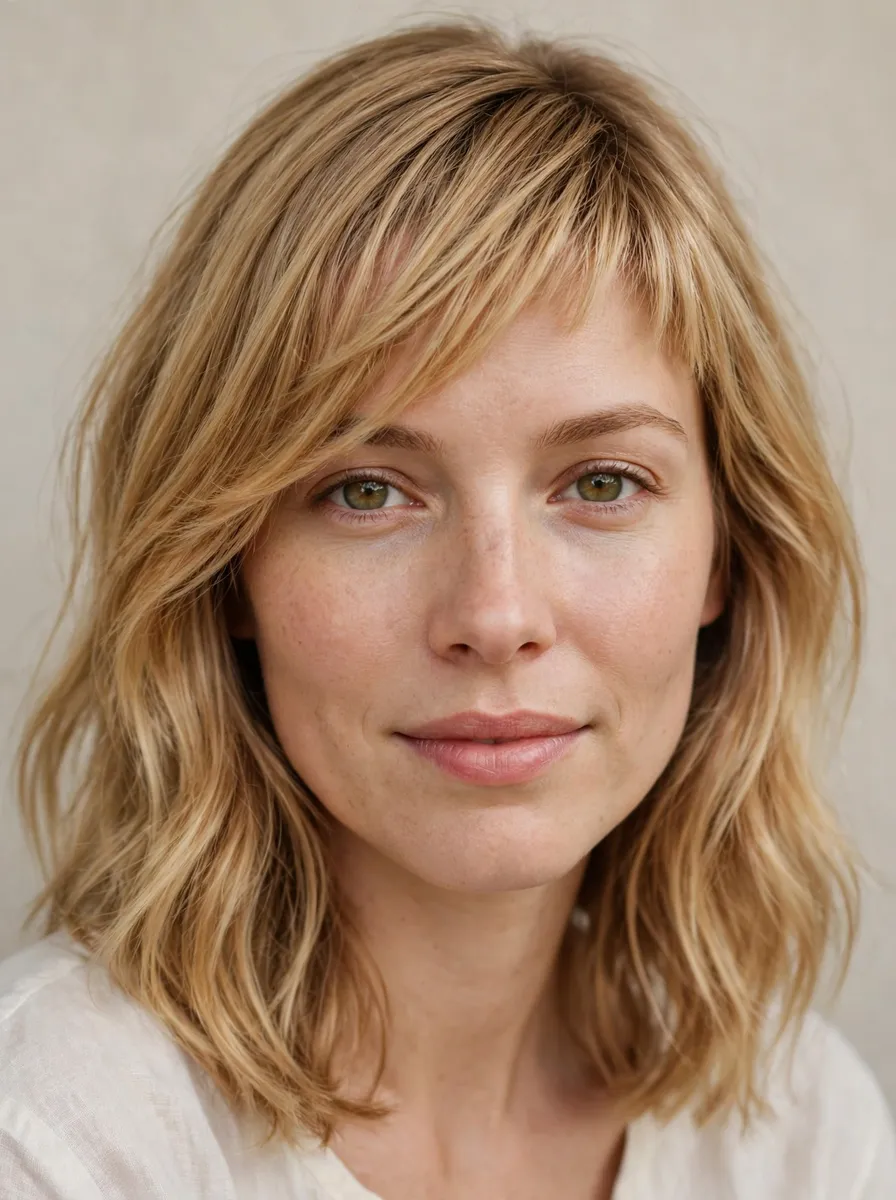
A short fringe worn brushed diagonally, so it crosses the forehead at an angle rather than sitting level. The diagonal breaks up the forehead and disguises the regrowth line, and it is the easiest micro style to restyle — sweep it further over and it reads as a short side fringe. Part it on your natural side and cut with the sweep in mind. Best for: cowlicks at the hairline, square faces, and anyone who styles their fringe daily anyway.
5. Micro Bangs with a Bob
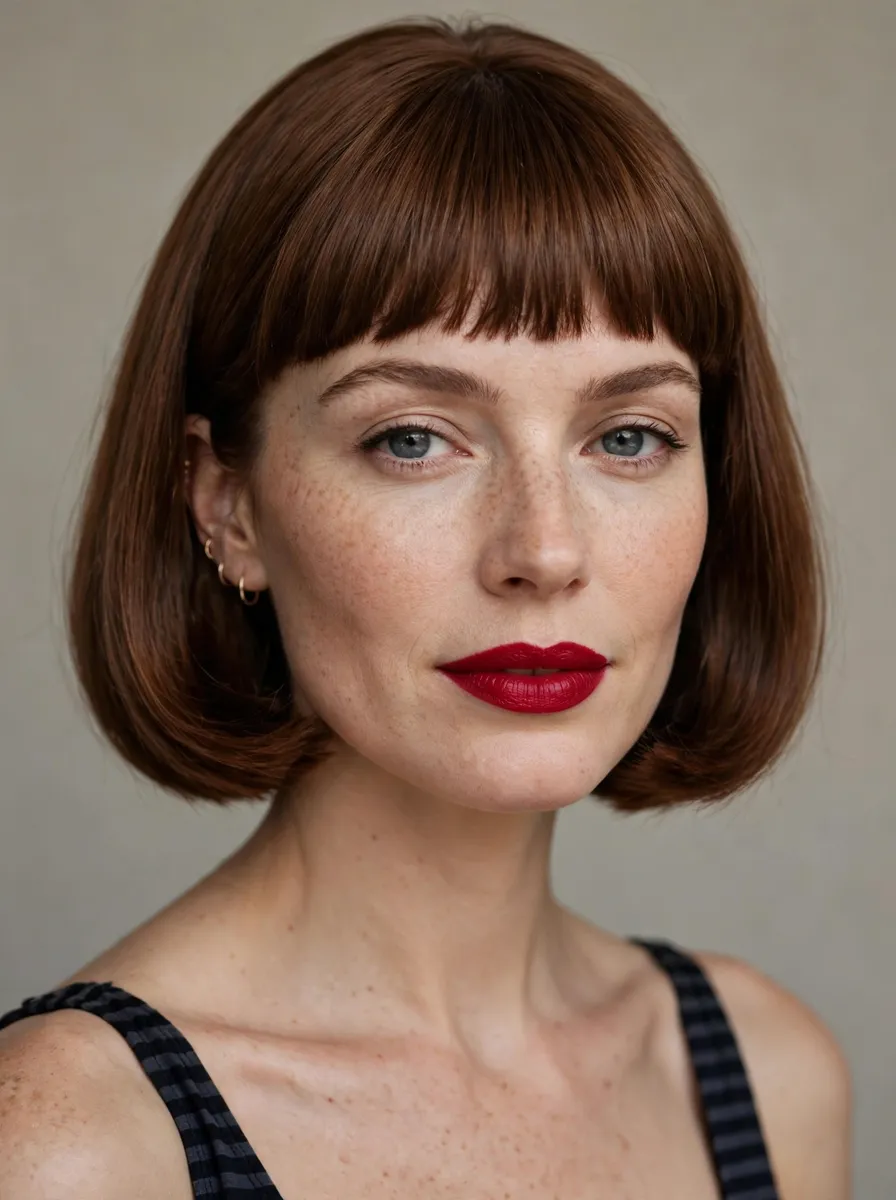
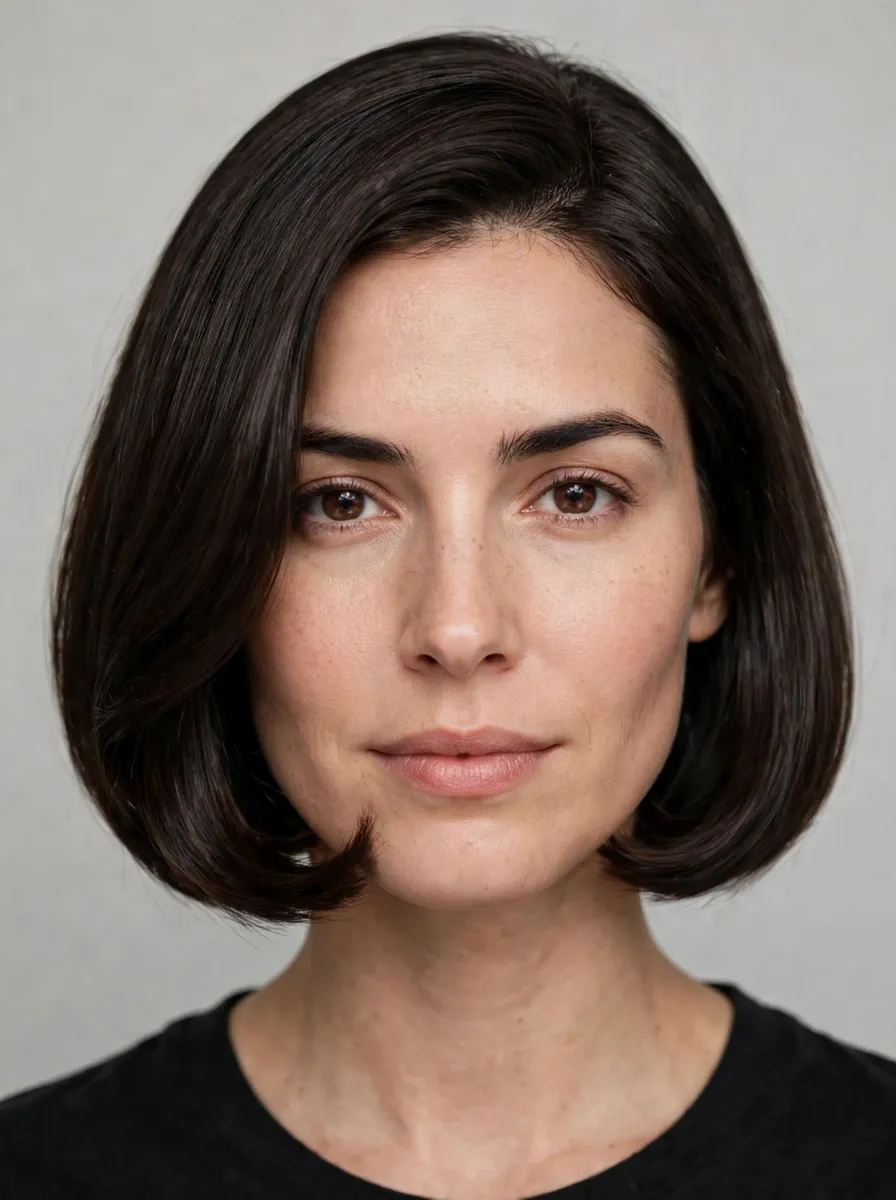
The pairing that made the style famous again: a chin-length bob with a short fringe, all straight lines and sharp geometry. Our guide to the French bob covers the base cut; the micro fringe swaps its usual brow-length fringe for the cropped version and pushes the whole look further into retro territory. Best for: straight hair, strong jawlines, and anyone who likes a cut with a clear point of view.
6. Micro Bangs with a Pixie
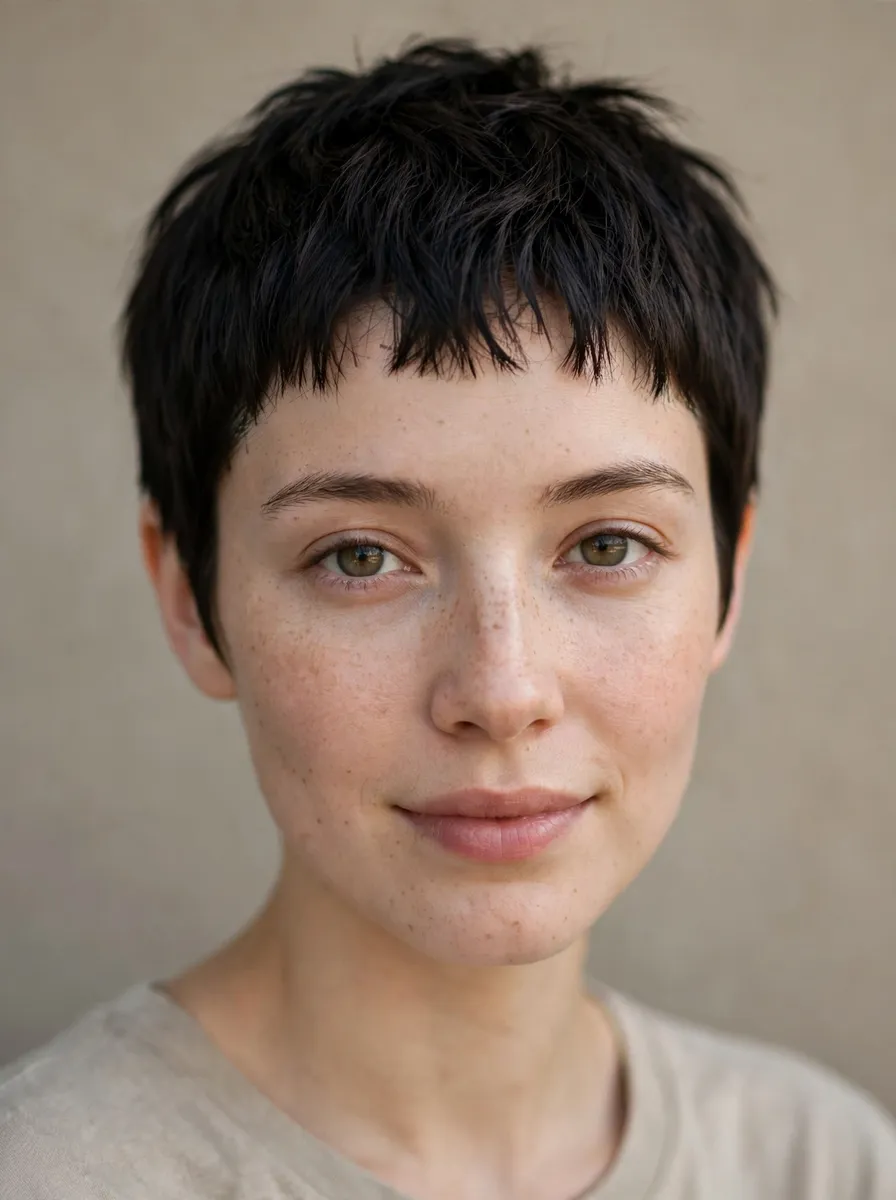
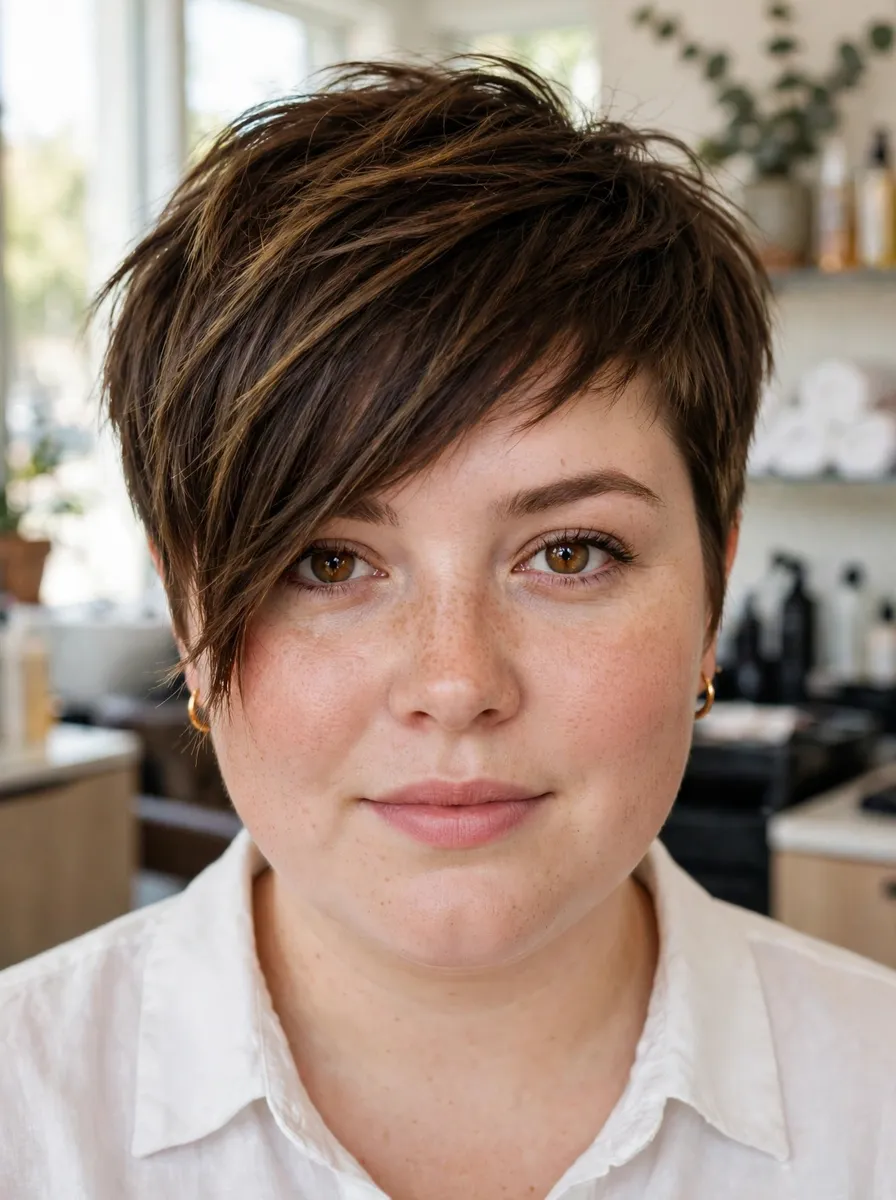
On a pixie, a micro fringe is barely a fringe at all — a short, textured crop across the front hairline that stops the cut looking severe. It softens the forehead, keeps the pixie’s lightness, and needs only the smallest trim to maintain. Keep it choppy rather than blunt so it blends with the pixie’s texture. Best for: fine hair, petite features, and pixie wearers who found a longer fringe too heavy.
7. Curly Micro Fringe
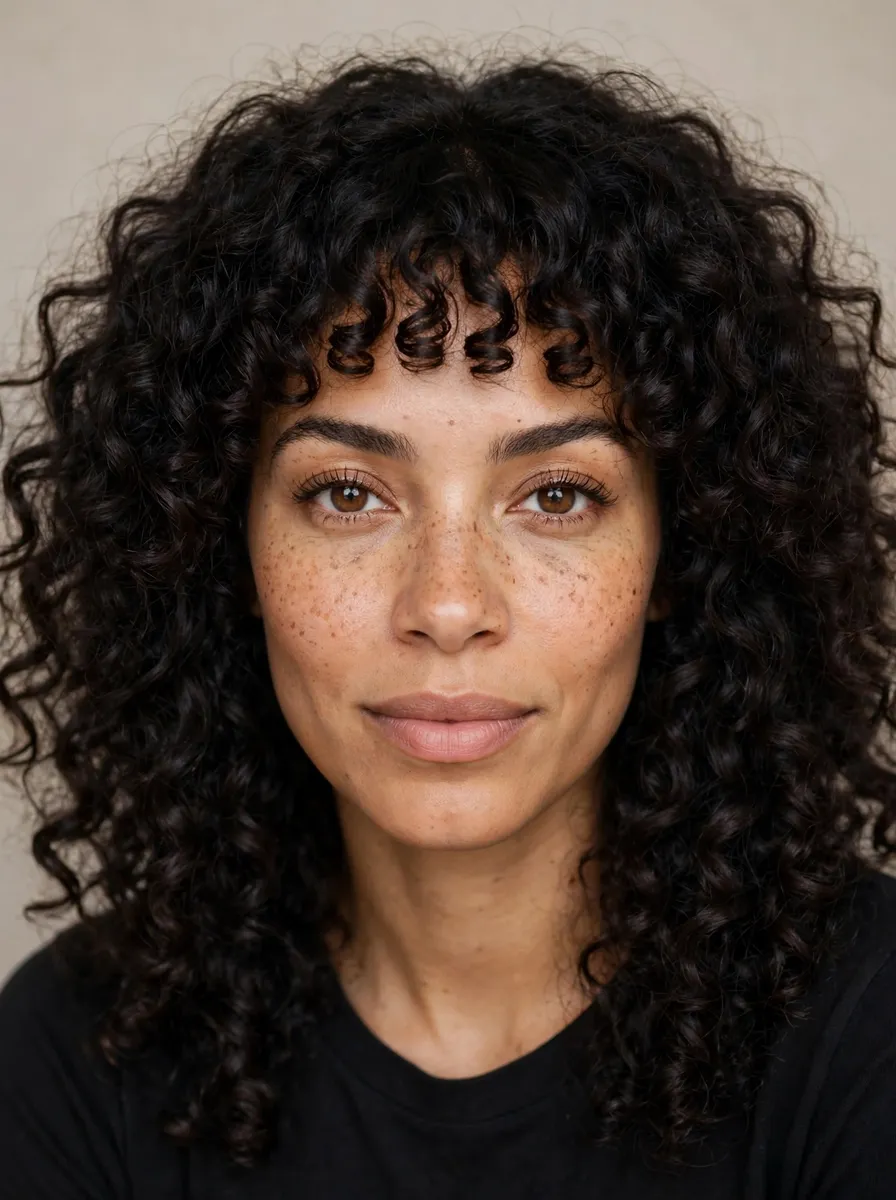
Curls worn short and proud across the forehead, cut dry and curl by curl. The rule is shrinkage: cut at least a third longer than the finished length you want, because a wet curl stretches and then springs. Done right, the fringe bounces, never needs heat, and grows out into a standard curly fringe without an awkward stage. Best for: type 3 curls with a confident curl pattern — and a stylist who cuts curls dry.
8. Wispy Micro Bangs
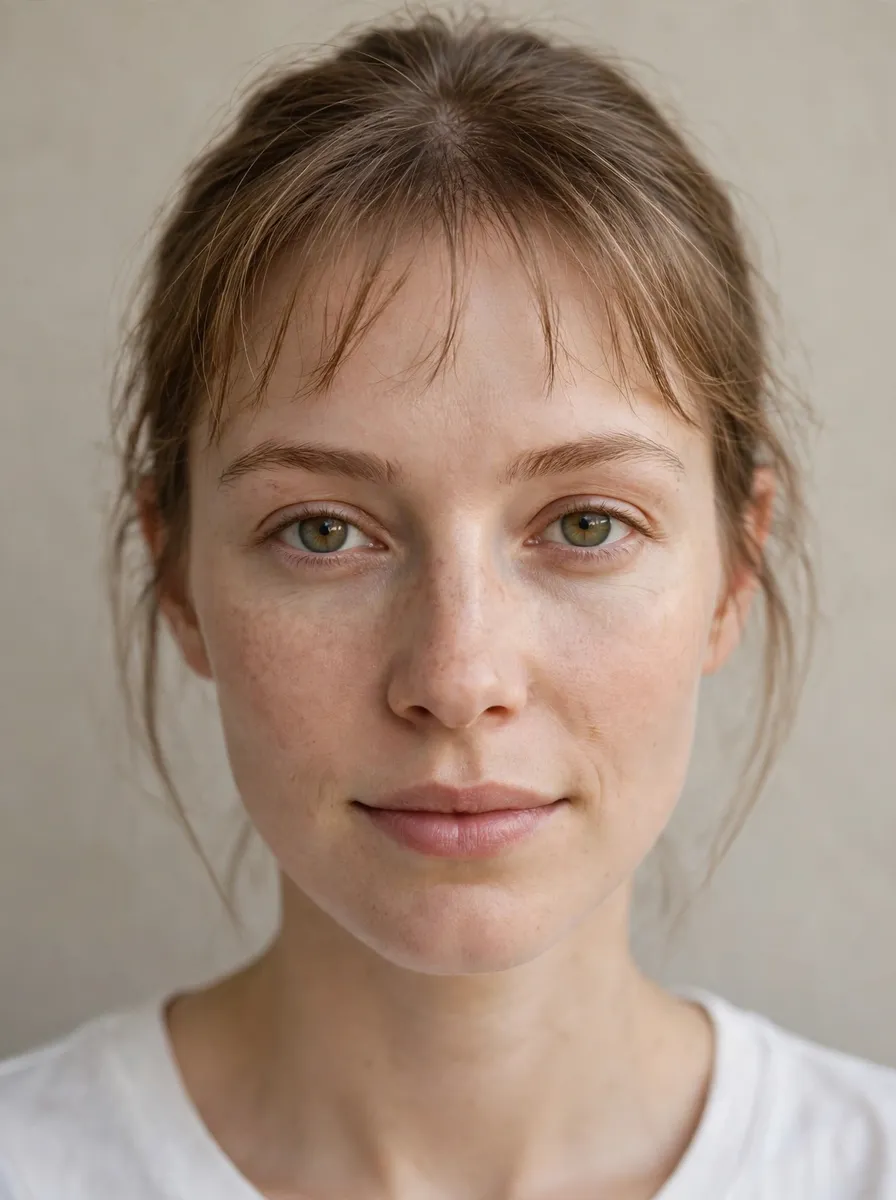
A see-through fringe: a thin section, feathered ends, and skin showing through the strands. It gives the shape of micro bangs with a fraction of the commitment and is the one version that genuinely suits fine hair, because the lightness is the design rather than a flaw. It needs a light hand with product — anything heavy separates it into strings. Best for: fine or thin hair, and testing the look before committing to density.
9. Asymmetric Micro Bangs
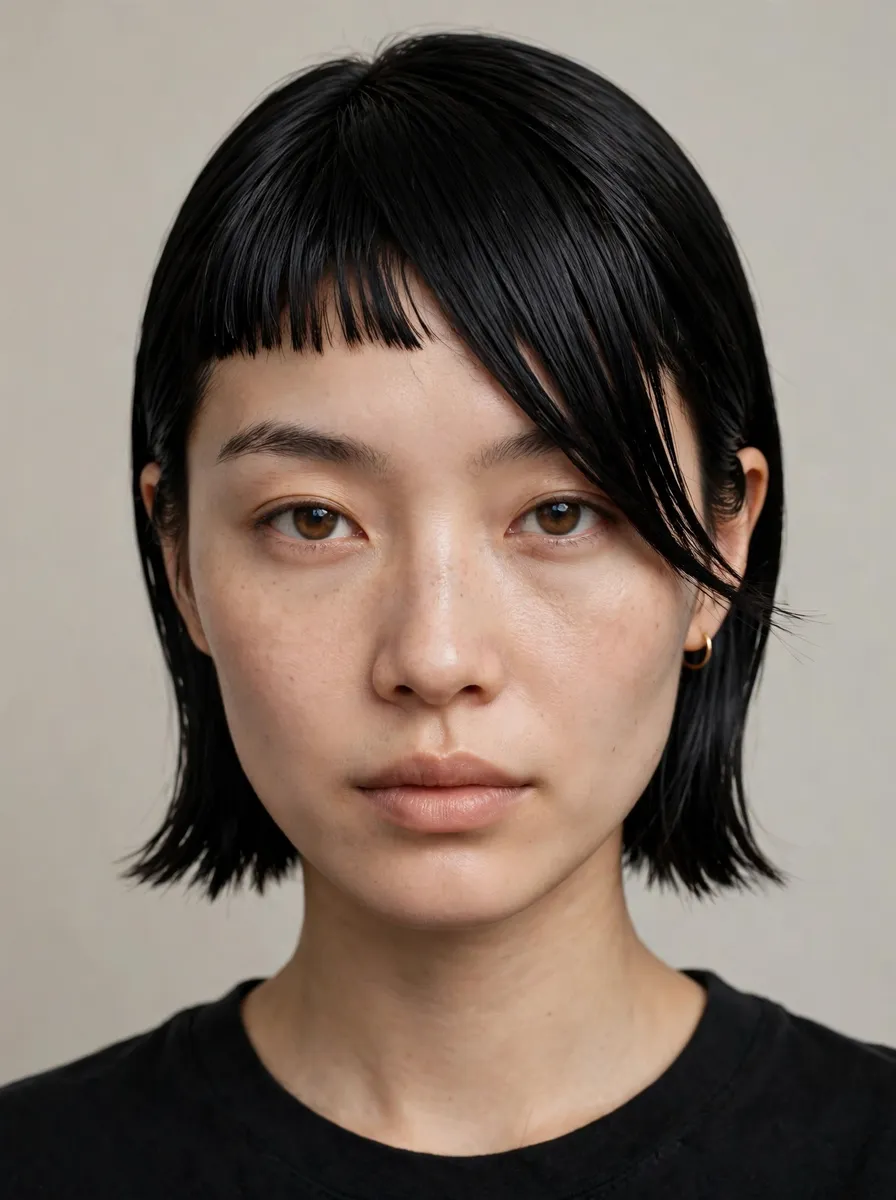
Cut deliberately uneven — one side cropped close to the hairline, the other dropping towards the brow. It is the most editorial version and the least forgiving: the asymmetry has to look intentional, which means precise cutting and a wearer who enjoys the reaction. It pairs best with sleek, simple lengths that let the fringe be the whole story. Best for: straight hair, strong personal style, and anyone bored by symmetry.
10. Micro Bangs with Long Hair
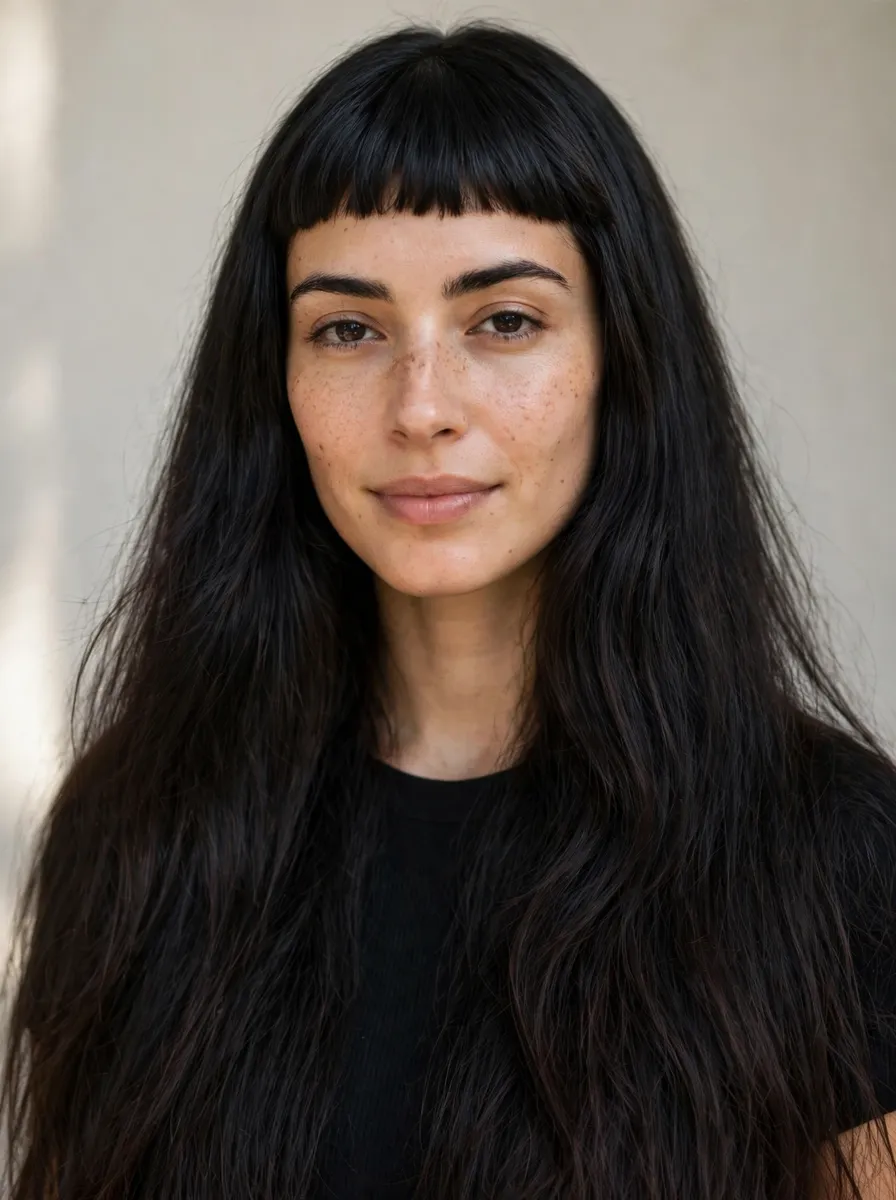
The contrast version: waist-length hair below, a fringe that stops mid-forehead above. Nothing softens the juxtaposition, which is exactly the appeal — it reads as alternative and deliberate, and the fringe is the only part of the cut that needs regular maintenance. A blunt or choppy edge both work; wispy gets lost against the drama of the lengths. Best for: long hair that feels too safe, and anyone who wants the statement without cutting the lengths.
11. Nineties Micro Bangs
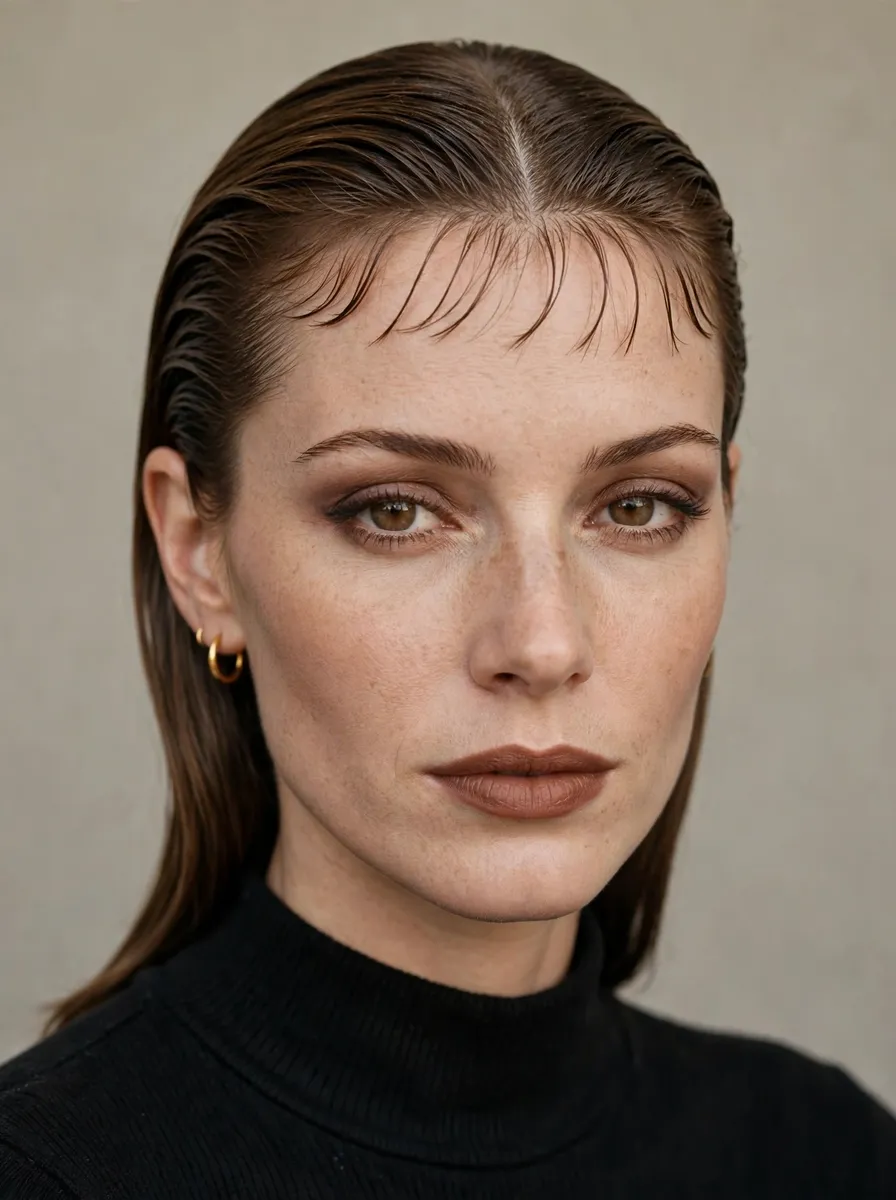
The throwback: very short, often slightly arched, worn with slicked or centre-parted hair and a deliberate retro finish. It is thinner and higher than the classic blunt version and leans into the era’s styling — gelled edges, defined brows, minimal volume. Wear it as a knowing reference rather than an everyday default. Best for: oval faces, sleek hair, and anyone dressing the full 90s revival.
12. Soft Grown-Out Micro Bangs
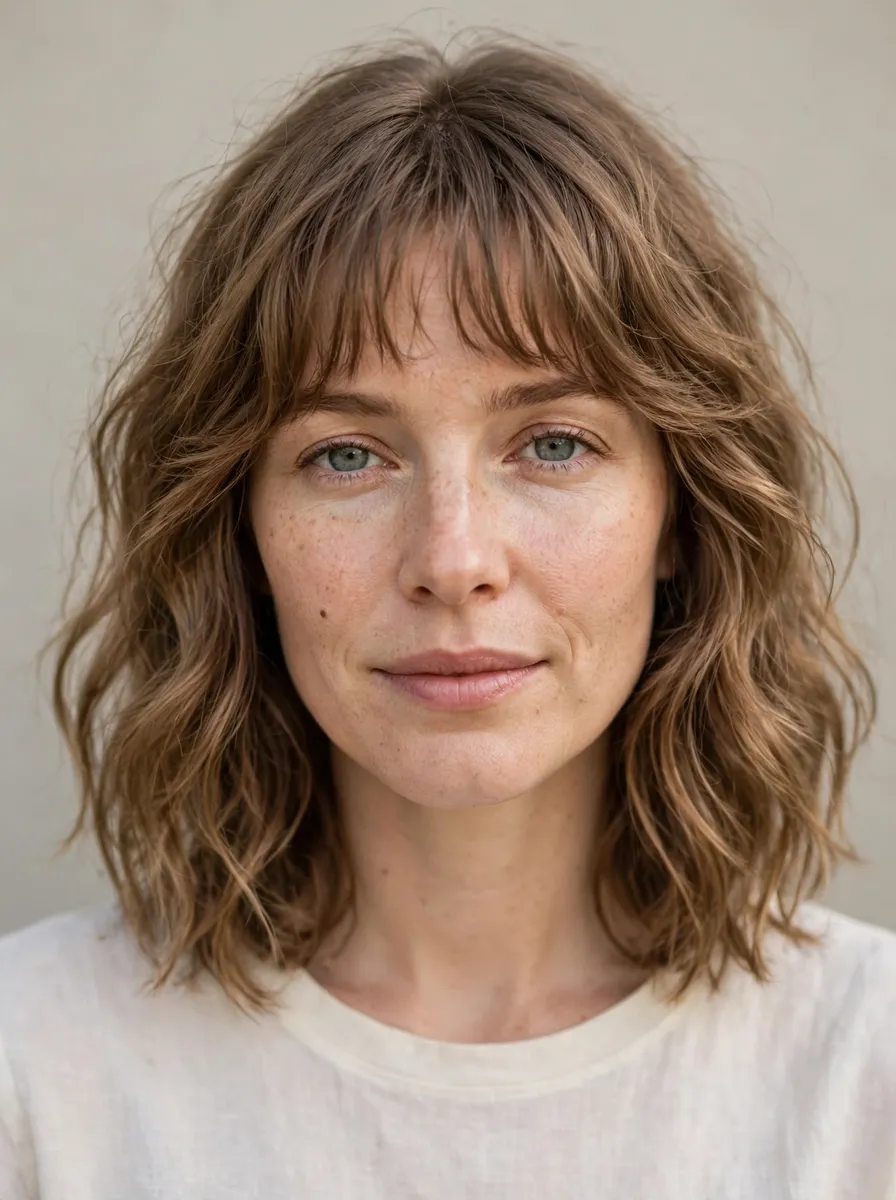
Micro bangs a month later: the fringe has dropped to just above the brows, the edge has softened, and the look reads as a short fringe rather than a statement. Many wearers find this is their favourite stage — and it is also the easiest entry point, because a stylist can cut a true micro fringe knowing it relaxes into this within weeks. Best for: the cautious, long faces, and anyone whose trim appointments slip.
Styling and Upkeep: The Honest Part
Micro bangs are low-styling but high-trimming. The fringe sits so high that a fortnight’s growth is visible, so expect a tidy-up every two to three weeks — many salons offer cheap or free fringe trims between full appointments, and it is worth asking before you commit. Between trims, styling takes a minute: blow-dry the fringe first, straight down with a small brush, before the rest of the hair sets around it, because a short fringe that dries crooked stays crooked.
The other daily reality is forehead shine. A fringe this short does not absorb oil the way a longer one does, and it sits directly on the skin, so it picks up shine and separates by afternoon. Blotting papers or a dab of dry shampoo at the hairline — applied to the skin side, not soaked through the fringe — keep it looking fresh. Growing out is the final consideration: the route runs grown-out micro, to a standard fringe, to curtain bangs as you grow them out, which sweep aside and disappear into layers. Plan on two to three months of pinning and sweeping before the length stops being a fringe at all.
Frequently Asked Questions
How short are micro bangs, exactly?
Anywhere from mid-forehead to just below the hairline — the defining feature is that they end well above the eyebrows, with clear forehead showing. Most classic versions sit around two inches above the brow line. If the fringe touches your brows, it is a short fringe, not a micro one.
Do micro bangs suit everyone?
No, and any guide that says otherwise is selling something. They flatter oval faces, strong brows and balanced features most. Long faces lose forehead coverage they may want, round faces need a curved or choppy edge rather than a straight line, and fine hair usually looks better in the wispy version than the blunt one.
How often do micro bangs need trimming?
Every two to three weeks to hold the line — the shortest maintenance cycle of any fringe, because a few millimetres of growth is proportionally huge on so short a fringe. The upside is that a fringe trim takes five minutes, and many salons do it free or cheaply between full cuts.
Can you have micro bangs with curly hair?
Yes, with two conditions: the fringe must be cut dry, curl by curl, and cut noticeably longer than the target length, because curls shrink as they dry and a wet-cut curly micro fringe can spring up far shorter than intended. Wavy and type 3 curls hold the shape best.
How do you grow out micro bangs?
Let them drop to a standard fringe first, then start sweeping: a side part disguises the line while the centre catches up, and once the shortest point reaches the brows you can convert to curtain bangs, which grow out into face-framing layers almost invisibly. Expect two to three months of transition, with pins and clips doing the heavy lifting early on.
Will micro bangs make my forehead look bigger?
They expose more forehead, so yes, the forehead becomes a feature rather than something covered. On balanced and oval faces that reads as striking; on a long face or high hairline it can emphasise length. The curved and grown-out versions keep a little more coverage if that is a concern.
Final Thoughts
Micro bangs are a small cut with an outsized effect: twelve versions, one honest warning. Choose the blunt classic only if you will keep the two-to-three-week trim cycle; choose choppy, curved or wispy if you want the shape with forgiveness built in; and remember that every micro fringe is only a few weeks away from the softer grown-out version anyway. It is a bolder first step than curtain bangs, but it is a shorter commitment than it looks — hair grows, and this fringe grows into something else entirely within a season.