Italian Bob: 12 Polished Styles, Styling Tips and Who It Suits
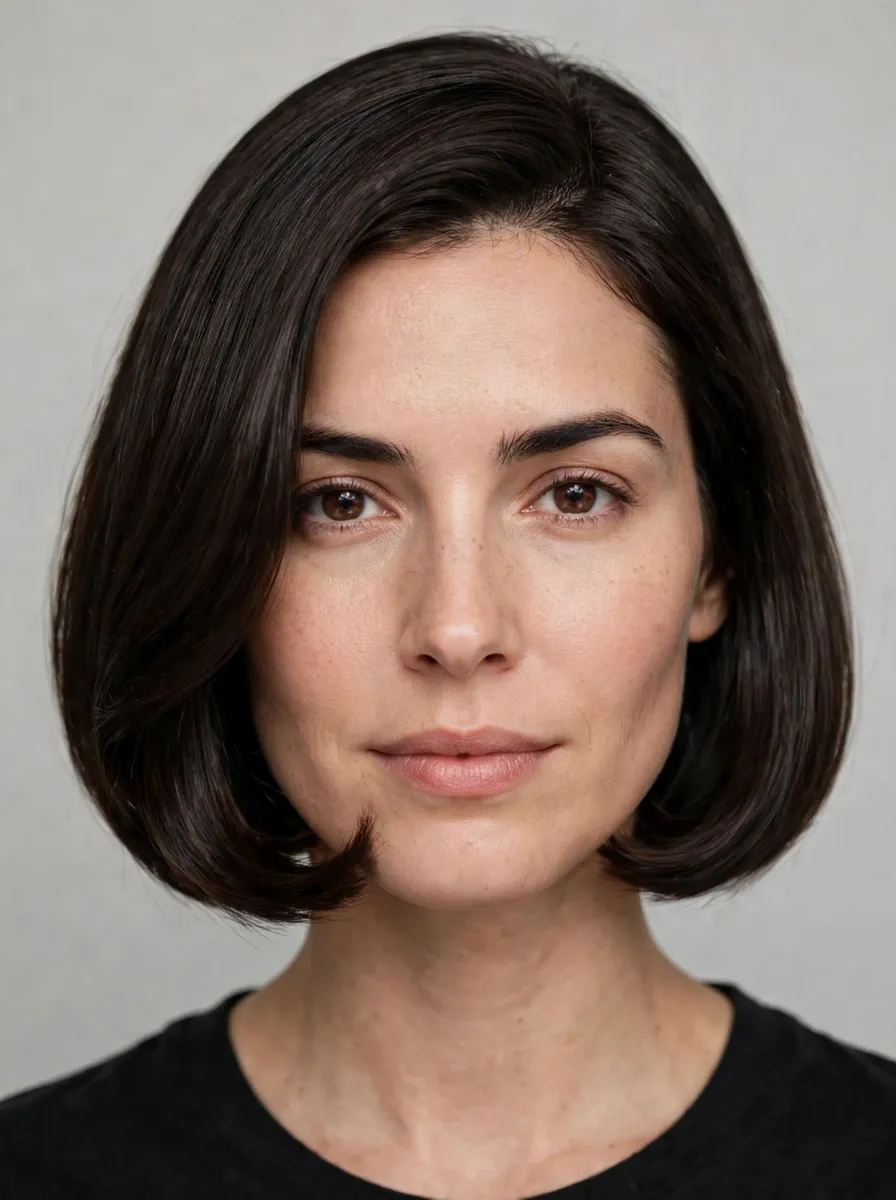
The Italian bob is the polished end of the bob family: chin-to-jaw length, cut with chunky, substantial ends, and styled smooth with the tips flipped under so the whole shape looks expensive, glossy and deliberate. Where the French bob is textured and undone, the Italian bob is volume, shine and a proper blow-dry — the haircut equivalent of a well-cut blazer.
It suits almost everyone because the length sits in the most flattering zone on the neck, and the twelve variations below run from the classic flipped-ends original to curly, fine-hair and over-50 versions. If you are still weighing it against its Parisian cousin, the Italian Bob vs French Bob section further down settles the difference before you book.
What Is an Italian Bob?
Three things define it. The length: between the chin and the jaw, occasionally a touch longer, but never drifting into lob territory. The ends: kept chunky and full rather than thinned or shattered, which is what gives the cut its swing and its weight. And the finish: smooth, voluminous styling with the ends curved under — that flipped-under silhouette is the signature, and it is a styling choice as much as a cut. Ask for minimal layering; the Italian bob gets its movement from the blow-dry, not from texture carved into the hair.
1. The Classic Italian Bob
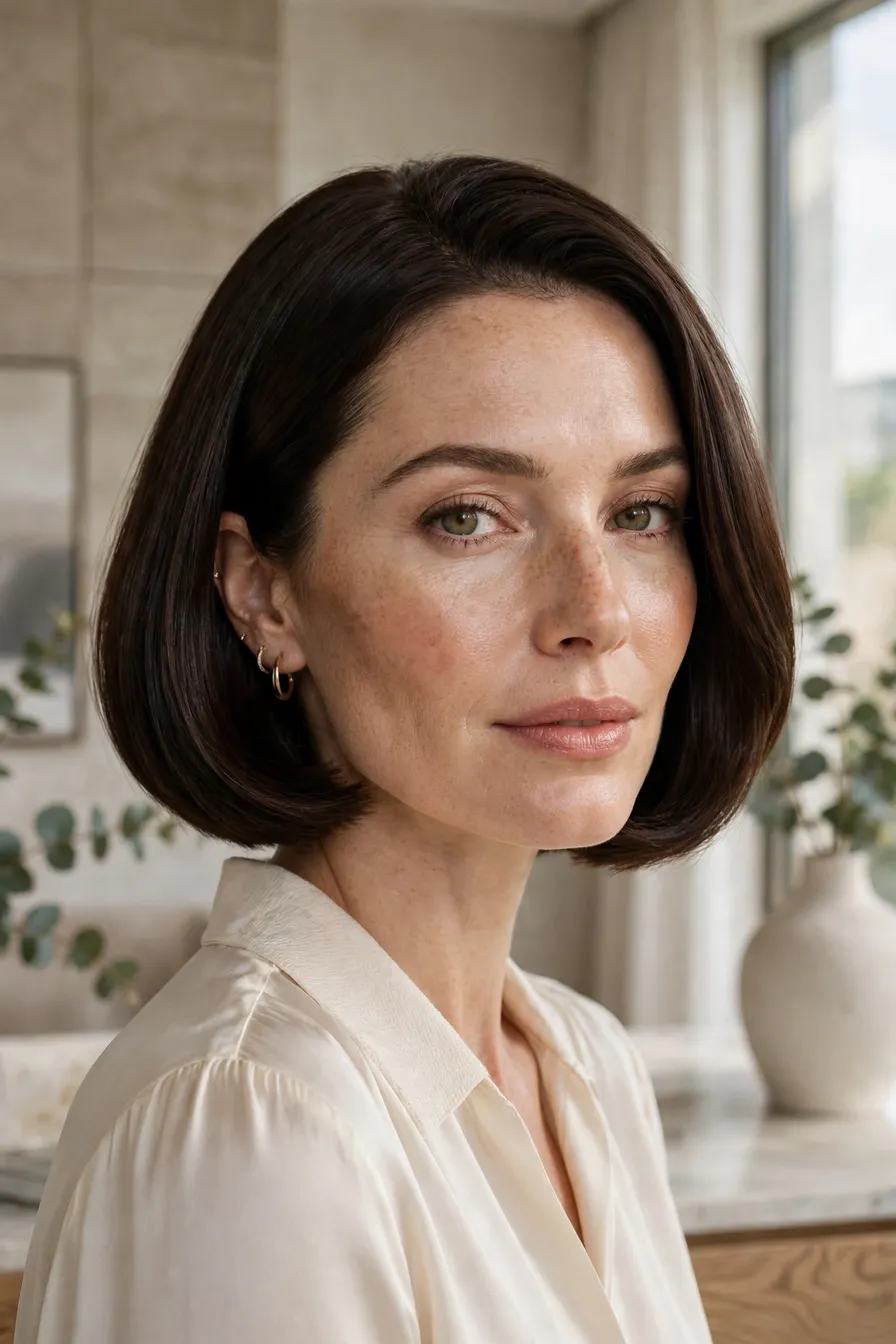
The original: chin-length, centre or just-off-centre parting, ends flipped under with a round brush so the shape curves in a smooth C. It suits oval, heart and square faces, and it is the version to choose if you want the full polished effect. Styling effort is medium — a ten-minute blow-dry — but the payoff is a haircut that looks salon-finished every day.
2. Italian Bob with Curtain Bangs

Curtain bangs soften the Italian bob’s polish and add face-framing movement at the front. They suit longer and heart-shaped faces best, and they are the lowest-commitment fringe — they sweep aside on days you want a clean forehead and grow out gracefully. Styling effort is low to medium: the curtain needs a quick round-brush pass to sit in its curve. Our curtain bangs guide covers the trim cycle.
3. Sleek Centre-Part Italian Bob
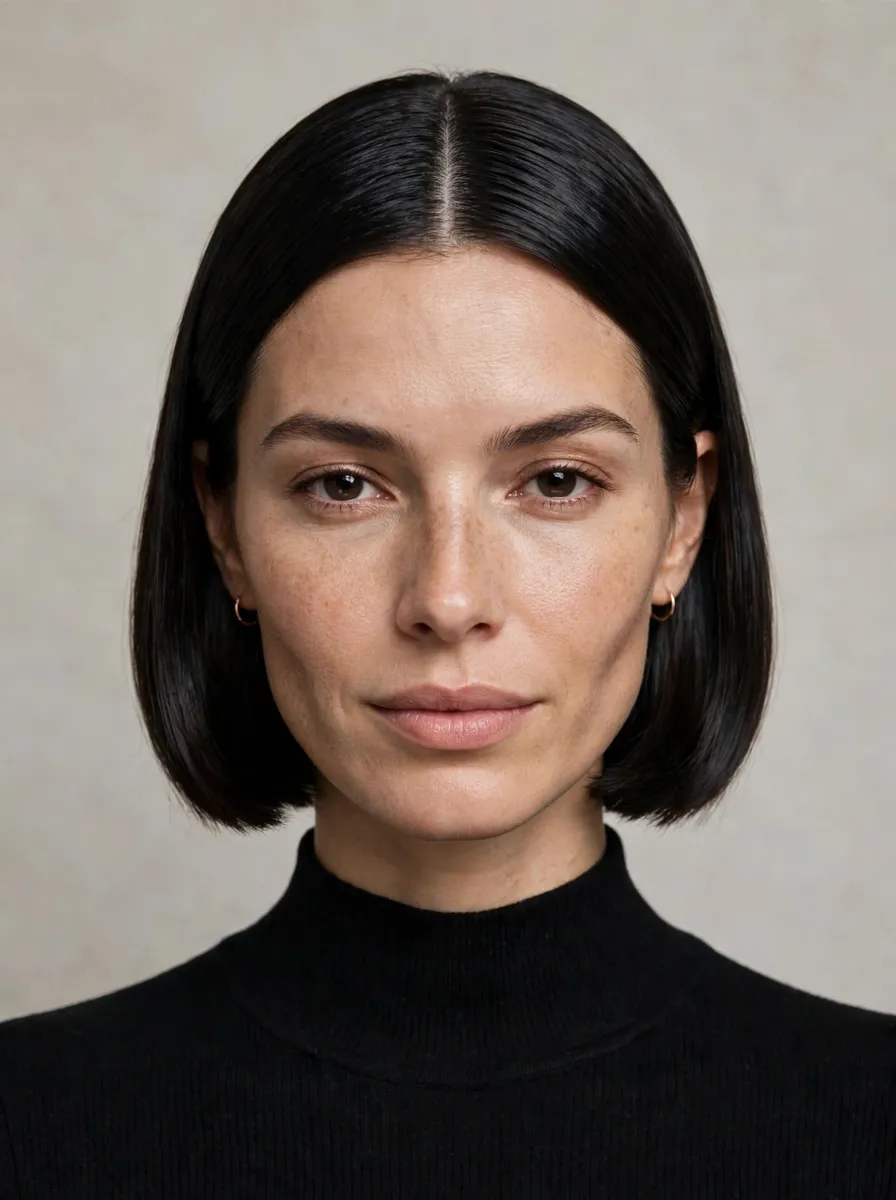
The most minimalist version: a precise centre parting, lengths smoothed straight, ends just kissing under. Symmetry flatters oval and heart faces and makes fine hair look denser, because nothing is broken up. It is also the least forgiving version — every millimetre shows — so it suits hair that is naturally fairly straight. Styling effort is medium: a blow-dry plus a flat-iron pass on the ends.
4. Side-Part Italian Bob
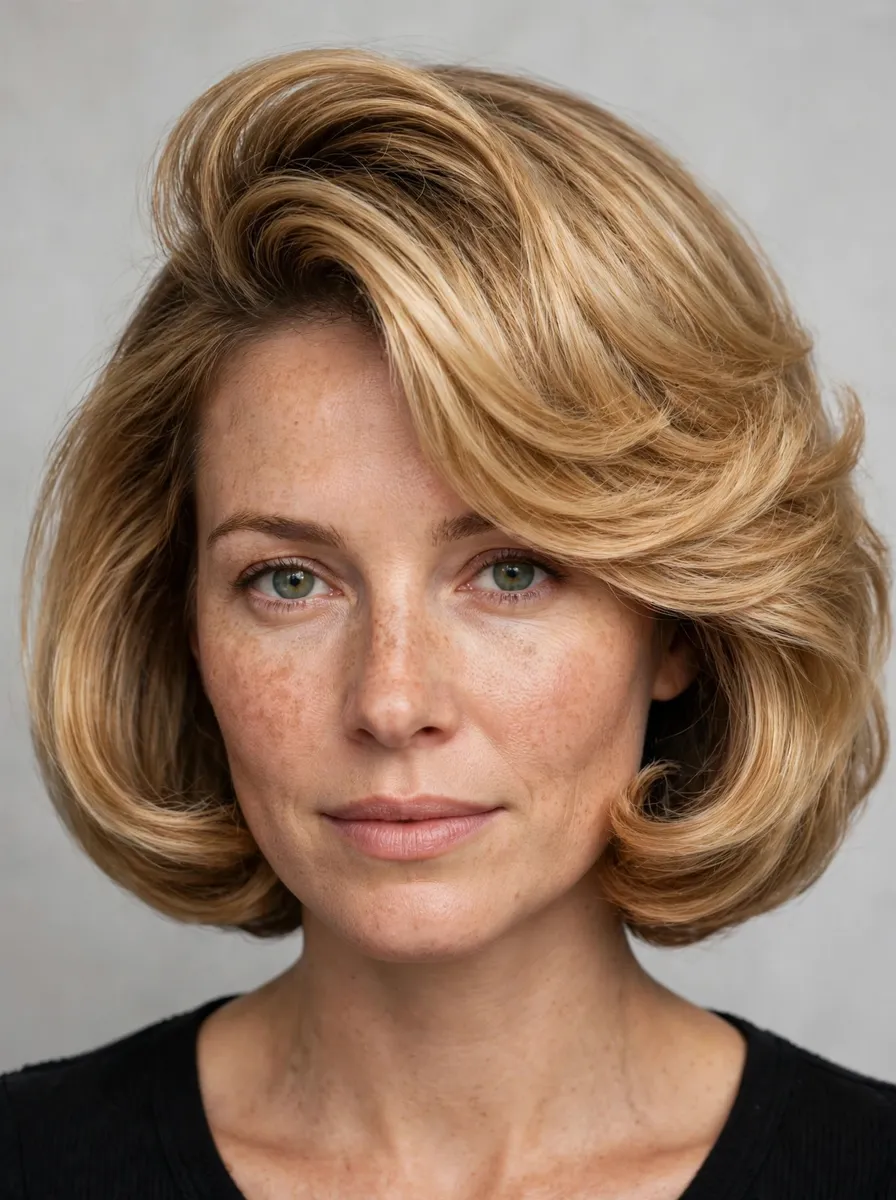
A deep side parting is the quickest volume trick in this cut: the sweep across the forehead lifts the roots and gives the shape its glamorous asymmetry. It suits round and square faces, where the diagonal line adds length, and anyone whose hair falls flat at the crown. Styling effort is low — dry the parting in the opposite direction first, then flip it over for maximum lift.
5. Wavy Italian Bob
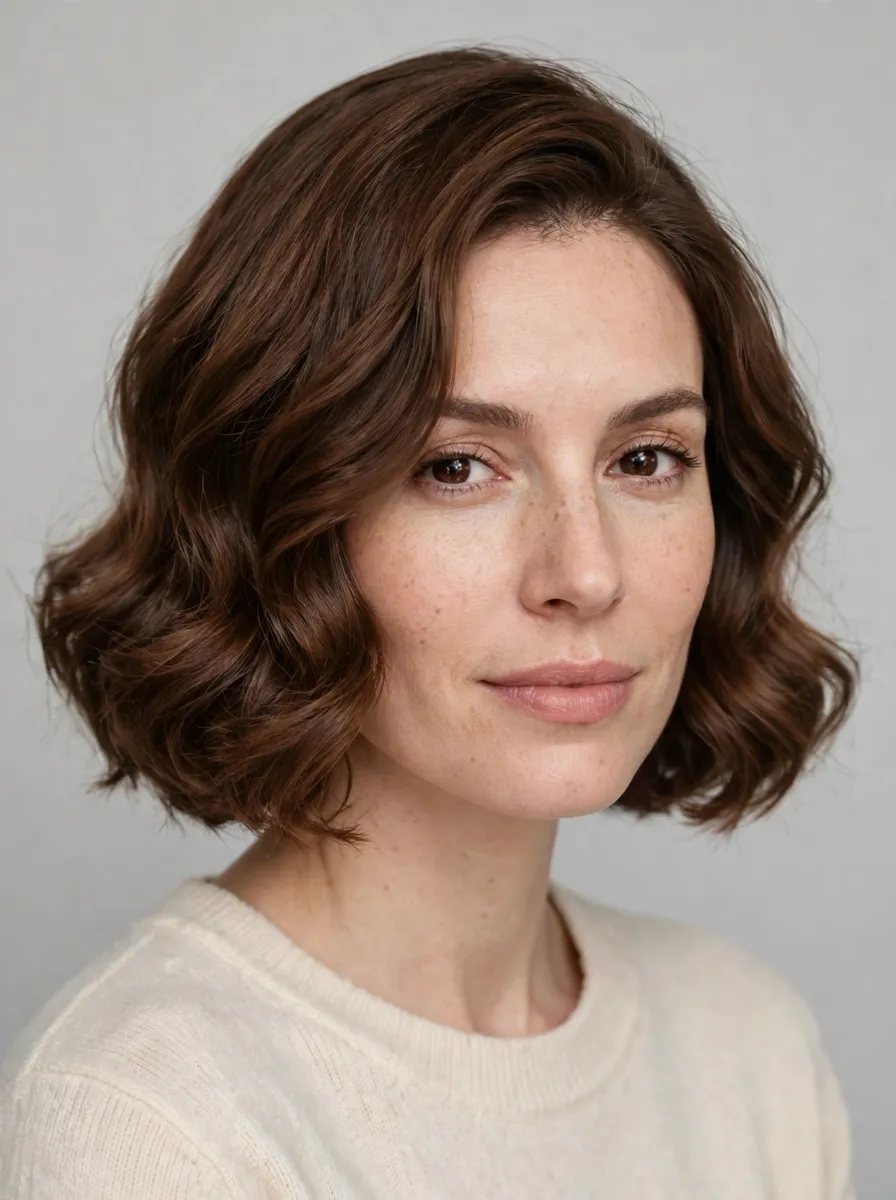
Loose, brushed-out waves keep the Italian bob’s polish but relax it — this is the evening and weekend version. It suits naturally wavy hair best, since the cut’s chunky ends hold a wave without frizzing at the tips, and it flatters every face shape. Styling effort is medium: either enhance your natural wave with a diffuser, or add bends with a wide-barrel iron and brush them through.
6. Curly Italian Bob
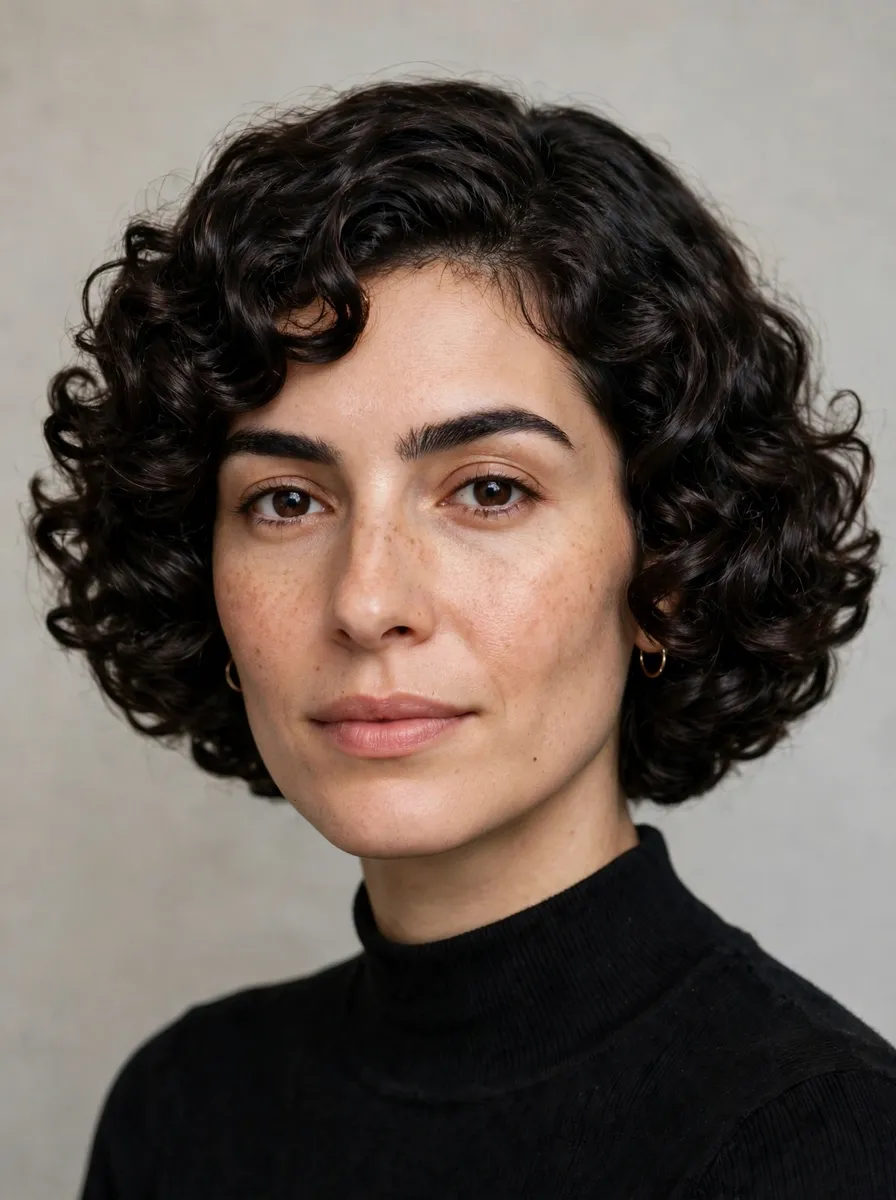
On curly hair the Italian bob becomes a rounded, glossy halo at jaw length. The key is cutting it dry, curl by curl, and keeping the ends full rather than thinned — thinning curly ends invites frizz. It suits oval, heart and longer faces, and the shape frames cheekbones beautifully. Styling effort is low to medium: your usual curl routine, with a gloss or oil finish to deliver the Italian shine.
7. Italian Bob with a Full Fringe
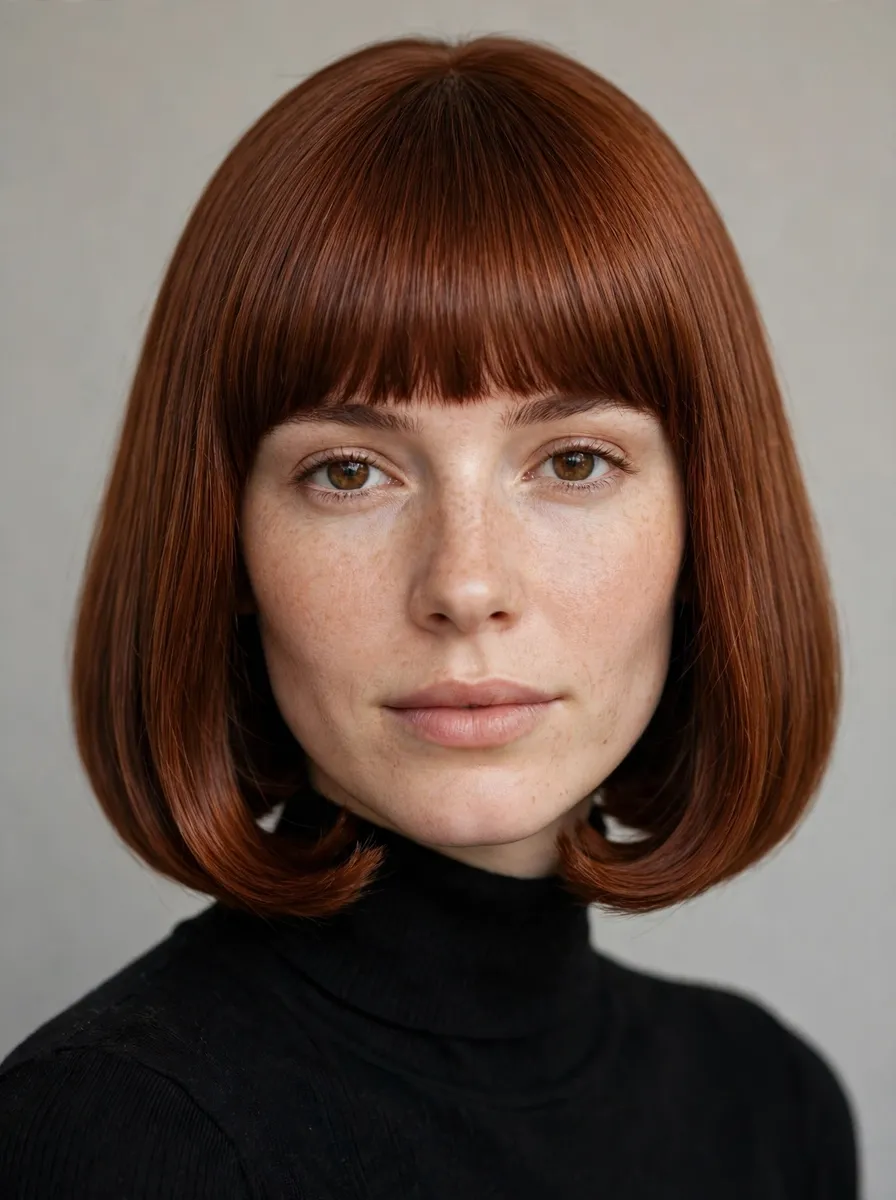
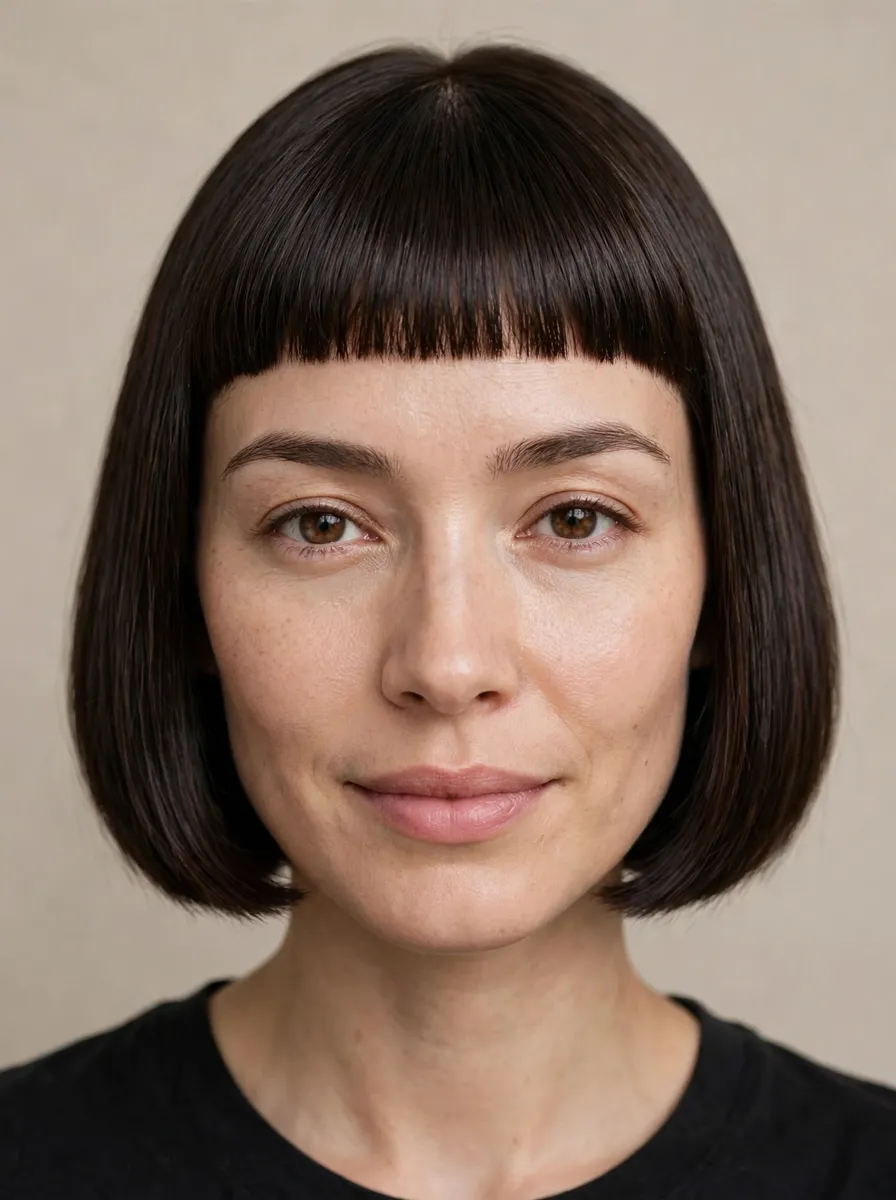
A full, brow-skimming fringe gives the Italian bob a sharper, more editorial edge. Unlike the wispy French fringe, this one is worn fuller and straighter to match the cut’s polish. It suits longer faces and higher foreheads, and straight to slightly wavy hair — a strong cowlick will fight it daily. Styling effort is medium to high: the fringe needs a quick blow-dry most mornings and a trim every three weeks.
8. The Grown-Out Italian Bob
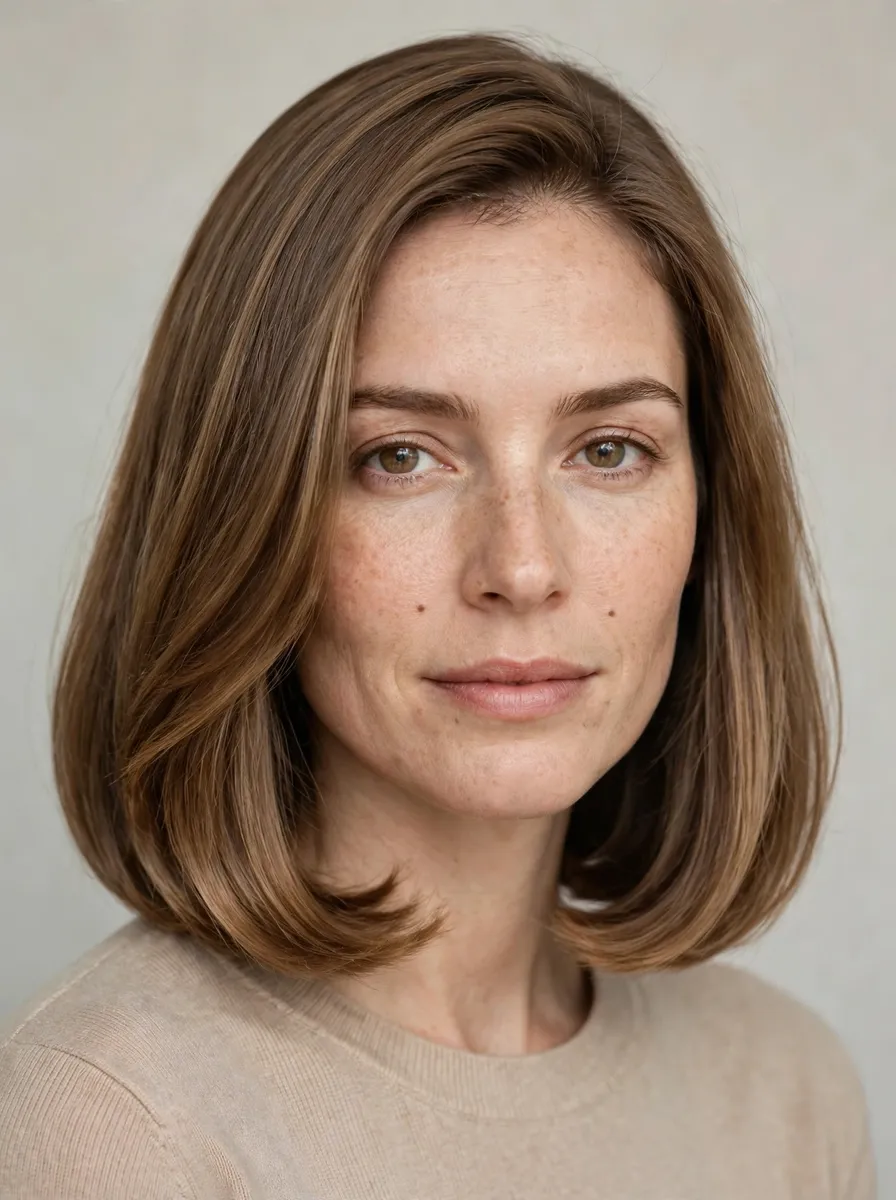
An inch or two longer — sitting just above the shoulders — this is the gentle entry point and the natural grow-out stage of the classic cut. It suits round faces best, since the extra length keeps vertical lines, and anyone nervous about going properly short. Styling effort is low to medium, and because the ends are further from the jaw, it is the most forgiving version between trims.
9. Italian Bob for Fine Hair
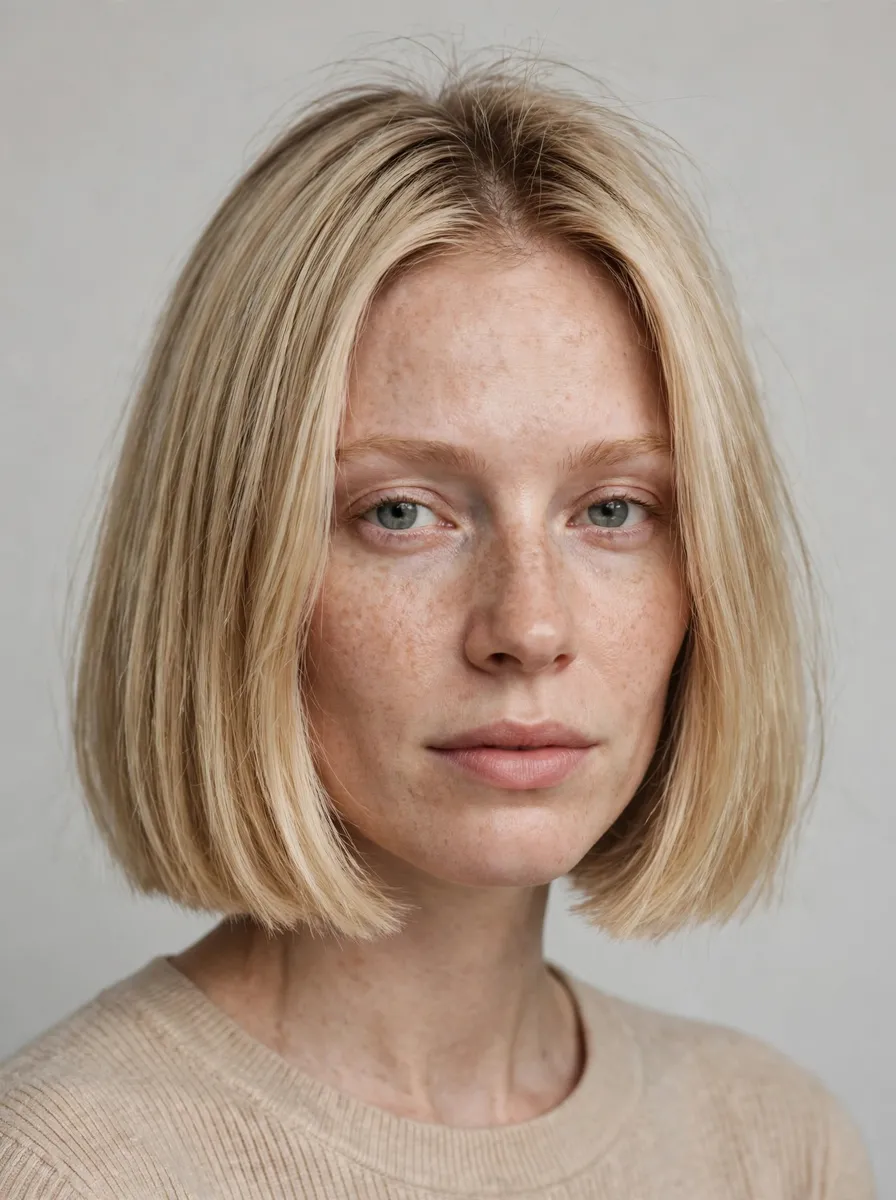
Fine hair is where the chunky-ended cut earns its keep: one full perimeter, almost no layering, and the hair reads noticeably thicker. Keep it at the shorter, chin end of the range — length is weight, and weight drags fine hair flat. Ask for the ends blunt, not point-cut. Styling effort is low: a root-lifting mousse and the flipped-ends blow-dry give fine hair more body than any longer cut will.
10. Italian Bob for Thick Hair
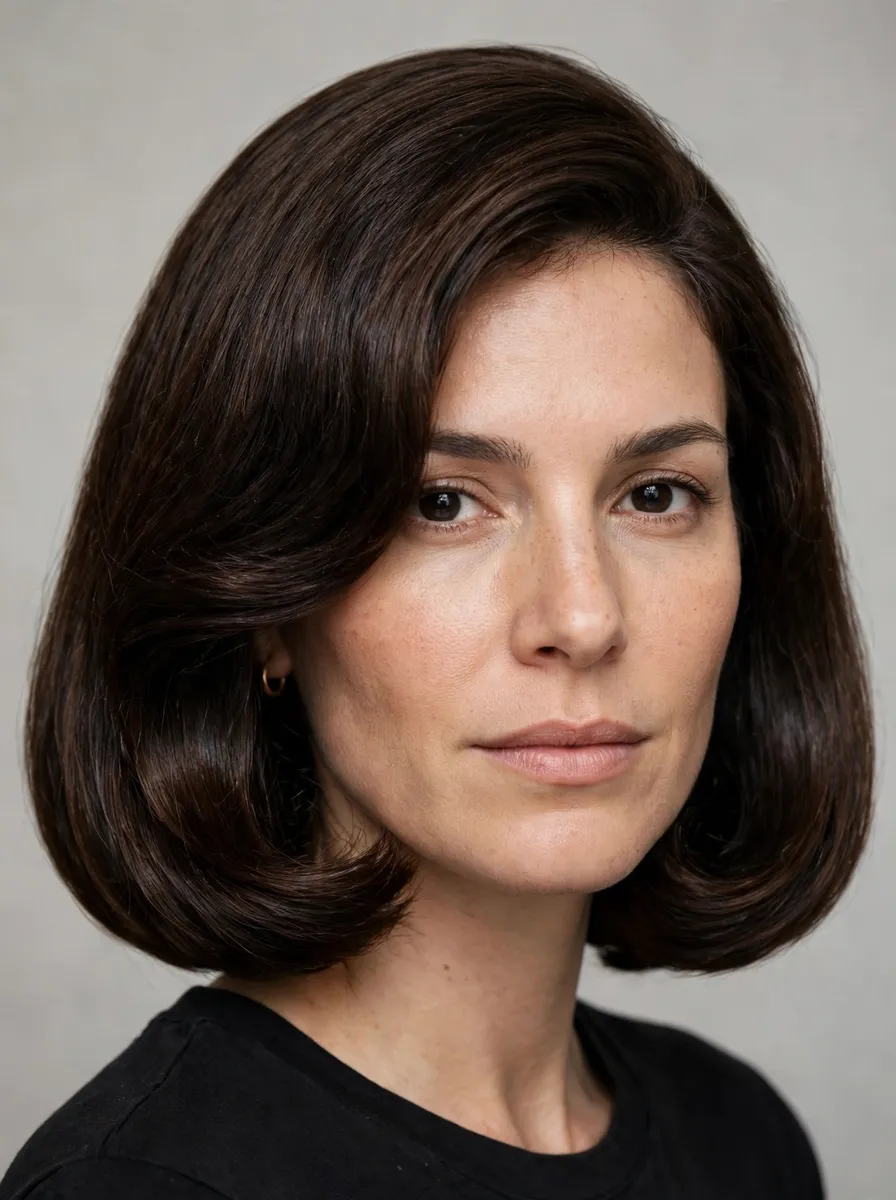
Thick hair gives the Italian bob its most luxurious swing, provided the weight is managed: ask for subtle internal layering underneath and debulking at the nape so the shape sits close rather than puffing into a triangle. It suits all face shapes, and the jaw length keeps heavy hair off the shoulders. Styling effort is medium — thick hair holds the flipped-under finish beautifully once it is dried smooth.
11. Italian Bob Over 50
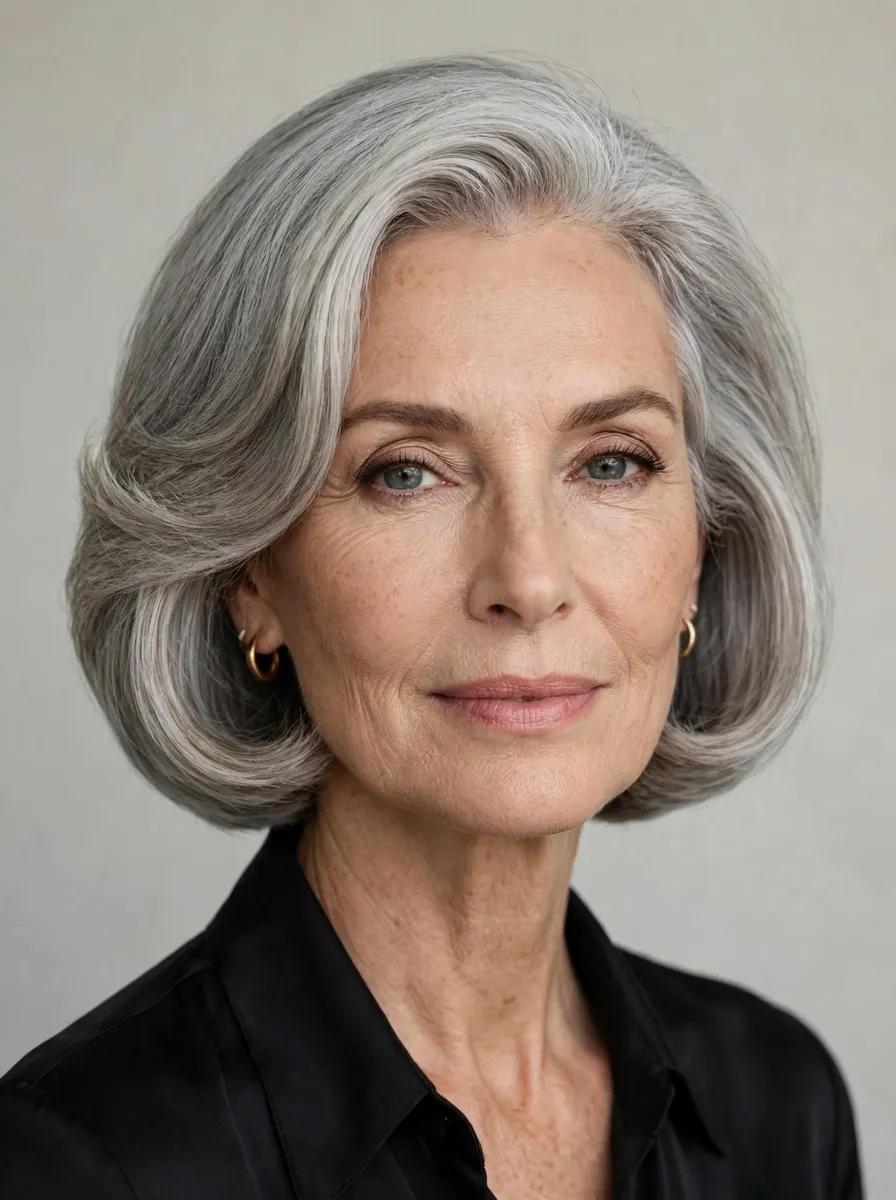
Few cuts flatter over-50 hair like this one: the jaw length lifts the face, the full ends make thinning hair look denser, and the polish reads elegant rather than severe. Silver and grey hair looks especially striking — the smooth finish shows off the colour’s natural shine. A soft side parting is kinder than a centre one here. Styling effort is low to medium, and the shape holds well between six-week trims.
12. Italian Bob with Money-Piece Colour
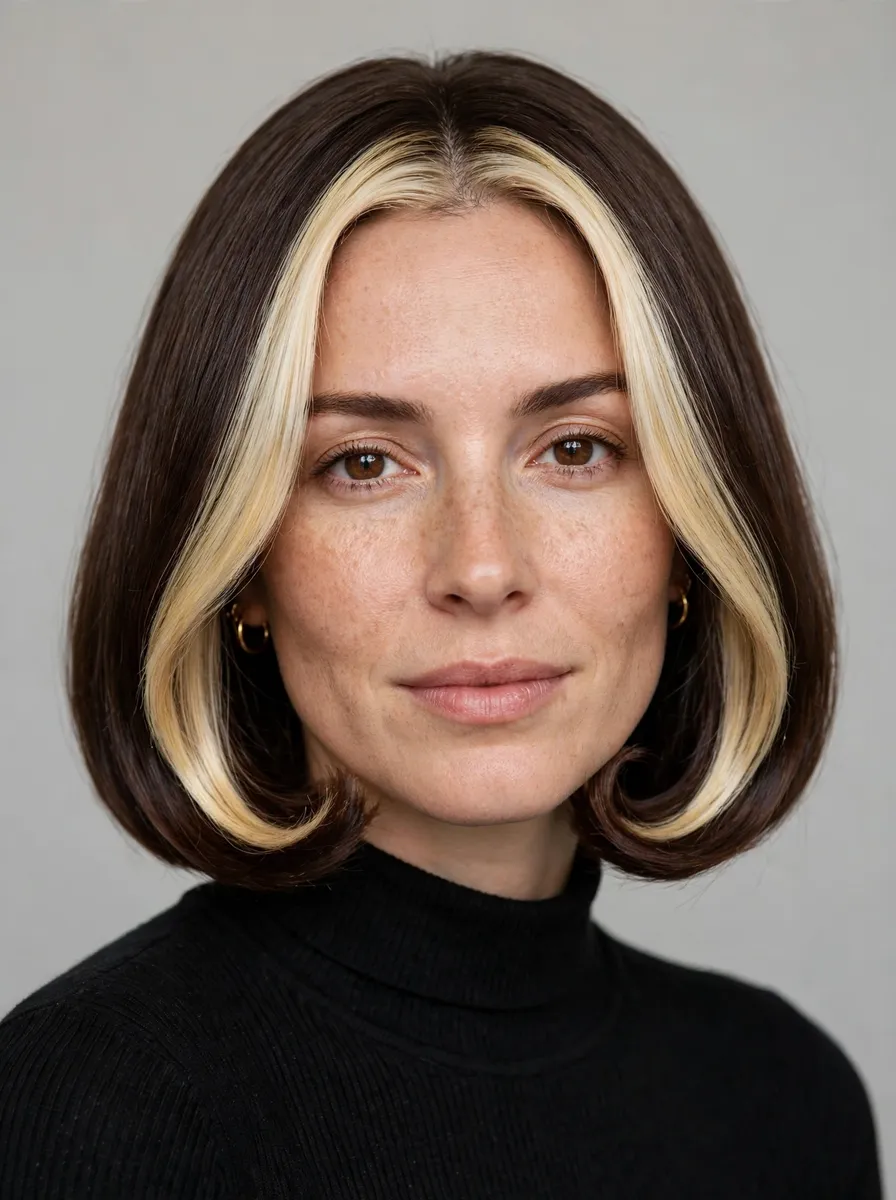
The cut is a perfect frame for colour: bright money-piece strands at the front, or an all-over gloss, play directly against the smooth, shiny finish. Face-framing lightness suits dull or grown-out colour and draws the eye to the face — flattering at any age. Styling effort is unchanged (low to medium); the extra commitment is salon colour every eight to twelve weeks, though a gloss refresh at home extends it.
Italian Bob vs French Bob
These two get confused constantly, and they are genuinely different haircuts. The Italian bob is chin-to-jaw length with chunky, full ends, minimal layering and a polished finish — volume, gloss and that flipped-under blow-dry. The French bob is shorter, grazing the lips or chin, with carved-in texture, a more broken-up perimeter, an undone air-dried finish and usually a wispy fringe.
Choose Italian if you like a blow-dry, want maximum polish, or have fine hair that needs full ends to look thick. Choose French if your mornings are short and your texture is natural. Our French bob guide walks through its lengths and fringe options, and the bob haircuts guide compares the wider bob family if you are still deciding.
How to Style It: The Flipped-Ends Blow-Dry
The signature finish takes about ten minutes. Start on towel-dried hair with a heat protectant and, for fine hair, a root-lifting mousse. Rough-dry until the hair is 80 per cent dry, lifting at the roots with your fingers. Then work in sections with a medium round brush — or a hot brush, which many wearers find easier: dry each section downwards, and at the last two inches, roll the brush under and hold for a few seconds so the ends curve in. That under-curve, repeated all round, builds the flipped silhouette. Let each section cool before touching it; the set is what makes the style last. Finish with a pea-sized drop of gloss serum on the ends only — never the roots.
What to Ask Your Stylist
Ask for a chin-to-jaw bob with blunt, full ends and minimal layering — say explicitly that you do not want the ends thinned or texturised, because that is the French version. Mention how you will style it: if you blow-dry daily, the cut can sit a fraction shorter; if you air-dry, ask how the shape behaves without heat before committing. Bring photos of the flipped-ends finish, not just the cut — the styling is half the look.
Frequently Asked Questions
What is the difference between an Italian bob and a French bob?
Length, ends and finish. The Italian bob is chin-to-jaw length with chunky full ends and a polished, flipped-under blow-dry. The French bob is shorter and more textured, worn undone and usually with a wispy fringe. Italian is glamour and polish; French is ease and texture.
Which face shapes suit an Italian bob?
Almost all of them. Oval and heart faces suit every version; round faces do better with the slightly longer, grown-out length and a side parting; square faces are softened by the curved, flipped-under ends; longer faces pair well with a full fringe or curtain bangs to break up the length.
Is an Italian bob good for fine hair?
It is one of the best cuts for it. The blunt, full perimeter makes fine hair look thicker, and keeping the length at chin level removes the weight that drags it flat. The main rule is minimal layering — layers are what make fine ends look thin.
How long does an Italian bob take to style?
Around ten minutes for the flipped-ends blow-dry once you have the technique, less for the side-part and grown-out versions. It is a heat-styled cut, though — if you want a true wash-and-go finish every day, a textured French bob will suit your routine better.
How does an Italian bob grow out?
Gracefully. Because the perimeter is one clean line, it simply becomes a longer bob, passing through the grown-out version above and into lob territory over three to four months. Trims every six to eight weeks keep the classic chin-to-jaw shape; let appointments stretch if you are growing it.
Should I get a fringe with an Italian bob?
Only if it suits your face and routine. A full fringe gives longer faces balance and an editorial edge, curtain bangs are the softer, lower-commitment option, and a clean centre or side parting keeps the look minimalist. The cut does not need a fringe — the length and finish define it.
The Bottom Line
The Italian bob is the choice when you want a short cut that looks finished: full ends, real volume and a blow-dry that turns the whole shape glossy. Pick the classic if you want the full effect, the grown-out length if you are easing in, and the fine-hair rules — blunt ends, minimal layers, chin length — if density is your goal. Whichever version you choose, book the trim for six to eight weeks and learn the flipped-ends blow-dry; those two habits are the entire maintenance plan.