Hush Cut: 12 Soft, Layered Styles to Try
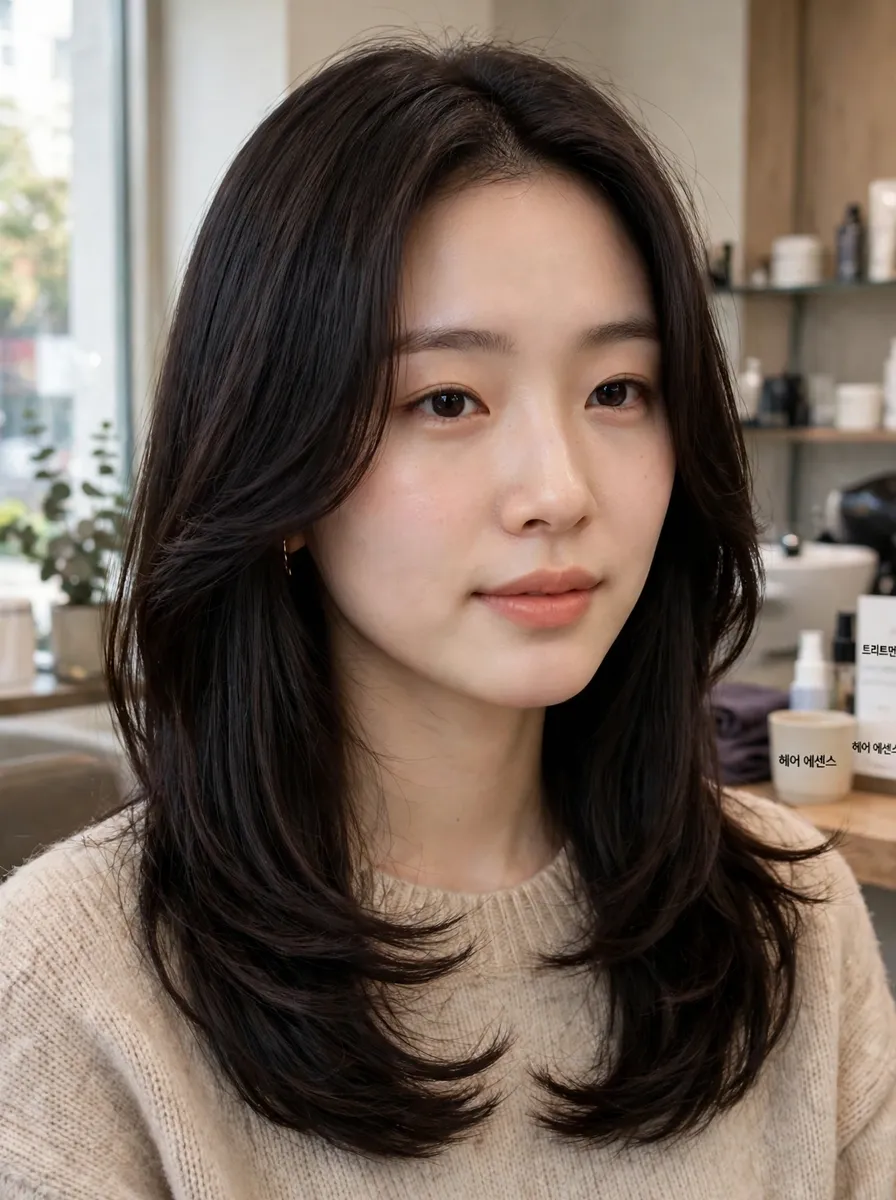
The hush cut is the quietest member of the layered family: soft, blended layers that fall in gentle curves, ends that taper feather-light, and none of the chopped contrast of its louder cousins. It comes from Korean salons, where the priority is hair that looks polished with almost no visible effort — layers melted into the lengths rather than stacked on top, and a silhouette that curves inward instead of flicking out.
That softness is the whole appeal. Because nothing in a hush cut is extreme, it can be tuned to almost any length and texture: long and flowing, collarbone-skimming, cropped into a bob, loosened for waves. The twelve versions below cover that range. If you want the wider map first, our layered haircuts guide shows where the hush cut sits among its relatives.
1. Classic Long Hush Cut
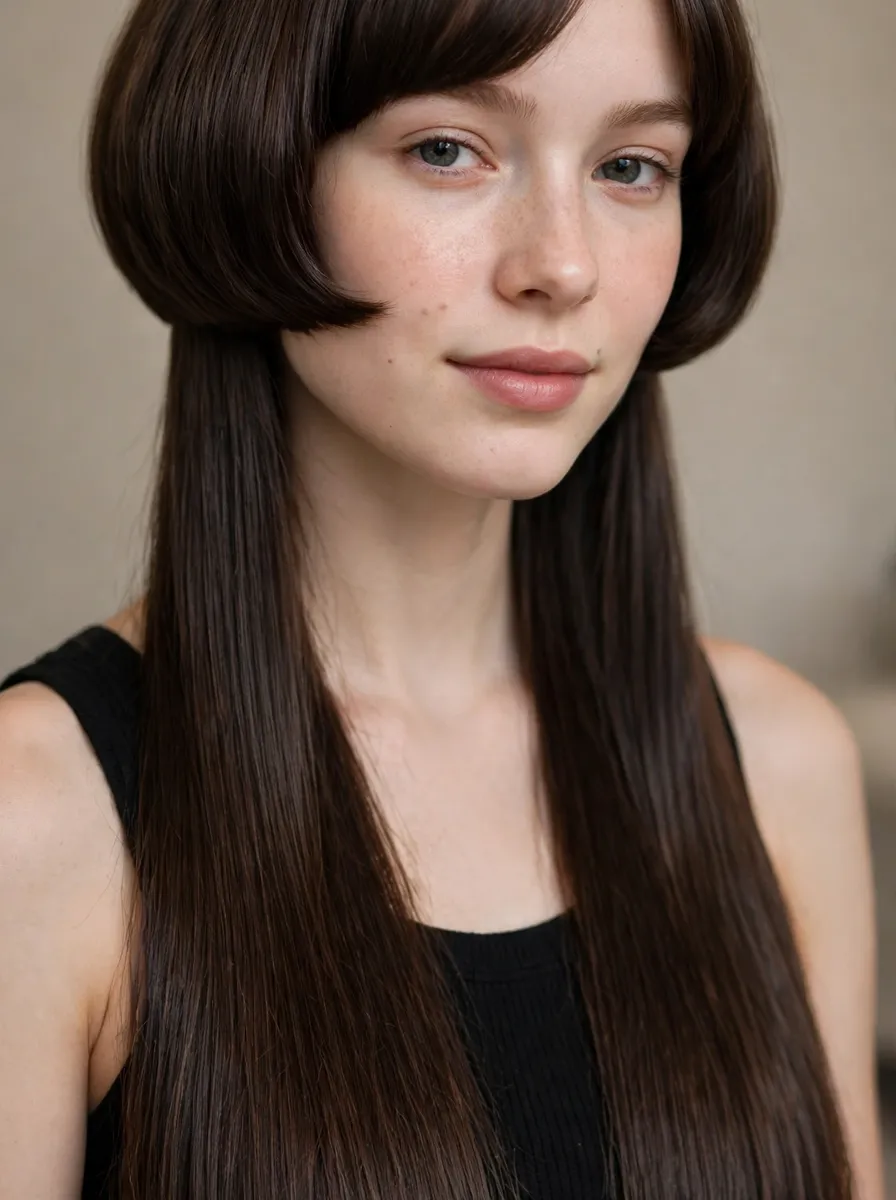
The reference version: long hair with layers blended seamlessly from around the collarbone down, the ends thinned to a feather so the whole silhouette curves softly inward. There is no step or shelf anywhere — the layers are a gradient, not a staircase. It suits straight to slightly wavy hair with medium density, and the styling effort is low: the shape is in the cut, and a quick blow-dry through the ends is all it asks for.
2. Medium Hush Cut
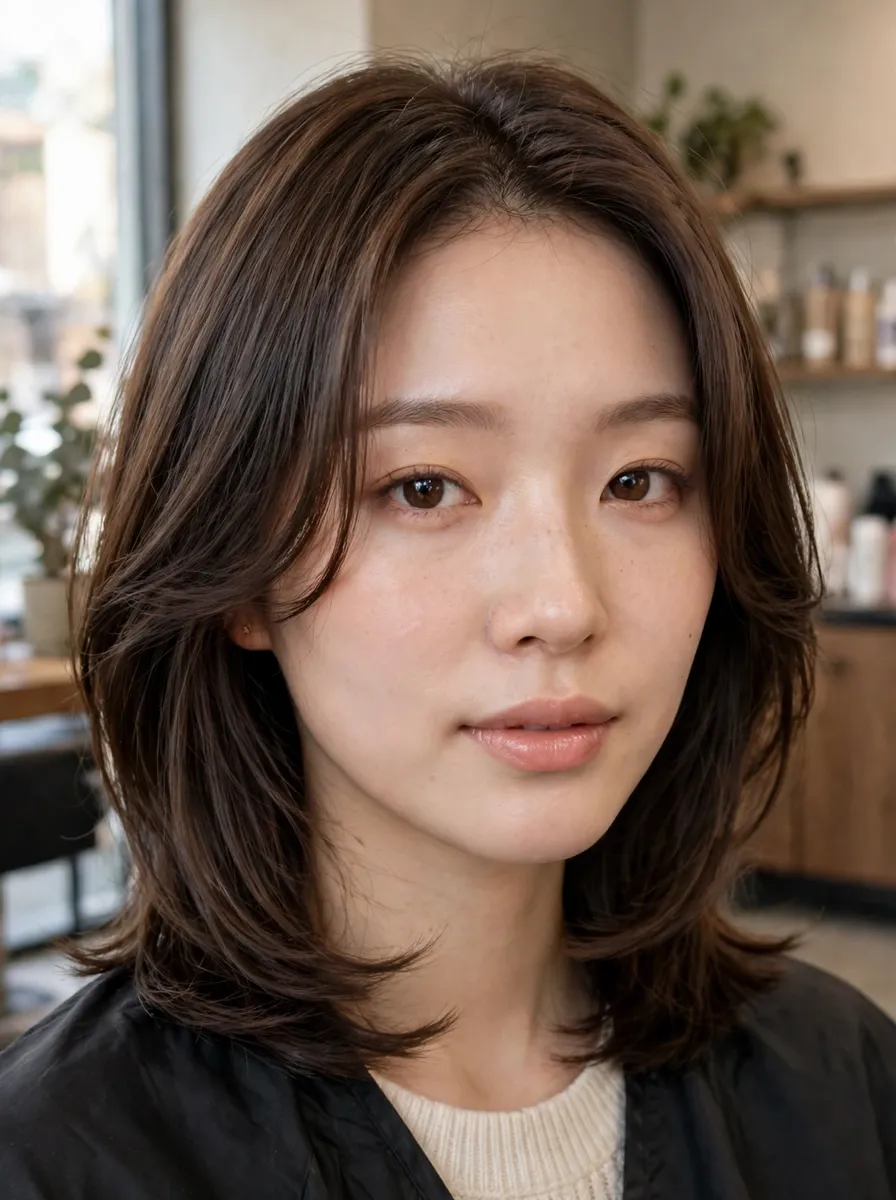
At shoulder to just-past-shoulder length, the hush cut’s layering shows most clearly: light layers through the mid-lengths, face-framing pieces starting at the cheekbones, ends curving under. This is the easiest length to live with — long enough to tie back, short enough that the layers keep their shape between appointments. It suits most face shapes and hair types, and needs only a few minutes of styling to look deliberate.
3. Short Hush Cut
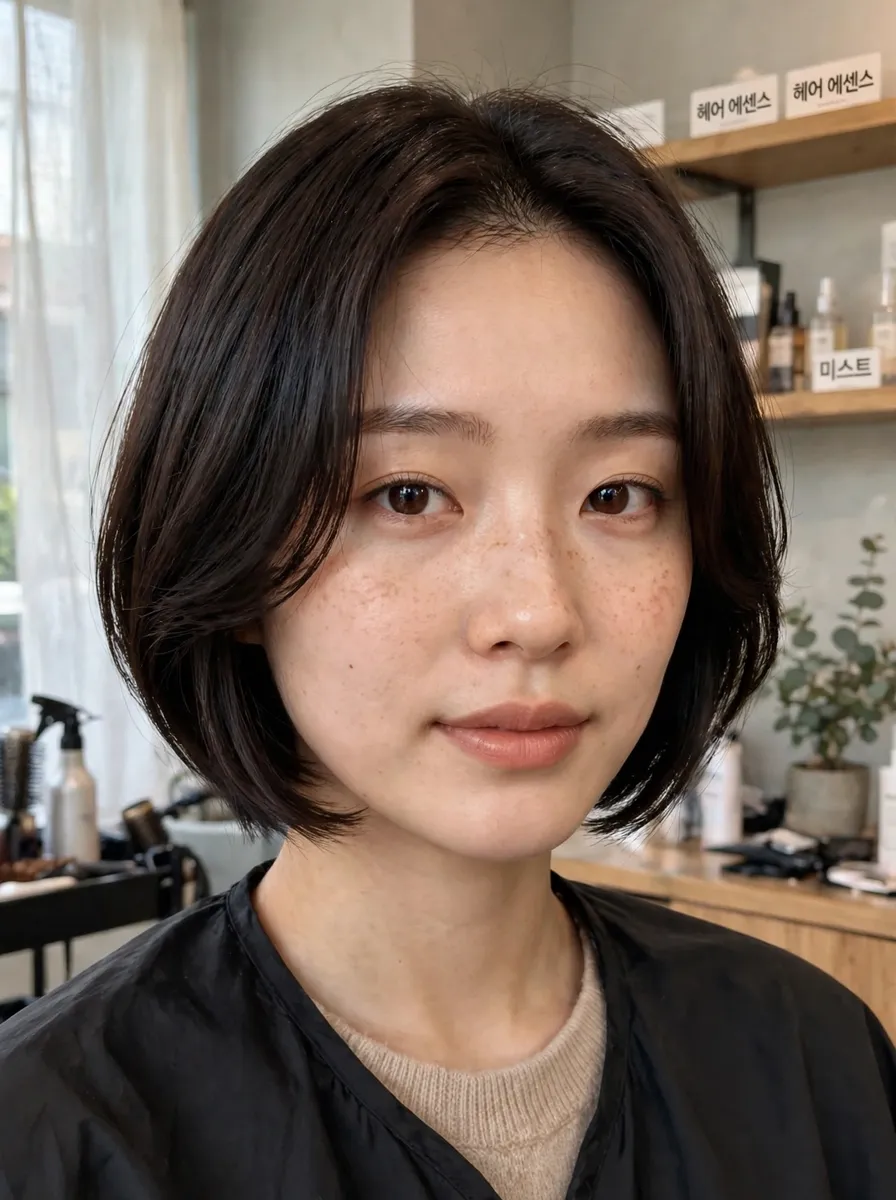
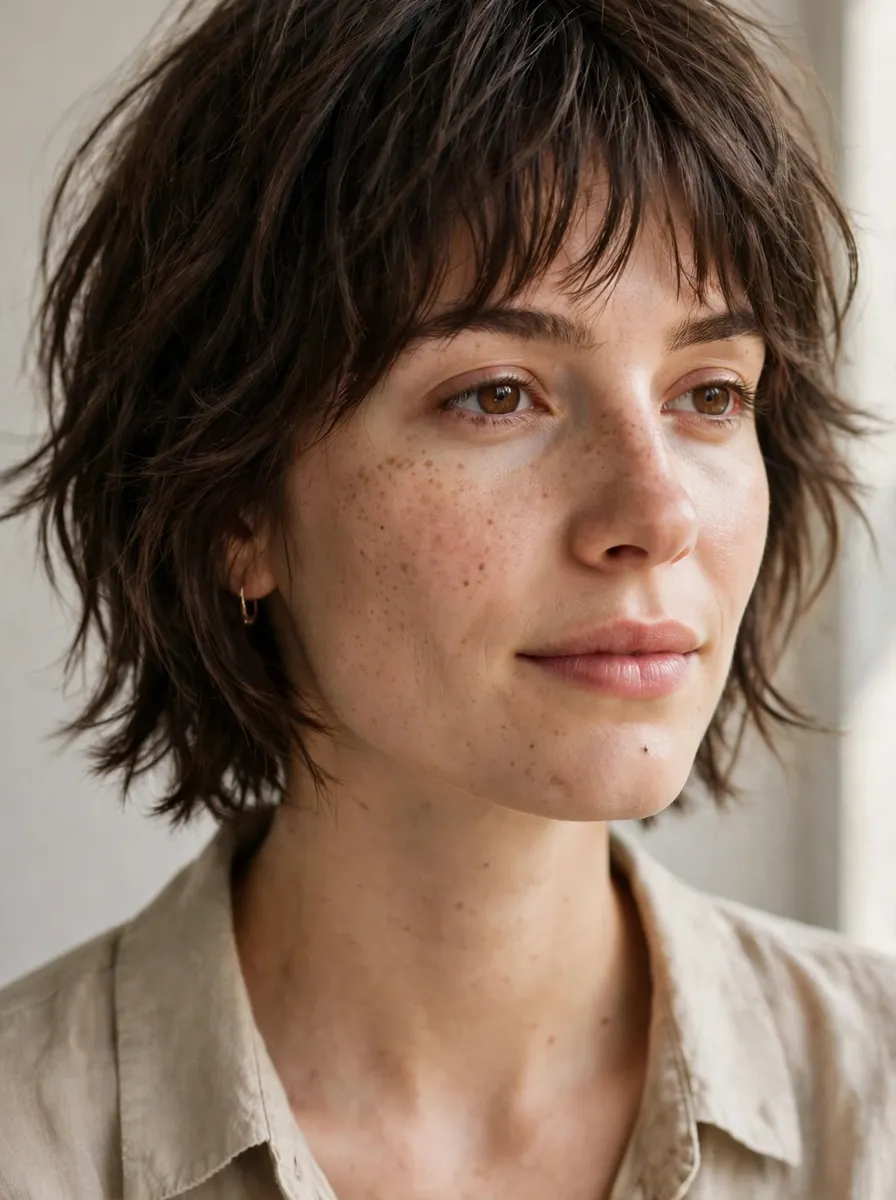
Cut to chin or jaw level, the hush cut becomes a soft, rounded shape with the layers concentrated around the face and the nape tapered close but never clipped. It keeps the jawline clean without the hard perimeter of a bob, which makes it flattering on round and heart-shaped faces. Styling effort is minimal — a minute with a dryer and a small round brush to curve the ends under — and it grows out into the medium version gracefully.
4. Hush Cut with Curtain Bangs
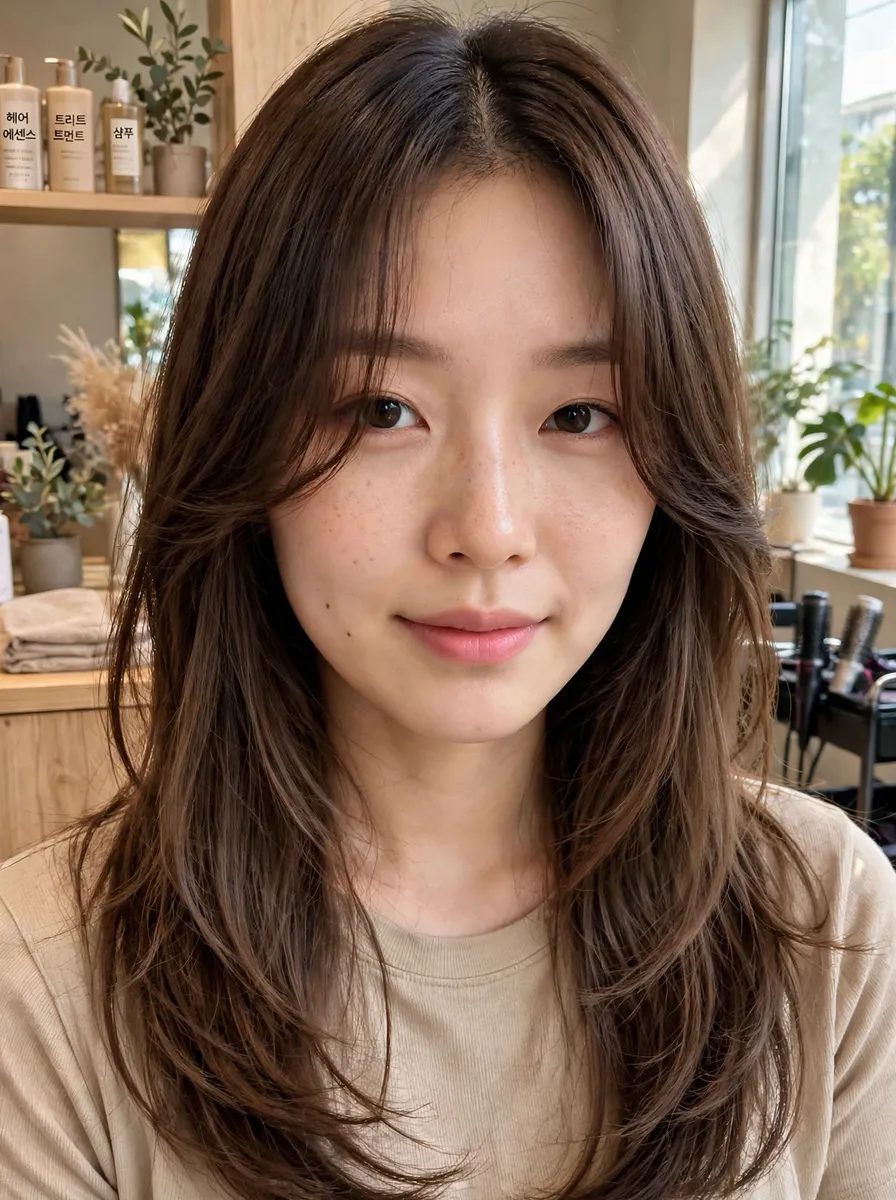
Curtain bangs are the hush cut’s most requested fringe: parted in the centre, sweeping down to the cheekbones and melting into the face-framing layers so there is no visible join. They soften a strong forehead and give the cut its signature gentle frame. They suit oval, long and heart-shaped faces best, and the styling effort is small — thirty seconds with a round brush, or let them air-dry for a looser finish. They also grow out painlessly into layer one.
5. Hush Cut with a See-Through Fringe
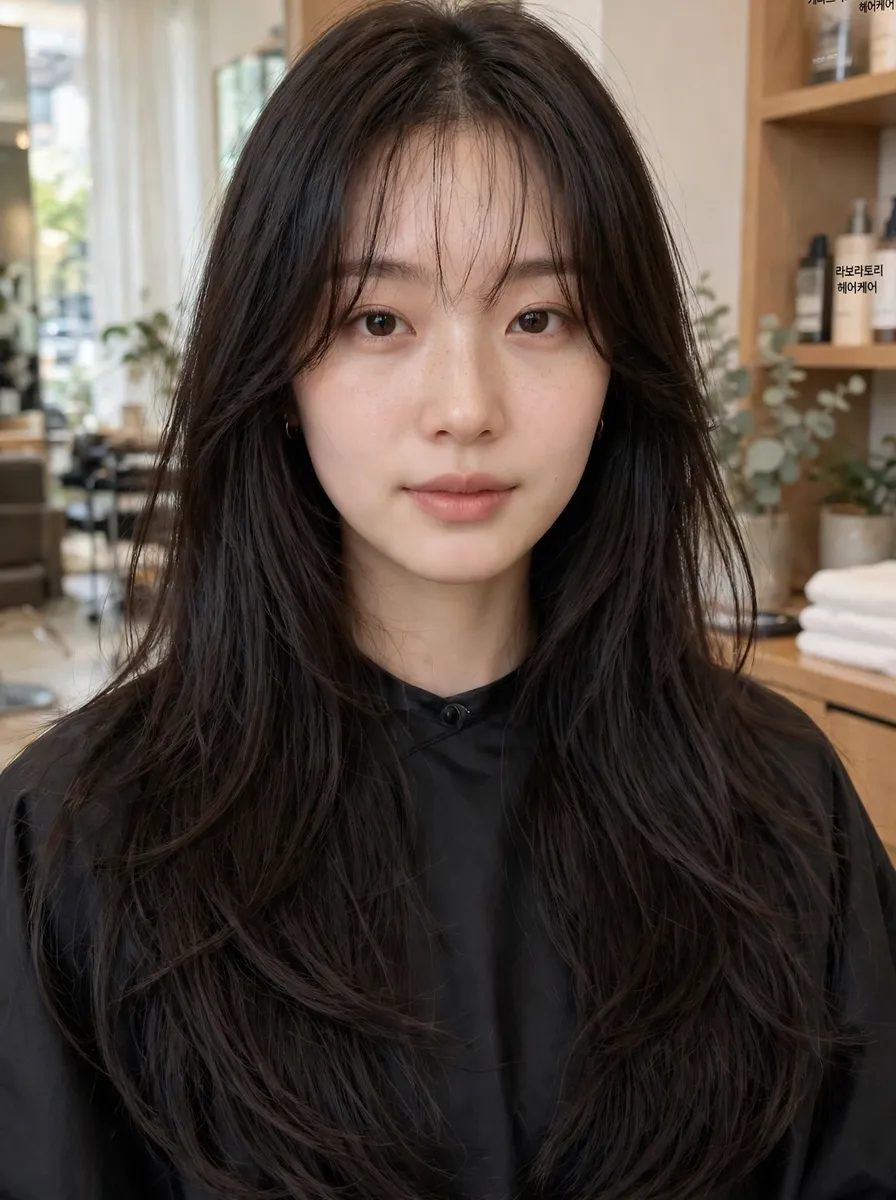
The see-through fringe — a wispy, feathered fringe you can literally see the forehead through — is the other classic Korean pairing. It adds softness across the forehead without the weight or commitment of a full fringe, and it flatters smaller faces and finer hair, where a heavy fringe can overwhelm. The trade-off is upkeep: it needs a trim every three to four weeks and a quick pass with the dryer to stop it separating, though the styling itself takes under a minute.
6. Hush Cut for Thick Hair
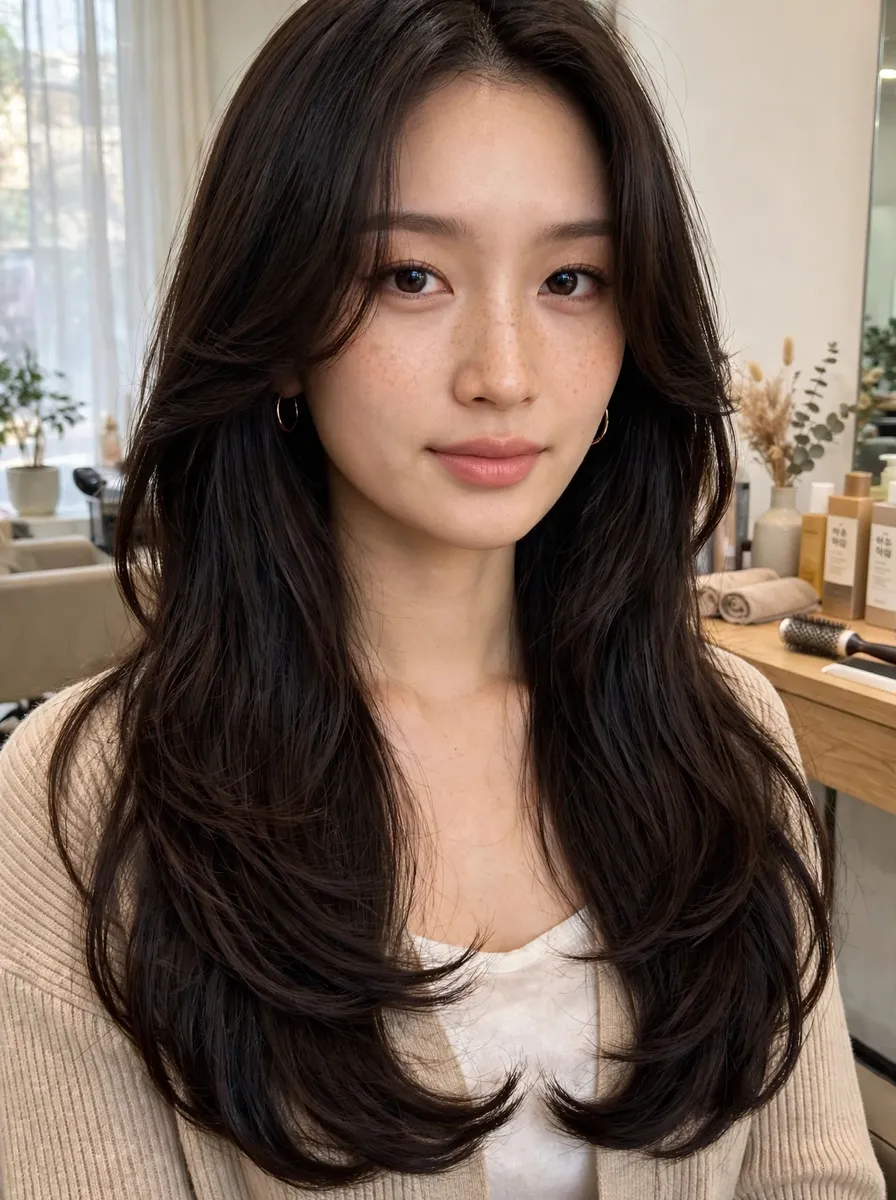
Thick hair is where the hush cut’s internal layering earns its keep: weight is taken out from inside the mid-lengths so the hair falls in a slim, curved silhouette instead of flaring into a triangle. The surface layers stay long and smooth, so the finish stays polished rather than textured. It suits anyone whose thick hair feels heavy or boxy in a one-length cut. Styling effort is moderate — the C-curl blow-dry matters more here, because thick hair needs the direction set in.
7. Hush Cut for Fine Hair
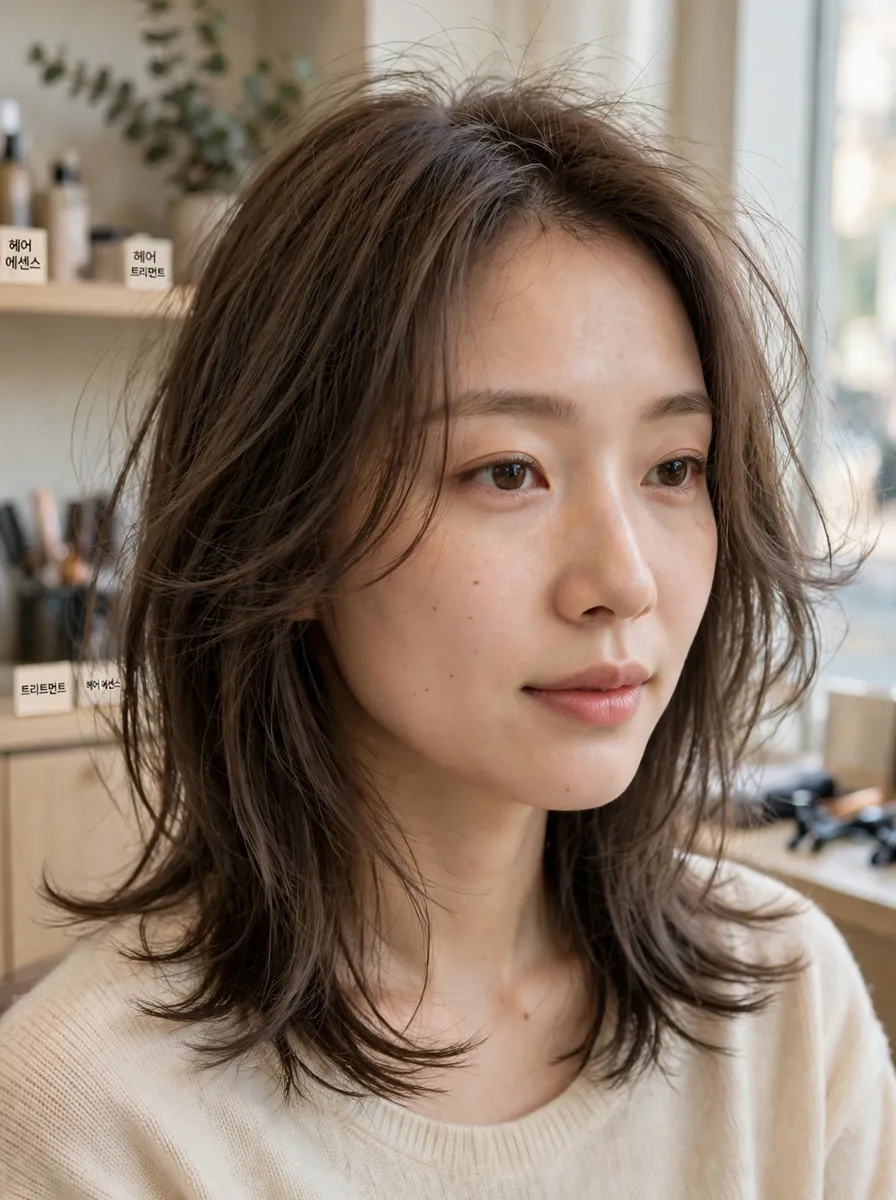
Fine hair gets the restrained edit: fewer layers, kept longer, with only the very ends feathered. Done this way, the layering suggests movement and lifts the outline without spending density fine hair cannot spare — over-layering is the one way to ruin this cut on fine hair. It suits fine, straight-to-wavy hair worn at medium or short lengths. Styling effort is low, but use a light mousse rather than oils or creams, which weigh the feathered ends straight down.
8. Wavy Hush Cut
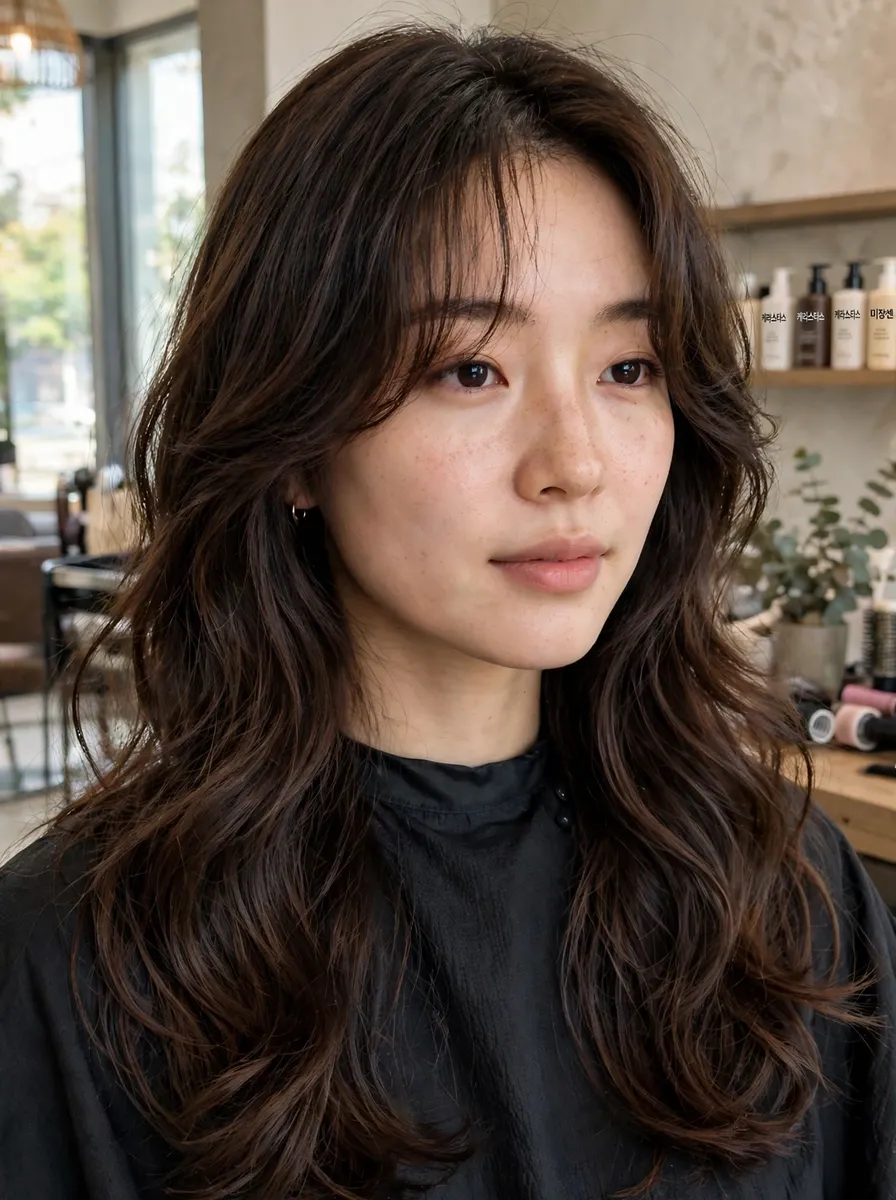
On naturally wavy hair, the hush cut’s blended layers follow the wave pattern instead of fighting it, giving loose, even movement from root to end. The layers should be cut slightly longer than on straight hair, because waves spring up as they dry. It suits anyone whose waves currently sit in one heavy mass. Styling effort is the lowest of the twelve: scrunch in a light curl cream, air-dry or diffuse, and the cut does the rest.
9. Curly Hush Cut
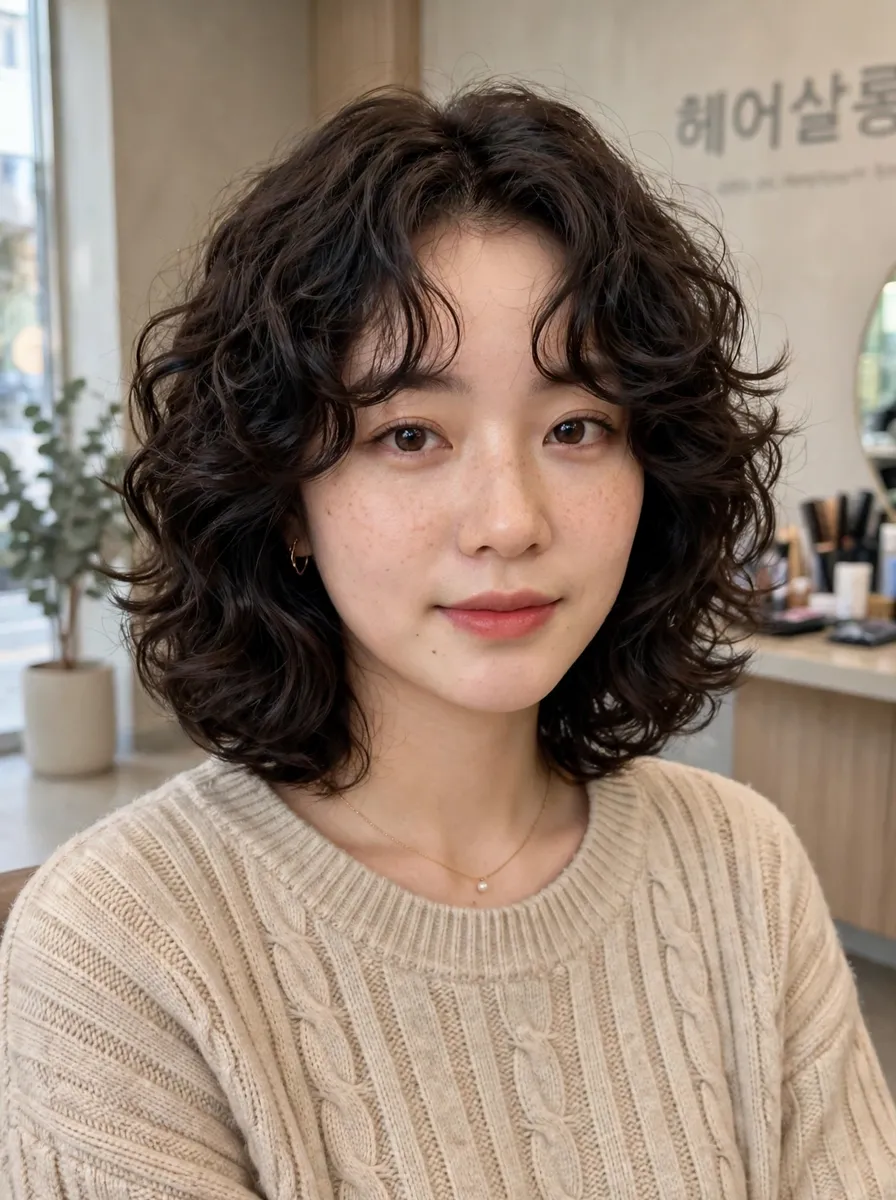
A hush cut on curls swaps the inward curve for a rounded, cloud-soft shape: layers blended through the head to distribute volume evenly and stop the triangle silhouette. It must be cut dry, curl by curl, so each layer lands where the curl actually sits — cut wet and straight, the layers spring up unevenly. It suits loose-to-medium curls best. Styling effort is your usual curl routine; the cut simply gives the curls a deliberate outline to fill.
10. Hush Bob
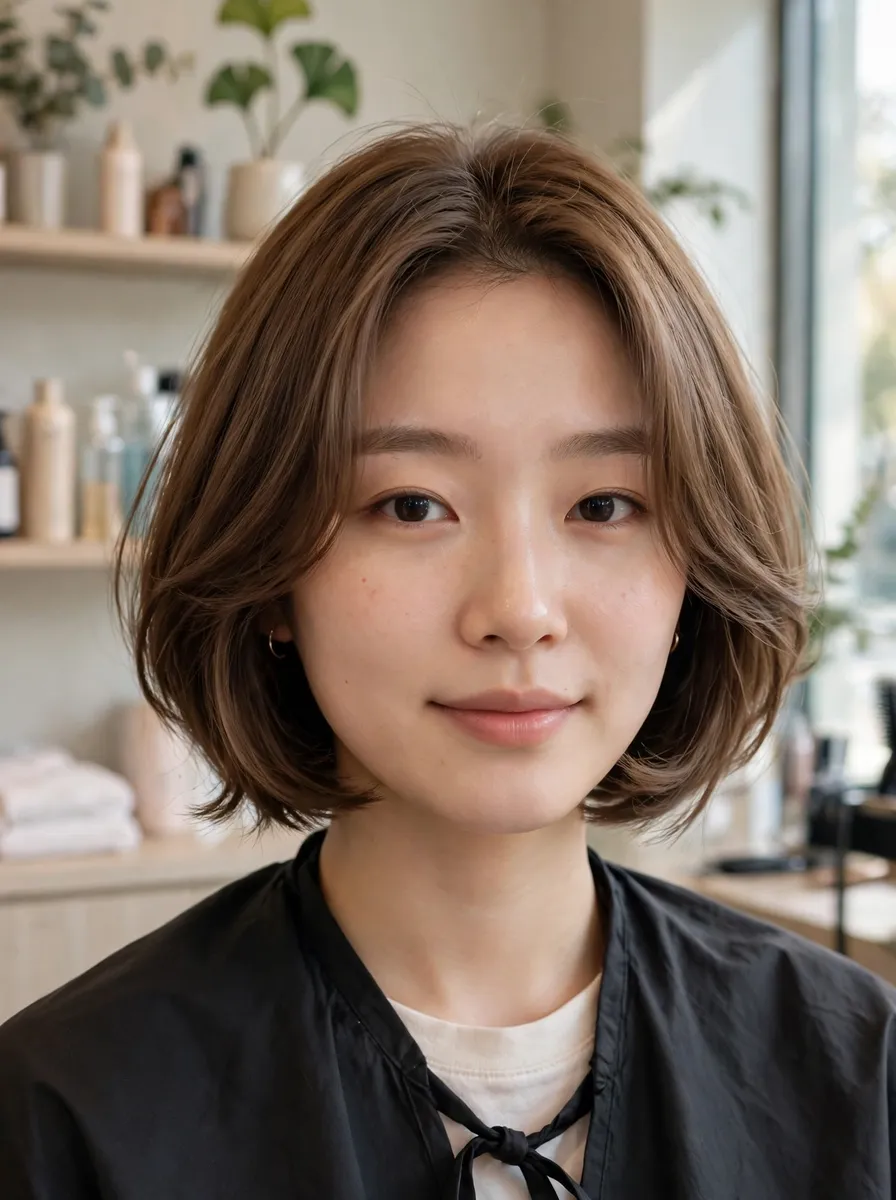
The hush bob takes the cut to jaw or chin length with the layering kept subtle: a bob’s clean outline softened by feathered ends and light face-framing, so it moves rather than sitting like a helmet. It is the most polished version of the twelve and the one that reads most like a classic bob in formal settings. It suits straight and wavy hair and most face shapes. Styling effort is a few minutes — the under-curve at the ends is what sells it, so do not skip the round brush.
11. Grown-Out Soft Hush Cut
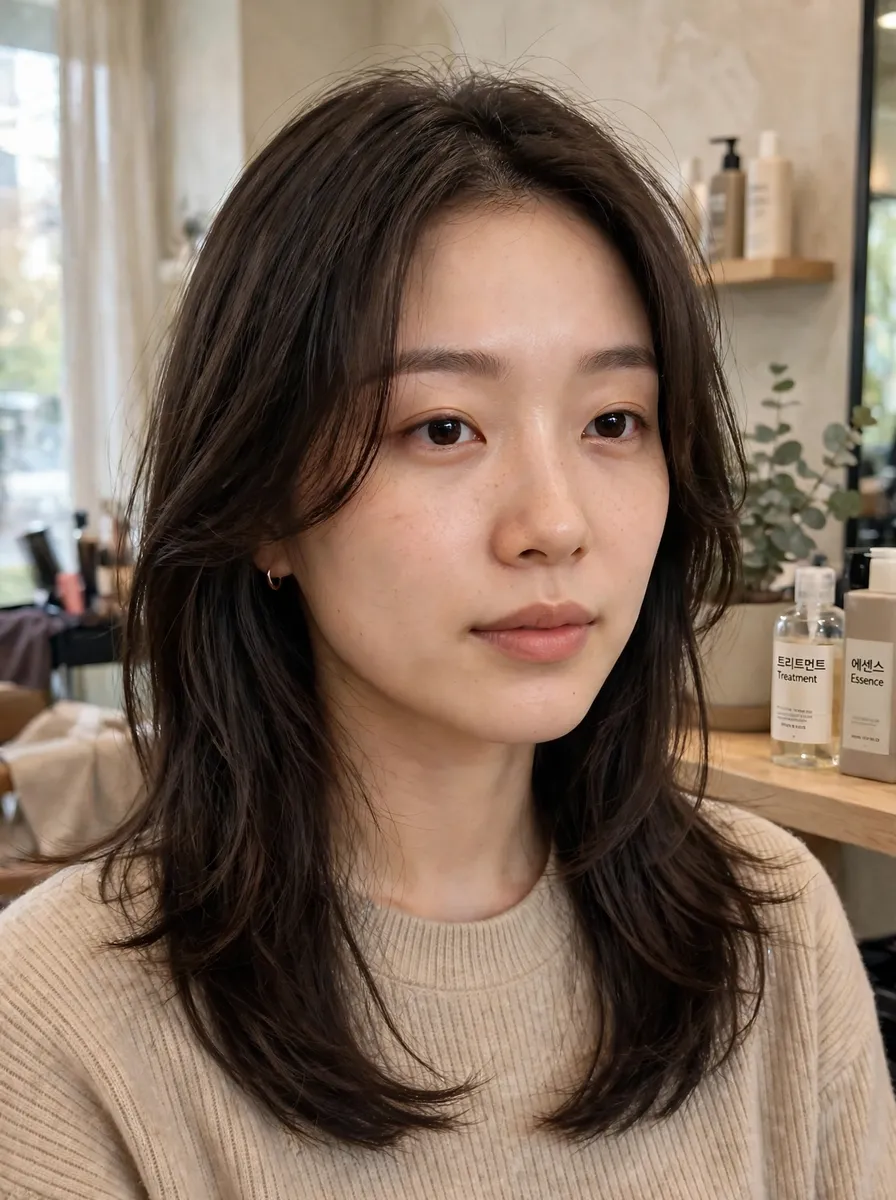
Six months after the appointment, a hush cut becomes this: layers lengthened into the lengths, the fringe — if you had one — merged into face-framing pieces, the softness still there. Some people book it directly as a minimal layered cut; most arrive here by skipping appointments, which the hush cut forgives better than any contrast-heavy style. It suits anyone who wants the longest possible gap between cuts. Styling effort is close to zero, and one reshaping visit a year keeps it intentional.
12. Hush Cut with Face-Framing Layers
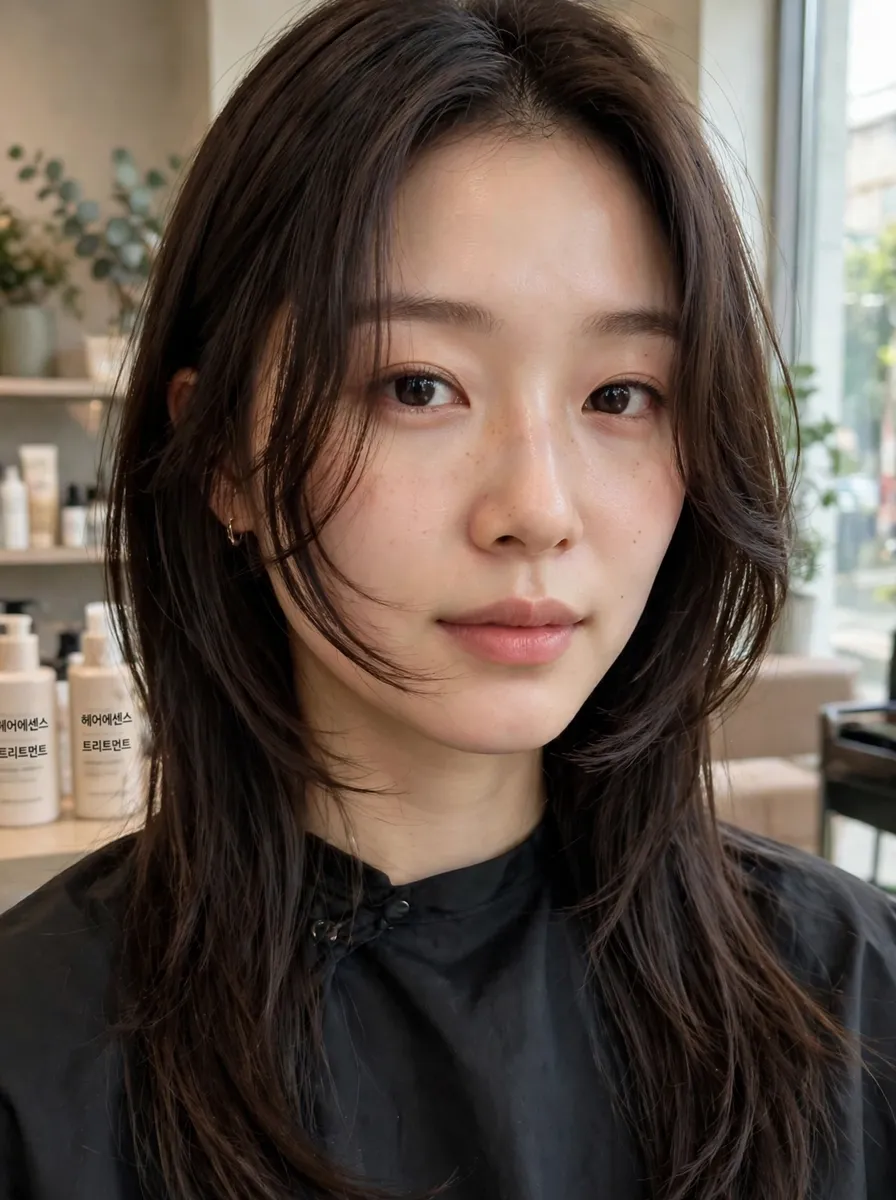
Here the face-framing does the talking: shorter pieces cascade from the cheekbones down the front while the back stays longer and smoother, drawing the eye to the face and softening the jawline. It is the most flattering version for round and square faces, because the diagonal lines break up width. Styling effort is low-to-moderate — the front pieces need their inward curve set with a brush or a large roller, while the back can be left to dry as it likes.
Hush Cut vs Wolf Cut: What Is the Difference?
These two are the most confused pair in modern hairdressing, and they sit at opposite ends of the layered family. A hush cut blends soft, low-contrast layers through the whole head: the transitions are melted, the ends taper to a feather, and the silhouette curves inward. It comes from Korean salons, where the goal is hair that looks expensive and undone at the same time, and it contains no mullet DNA at all.
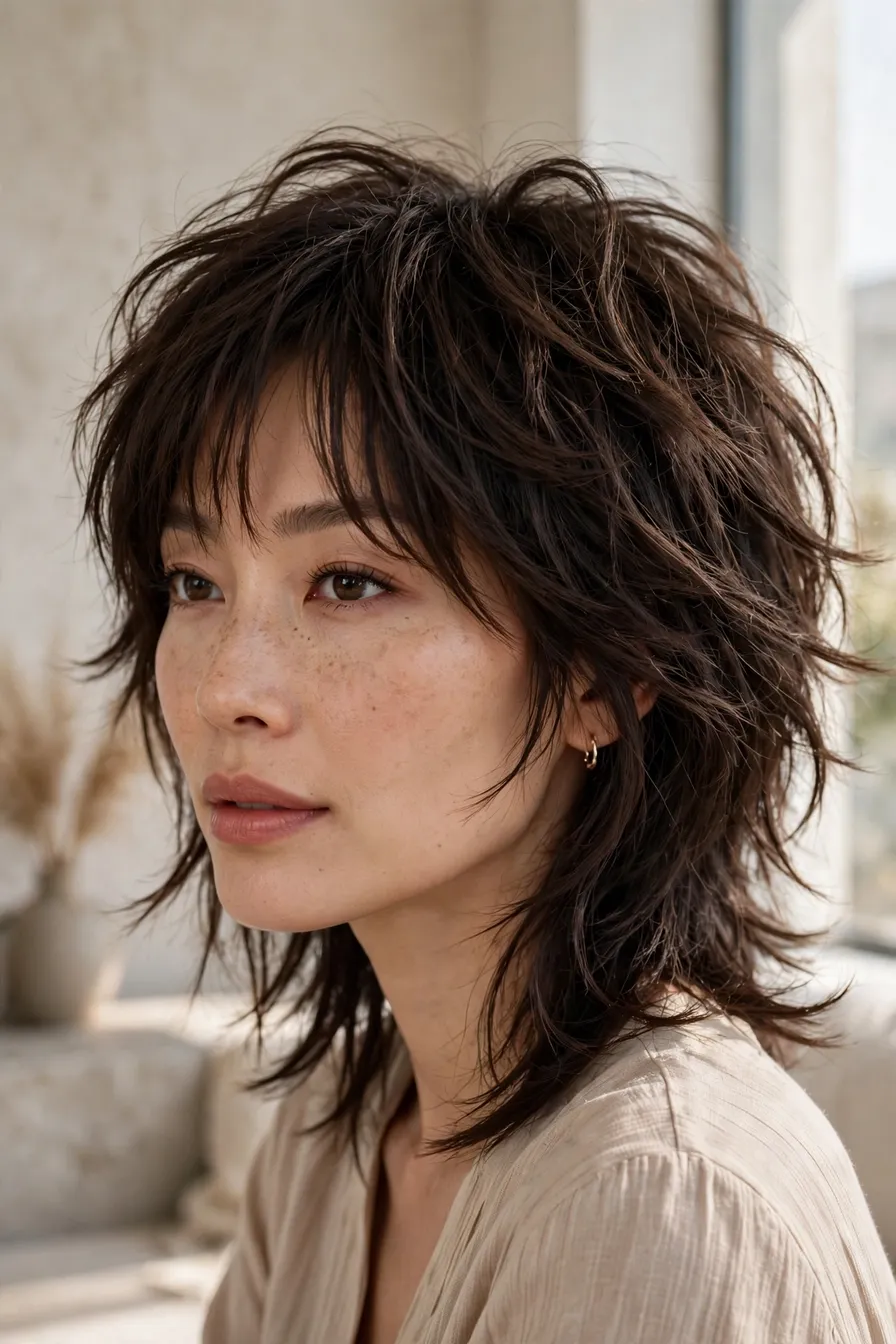
A wolf cut does the reverse: short, choppy layers stacked at the crown, noticeably longer wispy lengths at the back, and a deliberate top-heavy contrast borrowed from the mullet. It reads edgy and textured where the hush cut reads smooth and quiet. Our wolf cut for women guide shows that end of the spectrum in full, and the shag haircut sits between the two — feathered all over like a hush cut, but with more visible texture and flick.
The hush cut is also easily confused with the butterfly cut, so briefly: a butterfly cut concentrates two distinct layer lengths around the face to mimic swept-back wings, while a hush cut blends one gradual gradient through the whole head with no distinct second length. The butterfly haircut guide covers that shape if the winged outline is what you are after.
The practical rule: choose a hush cut for softness, polish and an easy grow-out; choose a wolf cut for crown volume, contrast and attitude. If you are unsure, start with the hush cut — a stylist can always chop a wolf cut’s contrast into it later, but softening a wolf cut back down means growing it out.
How to Style a Hush Cut
The signature finish is the C-curl blow-dry: ends curved inward in one smooth C shape, as if the hair naturally falls that way. Work on towel-dried hair with a light heat protectant. Blow-dry the roots for lift, then, using a large round brush, dry each section downward and roll the brush under at the ends, holding for a few seconds so the curve sets as it cools. Work in large sections — small ones create waves, and waves are a different finish. Finish by raking through with your fingers; a brush at this stage flattens the curve you just built. On non-wash days, a single large velcro roller at each front section for ten minutes revives the face-framing curve. Avoid heavy oils and waxes throughout: the hush cut’s feathered ends are meant to move, and weight is the enemy of the whole silhouette.
What to Ask Your Stylist For
Bring photos, and use the words that keep this cut in hush territory: “soft, blended layers”, “feathered ends”, “no choppy layers, no contrast”. Specify where you want the shortest layer to start — cheekbones for strong face-framing, collarbone for the subtle version — and which fringe, if any, you are committing to. If your hair is fine, say the layers must stay long and few; if it is thick, ask for the weight to come out internally, not from the surface. And if your hair is curly, confirm it will be cut dry.
Frequently Asked Questions
What is the difference between a hush cut and a wolf cut?
A hush cut blends soft, low-contrast layers through the whole head with feathered ends and an inward curve; a wolf cut stacks short, choppy layers at the crown over longer back lengths for a deliberate, mullet-adjacent contrast. The hush cut is the polished, quiet option; the wolf cut is the edgy one. The full comparison is in the section above.
Does a hush cut grow out well?
Better than almost any other layered cut. Because the layers are a gradual blend rather than a contrast, they simply lengthen: the fringe merges into face-framing pieces and the ends stay feathered rather than forming a shelf. Most people can stretch appointments to ten or twelve weeks, and the grown-out version is attractive enough to book in its own right (style 11).
Can you get a hush cut with fine hair?
Yes, in its restrained form: fewer, longer layers and only the ends feathered, so the cut suggests movement without thinning out the ends. The mistake to avoid is asking for the full layering of the long version on fine hair — that spends density you need. Style with mousse rather than oils, and keep lengths at or above the shoulders for the fullest outline.
How long does it take to style a hush cut?
Five to ten minutes on wash days, once you have the C-curl blow-dry down: large sections, a big round brush, ends rolled under and cooled. Between washes it needs almost nothing — the shape is cut in, so a quick roller in the front sections or a pass with the dryer revives it. Wavy and curly versions need even less, since the texture does the work.
What fringe suits a hush cut?
The two classic options are curtain bangs, which melt into the face-framing layers and grow out painlessly, and the see-through wispy fringe, which is lighter and suits fine hair and smaller faces. A full blunt fringe is rarely paired with a hush cut — its hard line fights the cut’s softness — but a soft, feathered full fringe can work on longer versions.
How often does a hush cut need trimming?
Every eight to twelve weeks for most versions, which is at the relaxed end for a layered cut. The exceptions are the fringes: a see-through fringe needs tidying every three to four weeks to keep its shape, while curtain bangs can usually wait for the main appointment. The hush bob also benefits from the shorter end of the range, since its outline is the point.
Final Thoughts
The hush cut’s appeal is restraint: one blended gradient of layers, feathered ends, and a finish you can achieve in ten minutes. Decide your length first, then your fringe, and the twelve styles above narrow quickly to two or three real candidates. And if the comparison section left you wanting more contrast and crown volume rather than less, that is useful information too — the wolf cut is waiting at the louder end of the same family.