Butterfly Haircut: 10 Layered Styles for Every Hair Type
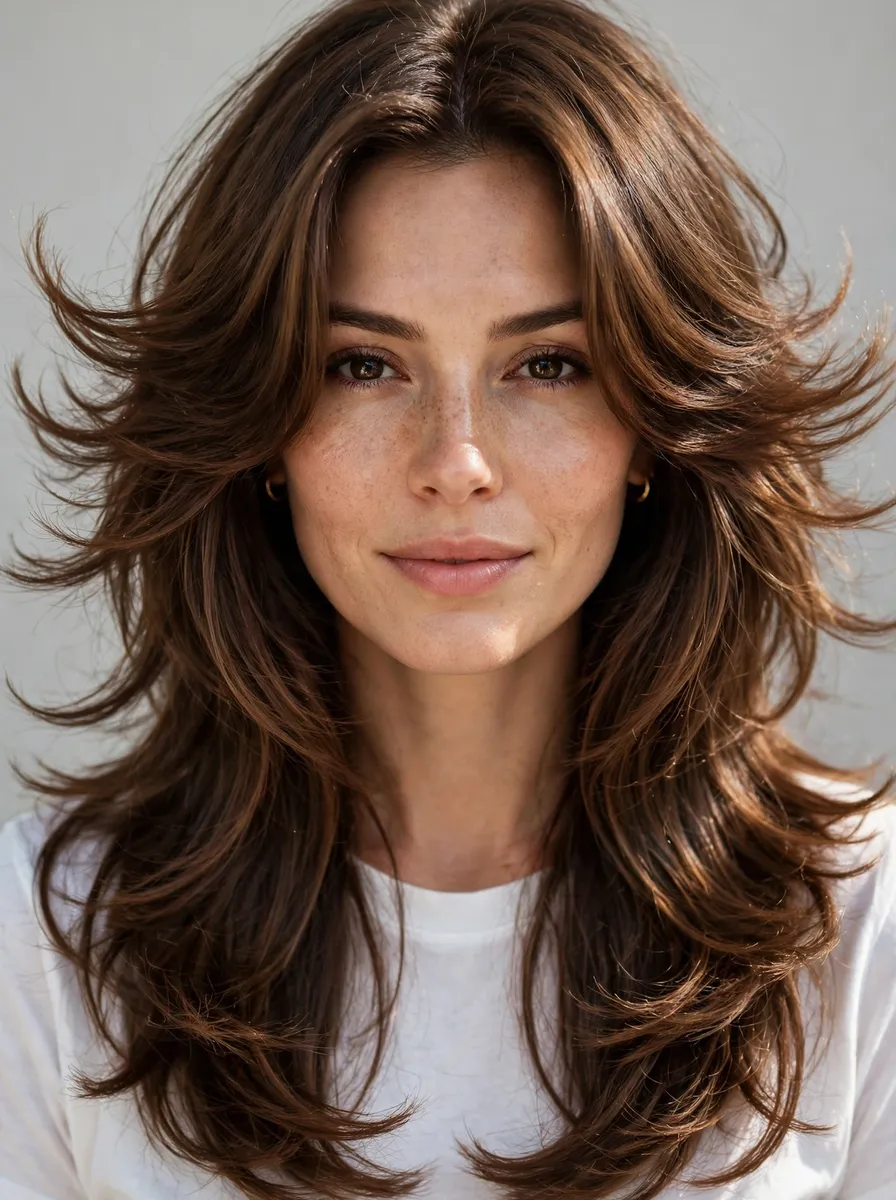
The butterfly haircut is a layered cut built on one contrast: short, feathered layers around the face and crown, and long layers underneath that keep your length. The short pieces flick out like wings when the hair moves — that is where the name comes from — while the longest layer can stay at bra-strap length or below.
It went viral because it promises the two things people usually have to choose between: the movement and shape of a short layered cut, and the security of keeping long hair. Done well, it delivers both. Done badly, it is just uneven layers, which is why the details below matter.
This guide covers the ten most useful versions — by length, texture and density — plus an honest account of how the butterfly differs from an ordinary layered haircut, who it suits, and the maintenance it actually needs. If your hair is curly, the dedicated curly butterfly cut guide adapts the same structure to natural texture.
1. Classic Long Butterfly Haircut
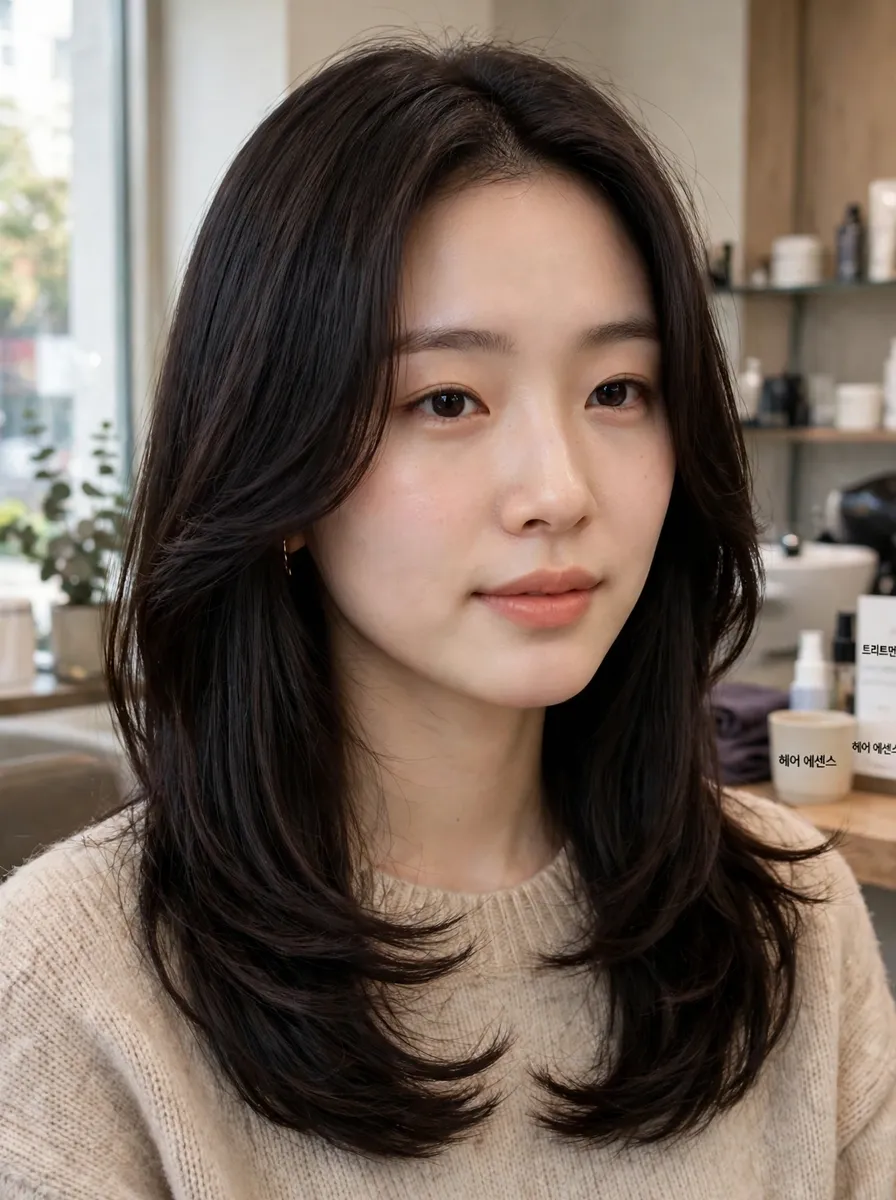
The reference version: shortest layers starting around the chin, cascading into long layers that keep nearly all the original length. The face-framing pieces are cut to flick outward, which opens up the face instead of dragging it down. This is the style to screenshot for your stylist if you want the full effect without losing more than an inch or two overall.
2. Butterfly Haircut with Curtain Bangs
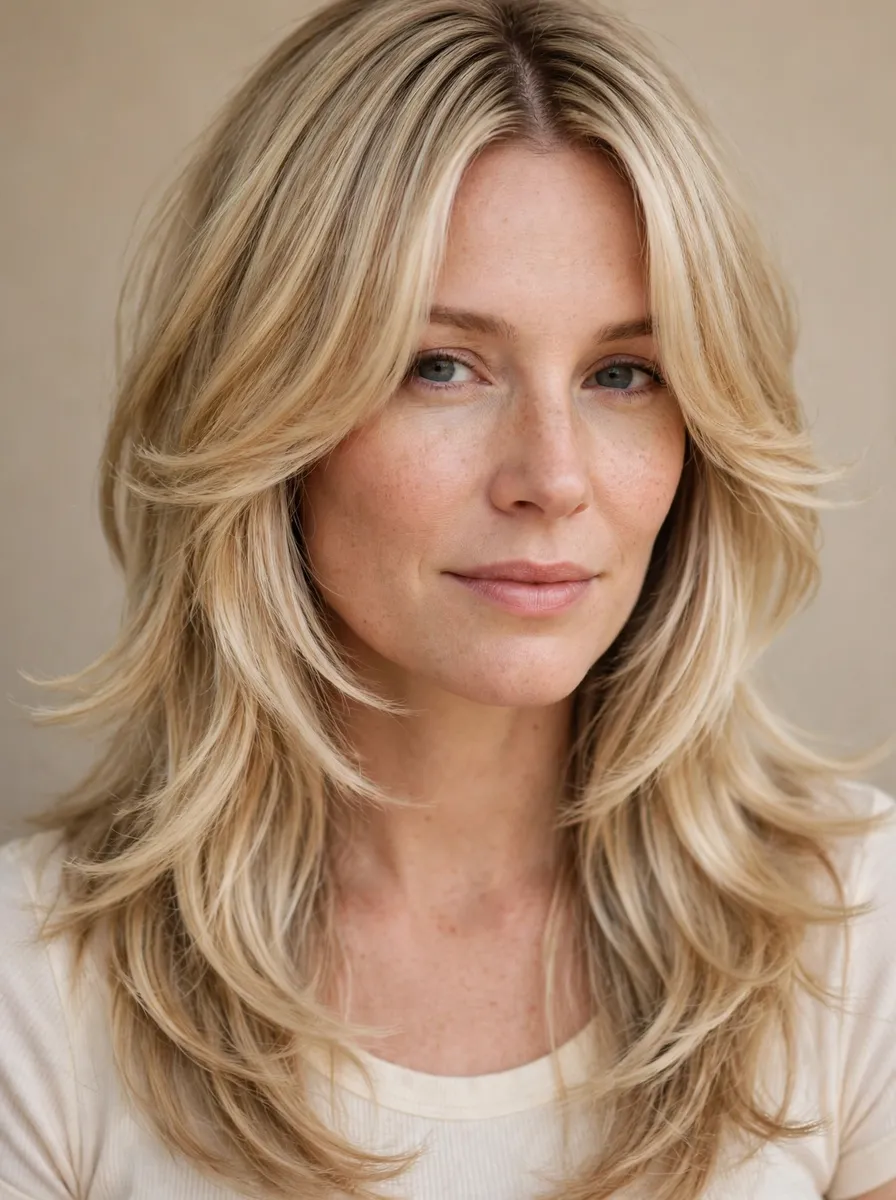
Curtain bangs are the natural partner for a butterfly cut because the bangs graduate directly into the shortest face-framing layer — there is no visible seam between the fringe and the layers. It softens the forehead, adds the most “styled” finish of any version here, and grows out gracefully into the layers if you tire of the bangs.
3. Medium Butterfly Cut
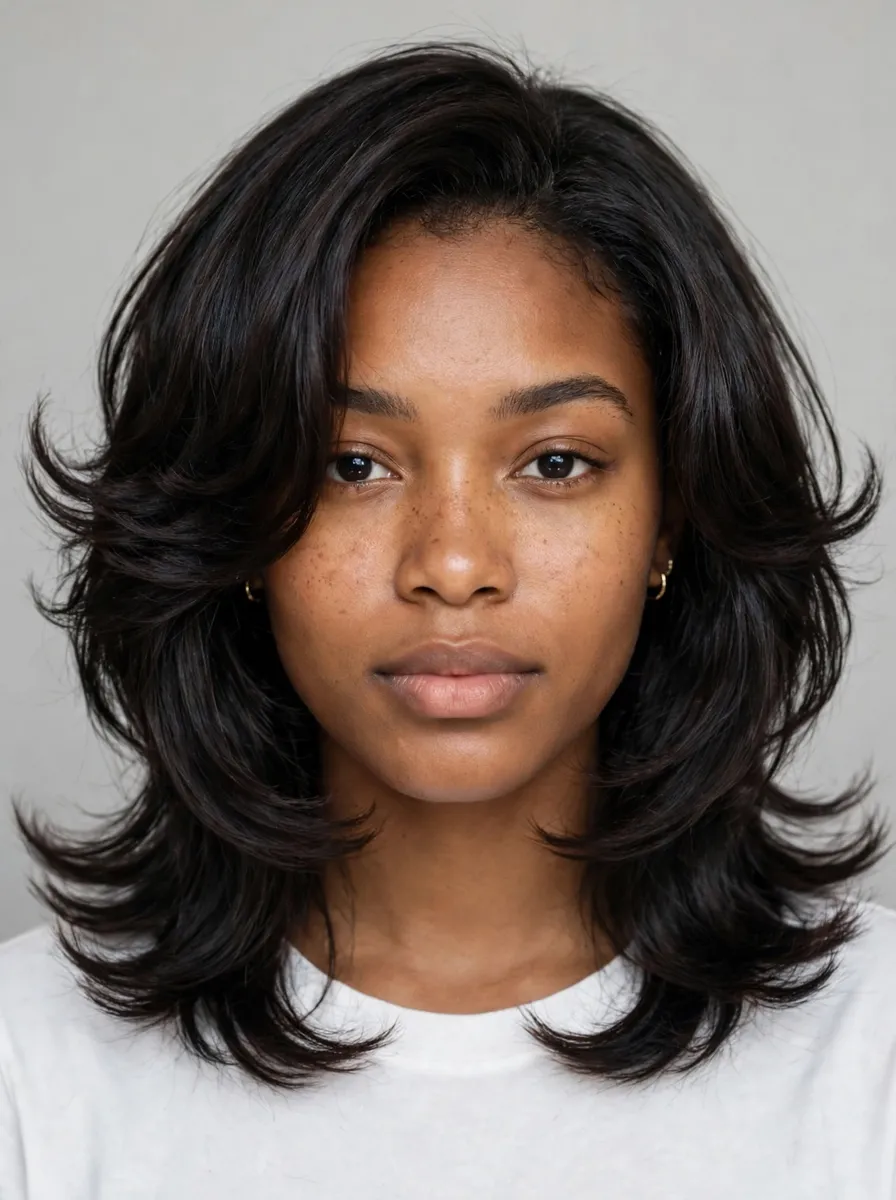
The butterfly structure works at shoulder length too; the layers just compress. The shortest pieces start at the cheekbones instead of the chin, and the longest layer sits at the collarbone. It is the best version for hair that will not grow past the shoulders, or for a first attempt before committing to the full long version.
4. Butterfly Haircut for Straight Hair
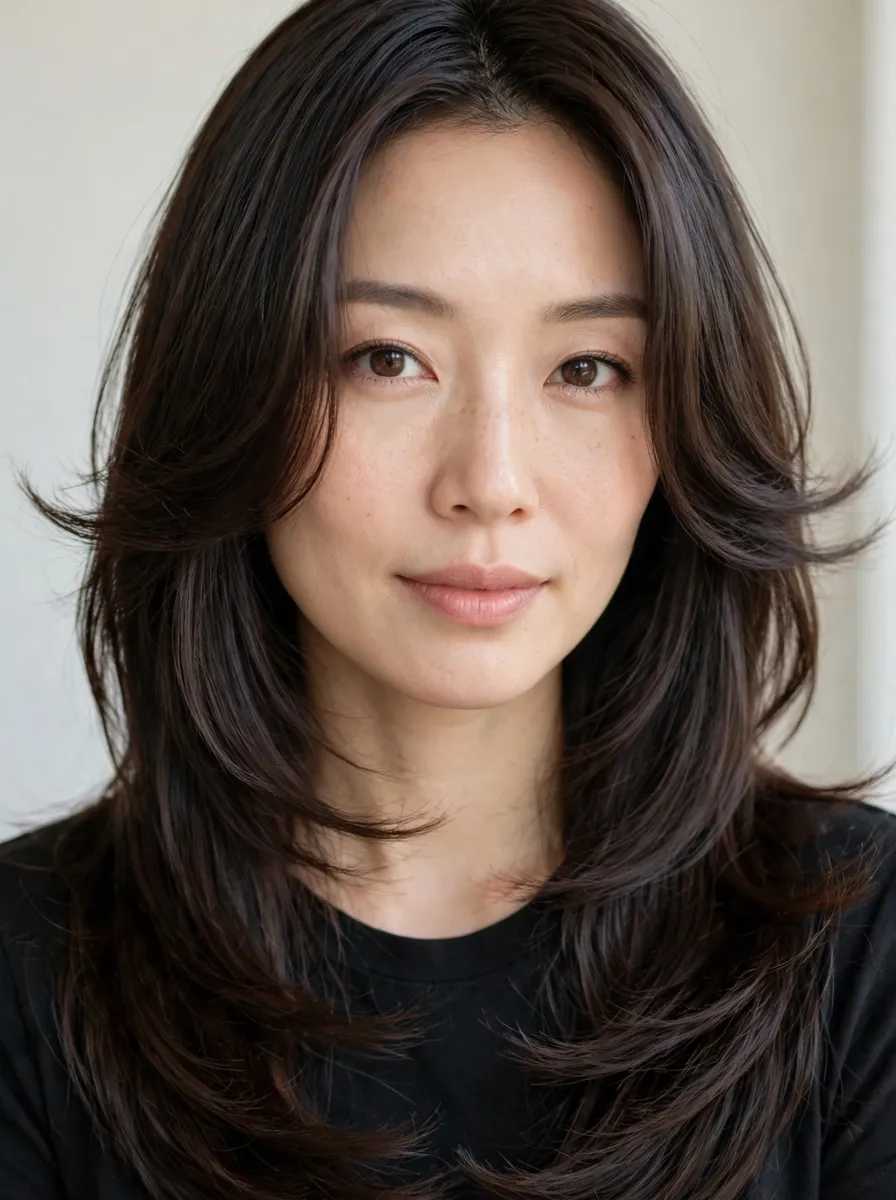
On straight hair, the layers have nowhere to hide — which is exactly why this version looks so polished when it is cut precisely. The flick at the ends comes from a bouncy blowout rather than natural texture, so expect five minutes with a round brush or a blow-dry brush to recreate the salon finish. Without heat styling it reads as a sleek, subtle layered cut, which many people prefer anyway.
5. Butterfly Haircut for Wavy Hair
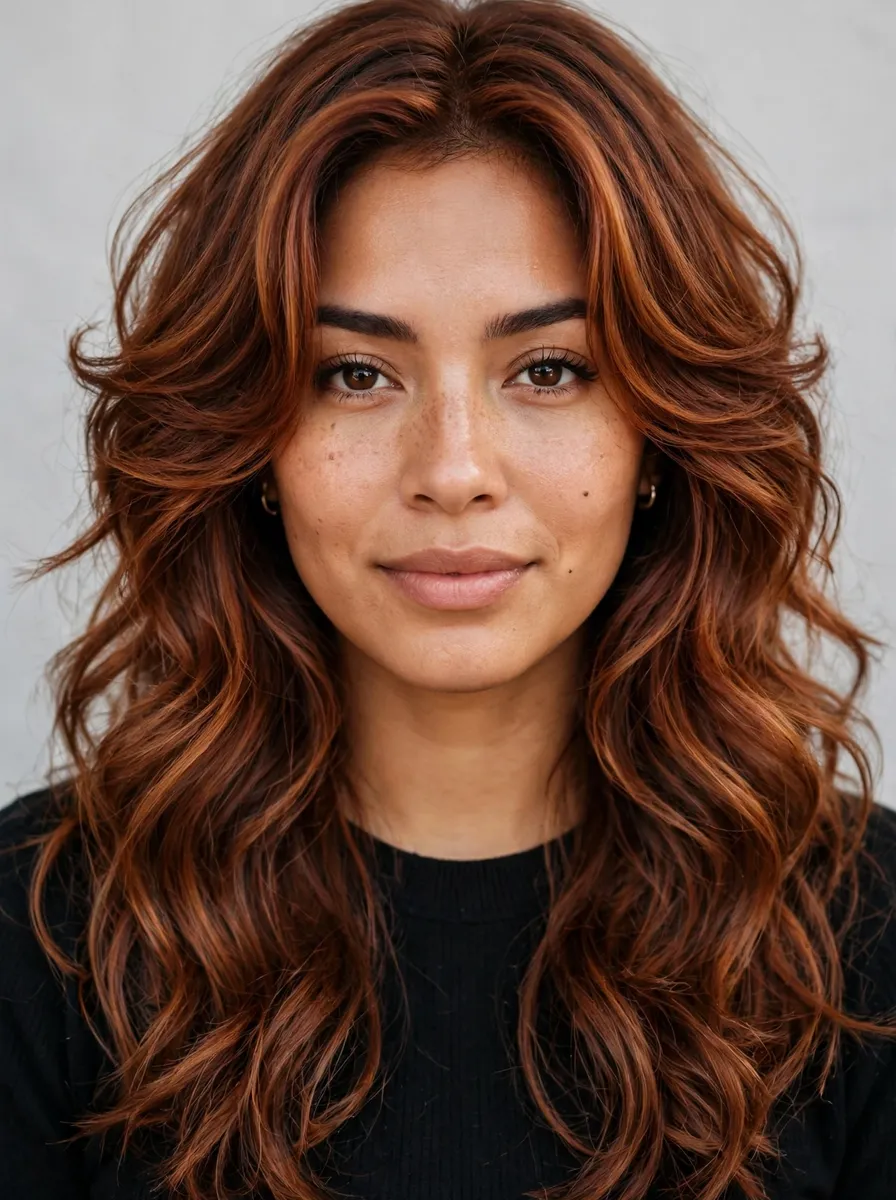
Wavy hair is the butterfly cut’s easiest texture: the natural bend animates the layers without any heat, and the shortest pieces fall into soft S-shapes around the face. Ask your stylist to cut the layers slightly longer than the straight-hair version, because waves spring up as they dry and a chin-length layer can land at the cheekbone.
6. Butterfly Haircut for Thick Hair
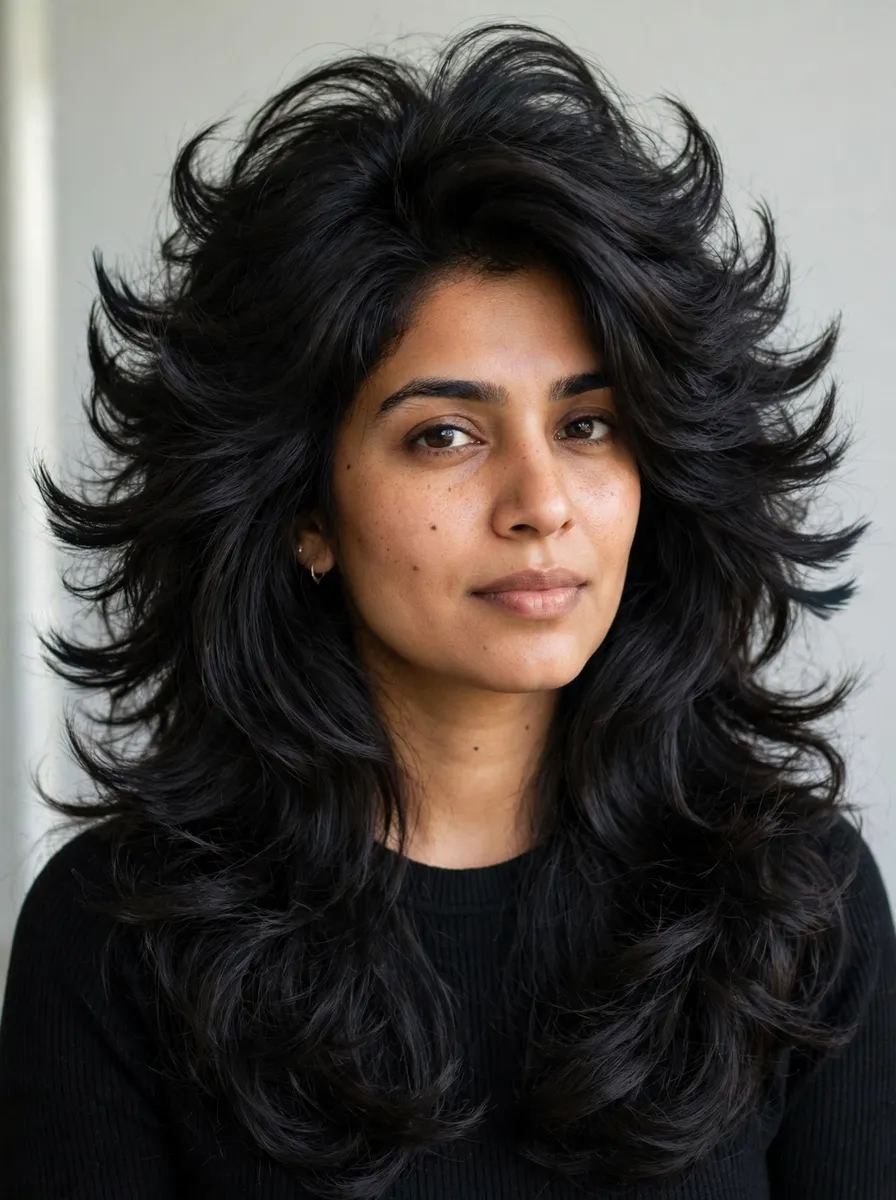
Thick hair has the density this cut was designed to show off. The layered structure removes bulk exactly where thick hair gets heavy — the mid-lengths — while the long underneath layer keeps the fullness at the ends. The risk is a shelf-like step between the short and long layers; a good stylist blends with internal layering so the transition disappears.
7. Butterfly Bob
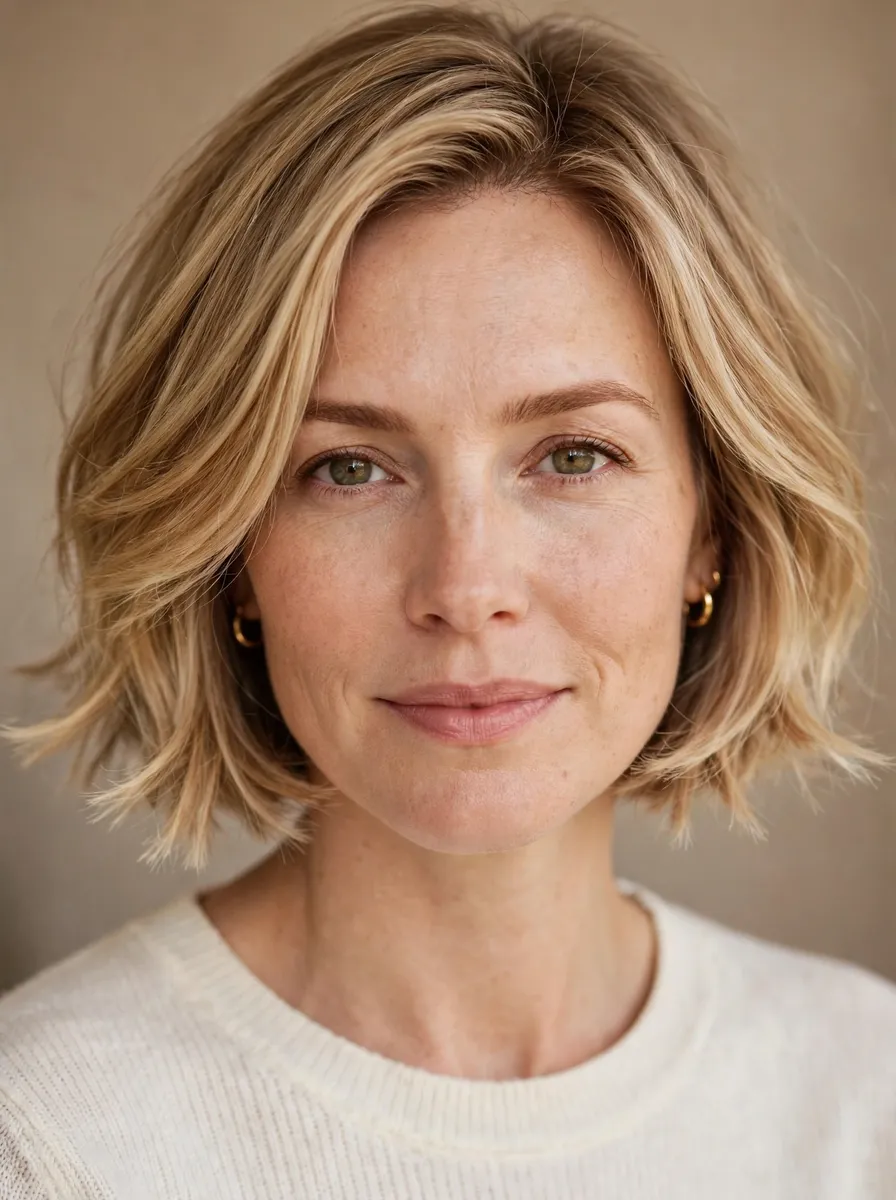
The short edit: a chin-to-jaw-length bob with the butterfly’s signature short-around-the-face structure. You lose the long underlayer, so what remains is pure shape — flicked, feathery and very bouncy. It suits anyone who loved the idea of the butterfly but was never going to keep long hair, and it pairs naturally with the techniques in our face-framing layers guide.
8. Butterfly Haircut with Face-Framing Highlights
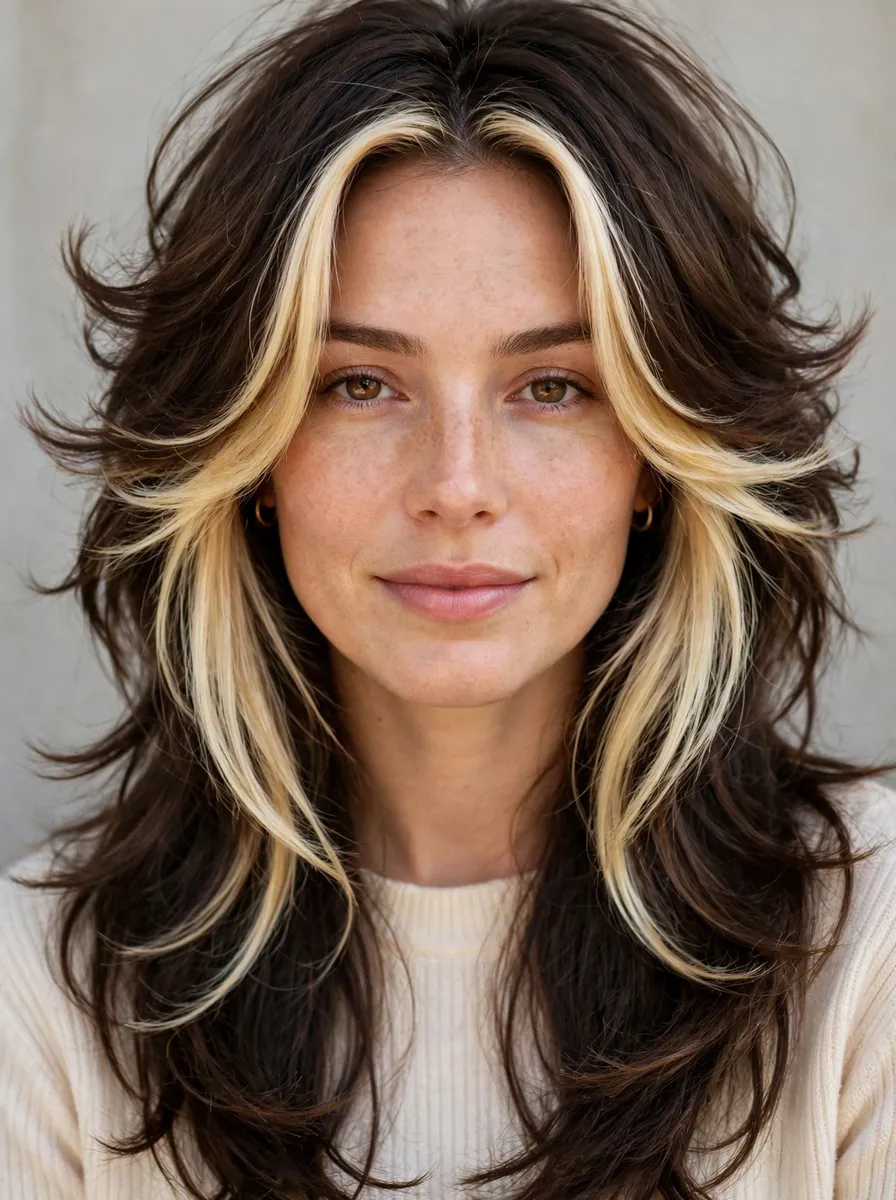
Colour placed on the shortest layers makes the butterfly structure visible at a glance: brighter pieces around the face, depth underneath. A money-piece highlight or soft balayage through the face frame does the job. This is the most photographed version of the cut for a reason — the contrast is the whole design, drawn in colour.
9. Shaggy Butterfly Haircut
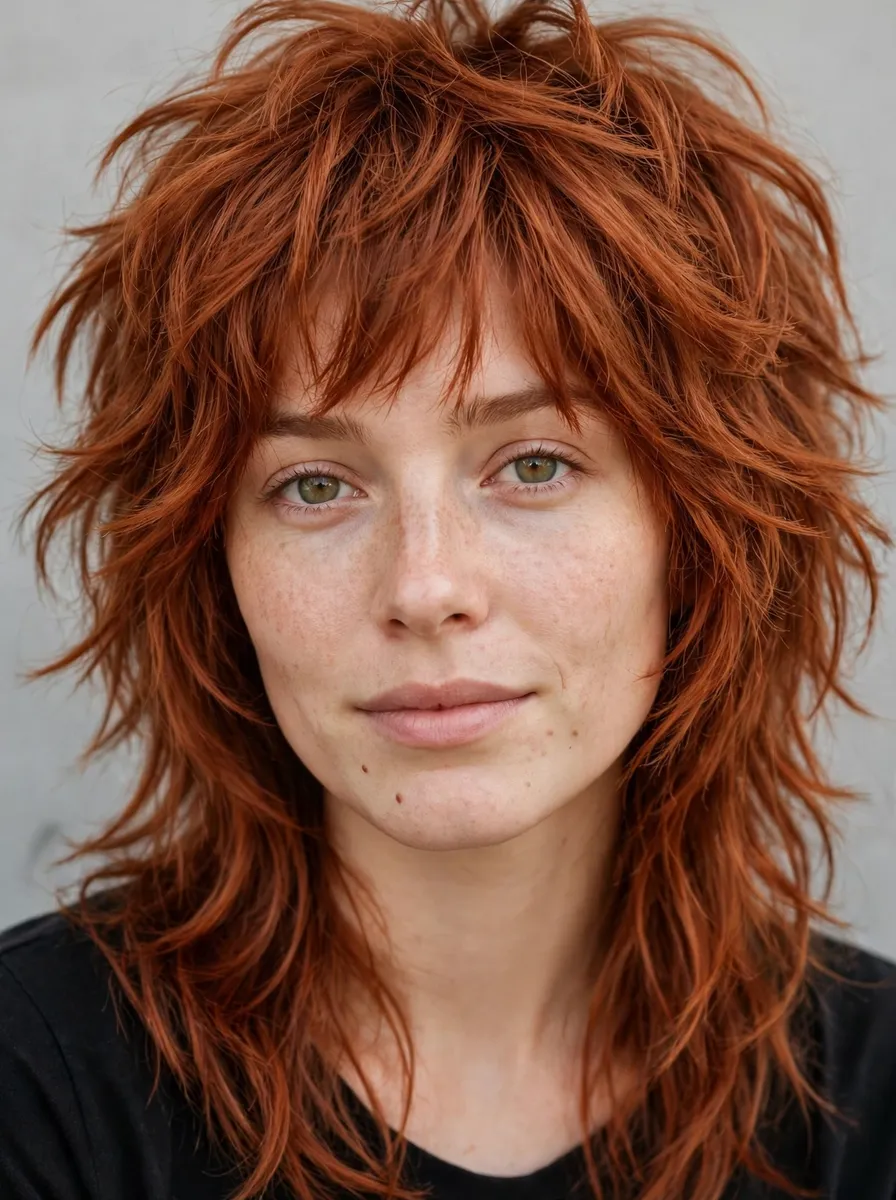
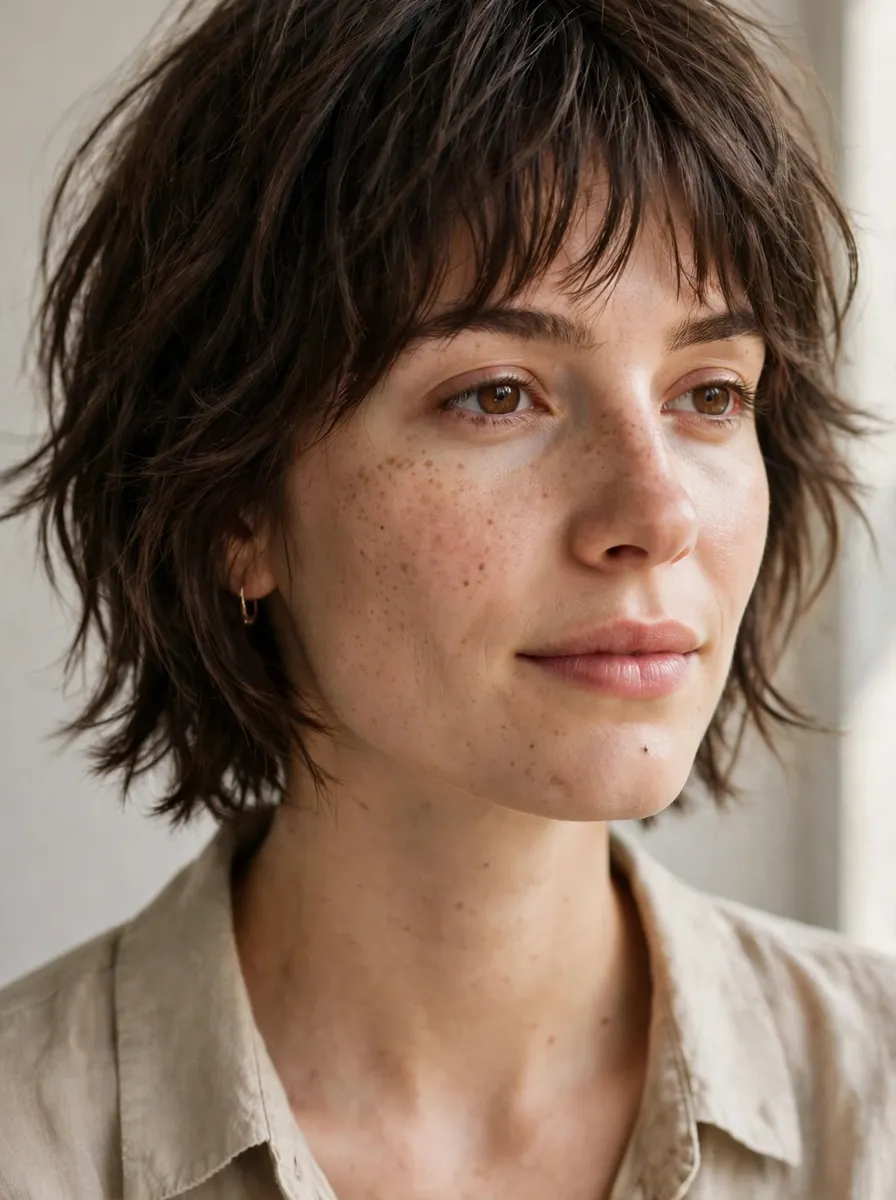
The butterfly’s relaxed cousin: choppier ends, more texture, a whisper of shag in the crown layers. It trades the classic version’s polish for movement and edge, and it is the most forgiving version to grow out because nothing about it is precise to begin with. A texture spray and air-drying will get you most of the way to the finish.
10. Butterfly Haircut for Fine Hair
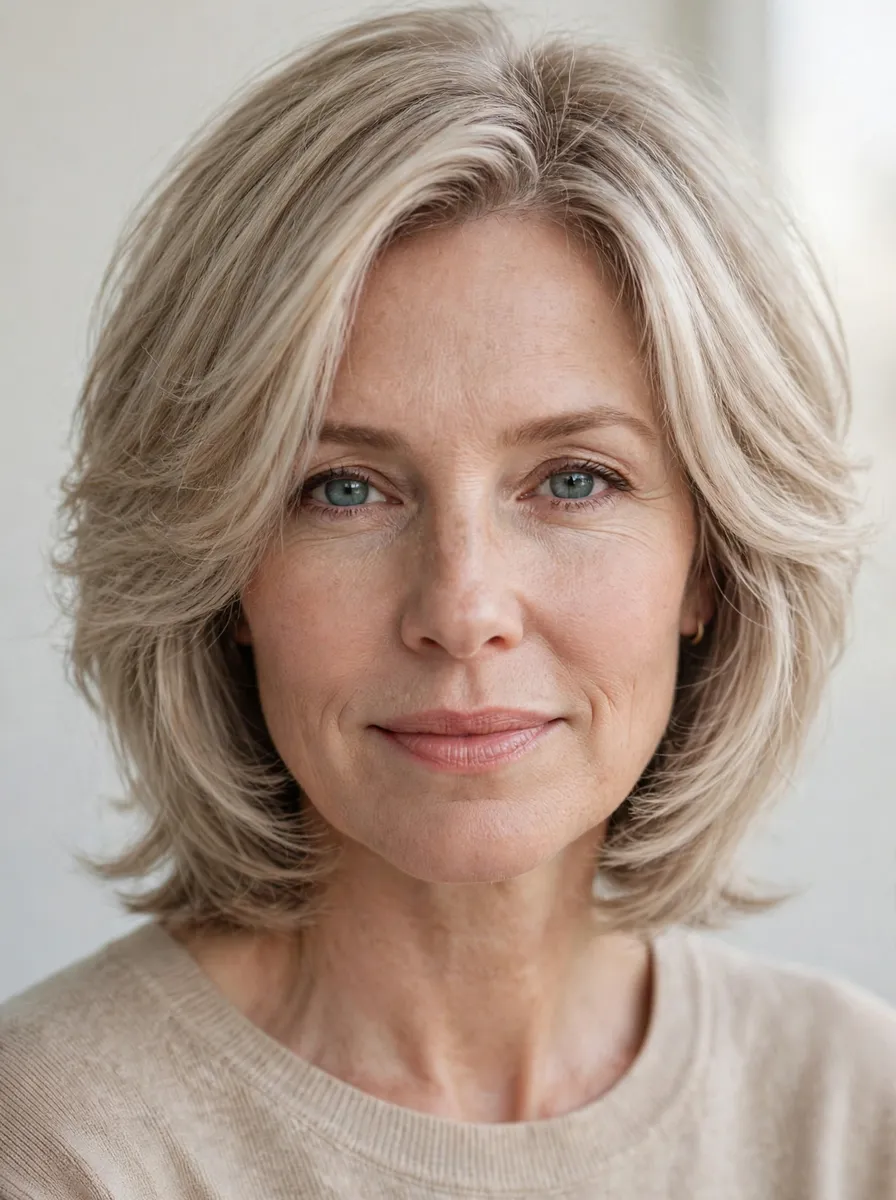
Yes, fine hair can wear a butterfly cut — with restraint. The layer contrast must be gentler (a few inches between shortest and longest, not eight), the ends kept blunt rather than feathered, and the underlayer left as full as possible. Cut this way it adds the movement fine hair usually lacks; cut aggressively it does the opposite and thins the ends out. The same caution applies across all layered haircuts for fine hair.
Butterfly Haircut vs. Regular Layers: What Is Actually Different?
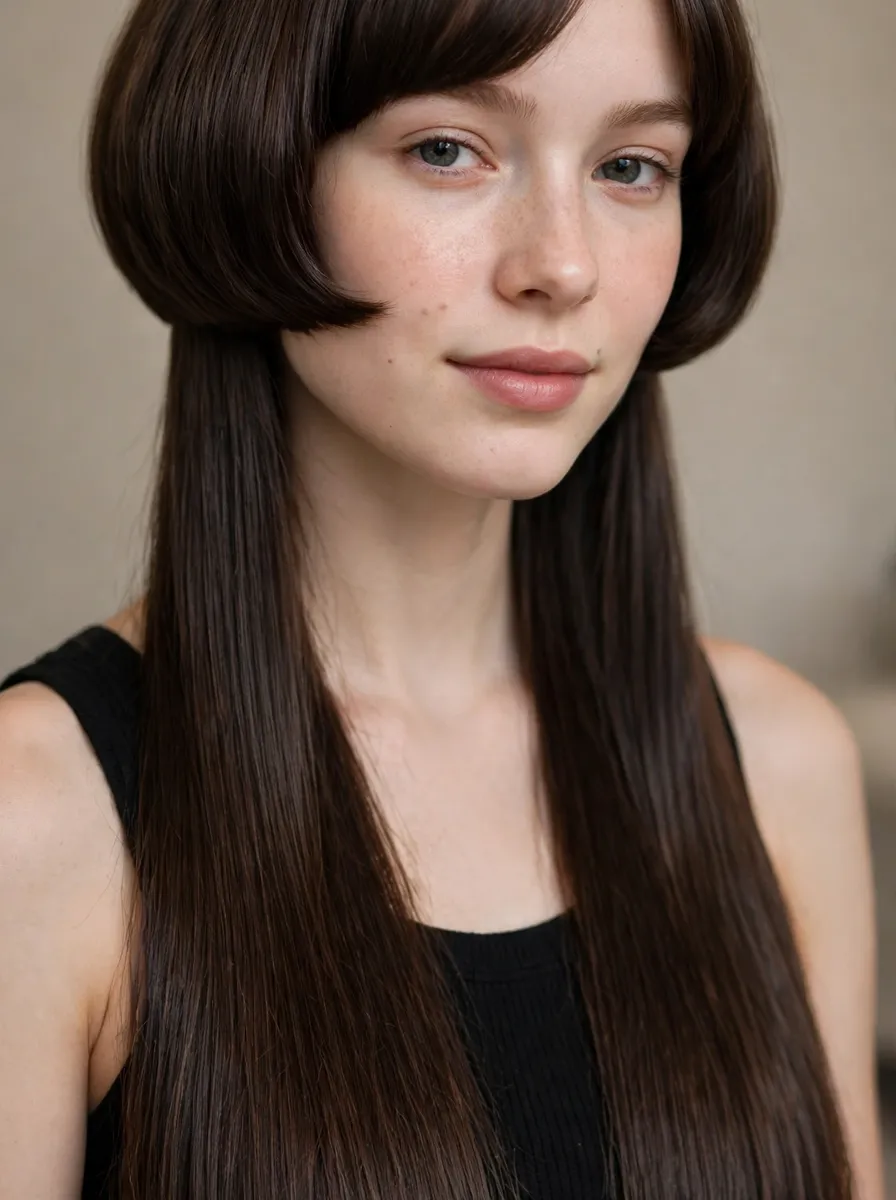
Three things. First, contrast: a conventional layered cut graduates lengths gradually, while the butterfly deliberately separates the hair into two zones — short face layers and a long base — with a bigger gap between them. Second, the face frame leads: in a butterfly cut the shortest layers are designed first and everything else supports them. Third, the two-ponytail test: because the zones are so distinct, you can pull the long underlayer into a low ponytail and leave the short layers out, and it convincingly looks like a bob. No ordinary layered cut does that.
Who Should Skip It?
Be honest about three things. If your hair is very fine and sparse, even the gentle version above may cost you too much density at the ends. If you wear your hair in a sleek, blunt, one-length style by preference, the butterfly’s flick and movement will annoy you. And if you will not spend five minutes styling, choose the wavy or shaggy version — the straight, polished butterfly is a blowout-dependent cut.
If you want the same layered movement with a rougher edge, the wolf cut for women is the butterfly’s shaggier sibling — same layering logic, deliberately unpolished.
Frequently Asked Questions
What is a butterfly haircut?
A butterfly haircut is a layered cut with two distinct zones: short, feathered layers around the face and crown, and a long layer underneath that preserves most of your length. The short layers flick outward like wings when the hair moves, which is where the name comes from. It gives the shape and movement of a much shorter cut while keeping long hair overall.
What is the difference between a butterfly haircut and a layered haircut?
Contrast and intent. Regular layers graduate gradually from short to long; a butterfly cut deliberately separates short face-framing layers from a long base with a wider gap, and the face frame is the design’s focus. The practical test: a butterfly cut can fake a bob by tying the long underlayer into a low ponytail and leaving the short layers loose. A standard layered cut cannot.
Does a butterfly haircut work on fine hair?
Yes, in a modified form. The gap between the shortest and longest layers should be small, the ends kept blunt rather than feathered, and the underlayer left as full as possible. Aggressive layering thins fine ends out and achieves the opposite of what you want, so show your stylist a gentle version and say explicitly that density at the ends is the priority.
How often does a butterfly haircut need trimming?
Every 8 to 10 weeks keeps the layer contrast crisp. The cut grows out softly — the short layers simply get longer — so it degrades gracefully compared with blunt cuts, and the shaggy and wavy versions can stretch to 12 weeks. What you cannot skip is the first reshaping trim if you are growing it out into a regular layered cut, or the two zones will separate visibly.
Can you tie up a butterfly haircut?
Yes — that is one of its party tricks. The long underlayer ties into a normal ponytail or bun while the short layers fall free around the face, giving the impression of a much shorter style. High ponytails work too; expect the face layers to slip out, which most wearers treat as part of the look rather than a flaw.
Does a butterfly haircut suit a round face?
Usually, yes. The long underlayer keeps vertical lines that lengthen the face visually, while the shortest layers should start at or below the chin — layers that begin at the cheekbones add width exactly where a round face does not need it. Curtain bangs with a centre parting also help by drawing the eye down the middle of the face.