Undercut Pixie Cuts: 10 Edgy Styles from Subtle to Bold
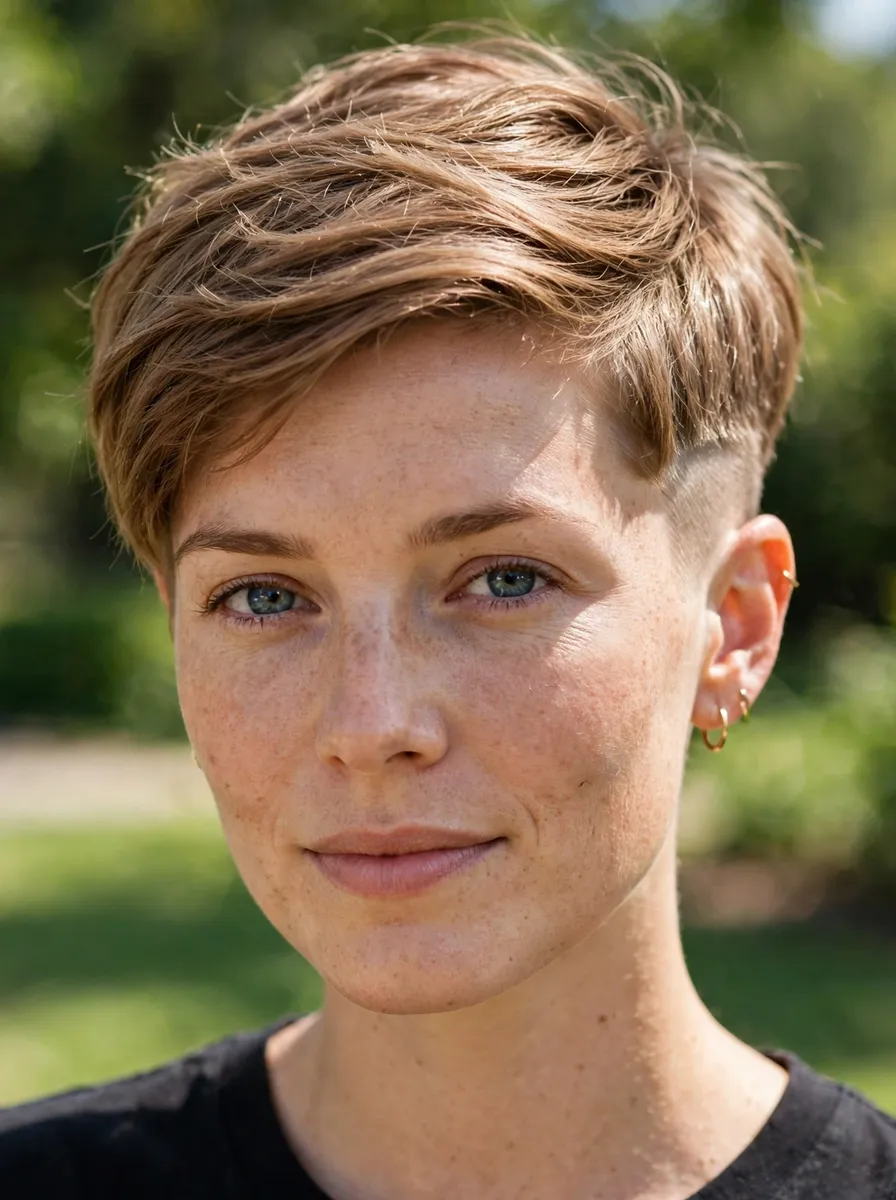
An undercut changes what a pixie is. Instead of blending the sides into the top, some sections are clipped very short — shaved, faded or buzzed — while the rest stays long. The contrast does the styling work: the top looks longer and more dramatic, the silhouette stays lean no matter how thick your hair is, and the whole cut reads deliberate in a way a blended pixie doesn’t.
The ten versions below run from genuinely subtle (a hidden undercut nobody sees until you tie your hair up) to full statement (shaved sides and a fauxhawk strip). What they share, and what you should know before choosing one, is the upkeep: undercuts grow out fast and visibly, so this family asks for a clipper tidy every three to four weeks. If the classic shapes are more your speed, our feminine pixie cuts guide covers them; this page is for the contrast versions.
1. Classic Undercut Pixie
The reference version: sides and back clipped short in a clean disconnect, with a textured top left long enough to sweep forward or to the side. It is the best introduction to undercuts because the proportions are balanced — unmistakably an undercut, but wearable in most workplaces and at most ages. It suits oval and heart faces best, and it is the easiest version to grow back into a regular pixie.
2. Long Top, Shaved Sides
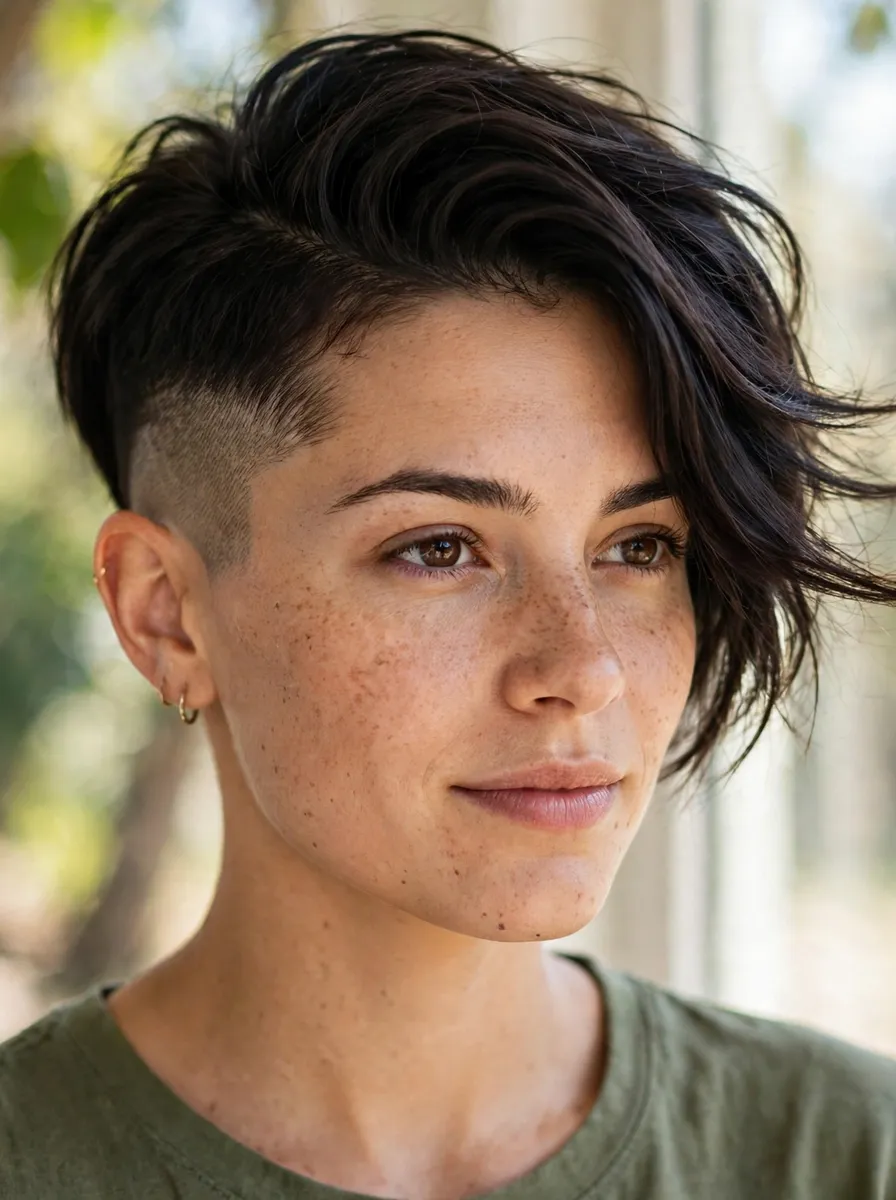
Maximum contrast: the top left dramatically long — fringe reaching the cheekbone or beyond — over tightly shaved sides. All the styling lives in that top section, which can be swept across, pushed back, or worn forward over one eye. It is the most versatile undercut for styling variety and the most demanding for upkeep, because the moment the sides soften, the contrast that makes it work starts to fade.
3. Soft Pixie with a Hidden Nape Undercut
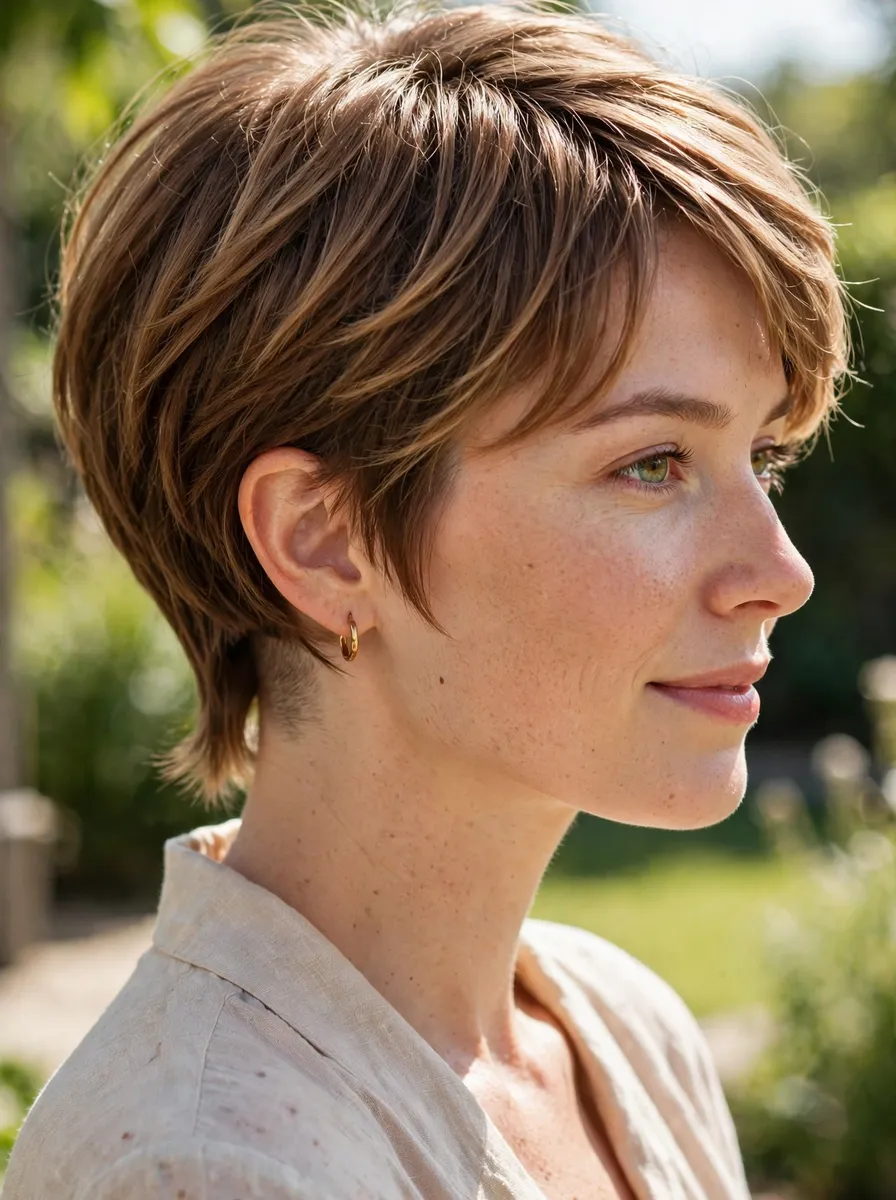
The undercut nobody sees: a small clipped panel at the nape, hidden under a soft, feminine pixie until the hair is lifted or tied up. It is partly practical — removing the nape bulk makes thick hair sit flatter and feel cooler — and partly a private detail. This is the version to choose if you want an undercut’s benefits without an edgy look, and it appears in our pixie cuts for round faces logic too, since removing nape and side bulk keeps silhouettes lean.
4. Undercut Pixie for Thick Hair
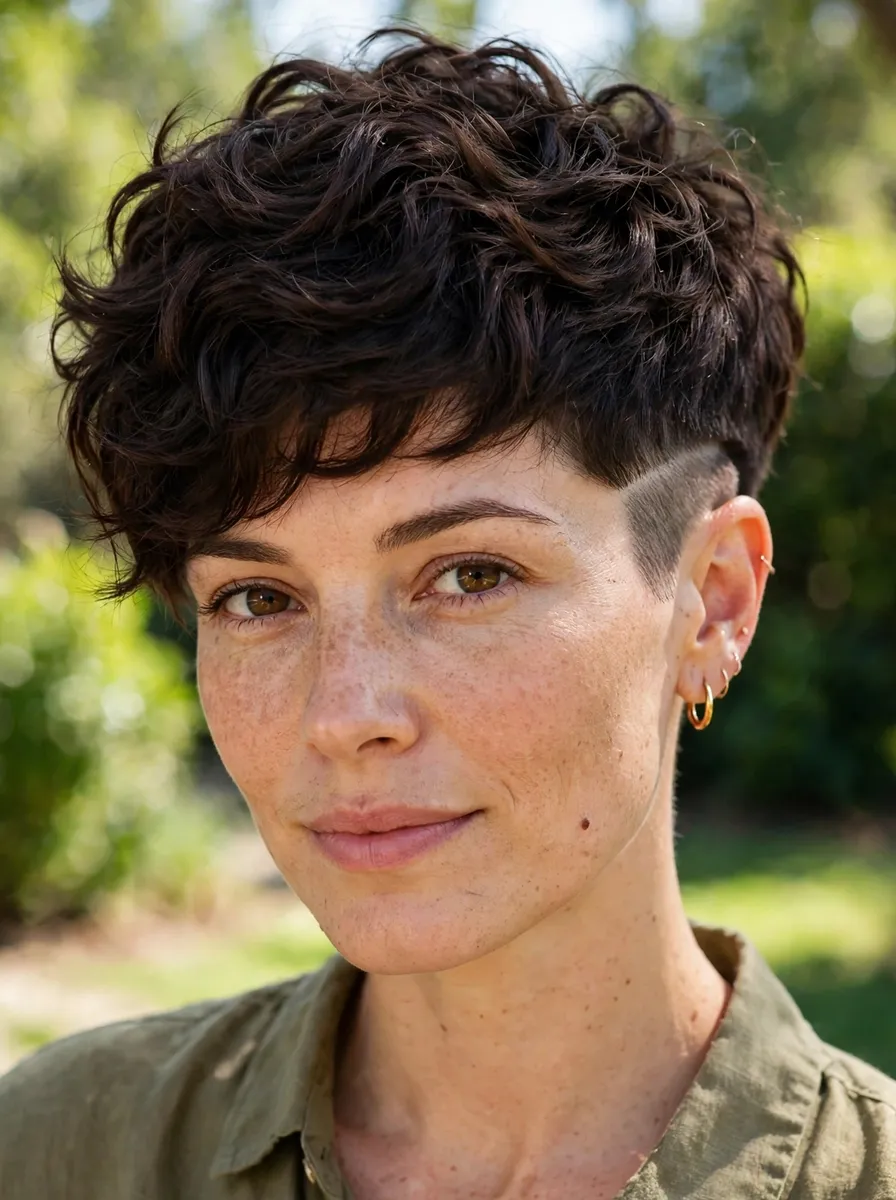
For very thick hair, an undercut is less a style choice than engineering: clipping the sides and back removes the weight that makes a thick pixie pouf out at the ears and refuse to sit flat. The top keeps all its density and texture; the silhouette finally behaves. If thick hair has defeated short cuts for you before, this is usually the version that works — the same bulk-removal principle as the thick-hair section in our pixie cuts for thick hair guide, taken further.
5. Curly Undercut Pixie
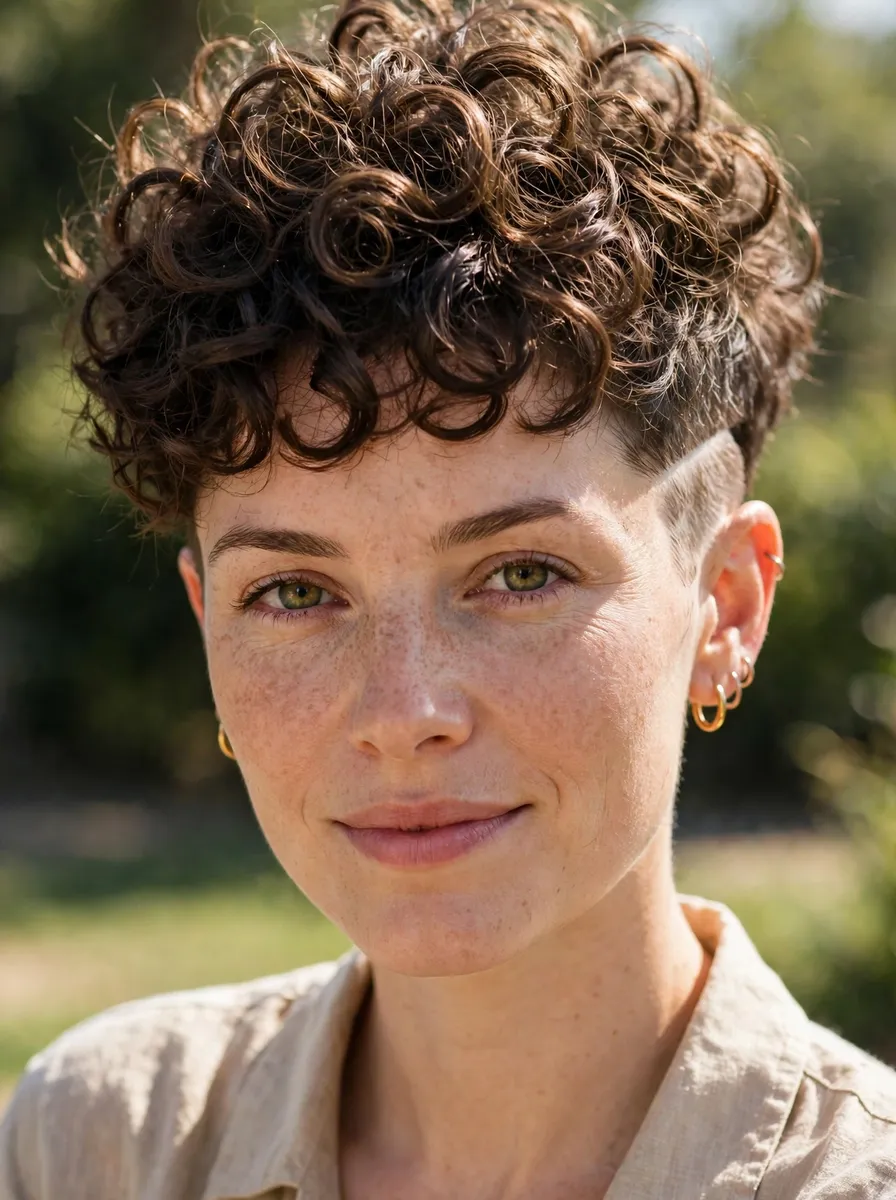
Curls on top, clipper work below: the undercut contains the sides while the curls pile up where they show best. It solves the curly pixie’s classic problem — the rounded halo silhouette — by removing side volume entirely. The top should be cut dry and curl by curl so the stack sits right. More curl-specific shapes live in our curly pixie cuts guide.
6. Undercut with a Shaved Design
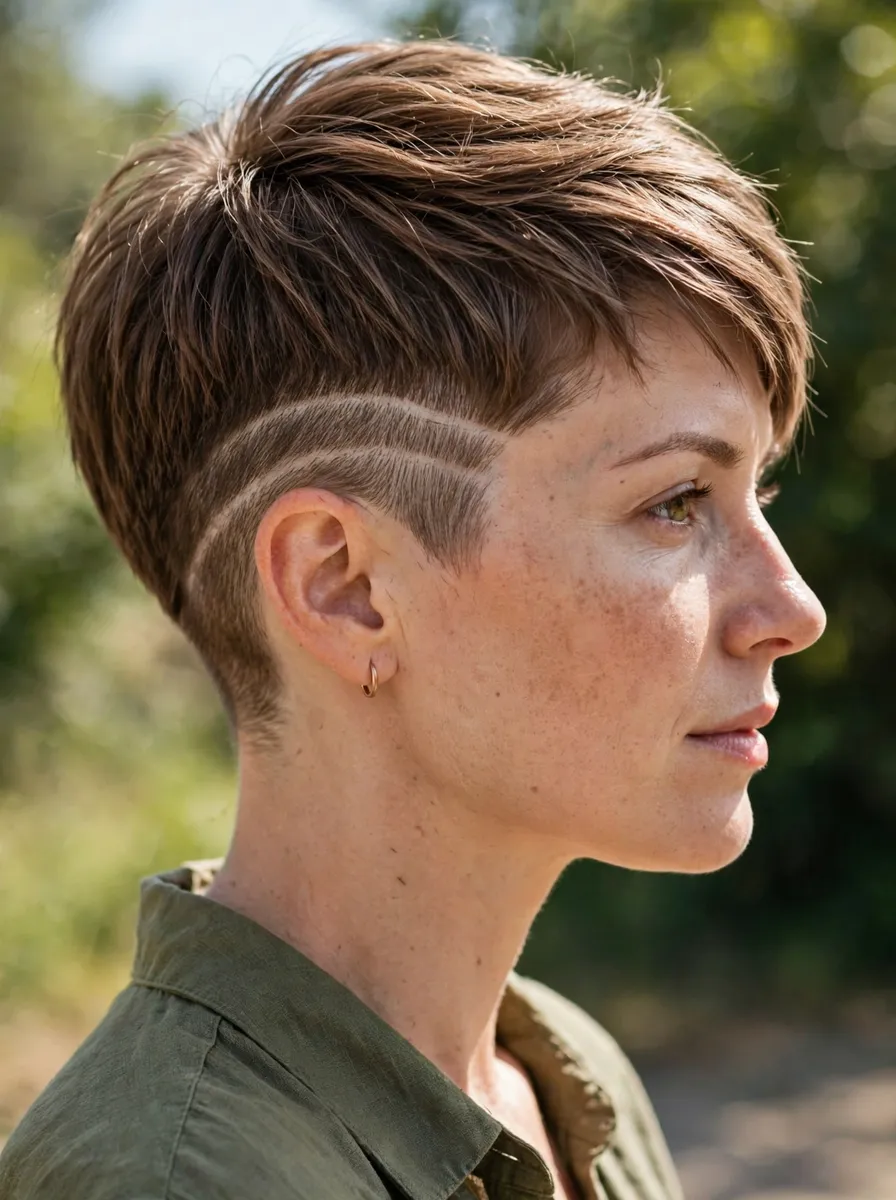
A line, curve or small geometric pattern shaved into the undercut section — most often above the ear or at the nape, where it flashes when the top moves. It is the most expressive option here and the shortest-lived: designs blur within two weeks as the hair grows. Treat it as the haircut equivalent of nail art — chosen for now, not for keeps — and budget fortnightly tidy-ups if you want it to stay crisp.
7. Fauxhawk Undercut Pixie
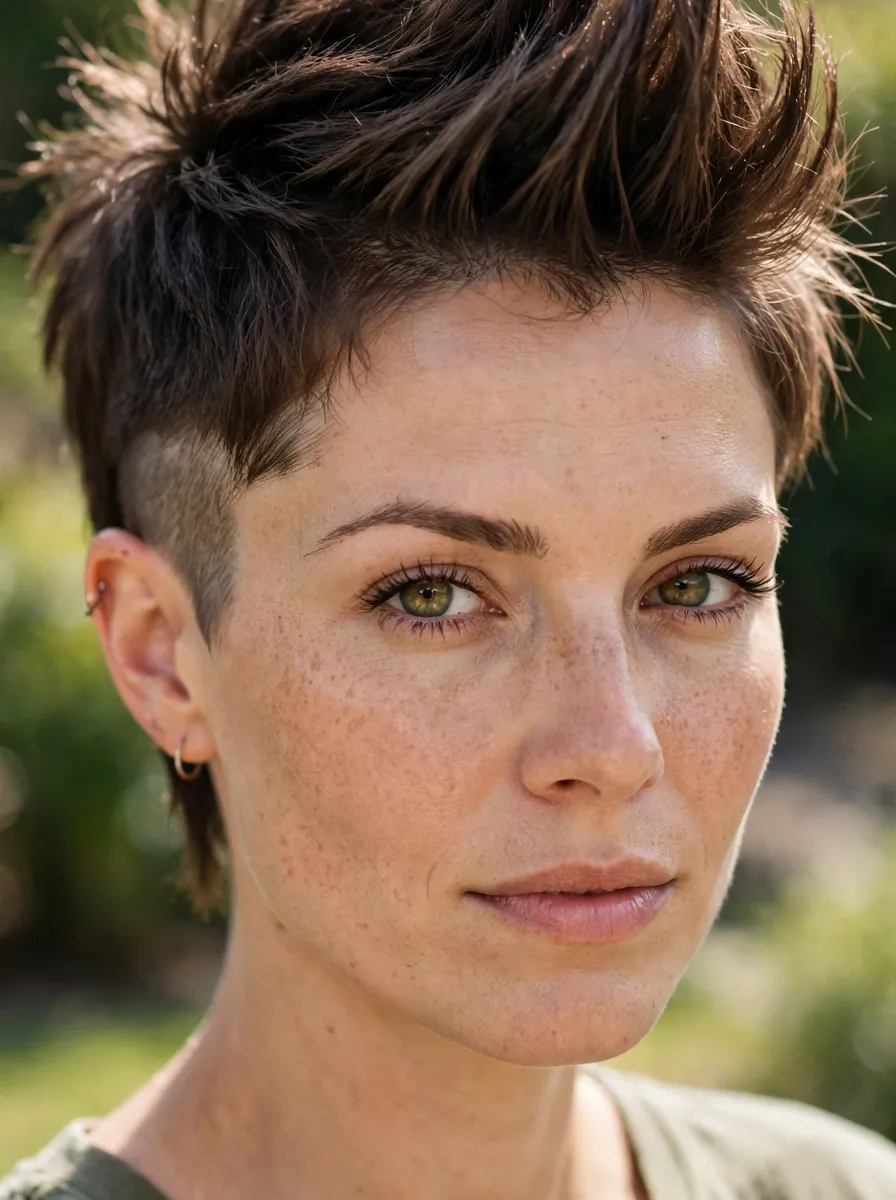
Both sides undercut, with a central strip left long and styled up and forward into a soft mohawk. It is the boldest silhouette in this list and, worn down and swept to one side on off-duty days, surprisingly changeable. It suits confident wearers with straight to wavy hair; it also adds the most height of any cut here, which makes it a dramatic option for shorter foreheads and round faces that want maximum lengthening.
8. Silver Undercut Pixie for Over-50s
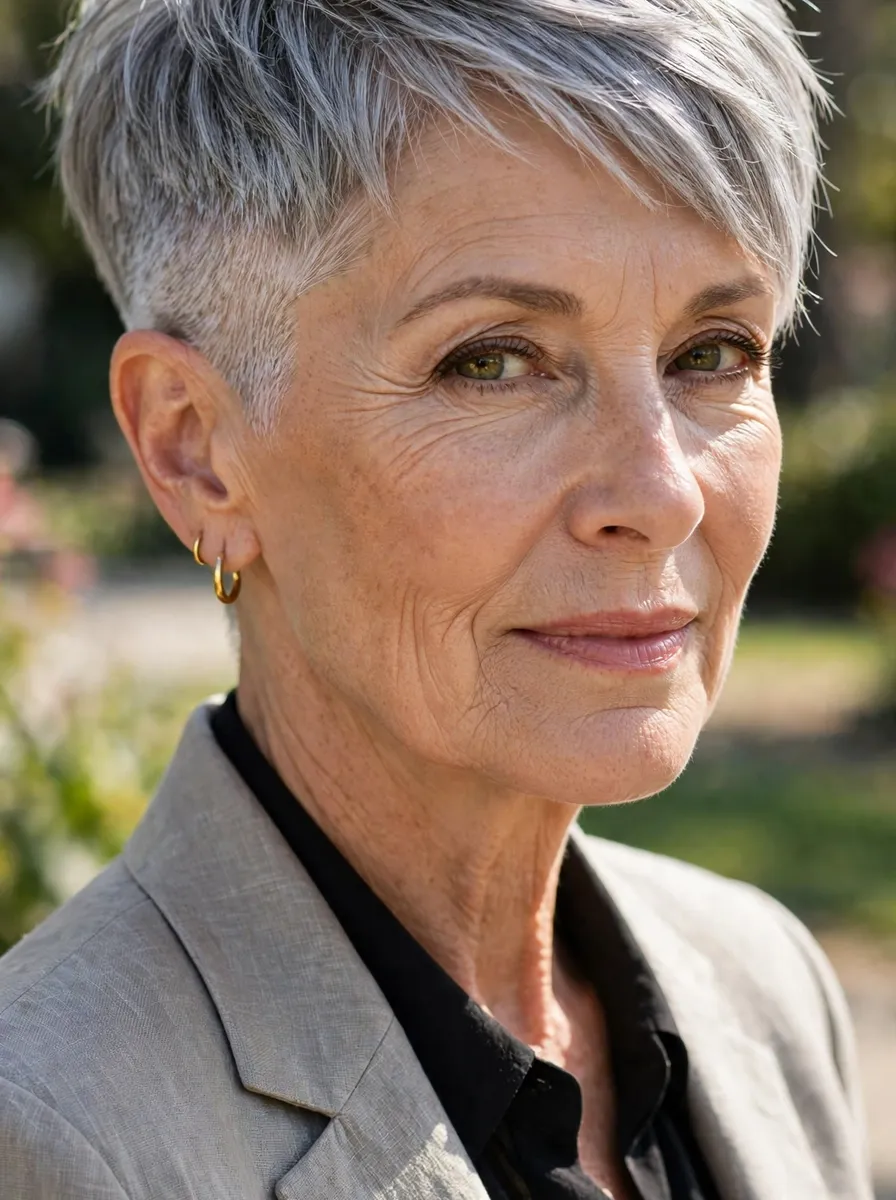
Proof that undercuts are not a young woman’s cut: silver hair with a neat undercut reads modern and intentional, and the clipped sides show off the colour beautifully. The over-50 version keeps the contrast moderate — a tidy disconnect rather than a skin fade — and the top soft and textured. If you are building a short-hair wardrobe at this stage of life, our short haircuts for women over 50 guide covers the broader options.
9. Asymmetrical Undercut Pixie
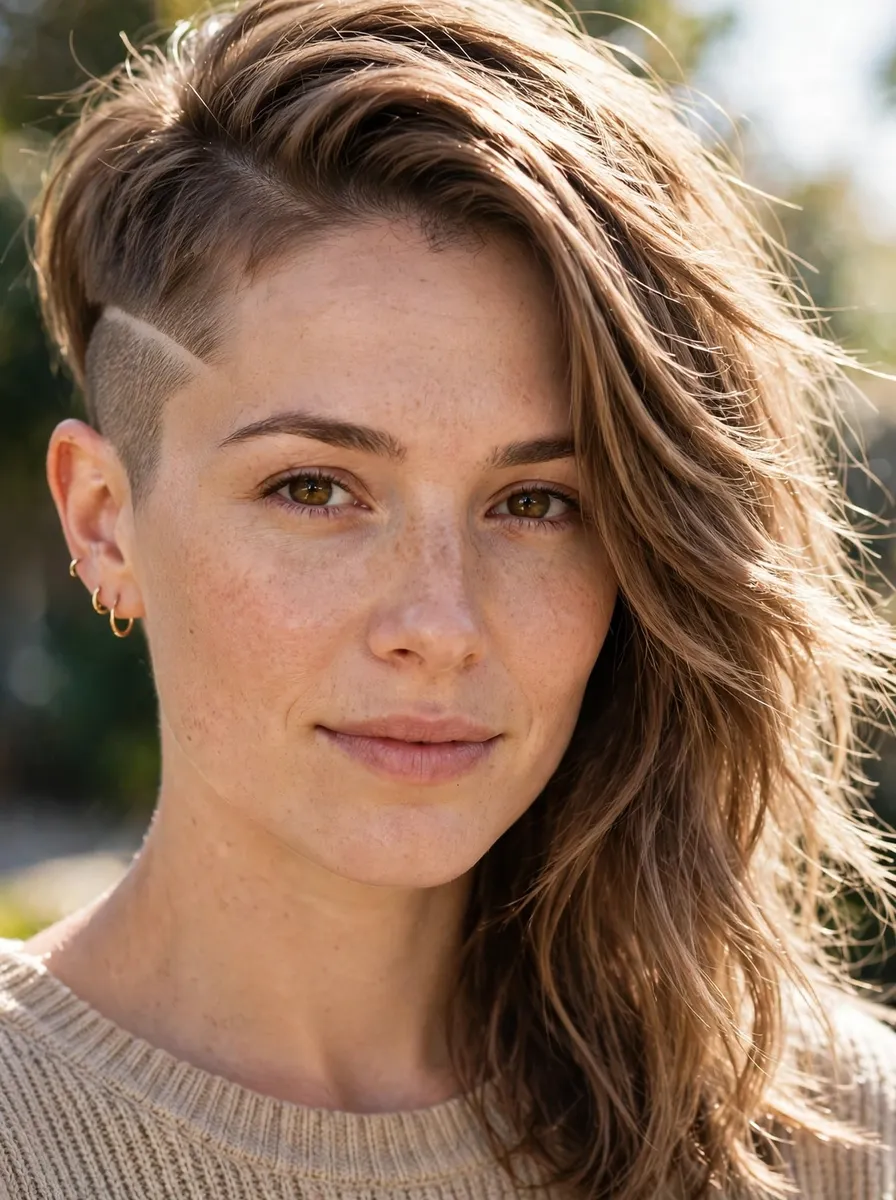
One side clipped, the other left long and sweeping: the undercut and asymmetry trends in a single cut. The long side keeps a frame around the face, so it feels less exposed than a double undercut, while the clipped side provides all the edge. It works especially well with a deep side part worn toward the long side, and it grows out more gracefully than symmetrical versions because the eye reads the difference as design.
10. Pixie Bob with a Hidden Undercut
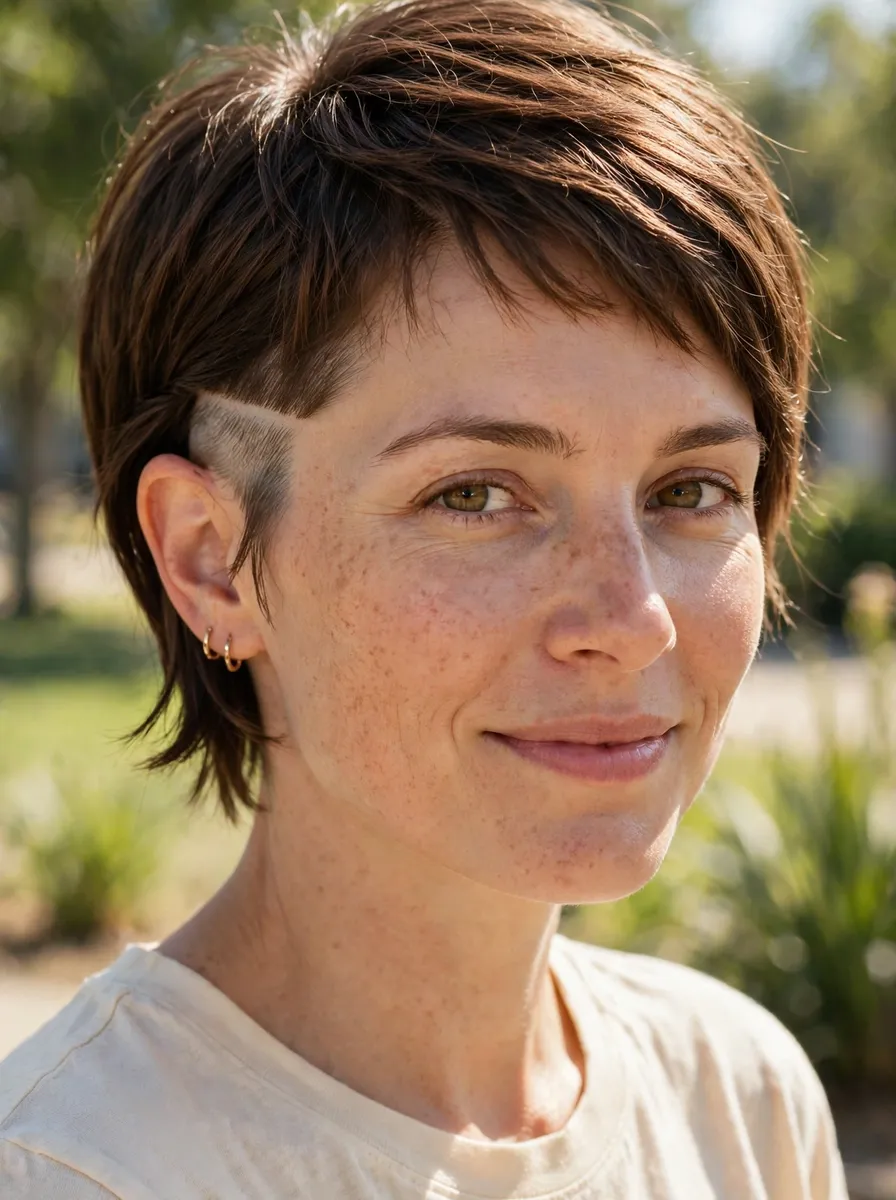
A pixie bob with an undercut concealed beneath the longer top layers — invisible worn down, revealed when the hair is tucked behind the ear or lifted. Beyond the surprise factor, it removes real weight: bob-length hair on a thick head of hair is heavy at the nape, and this is how stylists quietly fix that. It is the most conservative route into undercuts and the easiest to abandon — just let the panel grow and the bob covers it within weeks.
The Honest Upkeep and Grow-Out Talk
Undercuts look sharp because the contrast is fresh, and hair grows about a centimetre a month — so the sharpness has a schedule. Plan on a clipper tidy every 3–4 weeks (many salons do a cheap between-appointments tidy, and some wearers learn to maintain a nape panel at home, though sides are harder to do evenly yourself). Growing one out means roughly two to three months where the undercut section is in an in-between state; the top can be grown over it to hide the process, which is why starting with a hidden or one-sided undercut is the low-regret route. None of this is a reason not to — just go in knowing the cut is a subscription, not a one-off.
Frequently Asked Questions
How often does an undercut pixie need maintenance?
The undercut section needs tidying every three to four weeks to keep the contrast crisp; the top follows a normal pixie trim schedule of four to six weeks. Many people combine both into one monthly appointment.
Does an undercut pixie suit thick hair?
It is one of the best cuts for thick hair. Clipping the sides and back removes the bulk that makes thick pixies pouf out, while the top keeps its texture. Ask your stylist to keep enough top weight that the contrast looks intentional, not sparse.
Will an undercut make my hair look thinner on top?
Not if the proportions are right — the contrast actually makes the top read as longer and fuller. It can look sparse if the undercut is taken too high on fine hair; fine-haired wearers should keep the undercut low (nape or below the ears) and the top layered softly.
Can I have an undercut pixie in a conservative workplace?
Yes, with the subtle versions: a hidden nape undercut or a pixie bob with a concealed panel is invisible when the hair is worn down. The classic disconnected version also reads professionally in most modern workplaces when the fade is tidy rather than skin-tight.
How do I grow out an undercut pixie?
Let the clipped sections grow while keeping the top trimmed into shape; once the undercut reaches a few centimetres, your stylist can start blending it into a standard pixie taper. Expect about two to three months for the awkward phase, hidden largely by growing the top over it.
What should I ask my stylist for?
Name the panel (sides, one side, or nape), the clipper length you want (for example a number 2 or 3 guard, or a soft fade), and whether the disconnect should be sharp or blended into the top. Bringing a photo of the exact contrast level settles most of it — pick the closest match from this list.
Final Thoughts
An undercut pixie is really two haircuts in one: the clipped architecture underneath and the style it lets the top become. Choose your contrast level honestly — hidden panels and one-sided cuts deliver most of the benefit with the least commitment, while full shaved sides are a look worth maintaining properly. If the contrast idea appeals but you want length instead, a long pixie with a nape undercut is the halfway house many stylists suggest first.