Short Haircuts for Women Over 50: 10 Flattering Styles
Short hair after 50 is not a compromise — for most women it is the upgrade. Hair changes with age: strands get finer, density drops at the crown and parting, and grey hair grows in with a coarser, wirier texture that behaves completely differently at long lengths. Short cuts work with all of that instead of against it: less weight lets fine hair lift, shorter shapes make grey texture look deliberate, and the face — not the hair’s condition — becomes the focus again.
The ten styles below are chosen for what they solve: volume where hair has thinned, softness around the jaw and forehead, shapes that sit happily with glasses, and upkeep measured in minutes. If you are a decade further on, the pixie cuts for women over 60 guide goes deeper on pixies specifically; this page covers the full short-hair menu.
1. Classic Soft Pixie
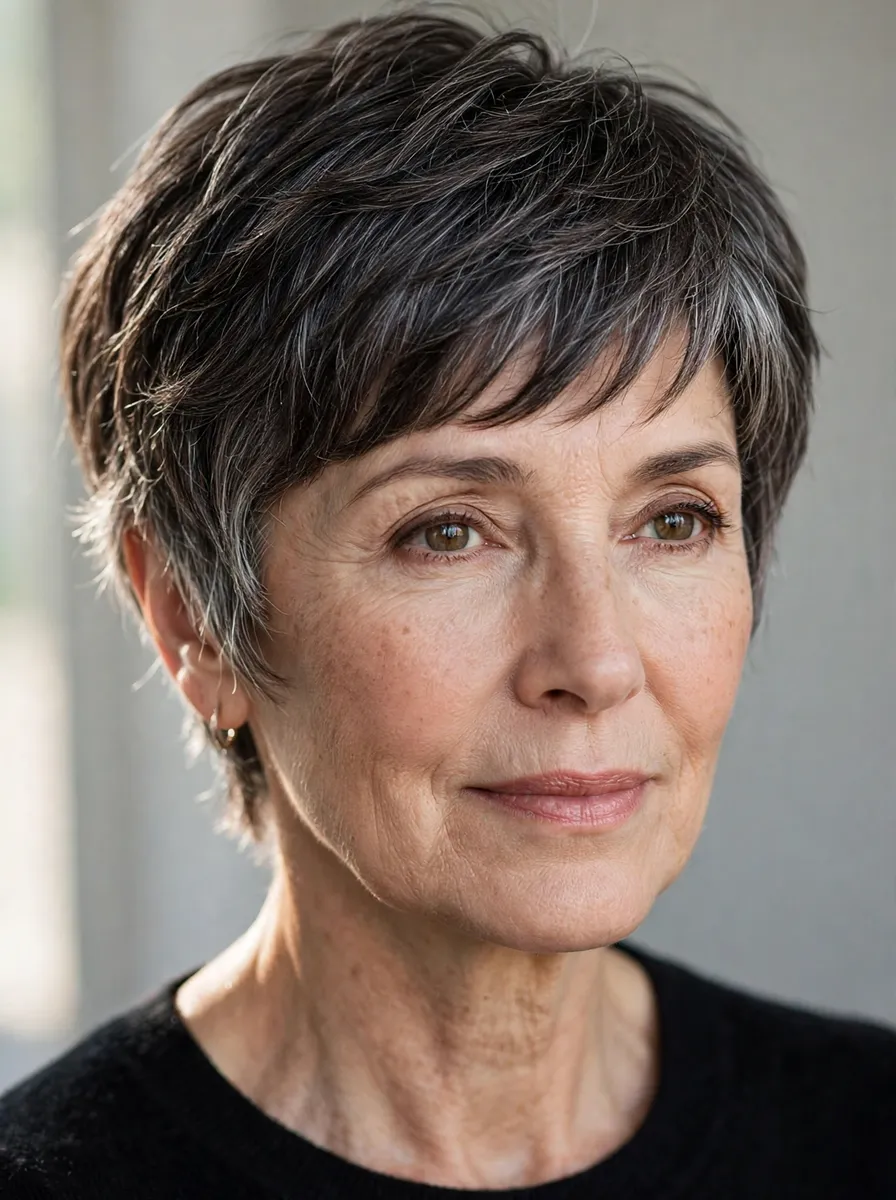
The starting point and still the most requested: cropped close at the back, soft length on top, nothing severe anywhere. The softness is the skill — edges are feathered rather than clipped into hard lines, so the cut frames the face instead of exposing it. It lifts the whole face visually, takes five minutes to style, and flatters almost every face shape. This is the benchmark the other nine are variations on.
2. Layered Bob
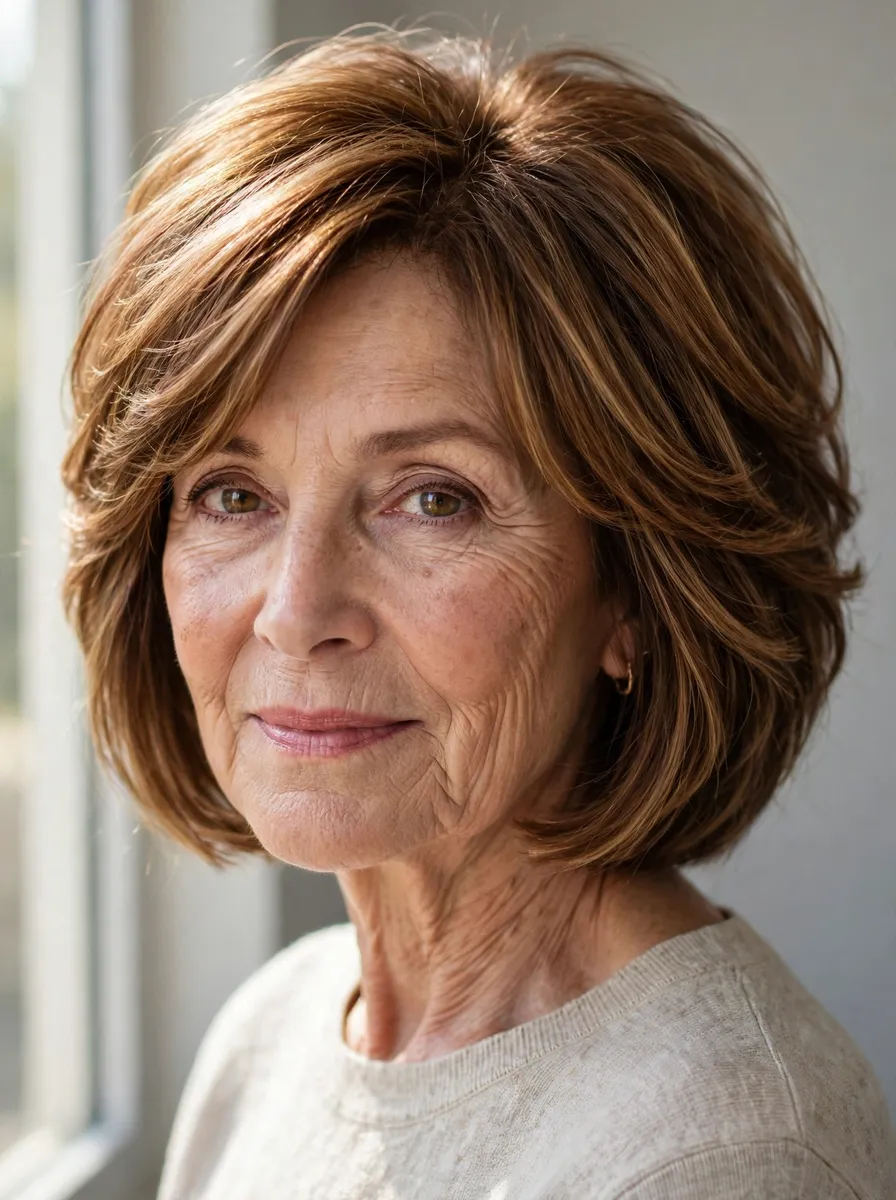
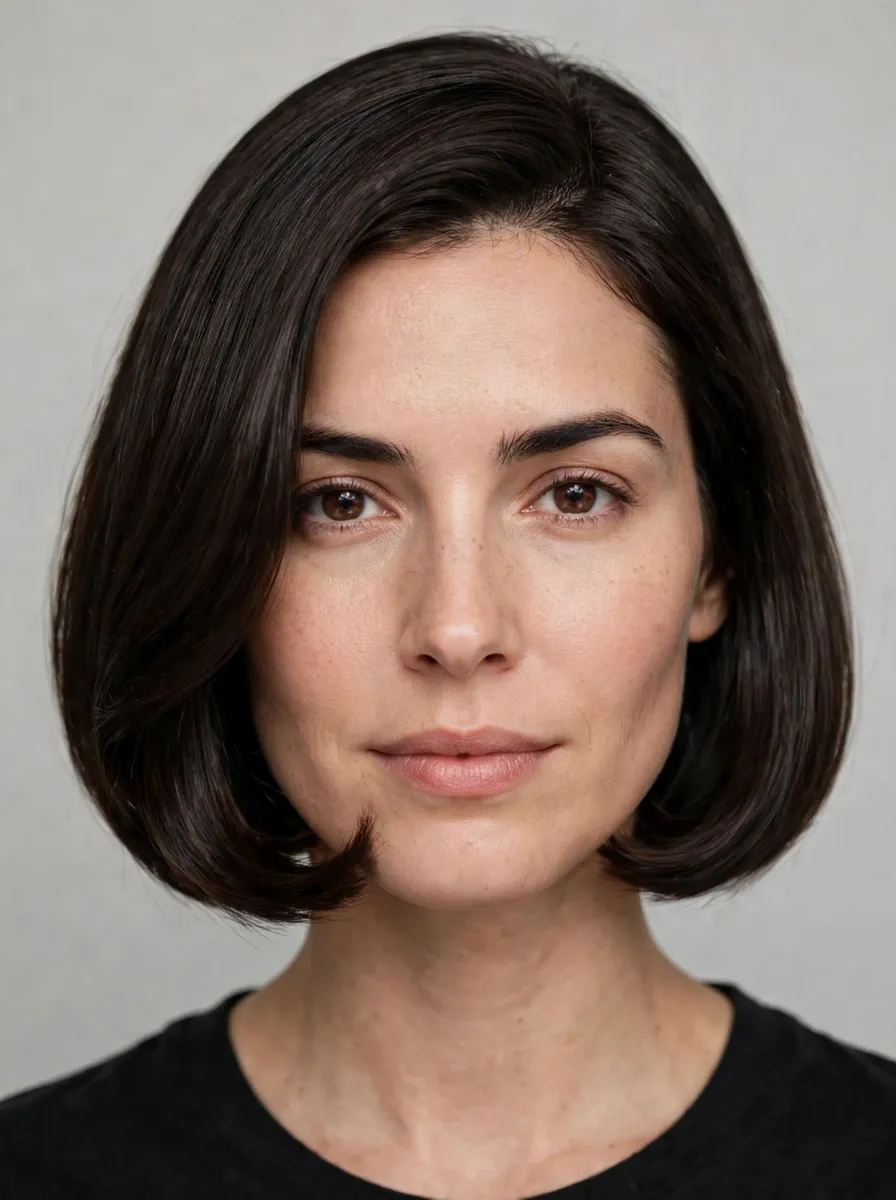
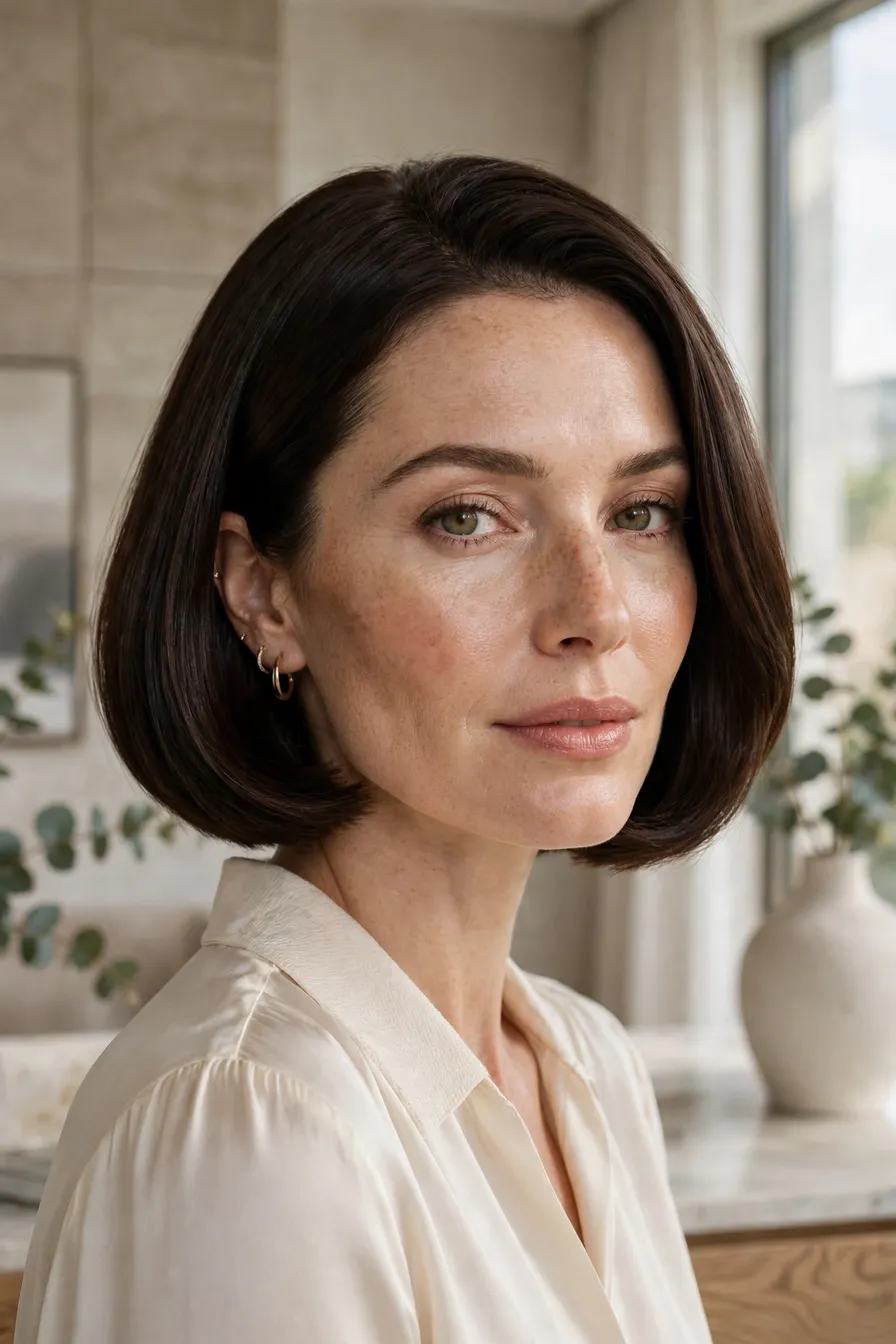
A chin-to-jaw bob with layers through the back and crown. The layers do double duty: they create the appearance of thickness where hair has thinned, and they stop the bob sitting in a solid, ageing block. Worn with a side parting, it is the most universally flattering shape on this page. The bob haircuts for fine hair techniques apply directly if density is your main concern.
3. Pixie Bob
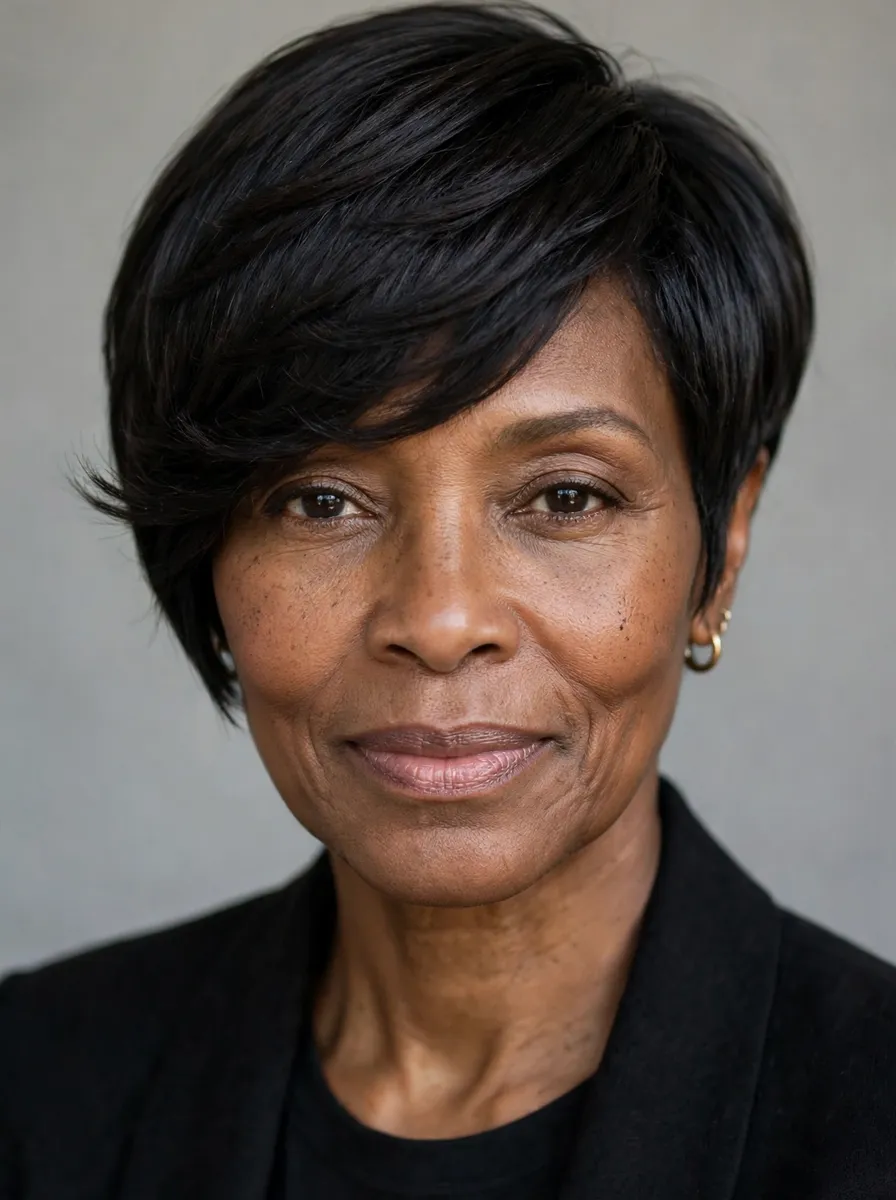
Halfway between the two: cropped and easy at the back like a pixie, longer and softer at the front like a bob. It keeps a little length to frame the face — which many women prefer to a full pixie — while removing the weight that drags fine hair down. A genuinely good first short cut if you are coming from shoulder length and nervous. More versions live in the pixie bob haircuts guide.
4. Short Cut with Side-Swept Bangs
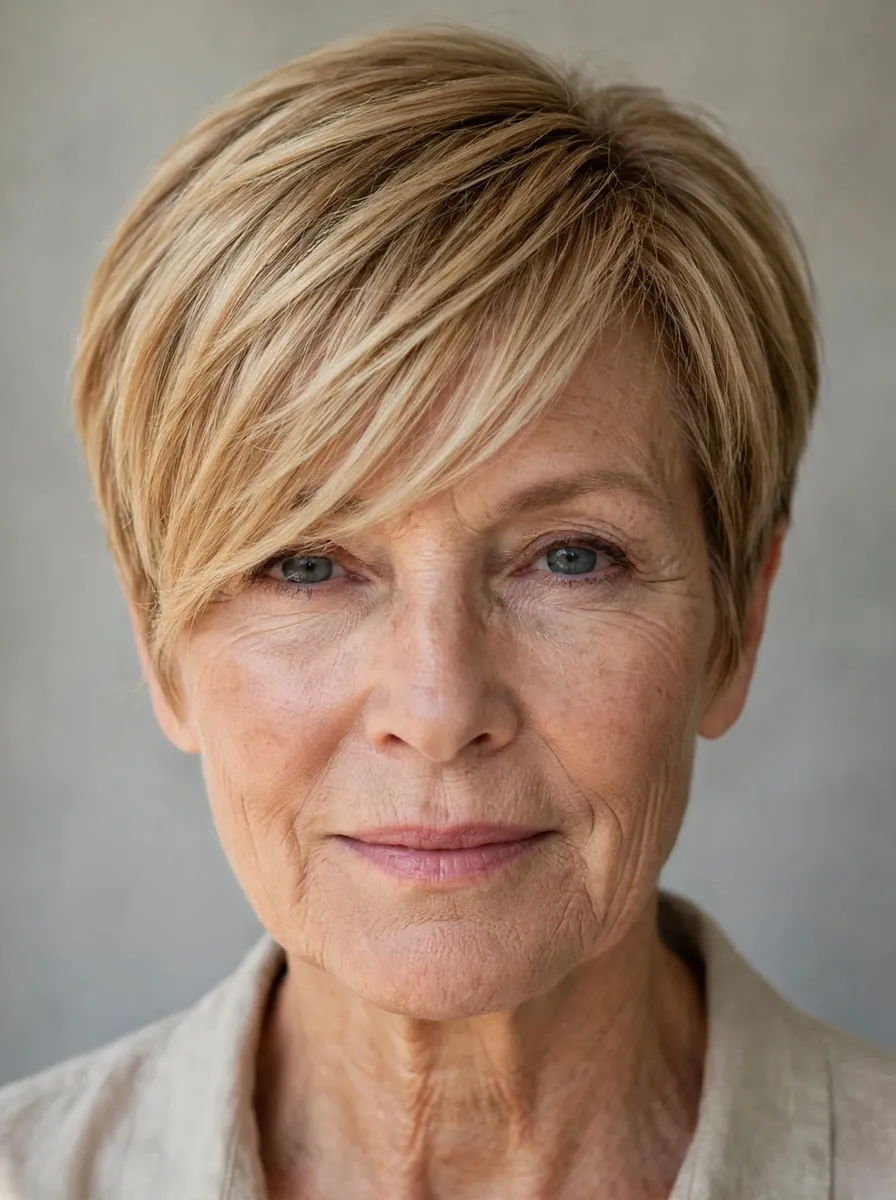
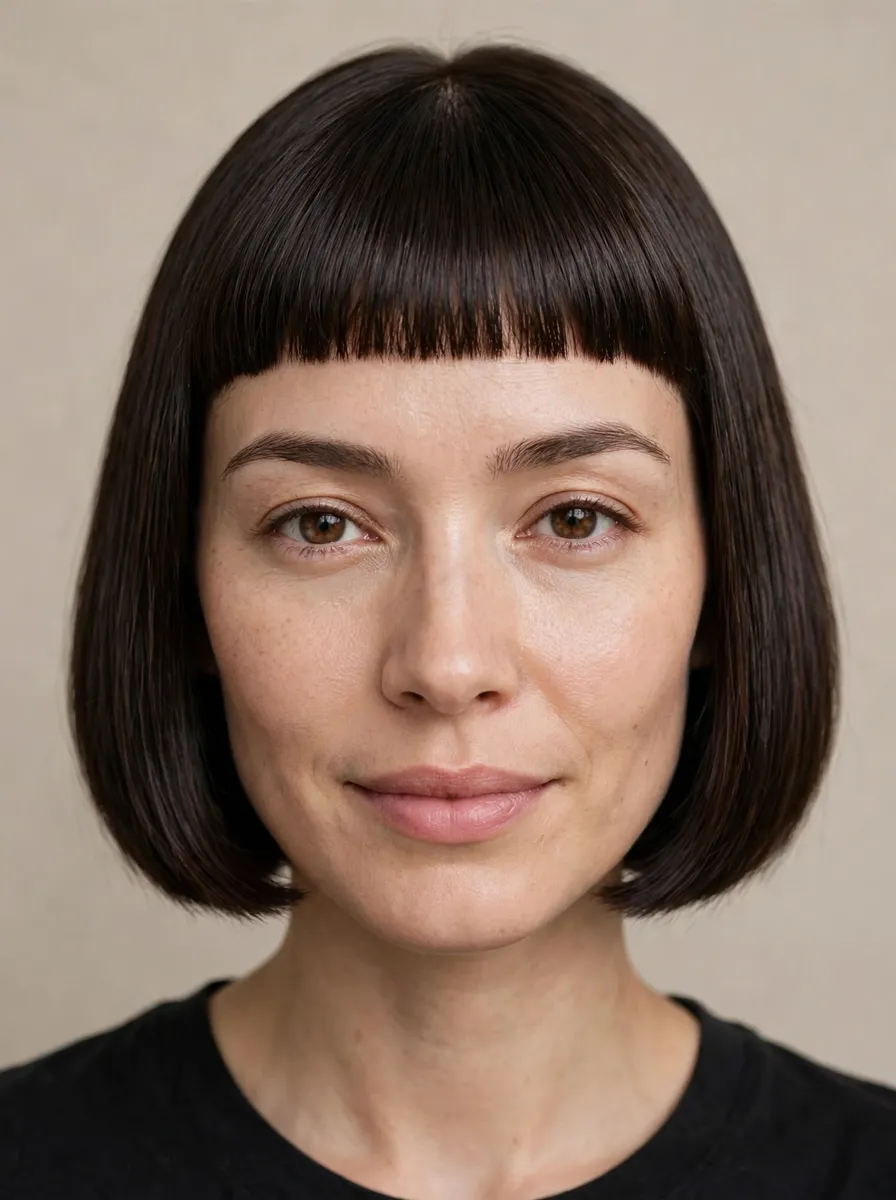
A long fringe swept diagonally does three flattering things at once: it softens the forehead, creates the impression of thicker hair at the front hairline where thinning often shows first, and draws the eye across the face rather than down it. It works over a pixie or a short bob base, and it is the kindest fringe shape for anyone who wears glasses, as it never fights the frames.
5. Textured Crop
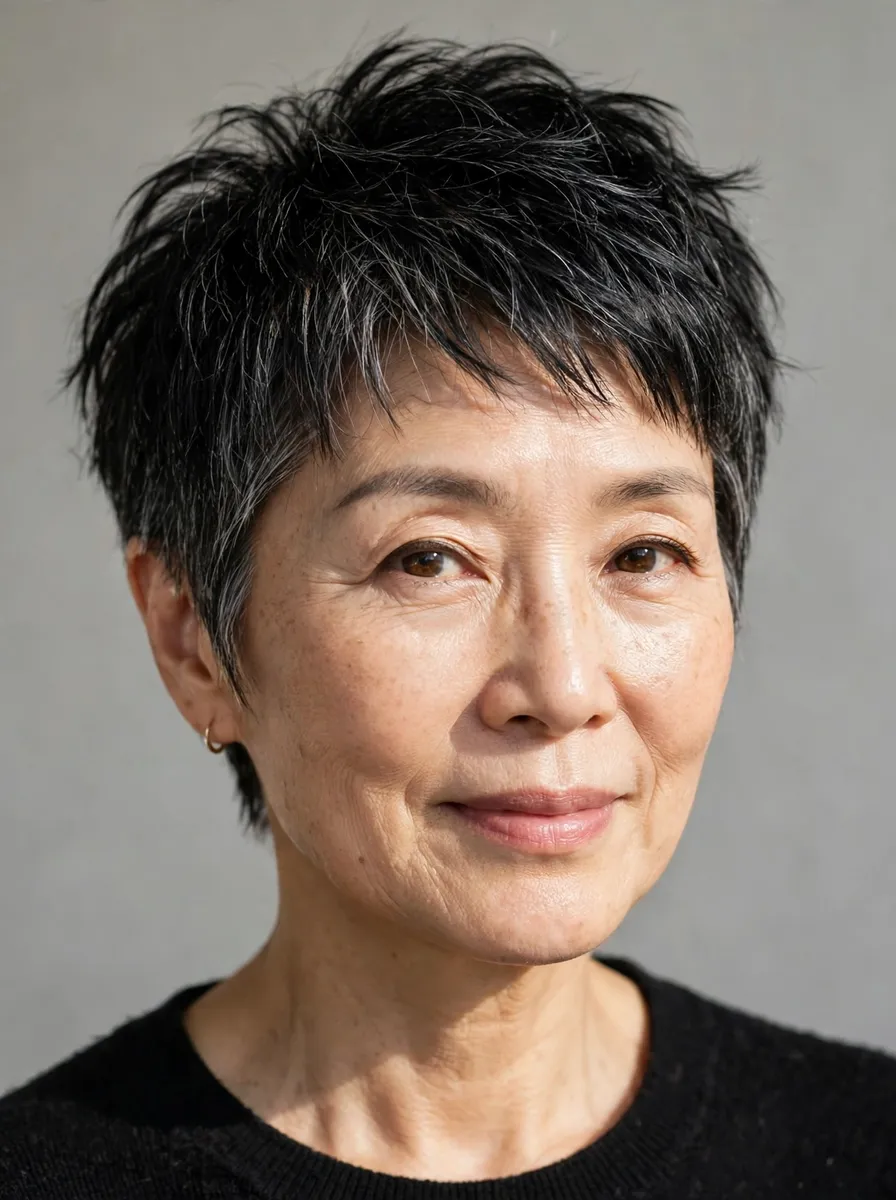
Shorter and more modern: a crop with choppy texture through the top and a soft fringe. Texture is camouflage — piecey, separated ends make fine or thinning hair look denser than smooth styling ever can, because the eye reads shadow and separation as volume. Style it by pushing the top forward and roughing it up with a fingertip of paste. Thirty seconds, done.
6. Silver Bob
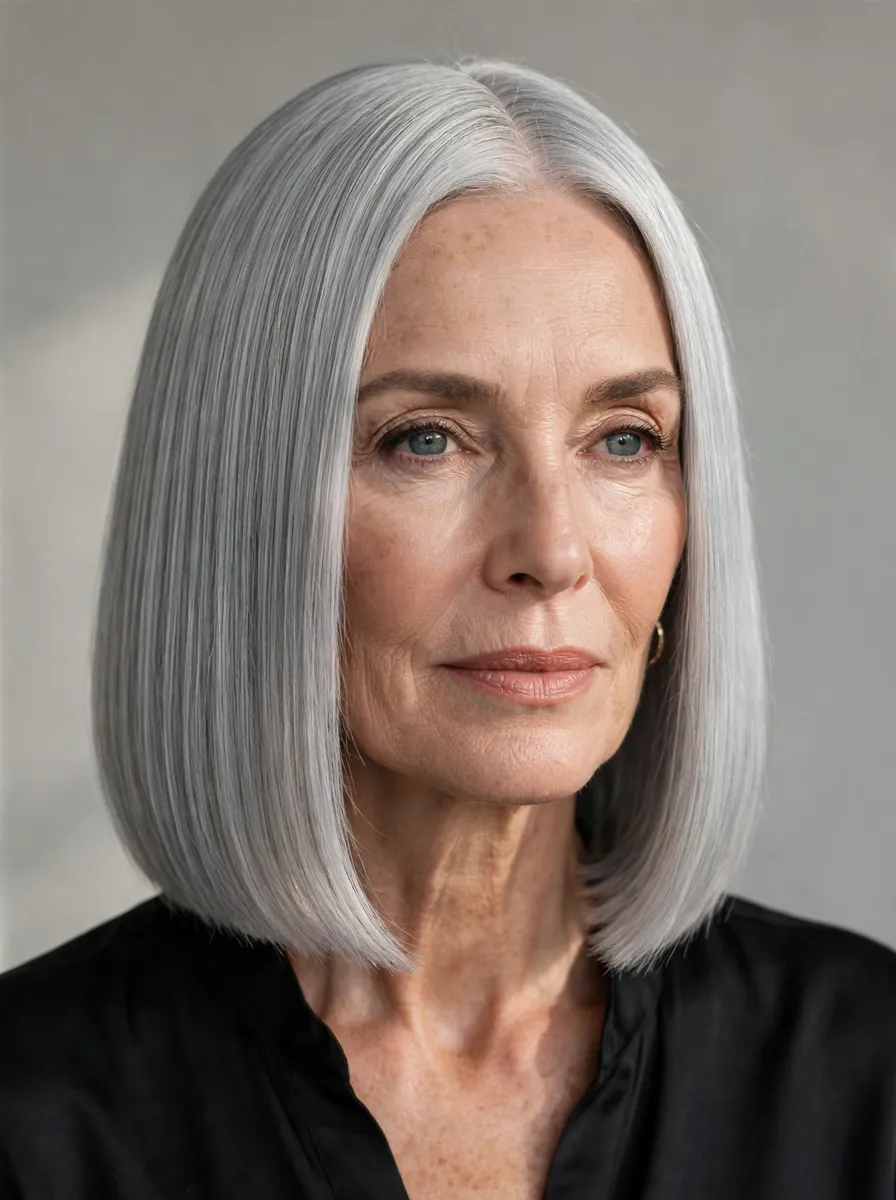
If you have stopped colouring, a sharp bob is the cut that makes natural grey look like a decision rather than a default. The clean outline is the whole point: blunt ends, minimal layers, a precise line at the jaw. Silver hair’s coarser texture actually holds this shape better than fine pigmented hair does. A purple shampoo once a week keeps the tone bright rather than yellow.
7. Feathered Short Cut
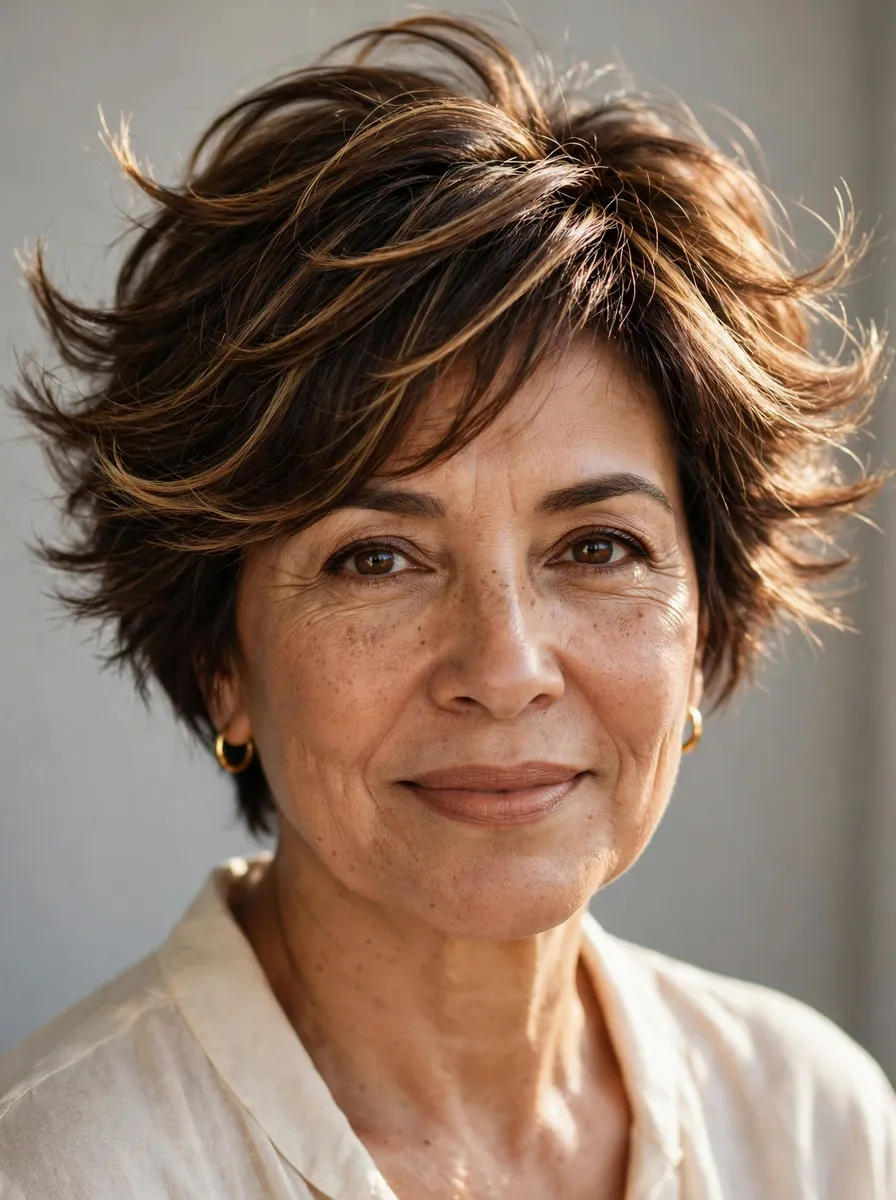
Feathering — layers that flick away from the face — has been modernised: today’s version is softer, longer and less sculpted than its eighties ancestor, but the flattery logic is identical. Movement at the sides lifts the cheekbones visually and keeps hair off the face and neck. It is the best cut here for anyone whose hair has natural wave to work with.
8. Short Shag
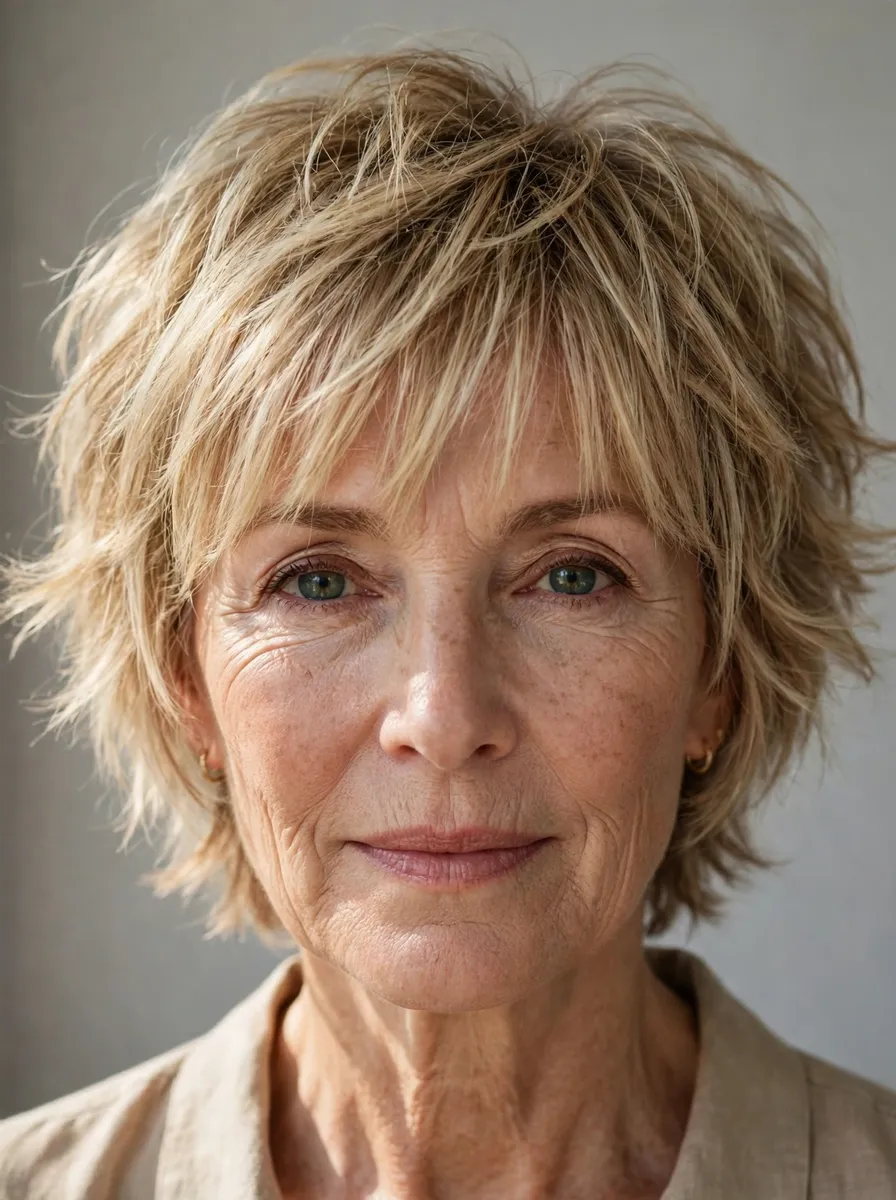
Layers everywhere, wispy ends, a soft fringe: the shag is the most forgiving cut on this list. Its deliberate unevenness hides thinning, disguises a changing hairline, and needs nothing more than air-drying and a scrunch of texture spray. It reads youthful without trying to look young — the distinction that matters.
9. Chin-Length Bob with Layers
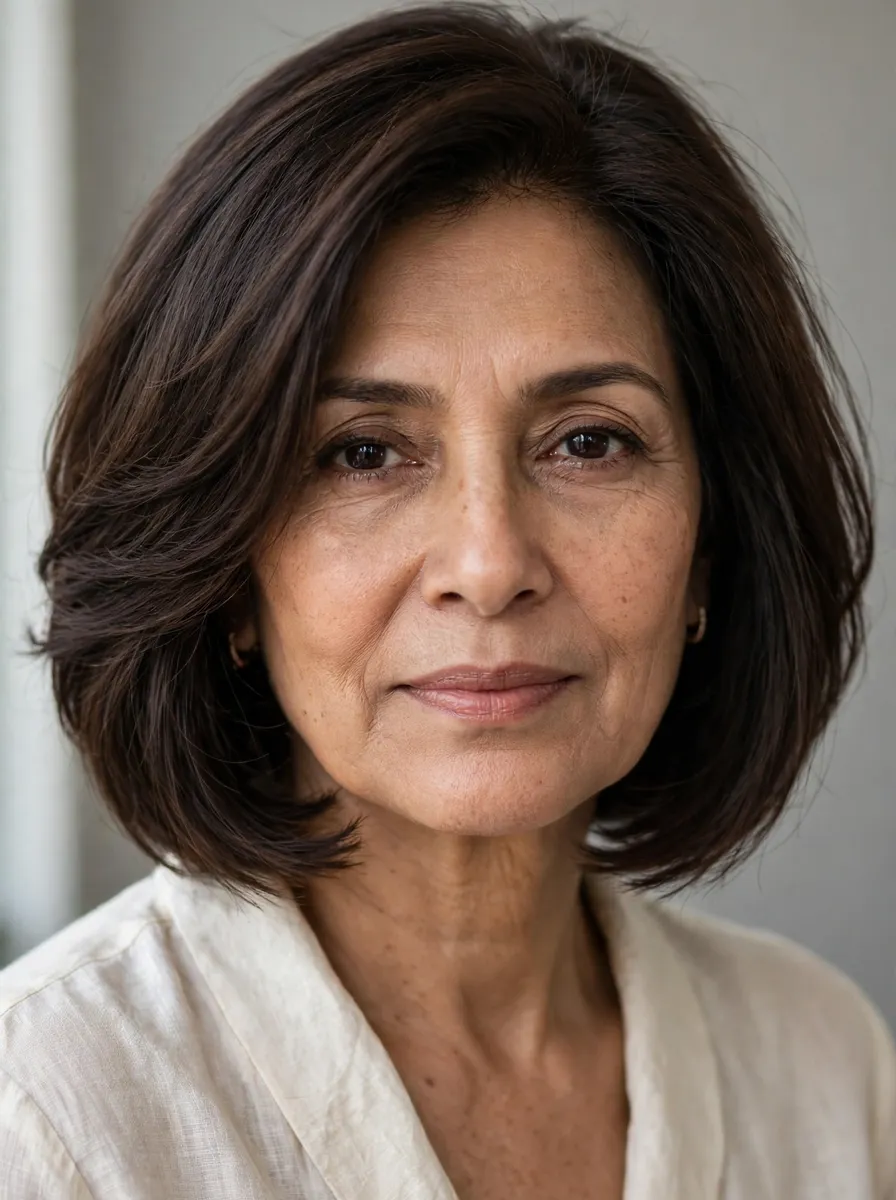
The jaw-skimming bob with layers concentrated at the ends. Sitting exactly at chin length, it defines the jawline — a feature many women want to emphasise as the neck softens — while the layered ends keep it light and swingy rather than solid. Tuck it behind the ears for a second, sleeker look from the same cut.
10. Soft Curly Short Cut
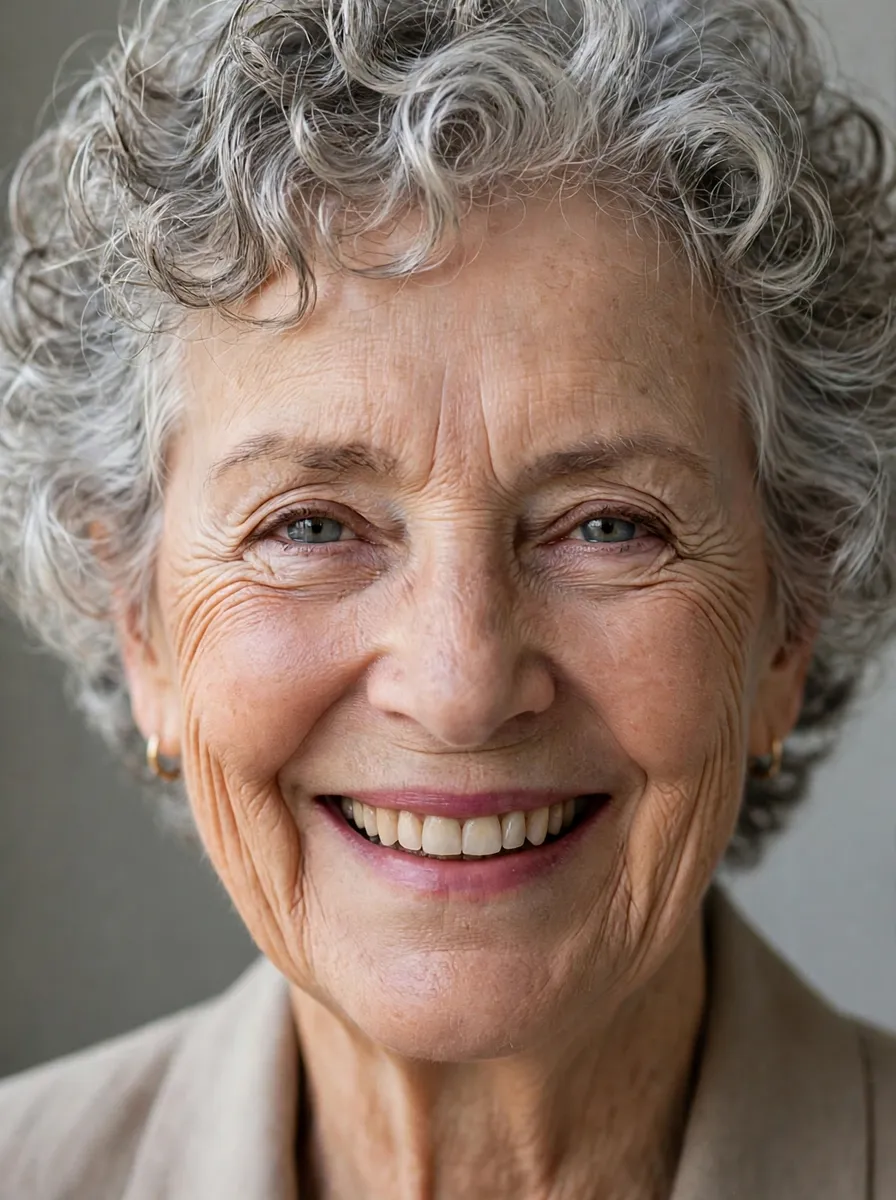
Natural curls at short length are a gift after 50: the curl supplies the volume that thinning hair loses, and grey curls have a softness that reads elegant rather than frizzy when they are cut in rounded layers. Keep it at or above the jaw, have it cut dry, and let the curl pattern — not a brush — decide the final shape. The feminine pixie cuts guide has more short-and-soft inspiration.
Choosing by What Your Hair Is Doing Now
Thinning at the crown or parting: textured crop, layered bob, pixie bob — texture and layering create the shadow and separation the eye reads as density. Hair gone wiry and coarse with grey: silver bob or feathered cut, whose shapes use that texture as structure. Fine and flat: anything with crown layers and a side parting; avoid one-length cuts below the chin. Wearing glasses full-time: side-swept bangs and cuts that tuck cleanly behind the ears; avoid heavy straight fringes that collide with frames. Wanting the lowest upkeep: the classic pixie and the shag — both are wash, rough-dry, done.
Frequently Asked Questions
What is the best short haircut for women over 50 with thinning hair?
Textured, layered styles win: the textured crop, the layered bob and the pixie bob. Choppy ends and layers create shadow and separation, which the eye reads as density, while shorter length removes the downward weight that exposes the scalp on longer hair. Ask for point-cut ends rather than razoring, keep a side parting — it covers more crown than a centre part — and avoid one-length cuts, which show every gap.
Do short haircuts make you look younger after 50?
They make you look fresher, which reads as younger. Long hair that has thinned and coarsened draws the eye downward and emphasises the hair’s condition; a short, shaped cut lifts attention back to the eyes and cheekbones and looks intentional. The trap is severity — hard lines and over-clipped shapes can look harsh. Softness at the edges is what keeps a short cut flattering rather than aging.
How do I choose a short haircut that works with glasses?
Keep the sides clean enough to tuck behind the ears so the arms of the frames sit comfortably, and if you want a fringe, choose a side-swept one — it never collides with the frames or hides your eyes behind two barriers. Bring your glasses to the appointment and put them on in the chair before the final check; a fringe cut without them is guesswork.
Is grey hair different to cut?
Yes. Grey strands are typically coarser, wirier and drier than pigmented hair, and they resist lying flat — which makes precise, structured cuts like the silver bob hold beautifully, but slick one-length styles harder. Shorter lengths suit the texture because there is less of it to control. Grey hair also benefits from a moisturising routine and a weekly purple shampoo to counteract yellowing from sun and minerals.
What is the lowest-maintenance short haircut over 50?
The classic soft pixie and the short shag. Both are designed to be washed, rough-dried or air-dried, and finished with fingers rather than brushes and heat. The pixie needs trims every 5 to 6 weeks to keep its shape; the shag is the most forgiving grower-outer on this list and can stretch to 8 weeks. Bobs sit in the middle: easy daily styling, but the outline needs tidying every 6 weeks or so.
How do I ask my stylist for one of these cuts?
Bring two or three photos of the exact style, say what your hair does now — where it has thinned, how the texture has changed, whether you wear glasses daily — and state your real styling budget in minutes. Ask specifically about the maintenance interval and what the cut looks like at week five, not just day one. A good stylist will adapt the photo to your density and face shape rather than copying it literally.