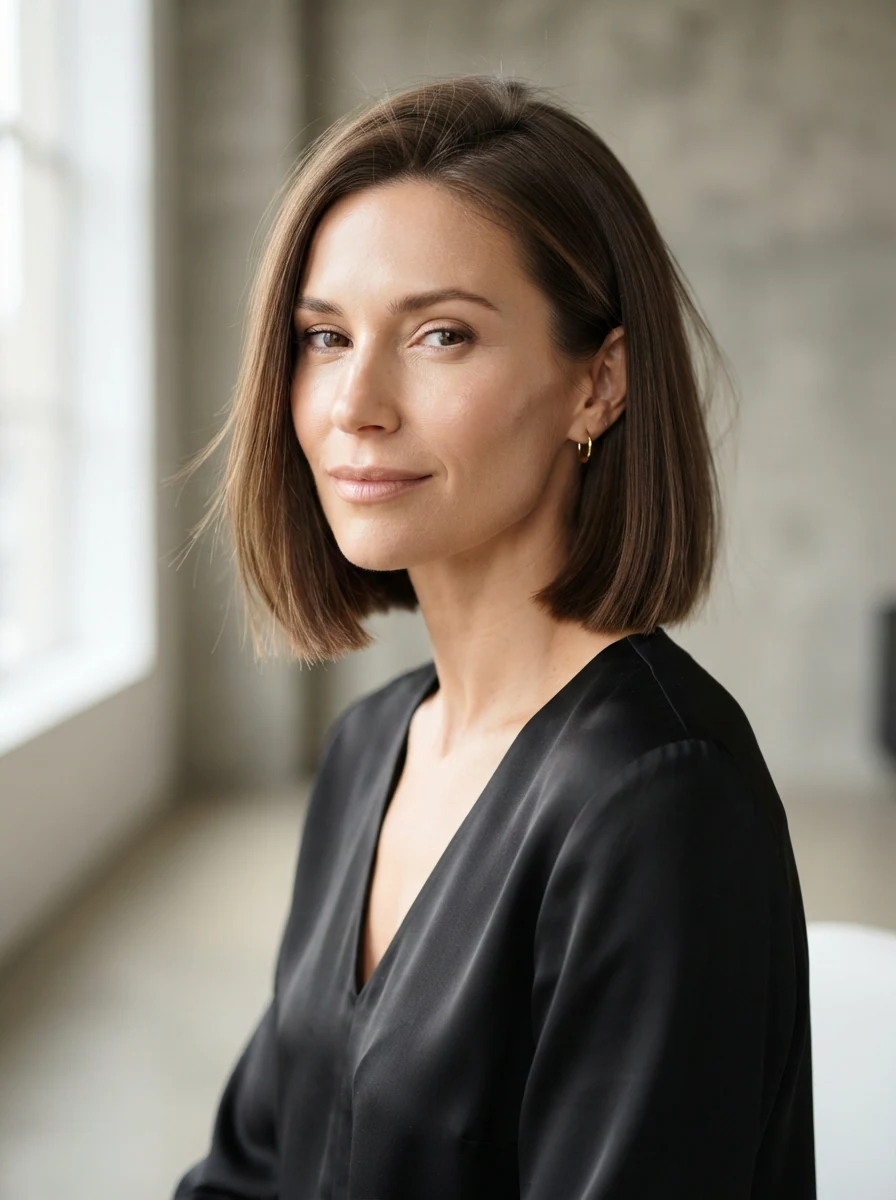
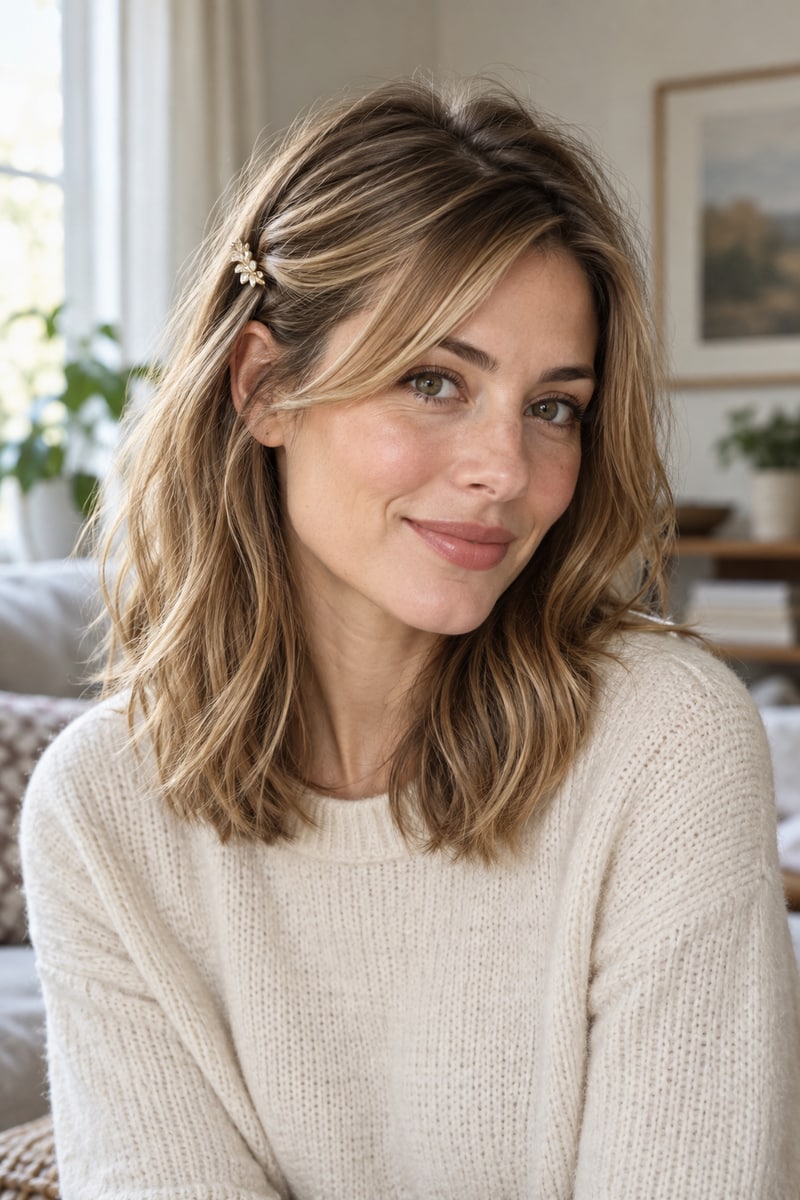
Pixie Bob Haircuts: 19 Chic Ideas Between a Pixie and a Bob
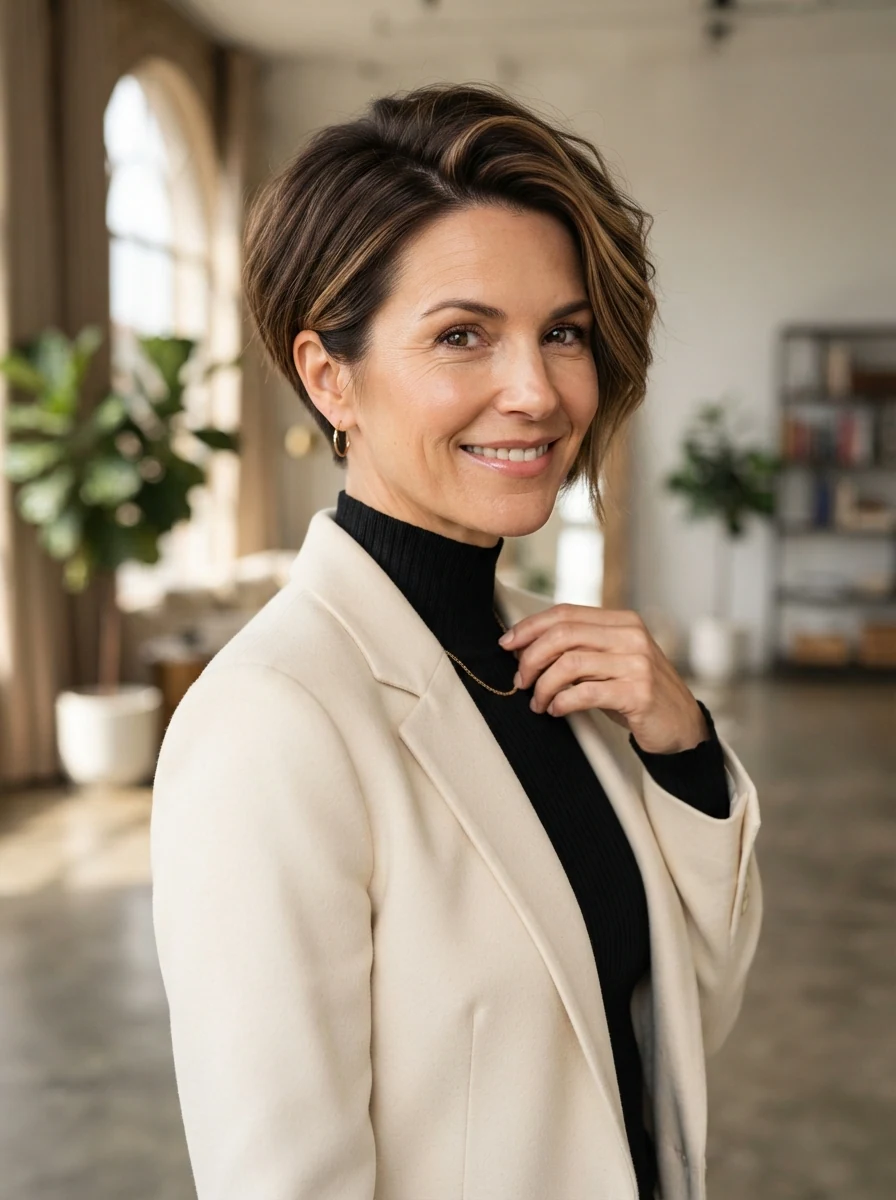
A pixie bob haircut sits in one of the most useful spaces between short and medium hair. It gives you more softness and styling flexibility than a very short pixie, while keeping much less length and weight than a traditional bob. That balance is exactly why the cut has so many variations.
A pixie bob can be:
- soft and feminine
- sleek and polished
- textured and slightly undone
- short at the nape
- longer around the face
- paired with bangs
- styled with waves
- adapted for fine or thick hair
Some versions lean closer to a pixie, with a tapered back and shorter sides. Others keep enough length through the front that they almost resemble a short bob. That means there is no single “correct” pixie bob length.
The best version usually depends on:
- your natural density
- how much styling you want to do
- whether you want your ears exposed
- how much length you want around the face
- whether you prefer a soft or more structured shape
Below are 19 pixie bob haircuts that show just how different this in-between cut can look.
1. Classic Pixie Bob
The classic pixie bob keeps the back shorter while leaving noticeably more length through the crown, sides, and front. The result should still feel soft rather than sharply cropped. A good classic version usually has enough length around the cheeks to preserve some of the movement associated with a bob.
This makes it especially useful if you want to go shorter but are not ready for a traditional pixie.
2. Long Pixie Bob
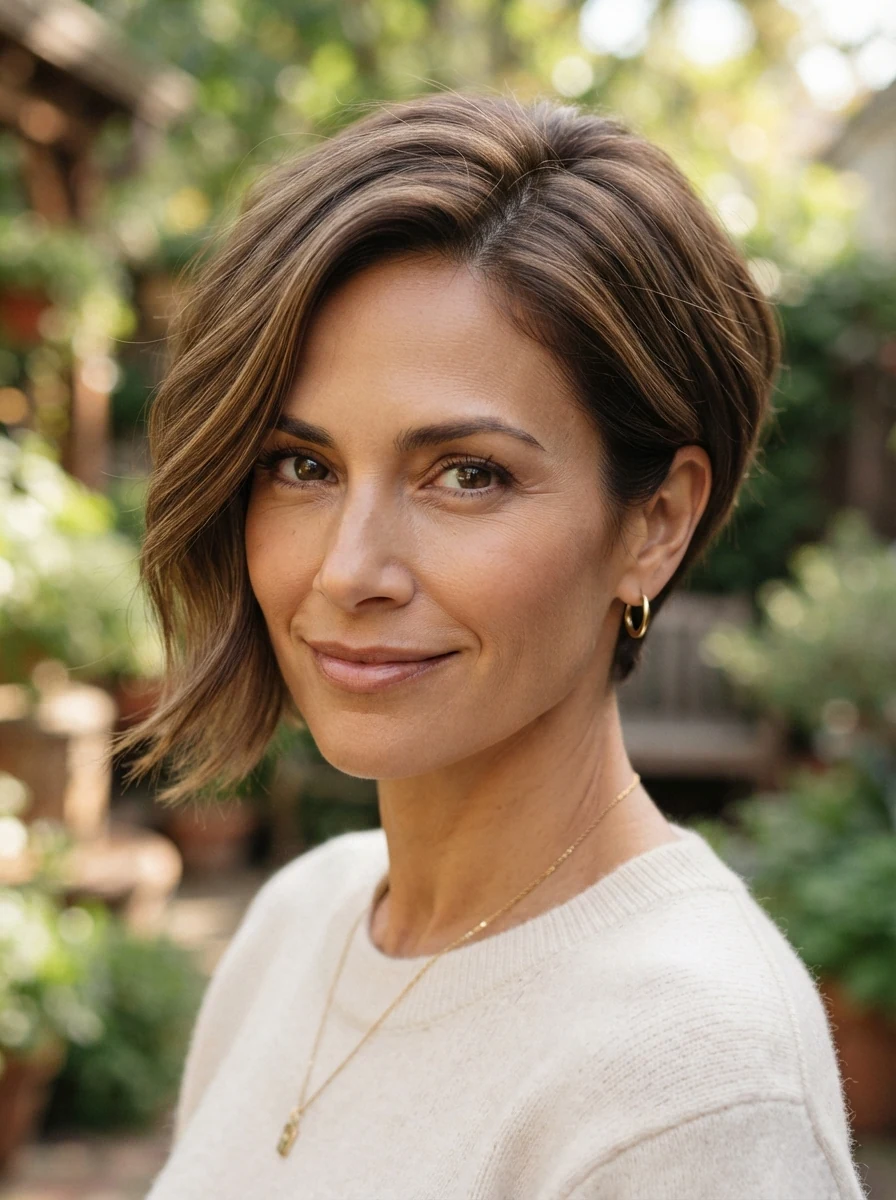
A long pixie bob sits closer to a short bob. The front and side sections may reach toward the jaw, while the back remains noticeably shorter. This version is ideal if you want the shape of a pixie bob without making the haircut feel dramatically short.
It also gives you more flexibility for:
- tucking hair behind the ears
- soft waves
- side-swept styling
- longer bangs
3. Short Pixie Bob
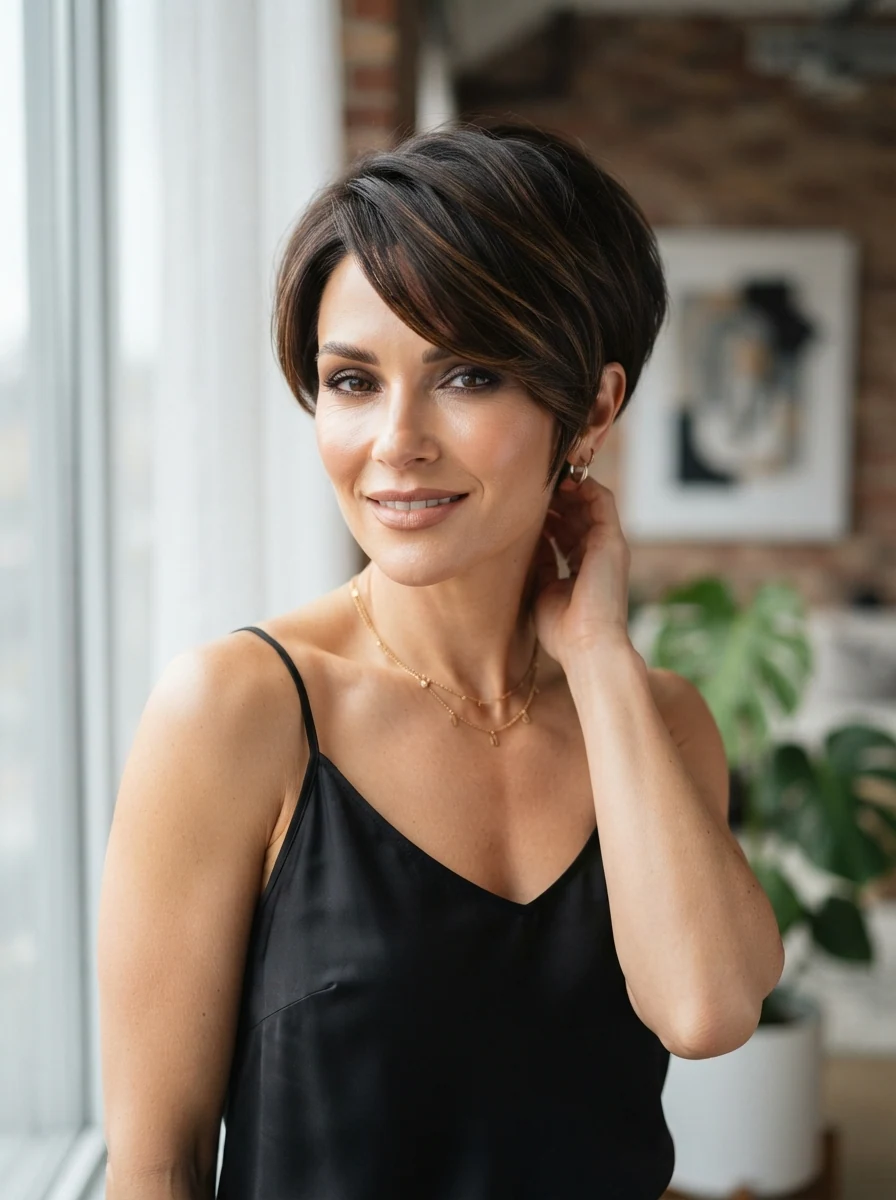
A short pixie bob leans further toward the pixie side of the spectrum. The nape and sides are more compact, but there is still enough length through the front and crown to keep the cut from becoming a classic crop. This works particularly well if you want a short haircut with some movement instead of an all-over close shape.
4. Layered Pixie Bob
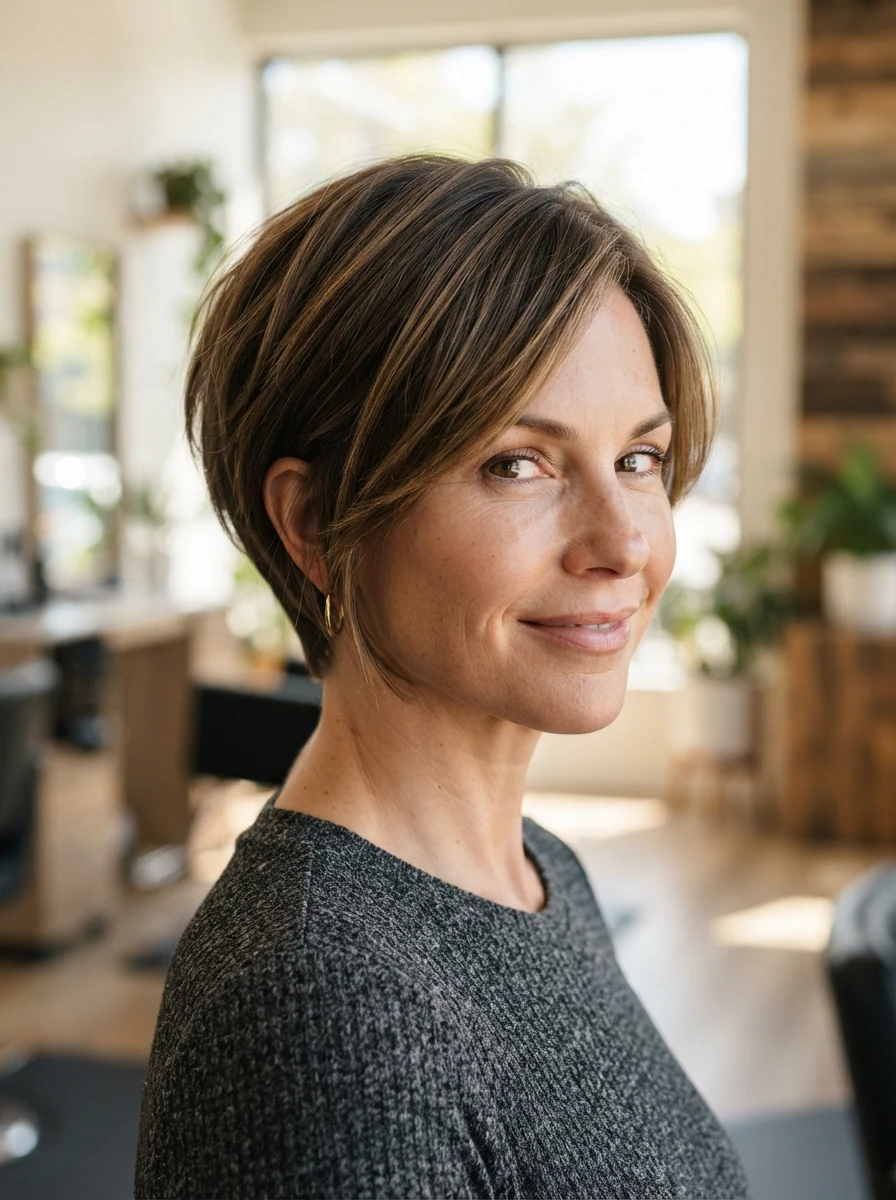
Layers can make a pixie bob feel lighter and more dimensional. The key is controlled layering. Too many very short pieces can push the haircut toward a shag or heavily textured crop.
A softer layered pixie bob keeps the general shape intact while adding movement through the crown and sides.
5. Pixie Bob With Side Bangs
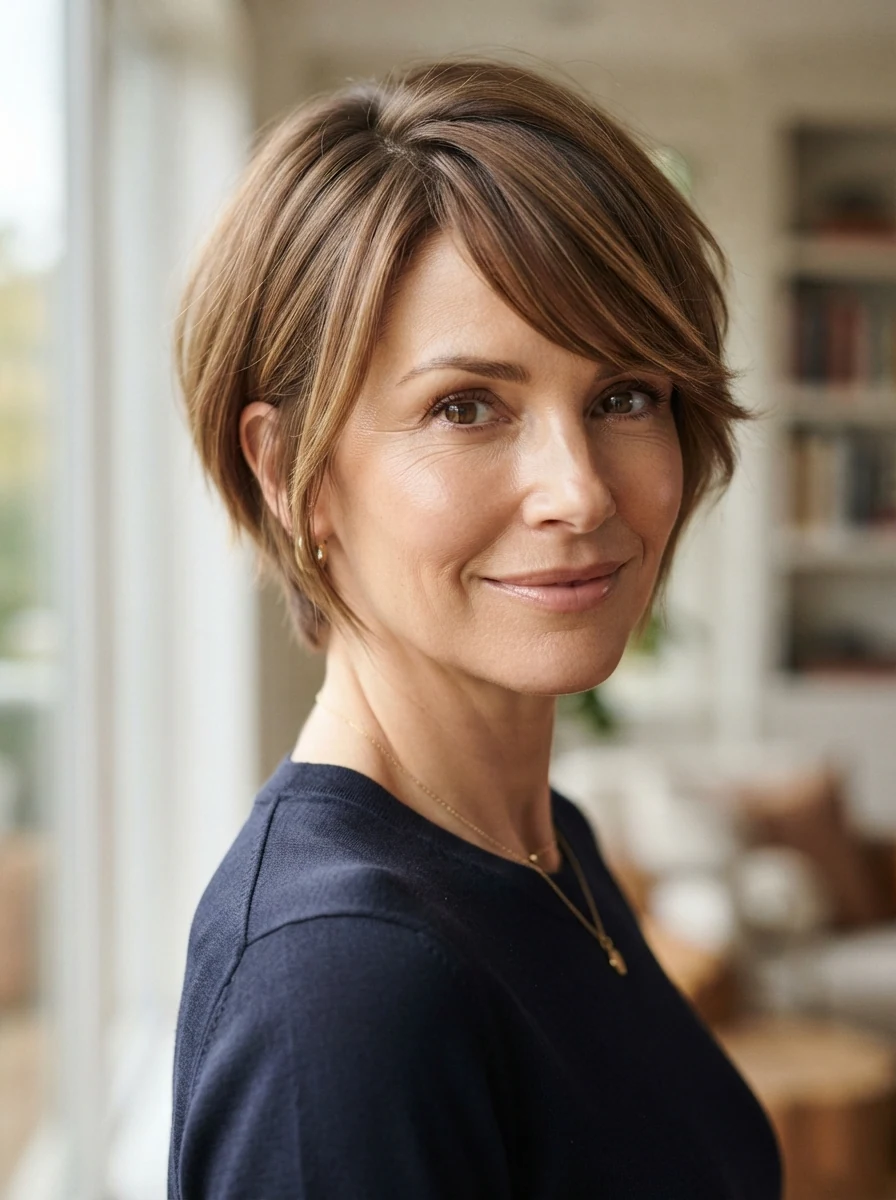
Side bangs work especially well with a pixie bob because they naturally connect the longer front to the shorter back. A long side fringe can reach toward the cheekbone and create a softer, more elegant shape. This version works particularly well with a deep or moderate side part.
6. Pixie Bob With Curtain Bangs
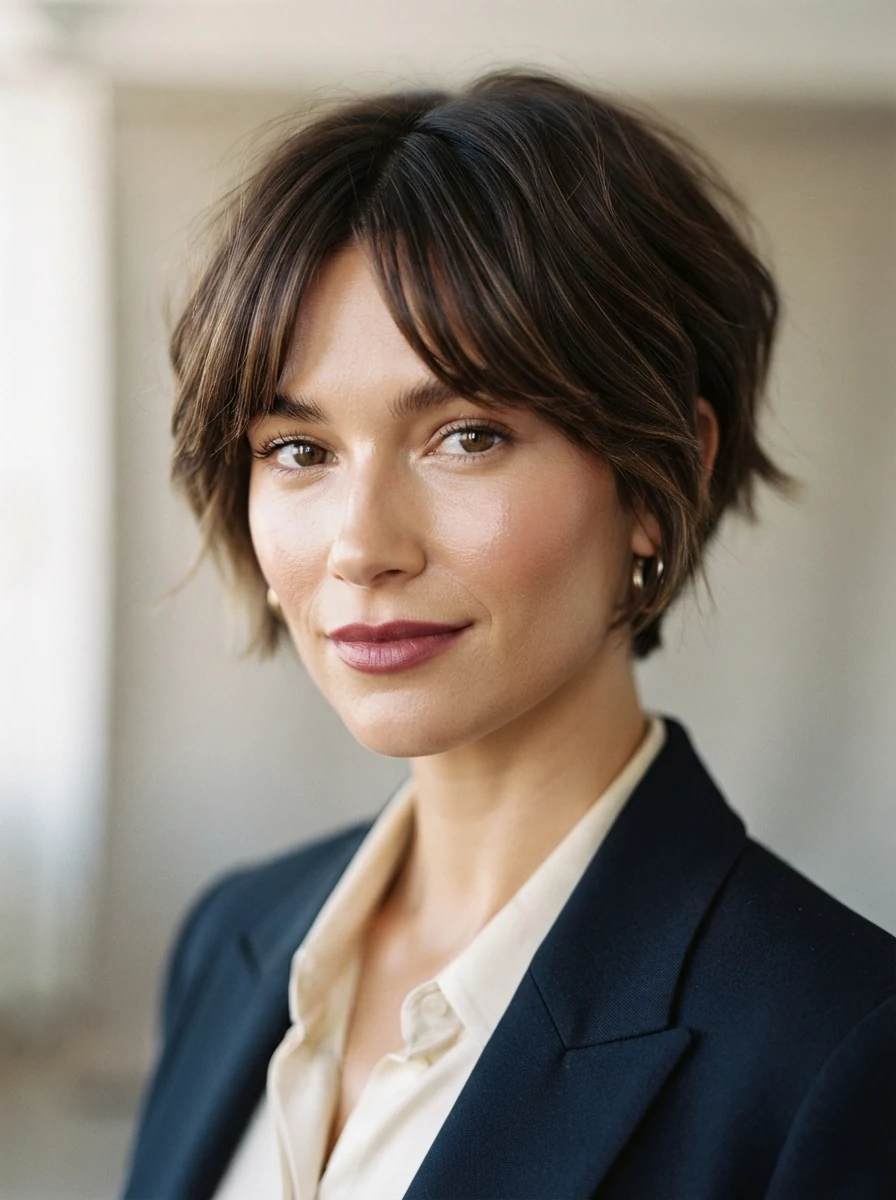
Curtain bangs give the front a softer, more open shape. Because the overall haircut is already short, the bangs should usually be lighter and somewhat shorter than the curtain fringe you might see on long hair. The outer pieces can blend directly into the sides of the pixie bob.
7. Pixie Bob With Wispy Bangs
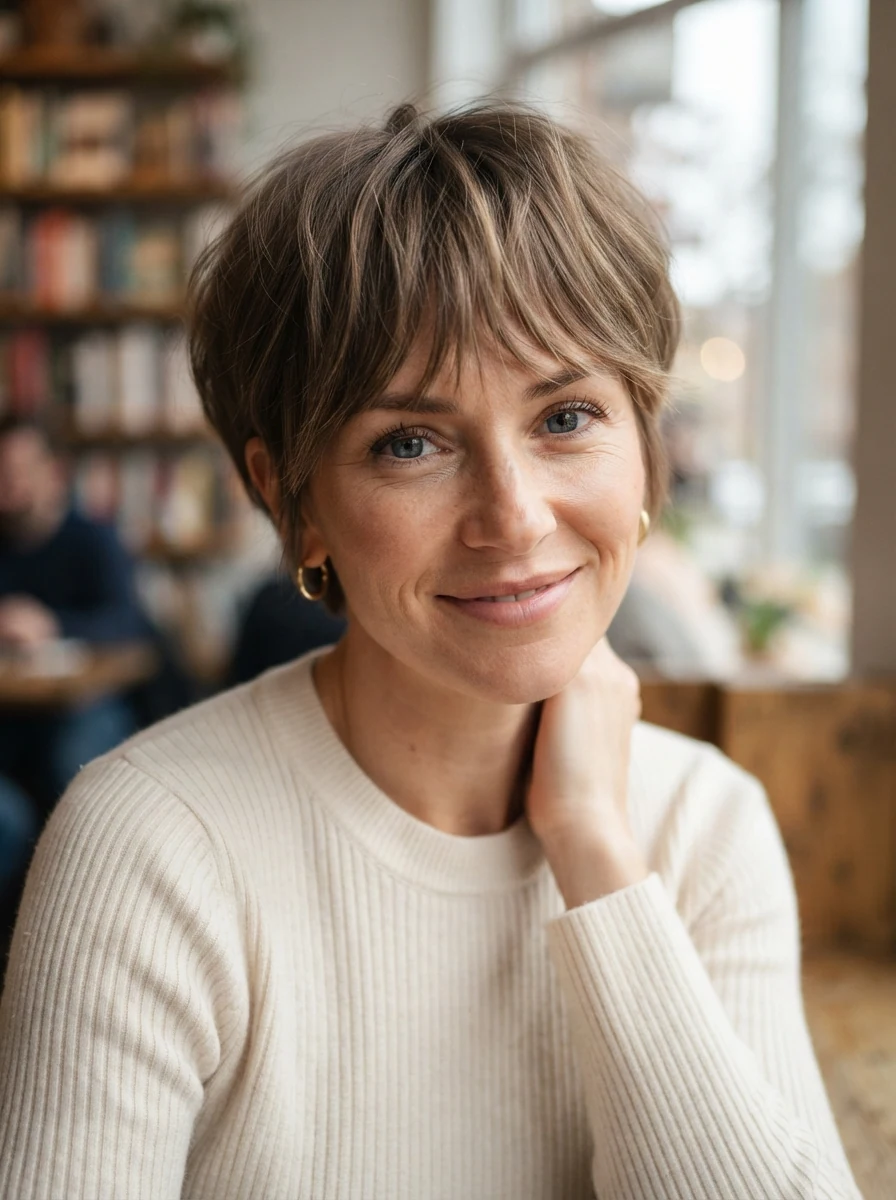
Wispy bangs create a softer, lighter front. They are especially useful when you want bangs without removing too much density from the rest of the haircut. The fringe should look airy, but not sparse or stringy.
8. Side-Parted Pixie Bob
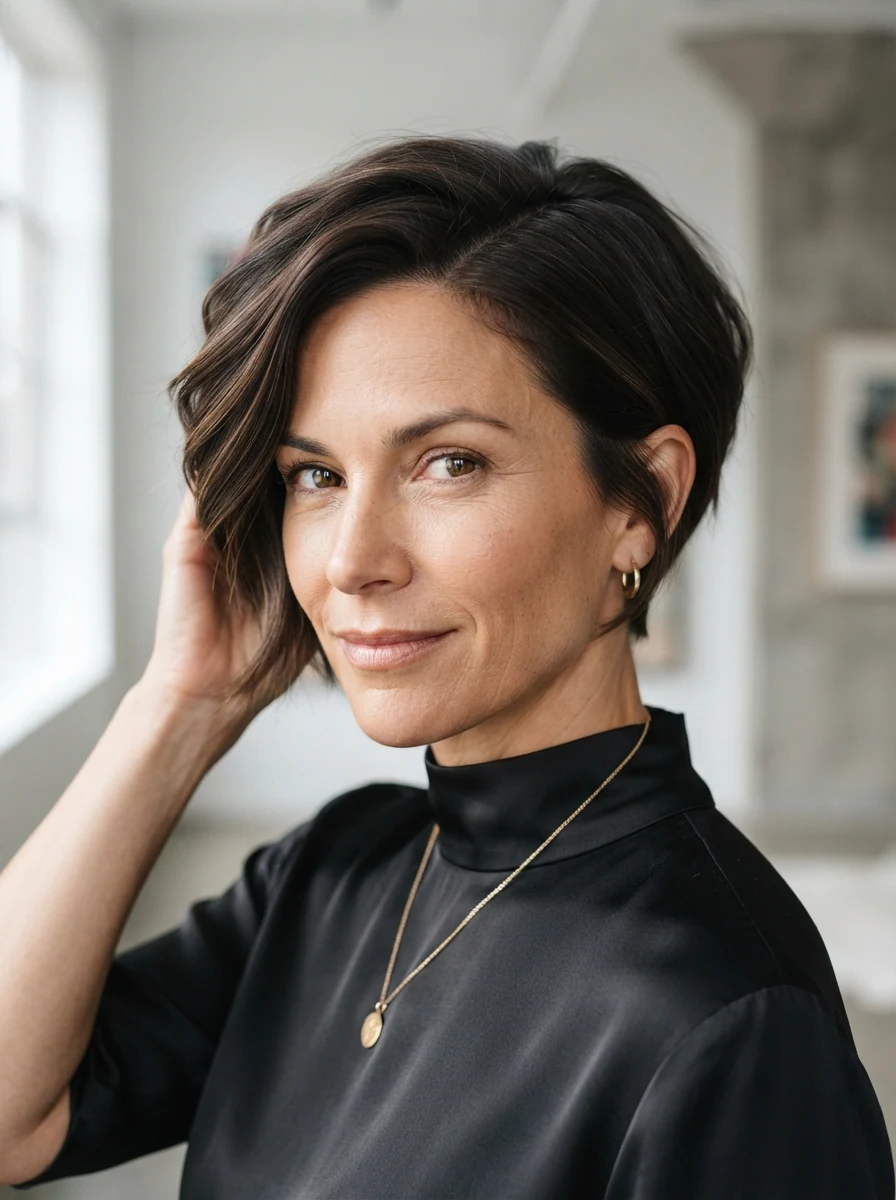
A side part immediately gives a pixie bob more directional movement. One side appears fuller while the other can be tucked closer to the head. This is a simple way to make the haircut feel more styled without adding more layers.
9. Center-Parted Pixie Bob
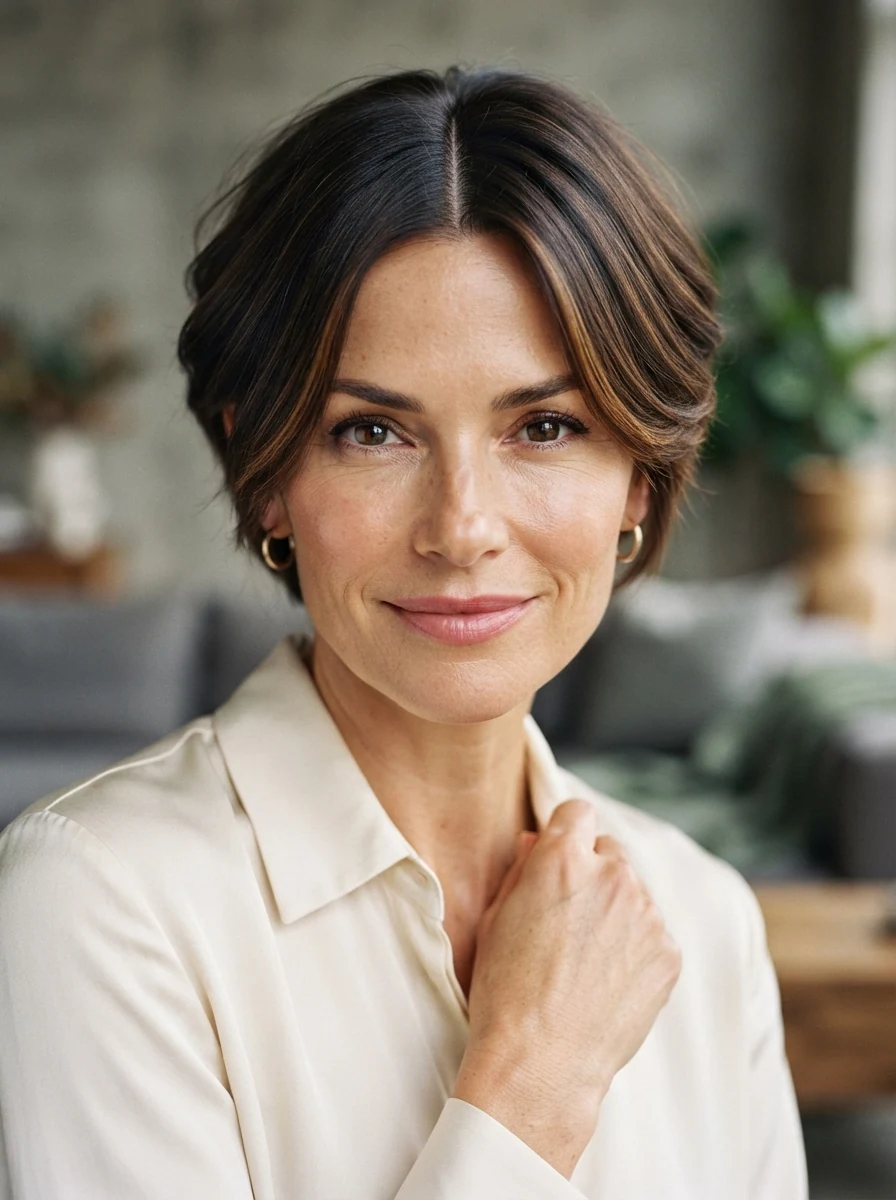
A center part gives the pixie bob a more balanced, modern appearance. This works best when the front remains long enough to fall around the cheekbones. Soft face-framing pieces help prevent the haircut from feeling too rigid.
10. Pixie Bob for Fine Hair
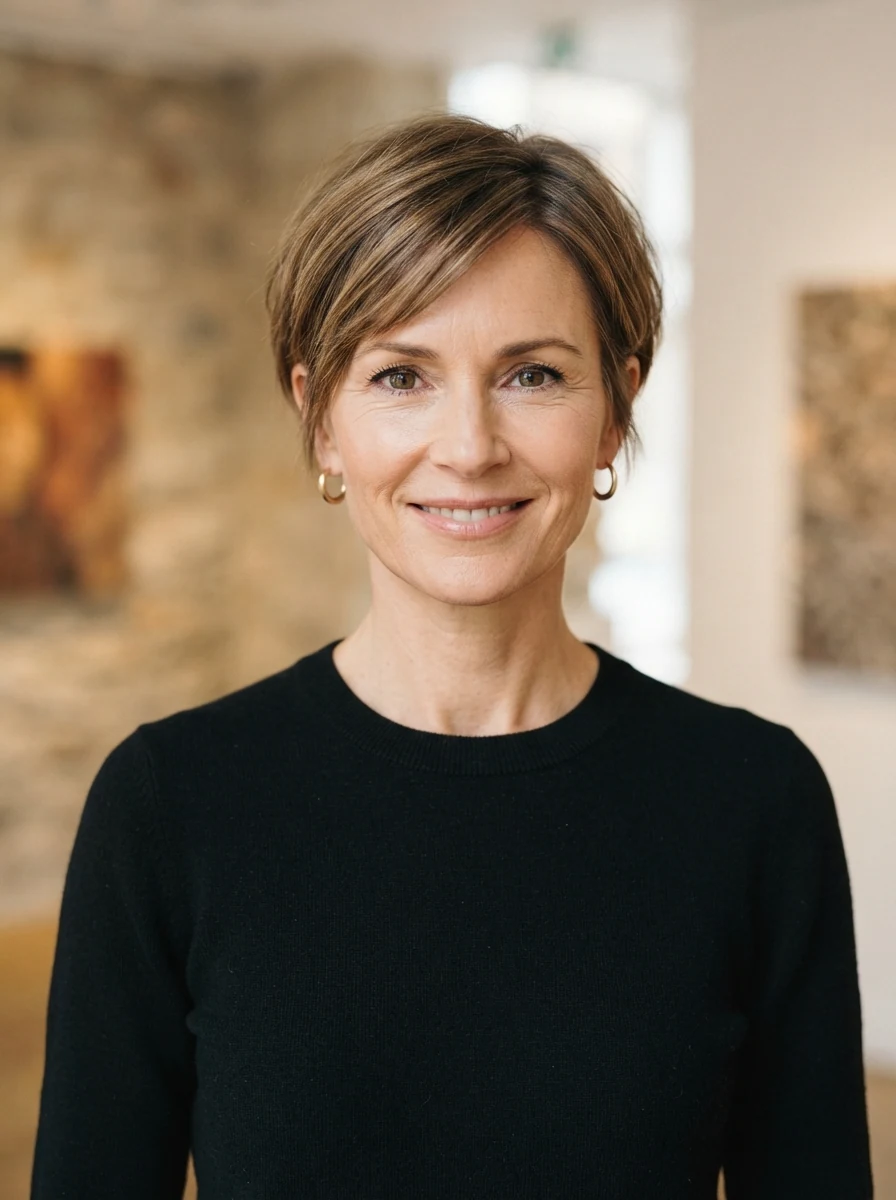
Fine hair can work very well with a pixie bob because the shorter length reduces some of the weight that can make hair fall flat. The haircut should still preserve enough density through the ends. Useful details include:
- longer crown pieces
- soft side part
- limited thinning
- subtle root lift
Too many short layers can make fine hair appear even lighter.
11. Pixie Bob for Thick Hair
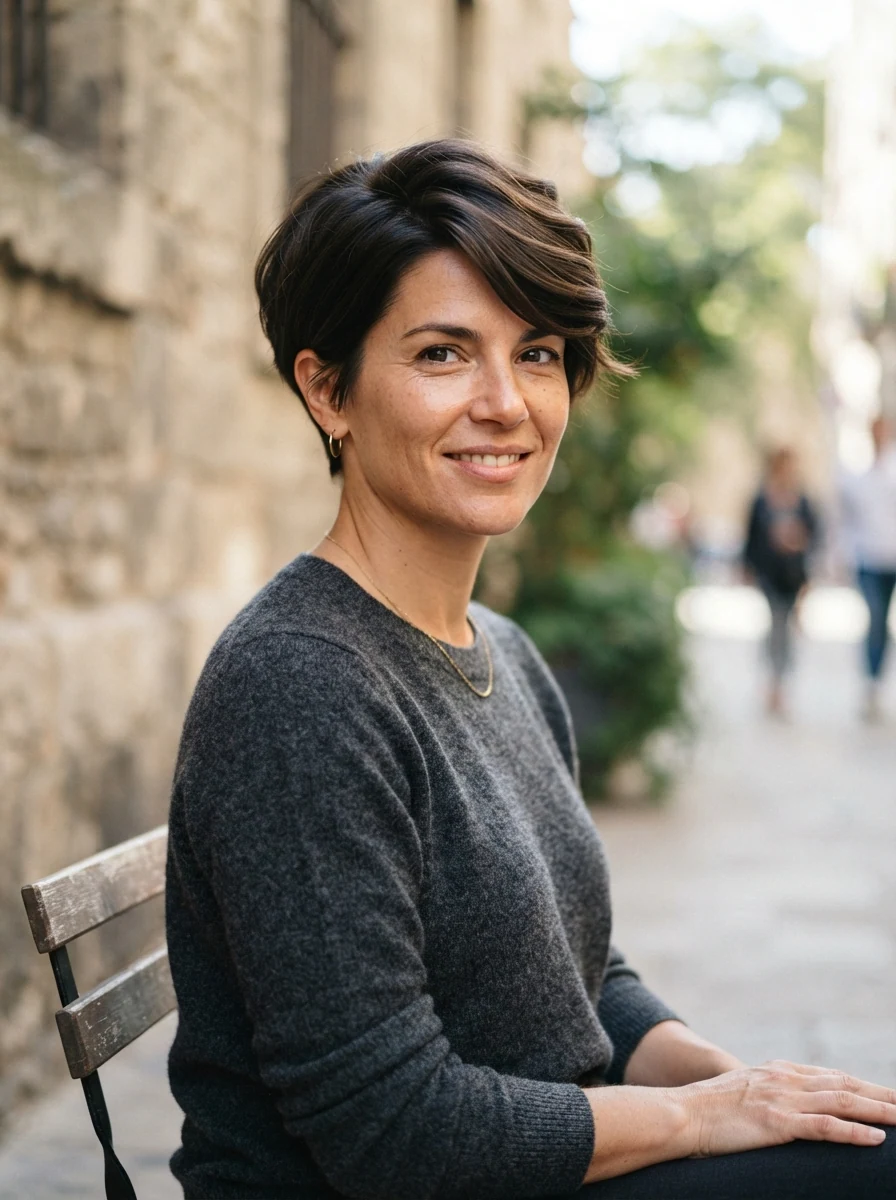
Thick hair often needs more internal structure. Without it, a pixie bob can become too wide around the sides or crown. Controlled internal layering can help remove some weight while preserving a clear silhouette.
The goal is movement, not extreme thinning.
12. Wavy Pixie Bob
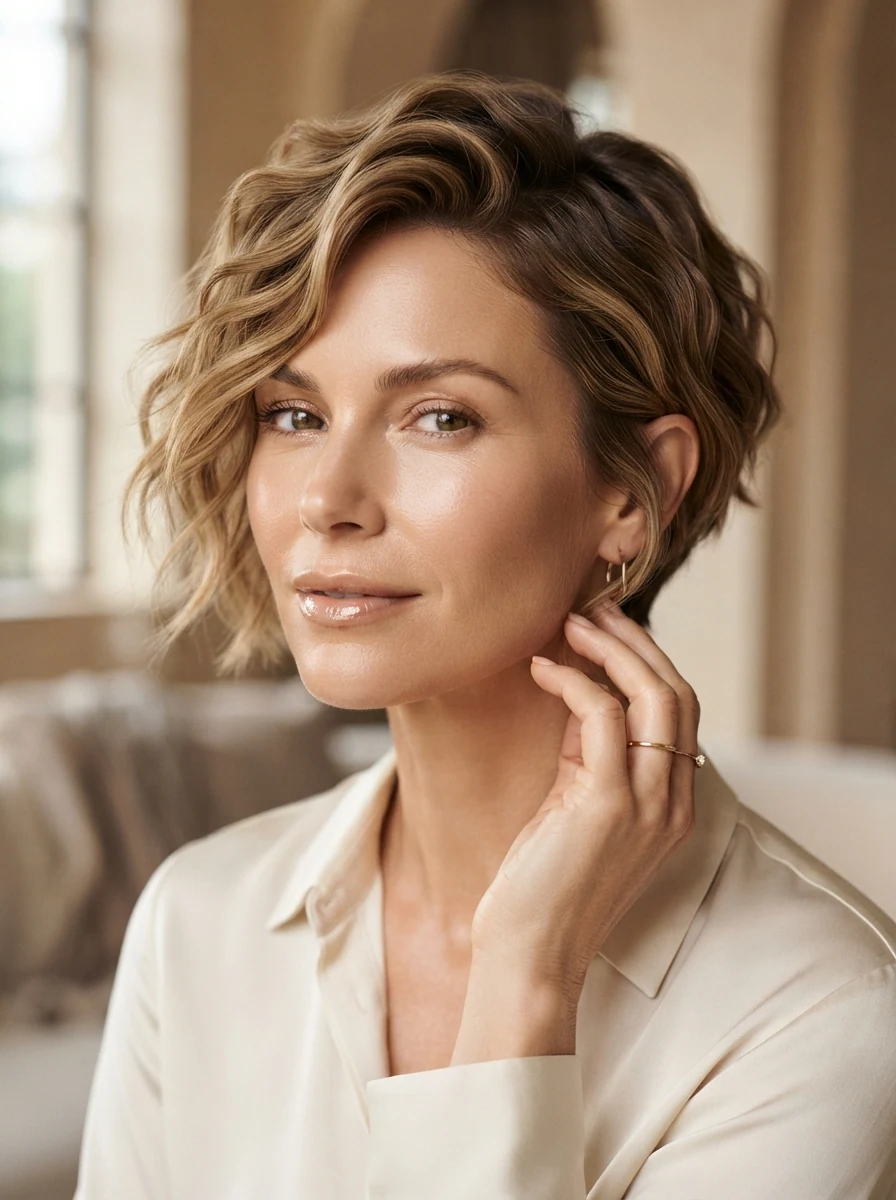
A wavy pixie bob has a softer, more relaxed finish. The longer crown and front pieces are especially useful because they give waves enough room to form. The back should remain shorter so the hairstyle still reads as a pixie bob rather than a standard short wavy bob.
13. Sleek Pixie Bob
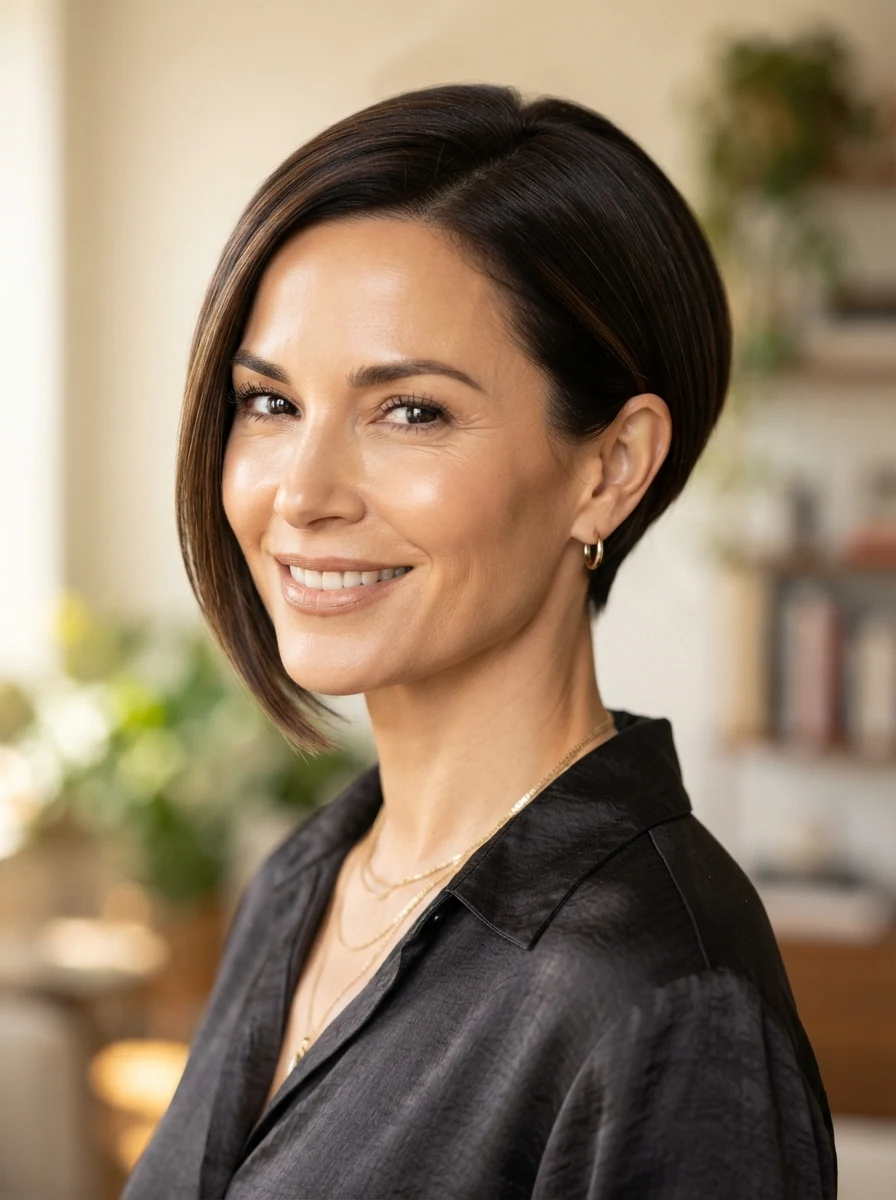
A sleek pixie bob emphasizes shape rather than texture. The front may fall smoothly across the forehead or tuck behind one ear. The back remains clean and compact.
This version works especially well on naturally straight hair.
14. Stacked Pixie Bob
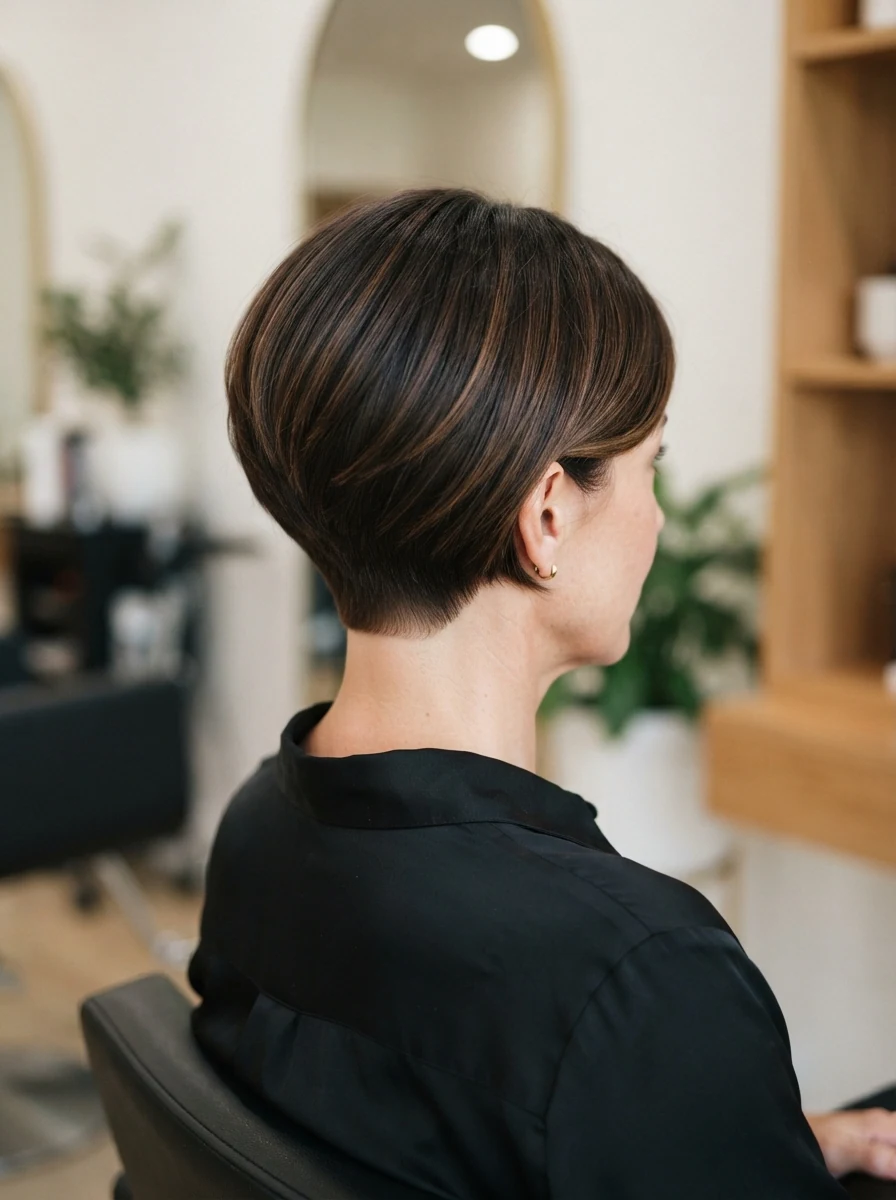
A stacked pixie bob adds more shape through the back. The nape remains short, while slightly longer sections above it create a rounded silhouette. This can give the haircut more structure without needing dramatic crown height.
The stacking should look modern and subtle rather than overly sculpted.
15. Asymmetrical Pixie Bob
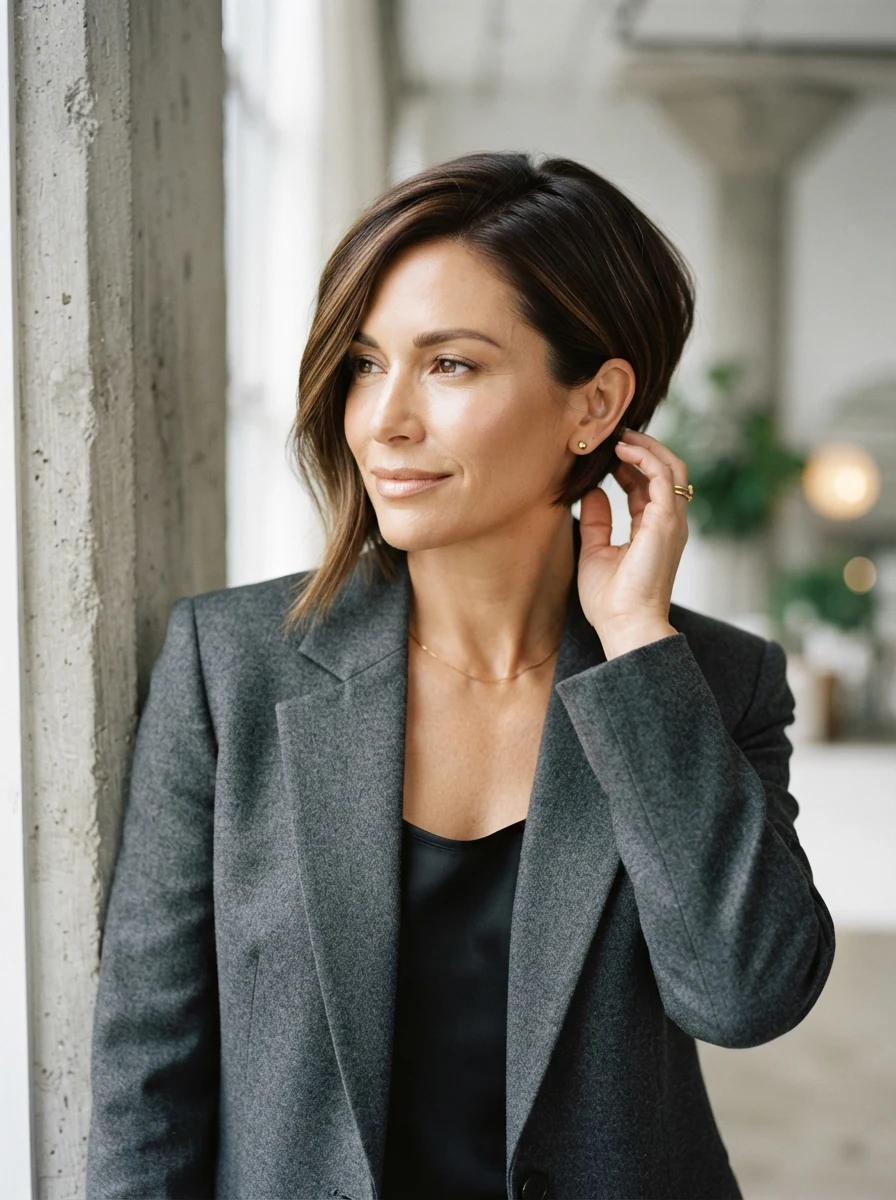
An asymmetrical pixie bob uses different lengths on each side. One side may sit close to the face or tuck behind the ear while the other remains noticeably longer. This creates a stronger visual statement without requiring an extreme undercut.
16. Blonde Pixie Bob
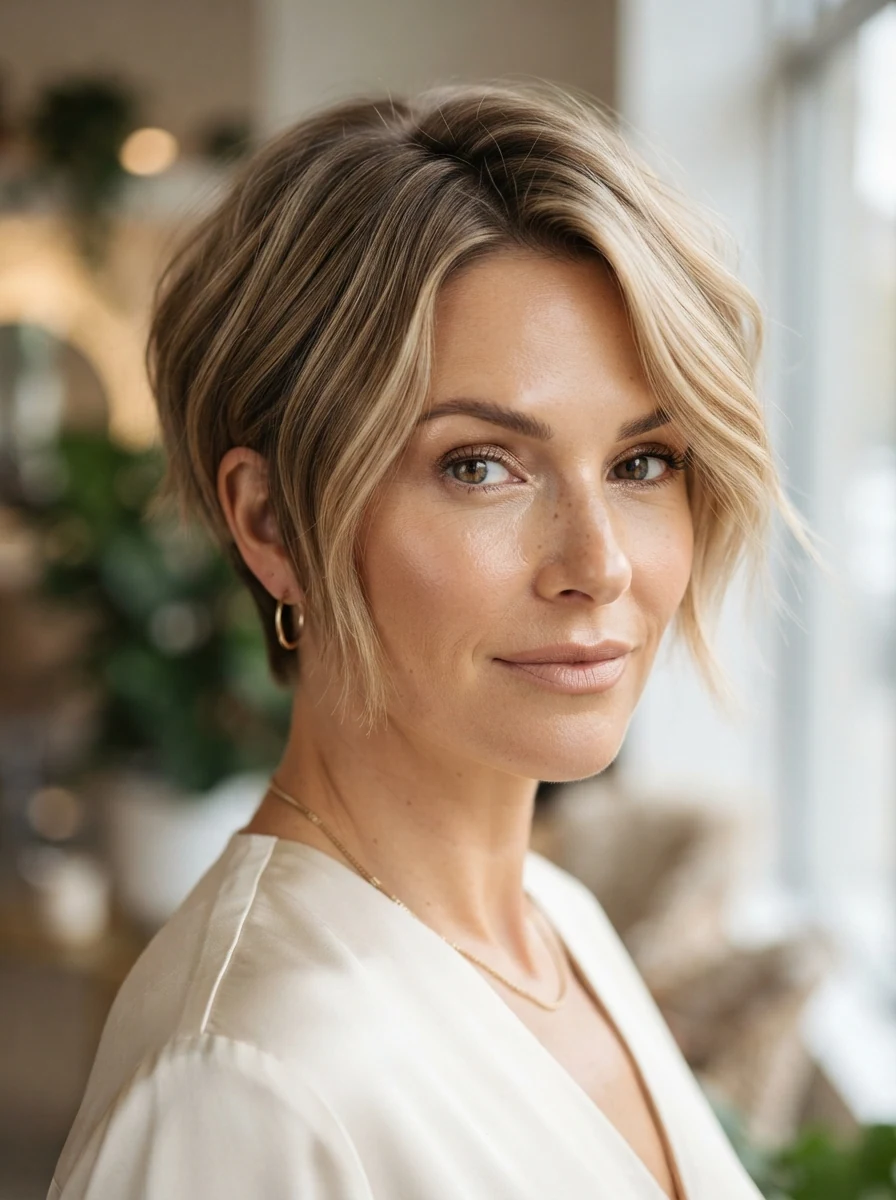
Blonde color can make the shape and layering of a pixie bob more visible. Beige blonde, honey blonde, dark blonde, and soft highlights all work well. Dimension is especially useful because different tones can emphasize the longer and shorter areas of the cut.
17. Brunette Pixie Bob
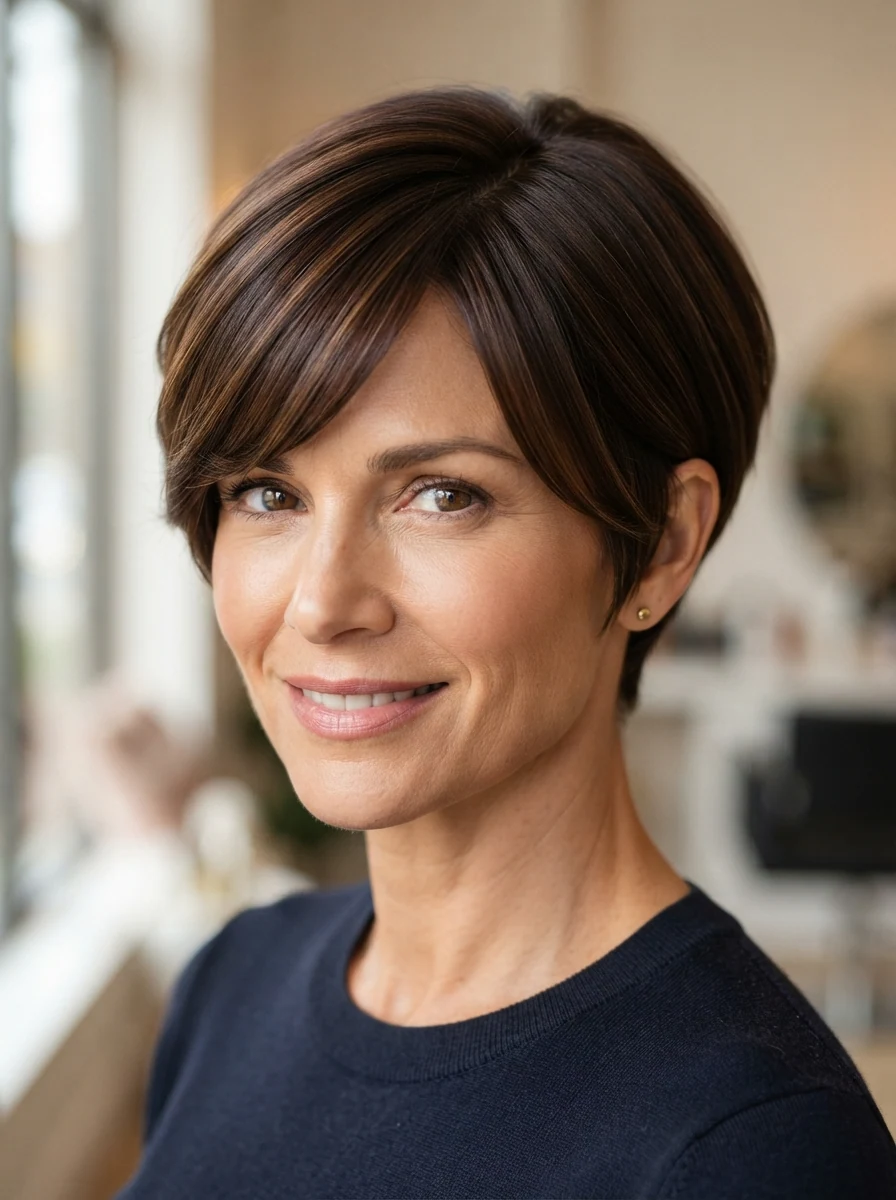
A brunette pixie bob can look especially polished because the darker color emphasizes the overall silhouette. Chocolate brown, espresso, and medium brown all work beautifully. Subtle highlights can add movement without changing the character of the cut.
18. Pixie Bob With Glasses
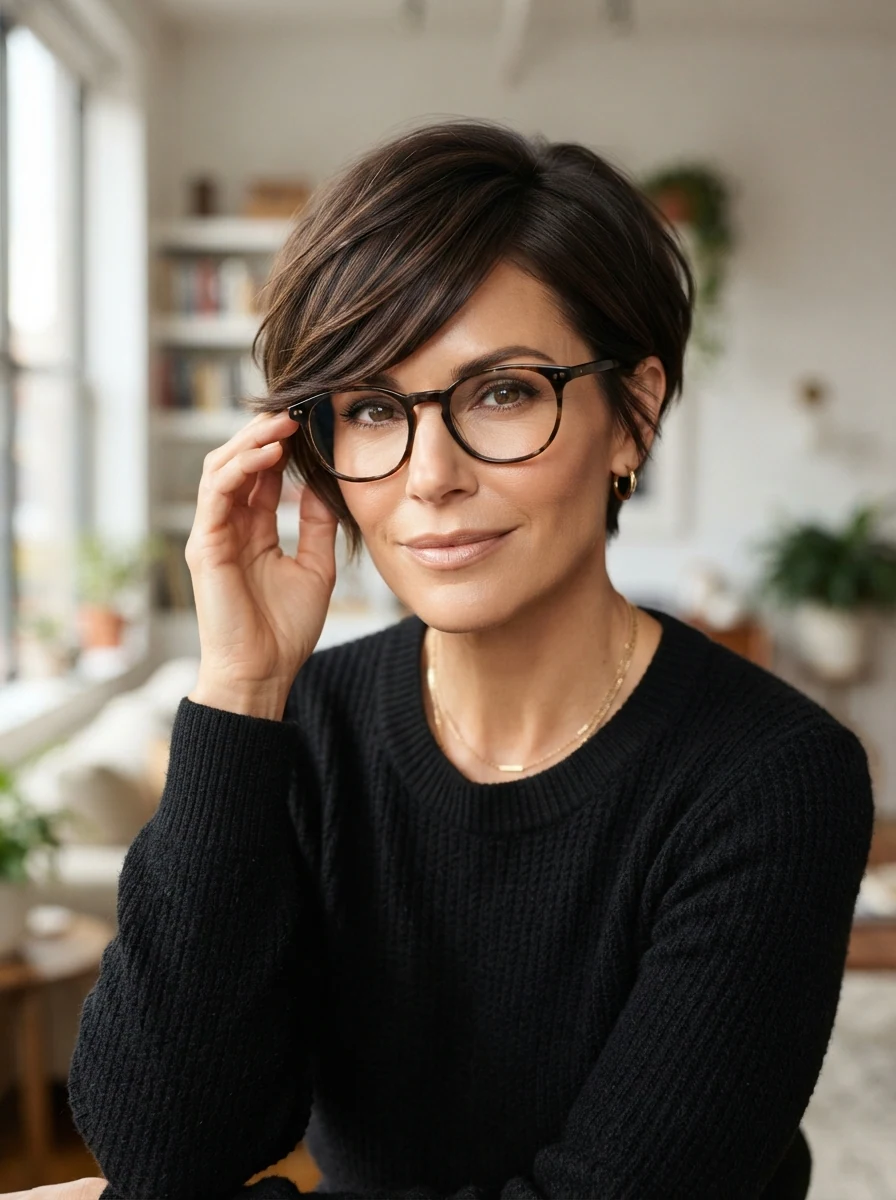
The shorter length of a pixie bob can work very well with glasses because the face stays relatively open. The key is preventing the front pieces from constantly fighting with the frames. A soft side fringe or slightly longer pieces around the cheekbones can balance the glasses nicely.
19. Pixie Bob Over 50
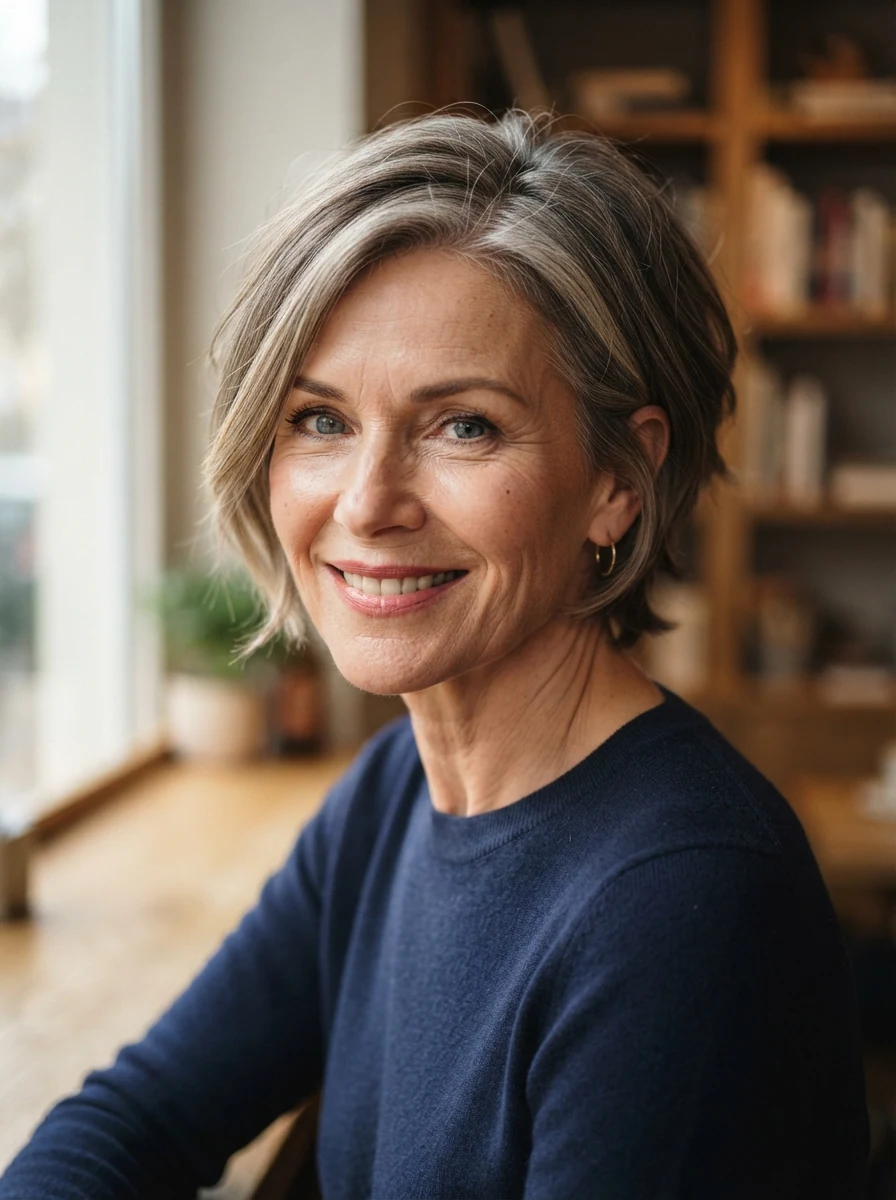
A pixie bob can also work beautifully for women over 50 because the length and texture can be adjusted rather than following a single rigid formula. Fine hair may benefit from keeping more weight in the crown and sides. Thicker hair may need more internal layering.
Gray or silver hair can also make the shape particularly visible.
What Is a Pixie Bob Haircut?
A pixie bob is a short haircut that combines features of both a pixie and a bob. It usually includes:
- a shorter nape
- more length through the crown
- longer sections around the face
- some visible graduation between the back and front
The exact length varies. Some versions barely reach the cheekbones. Others extend almost to the jaw.
That flexibility is one of the reasons the haircut can look so different from person to person.
Pixie Bob vs Pixie Cut
The biggest difference is usually length.
Pixie Cut
A traditional pixie is generally:
- shorter at the sides
- shorter around the ears
- more cropped through the back
- lighter overall
Pixie Bob
A pixie bob keeps:
- longer front sections
- more length around the cheeks
- greater styling flexibility
- a slightly more bob-like outline
If you like pixie cuts but want a softer transition into short hair, a pixie bob can be a useful middle ground.
Pixie Bob vs Short Bob
A short bob usually maintains more consistent length around the head. A pixie bob typically has a clearer difference between the shorter back and longer front or crown. A short bob feels more like:
- one continuous shape
- stronger perimeter
- more weight
A pixie bob feels more:
- tapered
- layered
- compact
- directional
Is a Bixie the Same as a Pixie Bob?
The terms are often used for very similar haircut families. A bixie typically combines elements of a bob and pixie, just like a pixie bob. In practice, the exact label often depends on the stylist or publication.
Some people use “bixie” for softer, more textured versions, while “pixie bob” may describe a slightly cleaner silhouette. The visual difference is often much smaller than the terminology suggests.
How Long Is a Pixie Bob?
There is no single fixed length. A pixie bob may have:
- ear-length side sections
- cheekbone-length front pieces
- jaw-length longest sections
- a much shorter tapered nape
The more length you keep through the front, the closer the cut moves toward a bob.
Who Is a Pixie Bob Good For?
A pixie bob can work across many hair types because the shape is adjustable. It can be adapted for:
- fine hair
- thick hair
- straight hair
- wavy hair
- gray hair
- different face shapes
The important part is where the length and weight are placed.
Pixie Bob for Fine Hair
Fine hair usually benefits from restraint. Too many layers can remove density. Better choices may include:
- longer crown pieces
- clean but soft perimeter
- subtle side part
- limited thinning
- controlled face framing
The goal should be movement without making the ends look sparse.
Pixie Bob for Thick Hair
Thick hair often needs more internal shaping. Otherwise, the haircut can become bulky around the sides. Controlled layers can help distribute weight while preserving the silhouette.
A shorter nape can also keep the cut feeling lighter.
Pixie Bob for Straight Hair
Straight hair makes the shape of the cut very visible. This can work beautifully for:
- sleek pixie bobs
- asymmetrical versions
- stacked shapes
- side-parted styles
Because every transition is visible, clean blending matters.
Pixie Bob for Wavy Hair
Natural waves can make a pixie bob look softer. The longer crown and front sections provide room for movement. The back can remain shorter to prevent the cut from becoming too round or bulky.
Pixie Bob With Bangs
Bangs can completely change the front of the haircut. Popular choices include:
- side bangs
- curtain bangs
- wispy bangs
- longer sweeping fringe
The shorter the haircut becomes, the more important the proportion between the bangs and the rest of the cut is.
Which Bangs Work Best With a Pixie Bob?
Side Bangs
Great for:
- softer asymmetry
- side parts
- longer front pieces
Curtain Bangs
Useful for:
- opening the face
- creating symmetry
- blending into cheekbone-length sides
Wispy Bangs
Good when you want:
- a lighter fringe
- less density removed from the sides
- a softer forehead line
How Do You Style a Pixie Bob?
The styling depends on the finish you want.
For a Sleek Look
Smooth the front and sides while keeping a little movement at the crown.
For Soft Volume
Lift only the roots around the top rather than teasing the entire haircut.
For Waves
Add bends only to the longer sections.
For an Undone Finish
Separate a few pieces with a lightweight styling product instead of heavily texturizing everything.
How Much Maintenance Does a Pixie Bob Need?
A pixie bob is short enough that growth becomes visible relatively quickly. The nape is often the first area to lose its shape. How often it needs trimming depends on:
- how structured you want the back
- how fast your hair grows
- how much length you want to maintain in front
A softer, longer pixie bob generally grows out more easily than a very tight version.
Can a Pixie Bob Be Feminine?
Absolutely. The haircut does not need to look severe or boyish. A softer pixie bob can include:
- longer side pieces
- bangs
- waves
- face framing
- gentle movement
- less aggressive tapering
Those details can make the haircut feel very soft and elegant.
What Face-Framing Length Works Best?
There is no universal answer, but three common points work particularly well.
Cheekbone Length
Creates a shorter, lighter frame.
Around the Jaw
Feels more bob-like and gives more styling flexibility.
Between Cheekbone and Jaw
Often provides the most balanced middle ground.
Can You Grow Out a Pixie Bob Easily?
Compared with a very short pixie, a pixie bob can be easier to transition into a longer bob because there is already more length around the face and crown. The main challenge is usually the back. As the nape grows, occasional reshaping can help keep the haircut intentional rather than uneven.
What Hair Colors Look Good With a Pixie Bob?
Almost any hair color can work. Particularly strong options include:
- chocolate brown
- espresso
- dark blonde
- beige blonde
- honey blonde
- gray
- silver
- balayage
- subtle highlights
Dimensional color can make the different lengths easier to see.
Pixie Bob Over 50
A pixie bob is not tied to a particular age.
For women over 50, the cut can be adjusted around changes in:
- density
- texture
- natural gray
- styling preferences
Fine hair may benefit from keeping more weight. Thicker hair may need additional internal shaping. Gray and silver hair can look especially striking in a structured short silhouette.
Frequently Asked Questions
What is a pixie bob haircut?
A pixie bob is a short hairstyle that combines a shorter pixie-like back with longer bob-inspired sections around the crown, sides, and front.
Is a pixie bob the same as a bixie?
The terms are often used for very similar haircuts. Both describe a blend between a pixie and a bob.
Is a pixie bob good for fine hair?
Yes. Fine hair can work well with a pixie bob when excessive thinning and very short layering are avoided.
Can thick hair wear a pixie bob?
Yes. Thick hair usually benefits from controlled internal layering to prevent too much width.
Can you wear bangs with a pixie bob?
Yes. Side bangs, curtain bangs and wispy bangs all work well.
Is a pixie bob easy to style?
It can be, particularly when the cut works with your natural hair texture. The shorter back may require more frequent trimming.
Can a pixie bob be wavy?
Yes. Longer crown and front sections give natural waves enough room to form.
Does a pixie bob work with glasses?
Yes. Side-swept bangs and longer face-framing pieces can work especially well around eyeglass frames.
Is a pixie bob good for women over 50?
Yes. The haircut can be adapted to changes in density, natural gray and preferred styling.
Final Thoughts
A pixie bob haircut is one of the most flexible choices if you want to go short without committing to a traditional pixie. The biggest decision is not simply whether to choose a pixie or a bob. It is deciding where between the two you want your haircut to sit.
For a softer look, consider:
- longer sides
- curtain bangs
- side-swept fringe
- gentle waves
For something shorter and more structured:
- tapered nape
- stacked back
- sleek styling
- asymmetrical shape
For fine hair, preserve enough density through the ends. For thick hair, controlled internal layering can keep the shape from becoming too heavy. And if you are unsure where to start, a slightly longer pixie bob gives you the most room to experiment before going shorter.
The best version should still look clearly like a pixie bob from the side, with shorter length through the back and enough softness through the front to keep that bob-like movement.