Medium Length Haircuts with Layers: 21 Chic Ideas for Movement & Shape
Medium-length hair sits in one of the most versatile places between short and long. There is enough length to create:
- waves
- ponytails
- half-up styles
- face framing
- noticeable layering
Medium hair also avoids some of the weight of very long hair. Adding layers can make the cut even more flexible. The right layering can:
- create movement
- remove excess bulk
- give waves more definition
- soften the front
- make a simple shoulder-length cut feel more intentional
But more layers are not always better. Fine hair often needs longer, more restrained layering so the ends keep enough density. Thick hair may benefit from more internal movement to prevent the haircut from becoming overly wide or heavy.
Straight hair tends to show every layer clearly, while wavy hair can hide and blend transitions more naturally. The starting point of the layers matters too. Layers beginning near the cheekbones create a very different shape from layers that start around the collarbone.
Below are 21 medium length haircuts with layers, ranging from subtle and polished to soft, voluminous, and more visibly textured.
1. Classic Medium Haircut with Long Layers
A classic long-layered medium cut is one of the easiest ways to introduce movement without dramatically changing the overall length. The shortest layers usually begin well below the chin. That means the perimeter still feels substantial while the interior of the haircut has more movement.
This is a strong choice if you want your hair to feel lighter but do not want a highly layered or feathered result.
2. Shoulder-Length Hair with Soft Layers
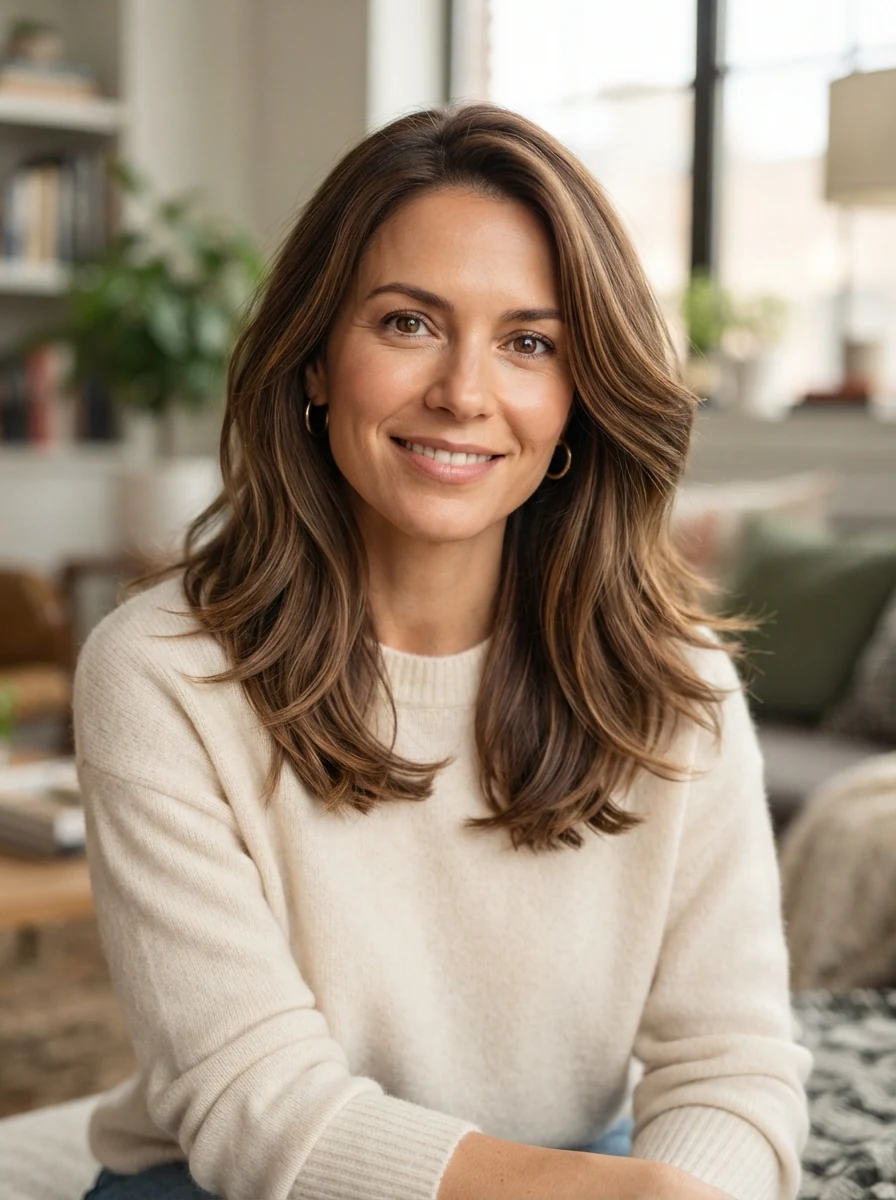
Shoulder-length hair can sometimes sit heavily against the shoulders. Soft layers help break up that shape. The best version keeps the layers blended and avoids creating obvious steps.
This makes the haircut feel lighter while still preserving a clean medium-length silhouette.
3. Medium Hair with Face-Framing Layers
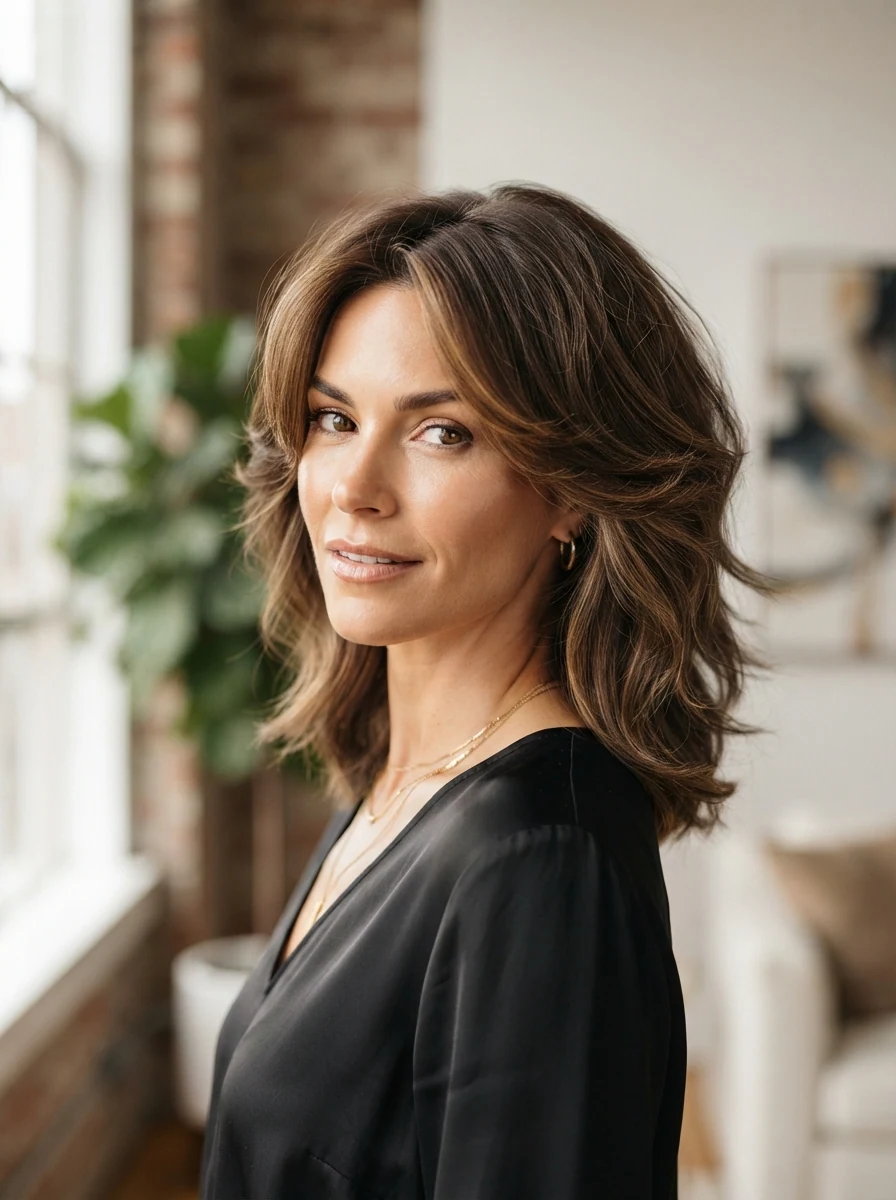
Face-framing layers concentrate most of the movement around the front. The shortest pieces can begin around:
- cheekbones
- jaw
- chin
These shorter pieces gradually blend into the longer lengths. This is a useful option if you want a visible change without layering the entire back heavily.
4. Medium Layered Hair with Curtain Bangs
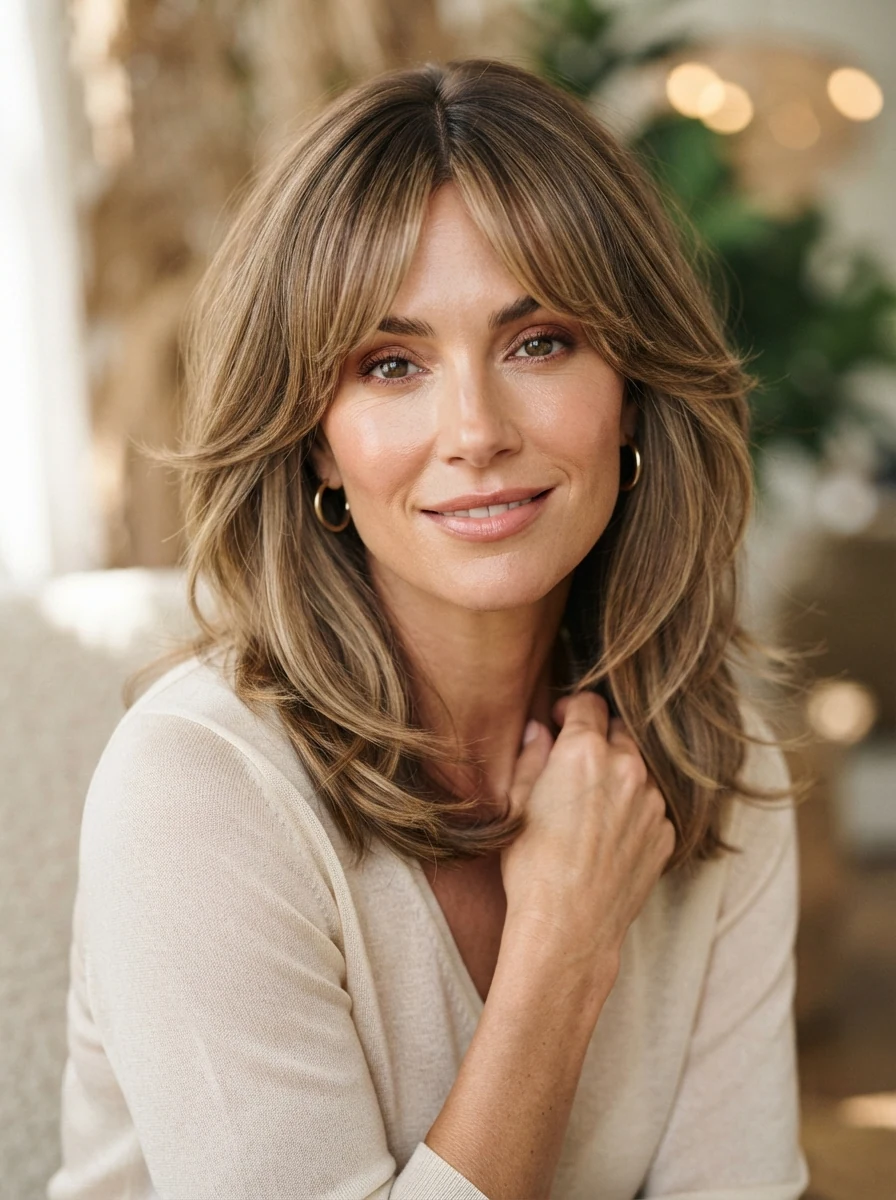
Curtain bangs and medium layers naturally work together. The bangs create movement around the eyes while the outer fringe pieces blend into the longer face-framing sections. This creates a continuous transition from:
The transition runs from bangs to cheekbone layers and then to longer lengths. The result can feel soft without requiring very short layers throughout the haircut.
5. Medium Layers with Side Bangs
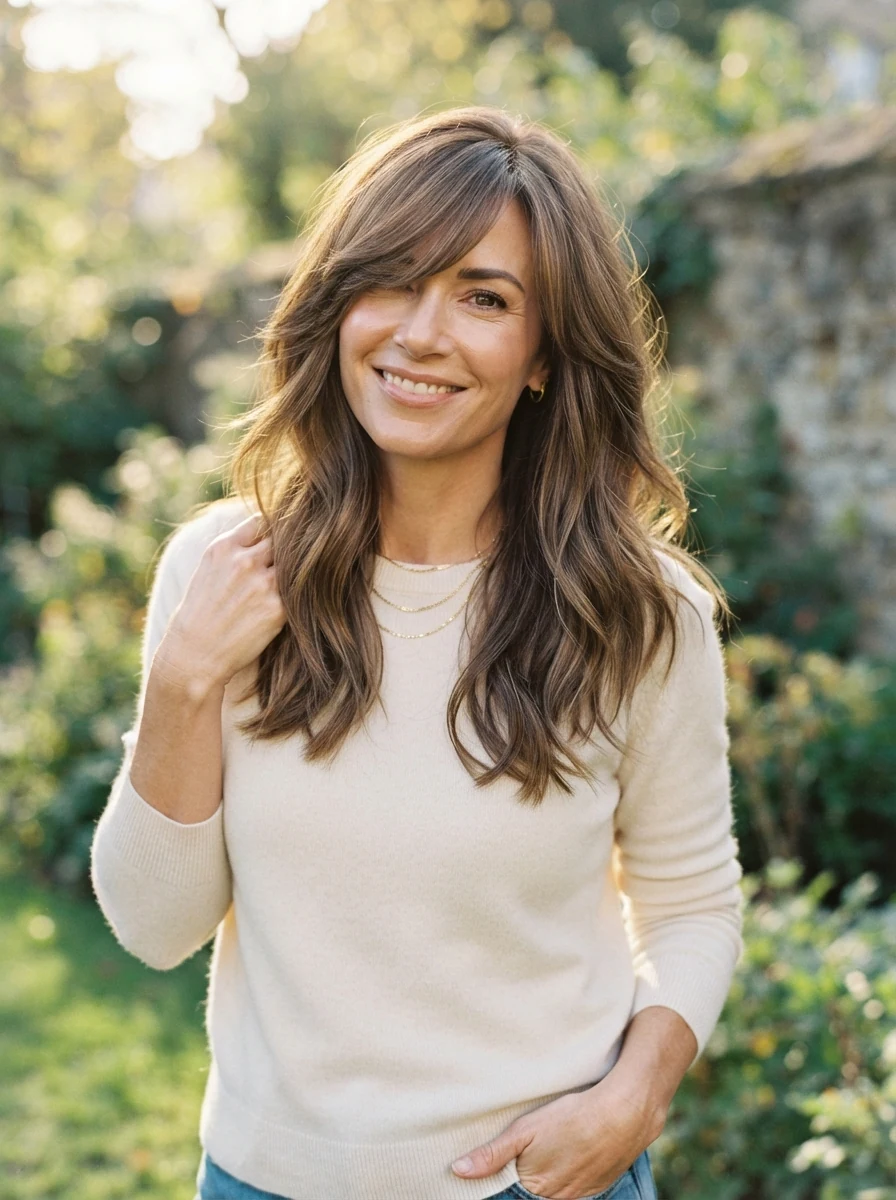
Side bangs create a more asymmetrical shape. They work especially well when paired with a side part because the fringe can sweep naturally into the layered lengths. A longer side bang usually feels softer and easier to grow out than a short, heavily styled fringe.
6. Butterfly-Inspired Medium Layers
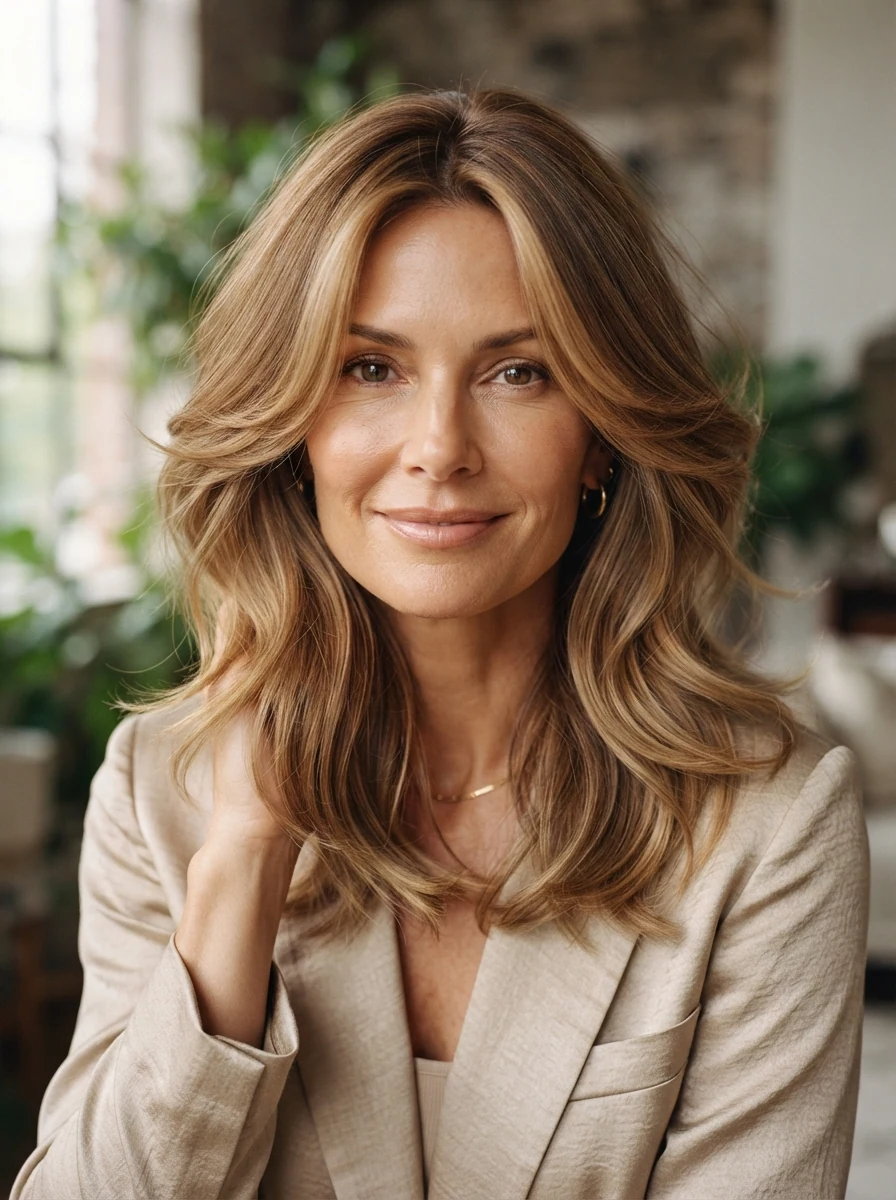
A butterfly-inspired haircut uses shorter layers around the face and longer layers through the rest of the hair. On medium length, the effect is more compact than the classic long butterfly cut. The front may have noticeable movement around the cheekbones and chin, while the back stays closer to shoulder or collarbone length.
This works best when the layers are blended instead of heavily separated.
7. Medium Layered Hair with a Middle Part
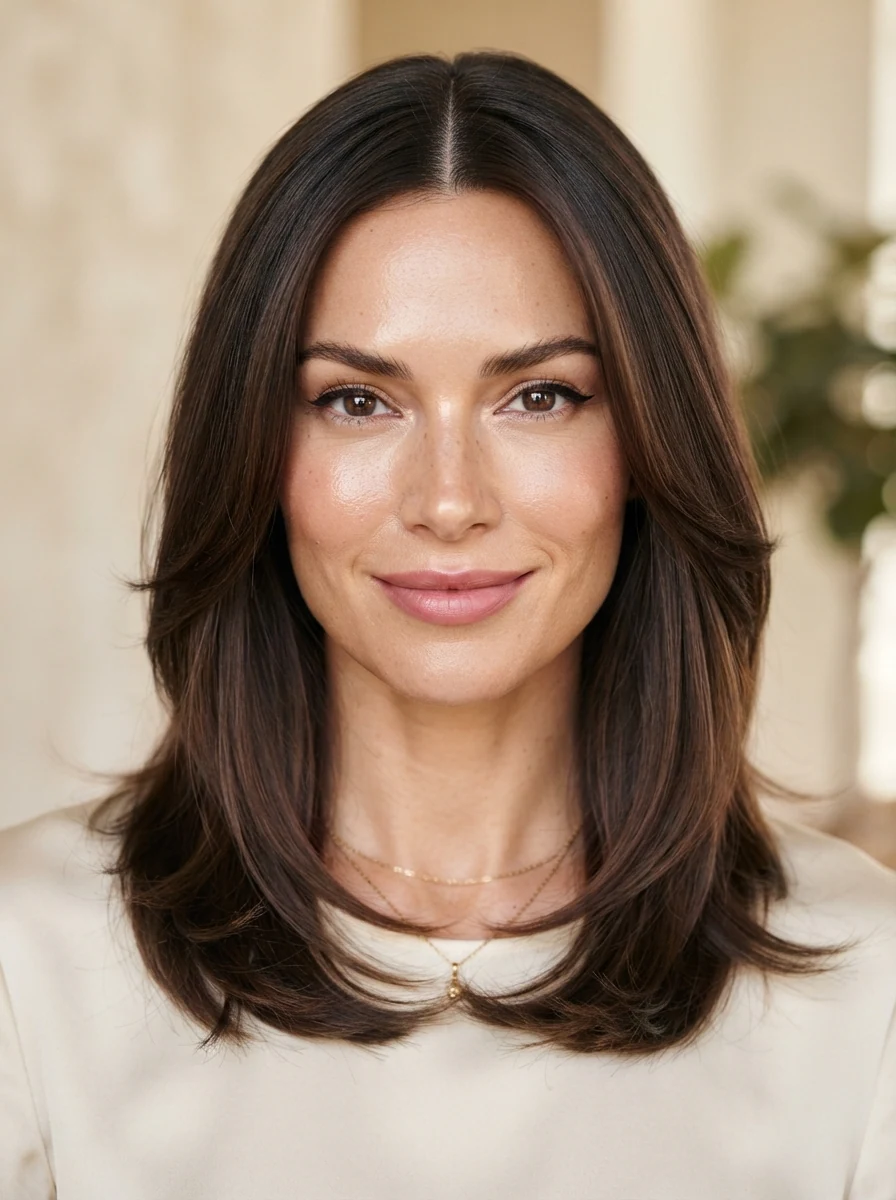
A middle part creates a balanced, symmetrical look. Because the part itself is simple, the layers become the main source of shape. Face-framing sections on both sides can soften the front while long layers create movement through the lengths.
This version works particularly well with straight or gently wavy hair.
8. Medium Layered Hair with a Side Part
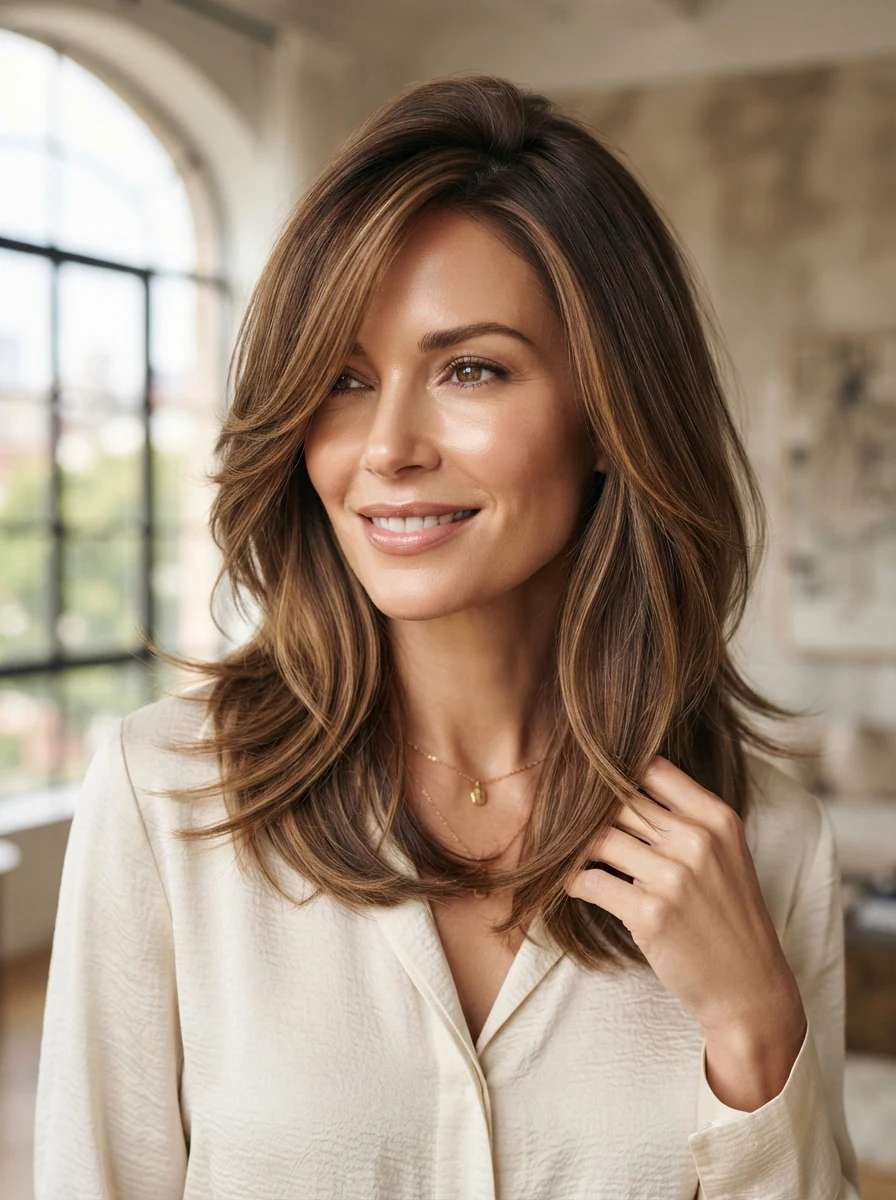
A side part changes the distribution of volume immediately. One side naturally becomes fuller while the other sits closer to the face. With layers, this can create an especially soft, flowing shape.
It is a useful option if a middle part makes your hair feel too flat.
9. Medium Layers for Fine Hair
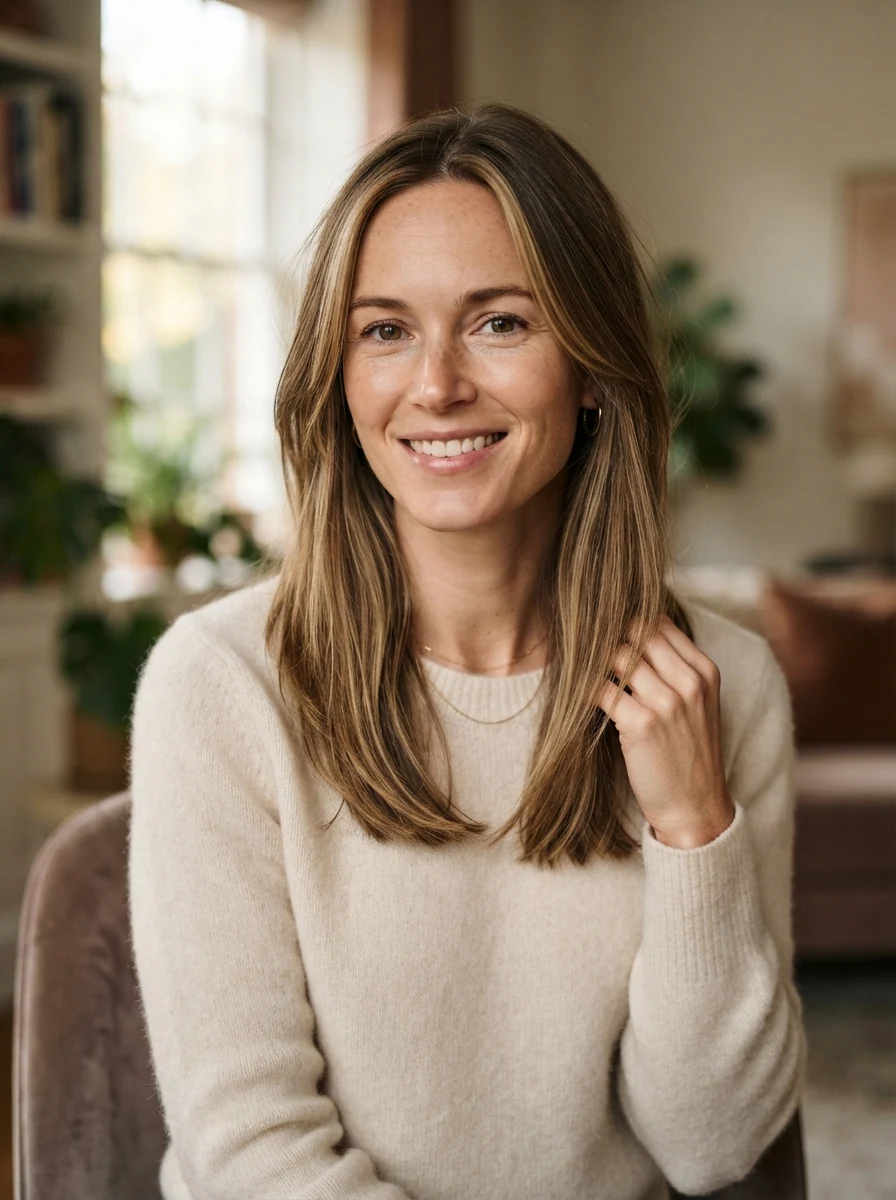
Fine hair can absolutely wear layers, but the amount of layering matters. If too much density is removed, the ends may look thinner. A stronger approach usually includes:
- longer layers
- minimal thinning
- subtle face framing
- a relatively full perimeter
The haircut should create movement without making fine hair look artificially fluffy.
10. Medium Layers for Thick Hair
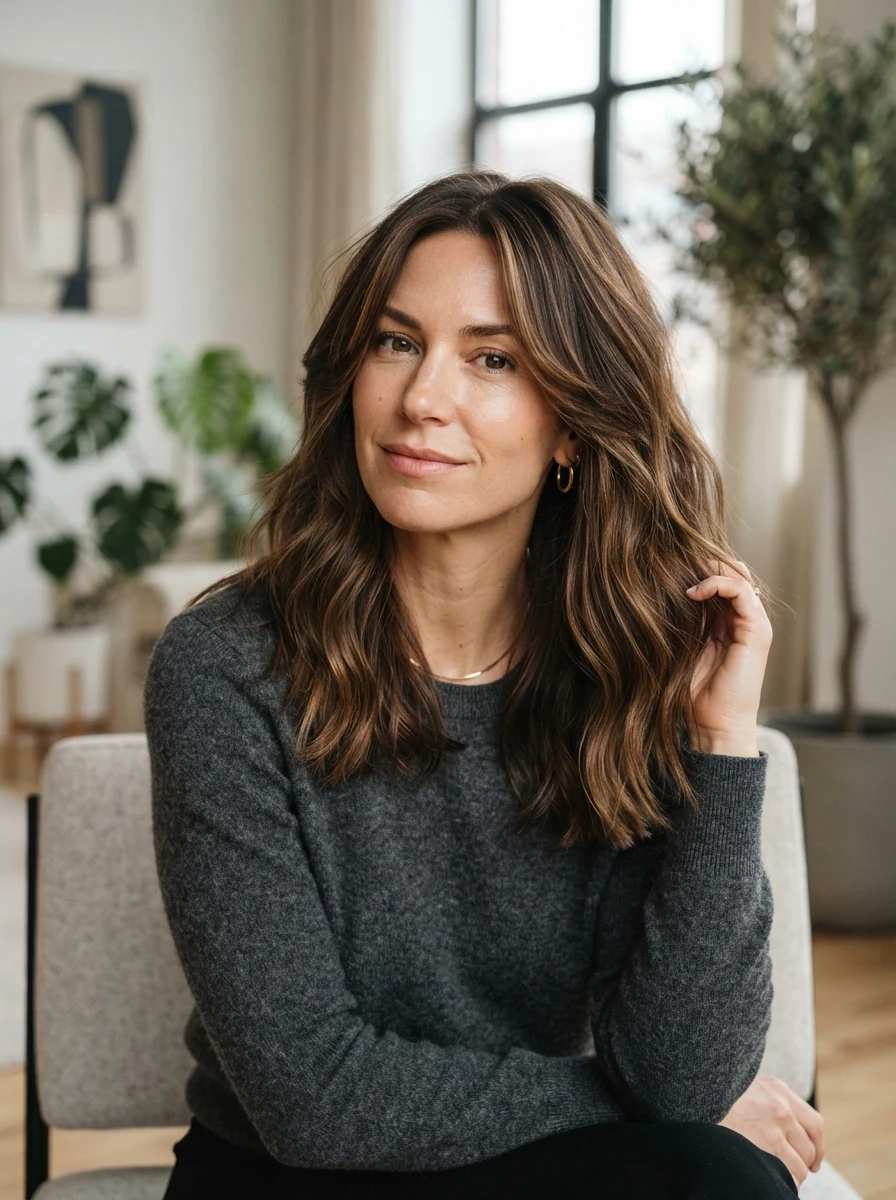
Thick hair can usually handle more internal layering. The goal is not to make the hair look thin. Instead, layers can help distribute weight so the haircut does not become excessively triangular or bulky.
The perimeter should still feel intentional and healthy.
11. Medium Layers for Straight Hair
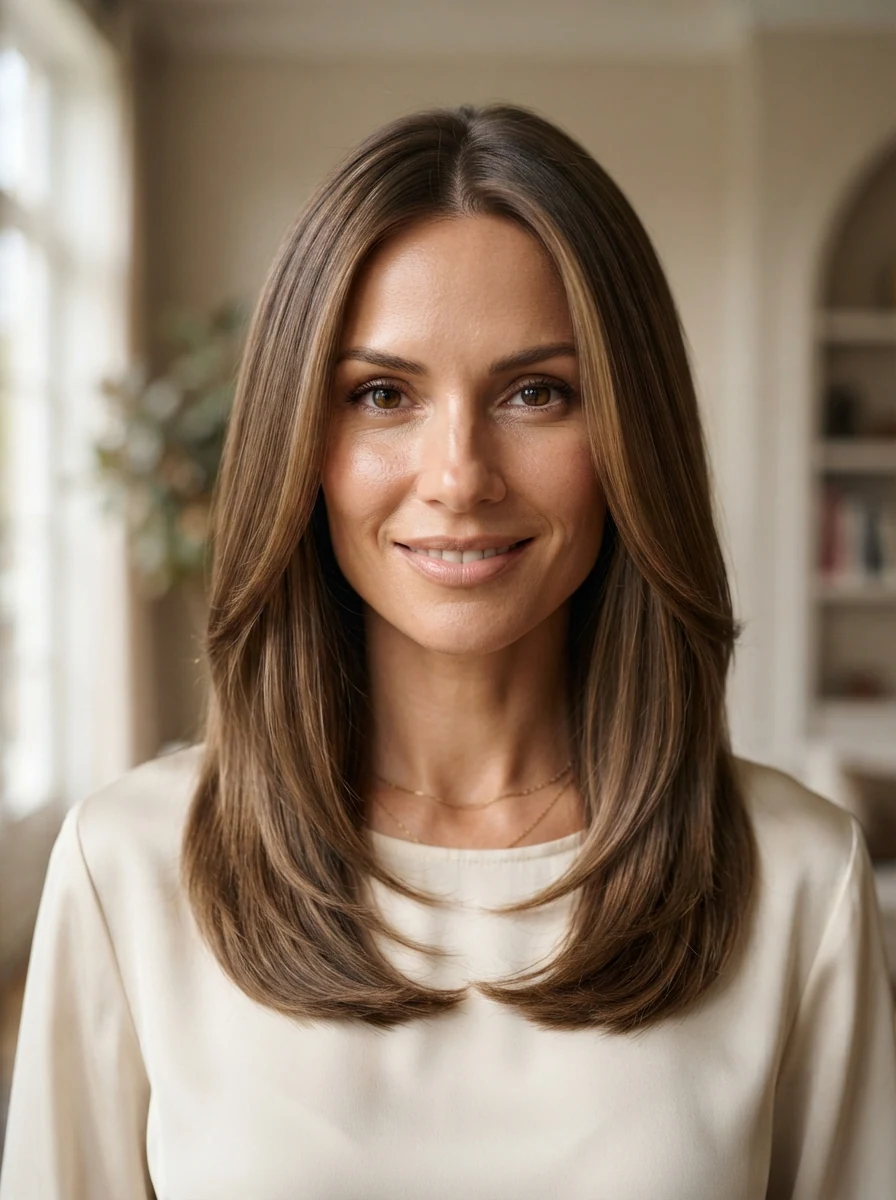
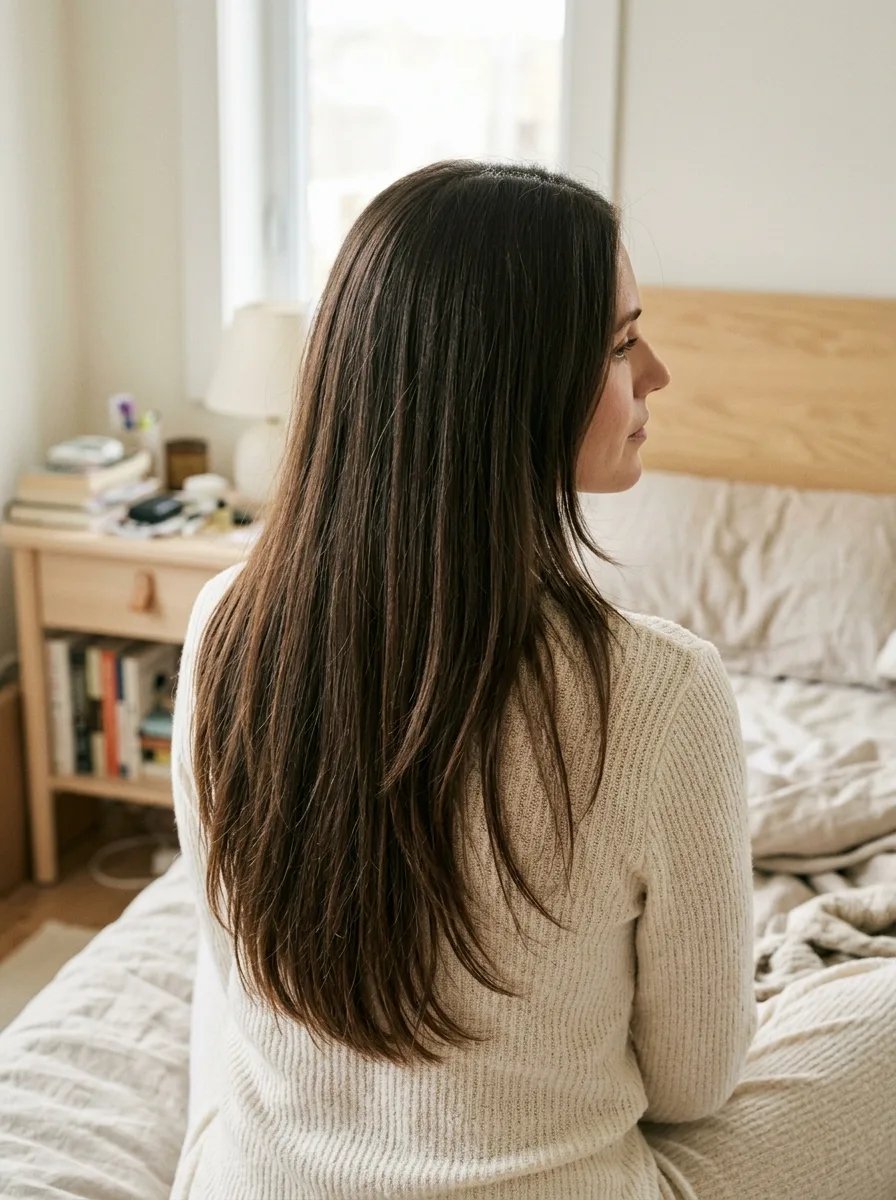
Straight hair makes the structure of a layered haircut very visible. That means the transitions need to be clean. Long layers work particularly well because they create movement without making the haircut look stepped.
A subtle inward bend at the ends can make the layers easier to see.
12. Medium Layers for Wavy Hair
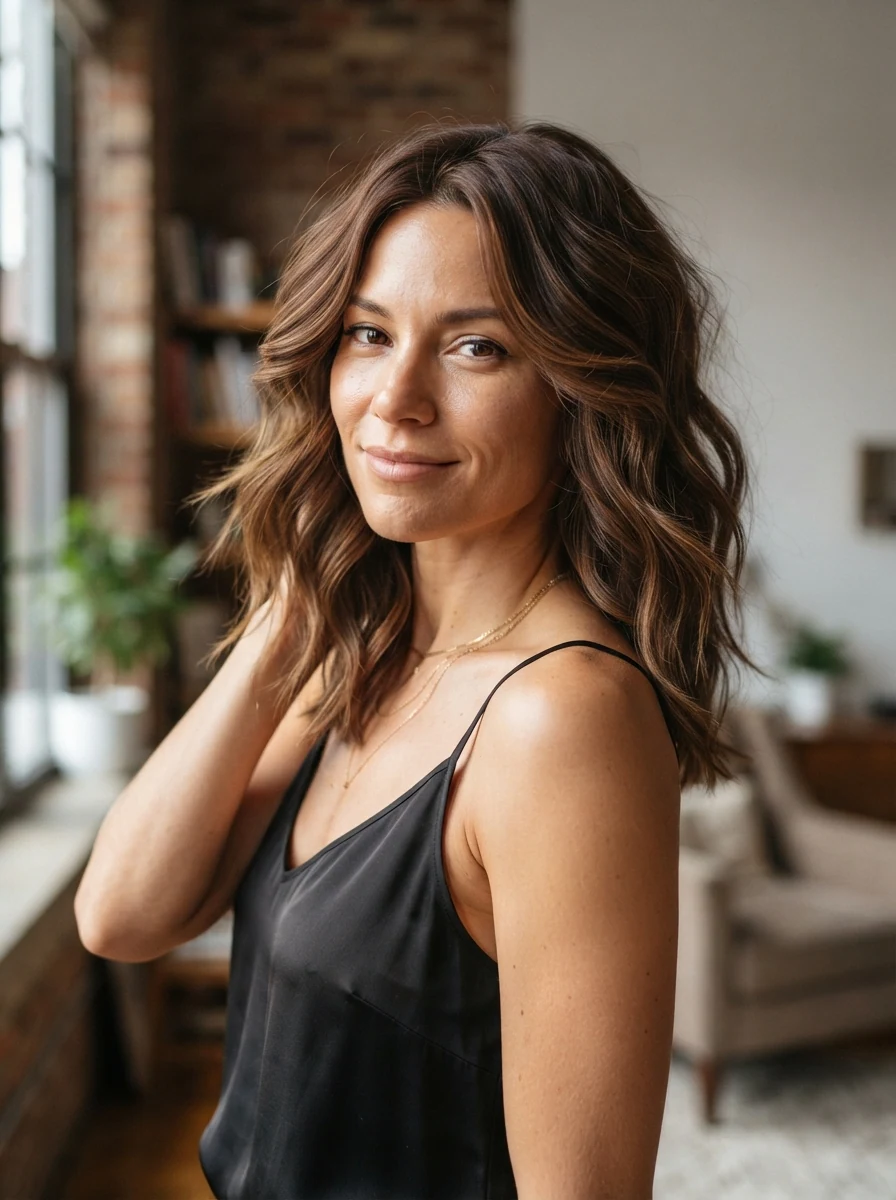
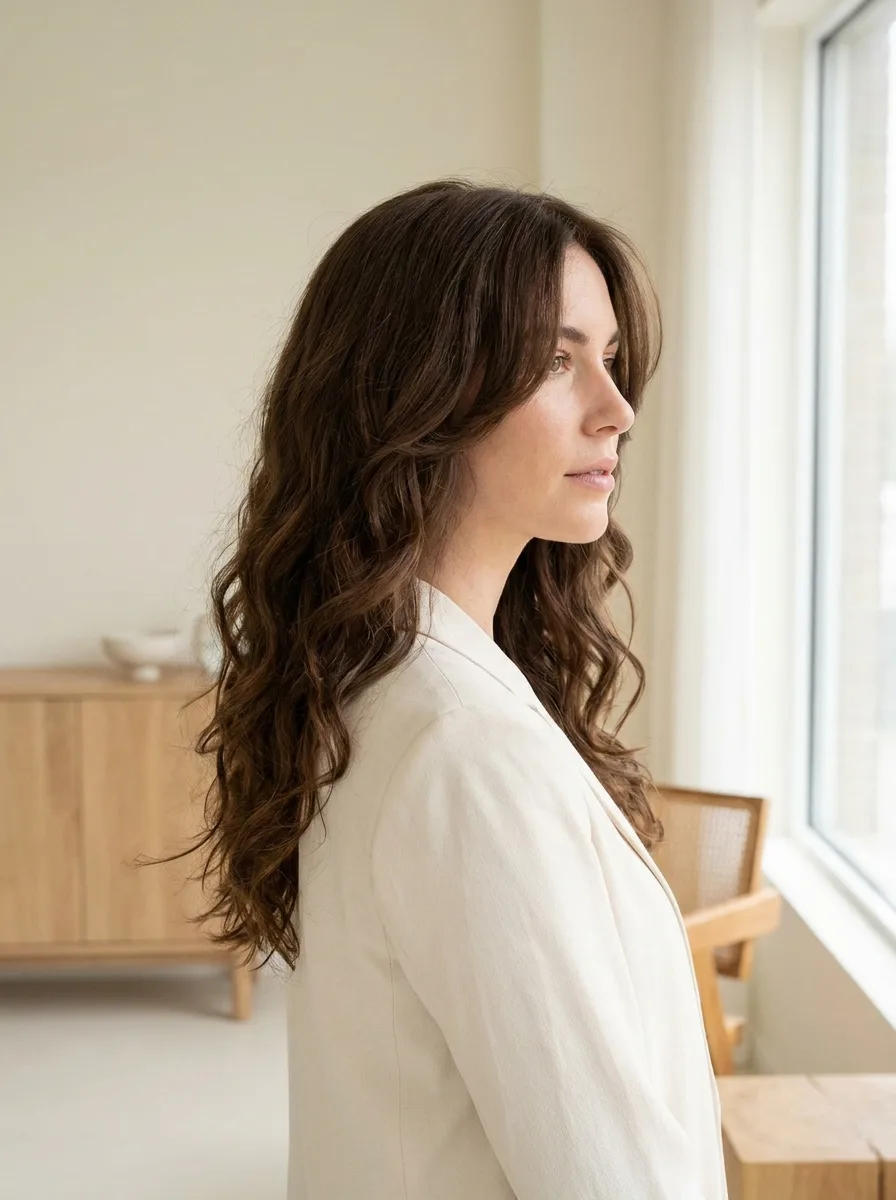
Natural waves often make layering easier to see without requiring much styling. The layers allow different wave sections to move more independently. This can prevent the haircut from feeling like one heavy block.
The shortest layers should still be long enough to work with the natural wave pattern.
13. Medium Layered Hair with Soft Waves
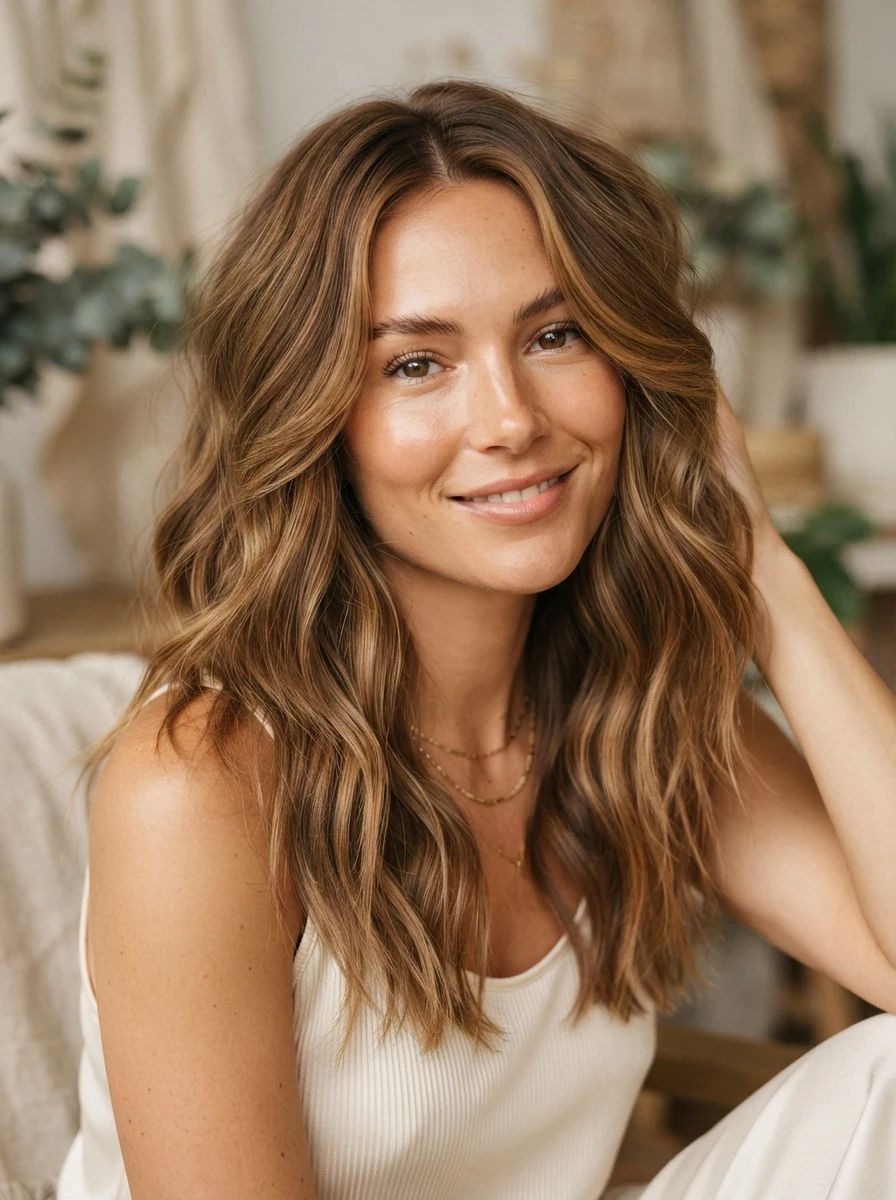
Even naturally straight hair can show off layers beautifully with soft waves. The most modern version uses broad bends rather than tight, identical curls. This lets the shorter and longer sections move independently and makes the haircut feel more dimensional.
14. Sleek Medium Layered Hair
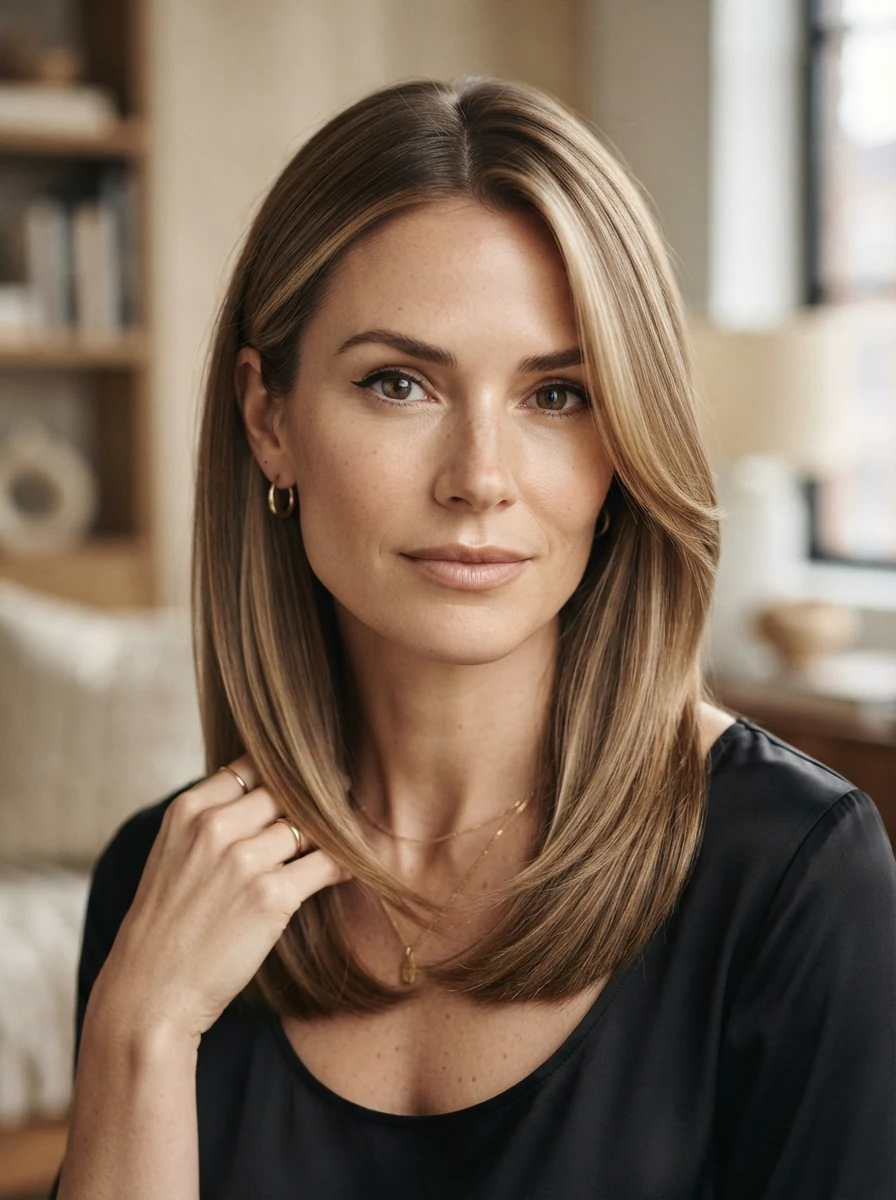
Layers do not have to mean lots of volume. A sleek finish can make the shape of a layered cut very clear. Longer layers work especially well because they create subtle movement without disrupting the smooth outline.
The result feels polished but less rigid than an all-one-length cut.
15. Medium U-Shaped Haircut with Layers
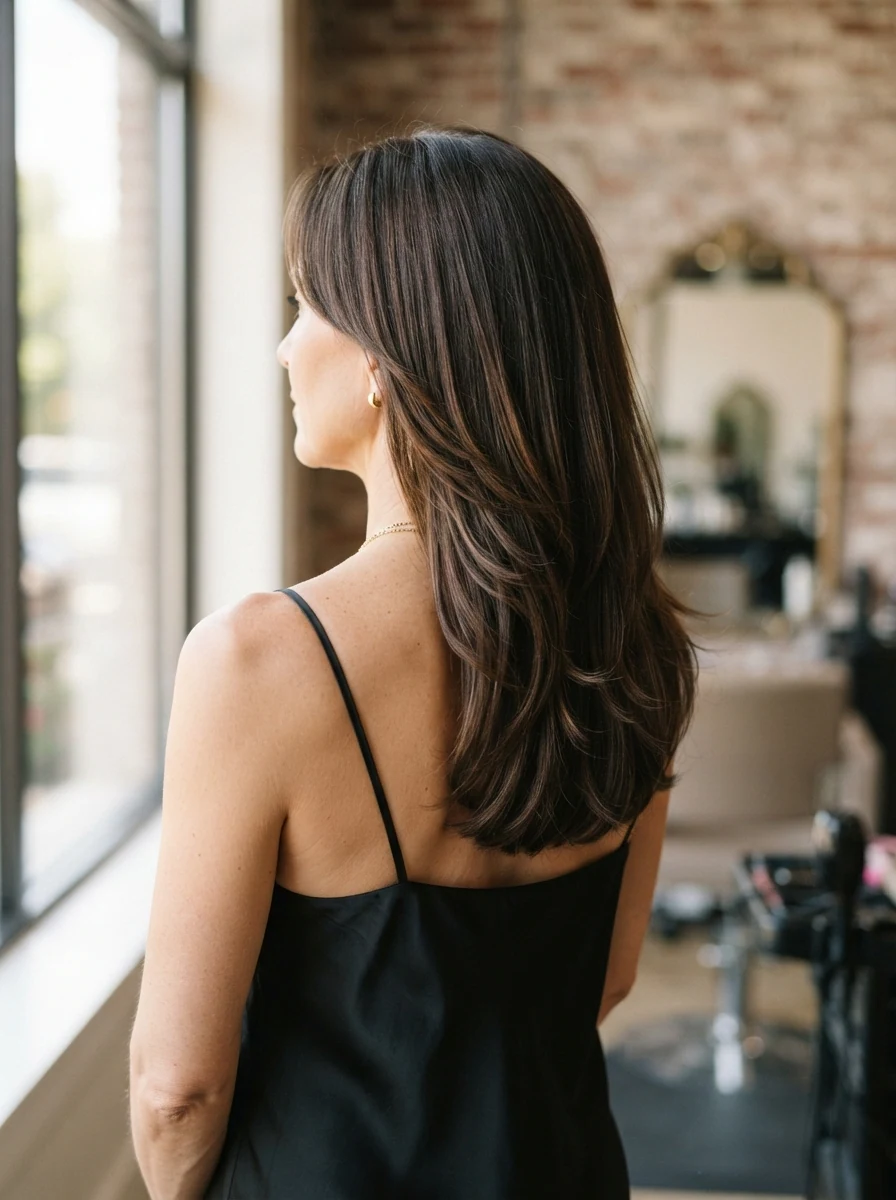
A soft U-shaped perimeter creates slightly more length through the center back while the sides become gradually shorter. Combined with layers, this can create a flowing shape without losing too much overall density. It works particularly well when the hair reaches the collarbones or slightly below.
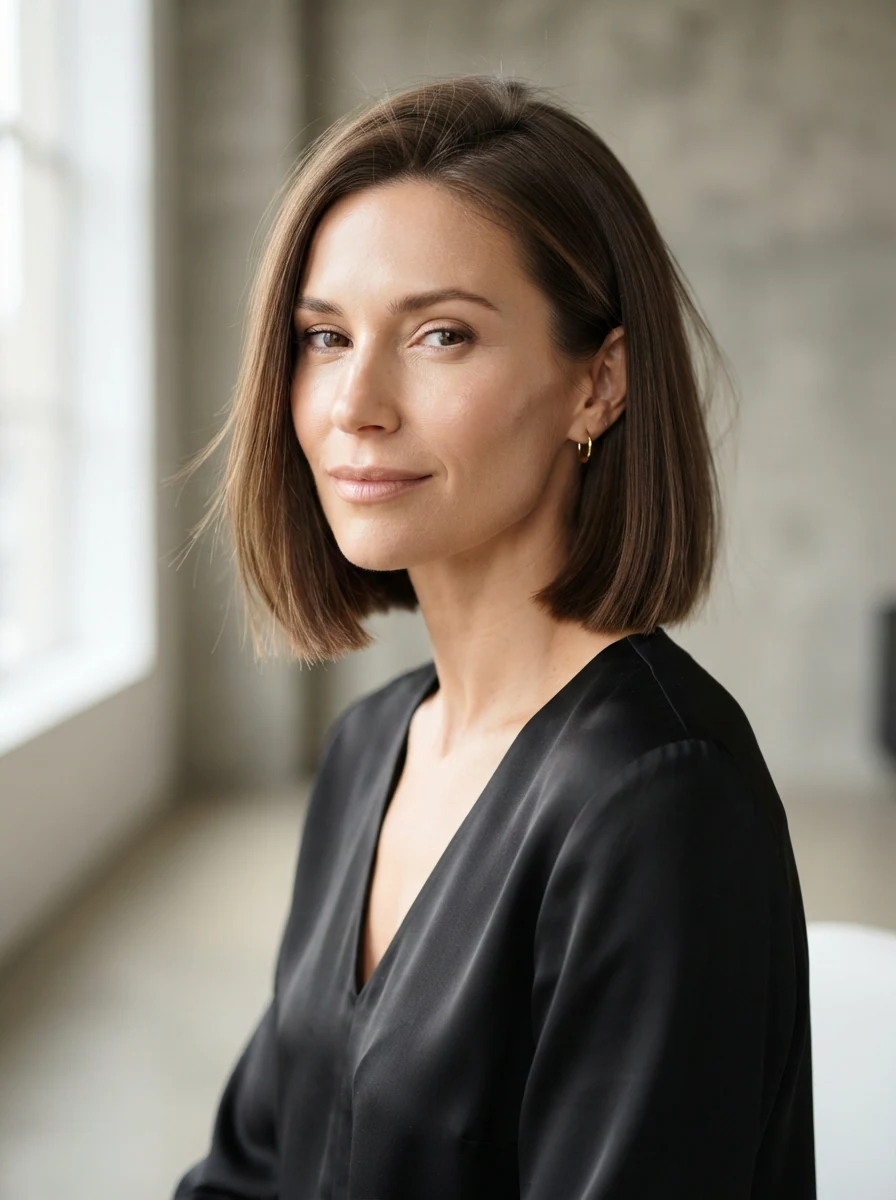
16. Medium Layered Lob
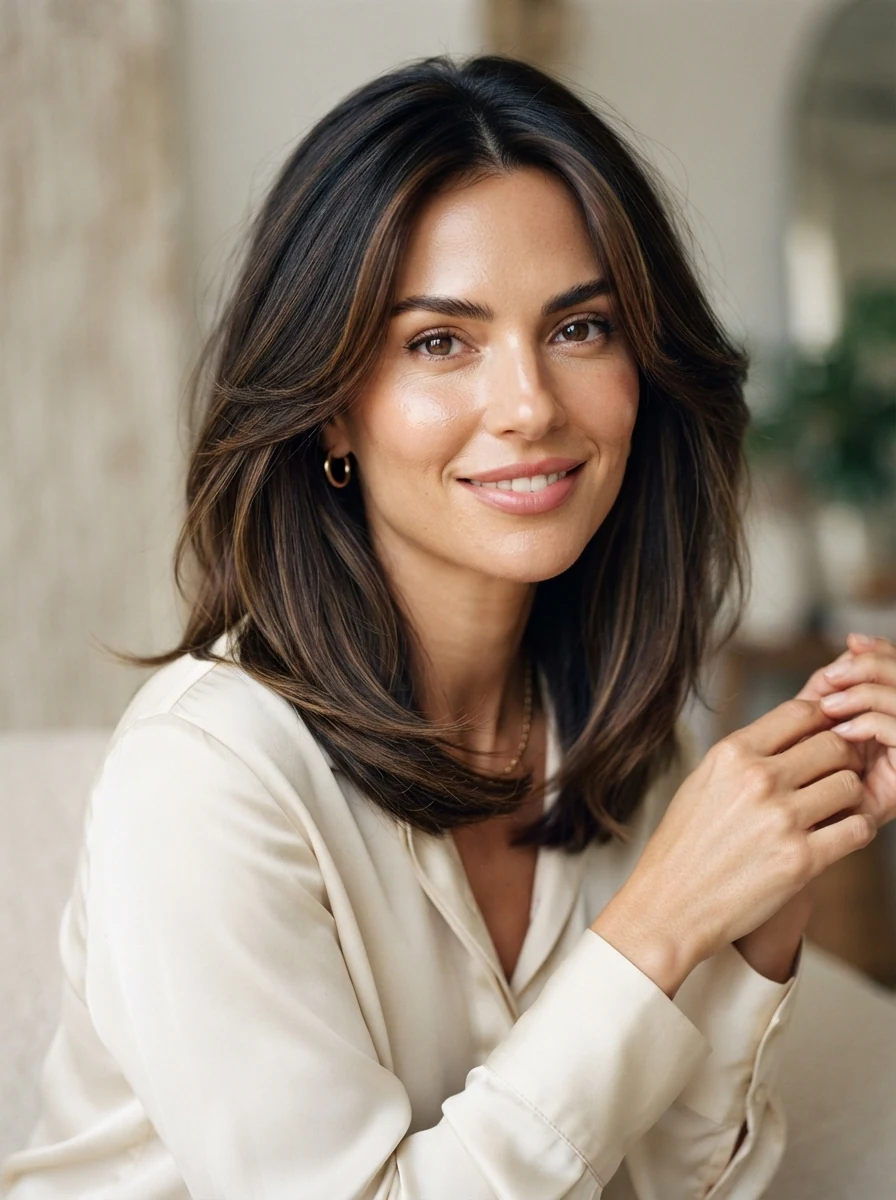
A layered lob combines the structure of a long bob with softer internal movement. Unlike a very choppy lob, the layers should remain blended. This is useful if you want:
- the clean shape of a lob
- less heaviness
- slightly more movement
- easier wave styling
17. Medium Layers with Wispy Bangs
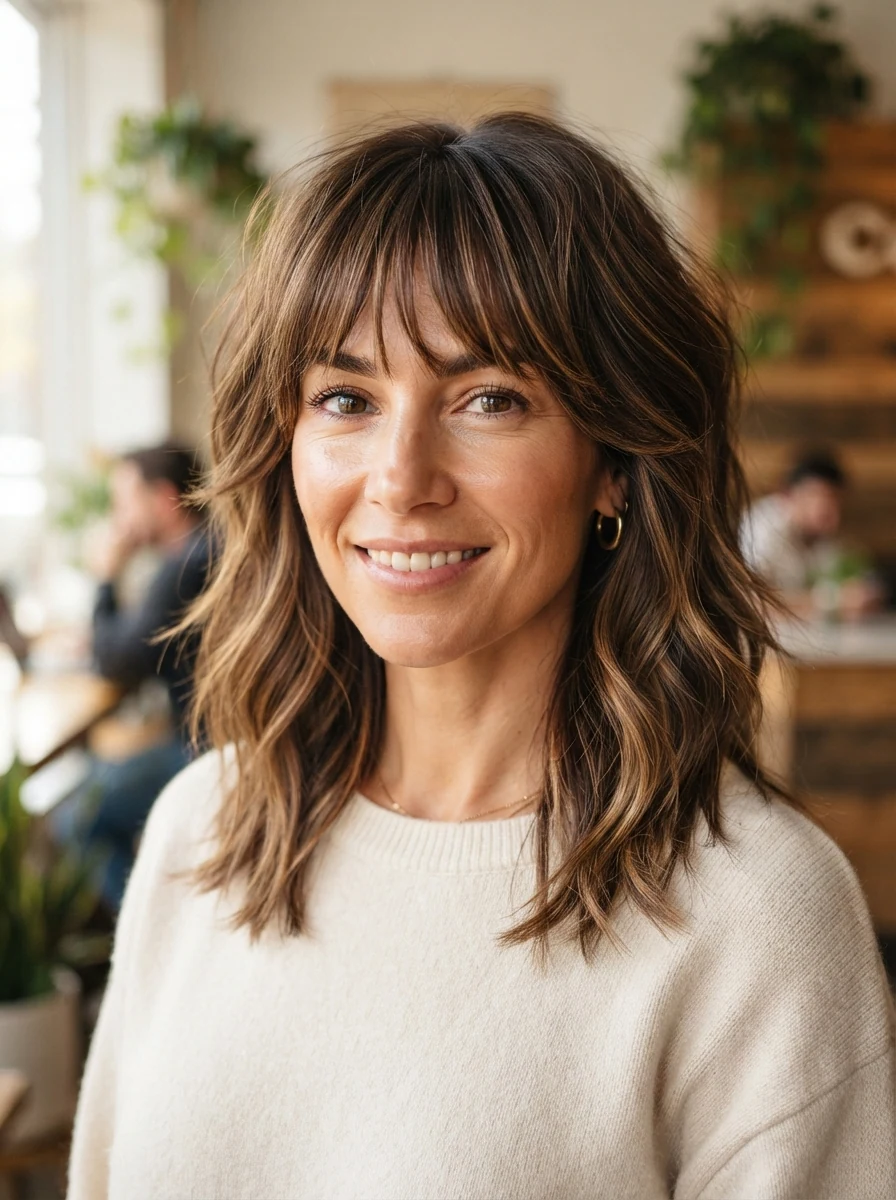
Wispy bangs can make medium-length layers feel lighter around the face. They work best when the fringe connects naturally into the shortest front layers. The bangs should remain airy, but the rest of the haircut should keep enough density to avoid looking too thin.
18. Medium Layered Hair with Flipped Ends
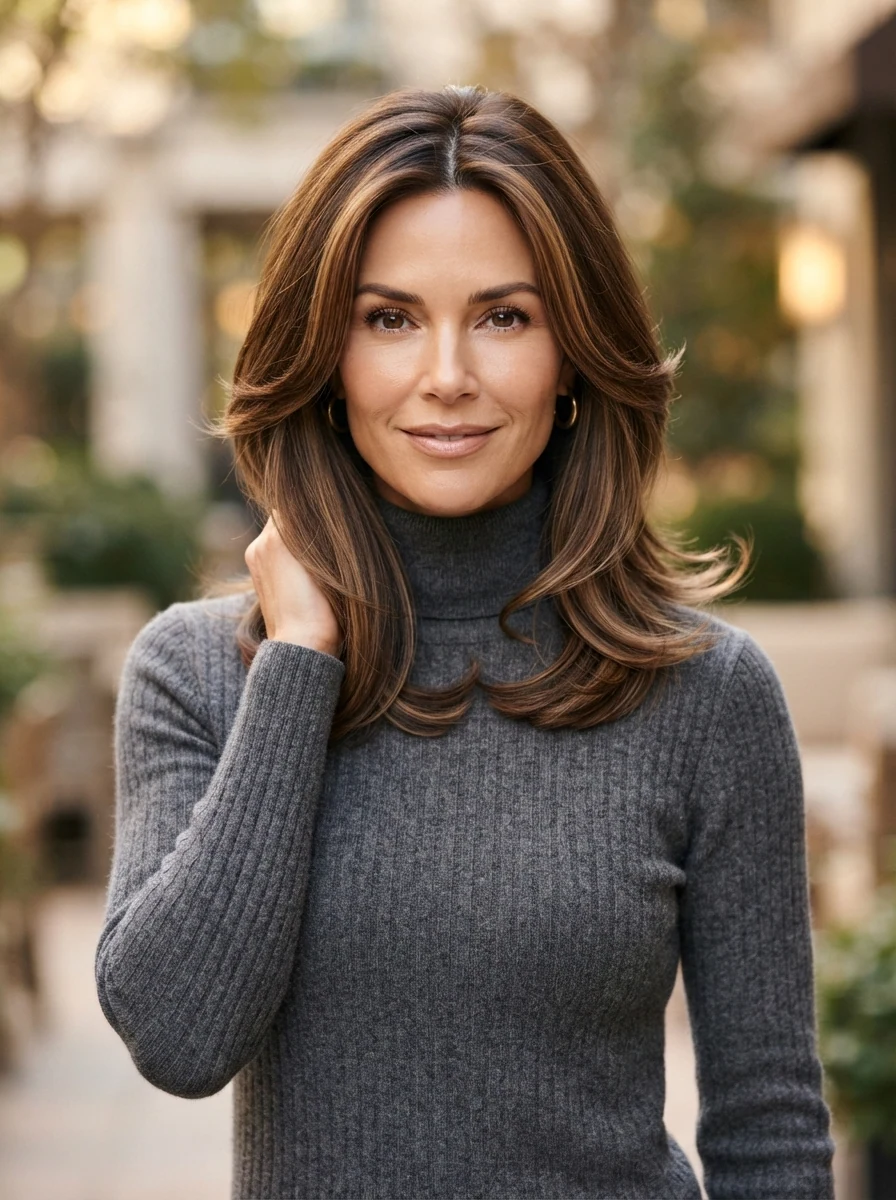
Flipped ends create a playful way to show off the layers. The effect should be subtle rather than heavily retro. A few outward bends through the ends can make the different lengths more visible and create extra movement around the shoulders.
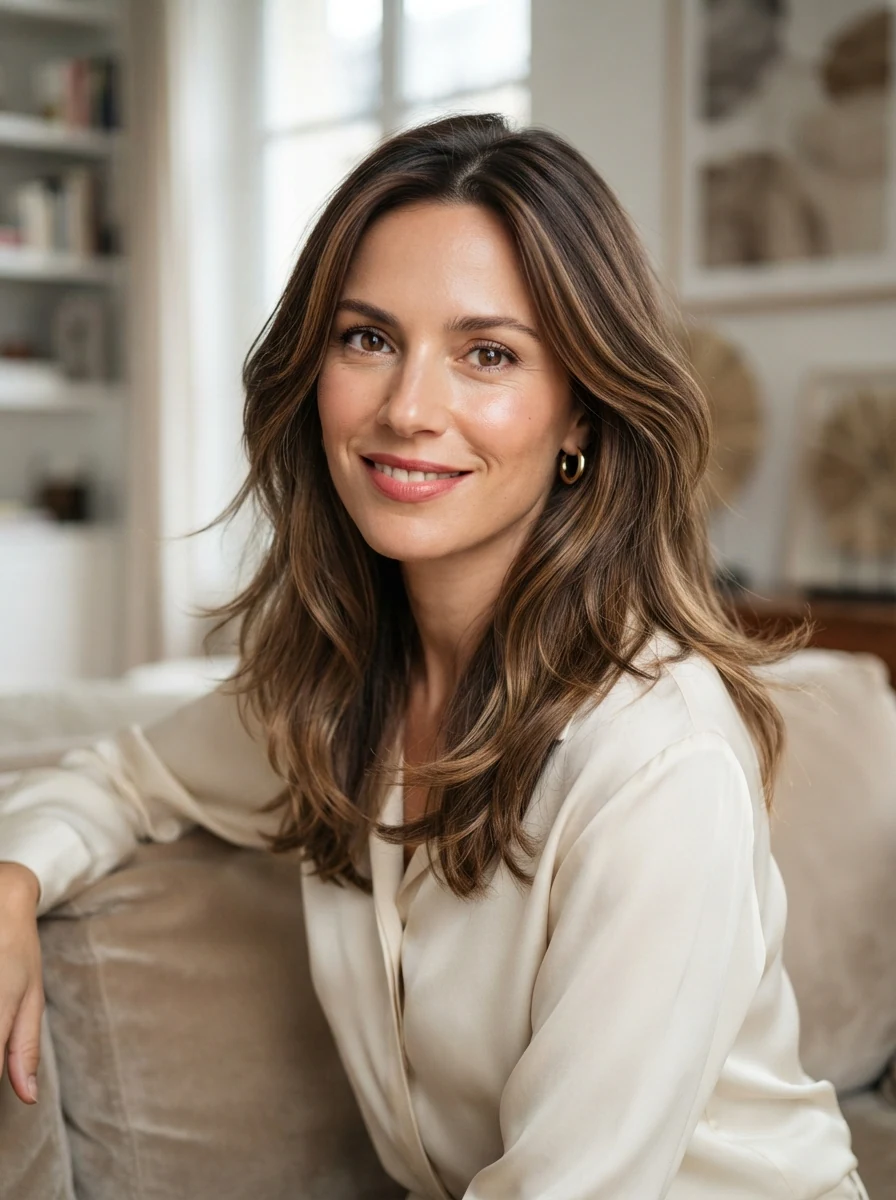
19. Medium Layers with Balayage
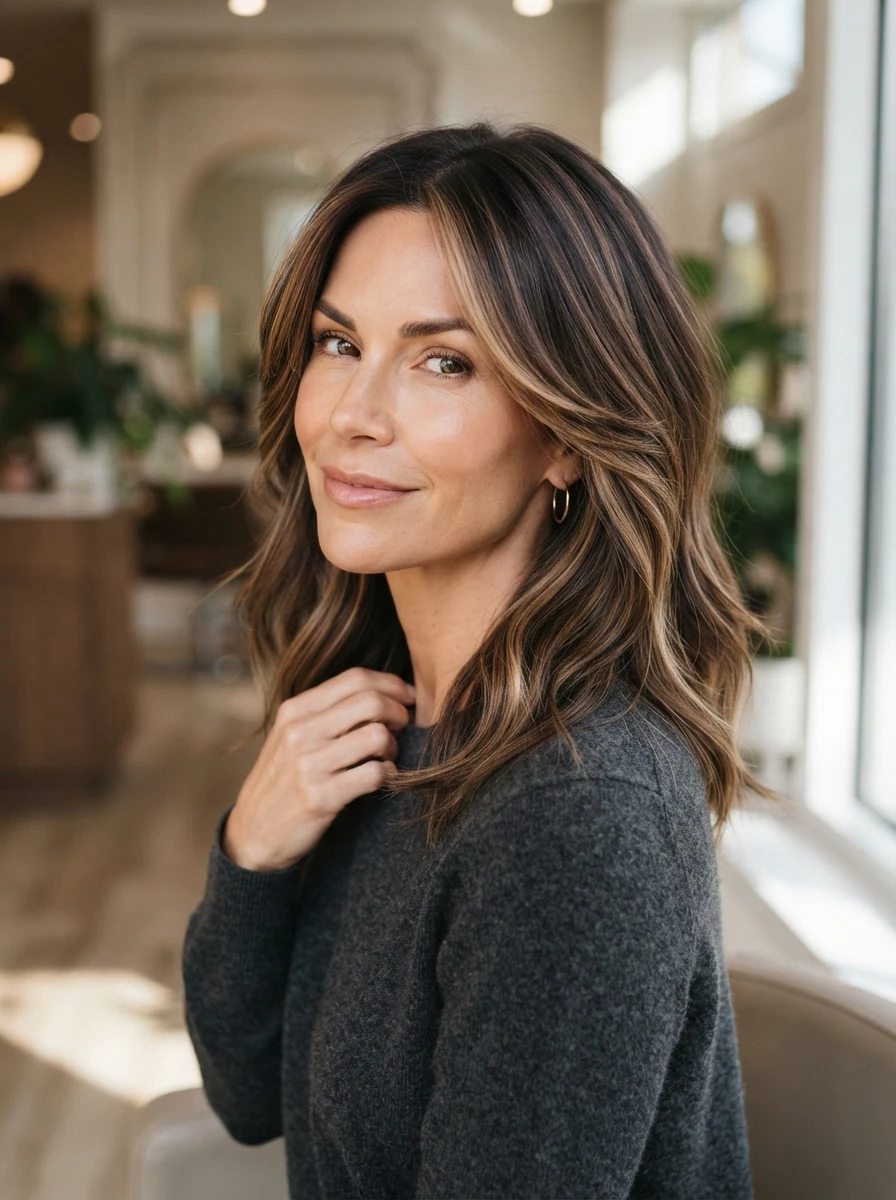
Balayage can visually emphasize layered movement. Lighter pieces placed around the face and through selected lengths create contrast between different sections of the haircut. The effect works especially well with waves because the color catches light differently across each bend.
20. Medium Layered Hair Over 50
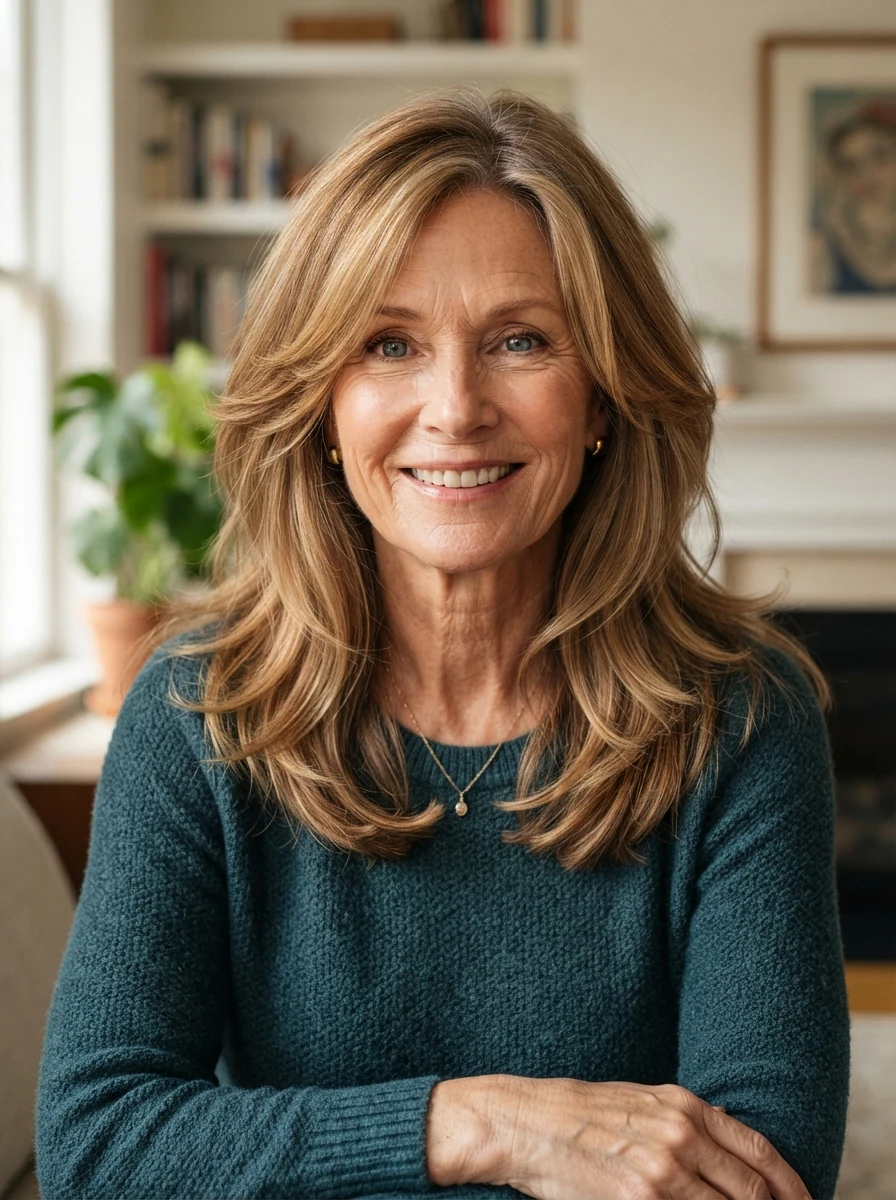
Medium length can be especially versatile over 50 because it keeps enough length for styling while avoiding the weight of very long hair. Layers can be adapted depending on density. Fine hair may benefit from longer, minimal layers.
Thicker hair can usually handle more internal movement. Soft face framing and a side part can make the overall haircut feel particularly polished.
21. Undone Medium Layered Hair
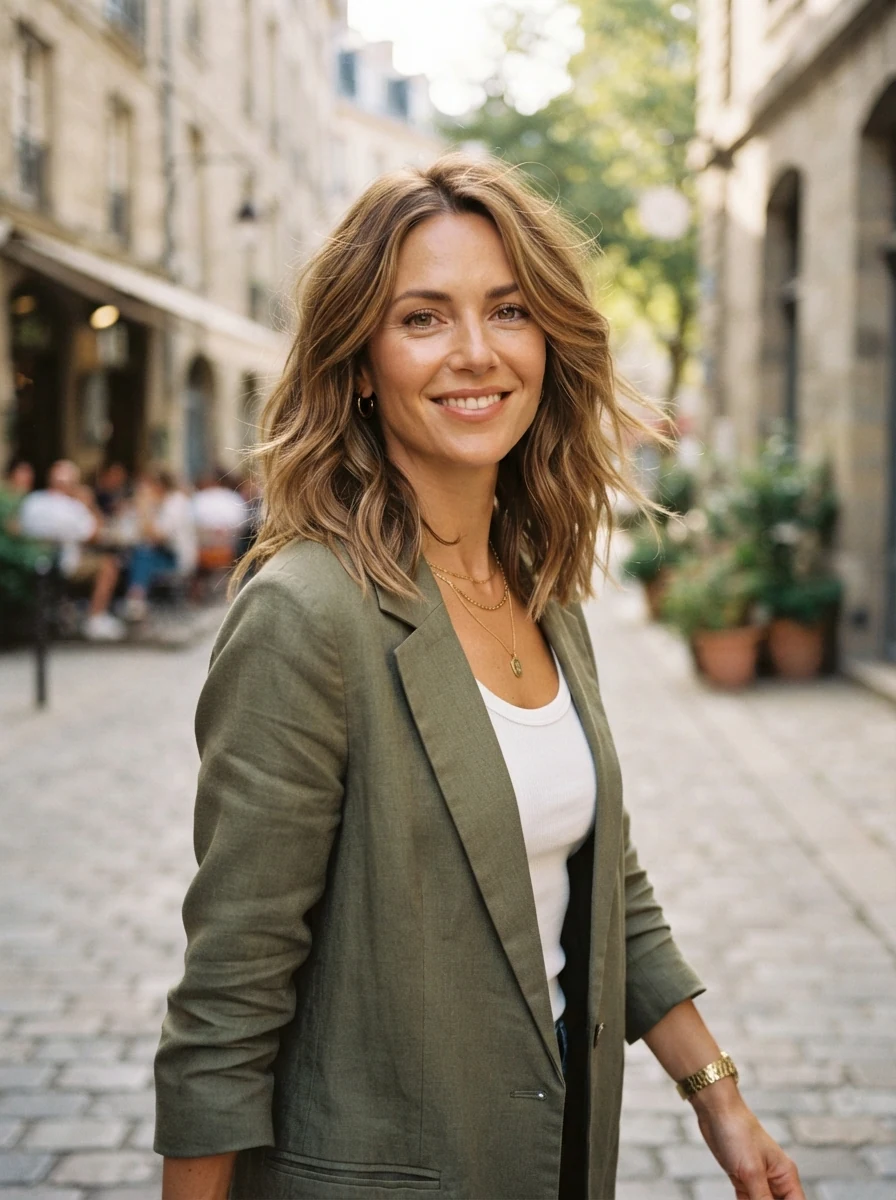
An undone finish makes layered hair feel more relaxed. The goal is not to make the hair messy. Instead, let:
- some strands separate naturally
- waves vary slightly
- ends fall in different directions
- small flyaways remain visible
This creates texture without making the haircut look over-styled.
What Is a Medium Length Layered Haircut?
A medium layered haircut usually falls somewhere between the jaw and the upper chest, with shoulder and collarbone lengths being the most common. Layers create different lengths within that overall shape. Those layers may be:
- concentrated around the face
- distributed through the interior
- placed mostly through the ends
- combined with bangs
The exact effect depends heavily on where the shortest layer begins.
Where Should Layers Start on Medium Hair?
There is no single correct starting point. Different starting points create different shapes.
Cheekbone Layers
Create stronger face framing and more visible movement.
Chin-Length Layers
Feel softer and blend easily into medium-length hair.
Below-the-Chin Layers
Preserve more density and create a subtler effect. If you are unsure, longer layers are usually the less dramatic starting point.
Are Layers Good for Medium Length Hair?
Yes, particularly when the haircut feels heavy or lacks movement. Layers can help:
- soften the silhouette
- create dimension
- support waves
- frame the face
- remove unwanted bulk
But the amount of layering should match the hair’s natural density.
Should Fine Medium Hair Have Layers?
Fine hair can have layers, but restraint is important. Very short or numerous layers can reduce the visual density of the ends. A stronger approach often includes:
- long layers
- face framing
- minimal thinning
- a fuller perimeter
That creates movement without sacrificing too much weight.
Should Thick Medium Hair Have Layers?
Thick hair often benefits from layers because they can reduce internal bulk. Without layering, shoulder-length thick hair can become wide around the bottom. Long, blended layers can make the shape easier to manage while preserving plenty of density.
Are Layers Good for Straight Hair?
Yes. Straight hair shows layering very clearly, which can create beautiful movement even without waves. The key is keeping the transitions well blended.
Poorly connected layers are much more visible on straight hair than on curly or wavy hair.
Are Layers Good for Wavy Hair?
Yes. Layers can help different wave sections form more freely. However, layers that are too short may spring up more than expected.
The natural wave pattern should be considered before deciding where the shortest pieces begin.
Medium Layers with Curtain Bangs
Curtain bangs are one of the easiest additions to a layered medium haircut because they naturally create the first step of face framing. The outer fringe can transition into:
- cheekbone layers
- chin-length sections
- longer shoulder layers
That makes the haircut feel connected rather than like bangs were added separately.
Curtain Bangs or Side Bangs with Layers?
Both can work.
Curtain Bangs
Create:
- symmetry
- center-opening movement
- soft face framing
Side Bangs
Create:
- asymmetry
- more directional movement
- stronger side-part styling
Your preferred part often determines which option feels more natural.
What Is the Difference Between Layers and Face Framing?
Layers can appear throughout the haircut. Face framing refers specifically to shorter pieces around the front. You can have:
- full layers with no dramatic face framing
- strong face framing with very little layering in the back
- both together
This is useful if you want movement around your face but still want the back to remain fairly full.
Butterfly Layers vs Regular Layers
Butterfly-inspired cuts usually create more obvious shorter sections around the face and crown. Regular long layers may begin lower and feel less dramatic. On medium hair, butterfly layers should usually be adjusted carefully because there is less total length available than on long hair.
If the top layers become too short, the haircut can start to resemble a shag.
Medium Layers vs Shag
A shag typically has:
- shorter crown layers
- more dramatic length differences
- stronger texture
- a less compact perimeter
A classic medium layered haircut usually keeps:
- longer transitions
- more weight at the bottom
- softer structure
If you want movement without a heavily textured look, longer blended layers are usually the safer direction.
Medium Layers vs a Layered Lob
A layered lob keeps a more obvious long-bob structure. The perimeter usually feels cleaner and more compact. A general medium layered haircut can have more flowing lengths and does not need to preserve a bob silhouette.
Do Layers Add Volume?
Layers can create movement and reduce weight, which may make the hair feel more lifted. But they do not physically increase density. On very fine hair, too many layers can actually make the haircut look thinner.
The best result comes from balancing movement with enough weight.
How Do You Style Medium Layered Hair?
Different styling methods highlight different parts of the haircut.
Soft Waves
Make the layers more visible through movement.
Sleek Styling
Shows the actual cut structure.
Blowout
Creates more lift and curved movement.
Undone Texture
Emphasizes individual sections without making everything uniform.
How Do You Style Face-Framing Layers?
The front pieces can be styled:
- away from the face
- slightly inward
- straight
- softly waved
Styling them away from the face usually gives the most open, airy effect. The movement should begin gently rather than creating a dramatic curl.
Which Part Works Best with Medium Layers?
A center part creates a more balanced look. A side part can create:
- more root lift
- asymmetry
- softer movement on one side
Neither is universally better. The natural direction of your hair often makes one easier to maintain.
What Hair Colors Show Layers Best?
Dimensional color makes layering easier to see because different sections catch light differently. Strong choices include:
- brunette balayage
- caramel highlights
- beige blonde
- honey blonde
- dimensional brown
- subtle babylights
Solid hair colors can still look beautiful, especially when the cut itself has enough movement.
How Often Should Medium Layers Be Trimmed?
The answer depends on how structured the haircut is. Face-framing pieces may lose their shape sooner than the longer back layers. If you prefer a very defined layered silhouette, trims may be needed more frequently than if you prefer a soft grown-out look.
Are Medium Layers Easy to Grow Out?
Long layers generally grow out relatively smoothly because the differences between lengths are not extreme. Shorter butterfly or crown layers may take more time to blend into the rest of the haircut. If easy grow-out matters to you, keeping the shortest layer around the chin or lower can help.
Medium Layered Hair Over 50
Medium layers are not age-specific. Over 50, the amount of layering can simply be adjusted to the hair’s current density and texture.
For finer hair, preserving the lower perimeter is often especially useful. For thicker hair, internal layers can reduce heaviness. Gray and silver hair can also show layered movement beautifully because natural tonal variation adds dimension.
Common Mistakes with Medium Layered Hair
A layered haircut can become difficult to style when too much weight is removed. Common problems include:
- layers beginning too high
- excessive thinning
- disconnected face framing
- very wispy ends
- too many short crown layers
- using layers to force volume that the hair cannot naturally support
A good layered cut should still look intentional when it is not freshly blow-dried.
Frequently Asked Questions
What is the best layered haircut for medium length hair?
Long blended layers with face framing are among the most versatile choices because they create movement while preserving the overall length.
Should shoulder-length hair have layers?
It can. Layers can prevent shoulder-length hair from feeling heavy or blocky, especially on thick or wavy hair.
Do layers make medium hair look fuller?
They can create movement and lift, but too many layers may reduce visible density, especially on fine hair.
What layers are best for fine medium hair?
Long layers, subtle face framing and minimal thinning usually preserve density best.
What layers are best for thick medium hair?
Long internal layers can help distribute bulk while keeping the perimeter healthy.
Do curtain bangs work with medium layered hair?
Yes. Curtain bangs connect naturally with face-framing layers and are especially suited to shoulder and collarbone lengths.
Can straight medium hair have layers?
Yes. Straight hair can show long, clean layers especially well.
Can wavy medium hair have layers?
Yes. Layers often help natural waves move more freely, as long as the shortest pieces are not cut too short.
What is the difference between a layered lob and medium layered hair?
A layered lob keeps a more recognizable long-bob outline, while medium layered hair can have a softer, less structured perimeter.
Final Thoughts
A medium length haircut with layers can be as subtle or as noticeable as you want. If you want just a little movement, start with:
- long layers
- soft face framing
- a full perimeter
If you want more visible shape, consider:
- curtain bangs
- butterfly-inspired front layers
- a side part
- soft waves
For fine hair, preserving density should stay the priority. Long layers and limited thinning usually create a stronger result than lots of short pieces. For thick hair, more internal layering can make the haircut lighter and easier to style without sacrificing its fullness.
Straight hair benefits from clean, carefully blended transitions. Wavy hair can use layers to give individual bends more freedom. And if you are unsure where to begin, a collarbone-length cut with long layers starting below the chin is one of the easiest combinations to wear and grow out.
The strongest layered haircut is not necessarily the one with the most layers. It is the one where the starting point, overall length, density, and natural texture all work together to create movement without sacrificing the shape of the haircut.