17 Layered Haircuts That Add Shape and Movement Without Losing Your Length
Layers can change a haircut without necessarily taking away the length that made you choose it in the first place.
That is why layered haircuts remain such a useful foundation for hair inspiration.
The difference between good layering and unnecessary layering is placement. A long layer through the ends creates a different effect from a shorter crown layer. A face-framing section can change how the haircut sits around the cheeks. Layers in curly hair have to account for shrinkage, while fine hair often benefits from more restraint.
The ideas below are designed to help you compare those differences rather than treating every layered haircut as interchangeable.
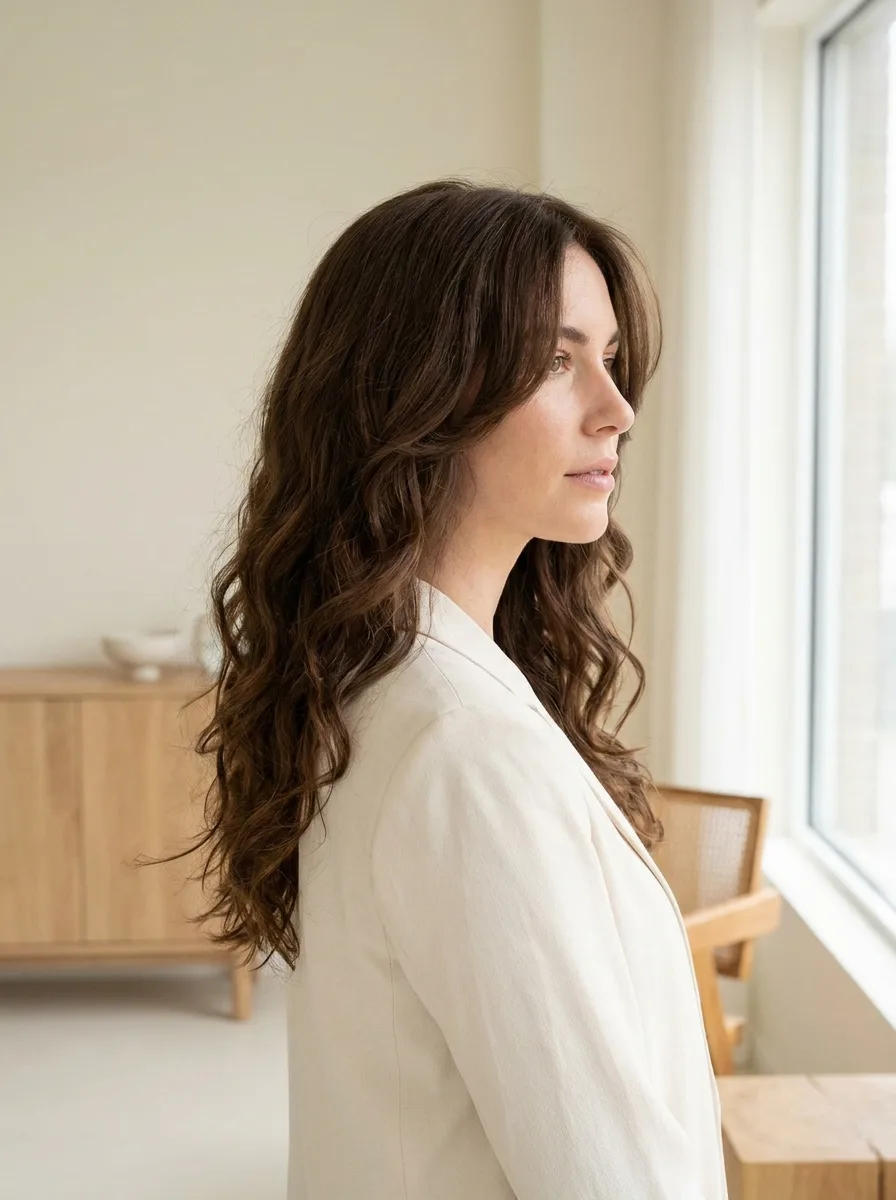
1. Long Soft Layers
Long soft layers are ideal when you want movement without dramatically changing your silhouette.
Most of the visual length stays intact, while a few longer sections create subtle separation through the ends. This is one of the easiest layered approaches to grow out naturally.
2. Collarbone Layers
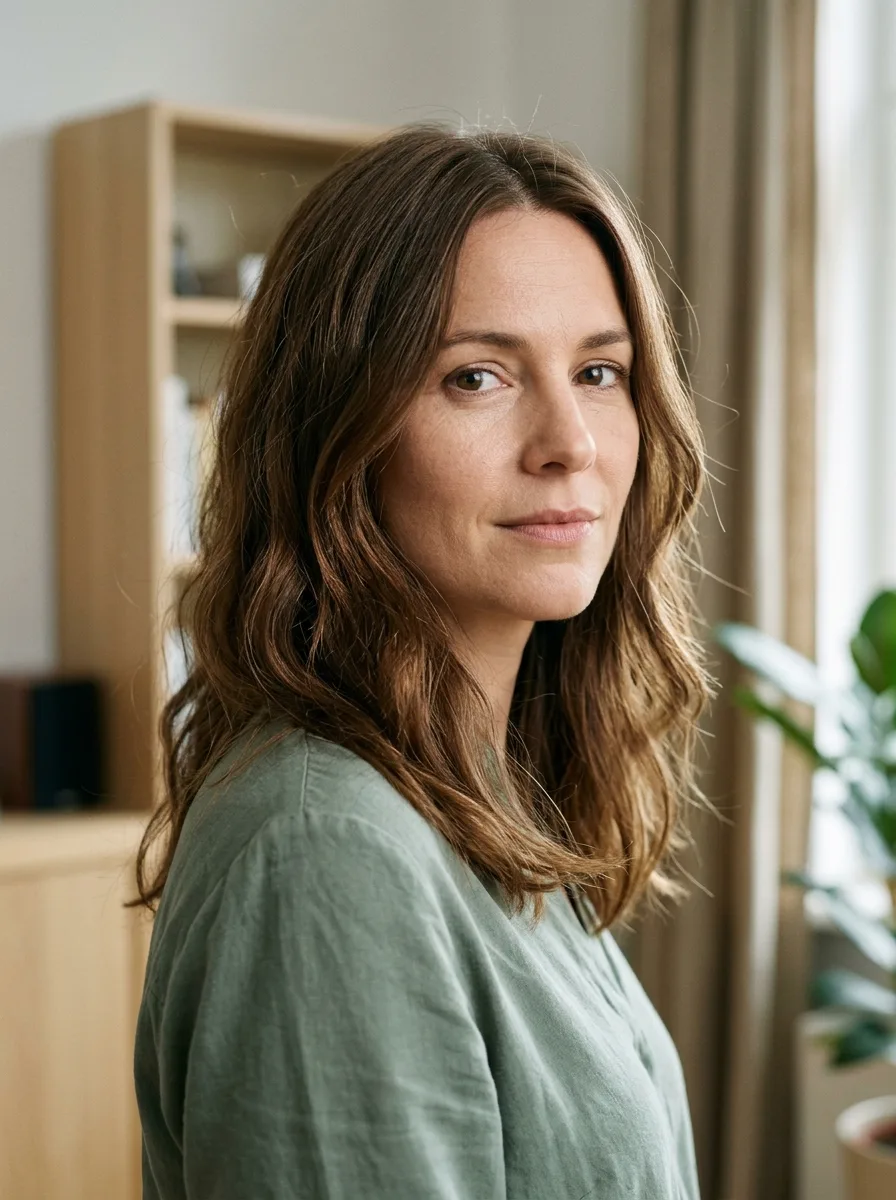
Collarbone layers work particularly well on medium-length hair.
The haircut keeps enough weight around the lower lengths to remain polished, while layers through the sides prevent the shape from becoming too solid.
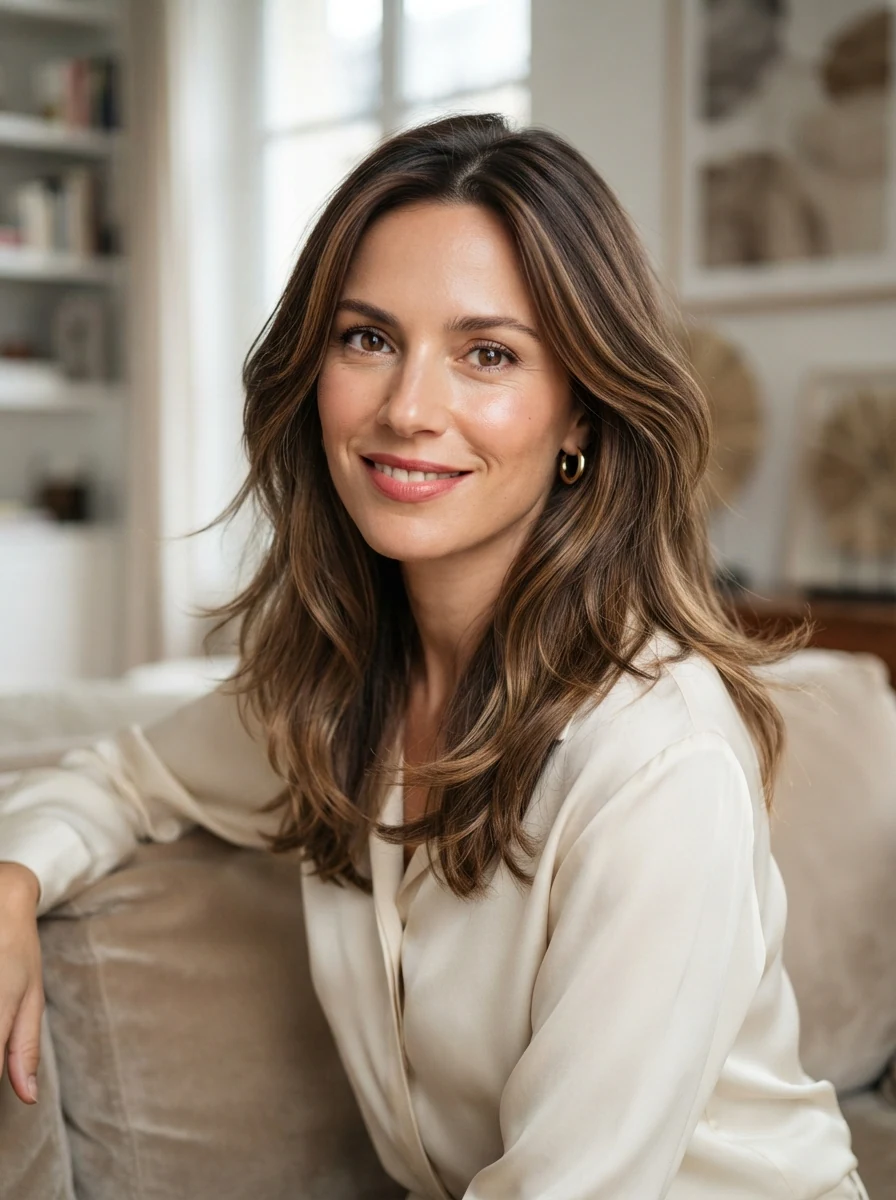
3. Face-Framing Layers
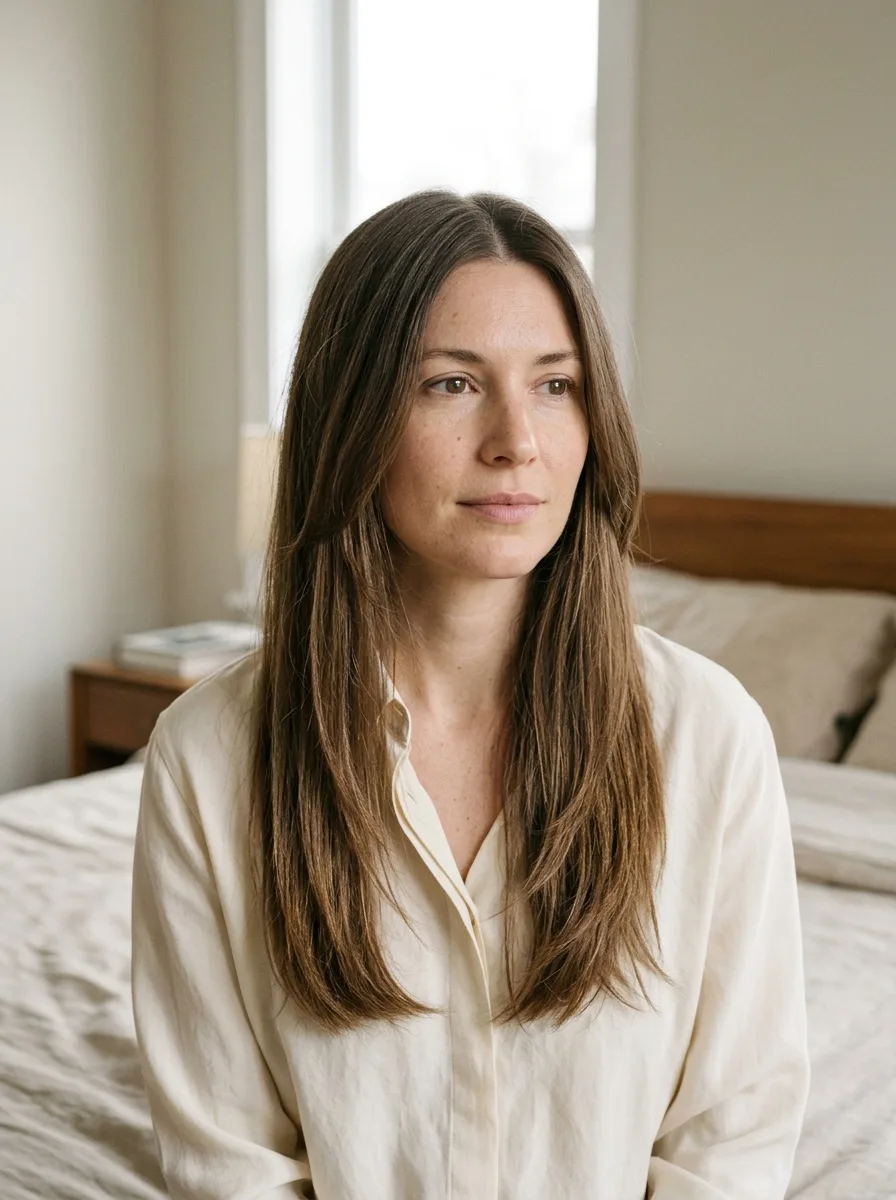
Face-framing layers concentrate the visual change around the front of the haircut.
The shortest point can begin around the cheekbone, jaw, or lower face depending on how strong a frame you want. The remainder of the hair can stay relatively long and connected.
4. Long Feathered Layers
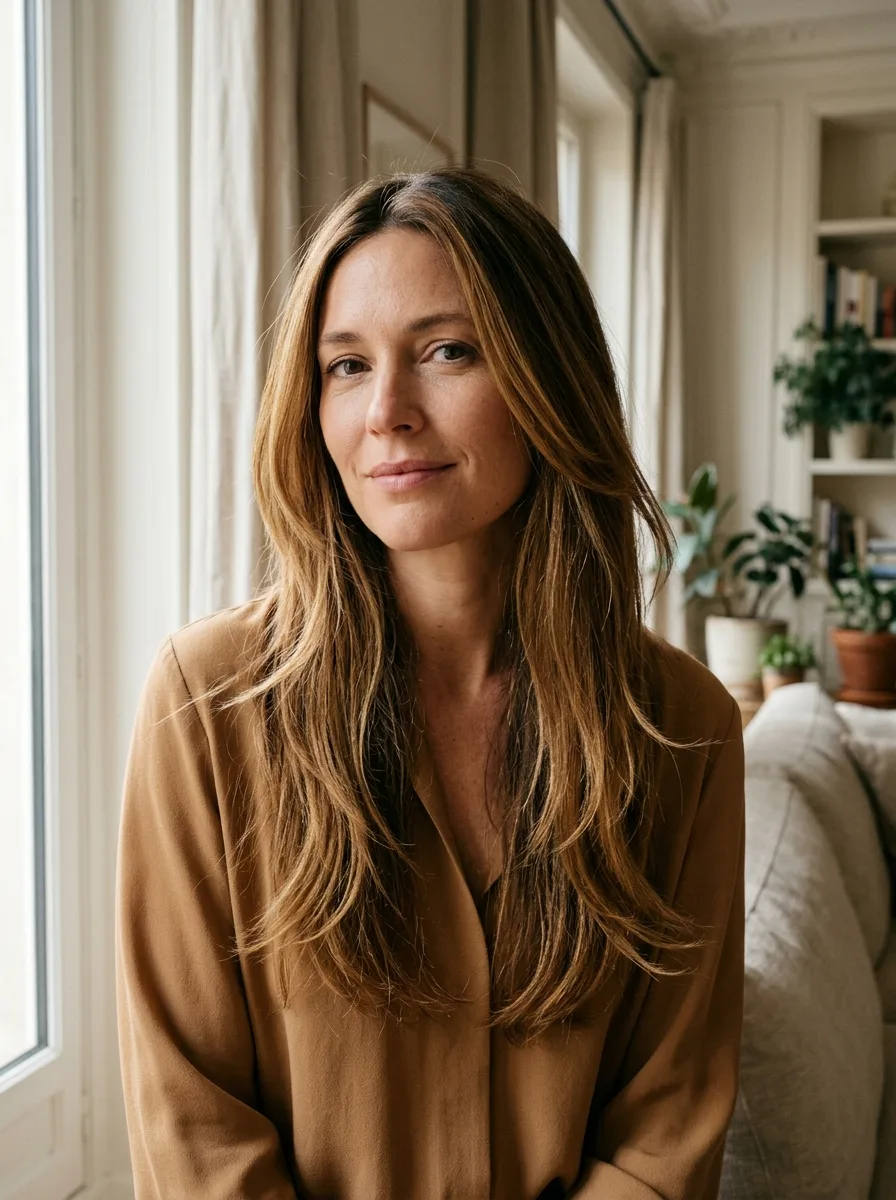
Feathered layers create outward movement rather than simply allowing the hair to fall downward.
They work especially well when you want a softer, more styled appearance around the face. A gentle side part can emphasize the effect.
5. Medium Layered Haircut
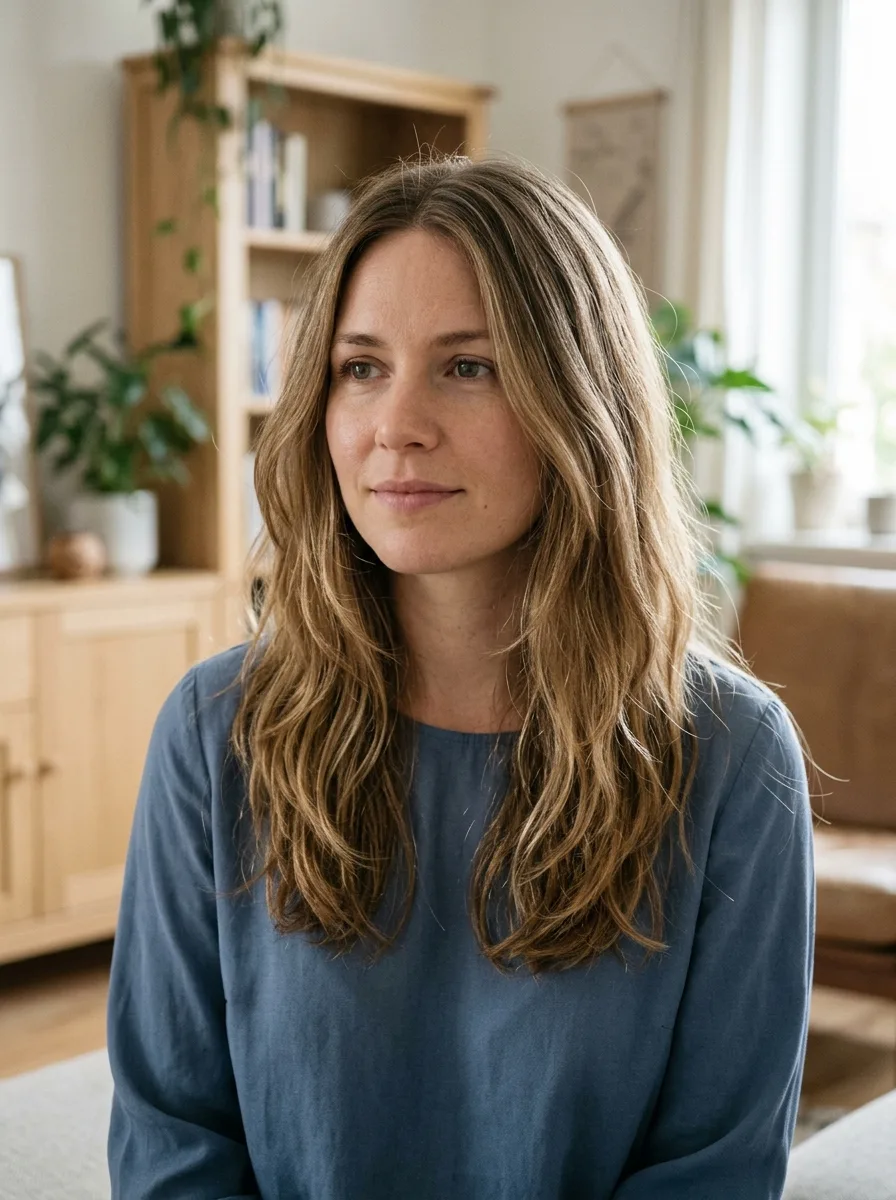
A medium layered haircut provides one of the most flexible silhouettes.
The length generally falls somewhere between the shoulders and upper chest, leaving enough hair for several styling options. Connected layers provide movement without requiring a highly textured finish.
6. Shoulder-Length Choppy Layers
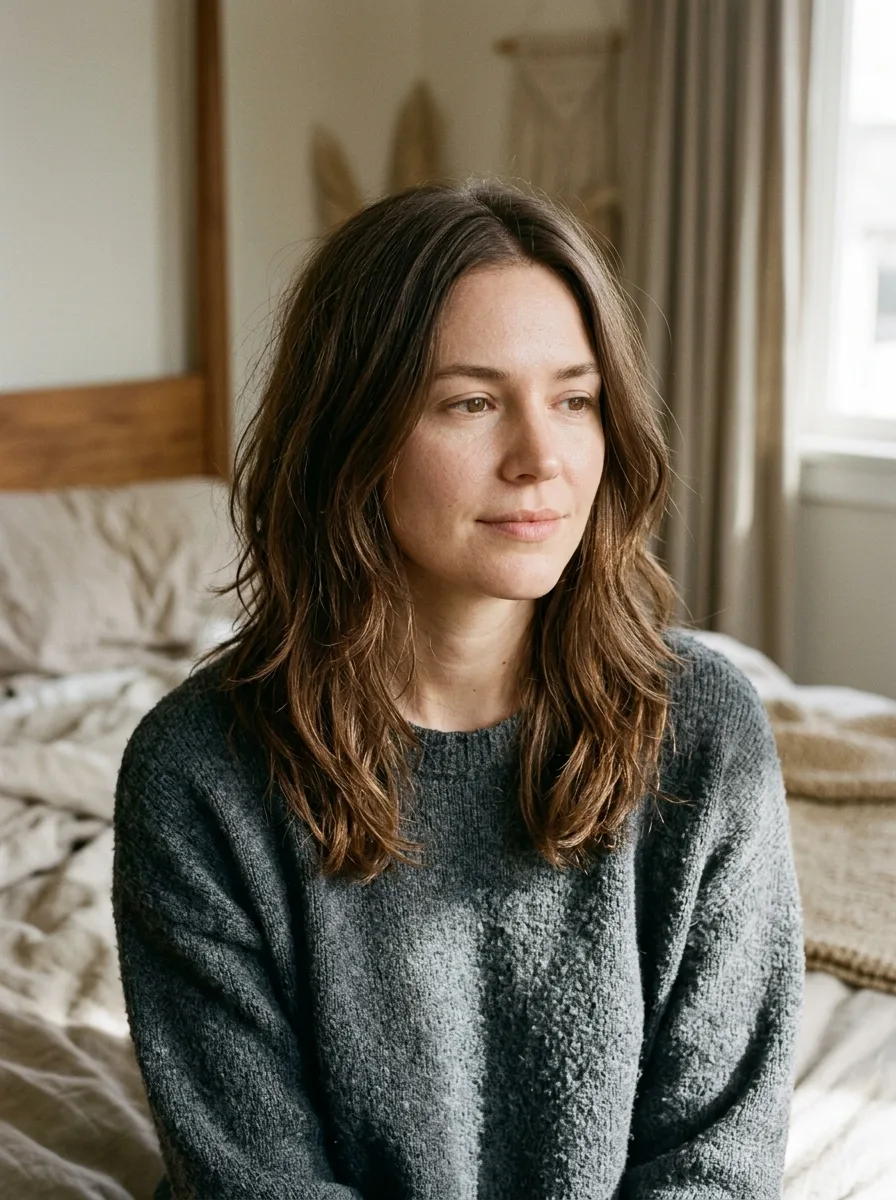
Choppy layers make the variation more obvious.
Instead of blending every section smoothly, the ends carry visible differences in length. This works particularly well for someone who prefers a casual, piecey look.
7. Layered Lob
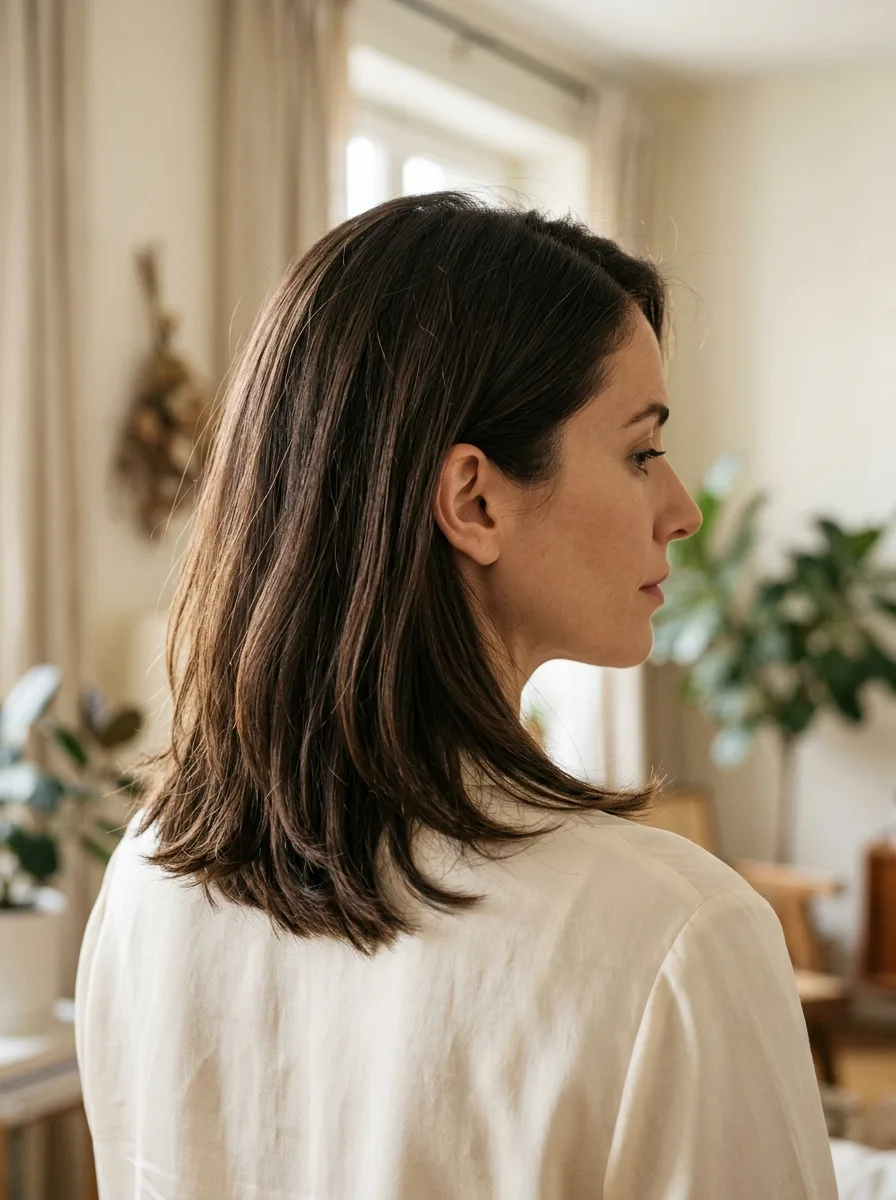
A layered lob combines a clear long-bob silhouette with internal movement.
The outer shape remains recognizable, while the layers prevent it from looking too heavy or uniform. It is particularly versatile for straight and softly wavy hair.
8. Rounded Medium Layers
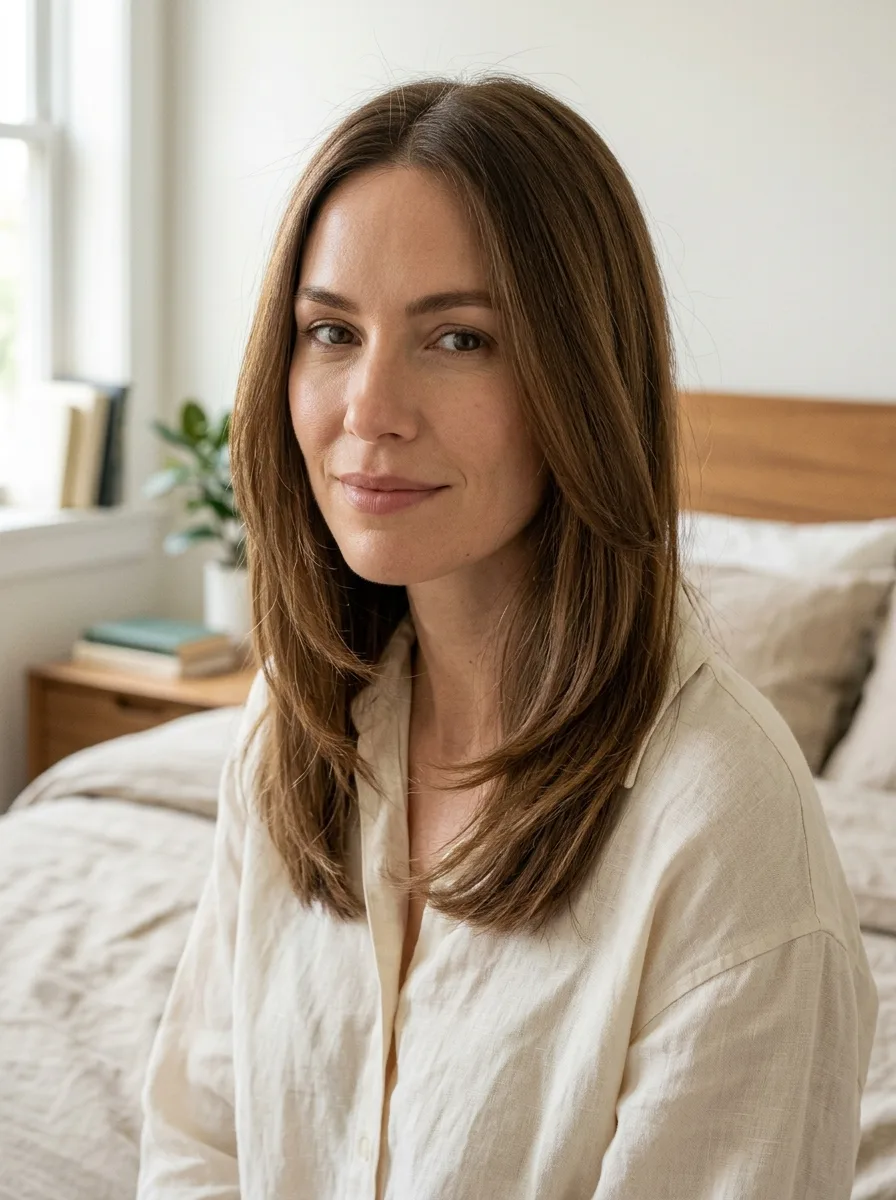
Rounded layering creates a softer silhouette because the different lengths transition gradually.
The haircut feels layered without appearing visibly chopped. This is a good option for someone who likes polished movement.
9. Short Layered Cut
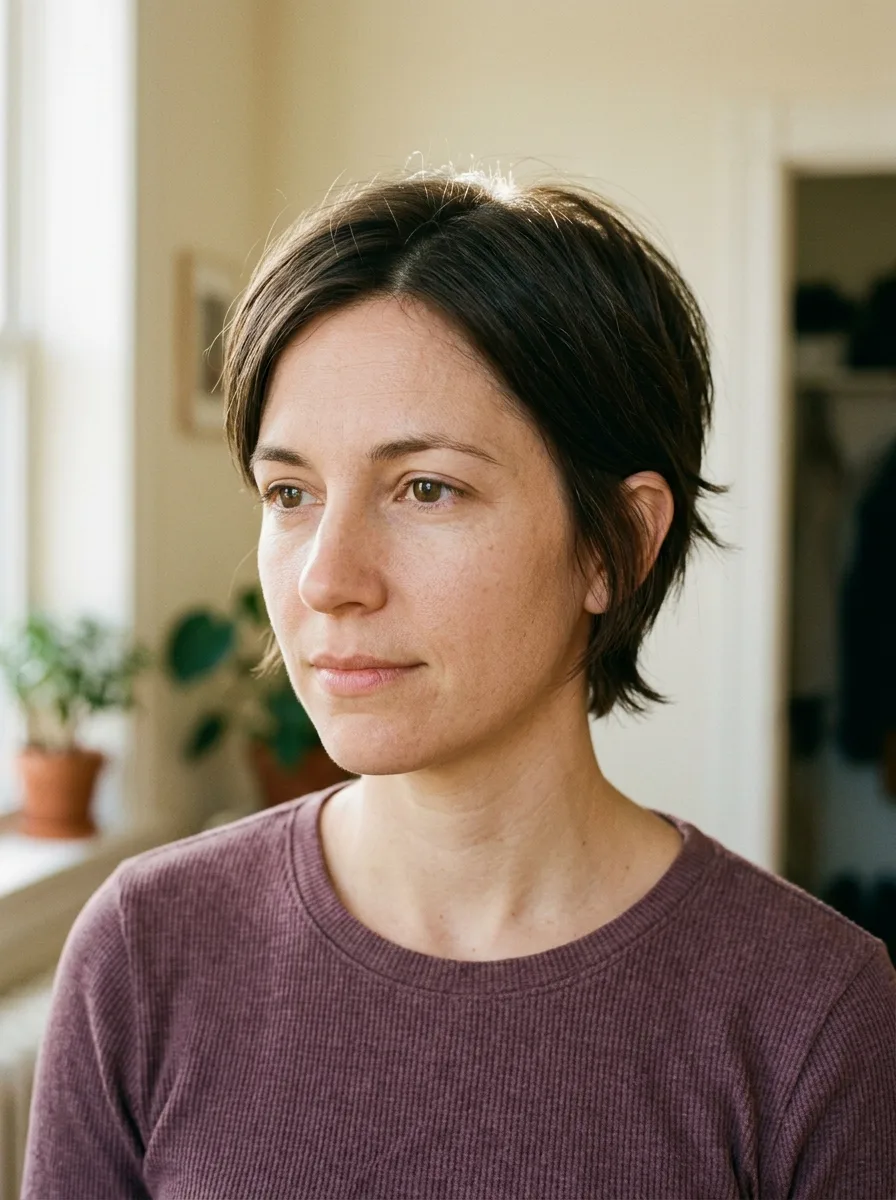
Short hair can use layering to create separation through the crown and sides.
The shorter crown pieces provide movement while longer areas around the face keep the shape versatile. The result can be compact without appearing flat.
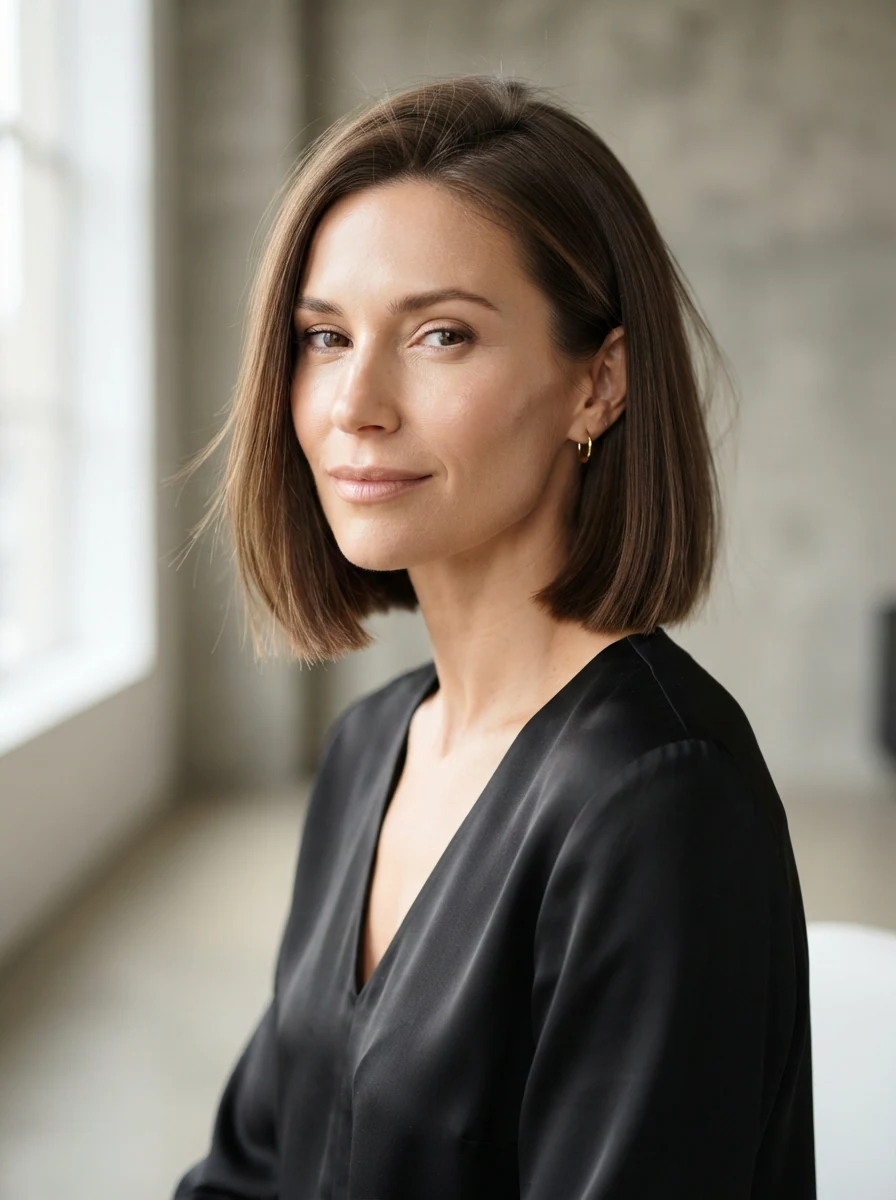
10. Layered Bob
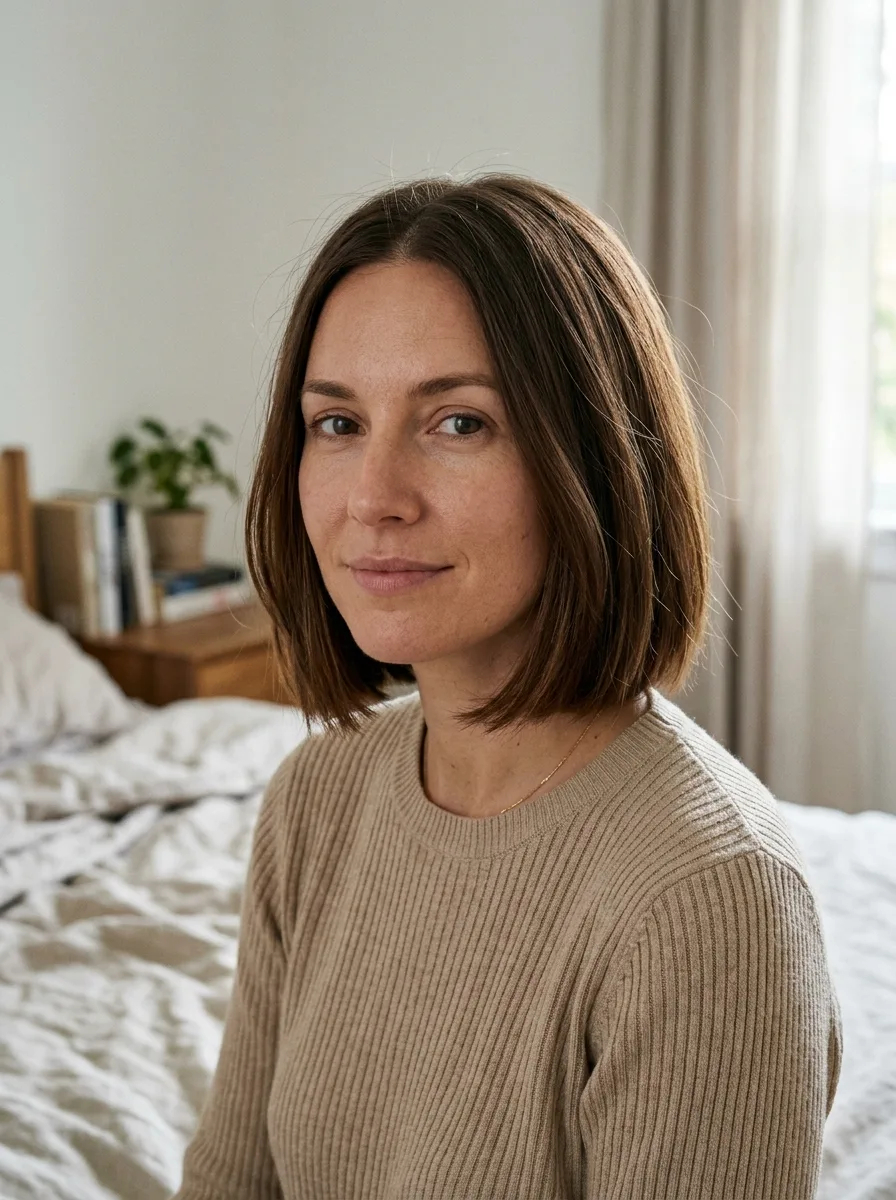
A layered bob modifies a classic bob without completely changing its identity.
The outer perimeter still provides the structure, while internal layers introduce movement. This is useful for someone who likes the bob shape but does not want an entirely one-length finish.
11. Layered Pixie
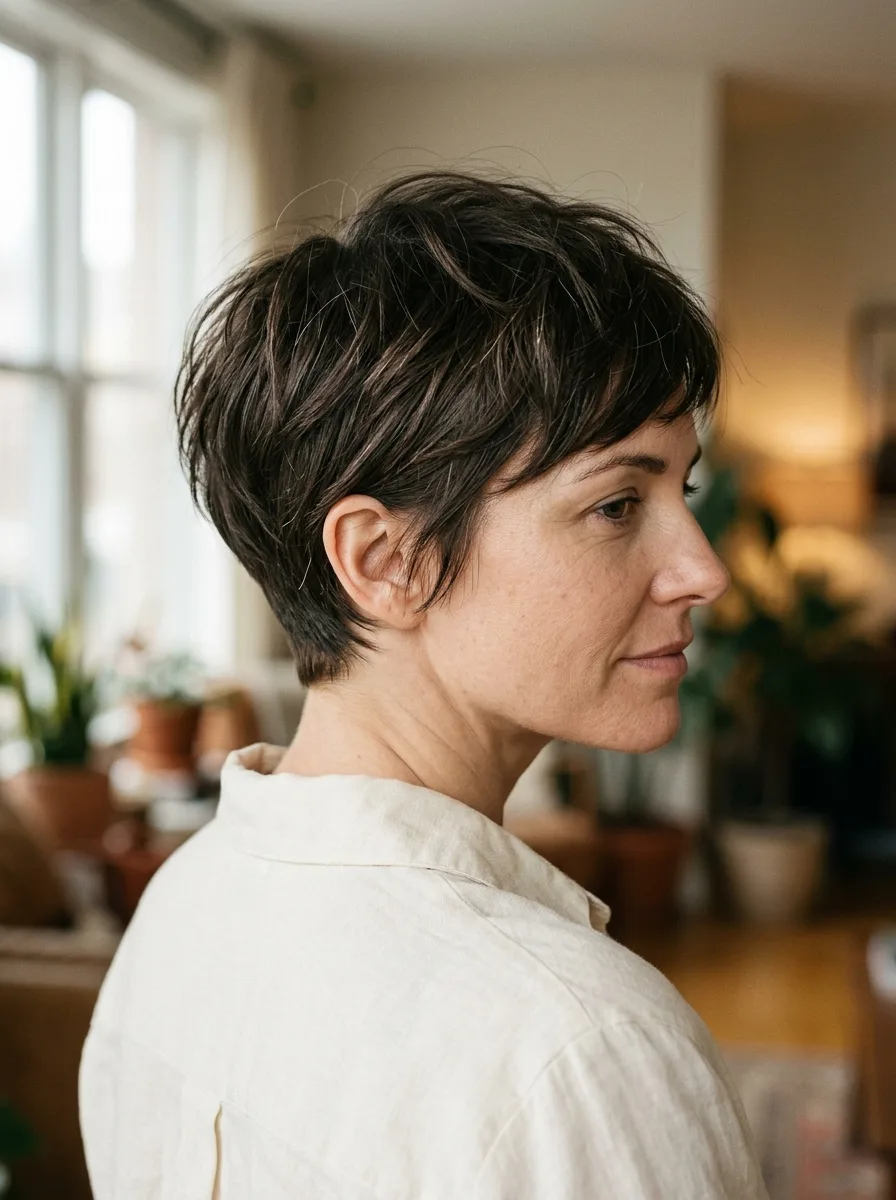
In a pixie cut, layers are responsible for much of the haircut’s movement.
Shorter sides and nape create the compact foundation, while longer crown and front pieces provide separation and styling options. The difference between lengths should remain visible.
12. Layers for Fine Hair
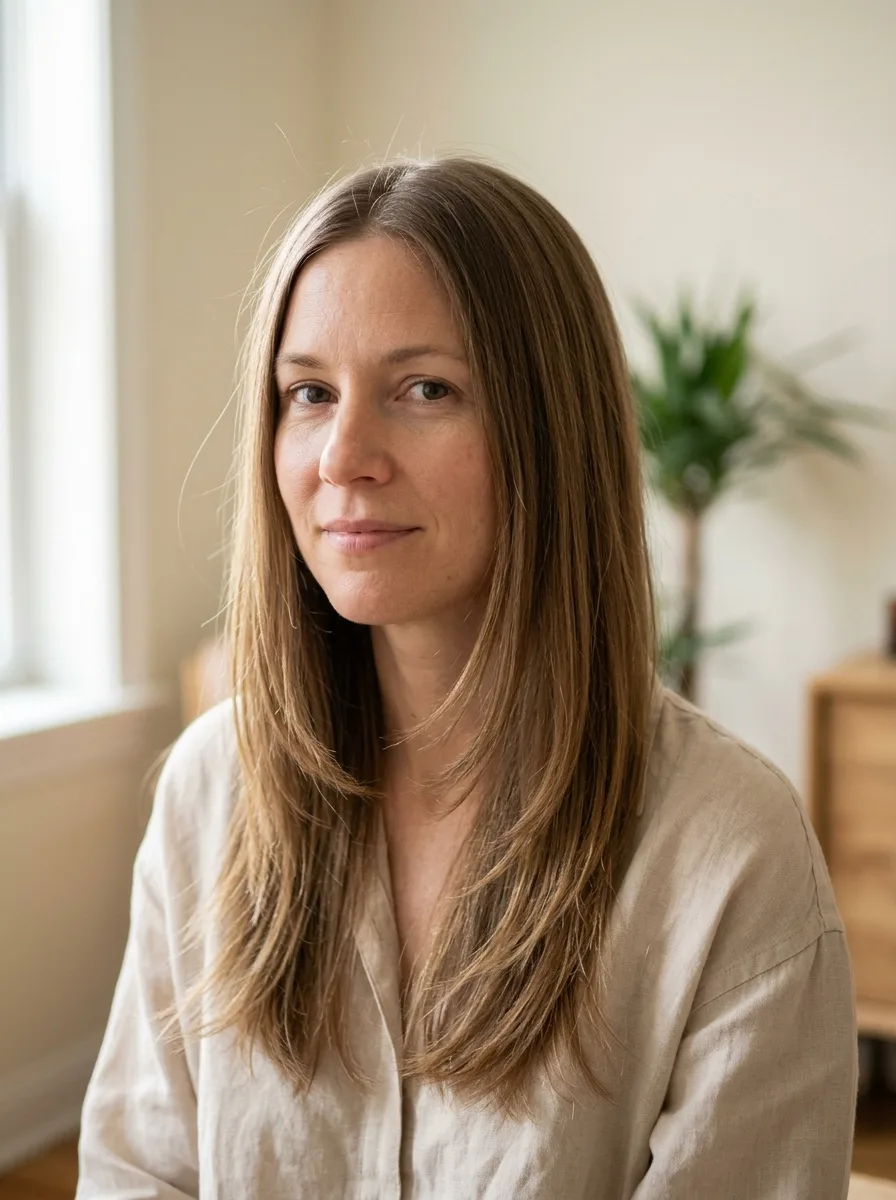
Fine hair generally benefits from deliberate rather than excessive layering.
Connected layers can create movement while preserving enough density through the ends. The goal is not to create artificial thickness but to use shape to make the existing hair look more organized and substantial.
13. Long Layers for Thick Hair
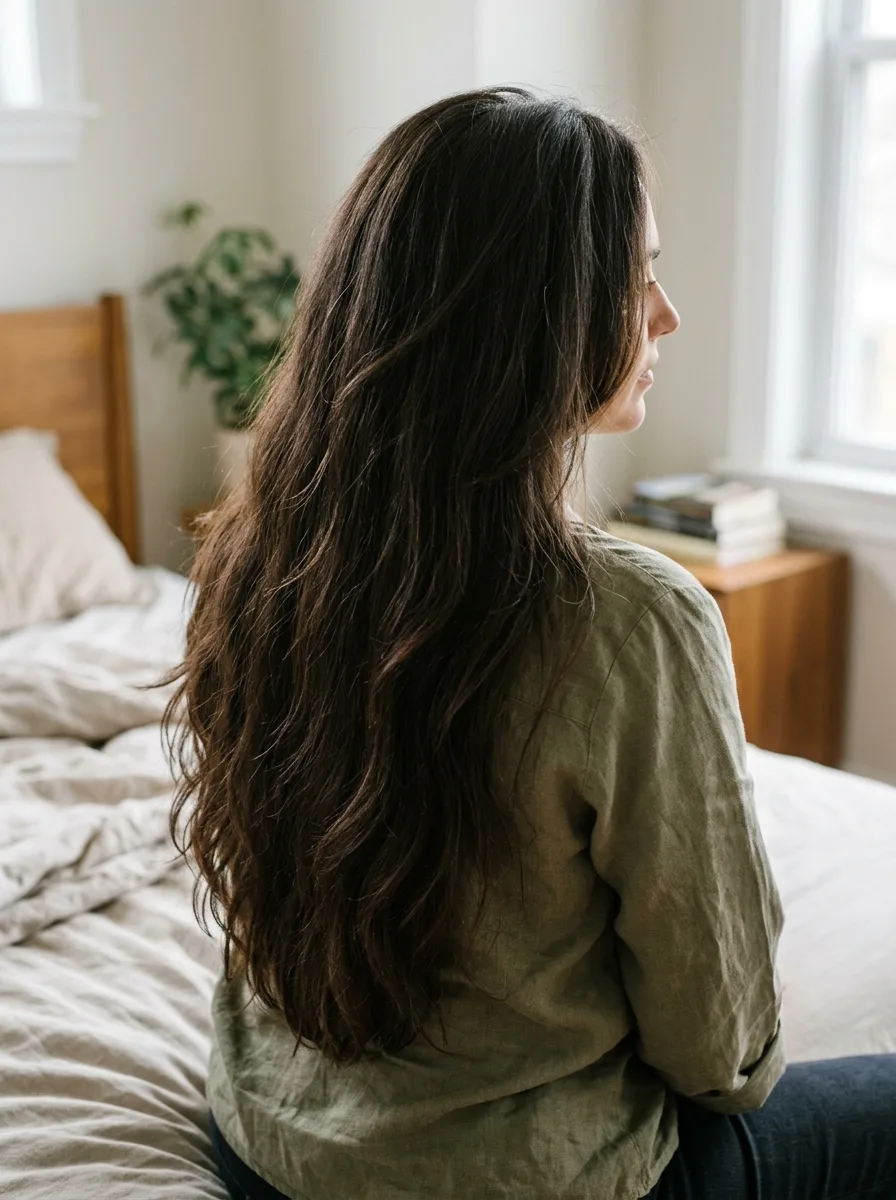
Thick hair can carry substantial visual weight.
Long strategic layers distribute that weight without forcing the ends to become excessively thin. This allows the hair to retain fullness while gaining movement.
14. Wavy Layered Hair
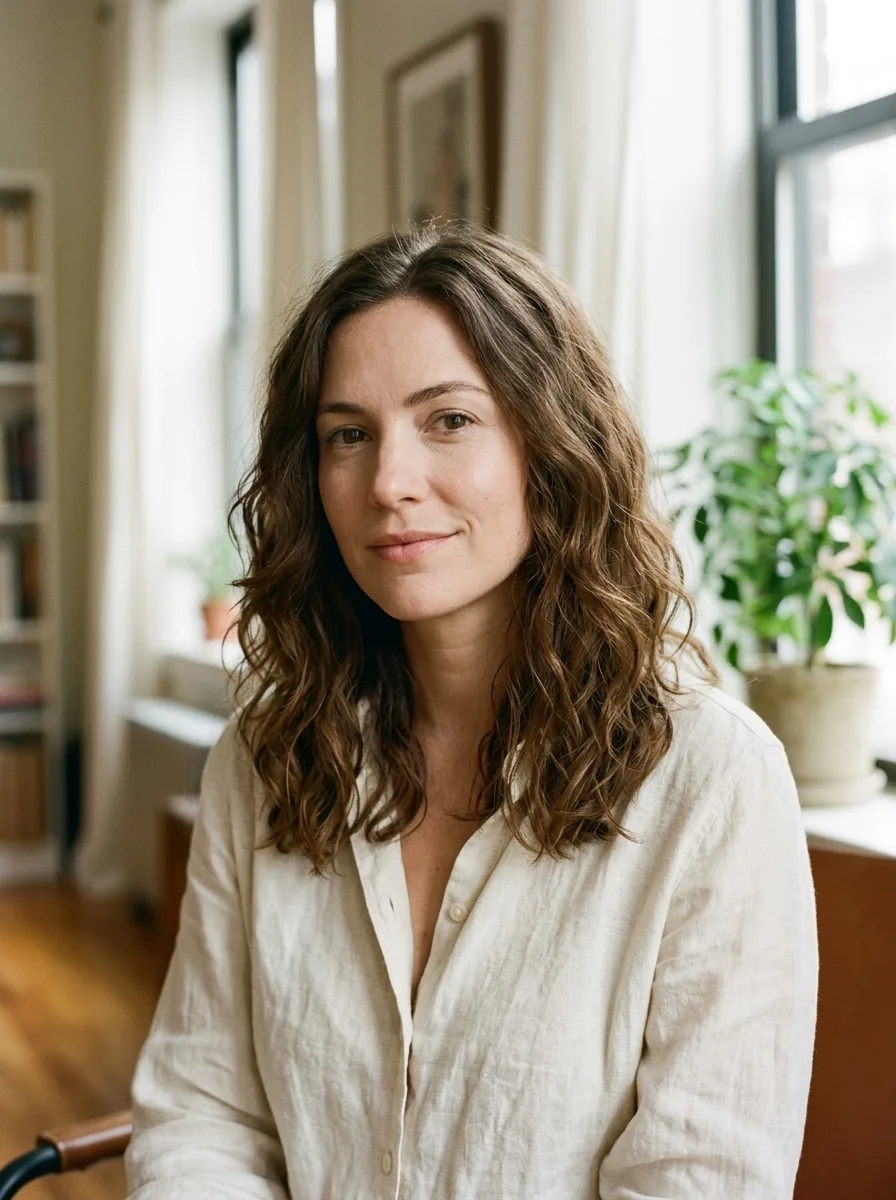
Natural waves and layers can work together to create a very fluid shape.
The layers give the wave pattern room to separate while the texture provides movement without complicated styling. The most believable version has uneven wave sizes and natural separation.
15. Curly Layered Hair
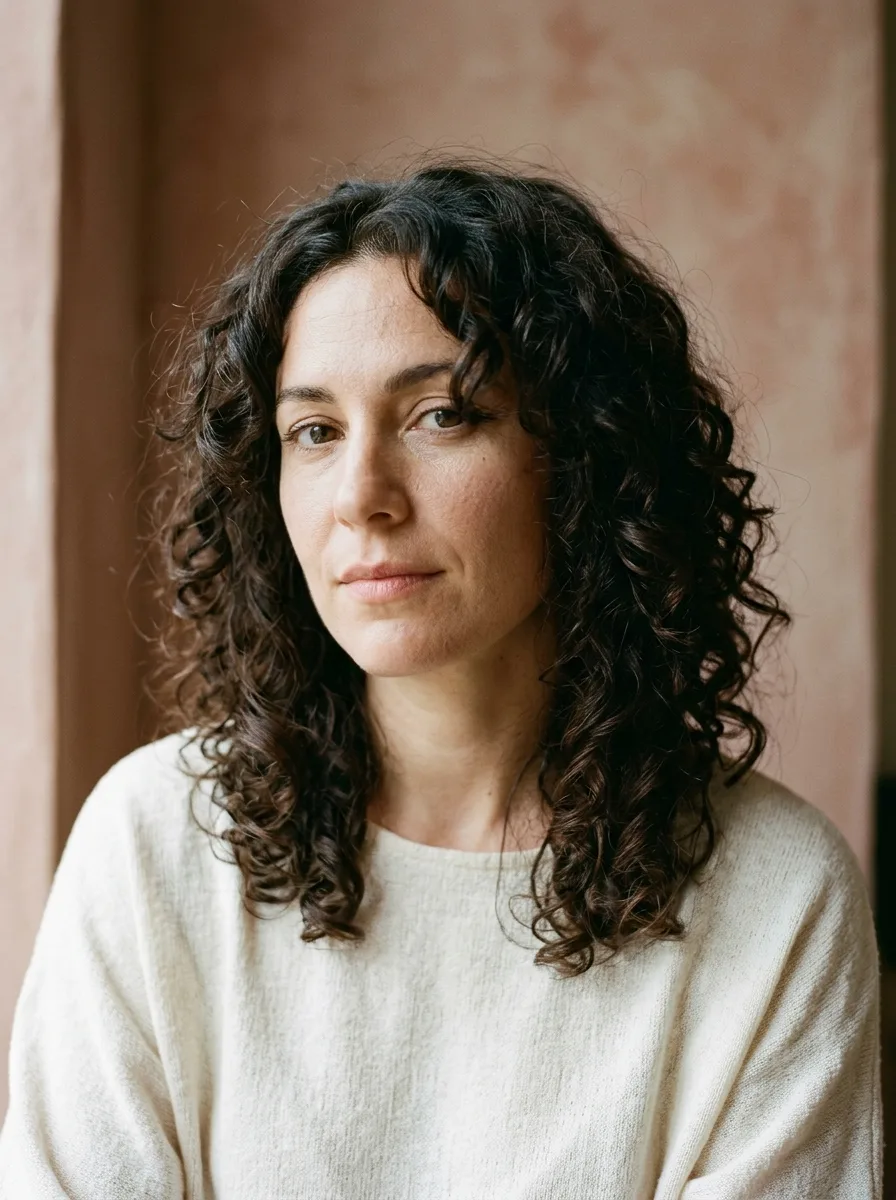
Curly hair needs layers designed around shrinkage.
A section that appears long while wet can spring significantly shorter when dry, so the final shape depends heavily on where the layers are placed. The best result preserves curl movement without producing an overly rounded silhouette.
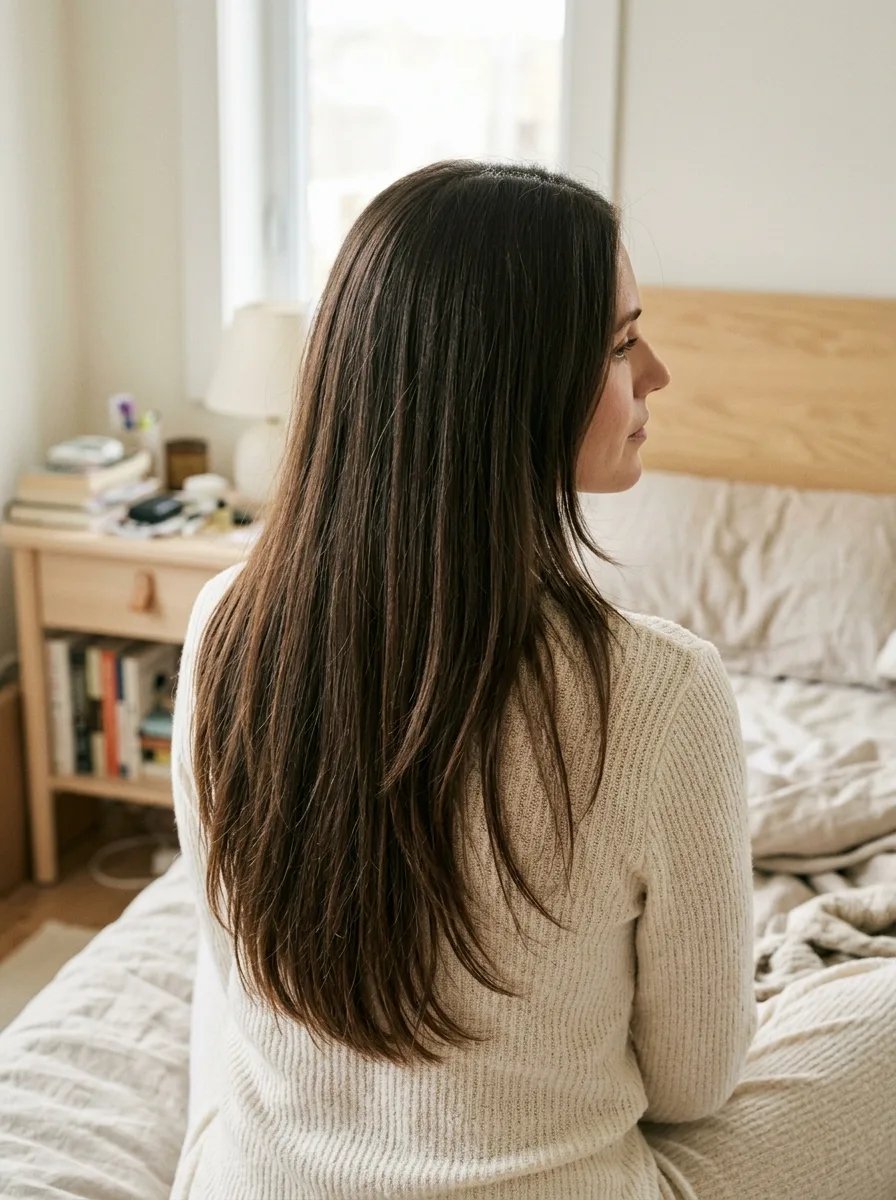
16. Straight Hair With Long Layers
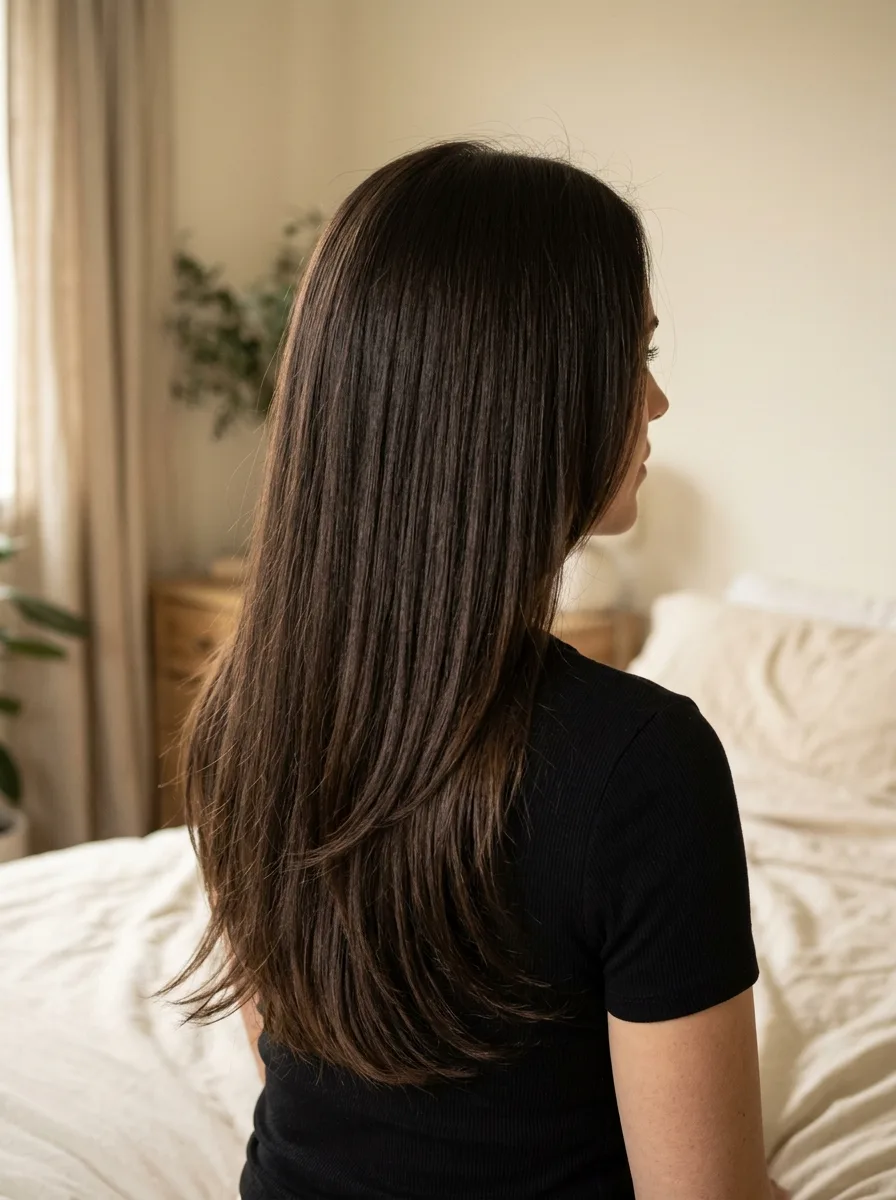
Straight hair reveals the geometry of long layers especially clearly.
A few carefully placed layers can create movement through the lower lengths without making the haircut look heavily textured. This is one of the cleanest interpretations of layering.
17. Layers With Curtain Bangs
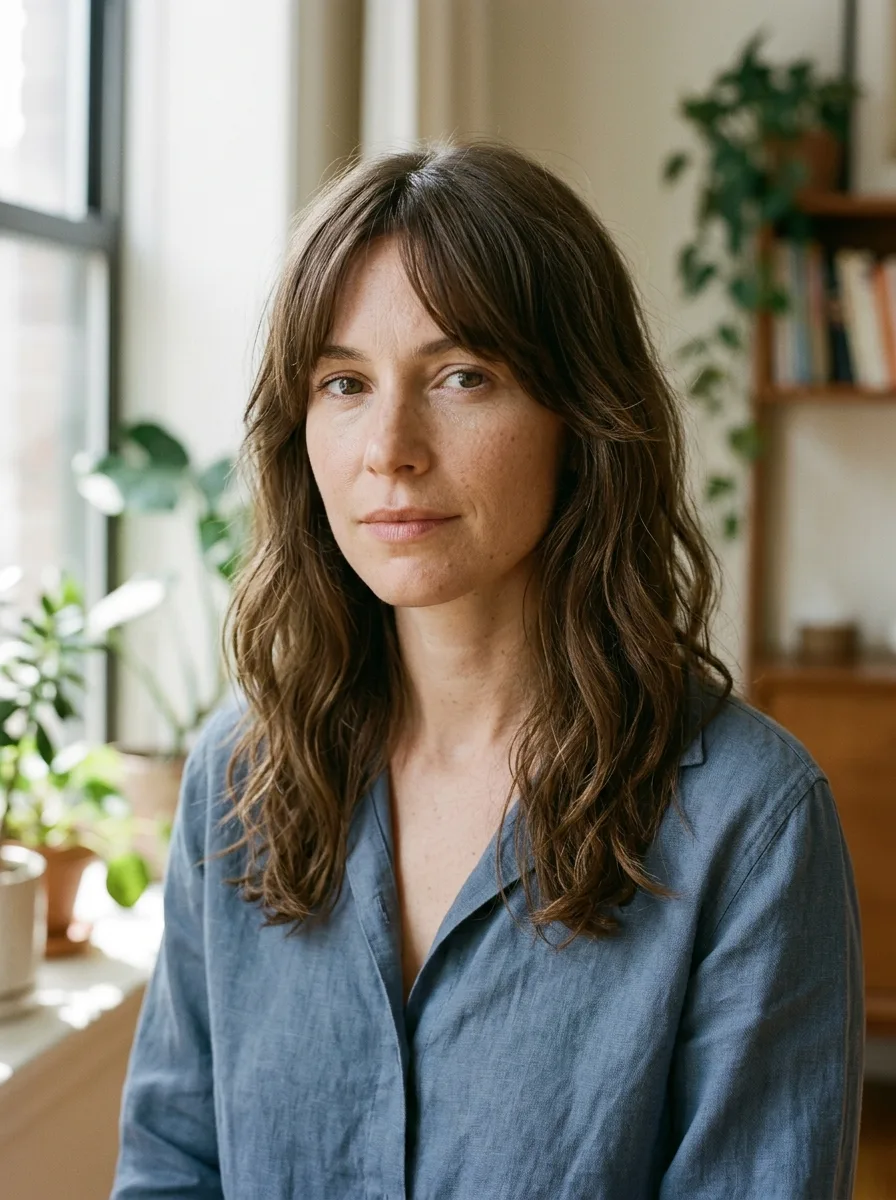
Curtain bangs can function as the shortest face-framing layer.
When they transition naturally into the longer sections, they make the front of the haircut feel integrated rather than separate. They work with short, medium, and long layered shapes.
How to Choose Your Layer Placement
The most important decision is not simply how many layers you want. It is where you want the shortest visible movement to begin.
- Cheekbone: Creates noticeable face framing and draws attention to the eyes and bone structure.
- Jawline: Creates a softer transition into the main haircut, slimming the neckline.
- Shoulder: Preserves more weight around the face and keeps the layers subtle and understated.
- Crown: Creates more obvious movement, volume, and root lift throughout the top sections.
The ideal position depends on your hair density, natural texture, desired maintenance schedule, and the overall haircut silhouette.
Layers for Different Hair Types
| Hair Type | Recommended Layering Strategy | What to Avoid |
|---|---|---|
| Fine Hair | Prioritize connected layers and stronger perimeters to build structure. | Over-thinning or removing density from the ends. |
| Thick Hair | Use strategic interior layers to distribute bulk and add fluid movement. | Thinning shears that leave the ends wispy and flyaway. |
| Wavy Hair | Allow the natural wave pattern to dictate graduation and separation. | Blunt, uniform layers that disrupt the natural wave clump. |
| Curly Hair | Cut dry to account for shrinkage and individual curl spring patterns. | Triangular shapes caused by one-length cutting. |
| Straight Hair | Use clean, intentional graduation to showcase architectural lines. | Excessive choppy thinning that exposes blunt shelf marks. |
Layers Versus a One-Length Haircut
A one-length haircut keeps most of the perimeter at a similar level. Layers introduce intentional variation between sections.
That variation can:
- Change natural movement and bounce
- Reduce heavy visual weight in dense hair
- Frame and soften facial features
- Encourage natural wave and curl texture
- Alter the overall silhouette from blocky to sculpted
But more variation is not automatically better. A strong layered haircut uses just enough difference to improve the shape without making the ends appear weak or unnecessarily disconnected.
Common Mistakes to Avoid
- Adding layers simply because they are trendy: The right layer placement depends on your individual head shape and haircut silhouette, not just a passing trend.
- Over-layering fine hair: Too much hair removal can make the perimeter ends appear fragile and sparse.
- Ignoring natural hair texture: Straight, wavy, and curly hair respond very differently to the same cutting angle.
- Forgetting the perimeter baseline: Even heavily textured or layered hair needs a clear, grounded overall foundation.
- Using identical layers throughout: Good layering relies on visual hierarchy. Different sections should serve distinct purposes.
Frequently Asked Questions
Are layered haircuts good for long hair?
Yes. Long layers can add movement, bounce, and dimension while preserving the majority of your original length.
Do layers make hair look thinner?
They can if too much weight is removed from the ends. With thoughtful, connected placement, layers can instead create movement while preserving the appearance of full, dense ends.
Are layers good for thick hair?
Yes. Strategic layers are essential for thick hair to help distribute visual weight, reduce bulk, and make daily styling manageable.
Do layers work for curly hair?
They can work extremely well when designed around curl shrinkage and natural pattern density, preventing the dreaded pyramid effect.
What are face-framing layers?
They are shorter sections concentrated around the front perimeter of the haircut designed specifically to highlight facial features such as cheekbones and the jawline.
Are layered haircuts difficult to maintain?
It depends on the specific cut. Soft, connected long layers can grow out smoothly for months, while precision short layers or curtain bangs may need a trim every 6 to 8 weeks.
Conclusion
Layers are most effective when they have a job.
One layer might frame the cheekbones. Another might reduce weight through thick hair. A longer section might simply create movement through the ends.
That is why layered haircuts can support so many different hair lengths and textures without all looking the same.
Instead of asking whether layers are right for you, the better question is: Where would movement improve the shape of the haircut you already want?
That answer usually leads to a much more useful, flattering haircut decision.