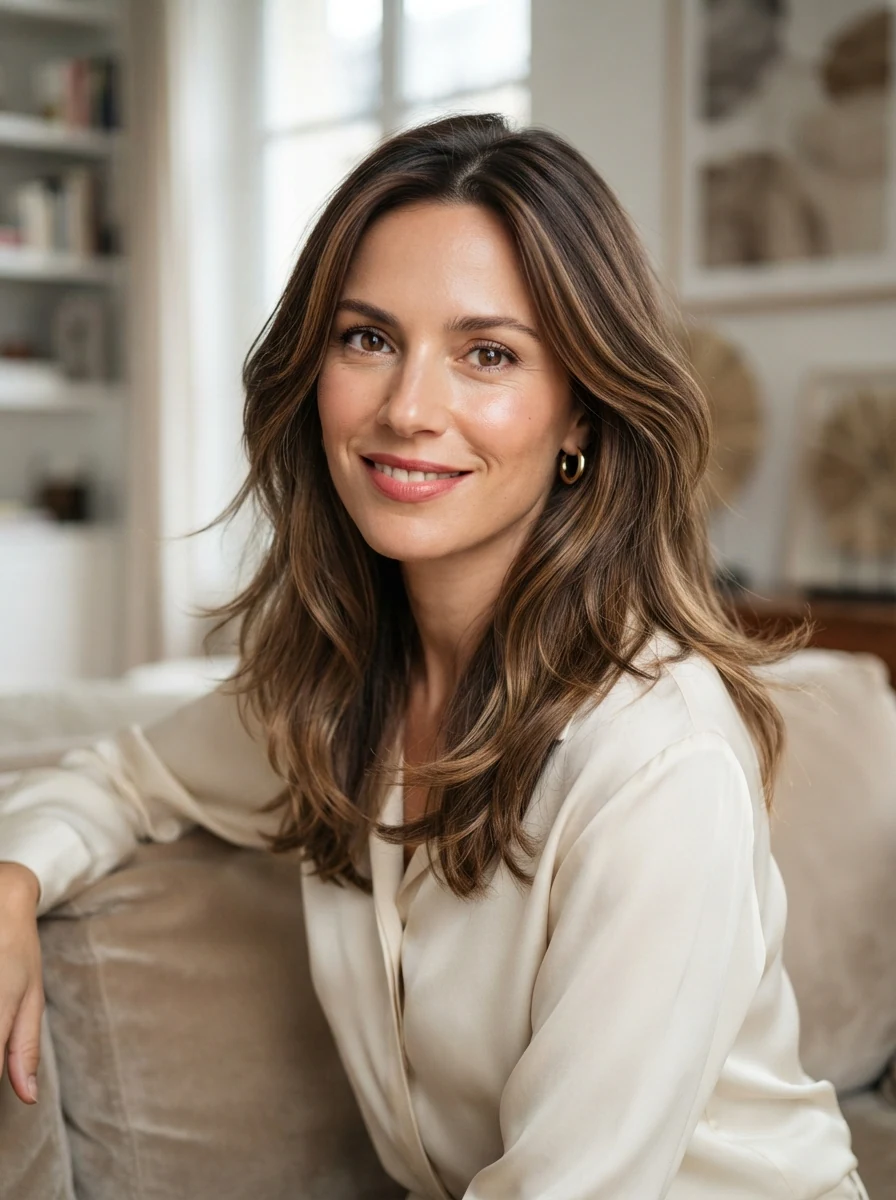
11 Curly Butterfly Cuts That Let Natural Texture Do the Work
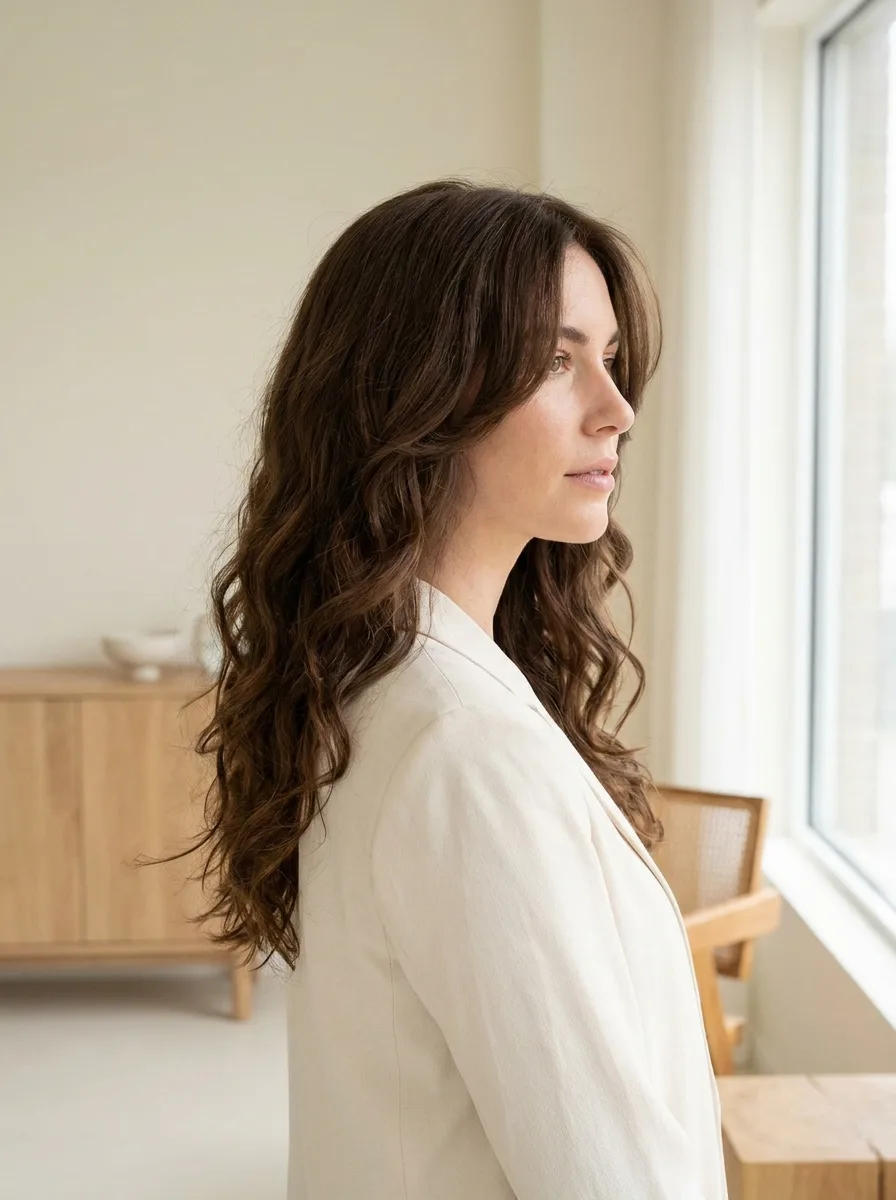
The curly butterfly cut takes the layered structure of the butterfly haircut and adapts it to natural curls, waves, and textured hair.
The basic idea is a contrast between shorter movement around the face and crown and longer layers underneath. On straight hair, that difference creates a sweeping, feathered silhouette. On curly hair, the natural curl pattern adds another dimension because every layer can spring, separate, and fall differently.
That is what makes this haircut so interesting. A curly butterfly cut can look soft and romantic, dramatic and voluminous, subtle and length-preserving, or slightly shaggy depending on the curl pattern and where the layers begin.
The trend is also having a genuine moment on Pinterest. Pinterest’s October 2026 Beauty Trend Report lists “curly butterfly cut” at +464%, describing the style as one that leaves room for loose natural texture, curls, and wisps around the face. Pinterest
Rather than treating the trend as one fixed haircut, these 11 versions show the most useful ways to adapt the shape to different textures, densities, lengths, and styling preferences.
1. Classic Long Curly Butterfly Cut
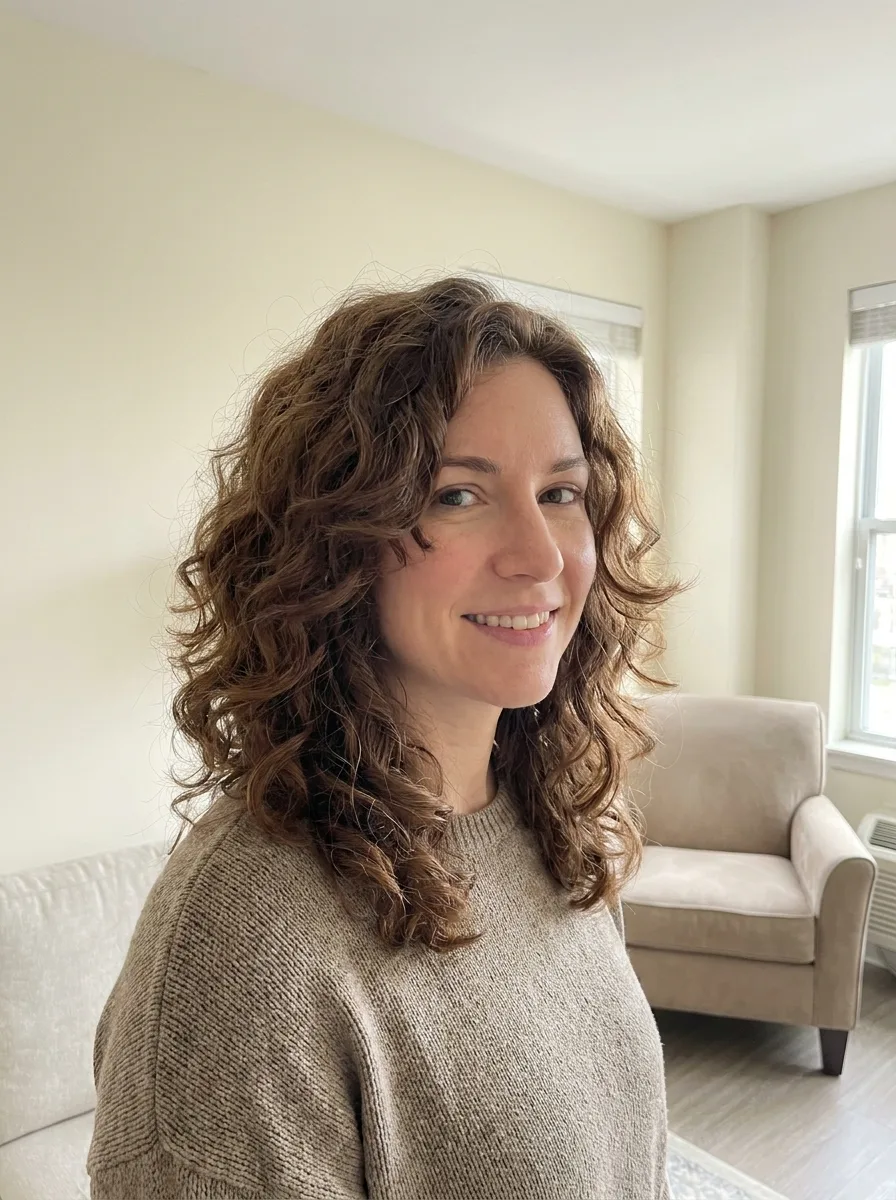
The classic version keeps the lower portion of the hair long while introducing shorter layers around the crown, temples, and face.
The upper curls create movement and lift, while the longer curls underneath maintain the flowing silhouette associated with the butterfly cut. This is an excellent interpretation for someone who wants more shape without making long curly hair feel dramatically shorter.
The strongest version has clearly different lengths, but the transition remains blended rather than looking like separate tiers.
2. Shoulder-Length Curly Butterfly Cut
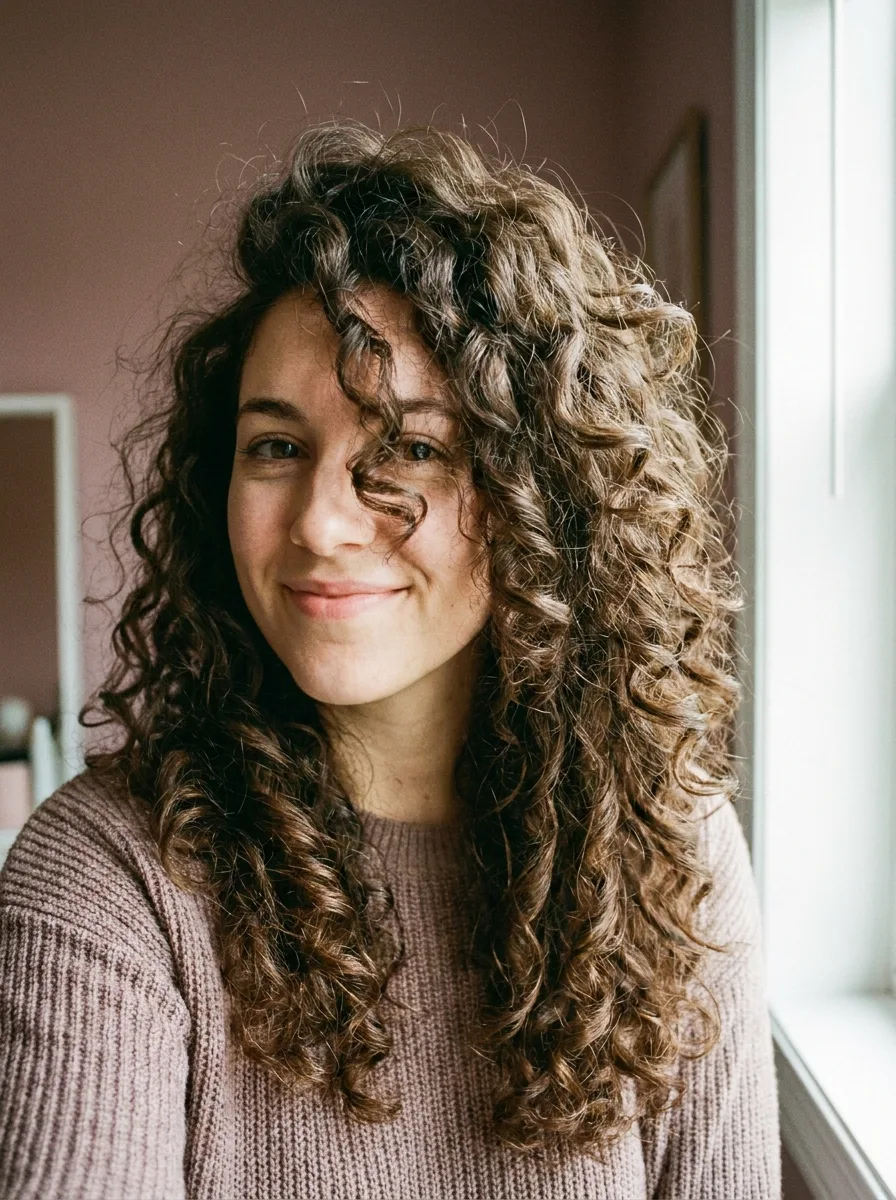
A shoulder-length butterfly cut produces a much more compact silhouette.
Because there is less length underneath, the difference between the upper and lower sections becomes easier to see. Face-framing curls can spring outward while the lower section creates a softly rounded shape around the shoulders.
This version can work particularly well for naturally bouncy curls that already have a strong shape. The finished length needs to account for shrinkage, especially when the curls are defined.
3. Butterfly Cut for Loose Curls
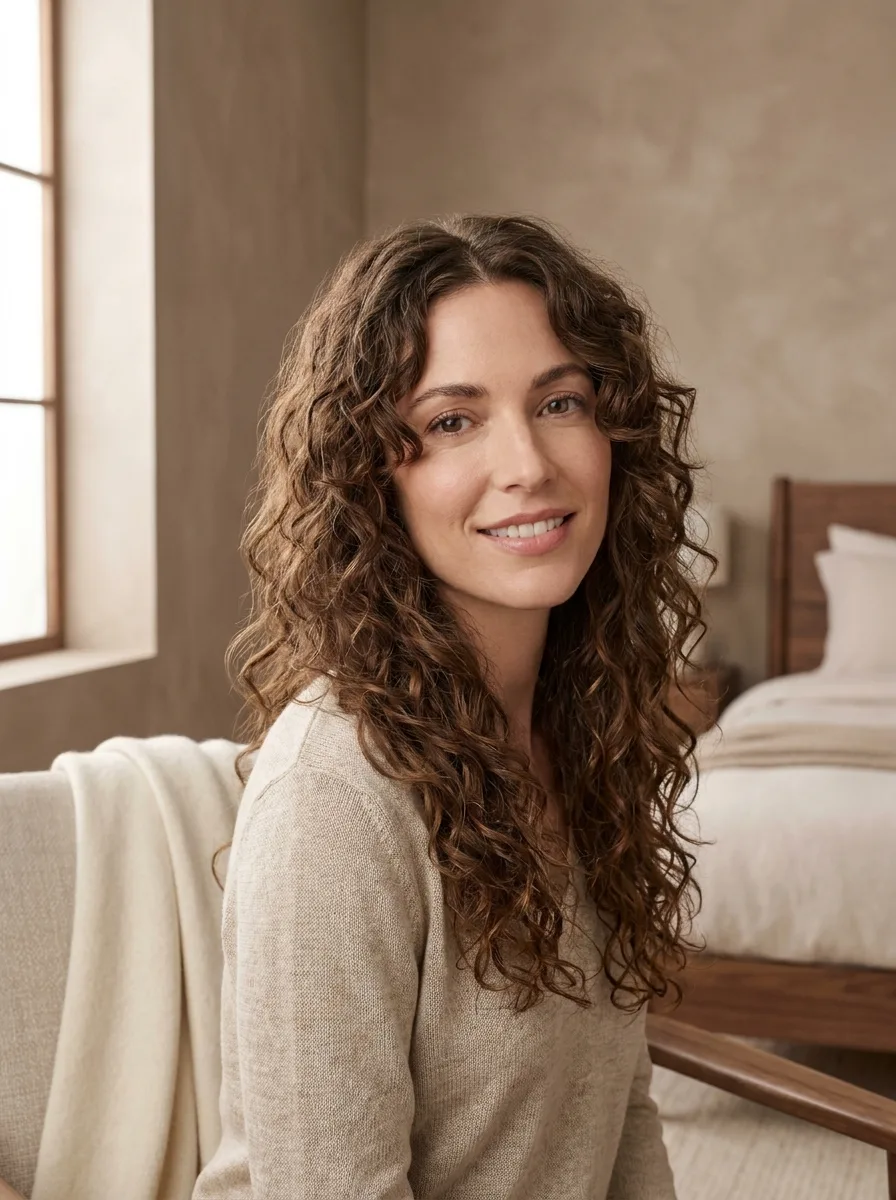
Loose curls give the haircut a softer, more flowing appearance.
Instead of creating a dramatic difference between the layers, keep the upper sections relatively long and let them blend gradually into the lower lengths. The result is airy and movement-focused rather than heavily layered.
This version is particularly appealing for hair that moves between waves and loose curls depending on humidity, styling, or how it dries.
4. Defined Ringlet Butterfly Cut
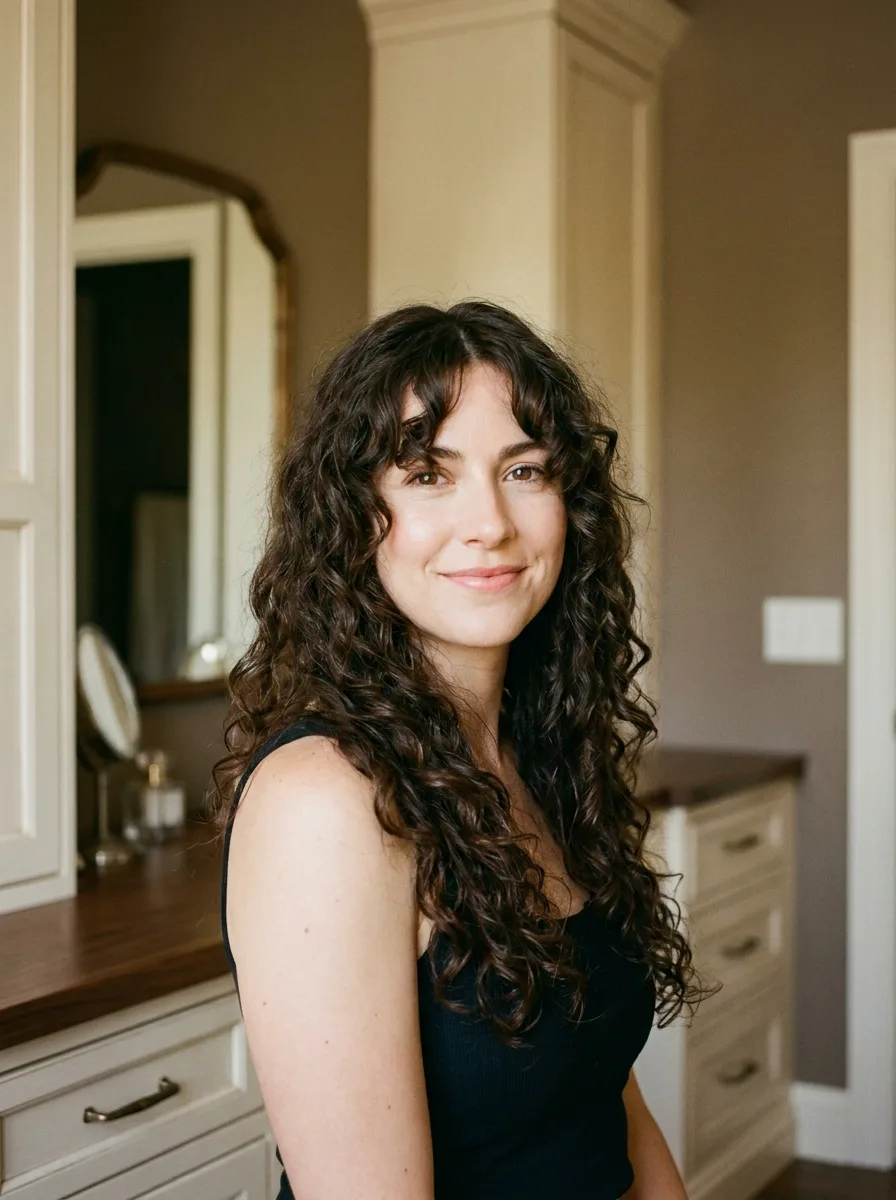
Defined ringlets create a more sculpted interpretation.
Shorter curls around the cheeks and crown can frame the face, while longer ringlets remain underneath to preserve length. The haircut should work with the natural grouping of the curls rather than forcing them into a uniform pattern.
Variation is important. Different curl sizes and slight irregularities make the shape look natural rather than overly constructed.
5. Butterfly Cut for Thick Curly Hair
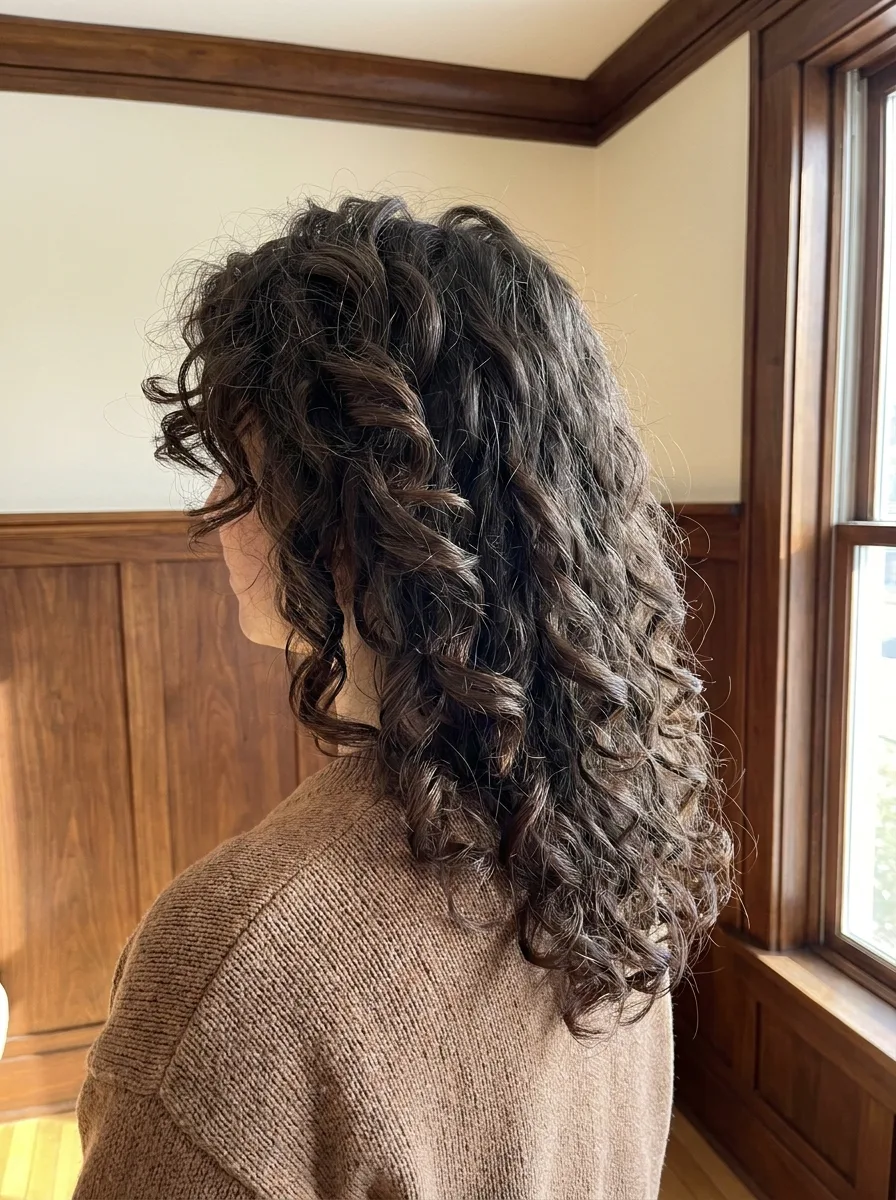
Thick curly hair can support a stronger butterfly silhouette because there is enough density to create obvious differences between the upper and lower sections.
The goal should not simply be to remove weight everywhere. A more intentional approach keeps substantial length underneath while using selected layers through the crown and sides to create movement.
This can make the overall shape feel more organized without sacrificing the visual fullness that is part of thick curly hair.
6. Butterfly Cut for Fine Curly Hair
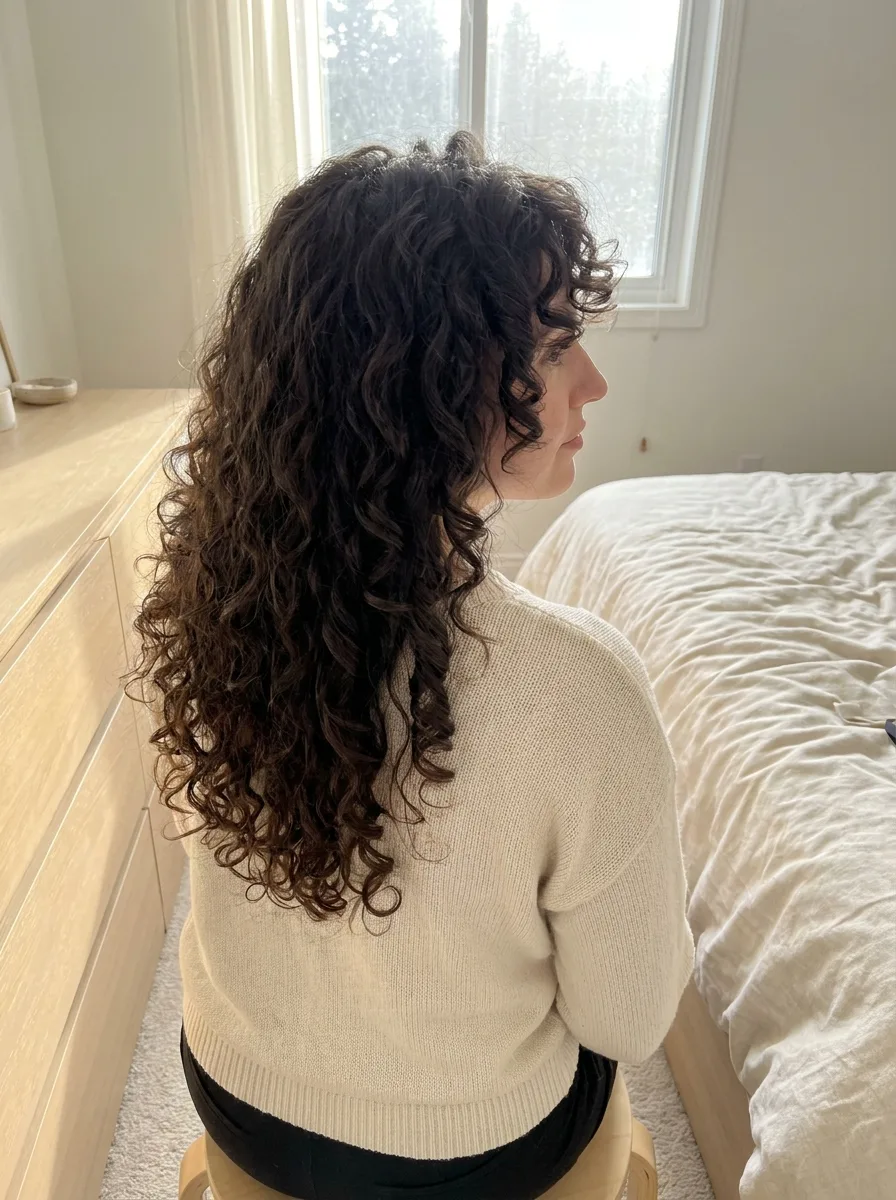
Fine curly hair usually benefits from a softer interpretation.
Very short or overly numerous layers can make the hair appear visually disconnected, so longer upper layers can provide movement while retaining more weight through the lower section. Subtle face-framing pieces can give the haircut definition without creating excessive separation.
The goal is a shape that works with the hair’s natural density, rather than promising that layering itself will increase actual hair thickness.
7. Curly Butterfly Cut With Curtain Bangs
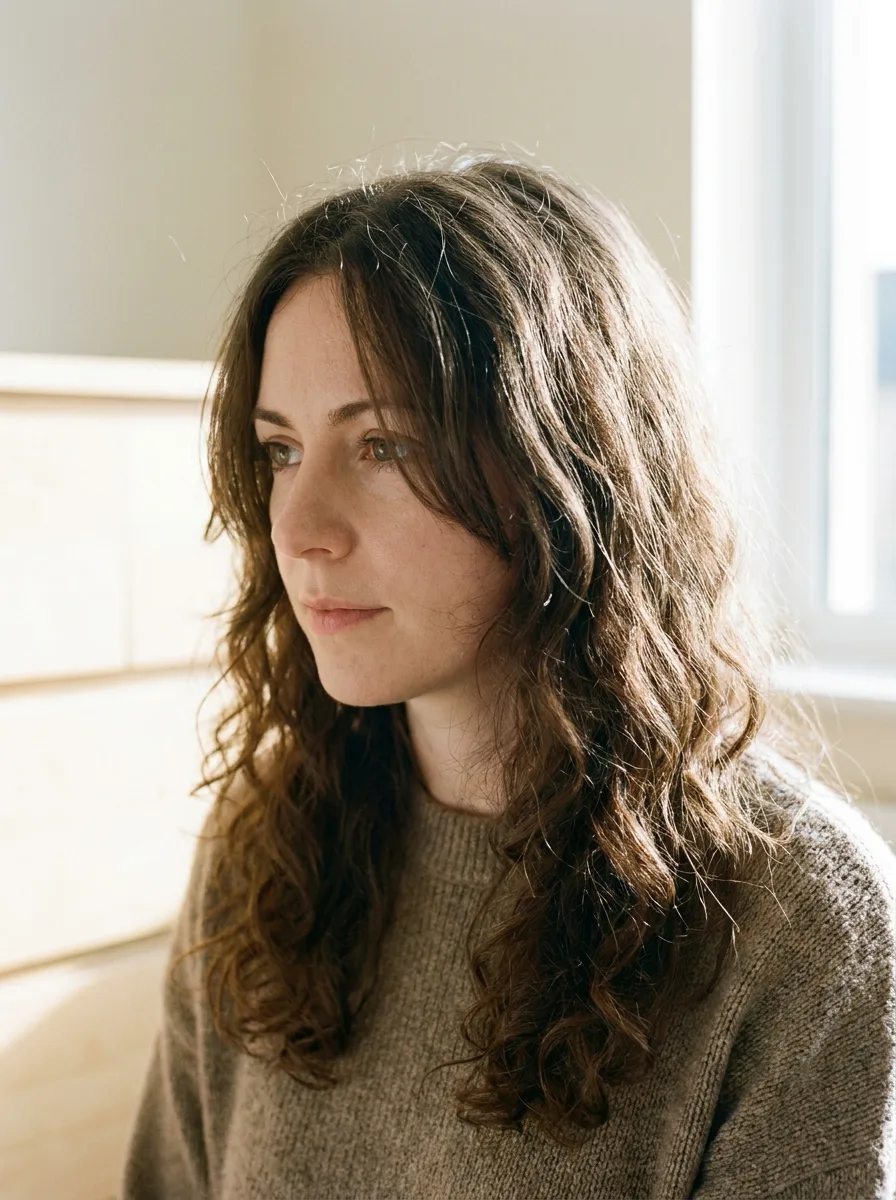
Curtain bangs give this haircut a particularly soft and romantic appearance.
The fringe parts through the center and flows into shorter curls around the cheekbones before transitioning into the longer butterfly layers. The exact length is important because curly hair contracts as it dries. A bang that appears relatively long while wet can sit much higher after the curl pattern fully returns.
For that reason, the finished dry shape should guide the haircut.
8. Face-Framing Curly Butterfly Cut
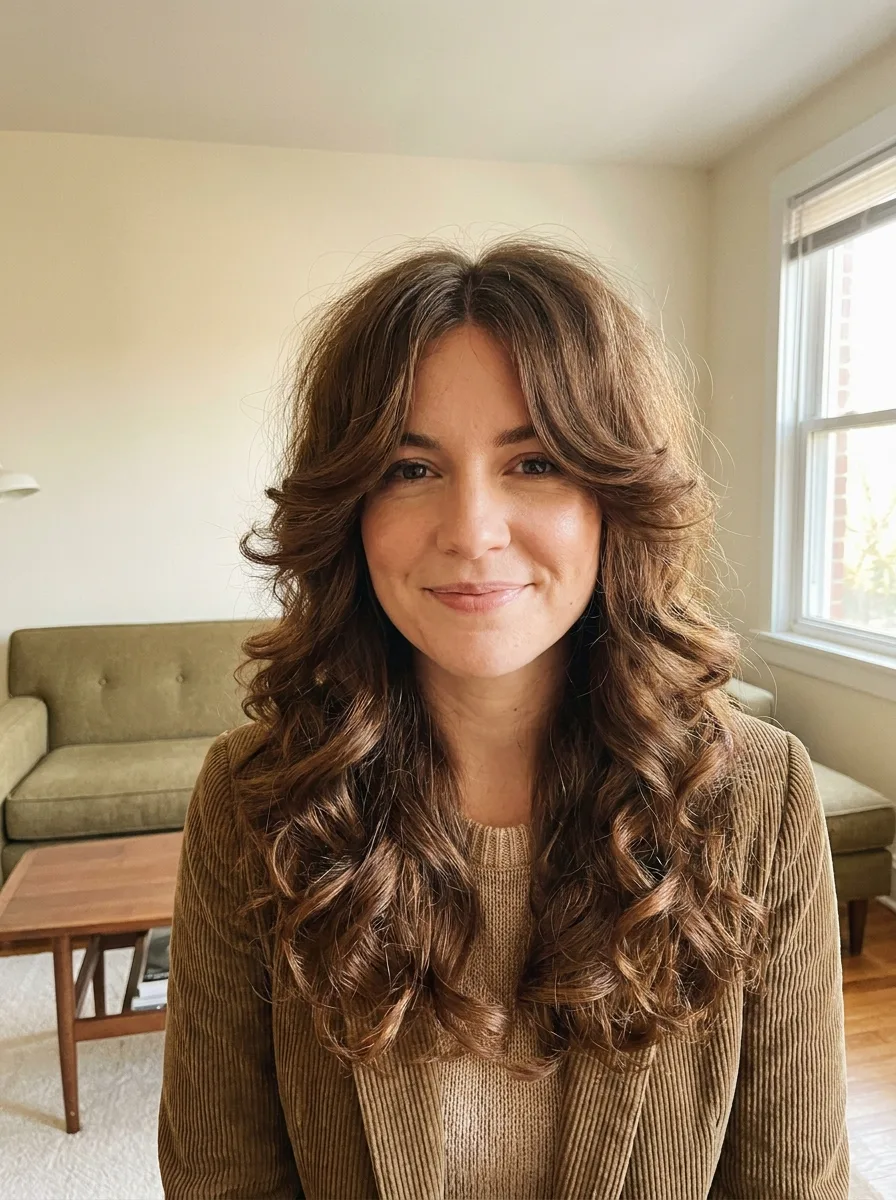
For a less dramatic version of the trend, make the face-framing pieces the main feature.
The upper and crown layers can remain relatively long while the shortest curls begin around the cheekbone or jaw and then gradually connect with the longer sections. This gives the hairstyle visible movement around the face without turning the entire head into a heavily layered cut.
It is also a highly customizable version because the starting point of the face framing can change the overall impression of the haircut.
9. Long Butterfly Layers for Natural Curls
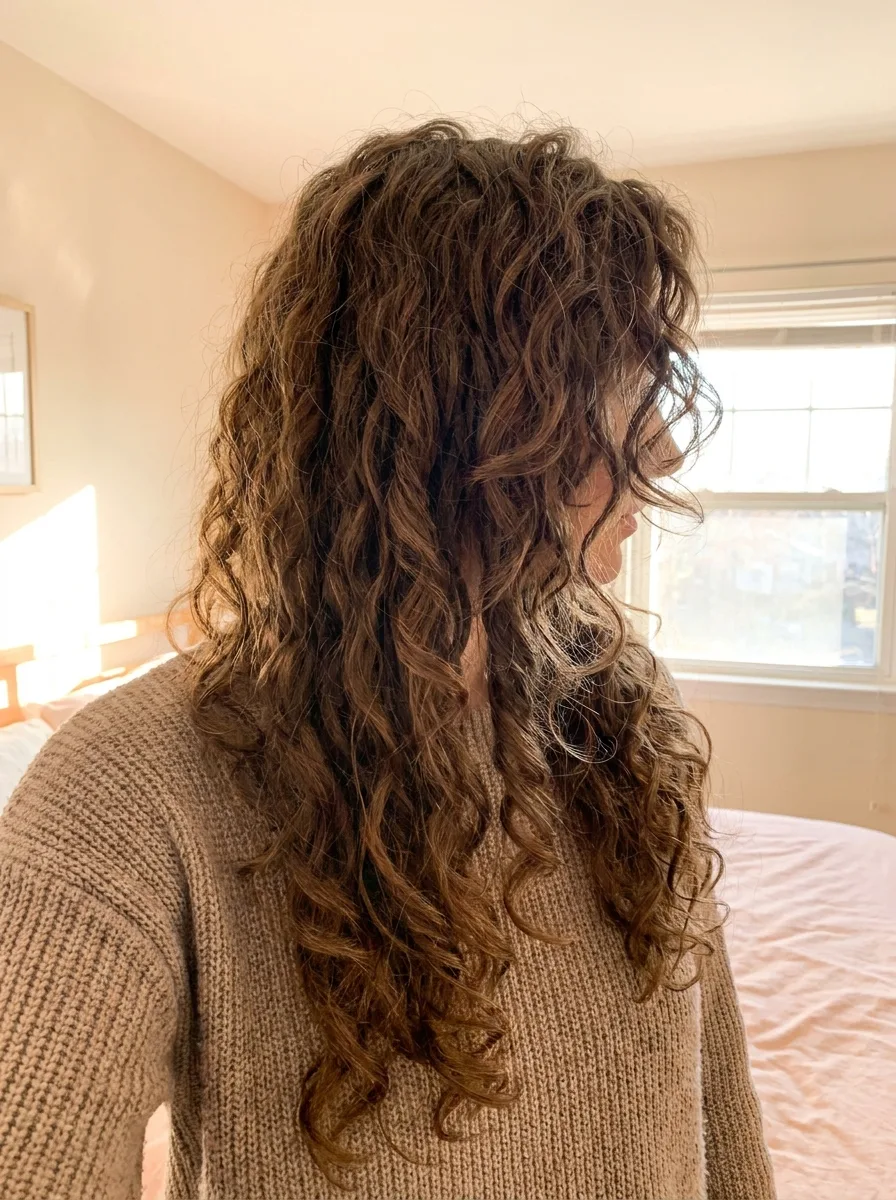
This is the most length-conscious interpretation.
Keep most of the lower hair long and concentrate the shorter layers around the face, upper sides, and collarbone area. The resulting effect is subtle: you still get movement and separation, but the overall hairstyle continues to read as long curly hair.
This can be a good choice for someone who likes the butterfly concept but is nervous about losing the length that makes their curls feel distinctive.
10. Seventies-Inspired Curly Butterfly
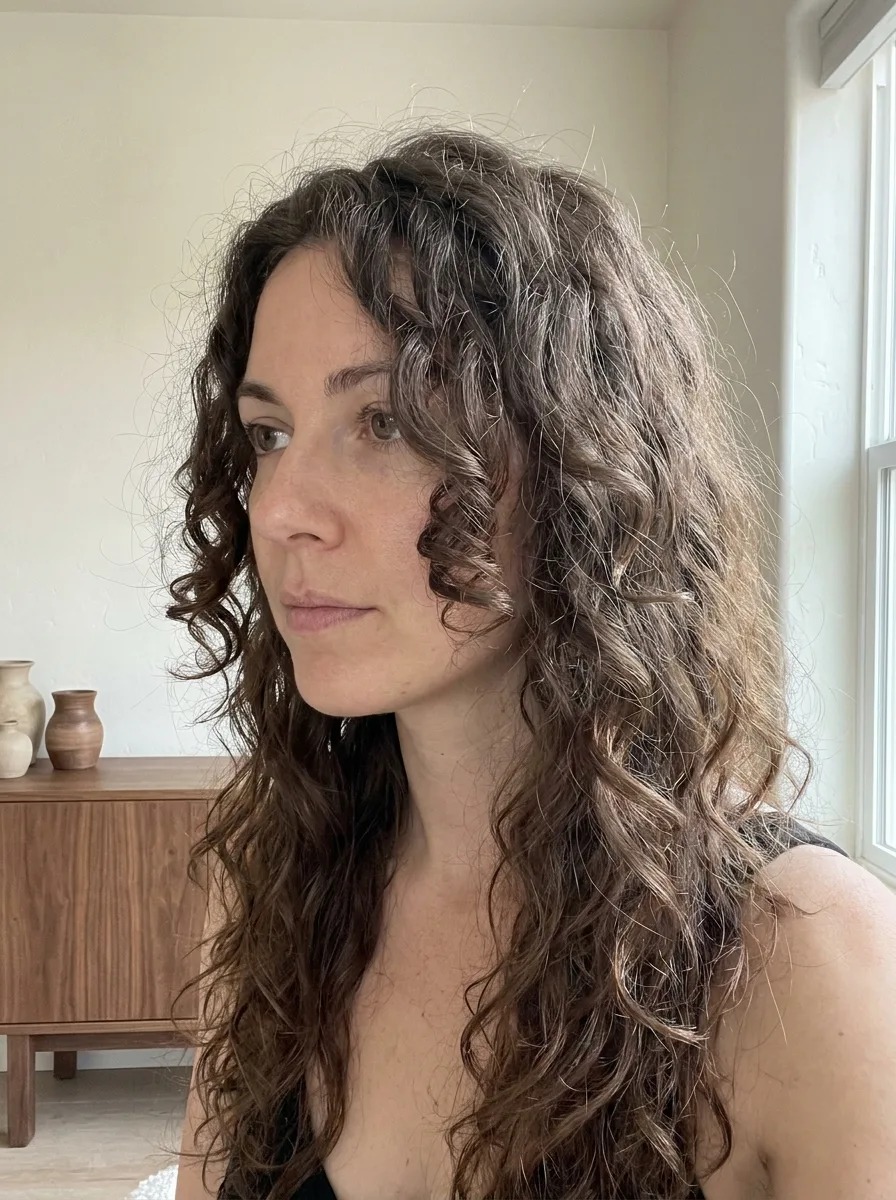
The seventies-inspired version makes the layers more visible.
The crown becomes more pronounced, face-framing curls sweep outward, and the long lower section creates a cascading shape. A center part and larger, softer curls emphasize the retro influence.
The key is keeping the texture natural and contemporary. The result should feel inspired by vintage layered silhouettes without looking like a costume hairstyle.
11. Lived-In Curly Butterfly Cut
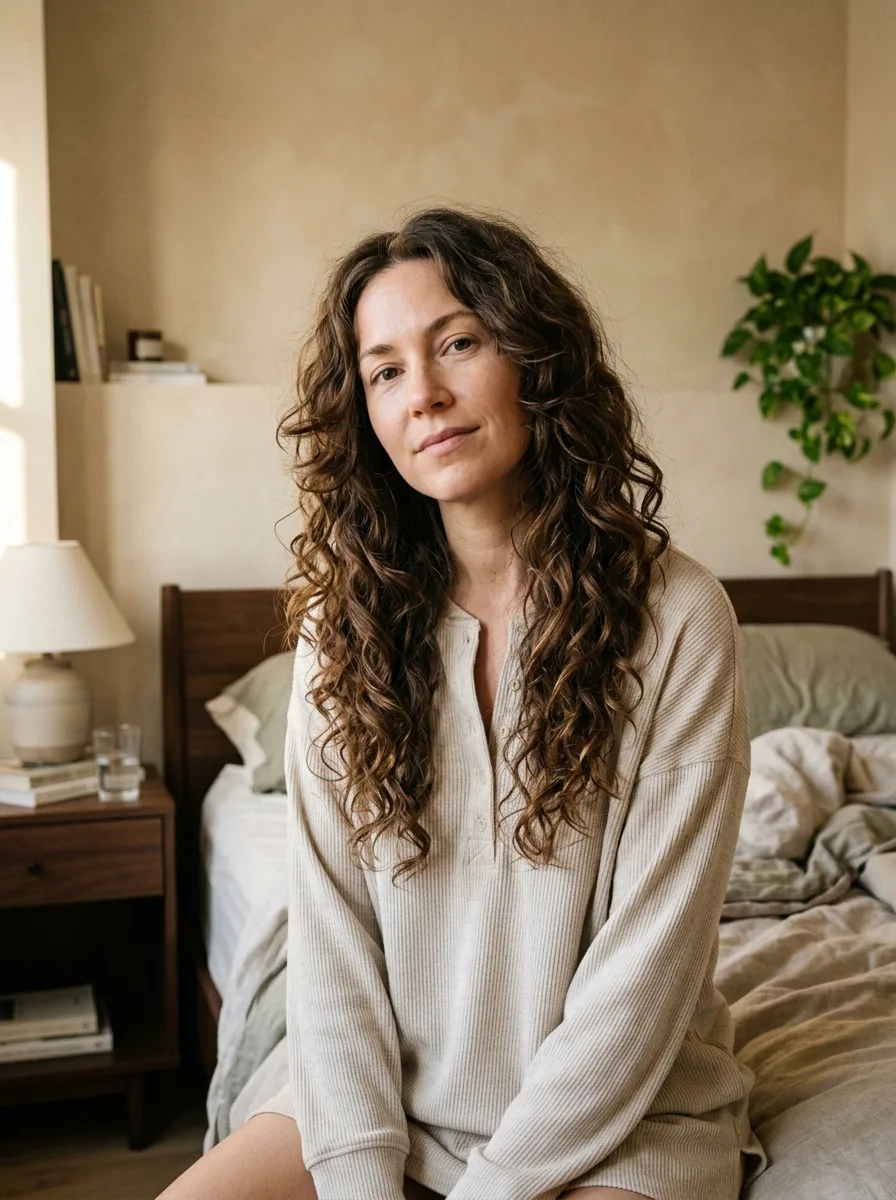
The lived-in version is softer, less precise, and particularly suited to natural everyday texture.
The layers remain blended rather than sharply separated, while the curls are allowed to settle into their own pattern. Some frizz, small flyaways, uneven curl sizes, and slight asymmetry are part of the appeal.
Instead of relying on a polished blowout or perfectly arranged curls, this version lets the haircut provide the structure while natural texture supplies the movement.
How a Curly Butterfly Cut Differs From a Regular Curly Layered Haircut
A regular curly layered haircut can distribute layers throughout the hair with the primary goal of controlling weight or creating an overall shape.
A butterfly cut has a more recognizable short-to-long relationship. The upper portion is noticeably more layered and mobile, while the lower portion remains substantially longer.
Think:
- Shorter movement around the face and crown
- Followed by longer cascading curls underneath
That distinction becomes particularly important with curls because the shorter sections can spring upward once they dry.
Comparing Curly Butterfly Cut Styles
| Style | Shortest Layer Starting Point | Best For Curl Type | Shrinkage Consideration | Styling Effort |
|---|---|---|---|---|
| Classic Long Butterfly | Temples / Cheekbones | Medium curls & ringlets | Moderate | Low to Moderate |
| Shoulder-Length | Cheekbones | Bouncy 3A–3B curls | High (cut longer wet) | Low (air-dry friendly) |
| Loose Curls / Waves | Jawline | 2B–2C loose waves | Low | Minimal |
| Thick Curly Hair | Crown & mid-lengths | Dense 3B–3C curls | Moderate to High | Diffuser or air dry |
| Fine Curly Hair | Collarbone / Jawline | Fine 2C–3A curls | Low to Moderate | Lightweight curl cream |
| Curtain Bangs | Bridge of nose / Cheeks | All curl patterns | High (cut dry) | Quick finger-twirl |
How to Choose the Right Layer Placement
Layer placement determines how dramatic the finished shape will be.
- For subtle framing: Start the shorter layers closer to the jaw or collarbone.
- For stronger face framing: Bring the shortest pieces closer to the cheekbone.
- For more crown movement: Increase the difference between the upper and lower sections.
- For preserving length: Keep most of the lower hair intact and concentrate shorter layers around the face.
- For a dramatic butterfly silhouette: Use visibly shorter crown layers combined with substantially longer lower sections.
Curly Butterfly Cuts by Hair Type
Loose Curls
Longer, more blended layers usually create the softest effect. The hair transitions fluidly between waves and curls without blunt stepping marks.
Defined Curls
The haircut becomes more sculptural because each curl responds individually to the layer length. Ringlets spring up and create dynamic visual tiers.
Thick Curls
A stronger layered structure can help organize the overall silhouette, but removing excessive weight can interfere with natural curl grouping. Focus on shaping rather than excessive thinning shears.
Fine Curls
More restrained layering can help maintain a cohesive shape. Keeping denser perimeters prevents the ends from looking sparse or stringy.
Tighter Curls and Coils
Shrinkage and density become particularly important. The dry curl pattern should influence the finished haircut much more than a stretched measurement.
Does a Curly Butterfly Cut Remove a Lot of Length?
Not necessarily.
The haircut is defined by the difference between the layer lengths, not by making every section short. Long hair can remain long underneath while the upper sections are cut shorter.
However, the stronger the contrast between the upper and lower layers, the more dramatic the finished haircut will look. Someone who wants maximum length preservation should choose a softer butterfly shape.
How to Make the Cut Work With Natural Texture
The best starting point is your natural hair behavior.
Consider:
- How much the curls shrink when dry
- Where your natural volume appears
- Whether your crown is naturally full
- How tightly individual curls group
- How much weight your ends carry
- How the front curls frame your face
- How much daily styling you realistically want
A butterfly cut should enhance those characteristics rather than force the hair to behave differently.
Common Curly Butterfly Cut Mistakes
- Making the crown too short: Curly hair can shrink substantially, so a short upper layer can become much shorter after drying.
- Removing too much weight: Aggressive thinning can break up natural curl groups and make the ends feel less cohesive.
- Ignoring shrinkage: The length visible when curls are stretched does not necessarily represent the finished haircut.
- Creating disconnected layers: The haircut needs visible variation, but the layers should still transition naturally.
- Adding too many layers: More layers do not automatically create better movement. The structure needs to match the density and curl pattern.
- Copying a straight-hair reference exactly: A butterfly cut designed for straight hair can behave completely differently on natural curls.
Frequently Asked Questions
What is a curly butterfly cut?
A curly butterfly cut is a layered haircut with shorter movement around the face and crown and longer layers underneath, adapted to natural curls, waves, or other textured hair.
Is a butterfly cut good for curly hair?
It can work very well when the layers are customized to the natural curl pattern, density, and shrinkage.
Does a curly butterfly cut make hair look shorter?
The upper layers become shorter, but the lower sections can remain long, preserving the overall impression of length.
Can you have curtain bangs with a curly butterfly cut?
Yes. Curtain bangs can flow naturally into shorter face-framing layers and create a softer version of the haircut.
Is a butterfly cut good for thick curly hair?
Yes. Thick curls can support a strong layered silhouette, although excessive thinning can interfere with natural curl formation.
Is a curly butterfly cut suitable for fine hair?
Yes, but a softer layer structure is often more appropriate than very short or highly separated layers.
Can the butterfly cut work on tightly curled hair?
It can, but shrinkage and natural density need to be considered carefully when deciding where the layers should fall.
Can a curly butterfly cut preserve long hair?
Yes. The lower section can remain substantially long while the upper sections provide the layered butterfly effect.
Does a curly butterfly cut require lots of styling?
Not necessarily. Natural texture can provide much of the movement. Styling requirements will depend on the individual’s curl pattern and desired finish.
Conclusion
The curly butterfly cut works because it gives natural texture room to participate in the shape.
The defining idea is not simply “lots of layers.” It is the relationship between shorter, more mobile upper sections and longer curls underneath.
A softer version can preserve most of your length and concentrate movement around the face. A stronger version can create more crown lift and a distinctly layered silhouette. Curtain bangs, cheekbone framing, loose curls, defined ringlets, thick hair, and fine hair can all produce different interpretations.
The best version is the one adapted to your natural dry curl pattern, density, shrinkage, and preferred level of styling.