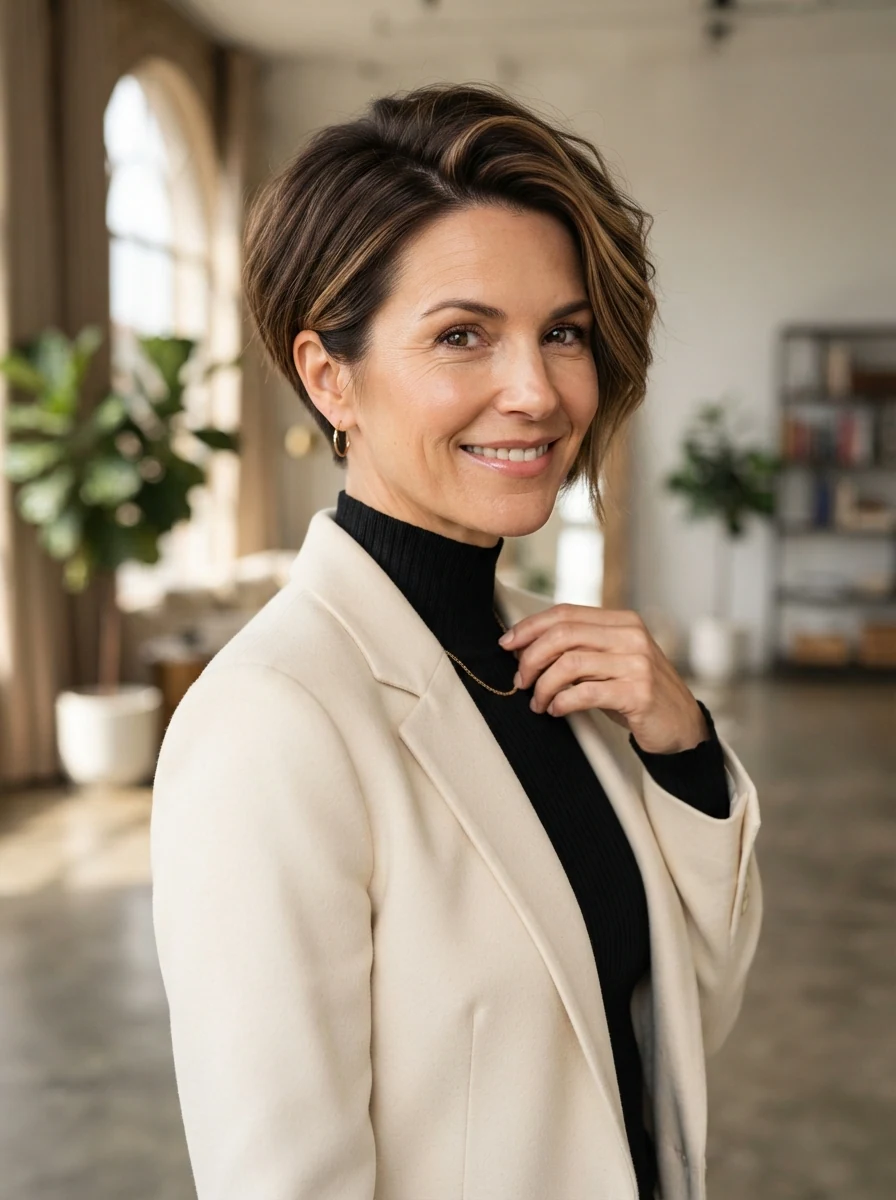
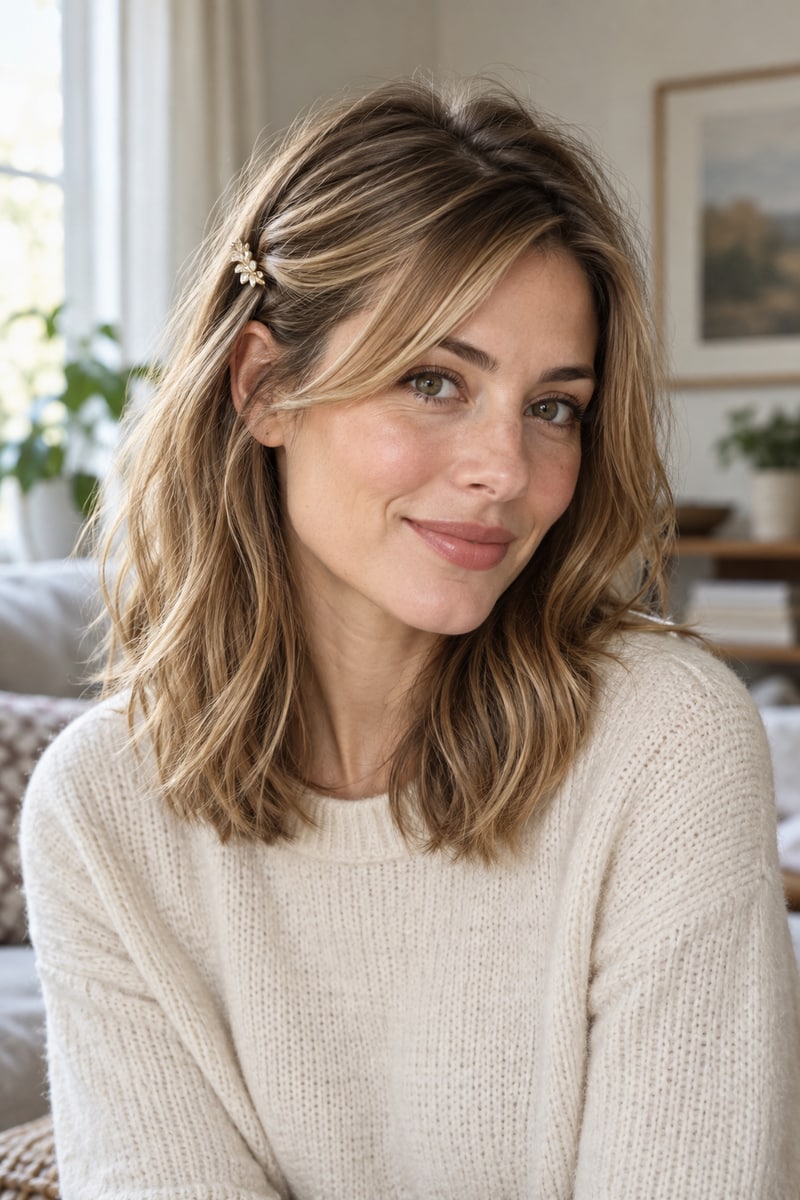
Bob Haircuts for Fine Hair: 21 Flattering Ideas for More Volume
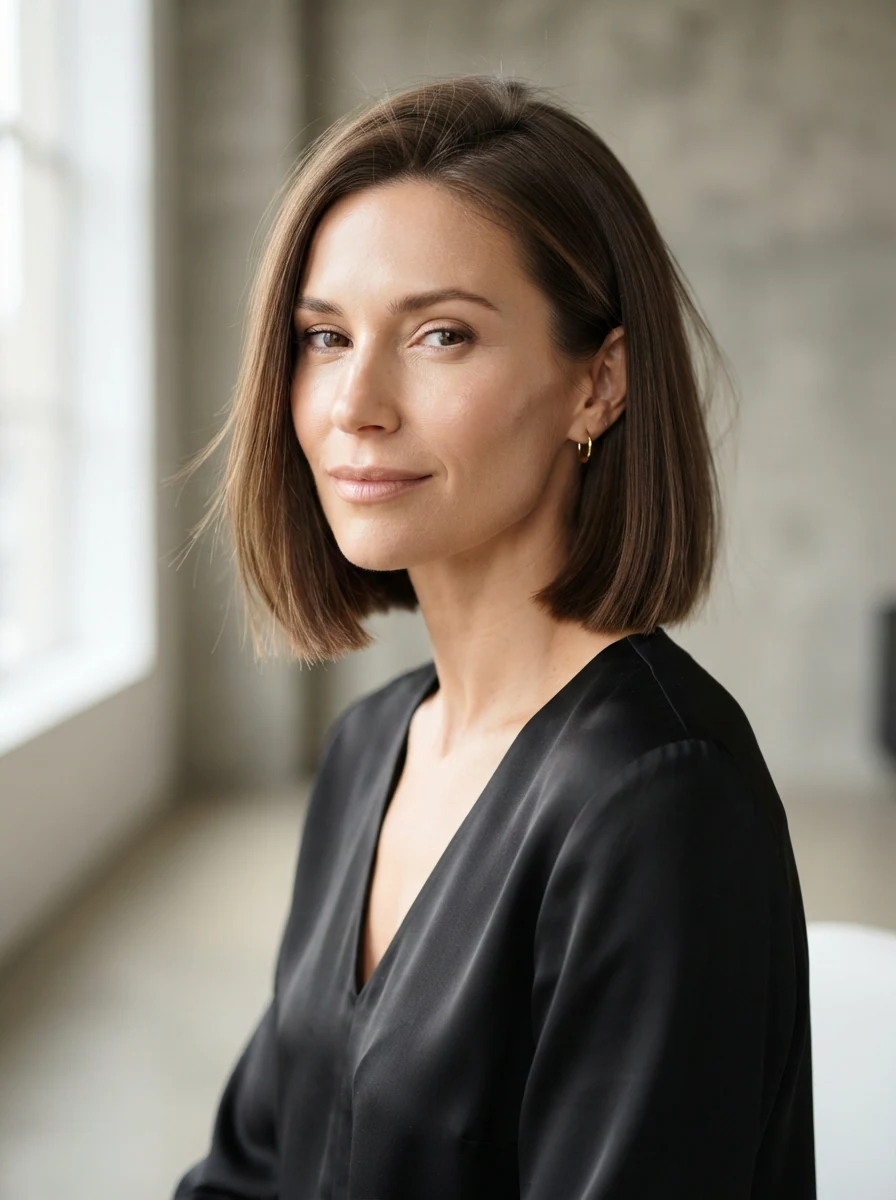
A bob can be one of the best haircuts for fine hair because it removes some of the length that often pulls delicate strands downward. But not every bob creates the same effect. The difference usually comes down to:
- where the haircut ends
- how much weight stays in the perimeter
- how many layers are added
- where the part sits
- how the ends are styled
- whether bangs remove too much density from the sides
Fine hair does not always need more layers. In fact, adding too many short layers can sometimes make the ends look thinner because the density gets distributed across too many different lengths. A fuller perimeter, subtle internal movement, and the right amount of root lift can often create a stronger result.
Some bob styles lean sleek and compact. Others use:
- soft waves
- side parts
- face framing
- light bangs
- subtle graduation
These details create more visual movement. The goal is to make effective use of the hair’s natural density.
Below are 21 bob haircuts for fine hair that range from polished and blunt to soft, layered, wavy, and easy to style.
1. Classic Blunt Bob for Fine Hair
A blunt bob is one of the strongest options when the ends need to look denser. Because most of the hair finishes at nearly the same point, the perimeter appears cleaner and more substantial. This is especially useful if your hair tends to look thinner toward the ends.
The cut can sit:
- at the jaw
- just below the jaw
- around the upper neck
Choose the position that suits your preferred length.
2. Chin-Length Bob for Fine Hair

A chin-length bob can make fine hair feel lighter and more structured. The shorter length reduces weight and keeps the ends close to the face, where the shape is easier to notice. This length also works well if you want something clearly shorter than a lob without moving into pixie territory.
A slight inward bend at the ends can add polish without making the haircut look overly rounded.
3. French Bob for Fine Hair
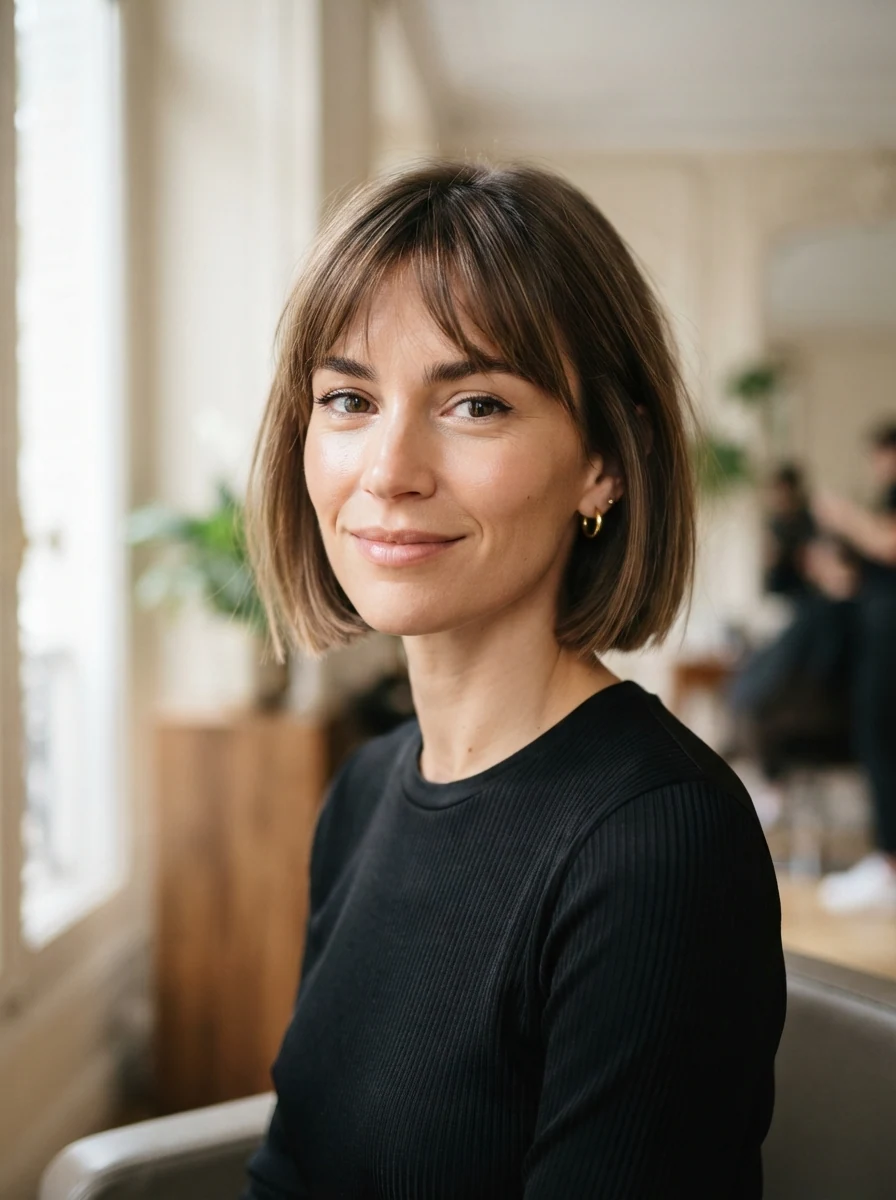
A French bob usually sits around the jaw and often has a soft, slightly undone finish. For fine hair, the strongest versions keep the ends relatively full rather than heavily texturizing them. A light fringe can work, but it should not remove too much density from the sides.
The cut feels stylish because it does not depend on large volume.
4. Italian Bob for Fine Hair
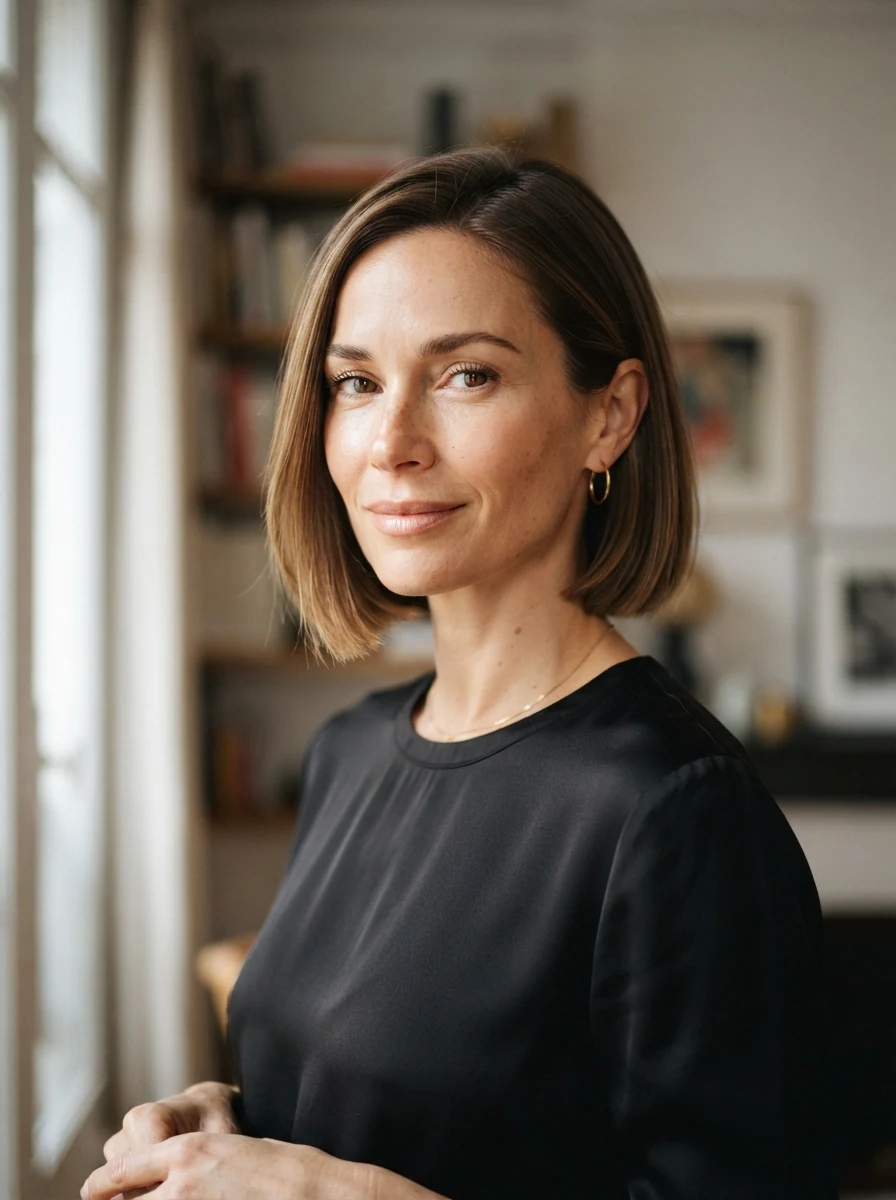
The Italian bob is usually fuller and slightly more polished than a French bob. That makes it particularly useful for fine hair. The shape typically relies on:
- a strong lower edge
- soft rounded movement
- minimal internal layering
- moderate natural volume
This creates the appearance of body without requiring a highly layered cut.
5. Short Bob With a Side Part
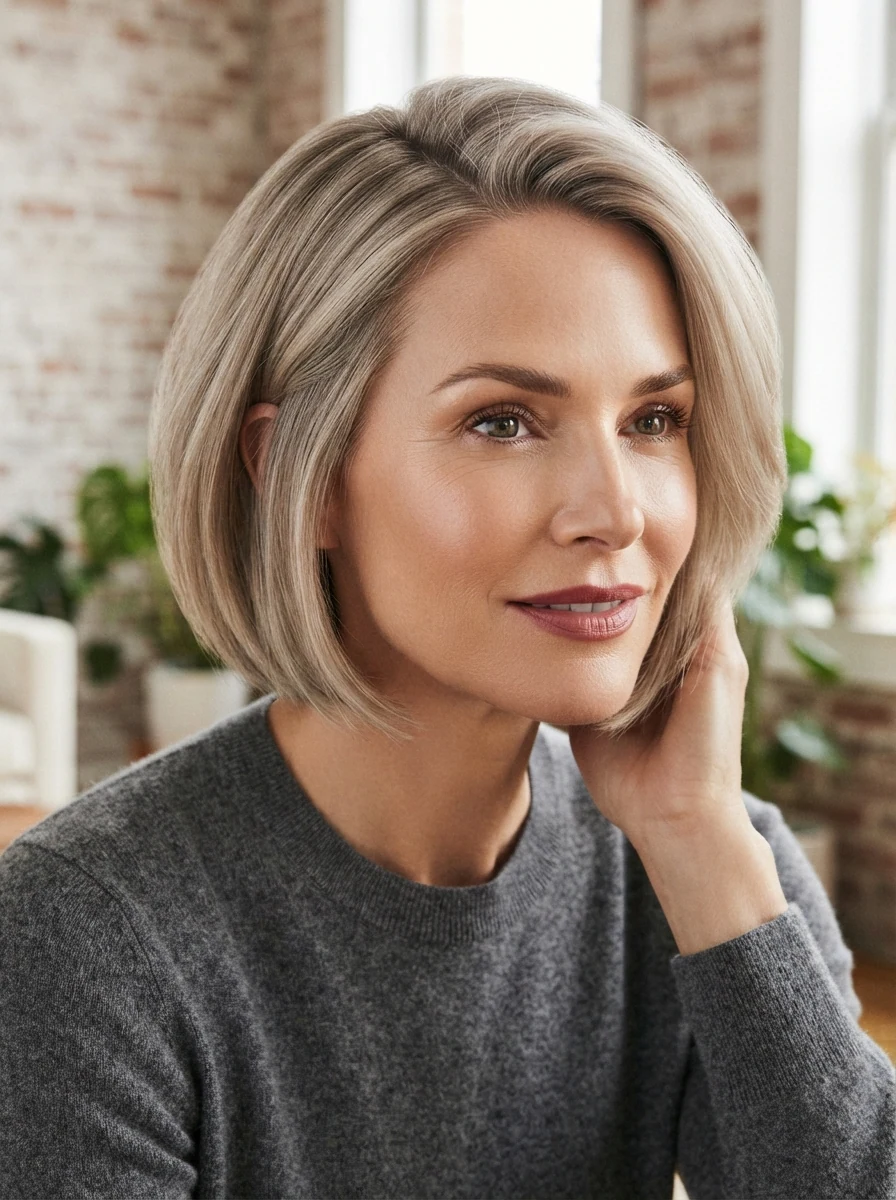
A side part can create immediate visual lift. One side naturally carries more hair, which makes the crown and front appear fuller. This works especially well if your hair tends to sit very flat with a center part.
The cut itself can remain simple and relatively blunt.
6. Center-Parted Bob for Fine Hair

A center part can still work beautifully on fine hair when the cut is strong enough. The key is avoiding an overly flat finish. A little root lift around the part and subtle movement at the ends can prevent the haircut from looking limp.
This version feels especially modern and clean.
7. Bob With Soft Face-Framing Pieces
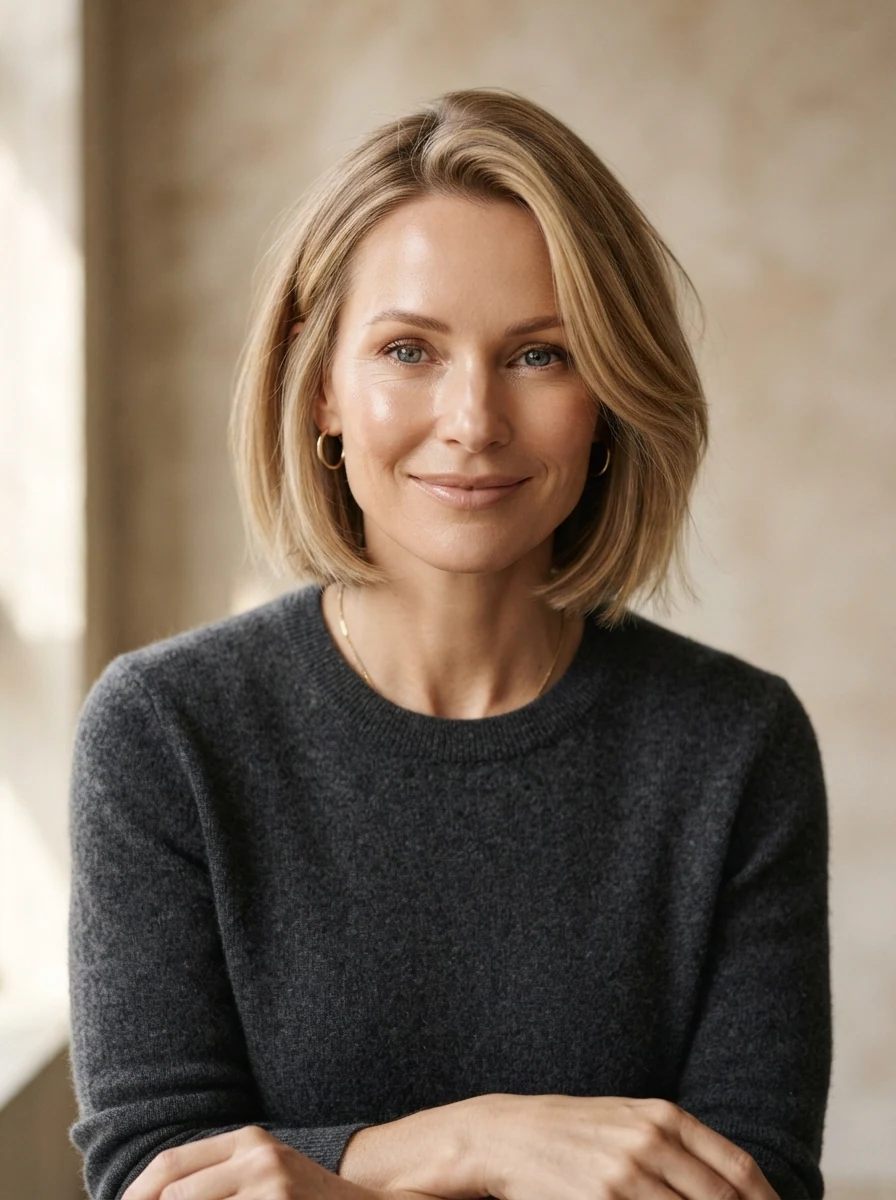
Face framing can add movement without layering the entire haircut. The shorter sections should be concentrated around the front. They may begin around:
- cheekbone
- jaw
- just below the chin
Choose the starting point according to the overall length. Keeping most of the perimeter intact helps preserve density.
8. Bob With Curtain Bangs for Fine Hair
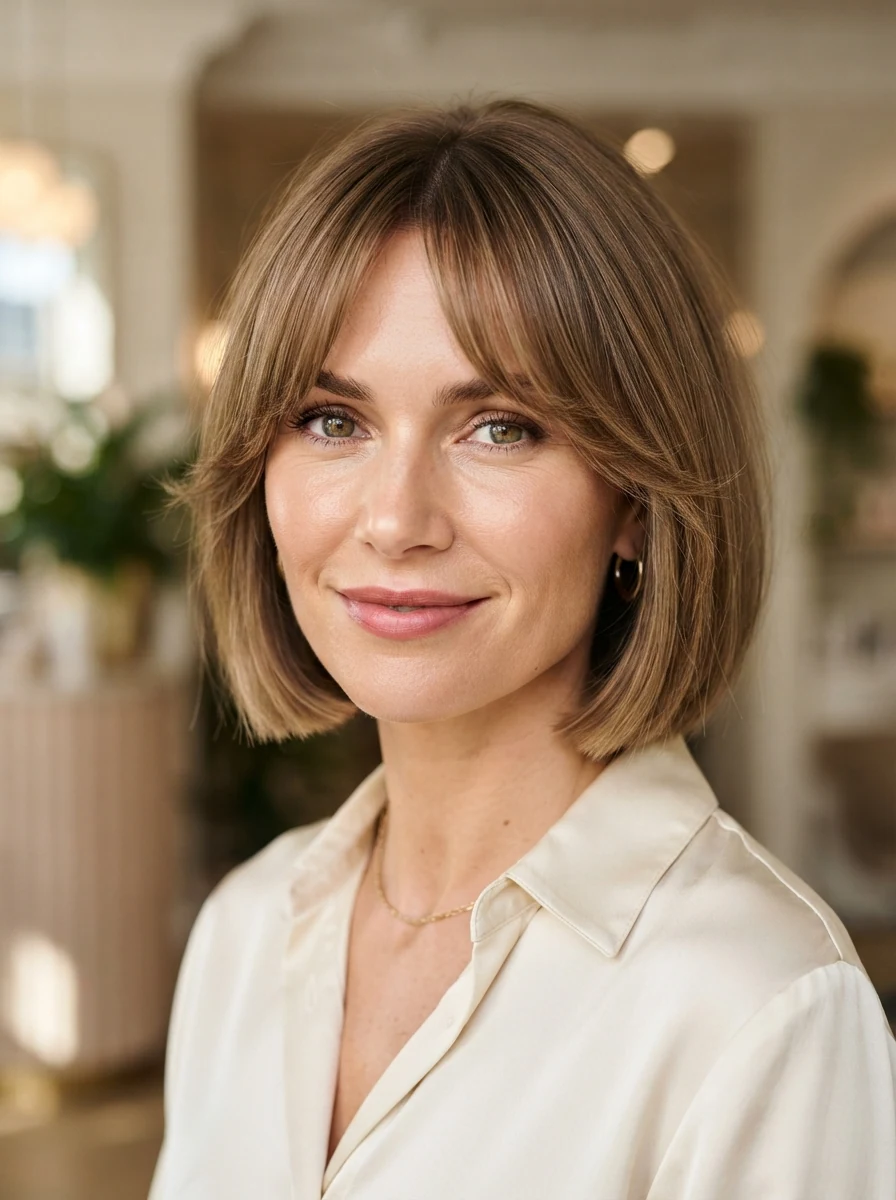
Curtain bangs can work well if they are kept light and blended. A very heavy fringe can remove too much hair from the sides. For fine hair, longer curtain bangs often work best because they use less density and flow into the front sections.
This creates softness without weakening the rest of the cut.
9. Bob With Wispy Bangs

Wispy bangs create an even lighter front. They are useful if you want some forehead coverage but do not want a full fringe. The key is keeping the bangs intentionally airy rather than sparse.
The rest of the bob should remain relatively compact.
10. Bob With Long Side Bangs
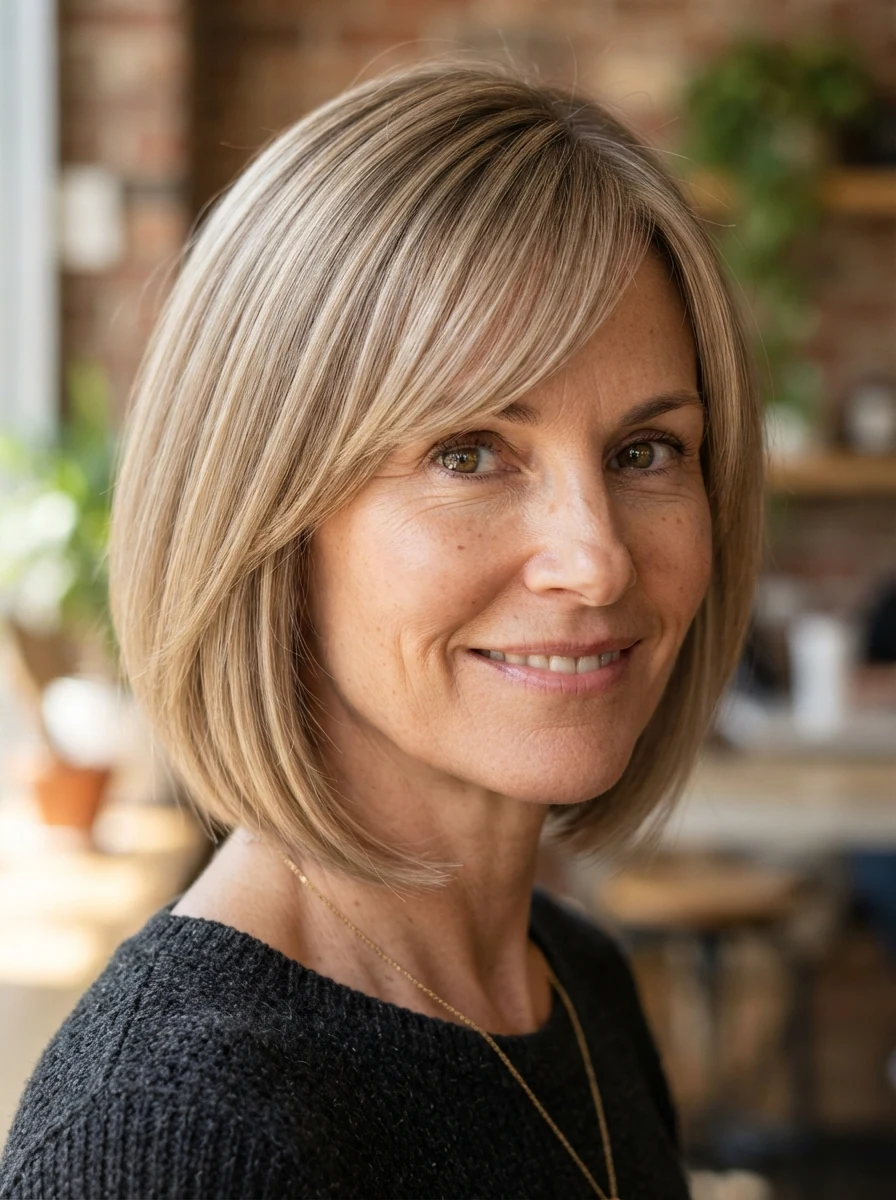
Long side bangs can add shape without taking much density away from the haircut. They work especially well with a side part. The fringe may reach toward the cheekbone or jaw and blend into the rest of the bob.
This can make the front appear softer and fuller.
11. Softly Layered Bob for Fine Hair
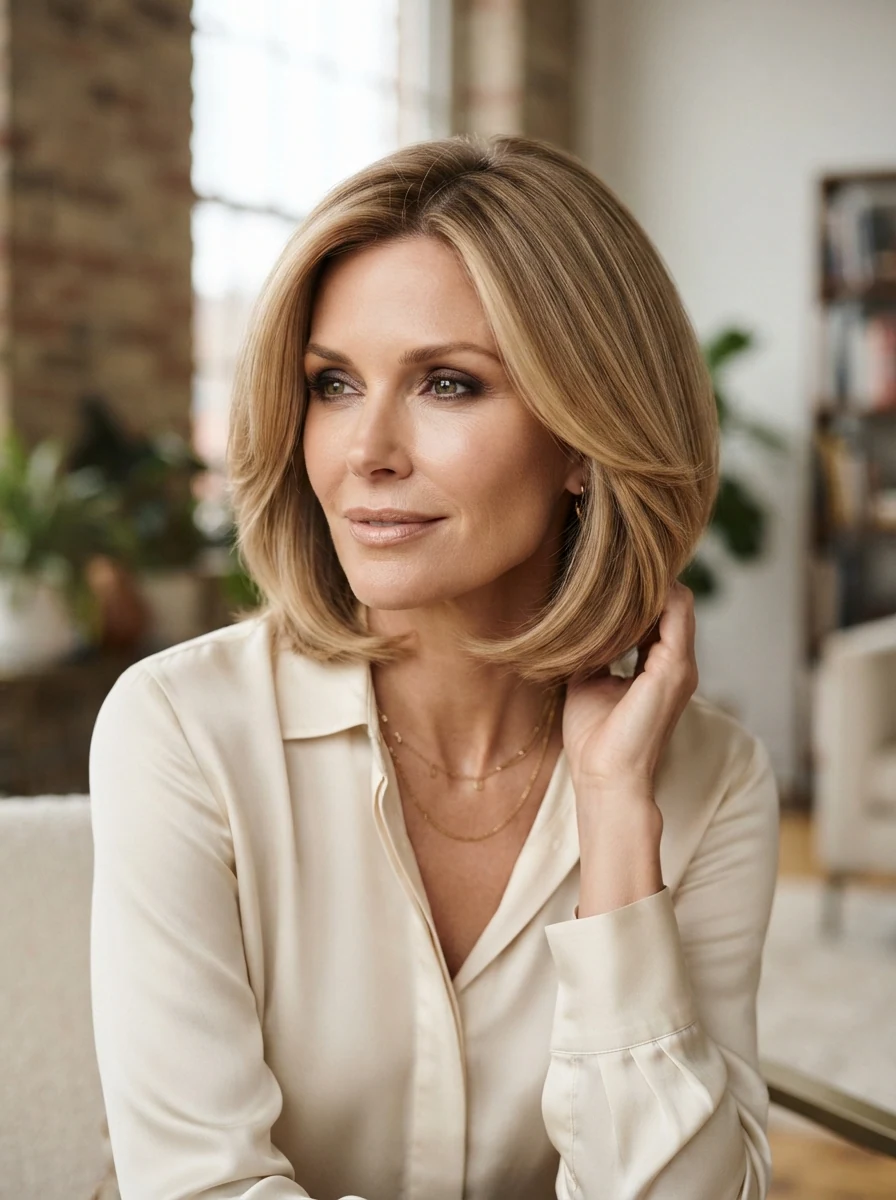
Fine hair can still have layers, but the layers should usually be subtle. Long, blended layers can create movement without removing too much density. This works best when the perimeter still looks strong.
The layers should support the shape rather than become the main feature.
12. Wavy Bob for Fine Hair
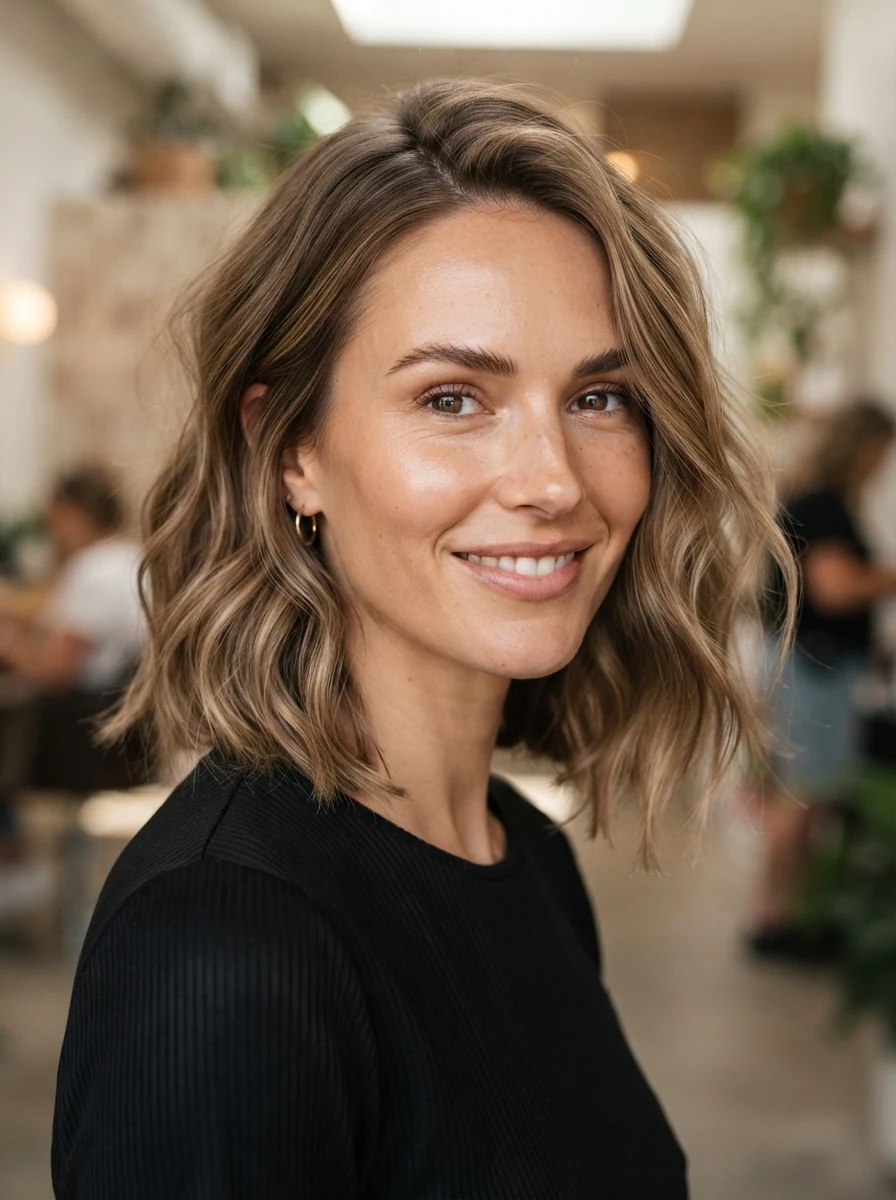
Soft waves can make fine hair appear more dimensional because the bends create light and shadow. The waves should be broad and irregular. Very tight curls can separate the hair too much and make the ends look thinner.
A lightly waved bob works best when the haircut underneath still has a strong shape.
13. Sleek Bob for Fine Hair
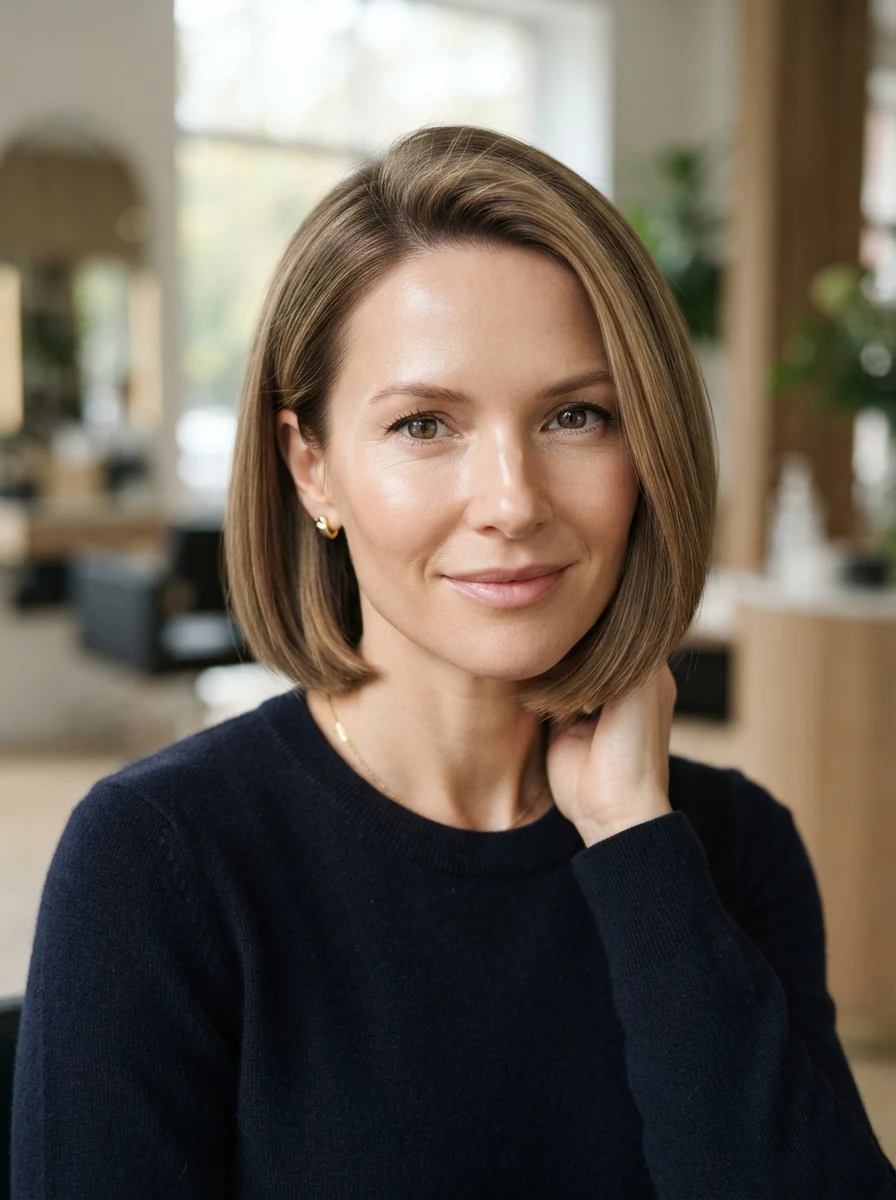
Fine hair does not always need volume. A sleek bob can look extremely polished if the ends are strong and healthy. The trick is keeping the hair smooth without pressing it completely flat against the scalp.
A little movement at the roots makes a big difference.
14. Soft Graduated Bob
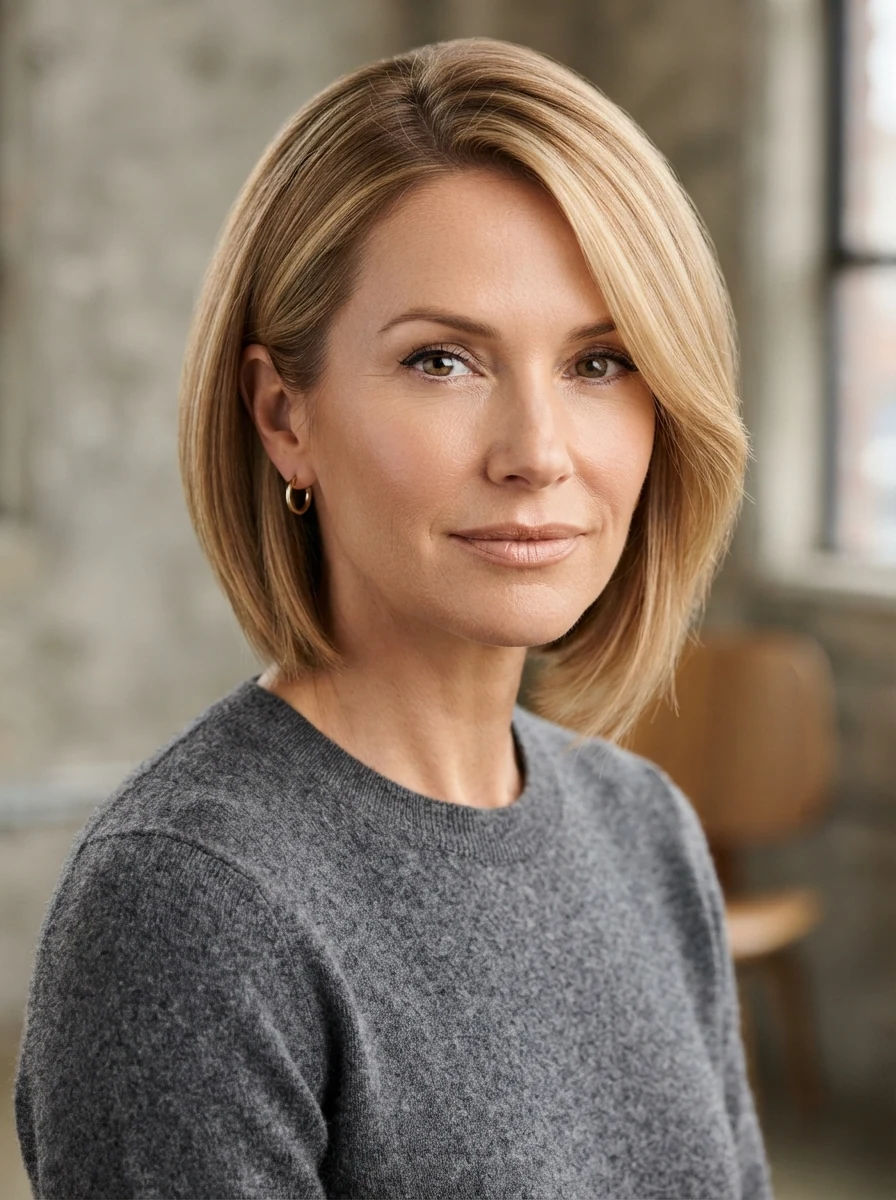
A graduated bob is slightly shorter in the back and longer in the front. When the graduation is subtle, it can create more shape without turning into a dramatic stacked cut. This works well for fine hair because the back gets a little structure while the front keeps enough length.
15. Rounded Bob With Soft Volume
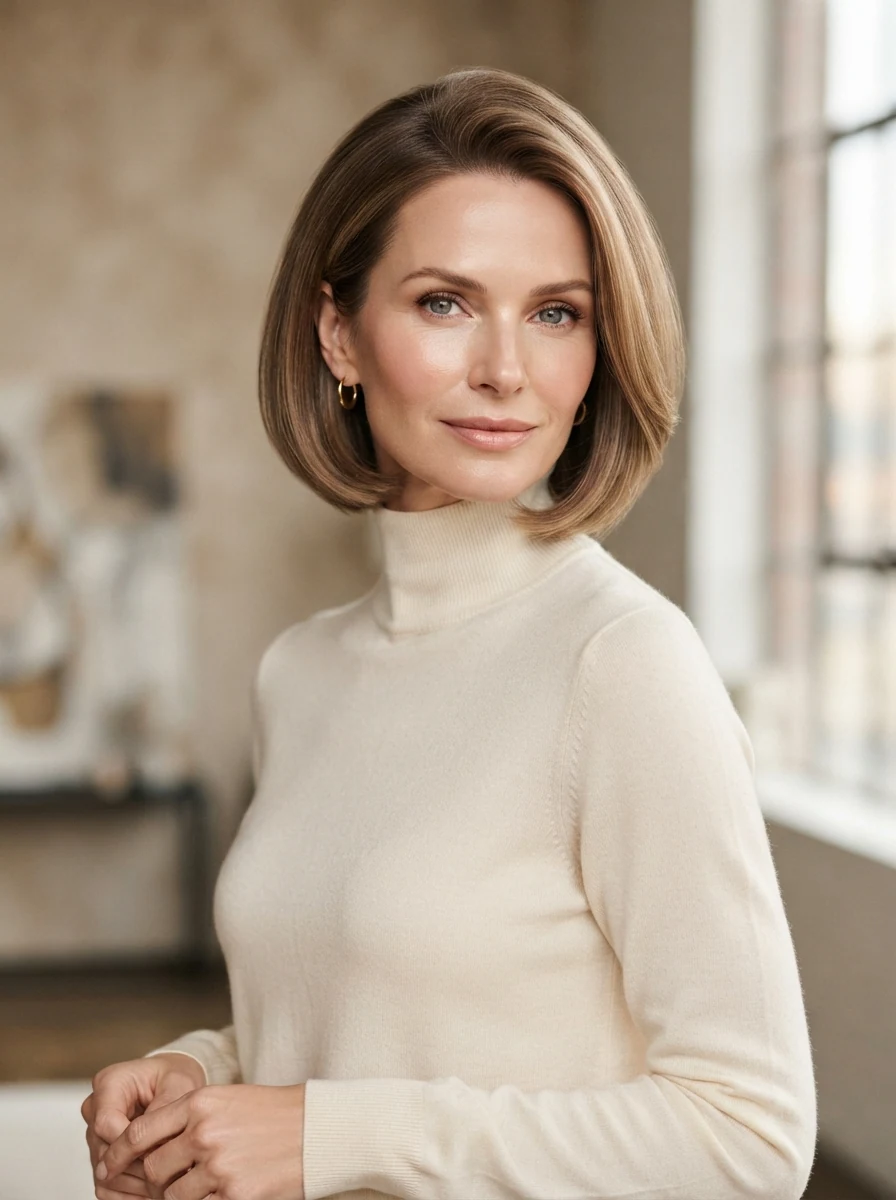
A rounded bob creates a fuller silhouette by slightly curving the ends inward. This does not need to look like a vintage blowout. The strongest modern version uses:
- subtle root lift
- soft bend through the ends
- clean perimeter
- restrained volume
The result is polished rather than puffy.
16. Wavy Bob With a Deep Side Part

Combining a side part with soft waves creates two sources of visual movement. The deeper part adds lift near the crown. The waves create dimension through the lengths.
This can be particularly helpful when straight fine hair tends to sit very close to the head.
17. Bob With Subtle Highlights
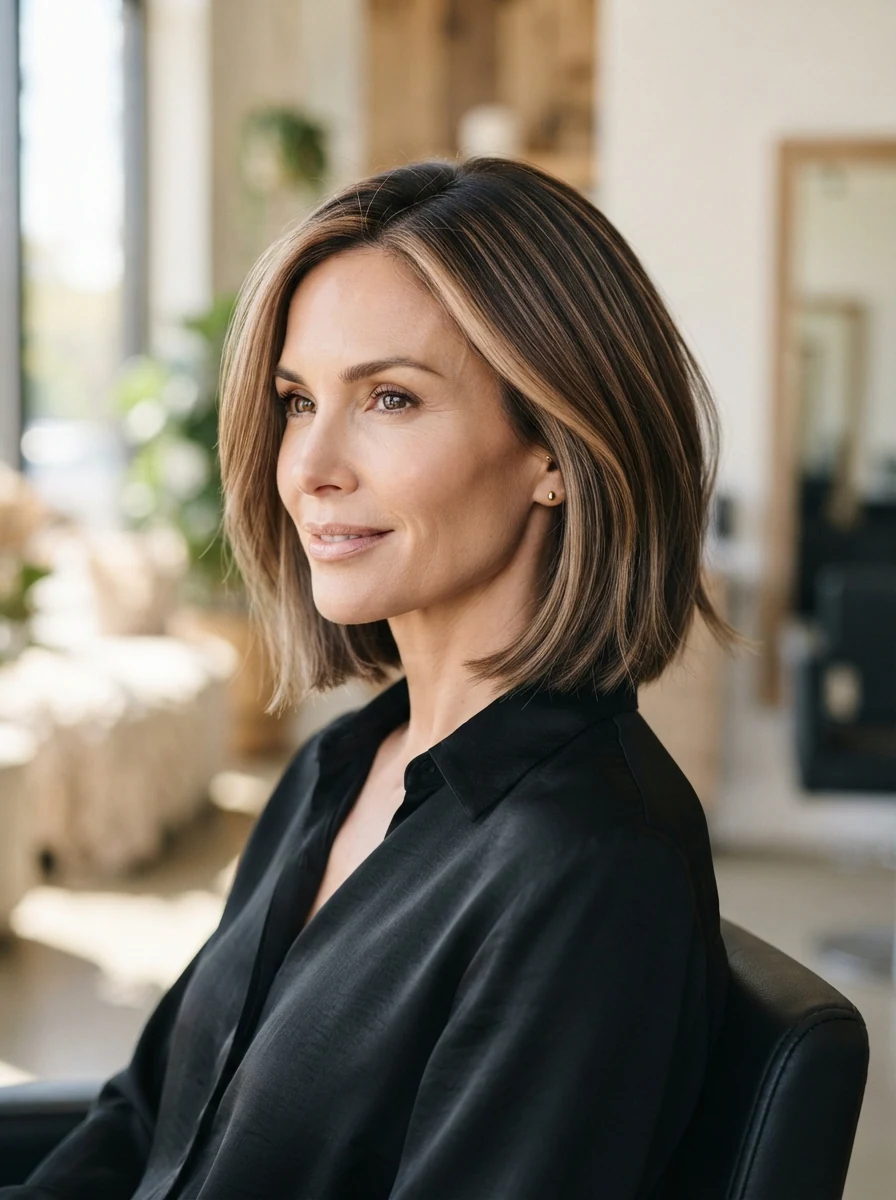
Color can also create the illusion of more dimension. Fine highlights or babylights create small shifts in lightness that make the shape easier to see. This works especially well with:
- beige blonde
- caramel
- brunette highlights
- soft balayage
The color should stay subtle so the hair does not look overprocessed.
18. Blonde Bob for Fine Hair
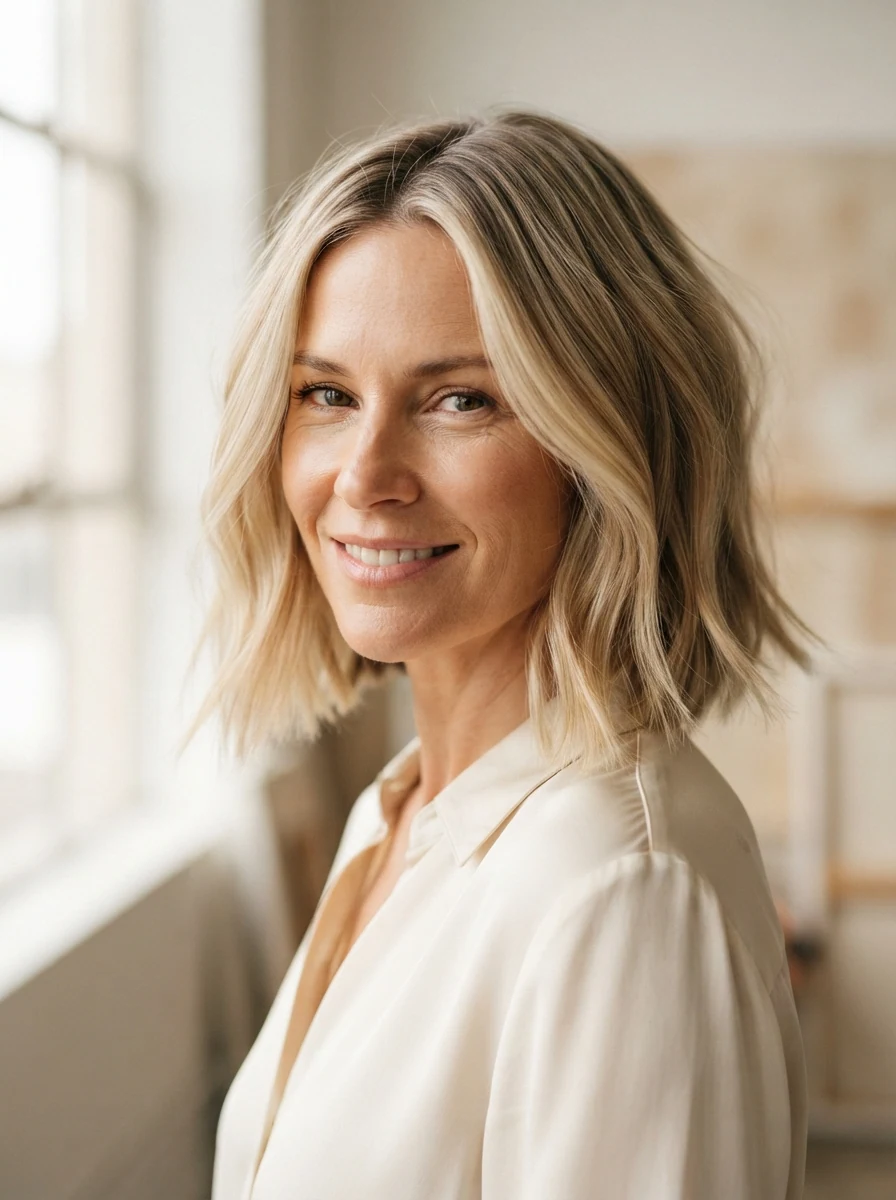
Blonde hair can look beautiful in a bob, but very light color can make damaged ends more obvious. A strong cut helps keep the shape looking polished. Beige blonde, dark blonde, and soft honey tones are especially flattering because they add dimension without relying on extreme contrast.
19. Brunette Bob for Fine Hair
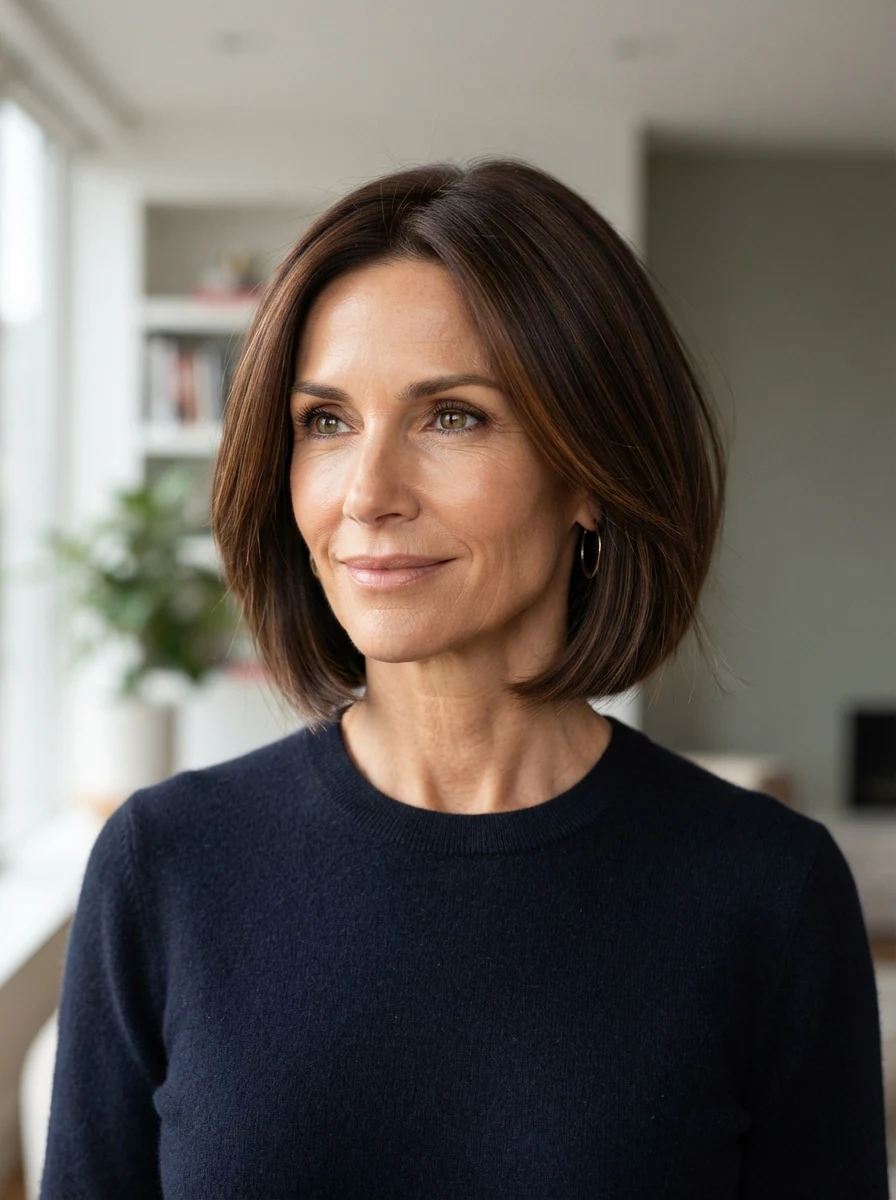
Darker hair colors can emphasize the silhouette of a bob. Chocolate brown and espresso create a strong outline, which can make the overall shape appear more defined. Subtle highlights can add movement if you want more dimension.
20. Bob for Fine Hair Over 50
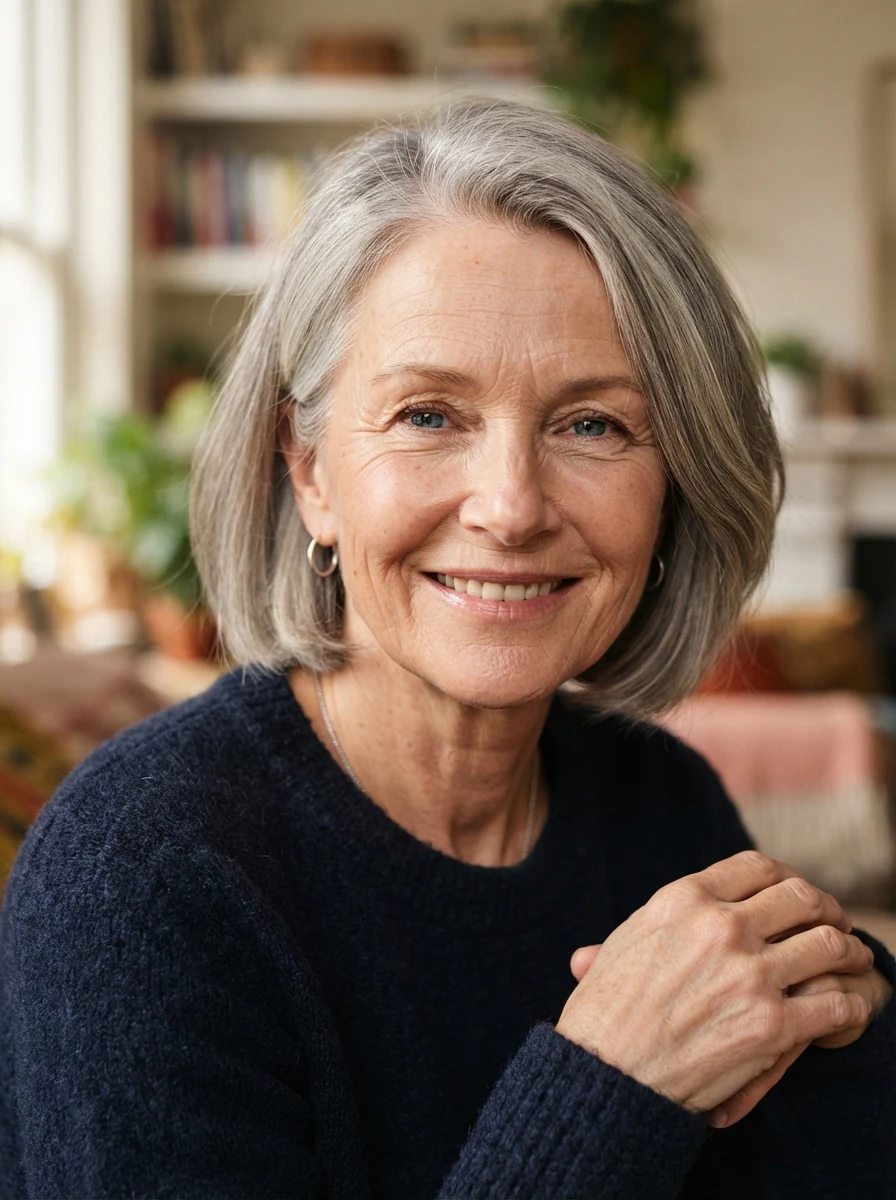
Fine hair can become more noticeable with age, but a bob can still work extremely well. A strong perimeter is especially useful. You may also want:
- a soft side part
- longer bangs
- gentle waves
- minimal layering
The haircut should work with the existing density rather than depending on large amounts of styling.
21. Undone Bob for Fine Hair

A slightly undone finish can keep fine hair from looking too flat. The key is using very controlled texture. You do not need a full messy hairstyle.
A few irregular bends, separated strands, and natural flyaways can make the cut feel lighter and more modern while still preserving the ends.
Why Does a Bob Work Well for Fine Hair?
A bob removes length and weight. That matters because longer fine hair can sometimes fall very close to the head. When the haircut becomes shorter, there is less length pulling the roots downward.
A bob also gives the ends a more concentrated visual line. That can make the overall shape feel more substantial even when the individual strands remain fine.
Fine Hair vs Thin Hair: What Is the Difference?
Fine hair refers to the diameter of each individual strand. Thin hair usually refers to lower overall density. You can have:
- fine hair with lots of strands
- coarse hair with low density
- fine hair that is also thin
That distinction matters because the same haircut can behave differently depending on both strand size and density.
Which Bob Is Best for Fine Hair?
There is no single best bob, but the strongest starting points are usually styles with a clean perimeter. Good options include:
- blunt bob
- chin-length bob
- Italian bob
- French bob
- softly graduated bob
If your hair is very fine, keeping the ends dense is often more useful than adding many layers.
What Bob Length Makes Fine Hair Look Fuller?
Shorter lengths often make the strongest visual impact. Particularly useful lengths include:
- chin length
- just below the jaw
- upper neck
Very long bobs can still work, but the additional weight may make fine hair sit flatter.
Should Fine Hair Be Layered?
Yes, but carefully. Fine hair does not automatically need to be completely blunt. Long, subtle layers can add movement.
The problem usually comes from:
- too many short layers
- aggressive thinning
- heavily feathered ends
These can reduce the density at the bottom.
Is a Blunt Bob Good for Fine Hair?
Yes. A blunt bob is one of the easiest ways to preserve visual density because the ends finish at nearly the same point. The result often looks:
- cleaner
- fuller
- stronger
- more polished
This is especially useful when the ends tend to look sparse.
French Bob or Italian Bob for Fine Hair?
Both can work.
French Bob
Usually feels:
- shorter
- slightly softer
- more relaxed
- more undone
Italian Bob
Usually feels:
- fuller
- smoother
- slightly longer
- more polished
If preserving density is the priority, the Italian bob can be especially useful because of its strong perimeter.
Are Bangs Good for Fine Hair?
Bangs can work, but they use hair that would otherwise remain in the sides. That is why lighter fringe styles are often easier. Good options include:
- curtain bangs
- wispy bangs
- long side bangs
Very thick bangs may remove too much density from the front sides if your hair is already sparse.
Do Curtain Bangs Work With Fine Hair?
Yes, especially if they are longer and lighter. Curtain bangs can:
- soften the front
- add movement
- create face framing
They should blend into the sides rather than forming a very thick separate fringe.
Side Part or Middle Part for Fine Hair?
A side part often creates more immediate volume because more hair sits on one side. A middle part can still look great, especially with:
- subtle root lift
- waves
- strong perimeter
The better choice depends on your natural growth pattern and preferred look.
How Do You Make a Fine-Hair Bob Look Fuller?
Small styling changes can make a noticeable difference. Try:
- lifting the roots slightly
- using a side part
- adding broad waves
- keeping the ends compact
- avoiding heavy oils near the roots
You do not need dramatic teasing. Fine hair often responds better to light styling than to heavy product.
How Should Fine Hair Be Blow-Dried?
Start by directing the roots away from the scalp. You can dry the hair:
- side to side
- upside down briefly
- against the natural part
Each approach can create gentle root lift. The ends can then be smoothed or slightly curved inward.
Are Waves Good for Fine Hair?
Yes. Soft waves create light and shadow through the hair, which can make the shape look more dimensional. The waves should remain broad.
Very small curls can separate the ends and make fine hair look less dense.
What Styling Products Work for Fine Hair?
Lightweight products are usually best. Useful options may include:
- volumizing mousse
- lightweight root spray
- flexible hairspray
- dry texture spray
Heavy creams and oils can make fine hair collapse faster.
Should Fine Hair Be Thinned Out?
Usually not aggressively. Fine hair already has small strand diameter. Excessive thinning can make the perimeter look weaker.
If weight needs to be removed, it should generally be done very selectively.
Which Hair Color Makes Fine Hair Look Fuller?
Color does not physically increase density, but dimension can make the haircut look more textured. Useful techniques include:
- babylights
- subtle highlights
- soft balayage
- darker root depth
Very harsh contrast is not necessary.
Bob Haircuts for Fine Straight Hair
Straight fine hair works especially well with:
- blunt bob
- sleek bob
- center-parted bob
- Italian bob
- softly graduated bob
Because the hair is straight, the haircut itself becomes the main visual feature.
Bob Haircuts for Fine Wavy Hair
Fine wavy hair can benefit from enough length for the wave pattern to form. Useful options include:
- soft French bob
- wavy chin-length bob
- side-parted bob
- lightly layered bob
Avoid removing too much weight from the ends.
Bob Haircuts for Fine Hair Over 50
A bob can be especially practical when density has changed over time.
Strong options often include:
- blunt perimeter
- side part
- soft bangs
- minimal layering
- gentle movement
The goal should be to work with the hair’s current texture rather than force a highly voluminous shape.
Common Mistakes With Fine-Hair Bobs
The most common problems are usually not the bob itself. They are things like:
- too much thinning
- too many short layers
- overly heavy products
- very wispy ends
- excessive heat styling
- trying to create unrealistic volume
A cleaner structure is often more flattering than a more complicated haircut.
Frequently Asked Questions
What bob haircut is best for fine hair?
Blunt, chin-length, Italian, French, and softly graduated bobs are all strong options because they can preserve a fuller-looking perimeter.
Does a bob make fine hair look thicker?
It can make the overall shape appear fuller by reducing length and concentrating the ends into a stronger perimeter.
Should fine hair have layers in a bob?
Yes, but layers should usually be subtle and long enough to preserve density.
Is a blunt bob good for thin fine hair?
Yes. A blunt perimeter can help the ends look more substantial.
Are bangs good for fine hair?
They can be. Curtain bangs, wispy bangs and long side bangs often work better than very heavy fringe.
What bob length is best for fine hair?
Chin to upper-neck length is especially versatile because it removes weight without becoming extremely short.
Can fine hair wear a wavy bob?
Yes. Broad soft waves can add dimension without separating the ends too much.
Is a bob good for fine hair over 50?
Yes. A strong perimeter, restrained layering and soft movement can work especially well.
Should fine hair be thinned out?
Usually only very selectively. Aggressive thinning can make the ends appear even lighter.
Final Thoughts
A good bob haircut for fine hair does not need to depend on extreme volume. The strongest styles usually make better use of the hair’s existing density. If your ends look thin, consider:
- blunt bob
- chin-length bob
- Italian bob
- sleek bob
If you want more movement:
- subtle layers
- soft waves
- side part
- face framing
If you want bangs:
- curtain bangs
- wispy bangs
- long side fringe
And if your hair is both fine and low-density, preserving the perimeter becomes especially important. The best haircut is usually not the one with the most layers. It is the one that keeps enough weight at the bottom while creating just enough movement through the top and front.
That balance is what helps a bob look fuller, cleaner, and easier to style without pretending fine hair is something it is not.