Bixie Cuts: 10 Ways to Wear the Bob-Pixie Hybrid
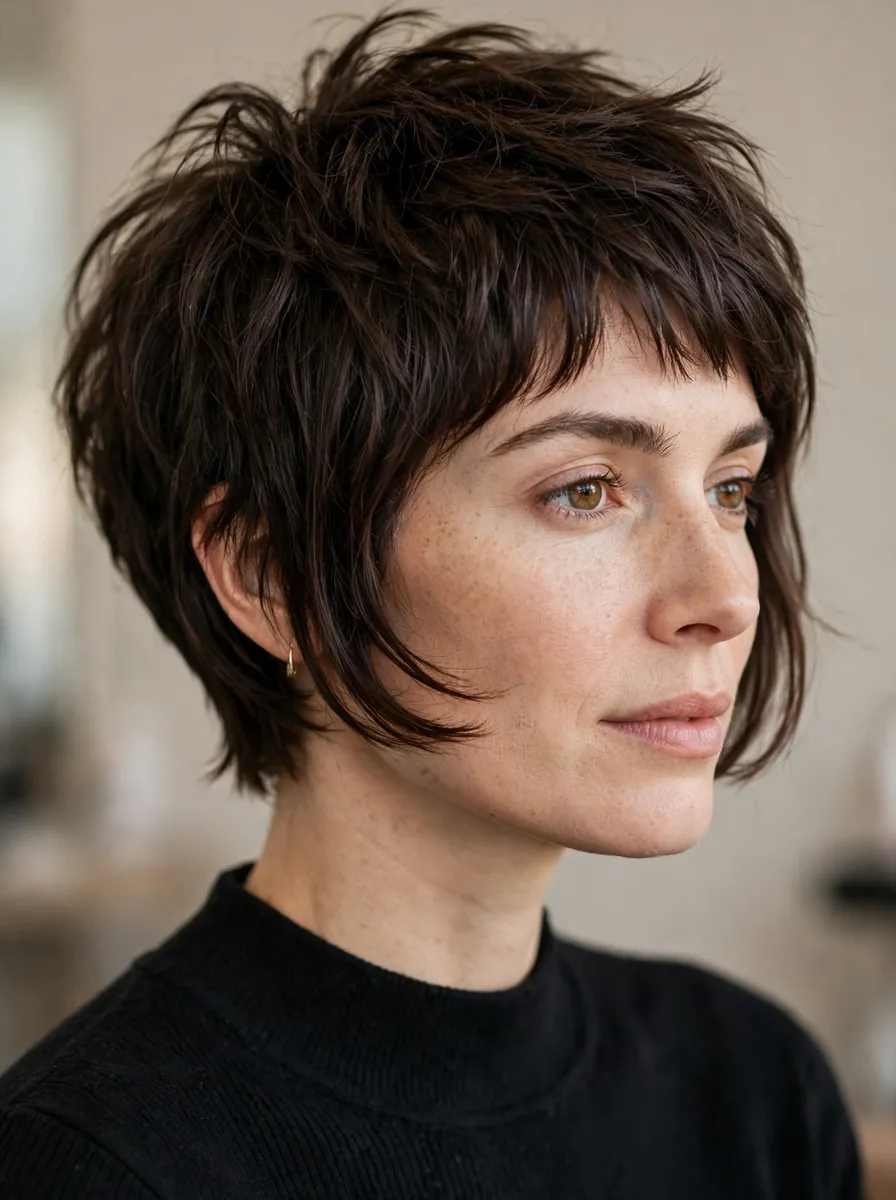
The bixie is what happens when a pixie and a bob meet in the middle: the top and back are cropped and layered like a pixie, while the outline keeps a bob’s soft, jaw-skimming frame around the face. It exists because plenty of people want a pixie’s lightness and texture without giving up the feeling of hair around their face — and plenty of bob wearers want their cut to stop looking flat.
Where does it sit against its close relative, the pixie bob? Our pixie bob haircuts guide covers the broader family of in-between cuts. The bixie is the more pixie-leaning member: shorter and more textured on top, with the bob kept mainly as a frame at the front. If the softer end of short hair is your taste generally, the feminine pixie cuts guide shows the classic pixies this hybrid grew out of.
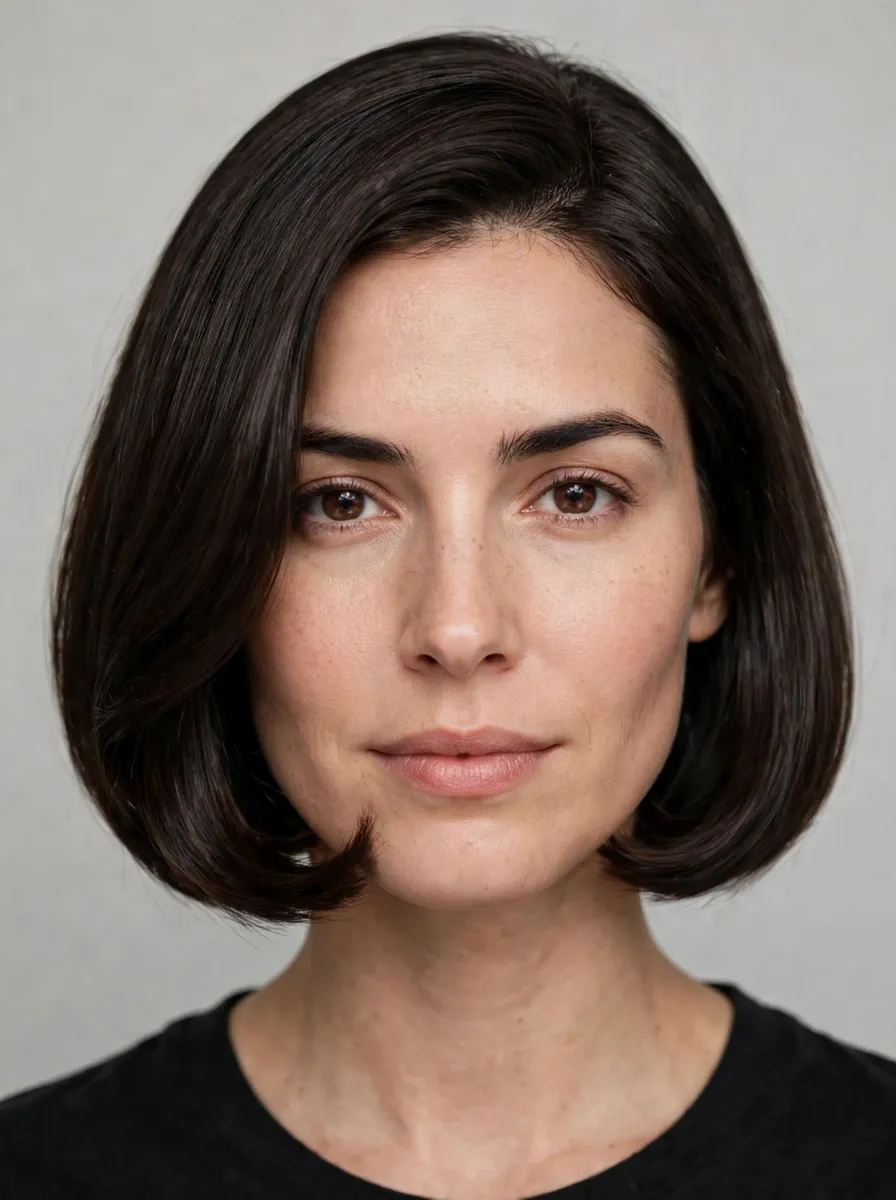
1. The Classic Bixie
The reference cut: cropped, piecey layers through the crown and back, easing into a jaw-length outline at the front and sides. It reads as a pixie from behind and a soft bob from the front — which is exactly the point. It suits most face shapes because the front frame can be lengthened or shortened to order, and it is the version to choose if you are cutting long hair short and want a safety net of familiarity around your face.
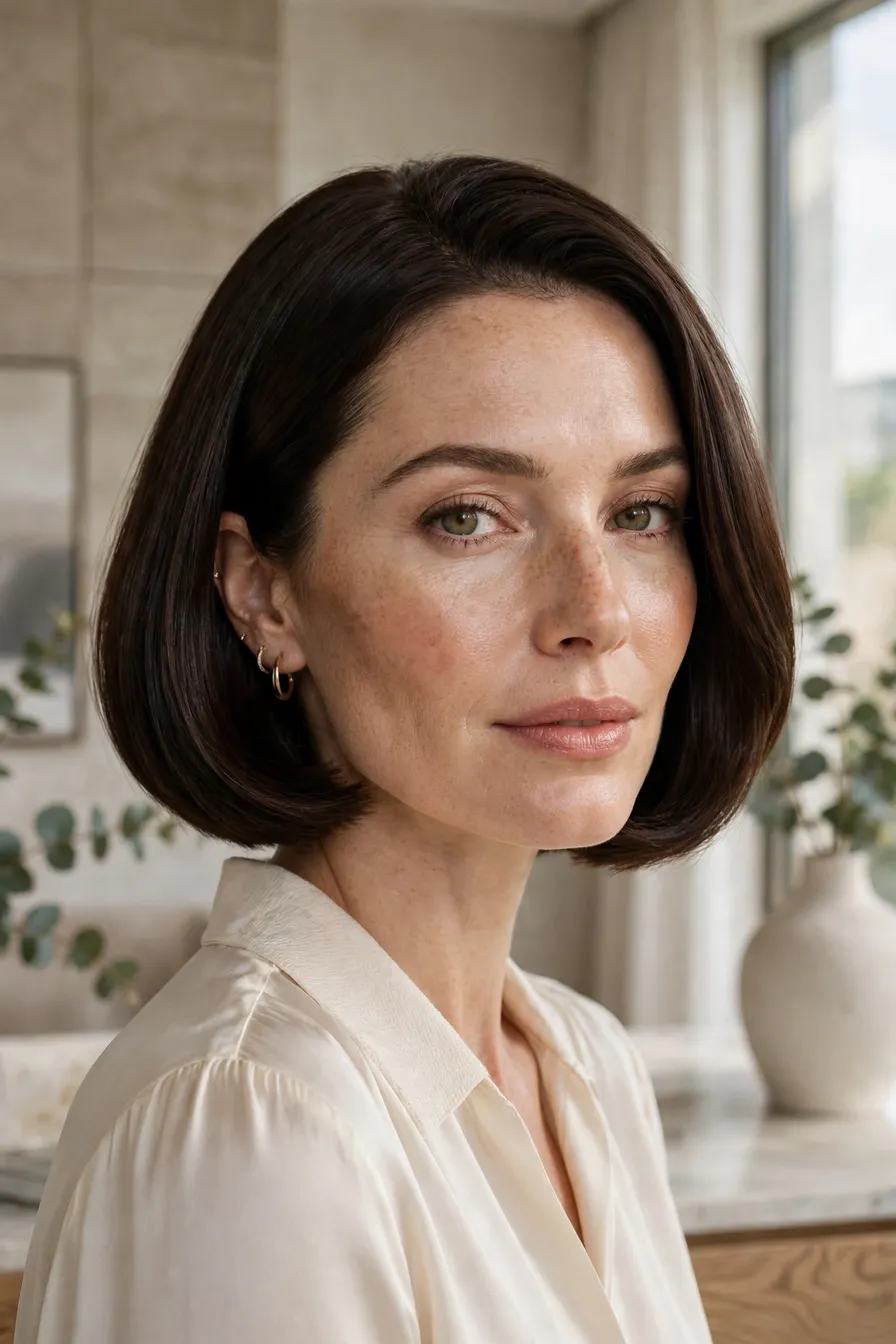
2. Long Bixie with Face-Framing Pieces
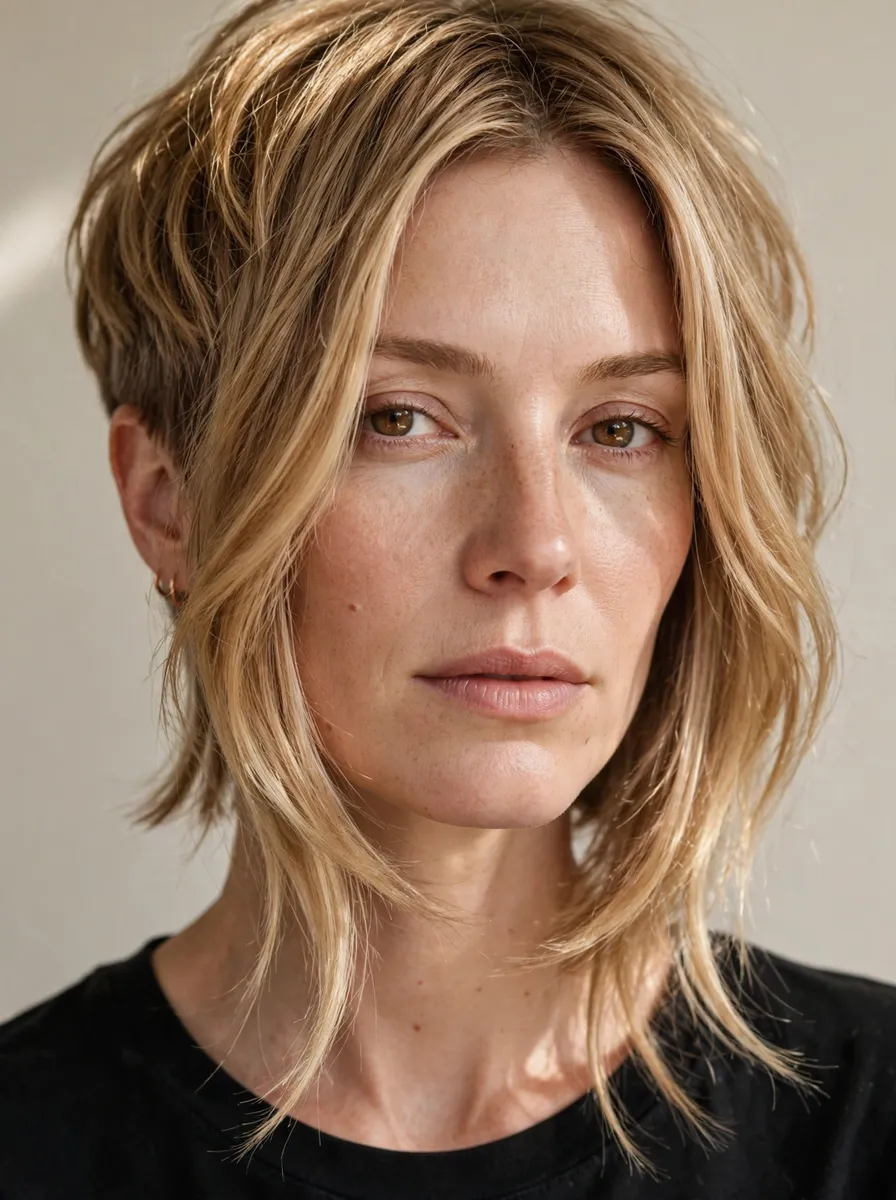
The longest bixie keeps the front pieces at chin-to-neck length while the back stays cropped above the collar. The face-framing sections soften the transition and give you something to tuck, sweep or pin — small styling freedoms a true pixie does not offer. This is also the gentlest way to test the bixie idea: if you later want it shorter, the journey is one appointment, not a grow-out.
3. Short Cropped Bixie
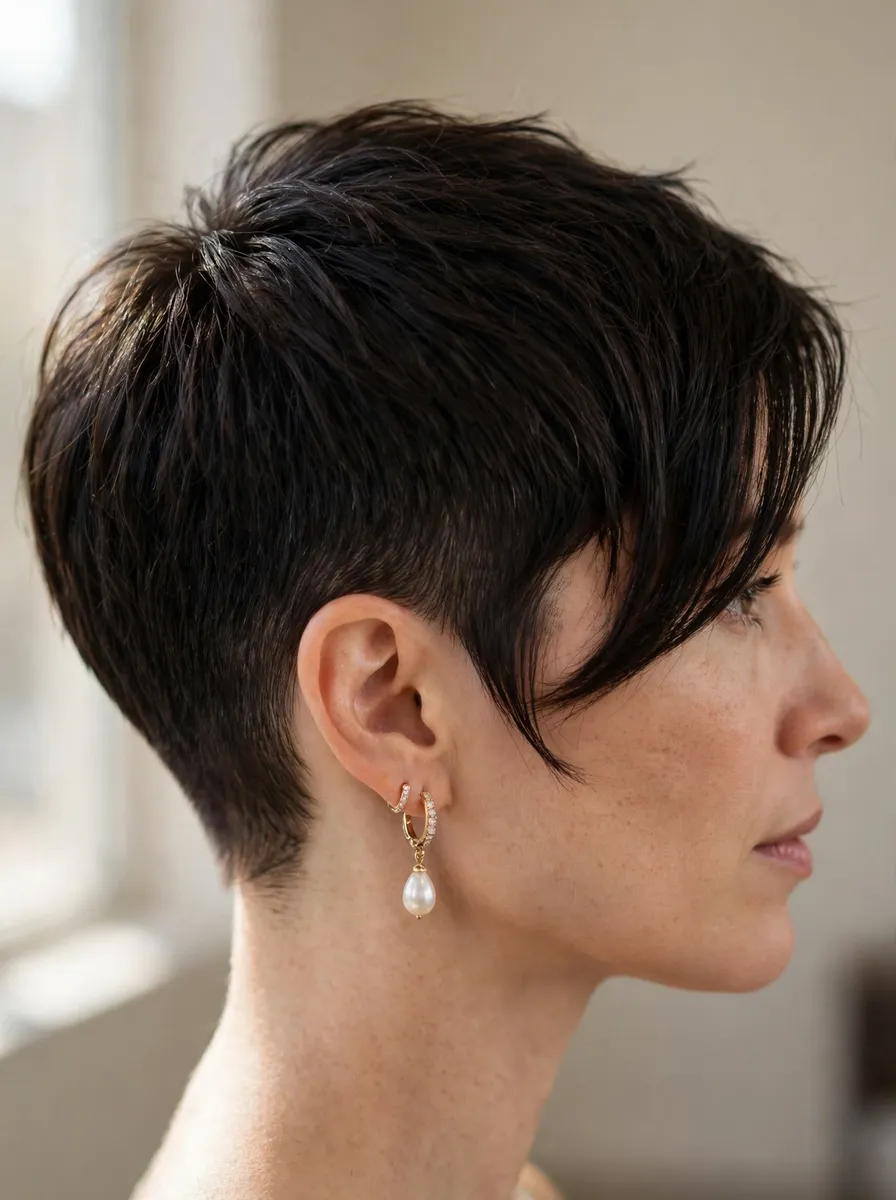
At the pixie end of the family: the bob outline shrinks to a whisper — short sides, a close nape, and just a hint of extra length at the front corners to keep the shape from reading as a pure pixie. It is the lowest-maintenance bixie here, the coolest in summer, and the one that shows off earrings, glasses and a good jawline. Choose it when the classic bixie looks almost right but you want it cleaner.
4. Bixie with Curtain Bangs
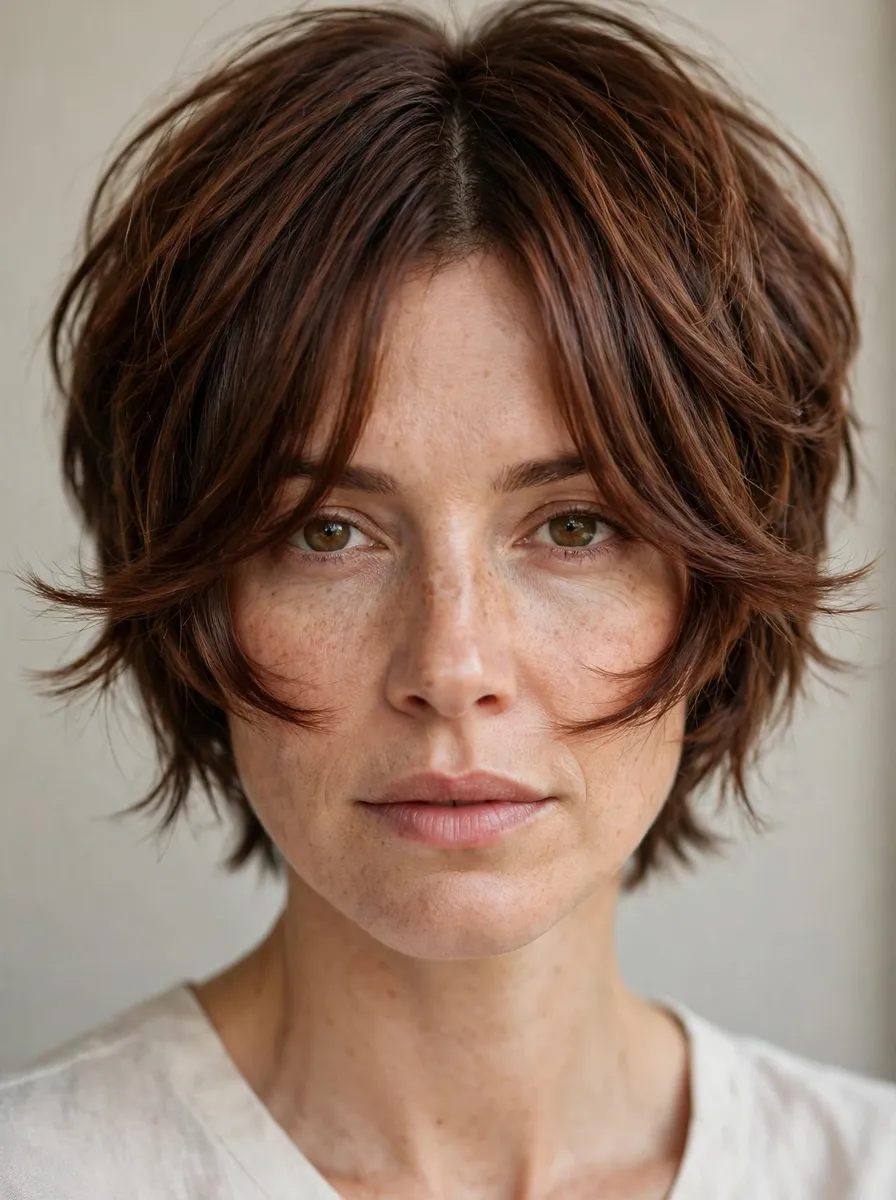
Curtain bangs are the natural fringe for a bixie because they continue the front frame rather than interrupting it: parted in the middle, sweeping to the cheekbones, then blending straight into the bob outline. The effect is soft and deliberately undone. It is also a forgiving grow-out combination — curtain bangs lengthen into face-framing pieces, and the bixie lengthens into a bob, so nothing ever looks abandoned.
5. Wavy Bixie
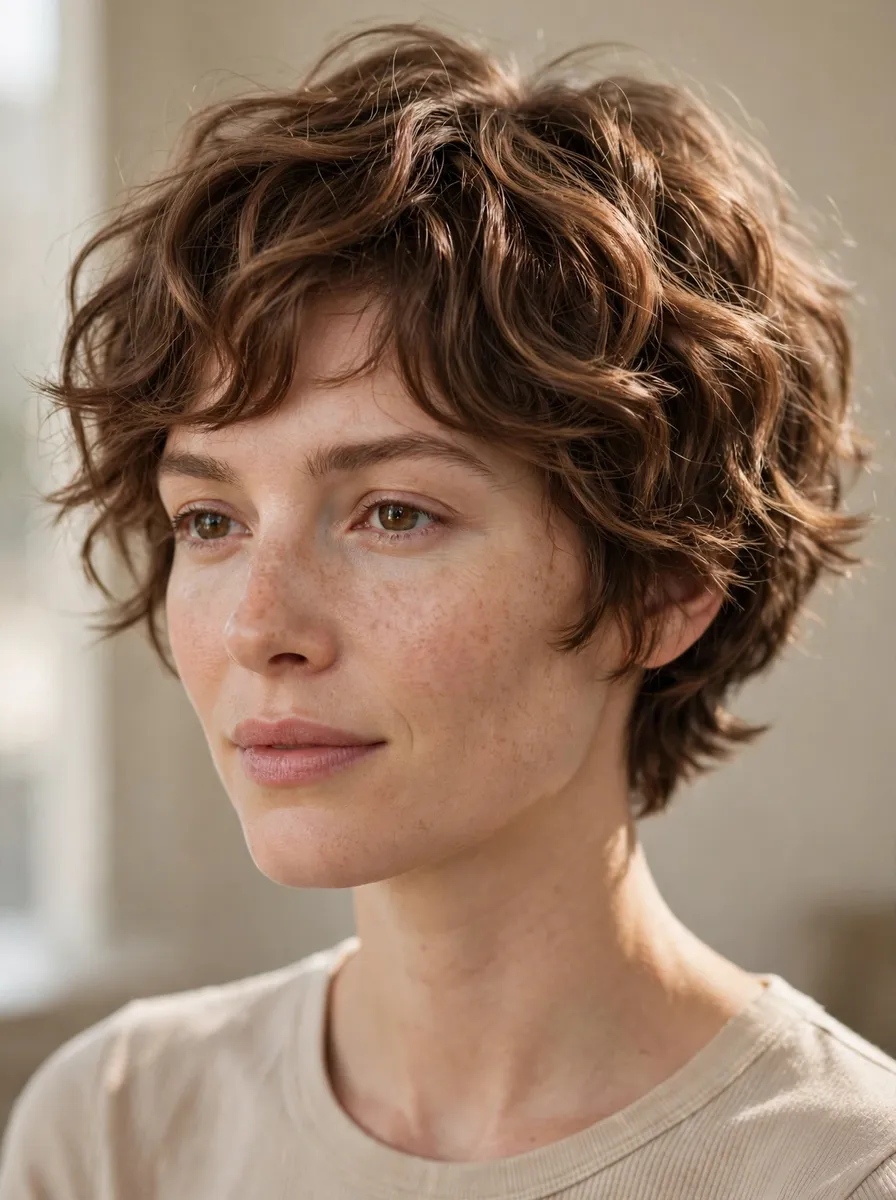
Natural waves give the bixie its volume for free. The cropped layers let each wave bend without stacking into a triangle, and the bob outline keeps the silhouette tidy at the edges. Styling is mostly encouragement: scrunch with a light mousse on damp hair and let it air-dry, or define a few pieces with a small-barrel iron. If your waves need more help holding shape, our diffuser natural waves guide covers the drying technique in detail.
6. Curly Bixie

On curly hair the bixie should be cut dry and shaped as a silhouette, not assembled from straight-hair geometry. The crown layers give curls room to spring, while the slightly longer front keeps the shape feminine rather than round. Ask for the outline to be checked with your curls fully dry — curly bixies shrink more than any other version as they dry, and a jaw-length wet cut can become a cheek-length dry one.
7. Bixie with a Stacked Nape
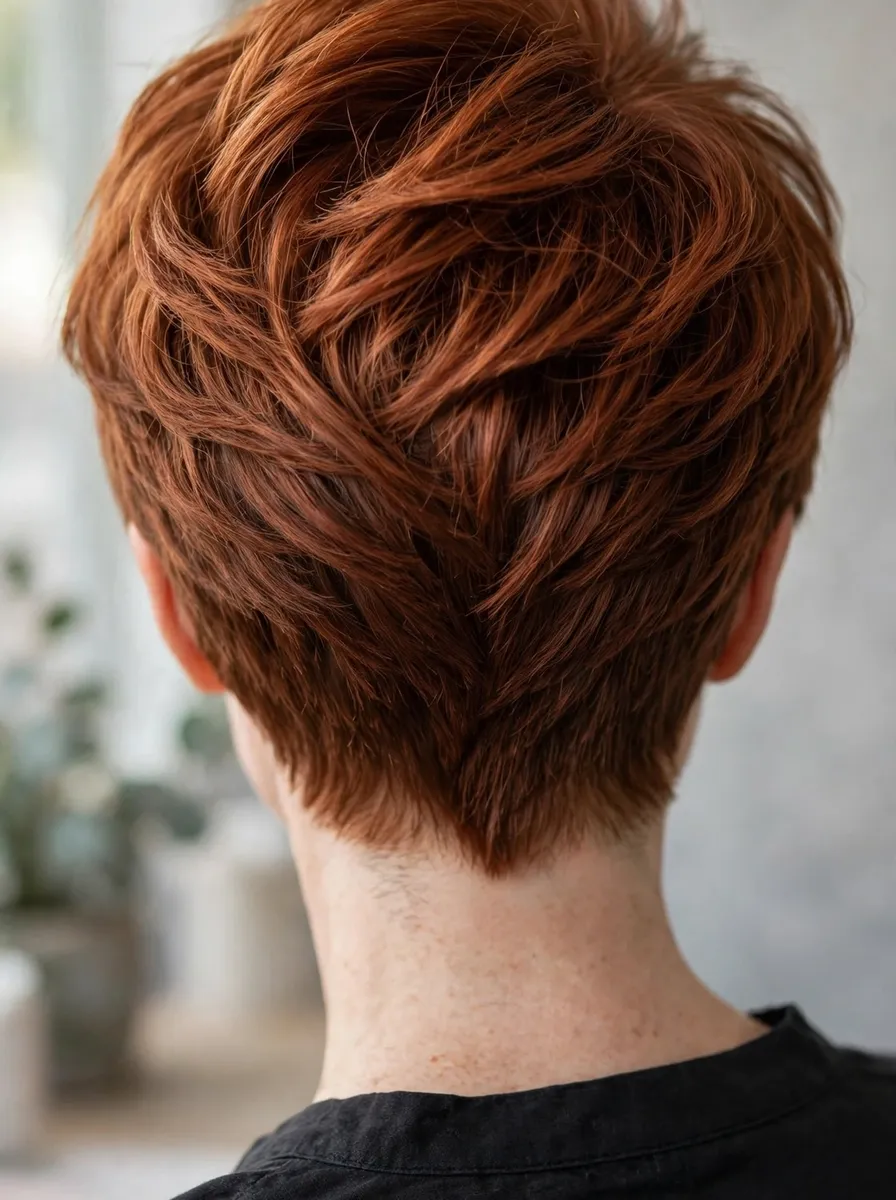
Stacking graduates the back in tight, angled layers that push the shape forward — the back looks cropped and neat while the front stays long enough to frame the jaw. It is the most architectural bixie, and the best choice for thick hair, because the stack removes bulk exactly where thick hair becomes unmanageable. The trade-off is upkeep: the graduation needs re-cutting every five to six weeks to stay crisp.
8. Asymmetrical Bixie
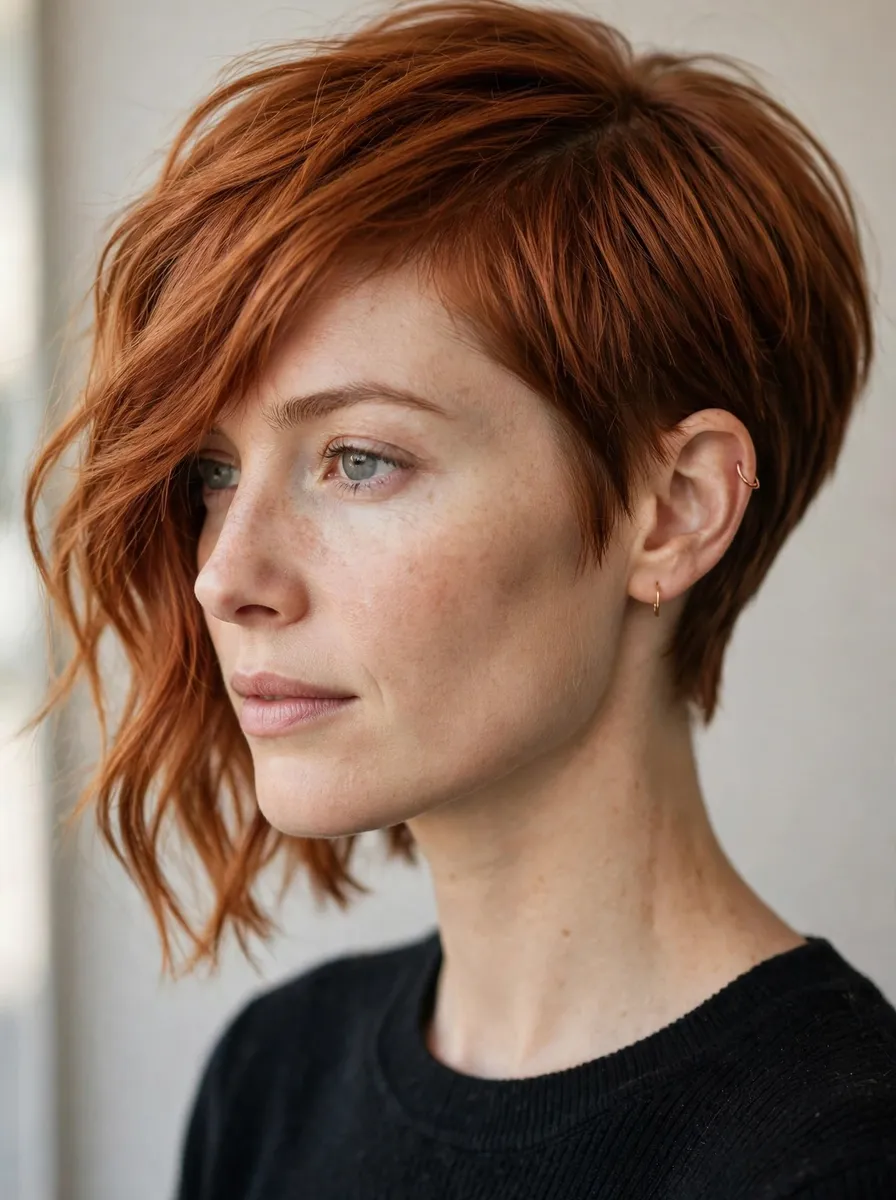
One side keeps the bob frame at jaw length; the other is cut shorter, often tucked behind the ear or clipped close. The diagonal line this creates across the face is flattering on round and square shapes alike, and the asymmetry gives a short cut an editorial edge without any colour commitment. It is the bixie most likely to be stopped and asked about — and the one where a good stylist matters most, because the imbalance has to look deliberate.
9. Bixie with a Side-Swept Fringe
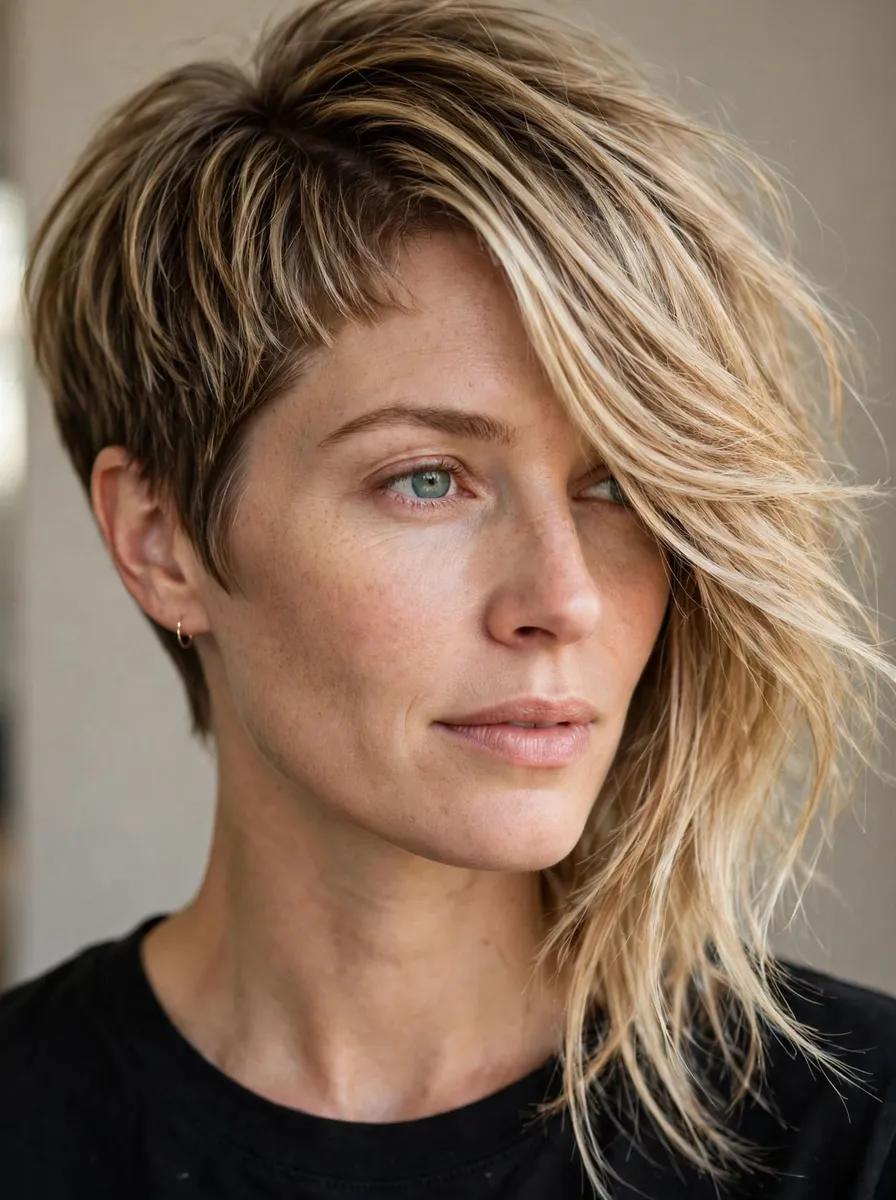
A long fringe swept from a deep side part adds movement across the forehead and flows into the longer side of the cut. It softens a strong forehead, suits almost every face shape, and gives fine hair a useful trick: the sweep piles hair diagonally, which reads as more density than the same hair parted in the middle. Style it with a round brush while blow-drying and it will hold the sweep all day.
10. Shaggy Grown-Out Bixie
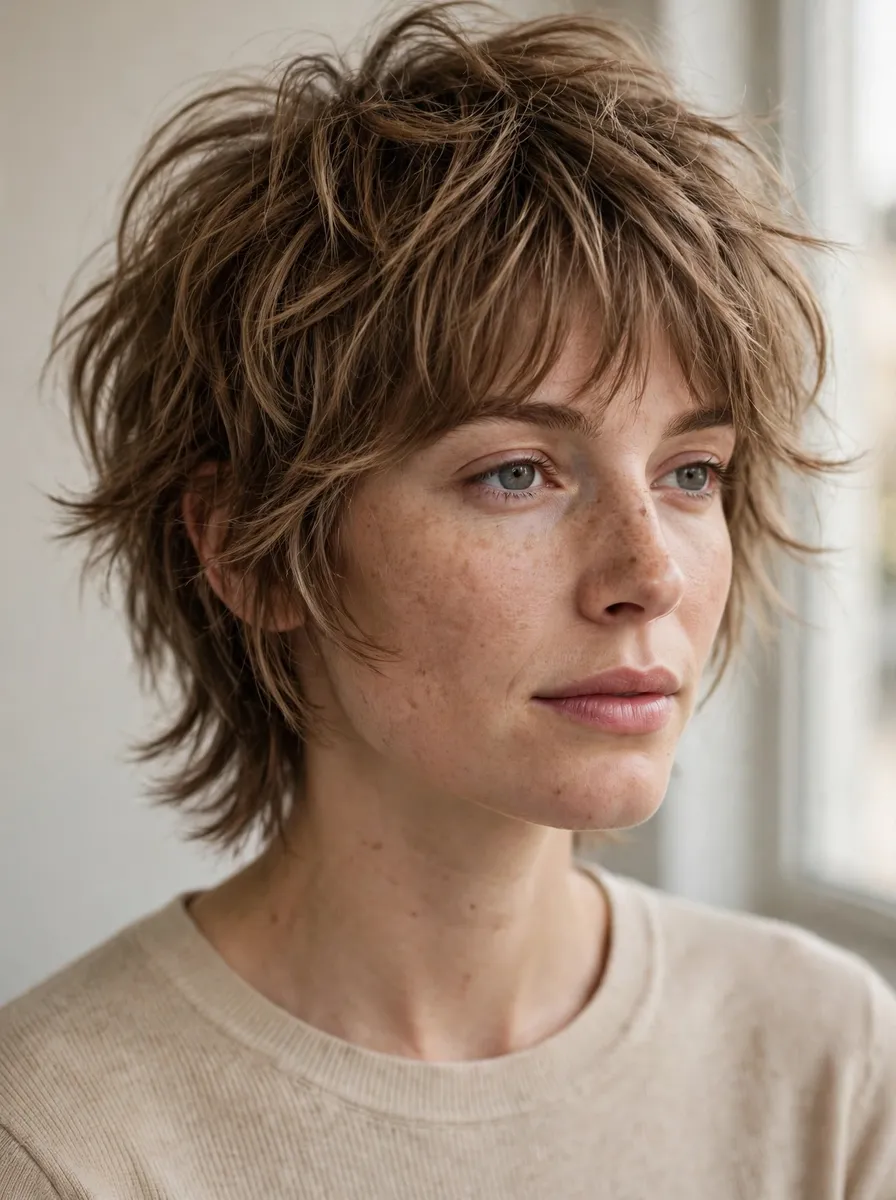
Every bixie becomes this eventually — and it looks good enough to choose on purpose. As the cropped layers lengthen, the cut relaxes into a shaggy, textured shape somewhere between a short shag and a long bixie. Razored or point-cut ends keep it light. If you are growing out a true pixie, this is your destination style rather than an awkward phase: ask your stylist to shape the grow-out into a bixie at each trim and the in-between months disappear.
Bixie, Pixie Bob or Pixie: Which One Is Yours?
- Choose a pixie if you want the least hair and the least daily styling, and you are comfortable with your face fully open.
- Choose a bixie if you want pixie texture and lightness but a bob’s frame around your face — the middle path, and the easiest to grow in either direction.
- Choose a pixie bob if you want to stay closer to a bob, with just the nape and crown borrowed from the pixie.
Fine hair has one extra consideration: a bixie’s cropped top can add crown volume, but the ends must stay blunt enough to look full. Our pixie cuts for fine hair guide goes into the fine-hair rules in detail.
Frequently Asked Questions
What is a bixie cut?
A bixie is a hybrid of a bob and a pixie: the crown and back are cropped and layered like a pixie, while the front and sides keep a bob’s longer, face-framing outline, usually around jaw length. The result is a short cut with pixie texture on top and a softer frame around the face than a true pixie has. The name blends “bob” and “pixie”.
What is the difference between a bixie and a pixie bob?
Proportion. A pixie bob is mostly a bob — a continuous outline with a shorter, stacked nape borrowed from the pixie. A bixie is mostly a pixie — cropped, textured layers through the top and back — with only the front frame kept at bob length. In practice they sit on one spectrum, and telling your stylist which end you lean toward matters more than the exact label.
Who suits a bixie cut?
Most people, because the hybrid is adjustable: the front frame can be lengthened for round faces, the asymmetry used to soften square jaws, and the crown layers tuned for fine or thick hair. It is especially popular with people cutting long hair short for the first time, since it keeps some familiar length around the face, and with pixie wearers growing their hair out.
Is a bixie good for fine hair?
Yes, with the usual fine-hair rules. The cropped layers lift the crown and create the impression of volume, but the ends should be cut blunt rather than heavily thinned, and razoring kept to a minimum so the outline does not go wispy. A side-swept fringe or deep side part adds to the effect by piling hair diagonally across the front.
How do you style a bixie?
Most bixies need five minutes or less: a pea-sized amount of texture paste or light mousse worked through dry or damp hair, with the front pieces directed where you want them. Wavy and curly versions mostly need encouragement to dry in shape. The stacked and asymmetrical versions benefit from a quick round-brush blow-dry at the front. It is a wash-and-go cut for most textures.
How often does a bixie need trimming?
Every five to eight weeks. The stacked nape and asymmetrical versions sit at the frequent end because their shapes are precise; the classic and shaggy versions forgive a few extra weeks. The good news is that a bixie grows out gracefully in both directions — into a bob if you let the front lengthen, or it can be cropped back into a pixie in one appointment.