Pixie Cuts for Fine Hair: 10 Styles That Look Fuller
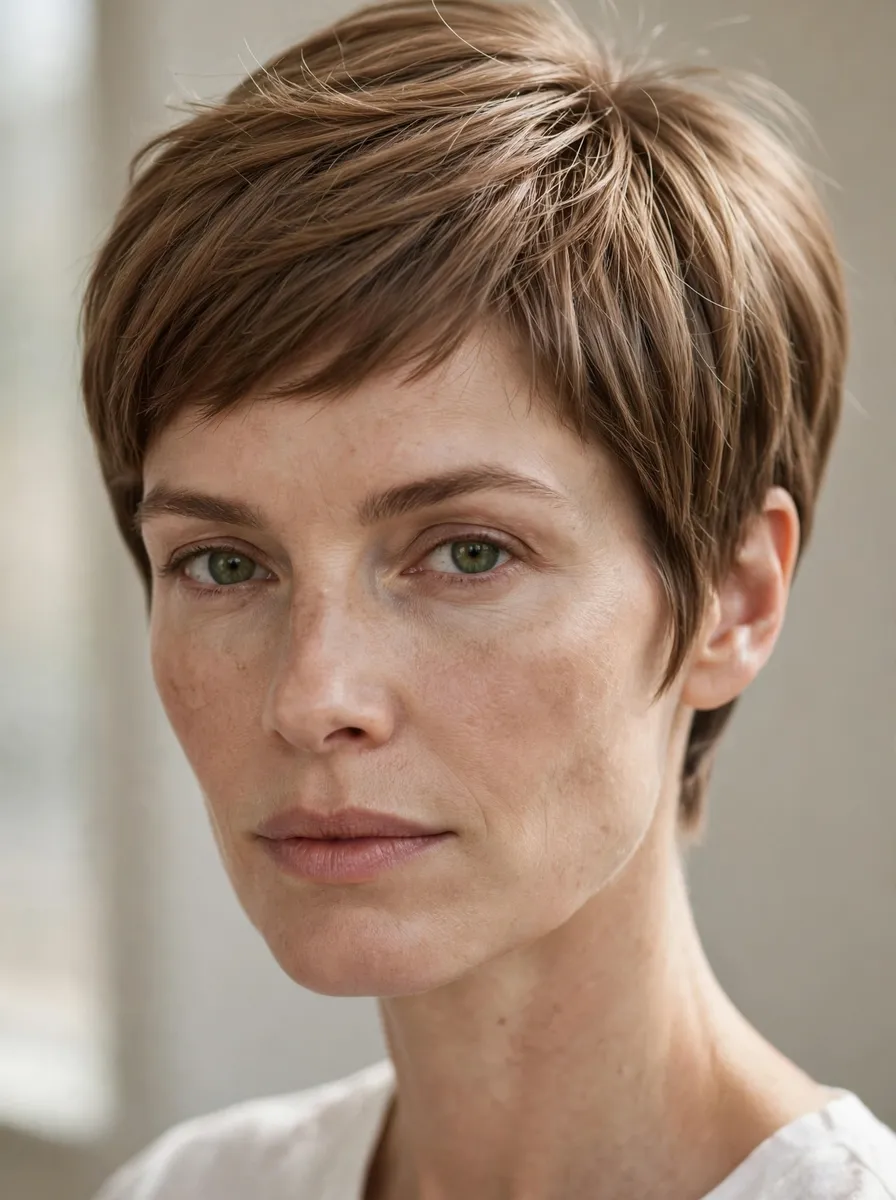
Fine hair and pixie cuts belong together — with conditions. Cutting fine hair short removes the weight that drags it flat, lets the crown stand up, and concentrates what density you have into a smaller area so it reads as more. But the wrong technique does the opposite: one pass too many with a razor or thinning shears and a fine-hair pixie goes wispy at exactly the edges where you need it solid.
Every style in this guide follows the fine-hair rules: blunt or point-cut ends, texture concentrated at the crown, and length kept where it creates the illusion of density. For the bob-length equivalents, see our bob haircuts for fine hair guide; for pixies chosen without the fine-hair filter, the long pixie cuts guide and feminine pixie cuts guide cover the broader family. And if your hair is the opposite of fine, the techniques flip entirely — see pixie cuts for thick hair.
1. Classic Pixie with Blunt Ends
The foundation style: a neat, classic pixie where every end is cut cleanly rather than feathered. Blunt ends are the single most important detail for fine hair — each strand ends at full thickness, so the outline looks solid instead of see-through. Worn with a little root lift at the crown, this is the pixie against which all the others here are variations.
2. Long Pixie for Fine Hair
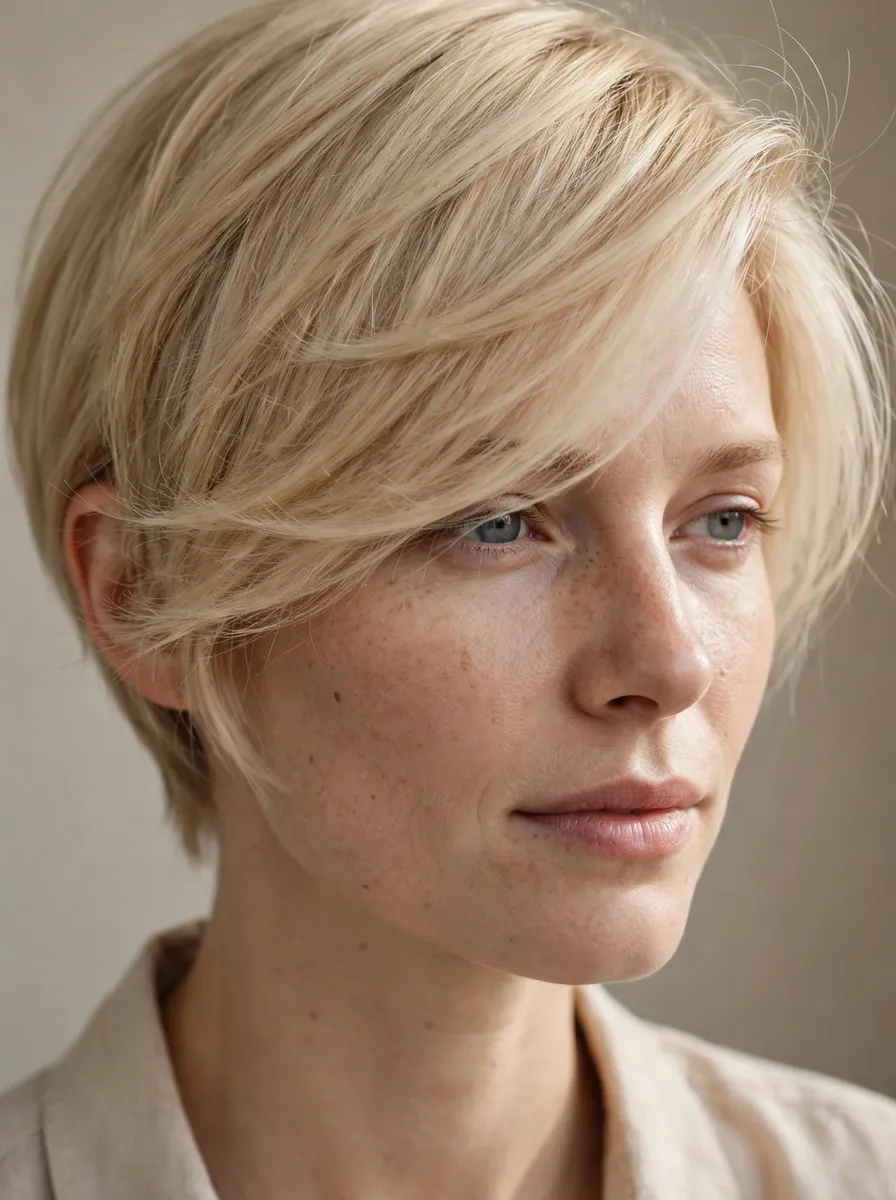
Keeping the top and front longer gives fine hair more styling range: it can be swept forward for density at the hairline, parted deeply for crown height, or tucked behind the ears. The key is that the extra length stays in one connected layer rather than being chopped into short pieces — long, blunt sections look thicker than short, fragmented ones. This is the safest first pixie if you are nervous about going short.
3. Pixie with a Deep Side Part
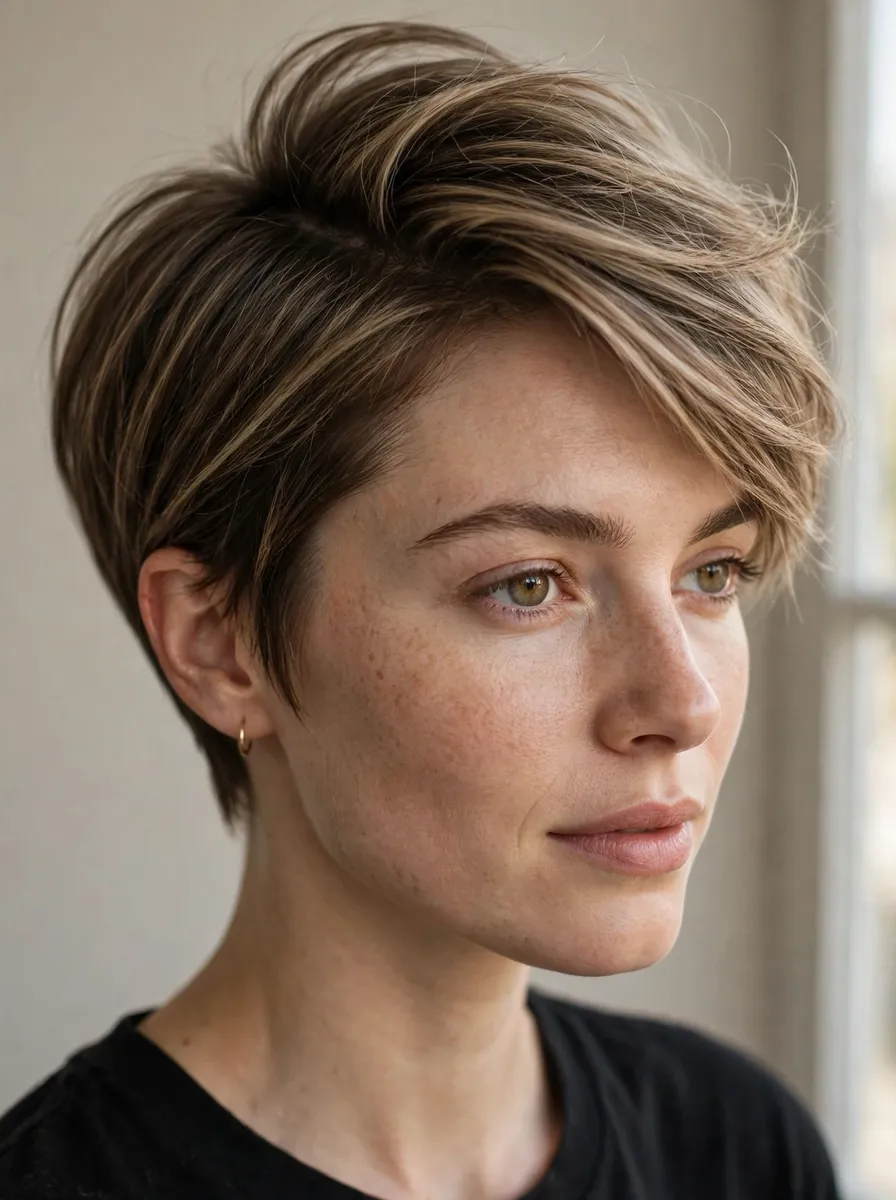
Parting fine hair far to one side piles most of it diagonally across the crown — and a diagonal pile simply looks like more hair than the same amount spread evenly. The heavy side gains visible height at the roots, and the short side tucks neatly away. It costs nothing, grows out with the cut, and can be flipped to the other side on day two for instant root lift when the first side goes flat.
4. Textured Crown Pixie
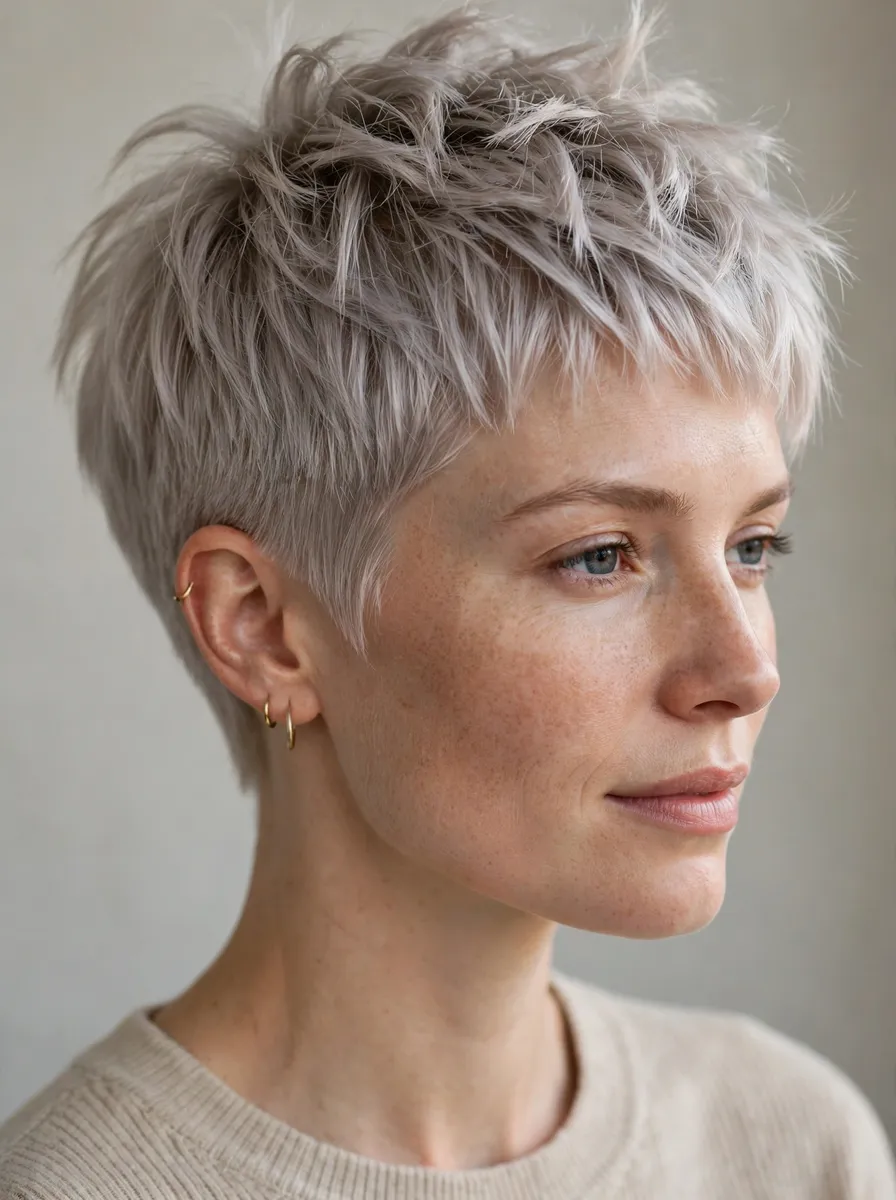
Here the texture lives only where it helps: point-cut pieces through the crown that separate and lift, creating the broken-up surface that reads as volume. The sides and outline stay blunt and close. This is the right way to give fine hair “edge” — the texture is structural, cut into the top with scissors, not shaved into the ends with a razor. A fingertip of matte paste makes the crown pieces stand apart all day.
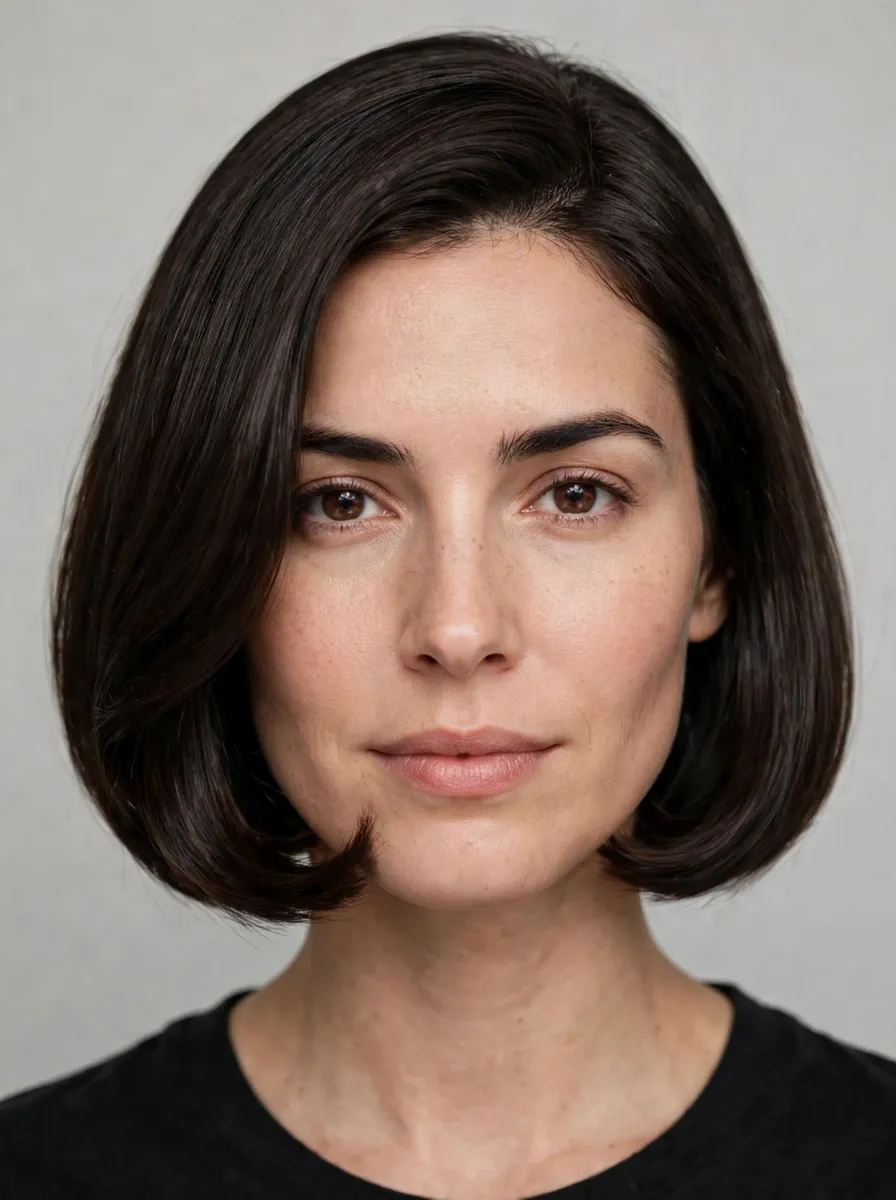
5. Pixie Bob for Fine Hair
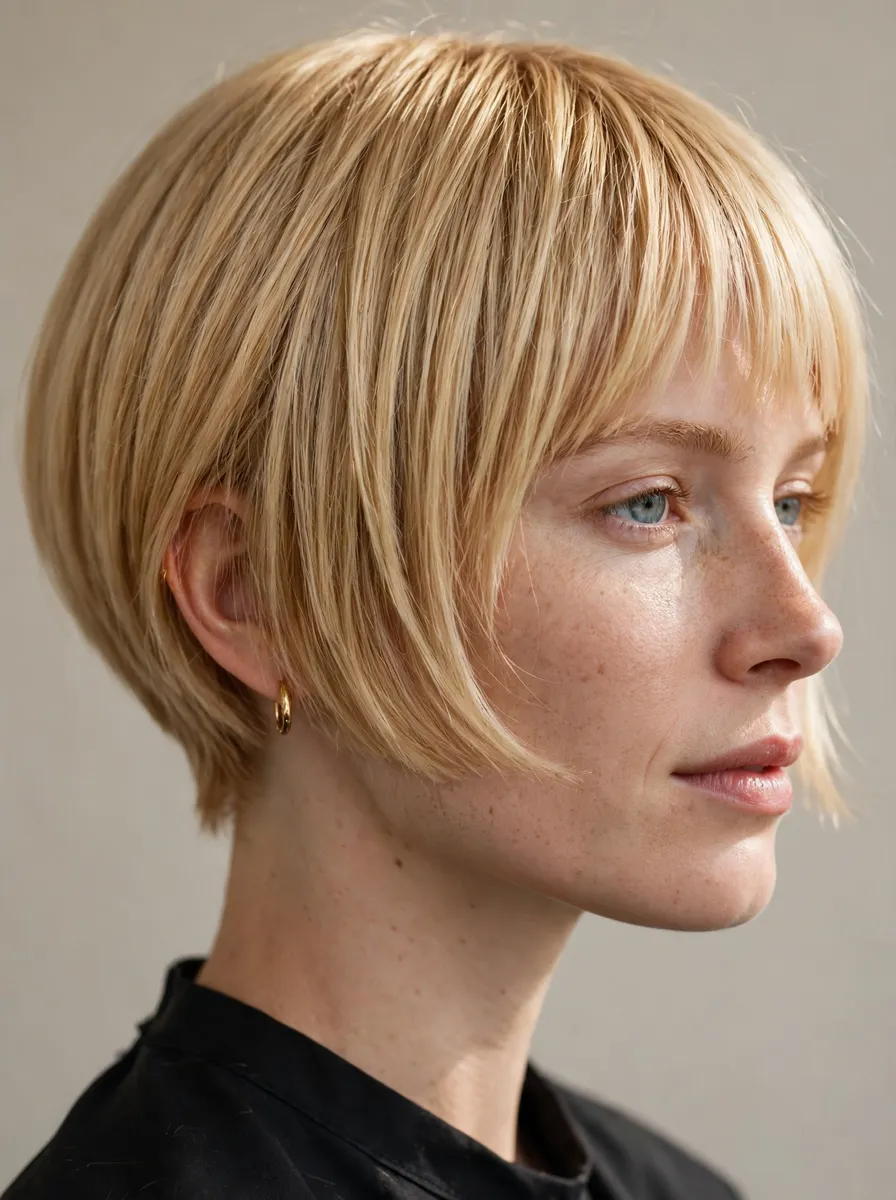
The pixie bob keeps a bob’s blunt outline at the front — the densest-looking edge fine hair can have — while the cropped nape removes the weight that would pull it flat. It is the fullest-looking option in this guide, and the best choice if your fine hair is also thin at the front hairline, because the fringe area can be kept forward and solid. Our bixie cuts guide covers the even shorter, more textured cousin of this shape.
6. Asymmetrical Pixie for Fine Hair
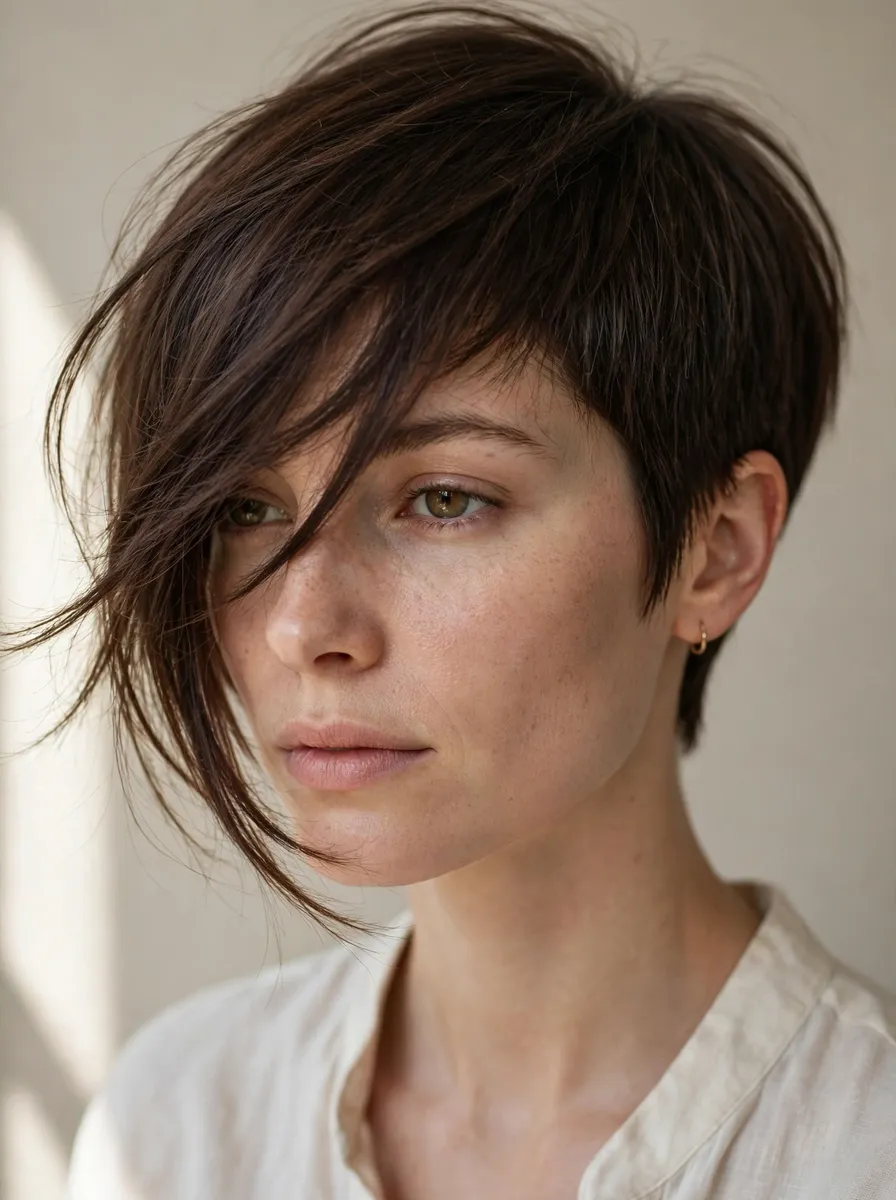
One long side, one short side: asymmetry concentrates your hair into one generous sweep instead of two skimpy ones. The long side can be worn across the forehead as a full-looking fringe, while the short side keeps the cut sharp. It is also practical — the long section hides a flattening side on second-day hair by simply being re-swept. Bold, but on fine hair the logic is pure density management.
7. Pixie with Curtain Bangs for Fine Hair
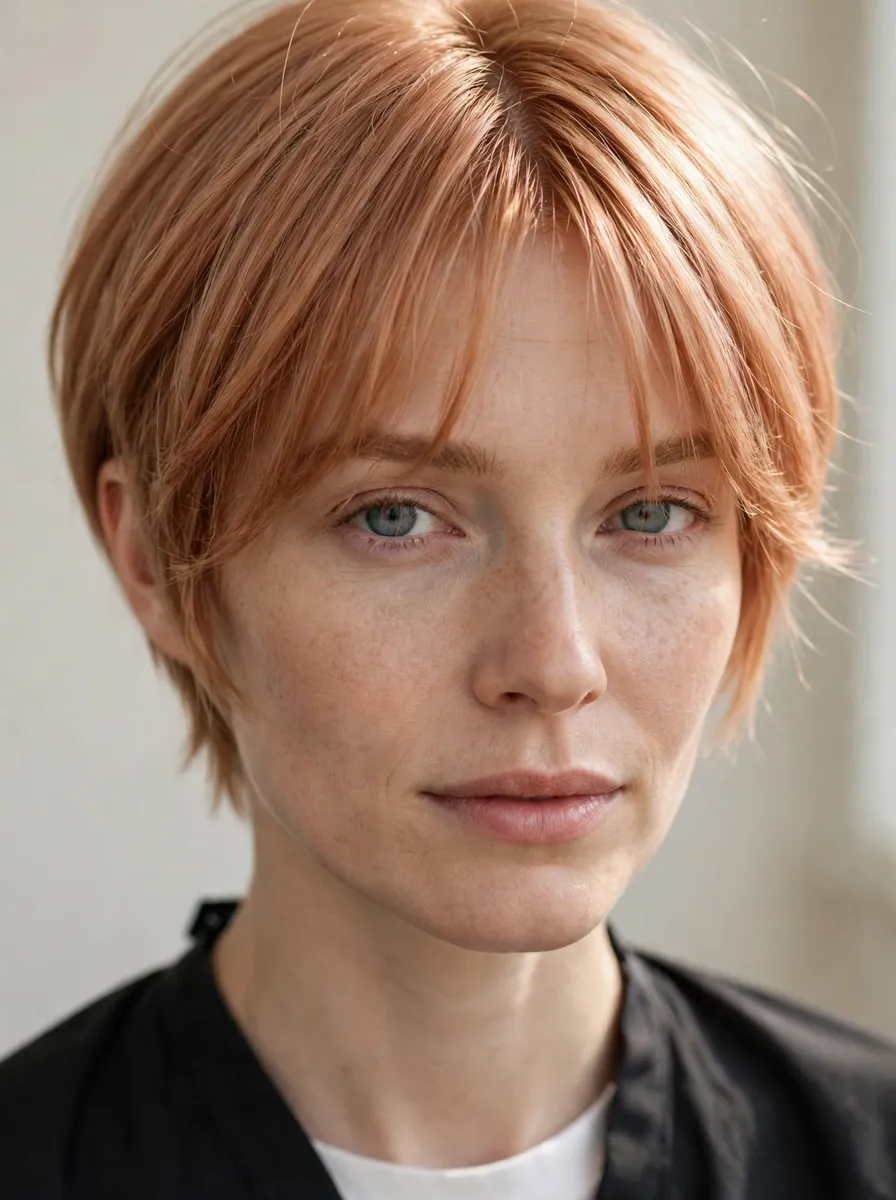
A fringe on fine hair is a trade: the bangs borrow hair from the top, so they must be cut slim. Curtain bangs are the right shape for that trade — they use a small central section, part in the middle, and sweep out to blend with the sides, so no area is left depleted. The result frames the face and adds a focal point, which draws the eye away from overall density entirely.
8. Swept-Forward Pixie
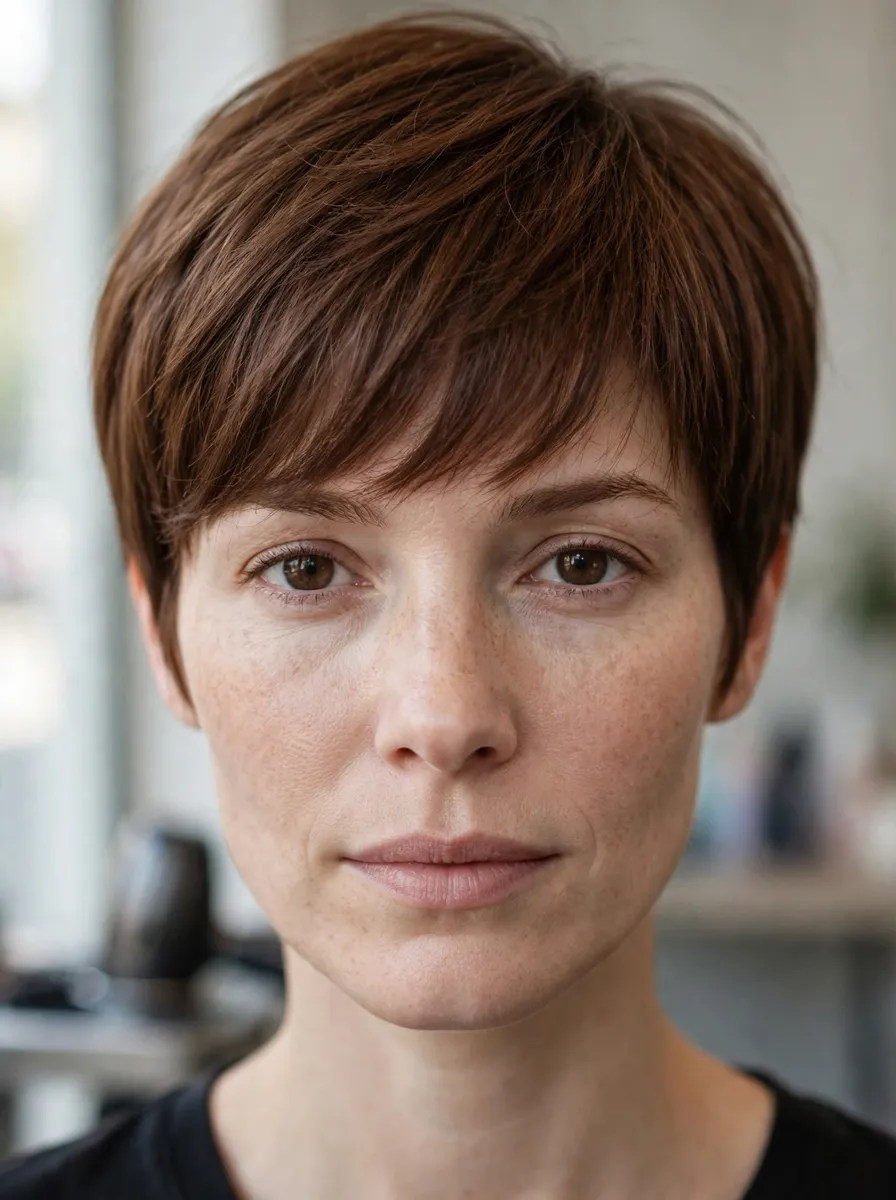
Styling direction is a density tool: when the top is cut and worn forward, the strands overlap toward the hairline and the front of the cut looks its fullest — useful if your hairline is your concern. This pixie keeps the top long enough to sweep forward into a soft, full-looking fringe, with short tidy sides as contrast. Blow-dry forward with a vent brush, finish with a light spray, and it holds.
9. Soft Feminine Pixie for Fine Hair
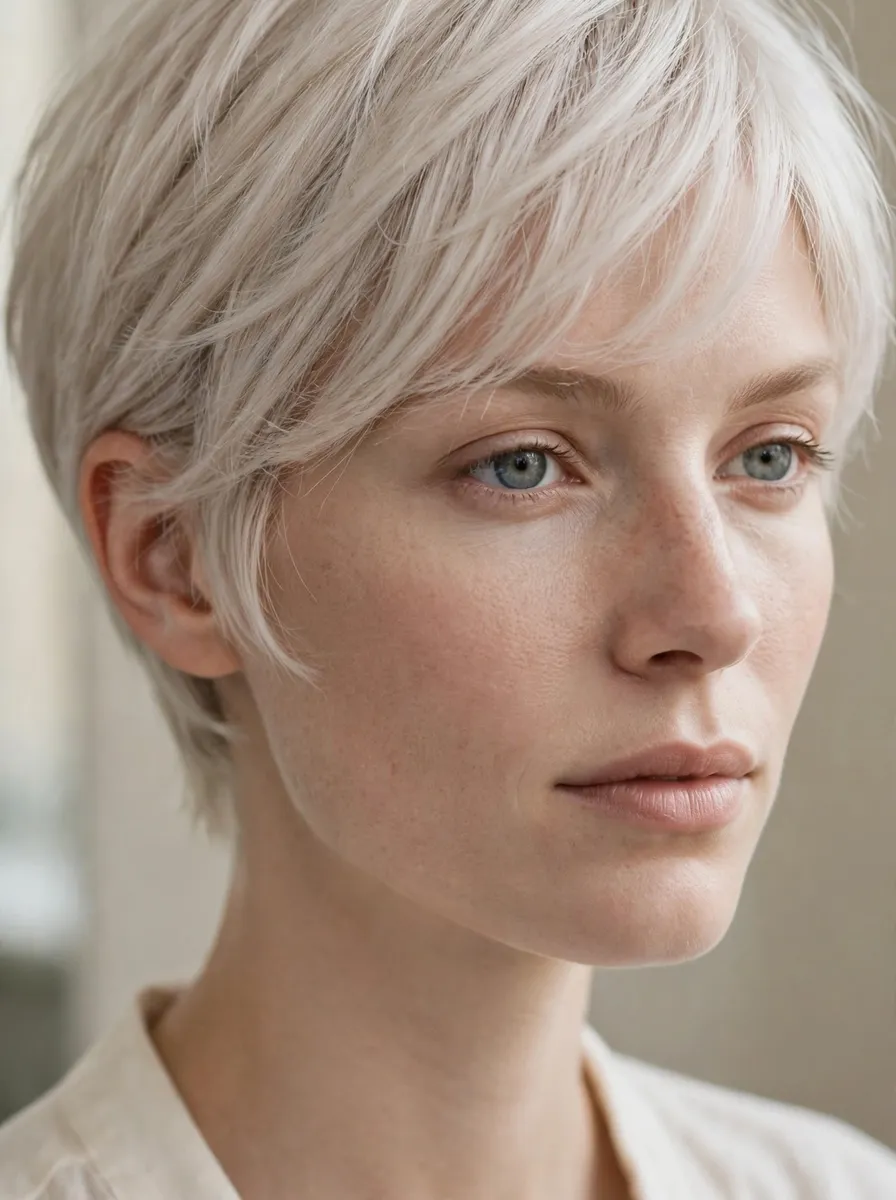
Softness and density are not enemies if the softness comes from shape rather than thinning: longer wispy-looking (but actually blunt-cut) pieces around the ears and hairline, a gentle fringe, and nothing razored. This version suits fine hair that is also straight and silky, where a choppier cut would just look sparse. It grows out the most gracefully of the ten — the edges soften rather than sprout.
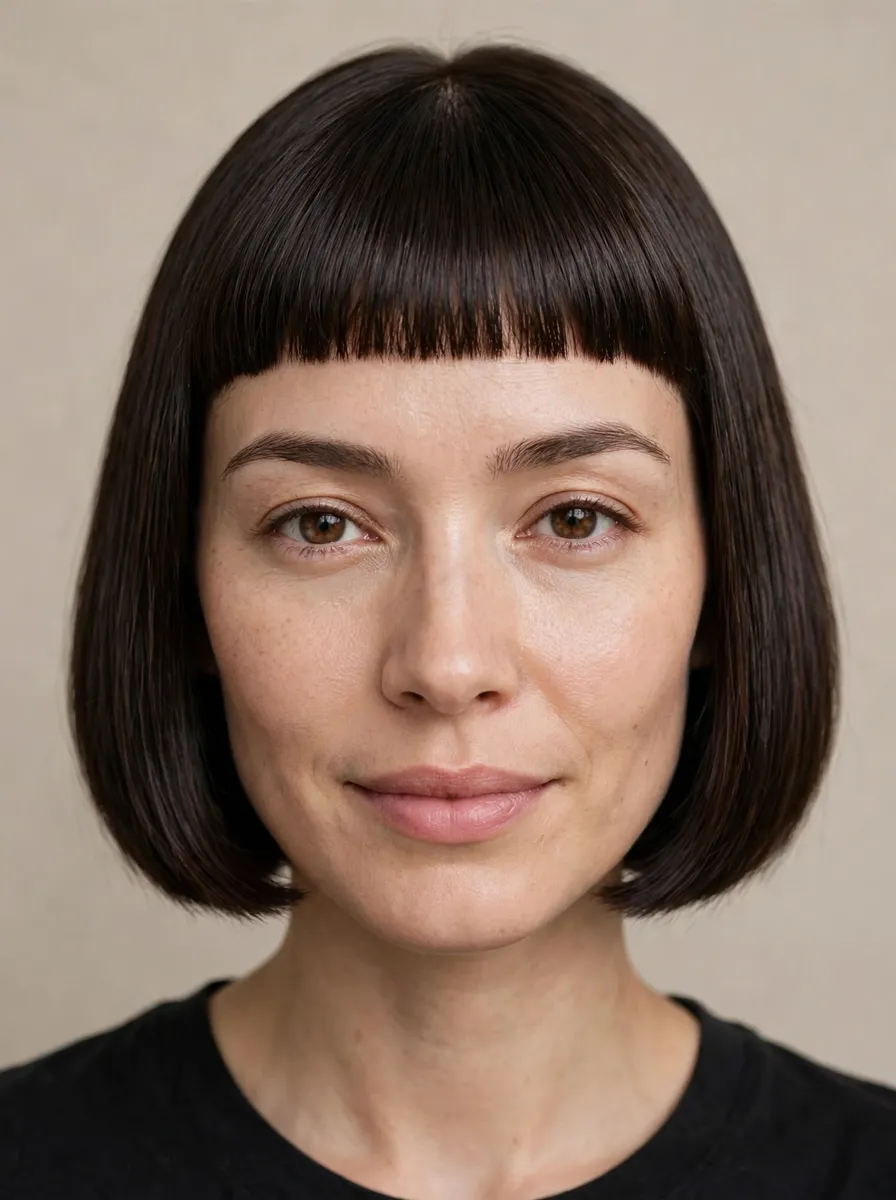
10. Pixie with a Micro Fringe for Fine Hair
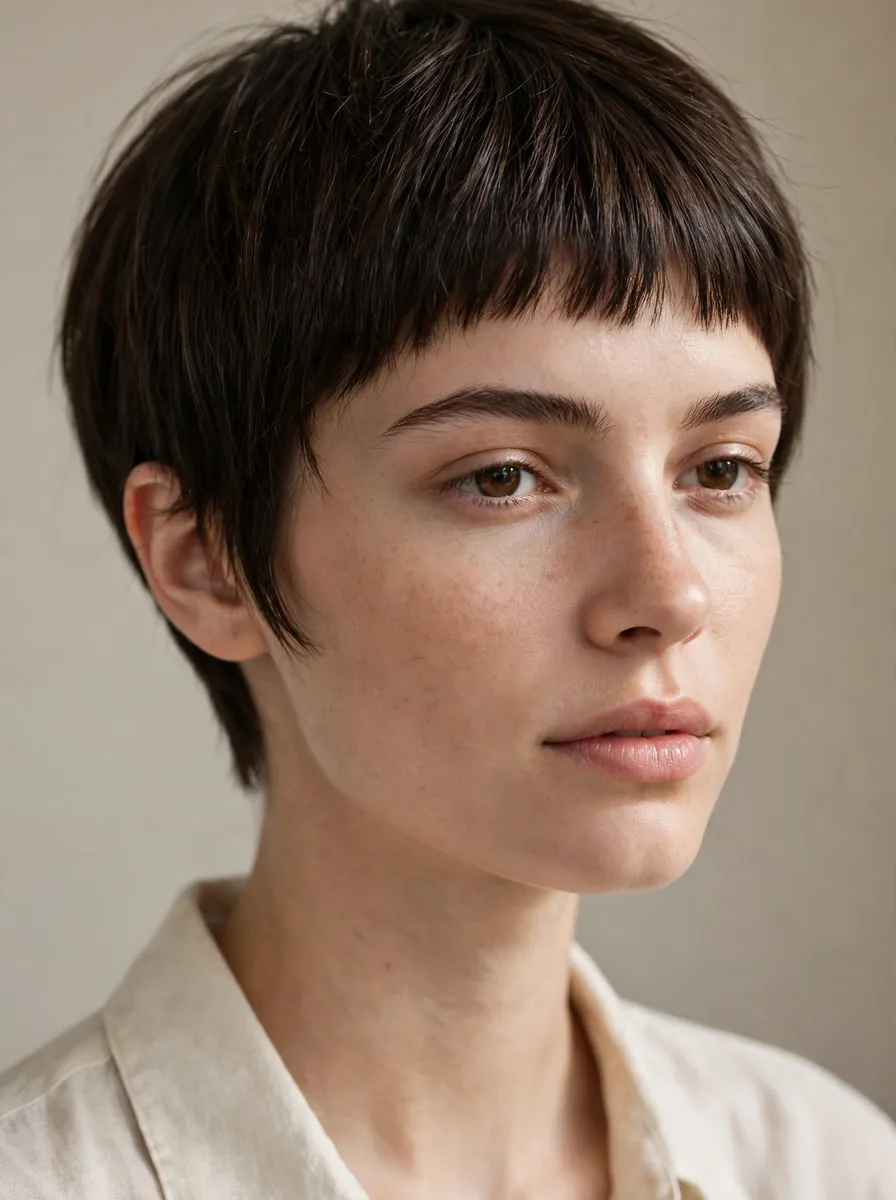
A short, blunt micro fringe is a smart fine-hair move: it uses very little hair, its clean horizontal edge looks deliberately thick, and it gives a cropped pixie a strong focal point. Pair it with short, blunt sides for a graphic, editorial result. The commitment is trims — a micro fringe shows growth quickly — but each trim is a five-minute fringe appointment, not a full cut.
The Three Mistakes That Make Fine Hair Look Thinner
- Razoring the ends. A razor shreds fine ends into wisps. Every style above assumes scissor-cut, blunt or point-cut ends.
- Thinning shears “for texture”. Fine hair does not have density to spare; texture should come from crown point-cutting and styling, never from removing bulk at the ends.
- Layers that are too short and too many. Fragmented layers separate and show scalp. Fewer, longer, connected sections always look fuller.
And one product rule: reach for mousses, root sprays and dry texture sprays, and go easy on oils and heavy serums, which separate fine strands and undo the cut’s work. Stylists who specialise in fine hair will say all of this unprompted — if yours reaches for the razor first, that is your cue to discuss technique before the cut starts.
Frequently Asked Questions
Is a pixie cut good for fine hair?
Yes — it is one of the best cuts for it. Short hair weighs less, so fine strands can lift at the root instead of lying flat, and the density you have is concentrated into a smaller shape. The condition is technique: blunt or point-cut ends, no razoring, and no thinning shears at the outline. A badly executed pixie can look thinner than long hair; a well-cut one looks noticeably fuller.
Does cutting fine hair short make it look thicker?
It makes it look fuller, which is what most people mean by thicker. The hair itself does not change, but short lengths remove the downward weight that separates fine strands, blunt ends make each section’s edge read as solid, and crown texture creates shadow and separation that the eye reads as volume. The styles in this guide are built entirely on those three effects.
What is the difference between fine hair and thin hair?
Fine describes the diameter of each individual strand — fine strands are narrow and silky. Thin describes density — how many strands you have per square inch. You can have fine hair with lots of it, or coarse hair that is thin. Pixies suit both, but the cutting rules differ slightly: fine-and-thin hair needs the most conservative approach, keeping every possible end blunt and full.
How often does a fine-hair pixie need trimming?
Every four to six weeks is typical — slightly more often than average, because when a pixie grows even a centimetre, the extra weight starts pulling fine hair flat and the blunt outline softens. The good news is that these are quick appointments, and between cuts, flipping your part and using a root-lifting spray on day two buys back most of the shape.
What products are best for styling a fine-hair pixie?
Lightweight ones that add grip and lift: a volumising mousse on damp hair, a root spray at the crown, and a matte texture paste or dry texture spray to finish. Avoid heavy oils, rich serums and wet-look gels, which coat and separate fine strands so the hair looks sparser. Dry shampoo at the roots is a fine-hair staple — it adds both oil control and texture.
Can I have bangs with a pixie if my hair is fine?
Yes, if the fringe is budgeted properly. A slim curtain fringe or a short blunt micro fringe uses little hair and adds a strong focal point; a thick, heavy blunt fringe borrows too much from the top and can leave the crown looking depleted. Tell your stylist the fringe must be cut from a shallow section — a good fine-hair stylist will suggest exactly that.