Face-Framing Layers: 10 Ways to Shape the Front of Your Cut
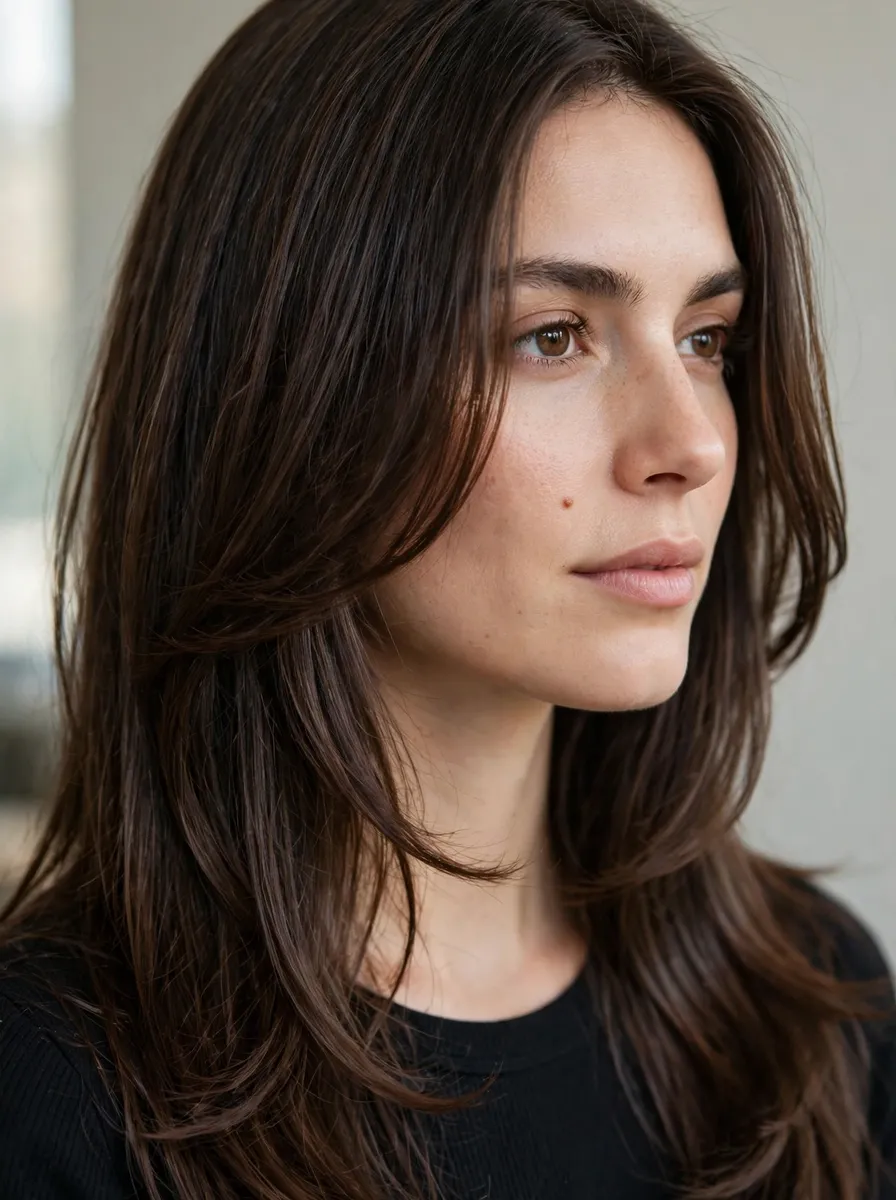
Face-framing layers are the hardest-working few inches of any haircut. They are the shorter sections cut around the front hairline — anywhere from cheekbone to collarbone length — that decide how a cut interacts with your face, while the rest of the hair can stay one length. It is the smallest change with the largest effect: you can add them to a cut you already like, and they grow out invisibly if you change your mind.
What separates great face-framing from random short pieces is intention: the first piece should start at the feature you want to highlight — cheekbones, jawline or collarbone — and each following piece graduates smoothly into the length. The 10 styles below cover the main ways to do it, from barely-there to full butterfly drama.
For the broader layering picture, see our layered haircuts guide; for the mid-length versions, the medium length layered haircuts guide goes deeper on shoulder-length shapes.
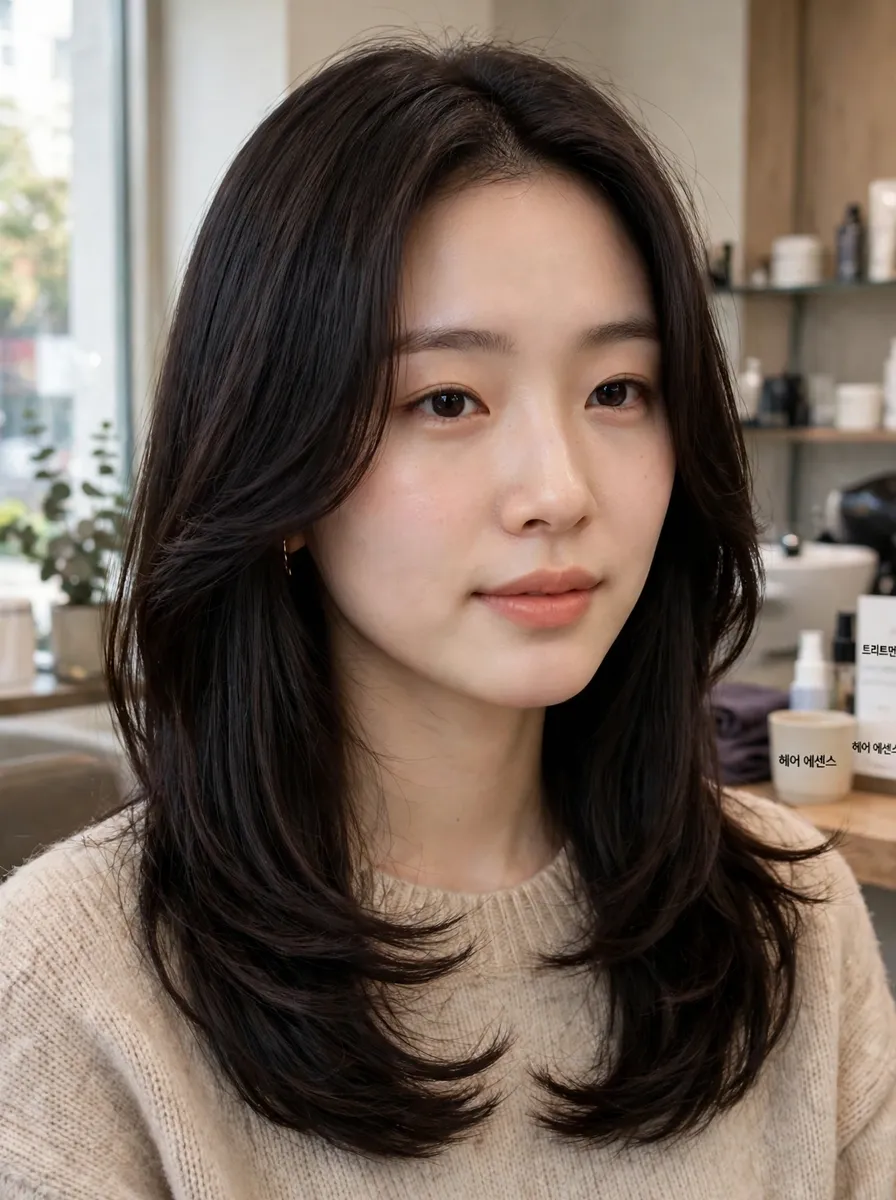
1. Classic Long Face-Framing Layers
The reference version: long hair worn mostly one length, with front sections starting around the chin and graduating down into the ends in a smooth curve. The framing pieces soften the transition between face and hair, add movement where it is most visible, and can be tucked behind the ears to disappear completely. If you have never had face-framing before, start here — it is the most versatile and the most reversible.
2. Collarbone Face-Framing with a Curtain Effect
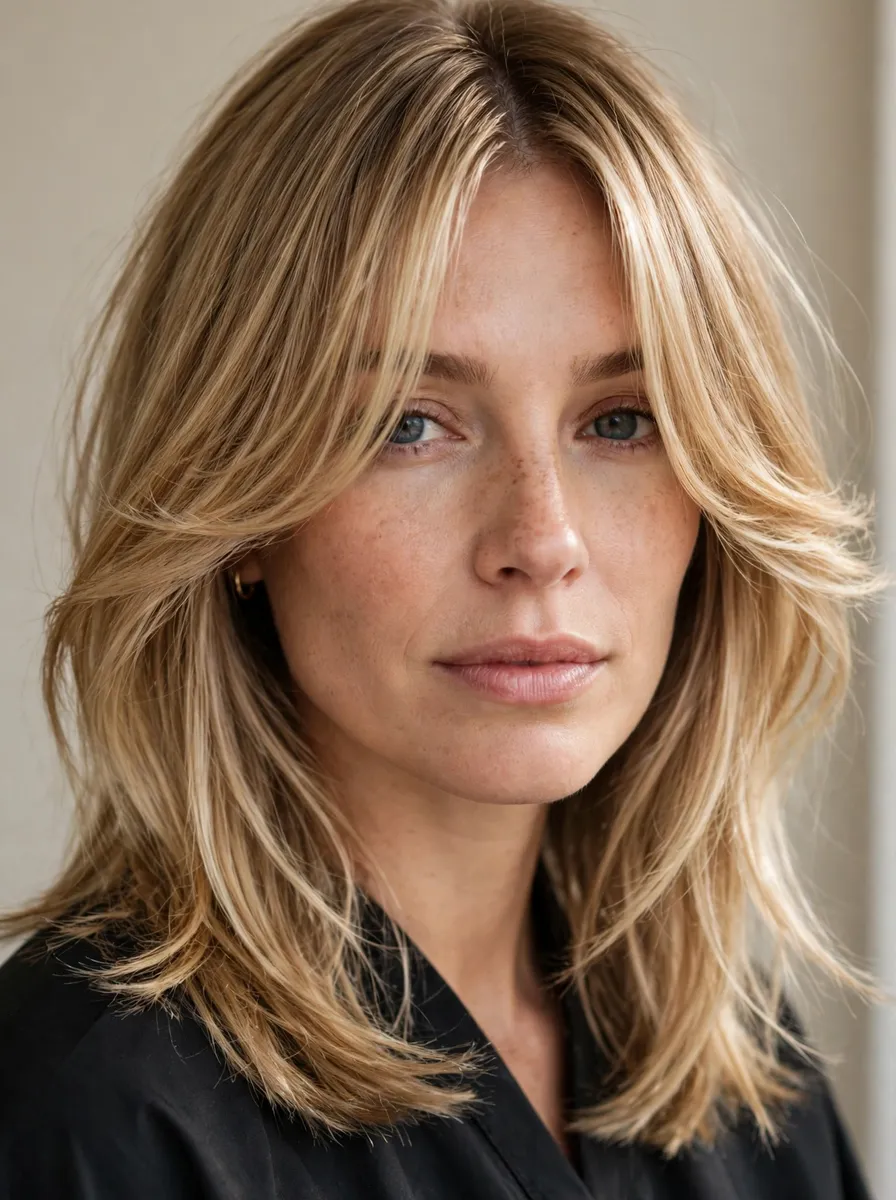
On medium-length hair, framing pieces that part in the middle and sweep out to the collarbone borrow the best quality of curtain bangs — the diagonal opening lines — without the fringe commitment or the trim schedule. This is the style for people who pin their hair back often: the curtain pieces soften every updo and ponytail they escape from. It pairs naturally with the soft layering in our layered haircuts with bangs guide if you later want to shorten the front into a true fringe.
3. Butterfly-Style Face Framing
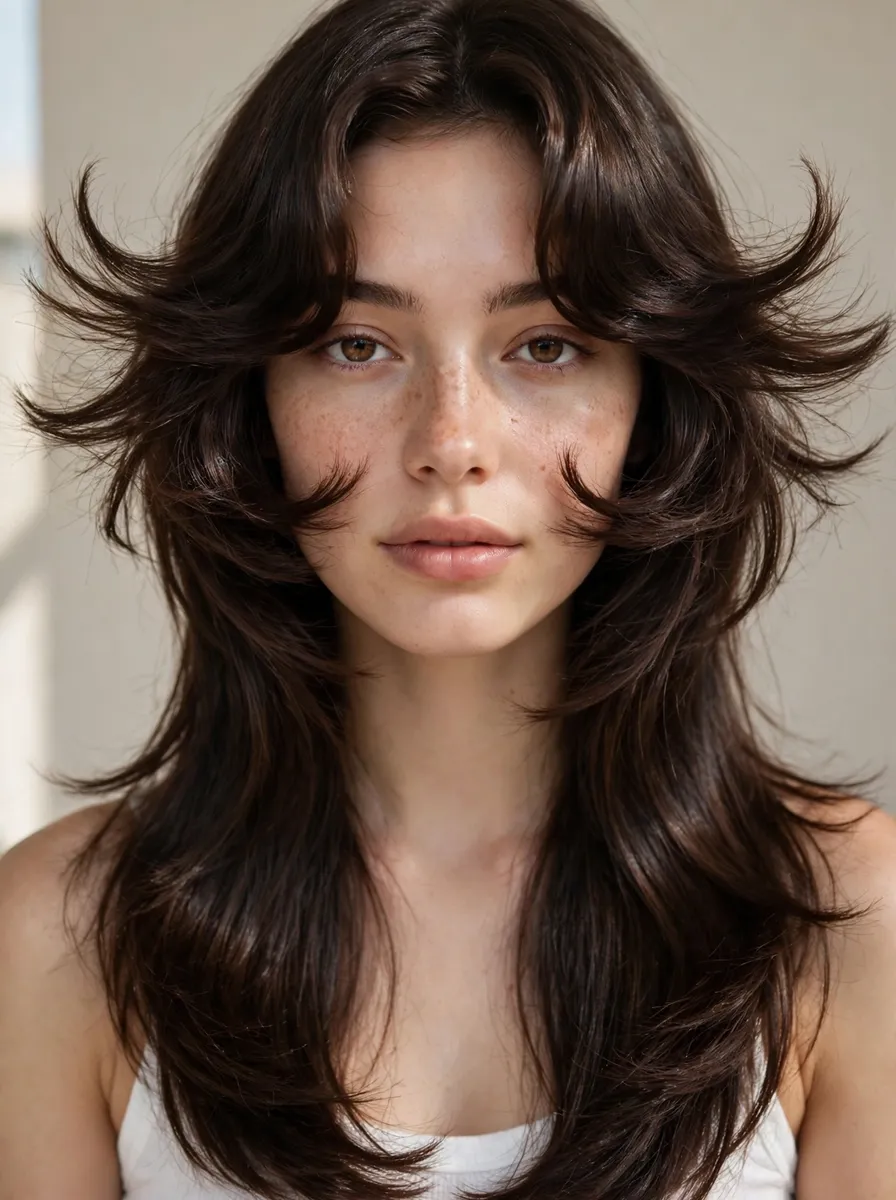
The dramatic end of the spectrum: short front layers starting at the cheekbones flip outward over much longer layers beneath, creating the winged silhouette that gives the butterfly cut its name. The framing does double duty — it is both the shortest layer and the style’s signature. It needs heat styling to show the flip at its best, so it suits people who blow-dry regularly. On curls, the same architecture behaves differently; the curly butterfly cut guide covers the natural-texture version.
4. Face-Framing Pieces on a Short Bob
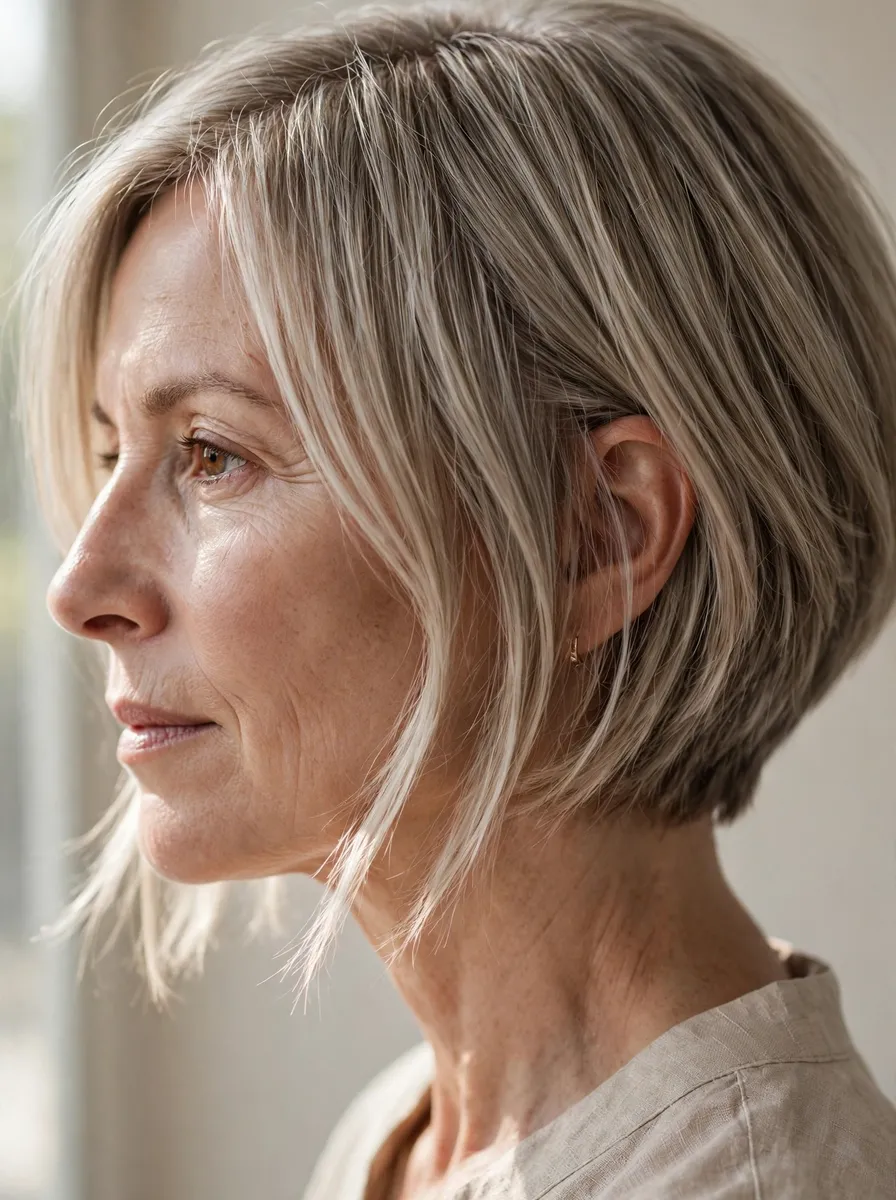
Short hair benefits from framing more than any other length, because a bob’s clean outline can sit heavily around the face. Two longer pieces at the front corners — kept a centimetre or two past the rest of the outline — soften the edge, add a slight forward angle, and give you something to tuck, sweep or pin. It is the difference between a bob that wears you and a bob you wear.
5. Money-Piece Face Framing
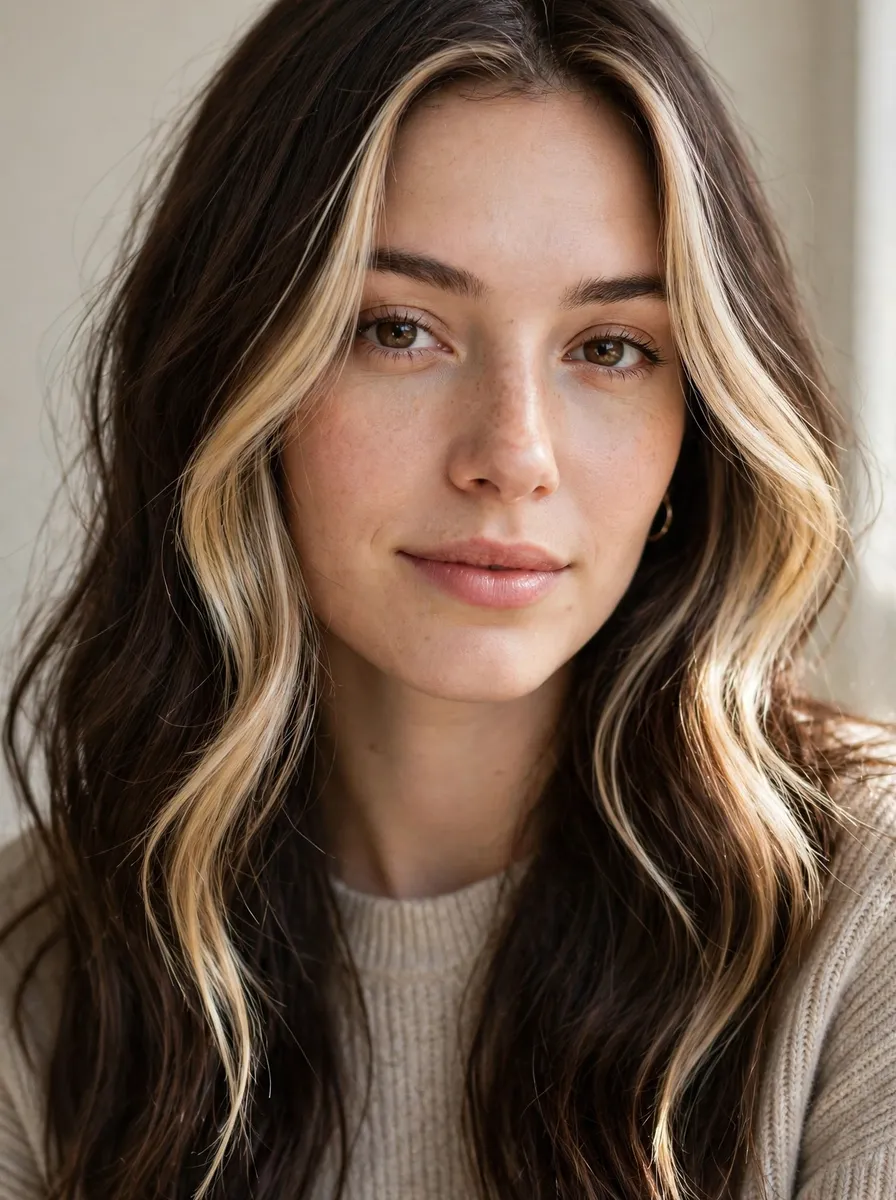
Here the framing is done with colour as much as cutting: the front sections are lightened a shade or two beyond the rest of the hair, so the face-framing effect reads even when the lengths are similar. The cut still matters — the lightened pieces should be the graduated front layers, not random strands — but the brightness does the highlighting work. It is the highest-impact version for brunettes, and the front pieces can be re-lightened between full colour appointments.
6. Curly Face-Framing Layers
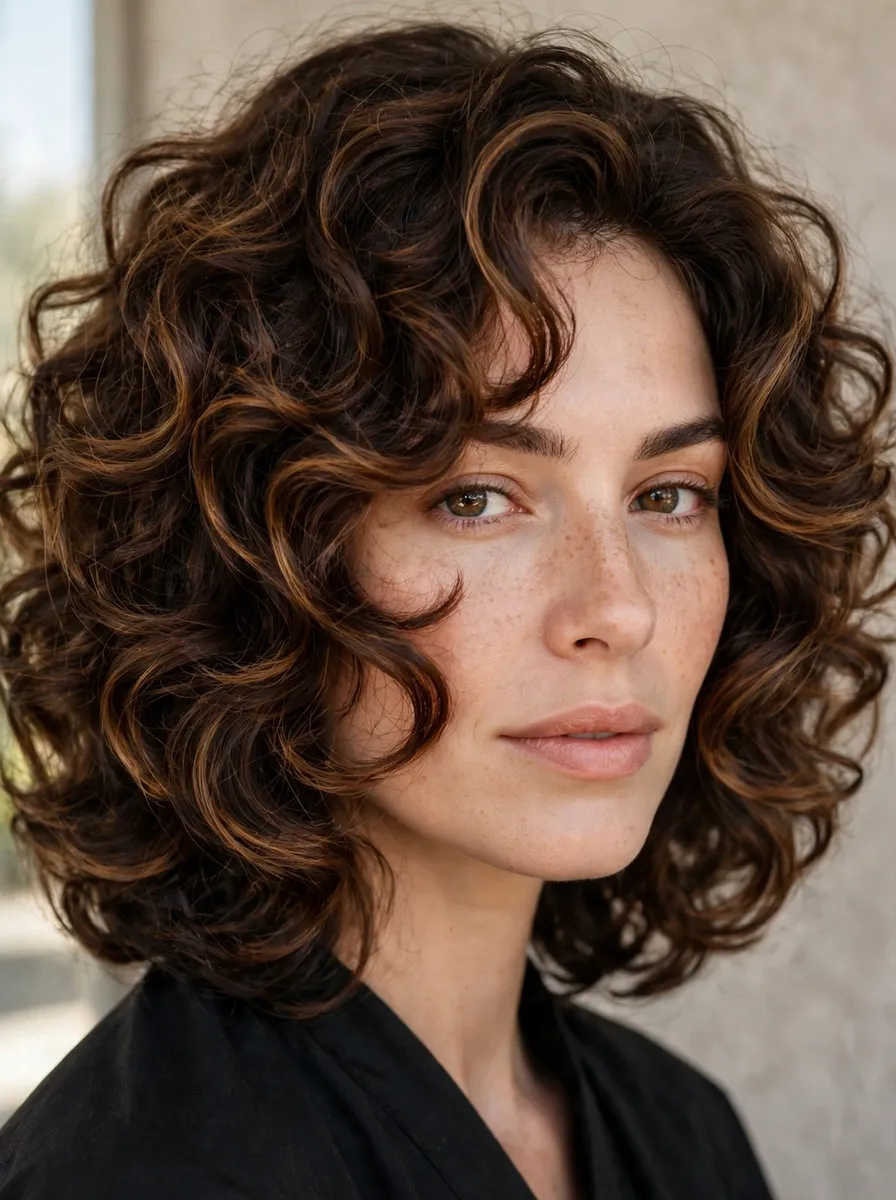
On curly hair, face-framing is sculpted curl by curl, usually cut dry so each piece lands where it actually lives. Done well, it stops the classic triangle shape — flat at the top, wide at the bottom — by giving the front curls graduated lengths that frame the cheeks and jaw. The pieces should be cut longer than you think: curls spring up, and a cheekbone piece cut wet can end up at the eye line dry.
7. Face-Framing Layers with a Center Part
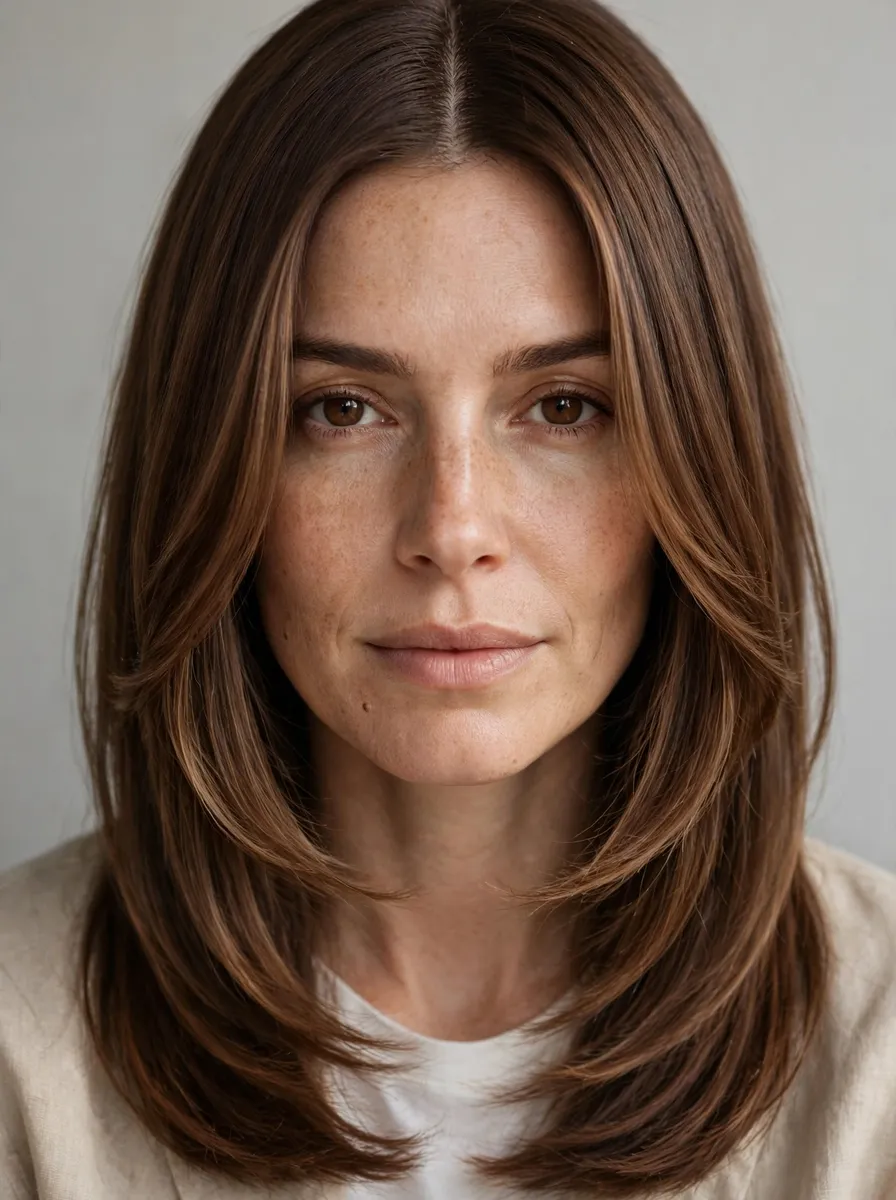
Symmetrical framing is the cleanest, most polished version: equal pieces on both sides create an oval window around the face that suits oval and longer face shapes particularly well. It is also the most honest style — with nowhere to hide, the graduation has to be genuinely smooth, which is why this version is a good test of a stylist’s layering work before you commit to more.
8. Face-Framing Layers with a Side Part
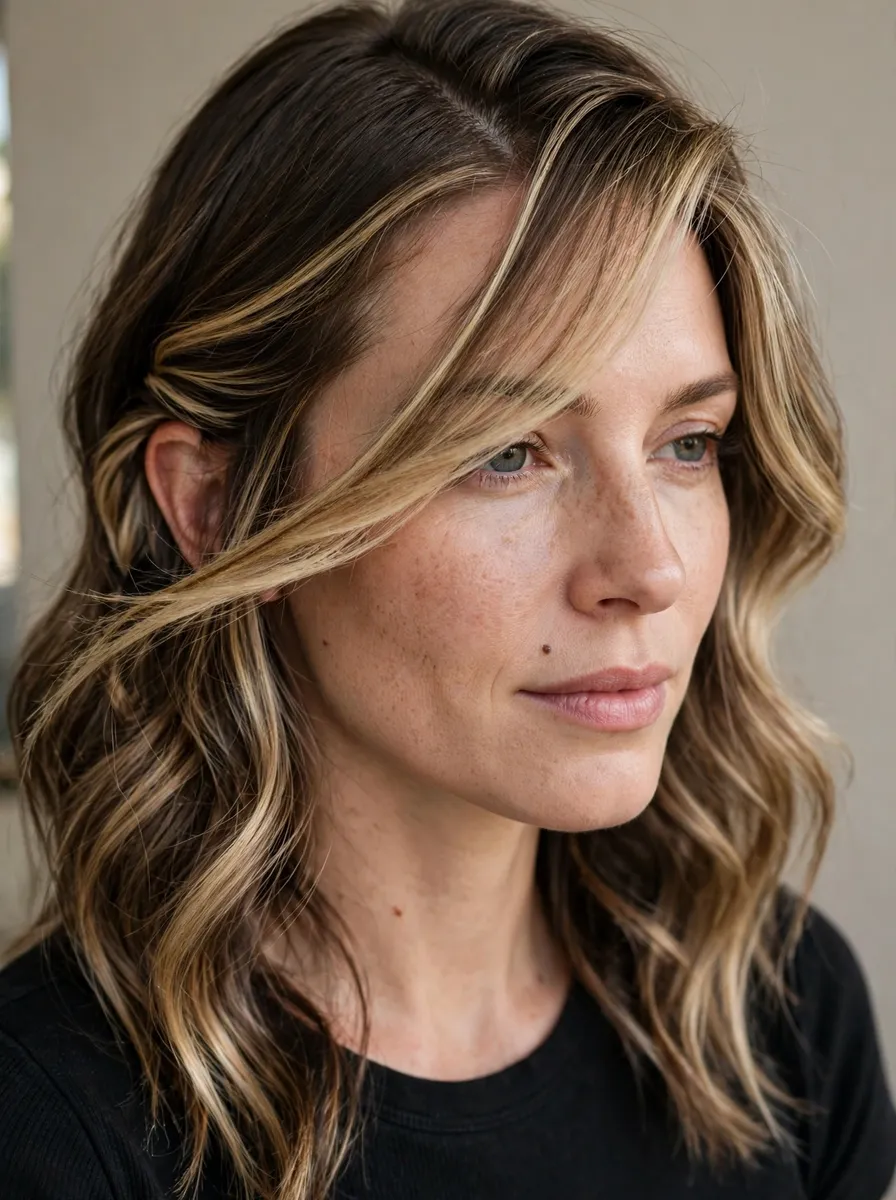
Move the part to the side and the framing turns asymmetrical: one long sweeping piece crosses the forehead diagonally while the other side tucks shorter. The diagonal line is flattering on round and square faces because it interrupts both width and angles at once. This is the version recommended most often in our layered haircuts for round faces guide, where breaking symmetry is the whole strategy.
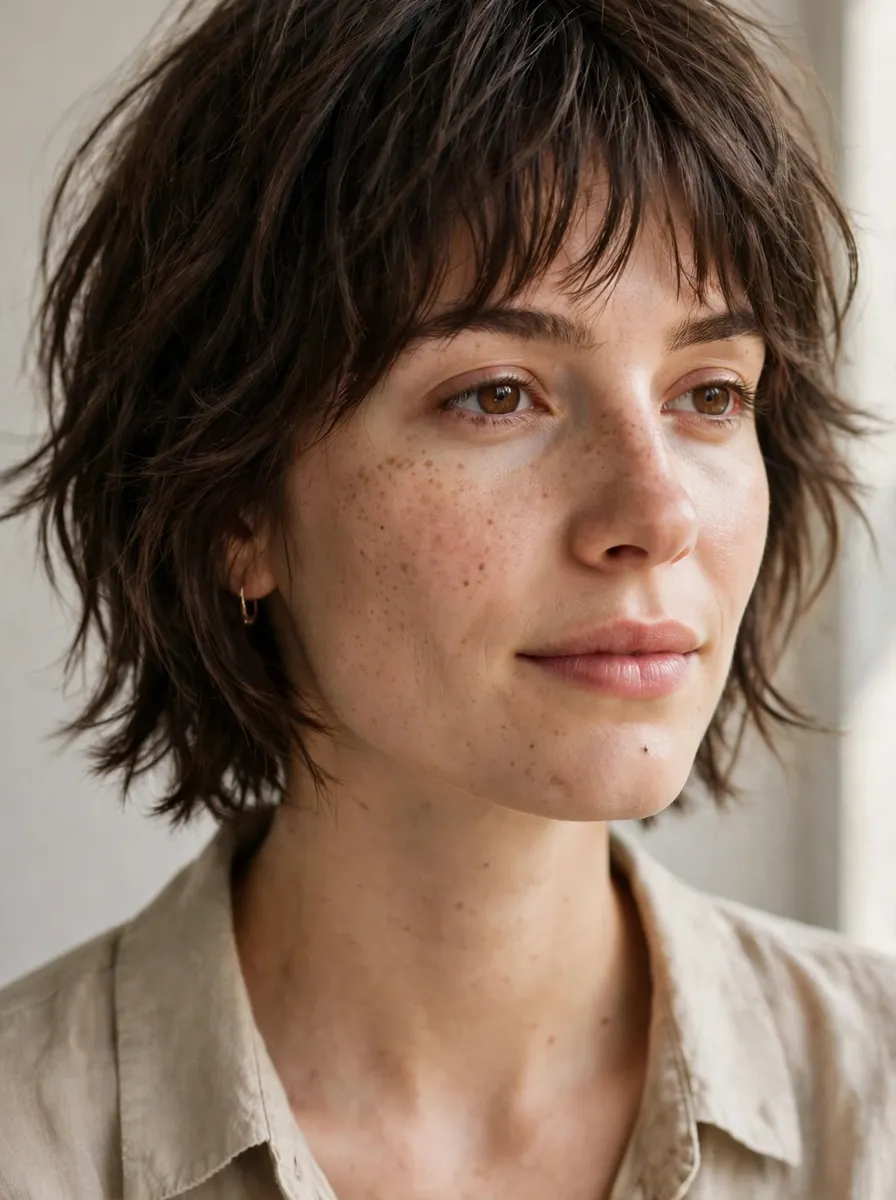
9. Feathered Face-Framing
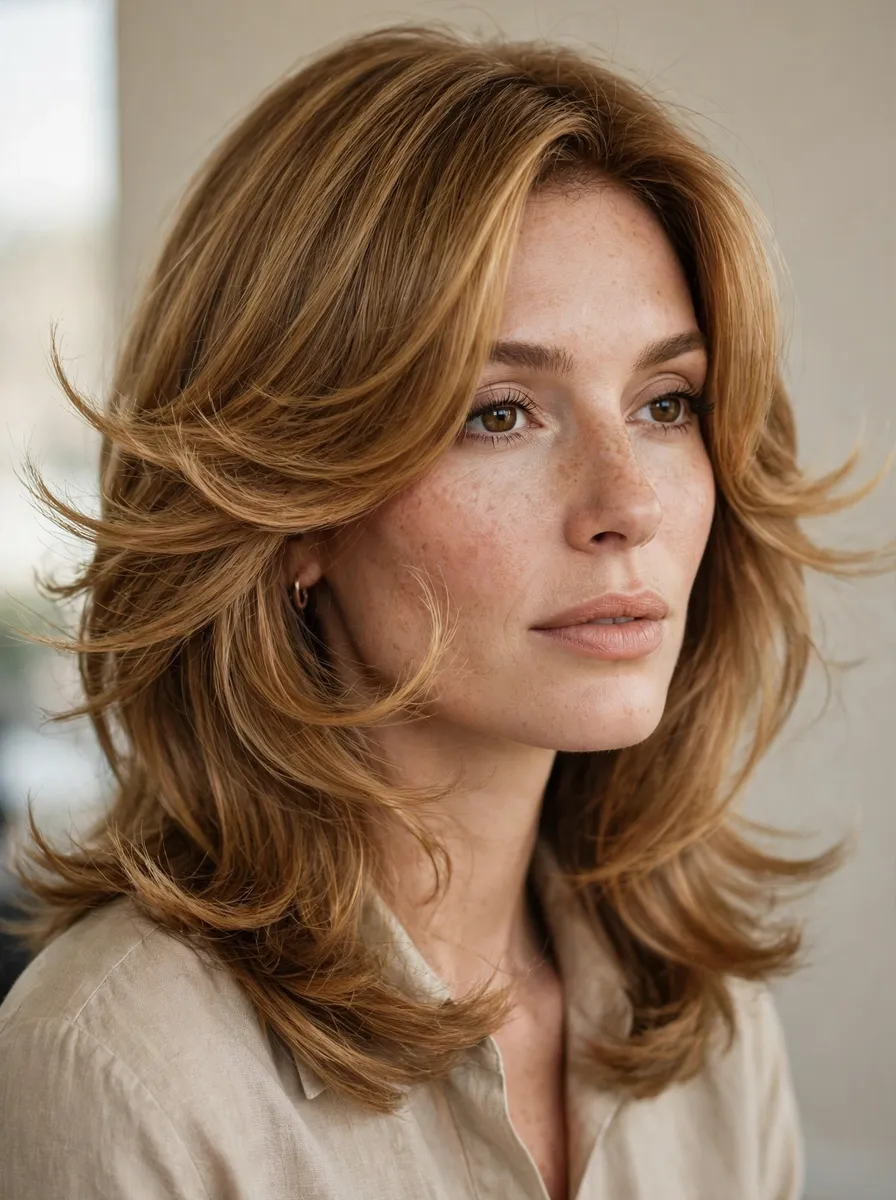
The seventies gave this style its flick: front pieces are textured at the ends and styled to sweep outward and back, away from the face. Modern versions keep the movement but soften the drama. Feathered framing suits medium to long hair with natural body, and it is forgiving to grow out because the flicked ends blend into any layer pattern as they lengthen.
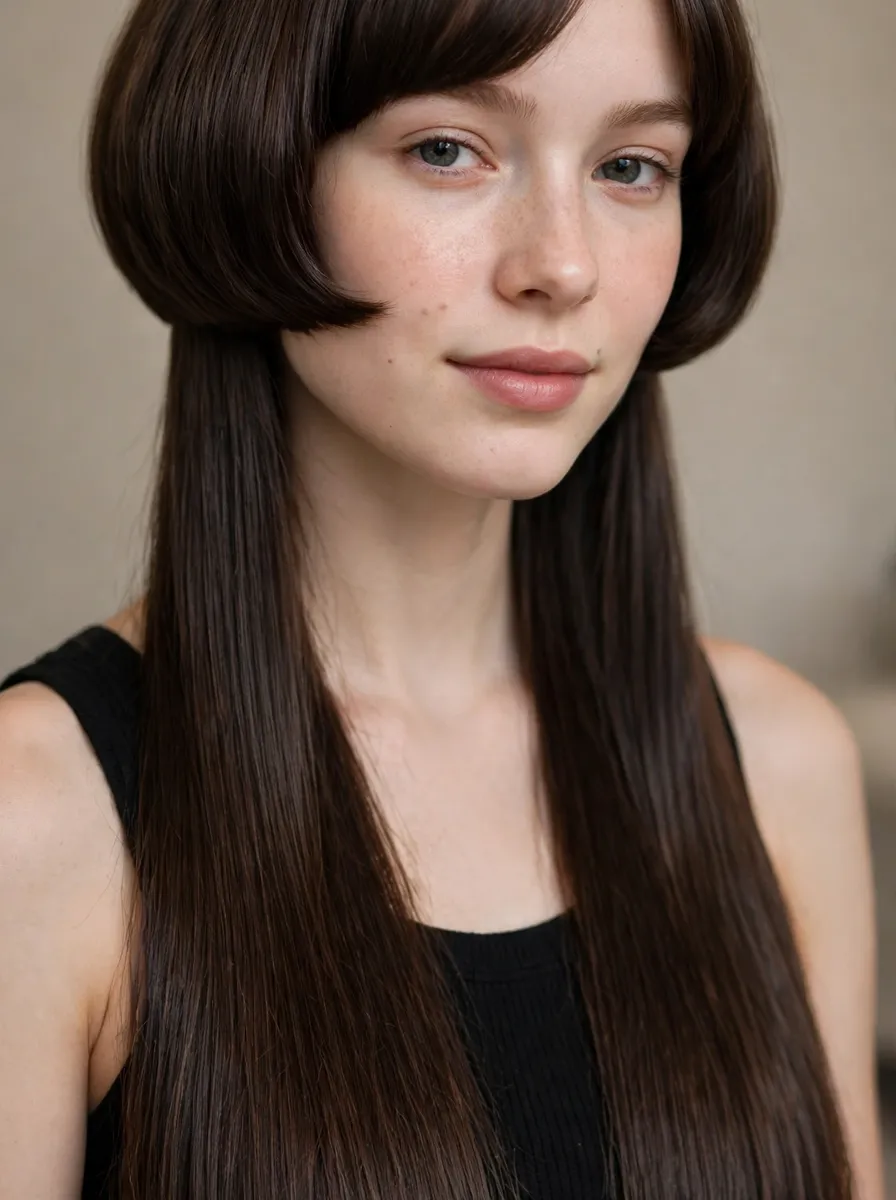
10. Subtle Face-Framing for Fine Hair
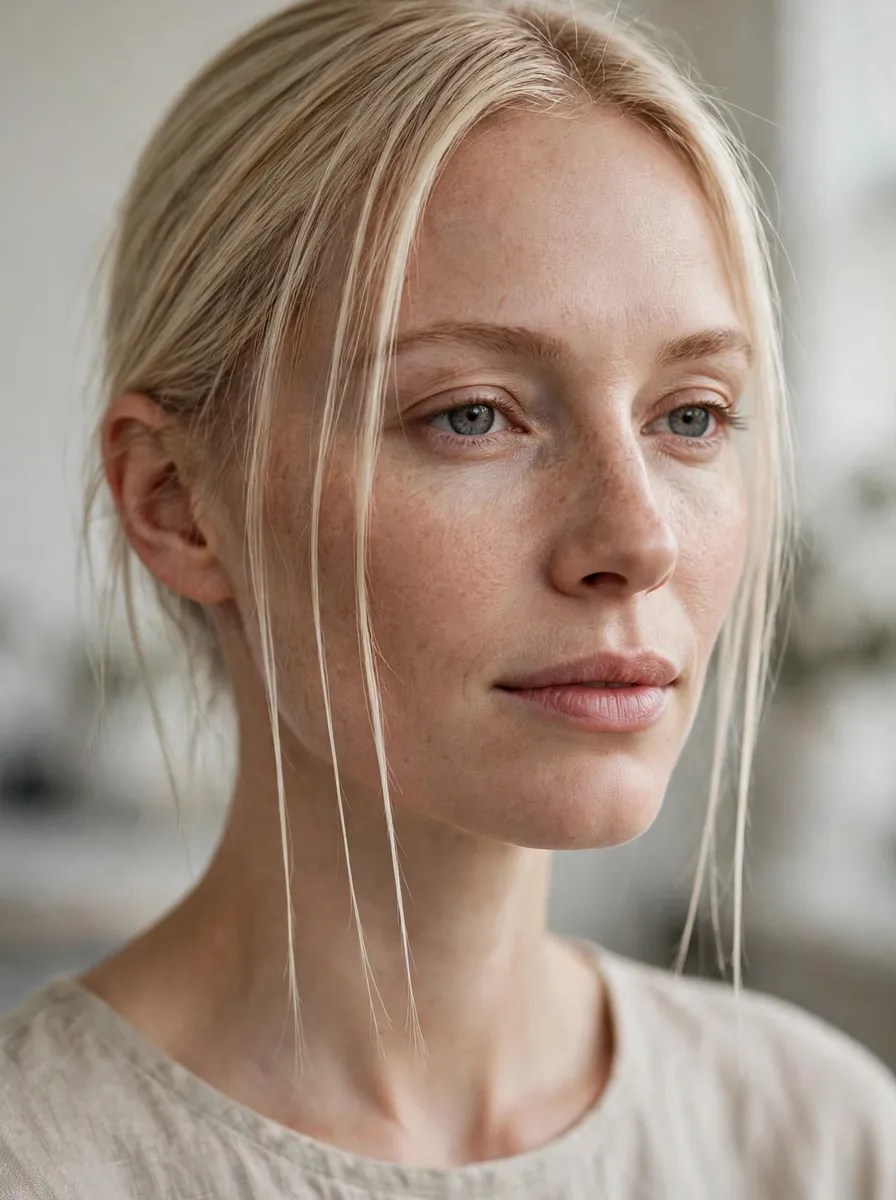
Fine hair cannot spare much density at the front, so this version uses just two or three slender pieces per side, starting below the cheekbones, with blunt-cut ends that keep them looking as full as possible. The effect is definition rather than drama: the face gets a frame, the hair keeps its thickness. Ask your stylist to cut the pieces dry and skip any razor work — on fine hair, the frame should be minimal but solid.
Where Should Face-Framing Layers Start?
Use the feature you want to emphasise as the address:
- Cheekbone start — highlights the cheekbones; the butterfly and curtain styles live here. Most dramatic, most styling.
- Chin/jaw start — defines the jaw and elongates; the classic choice for round faces and the safest all-rounder.
- Collarbone start — the subtlest option; softens long hair without any change visible from the back.
A good stylist will also check how the pieces fall when your hair is in its natural texture and your usual part — framing that only works in the salon’s blow-dry is framing that will annoy you by Thursday.
Frequently Asked Questions
What are face-framing layers?
They are shorter, graduated sections cut around the front hairline of a haircut, typically starting somewhere between the cheekbones and the collarbone and blending down into the full length. Their job is to shape how the hair interacts with the face — highlighting features, softening outlines and adding movement at the front — while the back and sides can stay any length. They can be added to almost any existing cut.
What is the difference between face-framing layers and curtain bangs?
Length and commitment. Curtain bangs are a true fringe: cut from the front hairline, parted in the middle, and usually ending around the cheekbones, with regular trims to hold the shape. Face-framing layers are longer front sections of the main cut — they start lower, blend into the length, and need no separate maintenance. Grown-out curtain bangs actually become face-framing layers, which is why the two styles sit on one spectrum.
Do face-framing layers suit every face shape?
Yes, with the starting point adjusted. Round faces flatter with pieces starting at or below the chin plus a center or deep side part; square faces soften with cheekbone-start pieces that curve rather than cut straight; long faces work well with cheekbone starts that add width at the sides; heart-shaped faces balance with jaw-length pieces that add presence at the narrower part of the face.
Can you have face-framing layers with short hair?
Absolutely — bobs are one of the best candidates. Keeping the two front corners slightly longer than the rest of the outline softens the bob’s edge and adds a flattering forward angle. Pixie-length hair uses the same idea in miniature, with longer pieces around the ears and fringe area. The shorter the hair, the smaller the length difference needs to be — a centimetre or two is enough.
How do I ask my stylist for face-framing layers?
Name the starting point and the blend. “Face-framing layers starting at my chin, blended smoothly into the length, nothing shorter than my cheekbones” gives a stylist everything they need. Bring a photo taken from the side as well as the front — the graduation lives in the side view. Mention your usual part and whether you tuck your hair behind your ears, since both change where the pieces should fall.
How much maintenance do face-framing layers need?
Very little, which is their main advantage over bangs. They are trimmed as part of your normal haircut every 8 to 12 weeks, and because they blend into the length, they grow out invisibly — there is no awkward stage and no fringe-trim schedule. Butterfly-style framing needs daily heat styling to show its shape; the subtler versions need no styling at all beyond how you normally wear your hair.