Types of Braids: 13 Styles Explained, From French to Fishtail
Almost every braid you have ever seen is a variation on a handful of techniques: crossing three strands, adding hair as you go, feeding strands from one side only, or skipping the weaving altogether and faking it with elastics. Learn to recognise those mechanics and the whole braided world organises itself — you can look at any style, work out how it was built, and judge honestly whether your hair and your patience are up to it.
This guide is the map of that world and the pillar page for our braiding guides: thirteen braid types, each with how it is constructed, a straight difficulty rating, the hair it suits best and the occasions it earns its keep at. The tutorials linked throughout go stitch-by-stitch; if braid vocabulary is new to you, our beginner braid guide covers the grip, tension and sectioning basics every style below depends on.
1. Classic Three-Strand Braid

The braid everything else descends from. Hair is divided into three equal sections and the outer strands are crossed alternately over the middle one, all the way down, then secured with an elastic. Nothing is added and nothing is anchored to the head, which is exactly why it is the right first braid: your hands learn the crossing rhythm here. Difficulty: 1/5. It needs hair past the shoulders to look like anything, works on every hair type, and shows best on even lengths — heavy layers poke out of the sides. Best for everyday wear, school, and as the building block inside milkmaid and pigtail styles.
2. French Braid
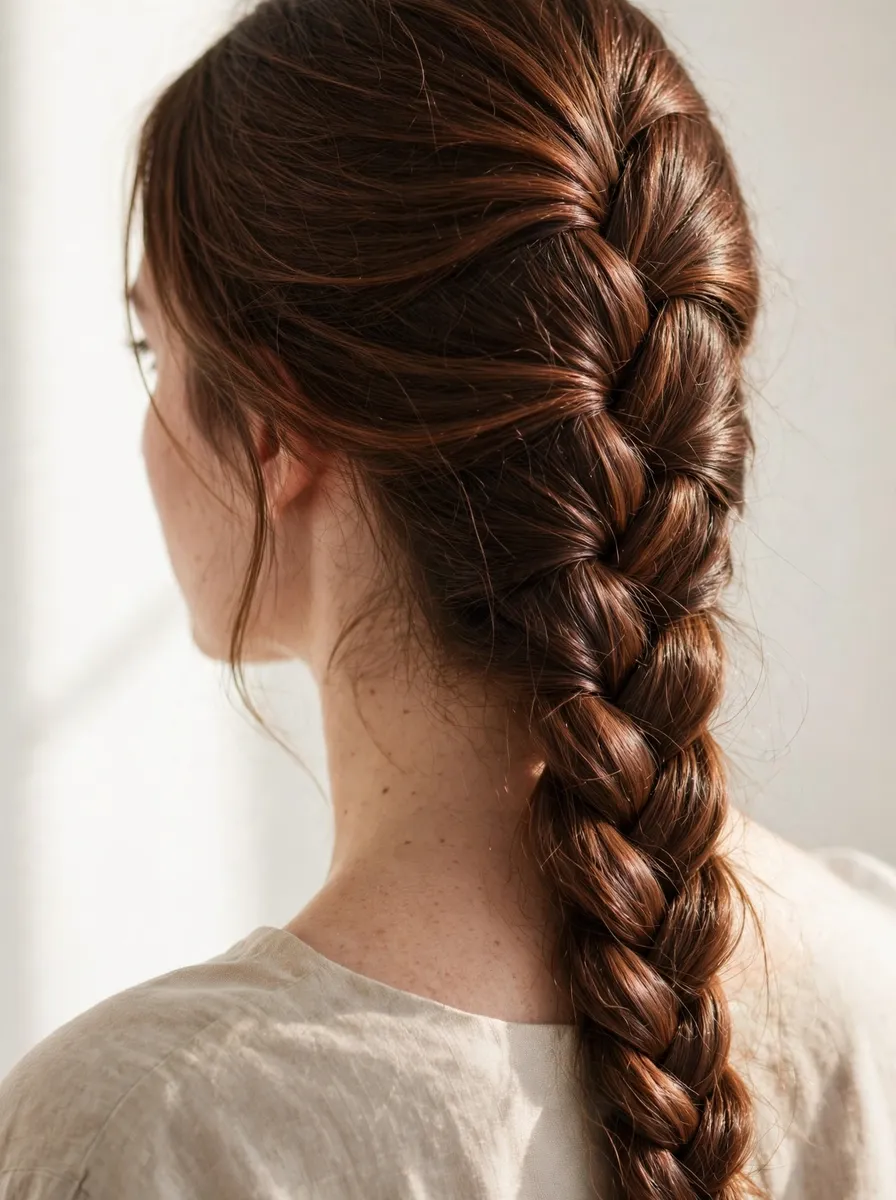
A French braid starts with three small strands at the crown, then picks up a fresh slice of loose hair into each strand before it crosses over the middle. Because hair is added gradually, the braid lies flat against the head and gathers everything in — fringe, layers and all. Difficulty: 3/5; the technique is simple, but keeping tension even behind your own head takes practice. It suits medium to long hair of any type, and our step-by-step French braid tutorial includes the two-braid and side variations. Best for work, formal events worn sleek, and keeping hair contained through sport.
3. Dutch Braid
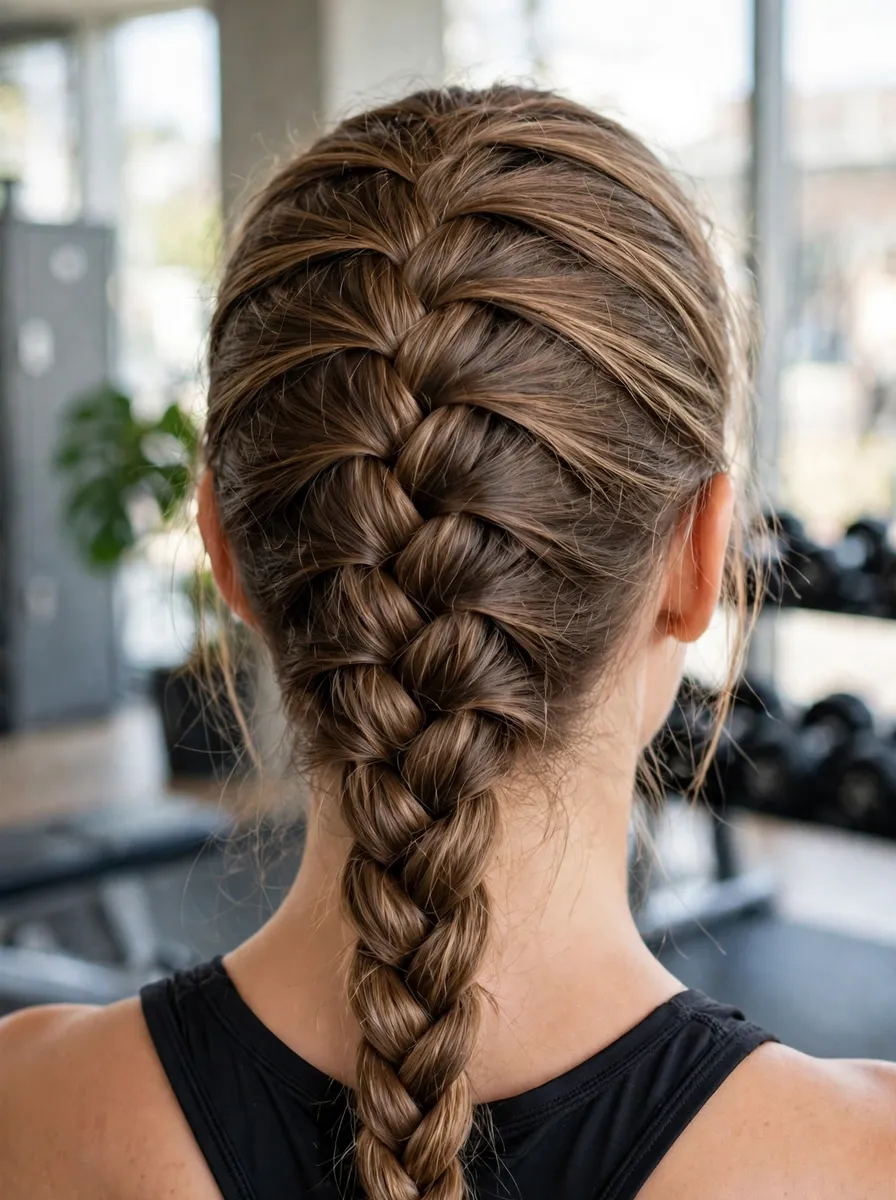
The Dutch braid uses the French braid’s add-as-you-go logic but crosses each strand under the middle instead of over it. That single reversal pushes the braid up so it sits on top of the hair in a raised, three-dimensional ridge — sometimes called an inside-out or reverse French braid. Difficulty: 3/5, identical hand pattern to a French braid with the direction flipped. Medium to long hair suits it, and it is especially flattering on thick hair and balayage or highlighted colour, because the raised weave shows every shade. Our Dutch braid tutorial covers single and double versions. Best for sport, festivals and bold everyday looks.
4. Fishtail Braid
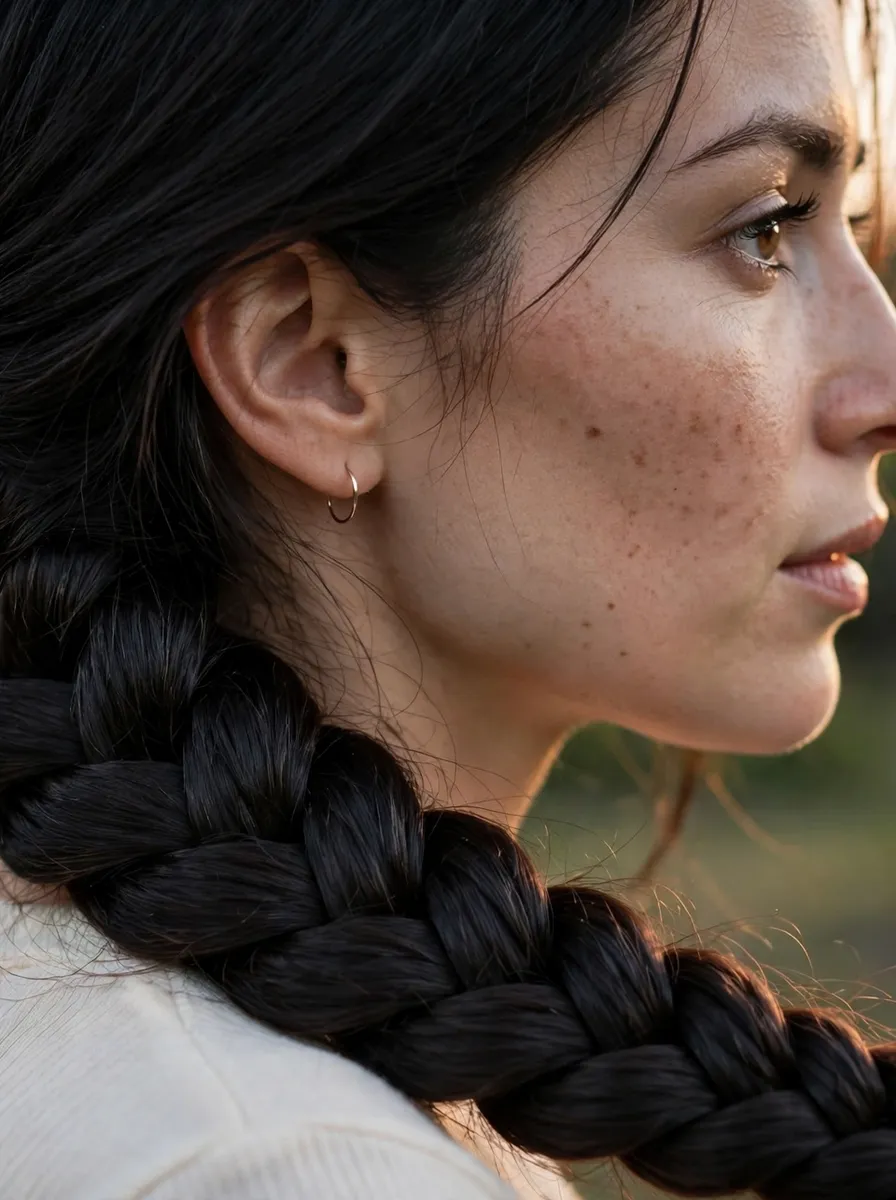
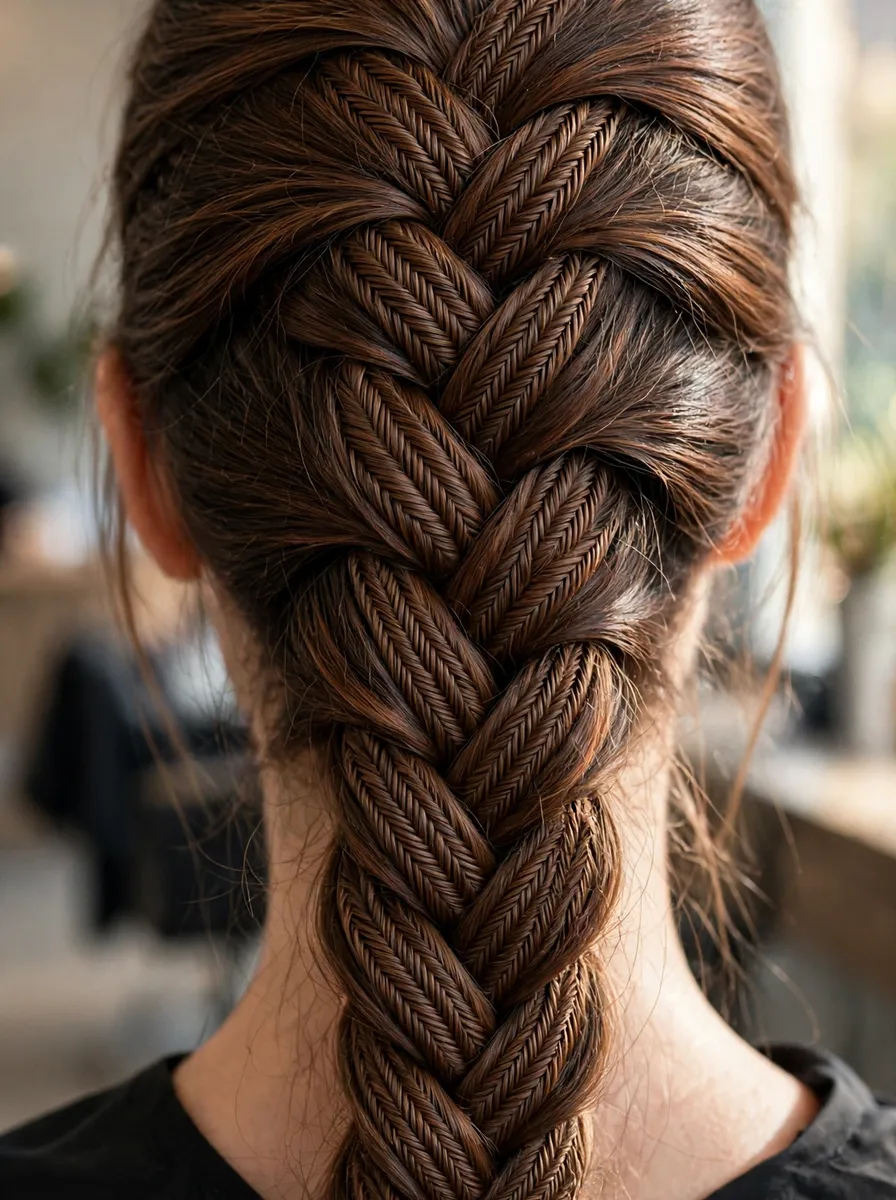
A fishtail is built from only two sections: you take a small piece from the outer edge of one side, cross it over to join the other, and repeat, alternating sides. Hundreds of tiny crossings create the fine herringbone or chevron pattern that gives the braid its name. Difficulty: 3/5 — not complicated, just slow; a long fishtail is a patience exercise. It needs medium to long hair and looks best on mostly one-length hair, since layers work loose from the fine weave. Our fishtail braid tutorial walks through the standard and French fishtail versions. Best for weddings, evening looks and dressed-up boho styles.
5. Waterfall Braid
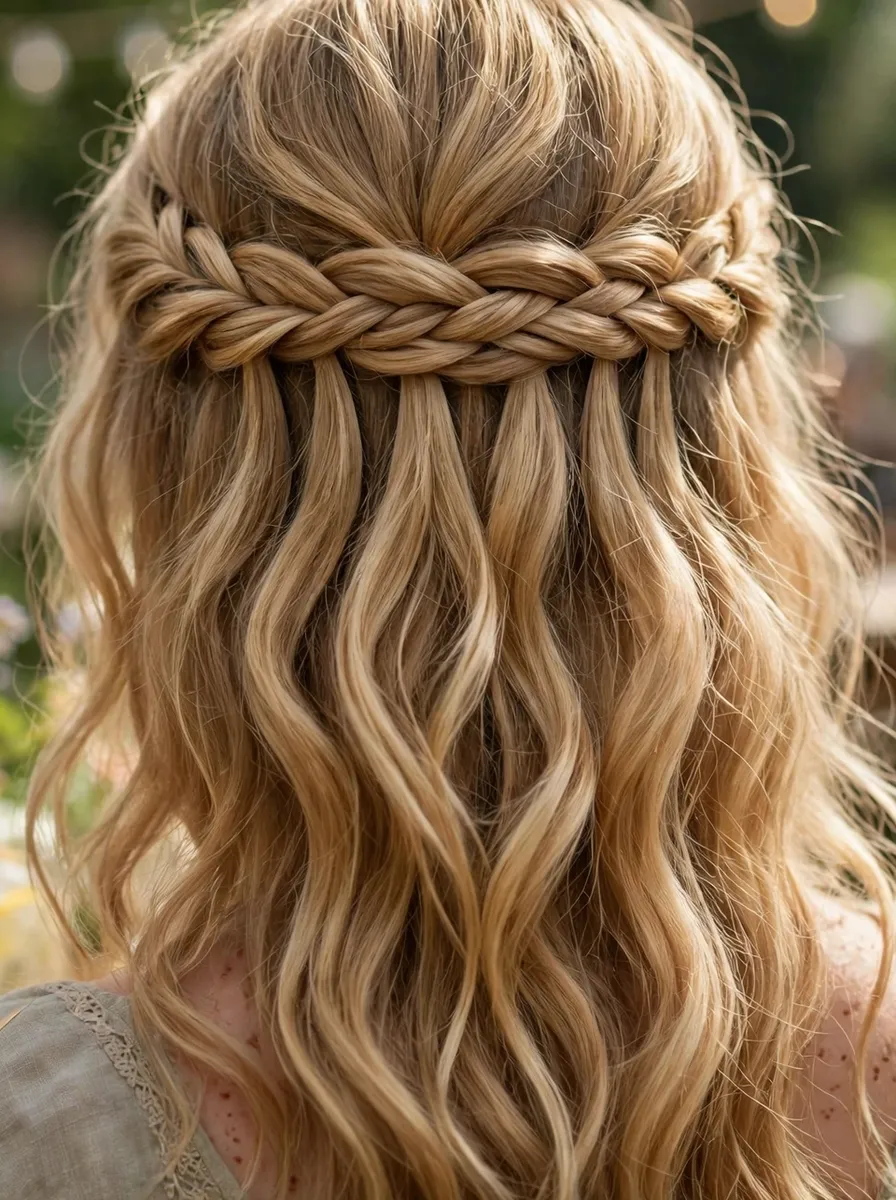
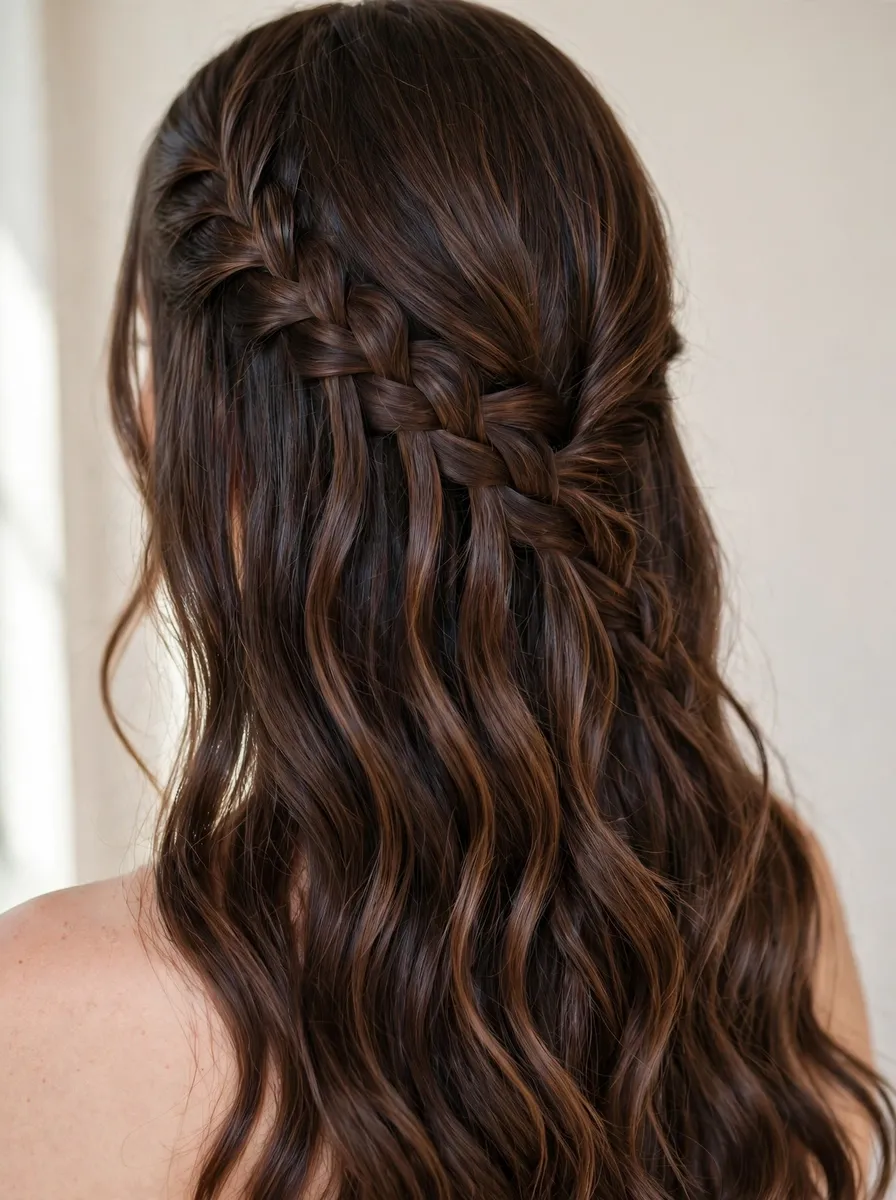
A waterfall braid runs horizontally around the head like a French braid, but each time the lower strand finishes its cross it is dropped completely, and a new strand of loose hair is picked up just behind it to take its place. The dropped strands fall through the braid in even curtains — the waterfall. Difficulty: 4/5, because you are juggling a braid, a feed hand and a disappearing strand at once. Medium to long hair shows it best, and waves or curls make the falling strands read clearly; it anchors our boho braids collection for a reason. Best for parties, weddings and photographs.
6. Rope Braid
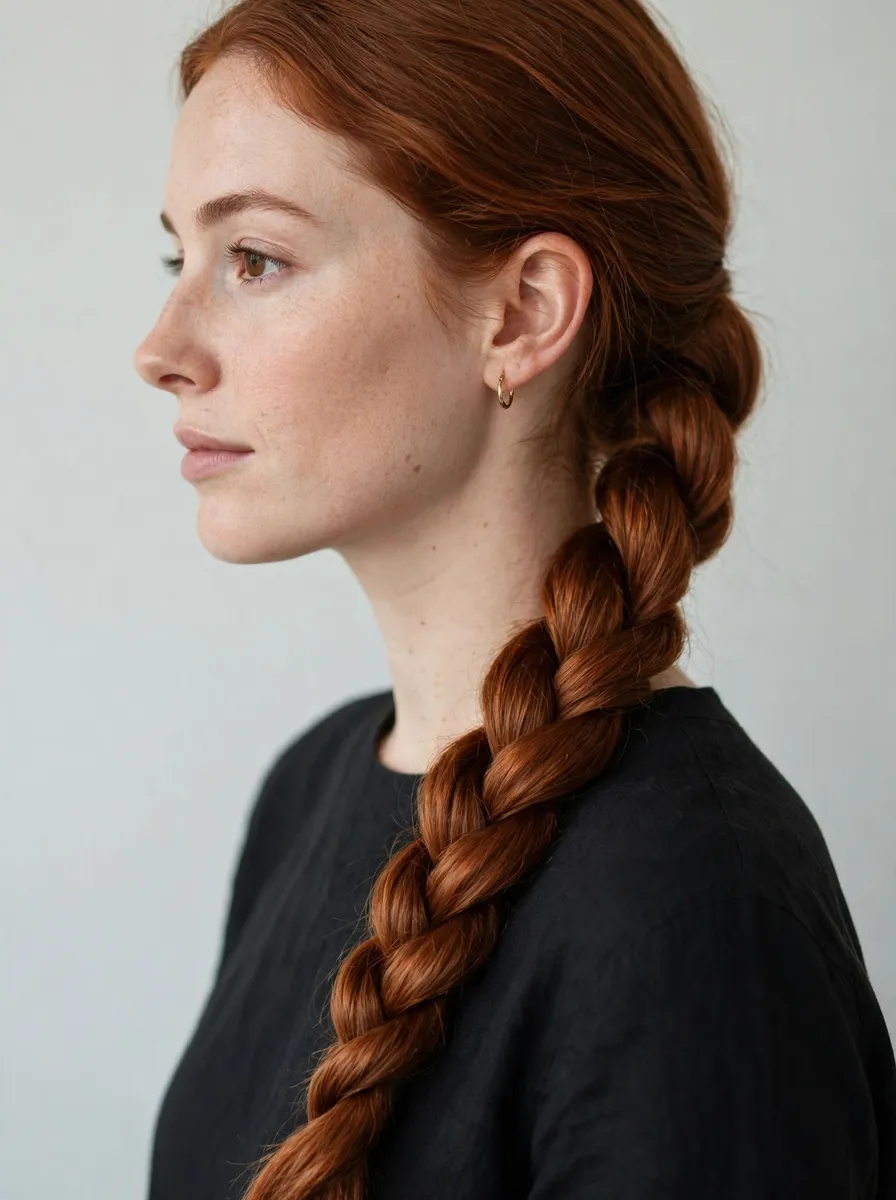
No weaving at all: two sections are each twisted in one direction, then wrapped around each other in the opposite direction, and the opposing tensions lock the rope in place. Get the second direction wrong and it unravels in minutes — get it right and it holds all day. Difficulty: 2/5, the quickest upgrade from a plain ponytail there is. Medium to long hair works; straight or straightened hair shows the clean spiral best, and it tolerates layers better than most braids because the twist traps short ends. The rope braid ponytail is its most-worn form. Best for polished ponytails, work and last-minute neatness.
7. Box Braids
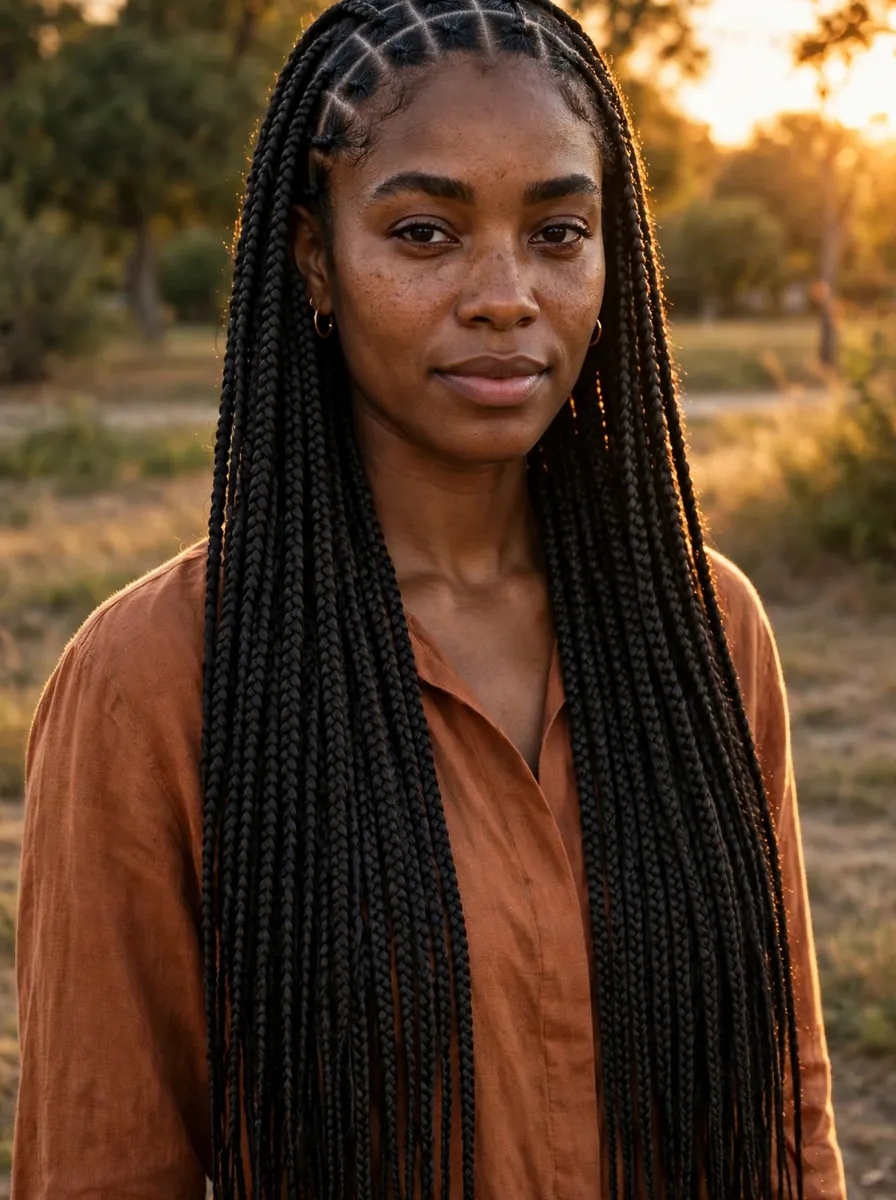
Box braids are a protective style: the hair is parted into a grid of square (box) sections, and each section is braided from the root — almost always with extension hair braided in — for added length, fullness and weeks of wear. The braids hang free, so they can be worn loose, in buns, ponytails or updos. Difficulty: 5/5 as a DIY project; this is normally salon work taking four to eight hours. Designed for natural and coily hair, which they protect from daily manipulation and breakage. Best for holidays, busy seasons and low-daily-maintenance wear lasting six to eight weeks.
8. Cornrows
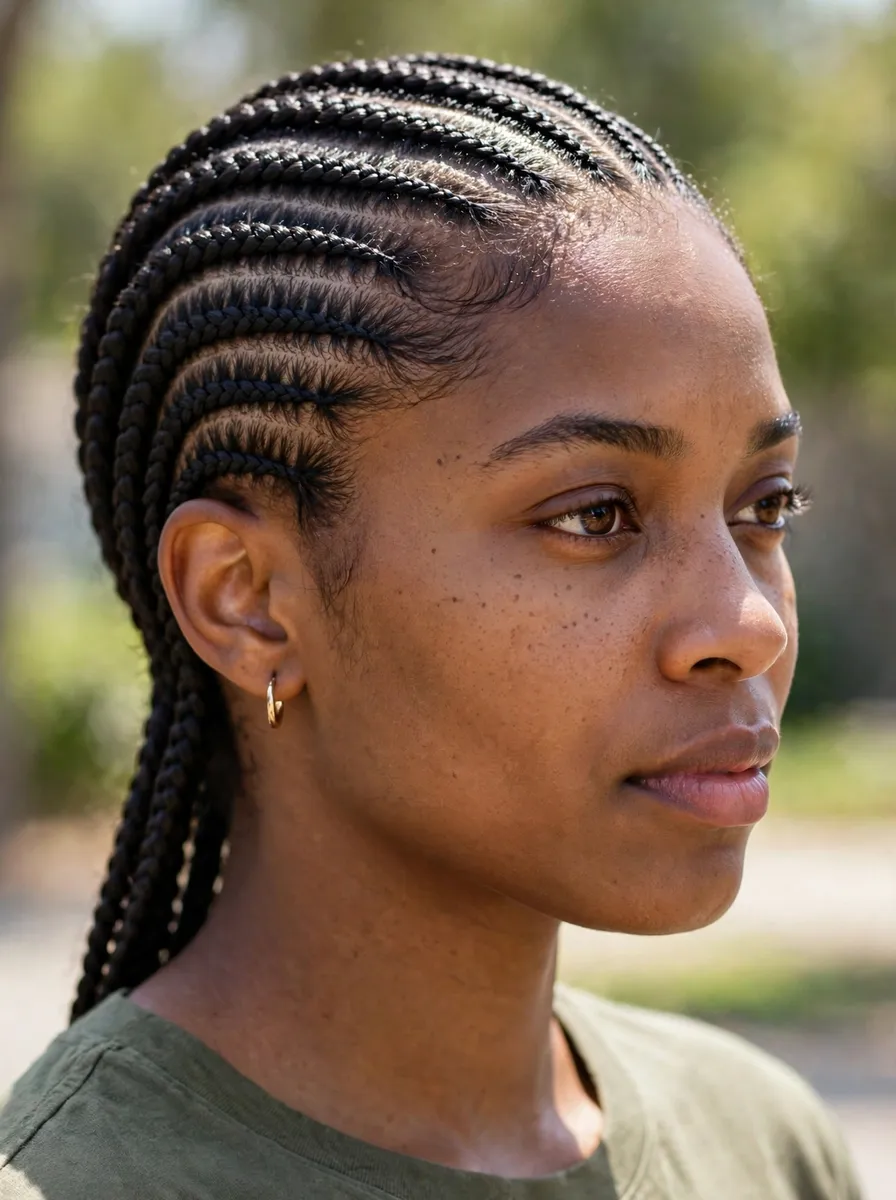
Cornrows are narrow braids worked flat against the scalp in rows, adding hair gradually with an underhand motion — essentially slim Dutch braids mapped in lines. The simplest pattern runs straight back from hairline to nape, but rows can curve, zig-zag or feed into a ponytail or bun, often with extension hair for length and uniformity. Difficulty: 4/5; the scalp-hugging tension control is skilled work. They are a protective style for curly and coily hair, keeping it tucked away and undisturbed for one to three weeks at a time. Best for summer, sport, travel and as the flat base under wigs and weaves.
9. Halo (Crown) Braid
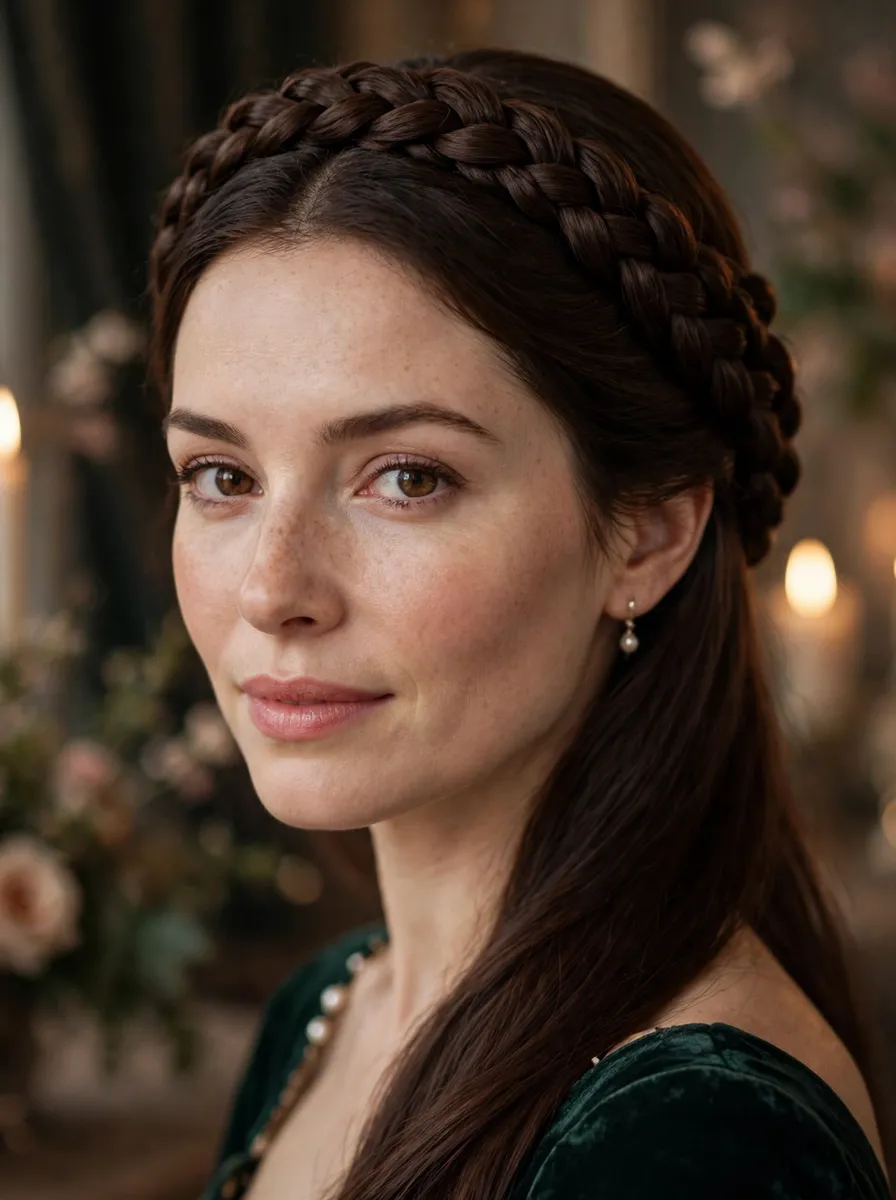
A halo braid is one continuous French or Dutch braid that travels all the way around the head — up one side, across the front hairline and down the other — with the tail tucked and pinned where it meets the start, forming a complete braided crown. Difficulty: 4/5: the technique is familiar, but braiding around the curve of your own head, keeping the ridge even, is genuinely fiddly. It demands length — armpit-length or longer — and medium to thick density, because thin hair produces a skinny crown. Best for weddings, christenings, formal events and any updo occasion with no heat styling.
10. Milkmaid Braids
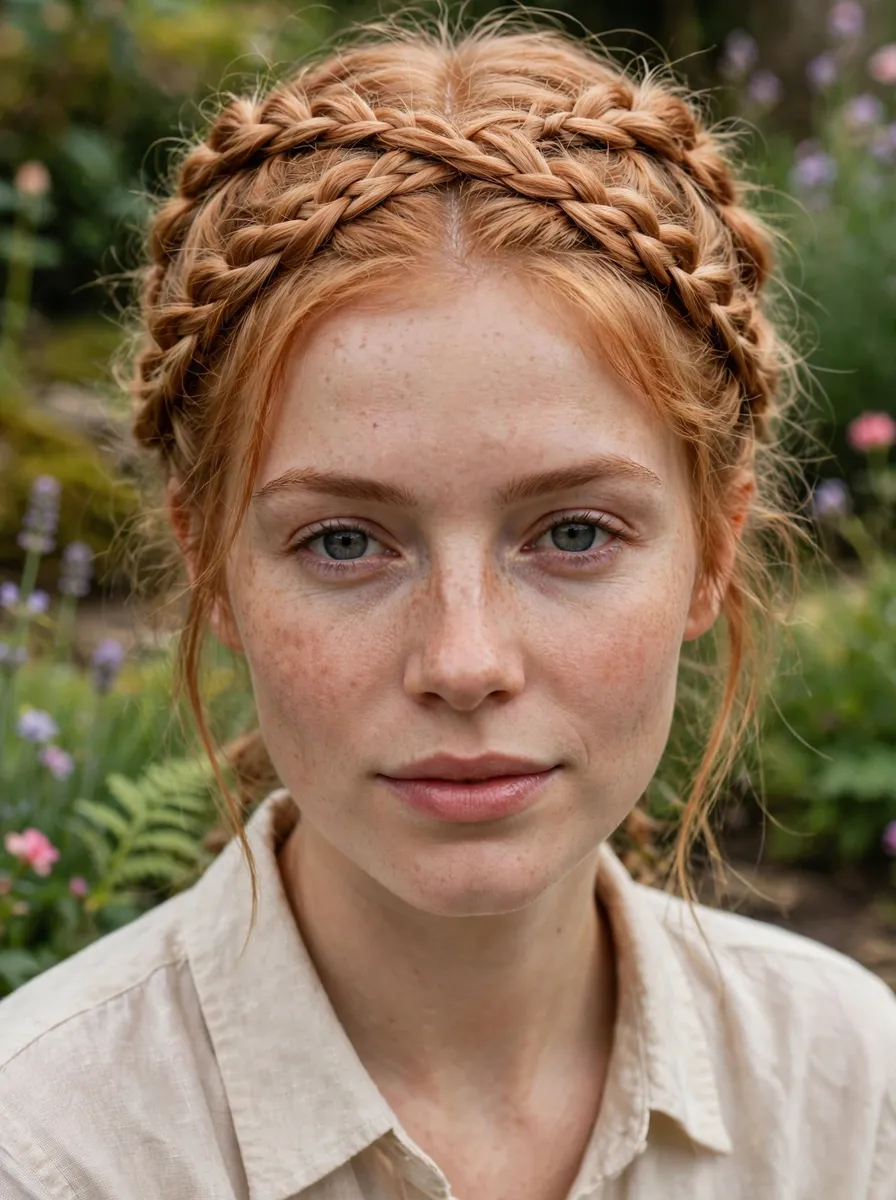
The milkmaid cheats the halo: instead of braiding around the head, you make two ordinary three-strand pigtails, then cross each one up and over the top of the head like a headband and pin it behind the opposite ear. The result reads as a crown braid from almost every angle, at a fraction of the effort. Difficulty: 2/5 — if you can plait a pigtail, you can do this. Medium to long hair works, and finer hair can fake fullness by gently pancaking (tugging) each plait wider before pinning. Best for summer days, cottagecore and rustic outfits, casual weddings and festival looks.
11. Bubble Braid
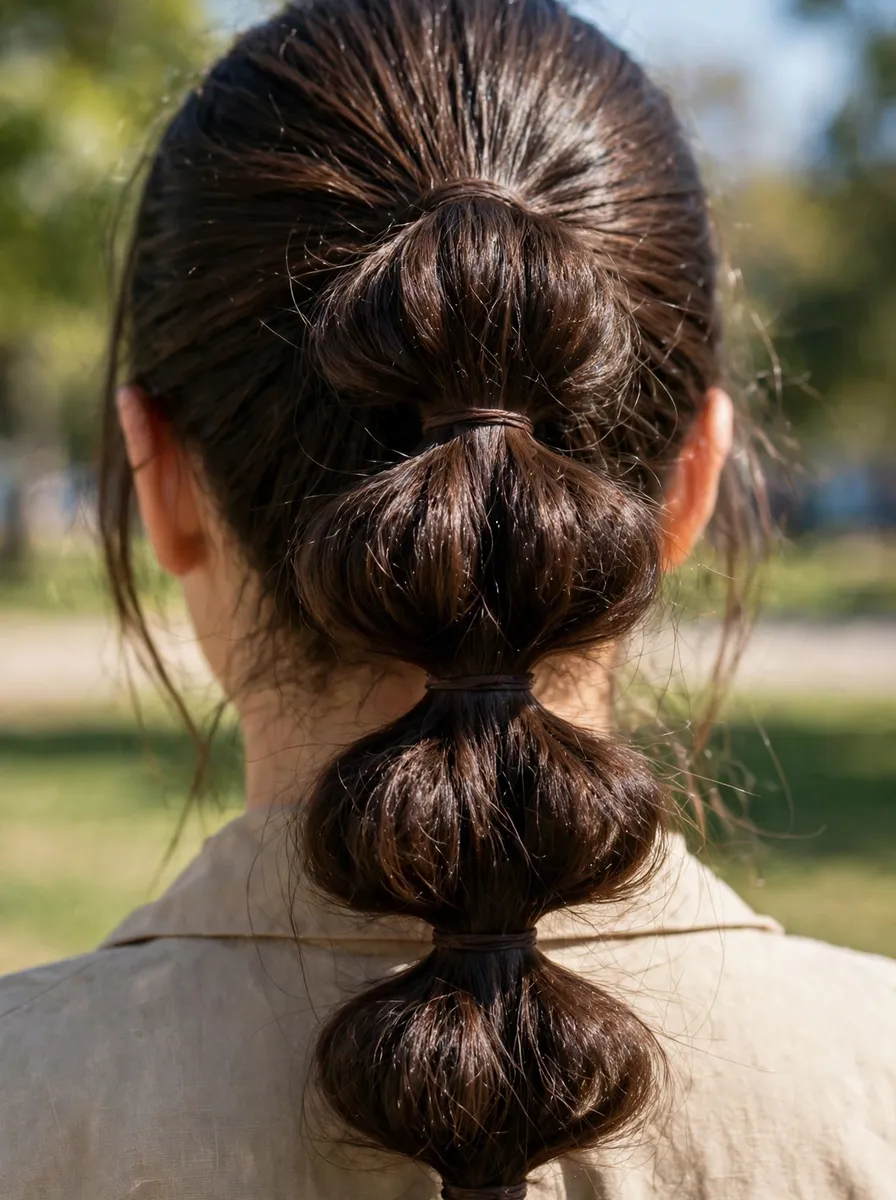
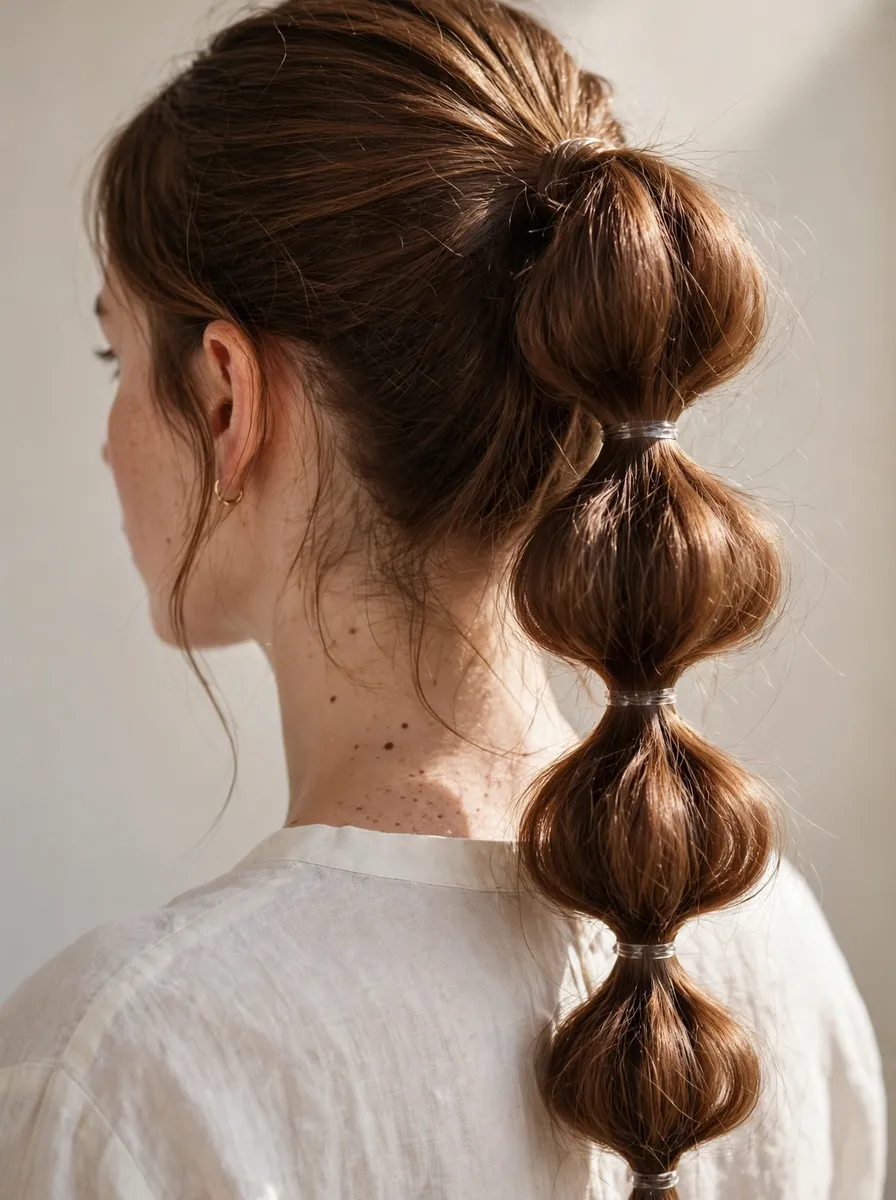
Another braid that is not technically a braid: a ponytail is tied off with small elastics every few centimetres, and each section between elastics is pulled and puffed outward into a rounded “bubble”. No crossing, no weaving — which is precisely its appeal for anyone whose French braids defeat them. Difficulty: 1/5, the easiest style on this page alongside the classic plait. Medium to long hair is needed to fit several bubbles; thick hair makes the roundest ones, while fine hair gets there with texturising spray and thorough puffing. Our dedicated bubble braids guide covers ponytail, pigtail and half-up versions. Best for festivals, casual days and children.
12. Lace Braid
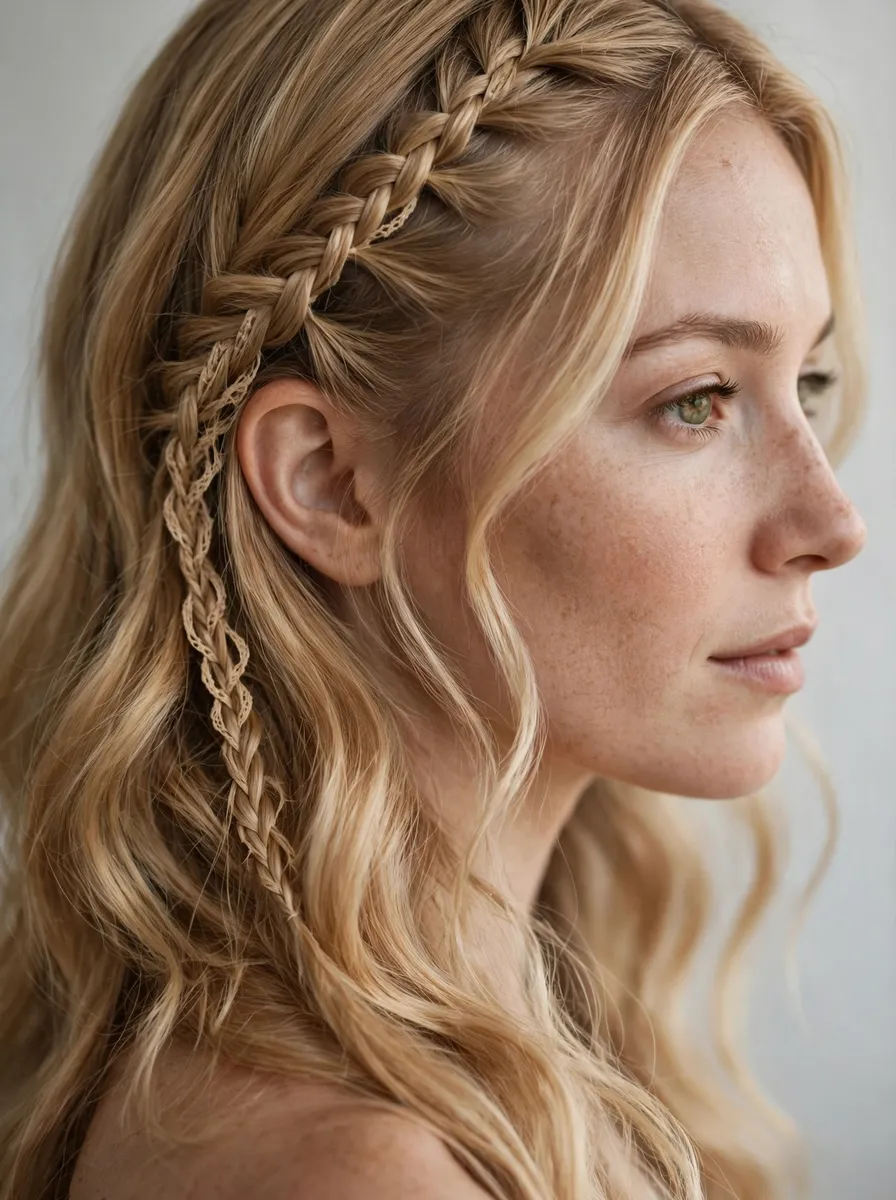
A lace braid is a French braid with half the feeding removed: new hair is added from one side only — usually the hairline side — while the other side simply crosses its own existing strand. The braid therefore stays slim and skims along the edge of the loose hair, like lace trim on fabric. Difficulty: 3/5; French braid hands plus remembering which side feeds. Medium to long hair of any type suits it, and it is the best braid here for shorter layers and growing-out fringes, since the un-fed side lets short pieces stay loose. Best for everyday detail and half-up styles.
13. Pull-Through Braid
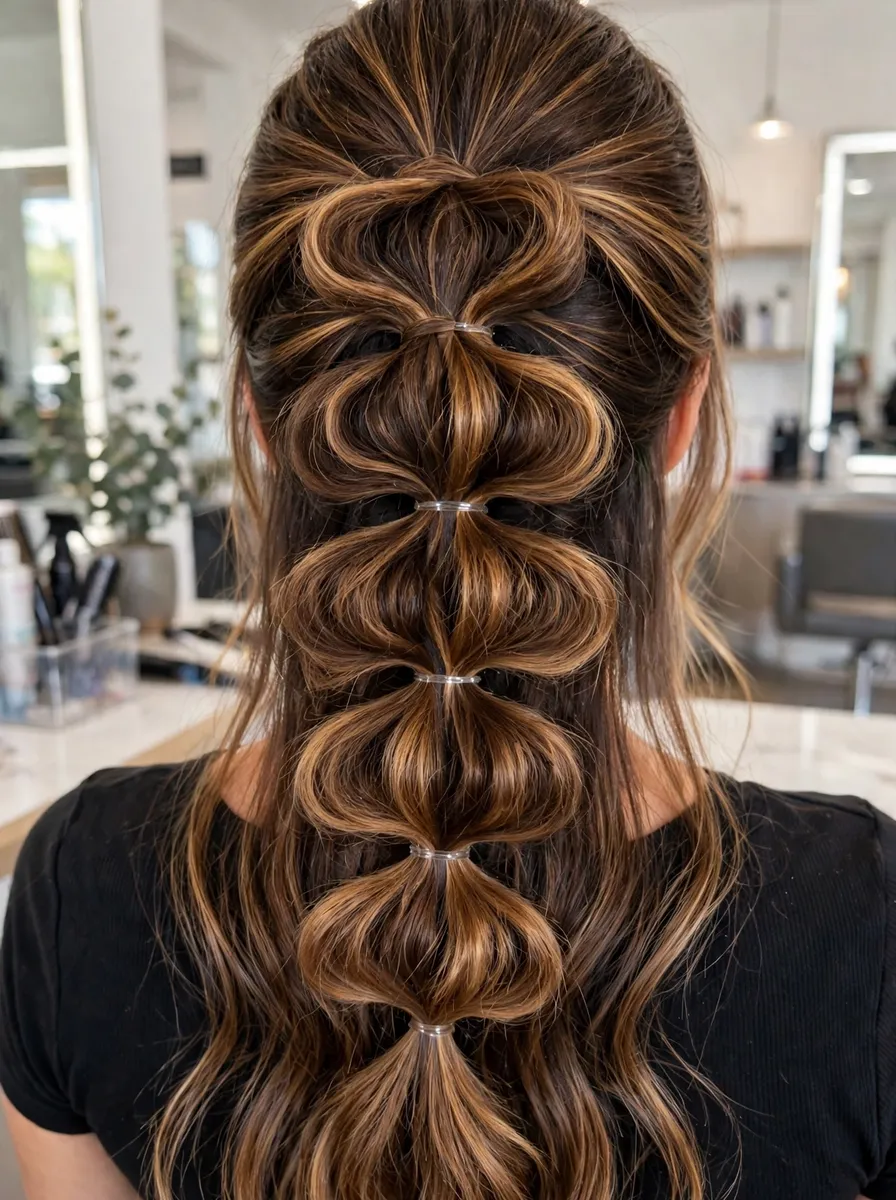
The pull-through is a faux braid built from stacked ponytails: a row of small ponytails runs down the head, each one split in two and looped around the ponytail below before being clipped forward and repeated, creating interlocking loops that mimic a very thick braid. Because every section is elastic-secured, nothing slips out. Difficulty: 2/5 — more assembly than skill. Medium to long hair works, and this is the standout choice for fine or layered hair that wants a fat braid: the looping creates volume thin hair cannot weave for itself, and layers stay trapped. Best for parties, photos and any time the brief is maximum braid drama.
How to Choose the Right Braid
By length. Shoulder-length hair can manage French, Dutch and lace braids, plus milkmaid plaits at a pinch. The waterfall, halo and pull-through really start at armpit length, and a convincing fishtail wants length too.
By thickness. Fine hair should head for the pull-through and bubble braids, which manufacture volume, and pancake (gently tug wider) any plait it wears. Thick hair shines in Dutch and fishtail braids, where there is enough material for the pattern to show.
By skill. Start with the classic plait, rope and bubble braids. Graduate to French and Dutch — the same hands, one direction apart. Fishtail, waterfall and halo are confidence projects; cornrows and box braids are worth paying a braider for.
By occasion. Sport and durability: French, Dutch, cornrows. Weddings and formality: halo, fishtail, waterfall. Weeks of low maintenance: box braids and cornrows. Everyday detail: lace, rope, bubble.
Frequently Asked Questions
What is the easiest braid for a complete beginner?
The classic three-strand braid, followed closely by the bubble braid — which involves no weaving at all. Learn the three-strand first regardless: pigtails, milkmaid braids and half of the styles in this guide are built from it.
What is the difference between a French and a Dutch braid?
The direction of the cross. In a French braid the strands pass over the middle, so the braid sinks in and lies flat. In a Dutch braid they pass under, so the braid rises up and sits on top of the hair.
Which braids work on short hair?
From around shoulder length, French, Dutch and lace braids all work, and a lace braid is the best option for adding braided detail to shorter or layered cuts, since it only gathers hair along one edge.
Which braid lasts the longest?
The protective styles, by a wide margin. Cornrows typically last one to three weeks and box braids six to eight weeks with good care. Among everyday braids, a firm French or Dutch braid lasts longest — a day or two, or overnight as a heatless-wave method.
Do braids damage your hair?
Braiding itself does not; excessive tension does. Styles pulled painfully tight can cause breakage and, over time, traction hair loss. Braid firmly enough to hold, never enough to hurt, and give hair regular braid-free rest days.
Which braid makes fine hair look thicker?
The pull-through braid, because its looped construction builds volume that is not really there, followed by the bubble braid for the same reason. With woven braids, gently pancaking a Dutch or fishtail braid — tugging each loop wider — fakes noticeably more fullness.
Final Thoughts
Thirteen braids, but really four ideas: weave three strands, add hair as you travel, feed from one side only, or build with elastics instead. Master the French braid and its Dutch mirror and most of this page is within reach; the tutorials for the French braid, fishtail and bubble braids take the three most-searched styles down to individual hand movements. Choose your first braid by the occasion you actually have coming up, not by the prettiest picture — a braid you wear beats a perfect one you never attempt.