Light Brown Hair Color Ideas: 12 Shades for Every Skin Tone
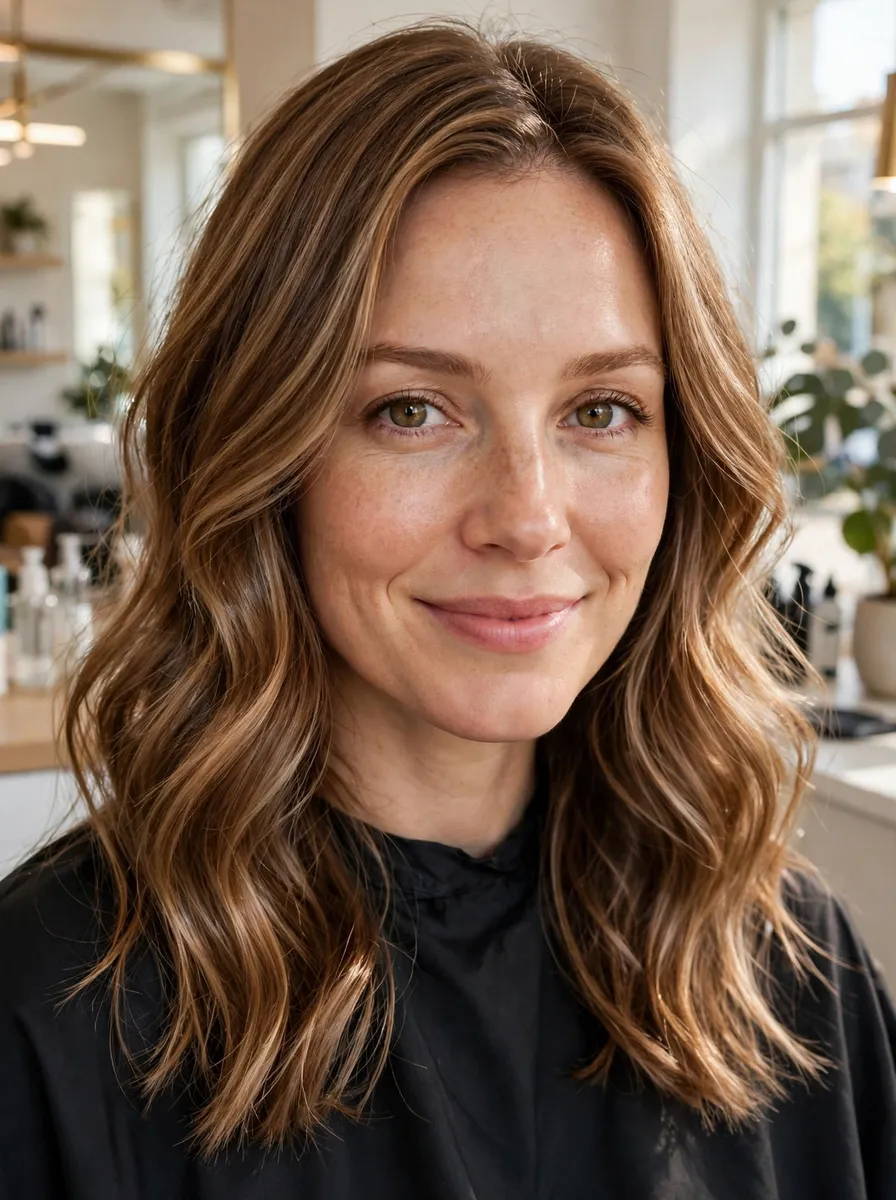
Light brown is the most versatile colour family in the salon: light enough to feel like a change, dark enough to stay low-maintenance, and broad enough to hold warm honeys, cool ashes and everything between. It sits between dark blonde and medium brunette, which is exactly why it flatters so many people — there is a version calibrated for almost every skin tone and eye colour.
The twelve shades below run the full temperature range, from golden and spicy to smoky and neutral. If you already wear dimension on a darker base, our brunette balayage guide shows how these same tones behave painted through deeper brown hair; this page is for going light brown all over, or close to it.
1. Honey Light Brown
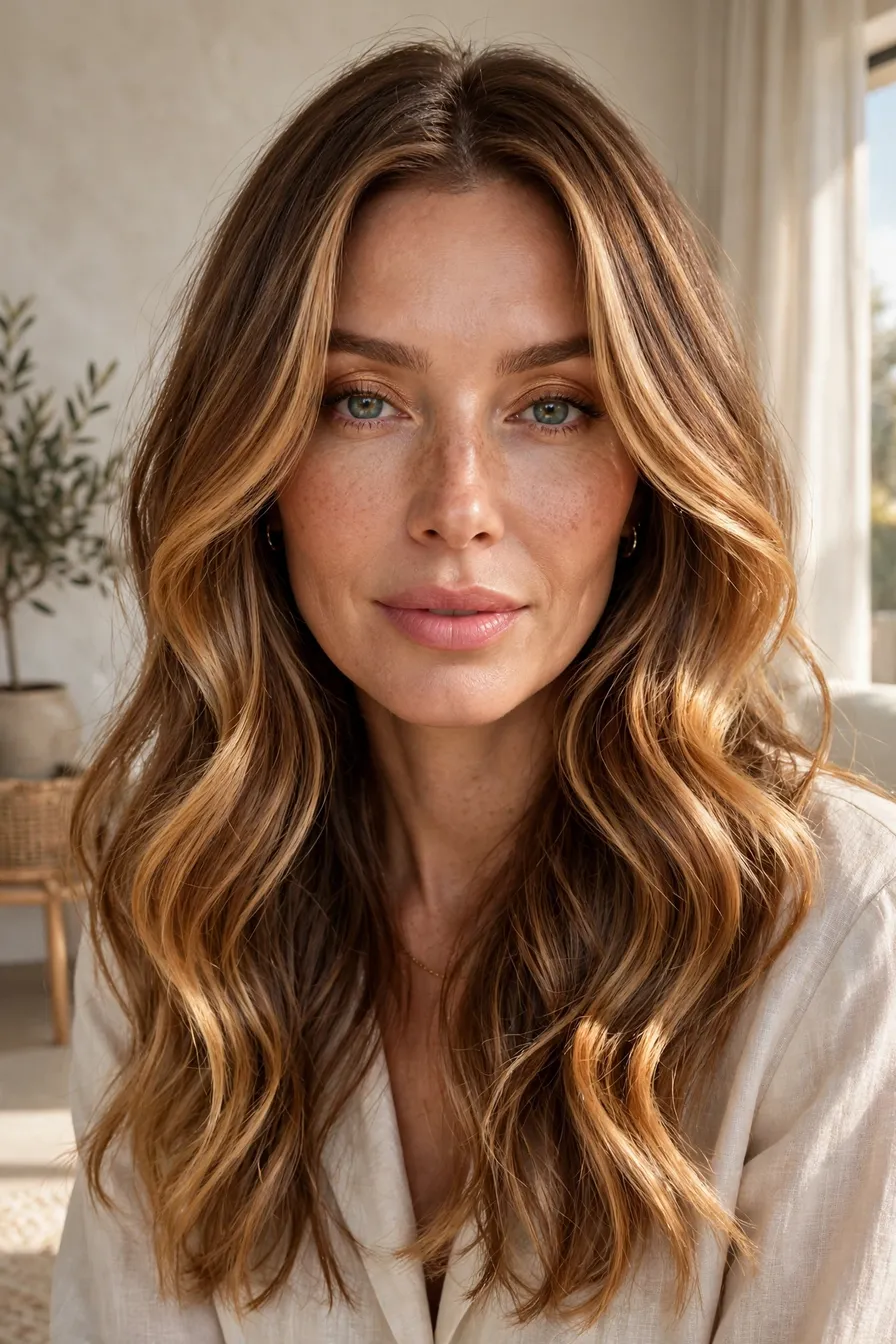
The reference light brown: a warm, golden-brown base with lighter ribbons that read like sunlight rather than dye. Honey reflects the most light of any shade here, which makes hair look glossier and skin look warmer by contrast. It suits warm and neutral undertones best, and it is especially kind to green and hazel eyes, which the gold in the hair picks up. Upkeep is gentle — a gloss every eight to ten weeks keeps the gold from sliding brassy, and the grow-out is soft because the tone sits close to most natural mid-browns.
2. Caramel Light Brown
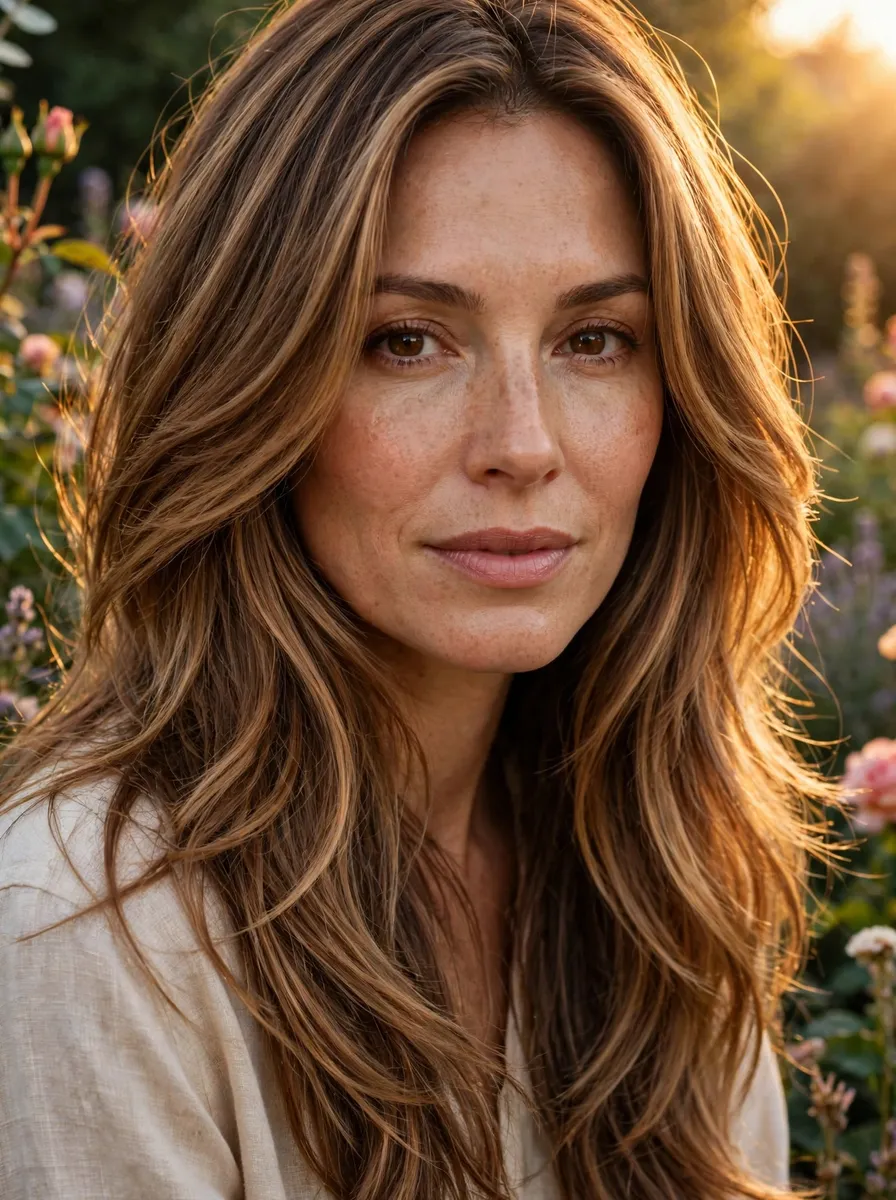
Caramel is honey’s richer sister: deeper, more toffee than gold, with warmth concentrated through the mid-lengths and ends. It is the classic choice for olive and medium skin tones, where cooler browns can turn grey-looking, and it warms up brown eyes beautifully. Because the pigment is warm and relatively deep, it fades gracefully — most people find it mellows rather than dulls. A colour-safe shampoo and a gloss at ten to twelve weeks is genuinely all it asks, making it one of the lowest-upkeep warm shades on this list. It is also forgiving on regrowth, since the root area can be kept a touch deeper without any visible line.
3. Ash Light Brown
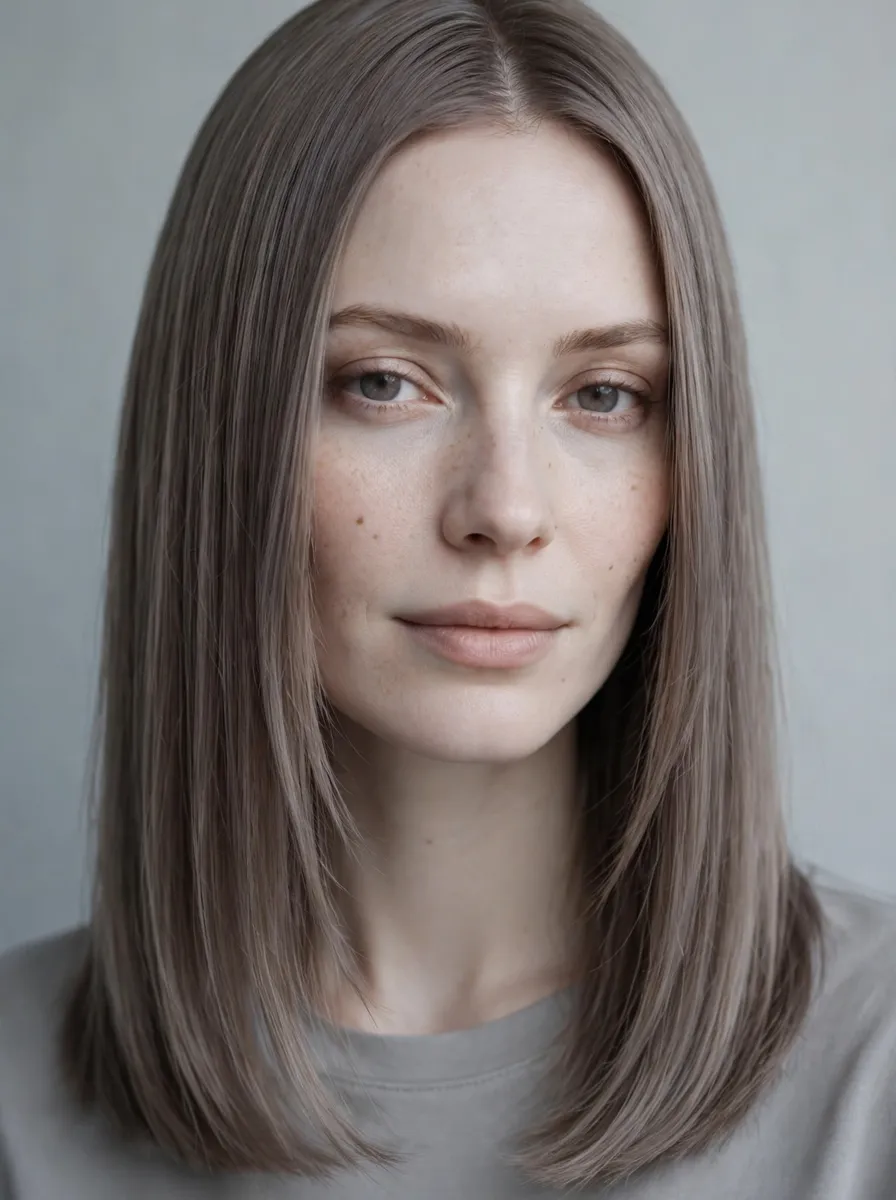
The cool end of the family: a smoky, muted brown with the red and gold deliberately toned out. Ash light brown flatters cool and rosy undertones, where warm shades can make the skin look flushed, and it pairs strikingly with blue and grey eyes. Be honest about the upkeep before you choose it — ash is the fastest-fading tone here, because the cool pigment washes out and the hair’s natural warmth creeps back within weeks. Budget for a purple shampoo at home and a toner refresh every six to eight weeks to hold the smoke.
4. Mushroom Light Brown
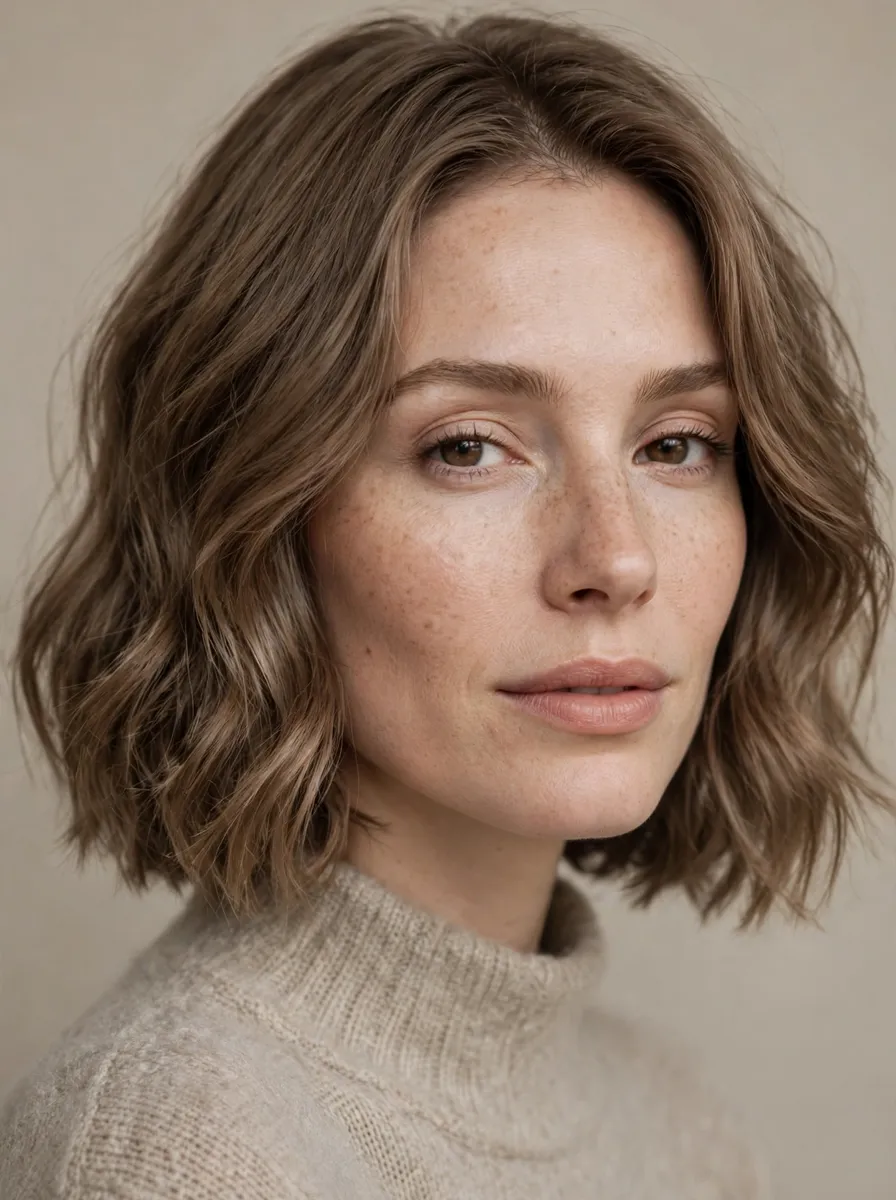
Mushroom light brown sits between ash and neutral: a taupe-leaning brown with no obvious gold and no obvious grey. It is the most understated, modern-looking shade here, and it suits neutral and cool-neutral undertones that find pure ash too flat and pure caramel too orange. The catch is precision — mushroom lives or dies on your colourist’s toning, so bring photographs rather than describing it. Upkeep sits in the middle of the range: a gloss every eight weeks or so keeps the taupe from drifting warm, and a blue-toned shampoo used occasionally will hold the muted finish between those appointments.
5. Golden Light Brown
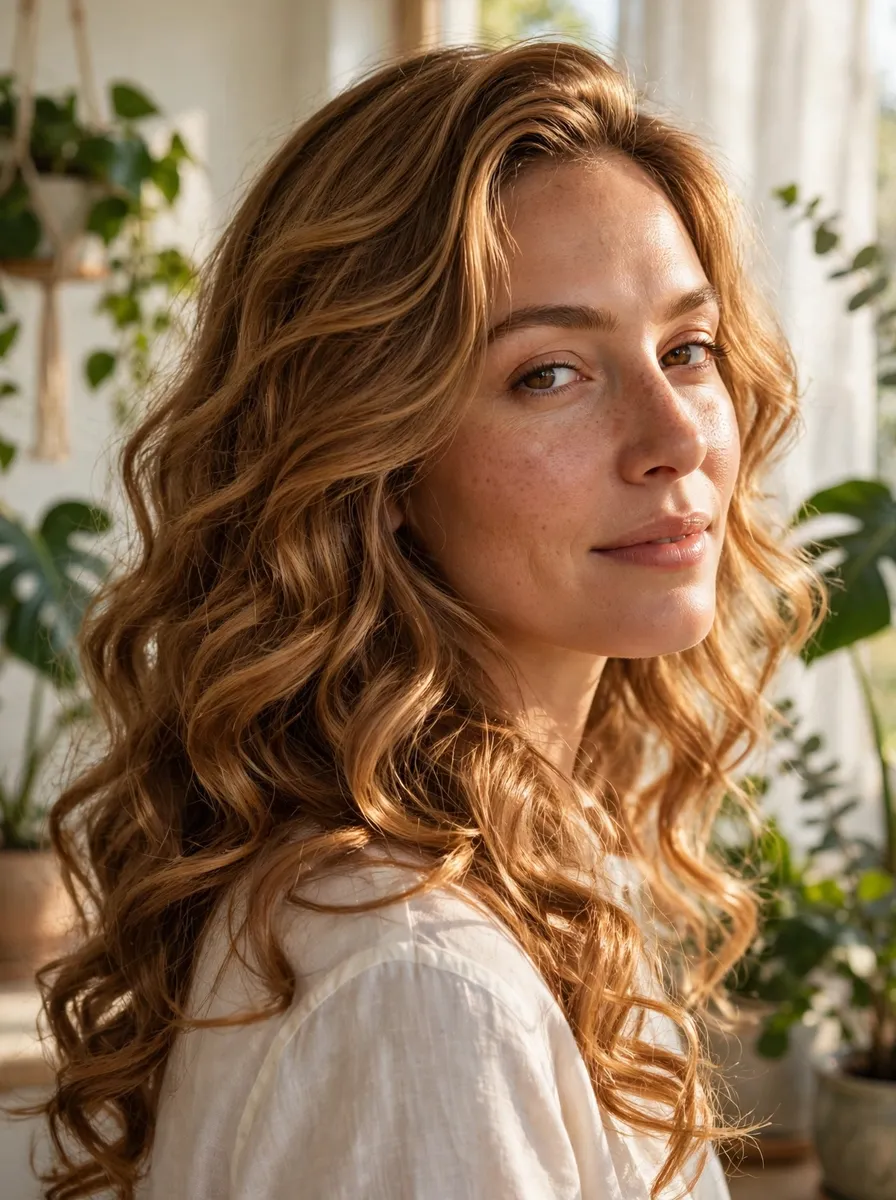
Golden light brown is the brightest warm shade here, close to the border with dark blonde and lit from within by yellow-gold reflect. It is made for warm undertones and golden or olive skin, and it makes amber and hazel eyes look lighter. Because it sits at the pale end of brown, achieving it from a dark base means real lightening — allow a longer first appointment and a bond-building treatment. Once there, upkeep is moderate: warmth is natural to this shade, so fading reads as softness rather than brassiness.
6. Light Chestnut Brown
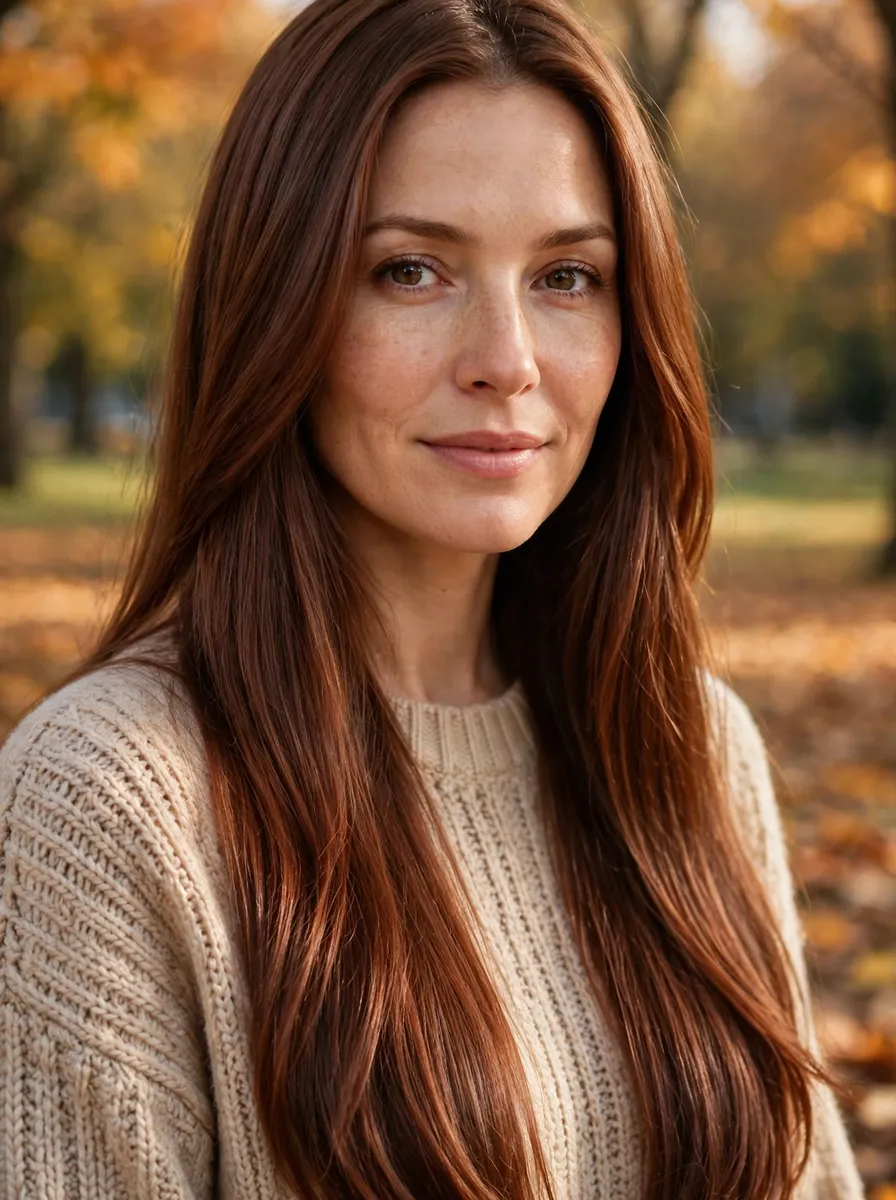
Chestnut brings a whisper of red into light brown — not copper, not auburn, just the warm russet glow you see in a chestnut shell. It flatters warm and neutral undertones and is famous for making green eyes look greener, though it is equally lovely against brown eyes and freckled skin. Red pigment is the first to fade and the hardest to remove, so treat this as a shade to enjoy for a season or two rather than a stepping stone. A colour-depositing conditioner keeps the russet alive between visits.
7. Light Brown Balayage
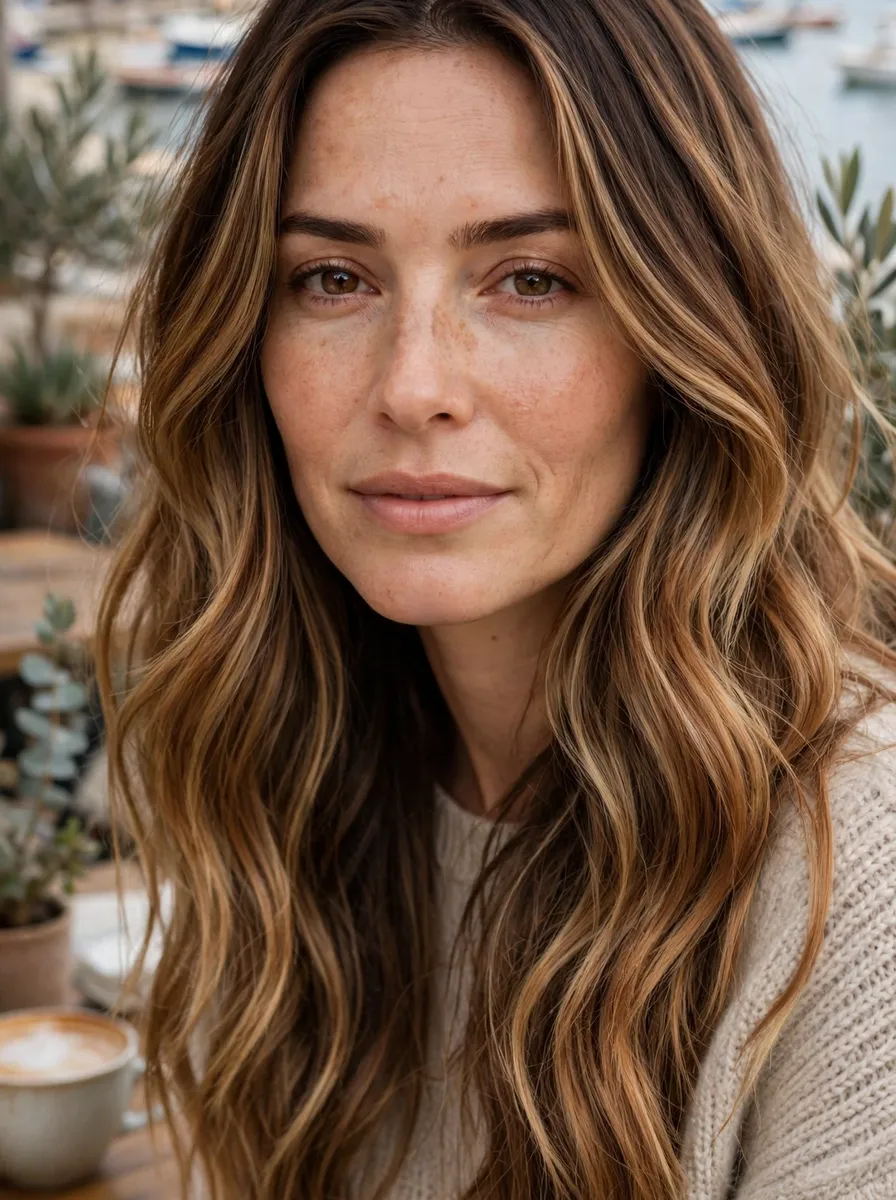
Not a single shade but a placement: light brown painted by hand through the mid-lengths and ends, sparing the roots, so the colour grows out without a line. It suits every undertone because the painted tones can be mixed warm, cool or neutral to order, and it is the natural next step if you have read our brunette balayage guide and want to take the whole look one level lighter. Upkeep is the friendliest on this page — three to five months between appointments is realistic, with an optional gloss in between.
8. Light Brown with Blonde Face-Framing Highlights
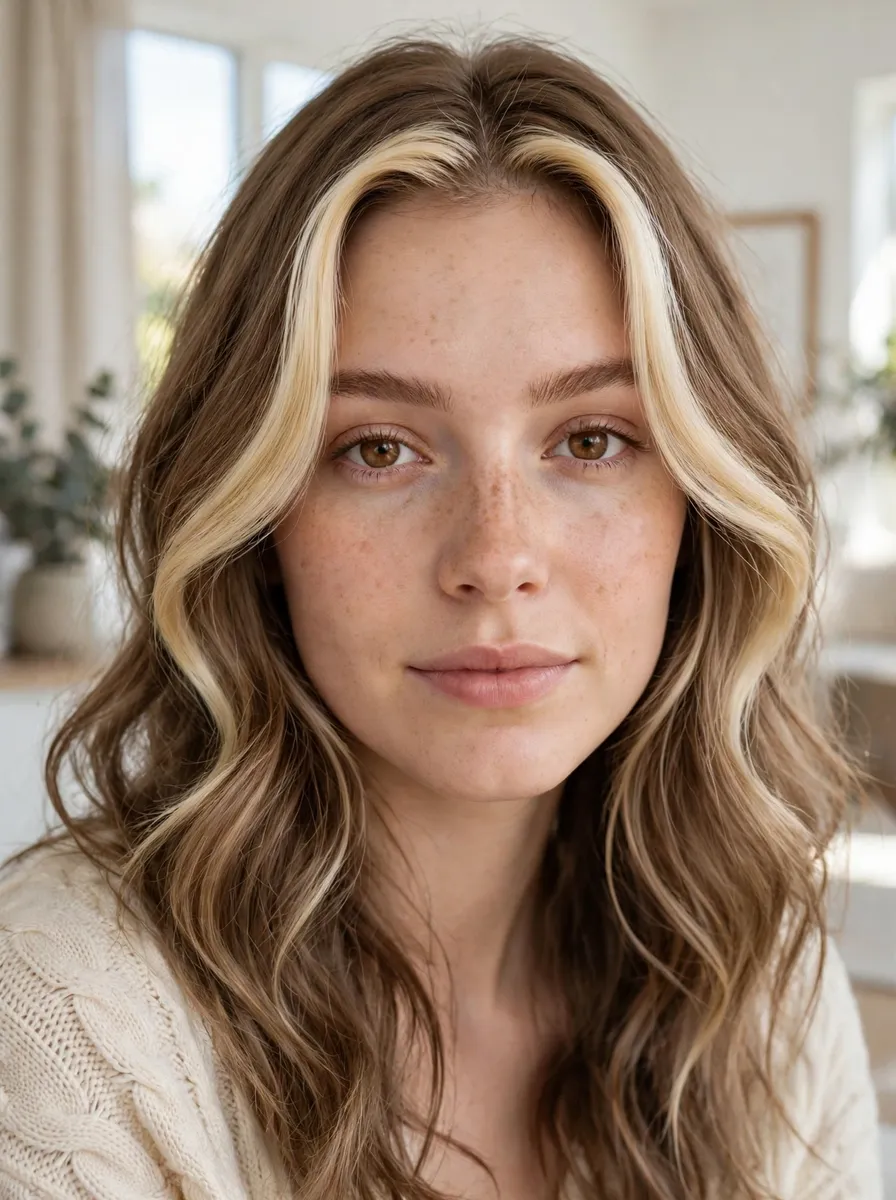
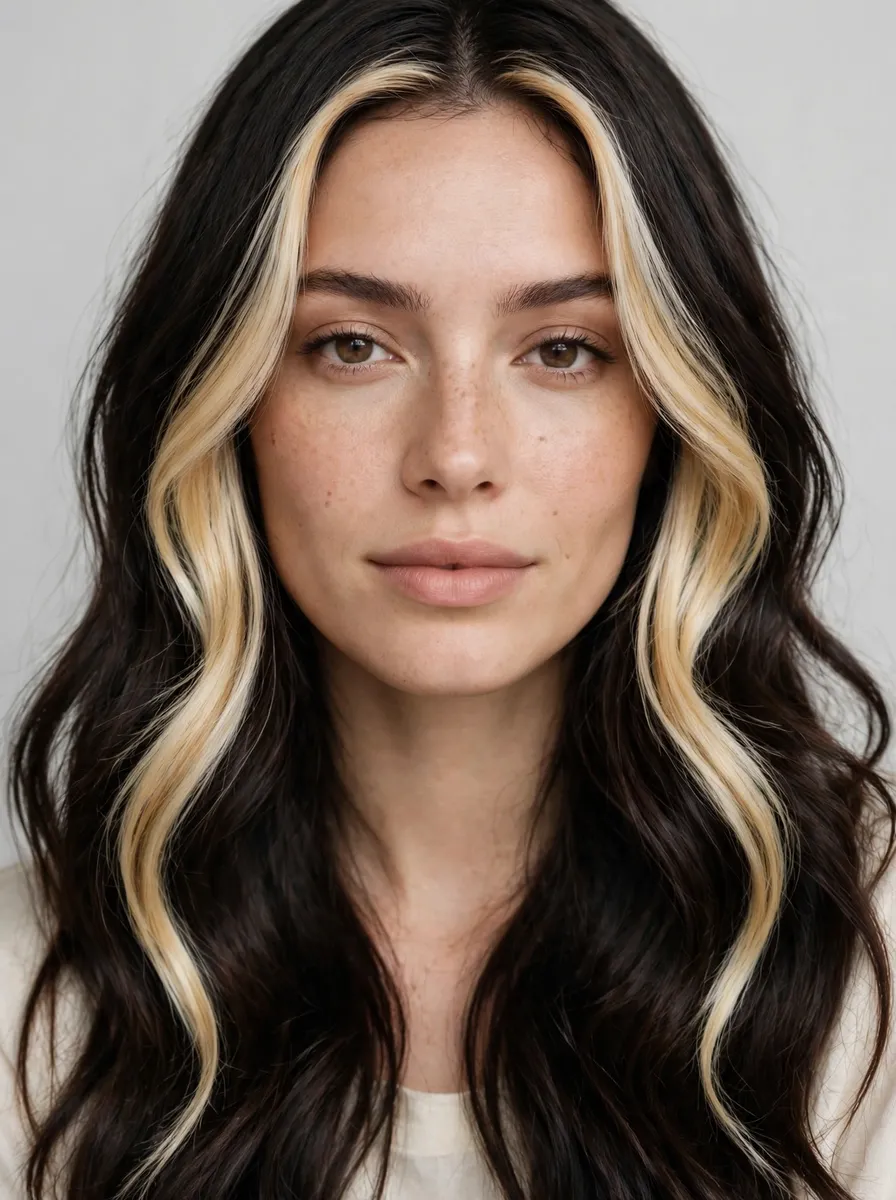
A light brown base with two bold, bright blonde strands framing the face — the money piece structure applied to a lighter canvas. The contrast brightens the whole face and makes the brown behind it look richer, and because only the front sections are strongly lightened, the hair takes far less damage than an all-over lift. It suits warm and neutral undertones best. Upkeep is split: the base is forgiving, but the face frame sits where regrowth shows first, so expect a short front-only refresh every six to eight weeks.
9. Cinnamon Light Brown
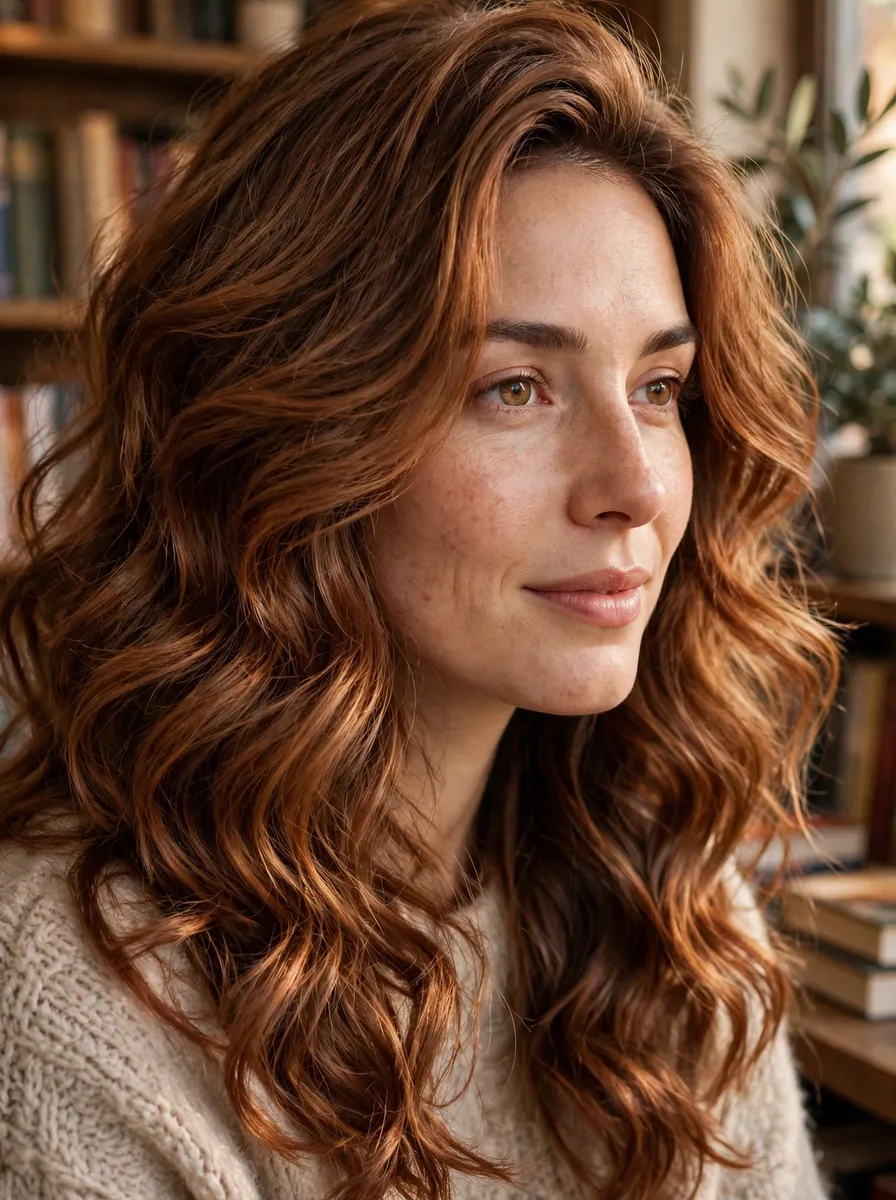
Cinnamon takes chestnut’s warmth and turns it spicier: a light brown shot through with coppery, rust-toned reflect that catches fire in sunlight. It is the boldest warm shade here and a beautiful match for warm undertones, golden skin and green or amber eyes. Like all red-leaning colours, it fades faster than neutral browns — a copper colour-depositing gloss at home every few washes is the difference between cinnamon and merely warm brown by week six. Choose it for the glow, and accept the small weekly ritual it asks in return.
10. Mocha Light Brown
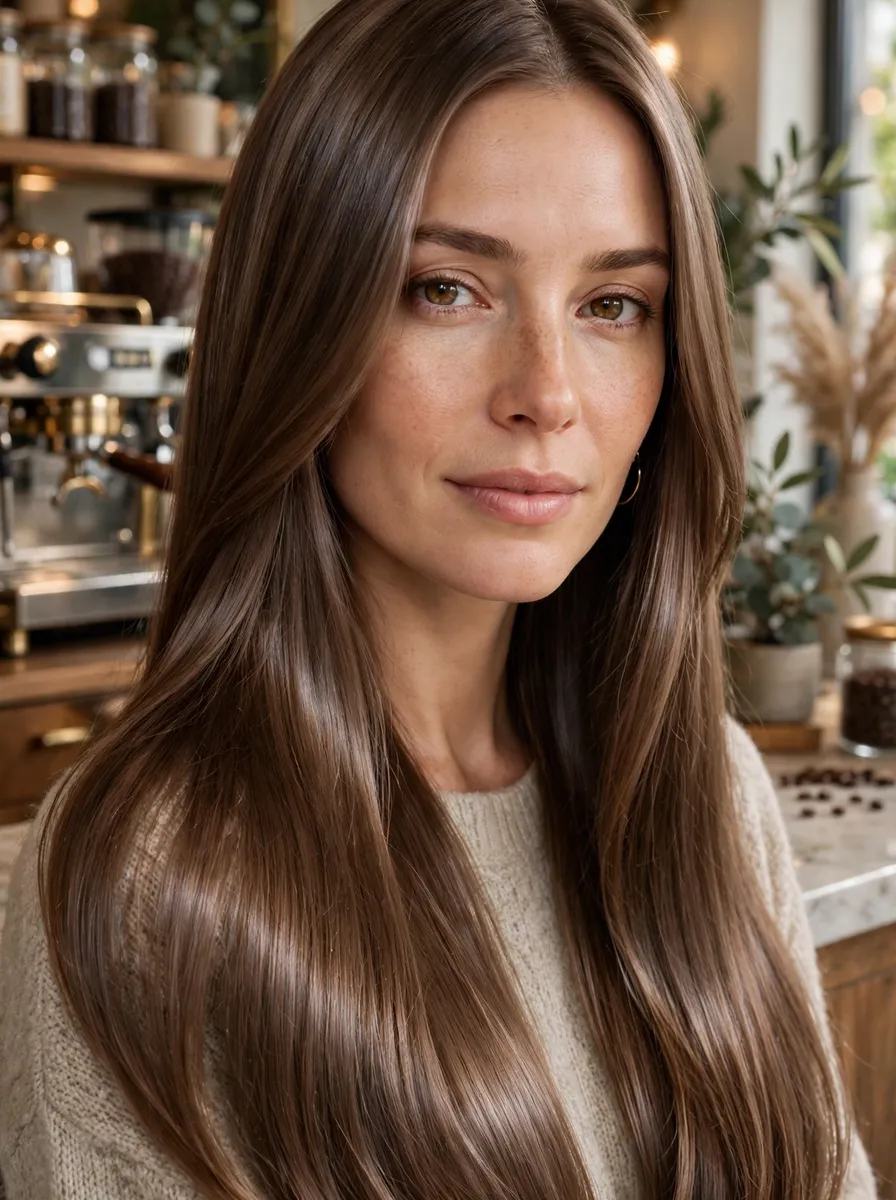
Mocha is the polished neutral: a rich light brown with the warmth and coolness balanced almost exactly, finished glossy so it reads expensive rather than coloured. Because it leans neither way, it suits the widest range of undertones on this list — genuinely neutral skin, and anyone who has never been sure which camp they fall into. It is also the most office-safe shade here. Upkeep is easy: neutral pigment fades slowly and evenly, so a gloss at ten weeks and good heat protection are enough to keep the shine.
11. Light Brown Ombré
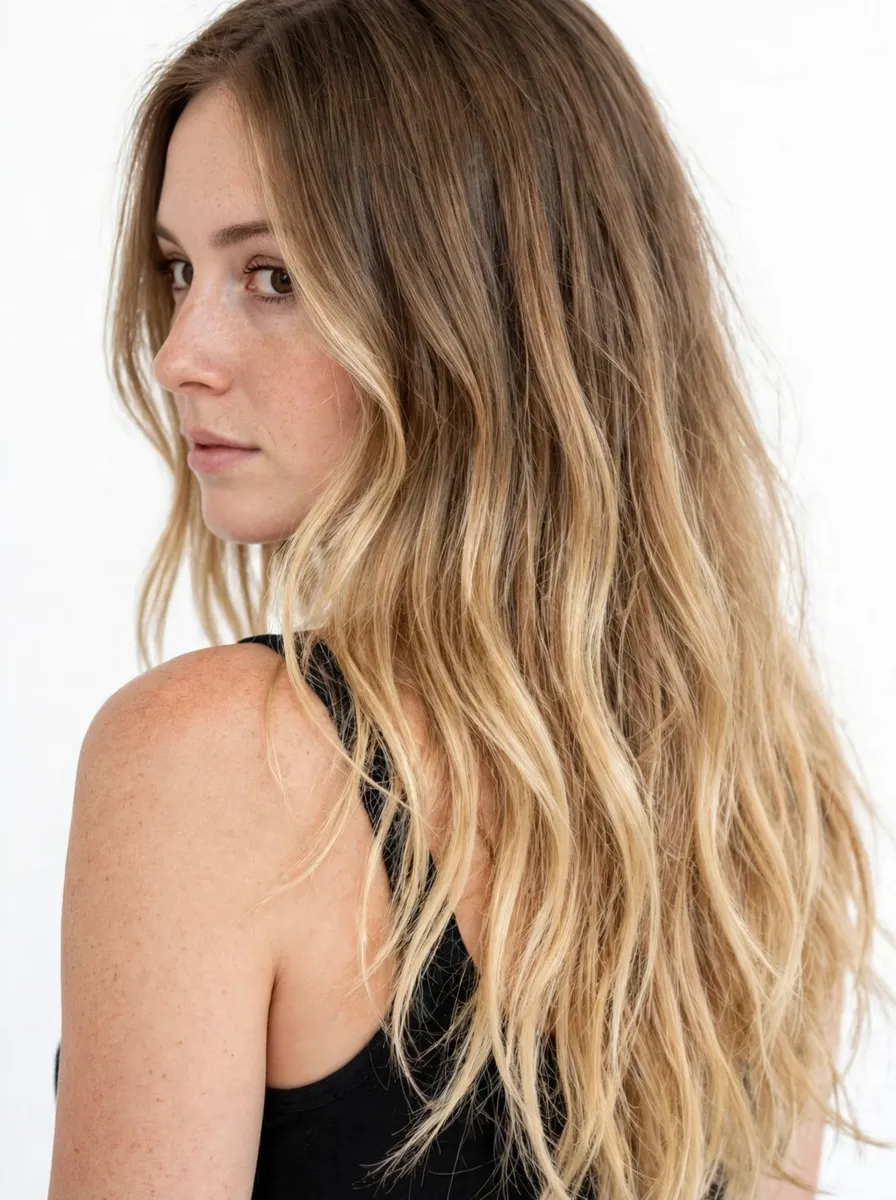
Ombré keeps a deeper light brown at the roots and melts it gradually into much paler, golden ends — a deliberate gradient rather than balayage’s scattered ribbons. It is the boldest way to wear light brown without colouring the hair that frames your face, which makes it a kind first step for anyone nervous about lightness near the skin. Any undertone can wear it, since the root shade stays close to your own. Upkeep concentrates at the ends: they are the most lightened, driest hair, and want a weekly mask.
12. Sandy Light Brown
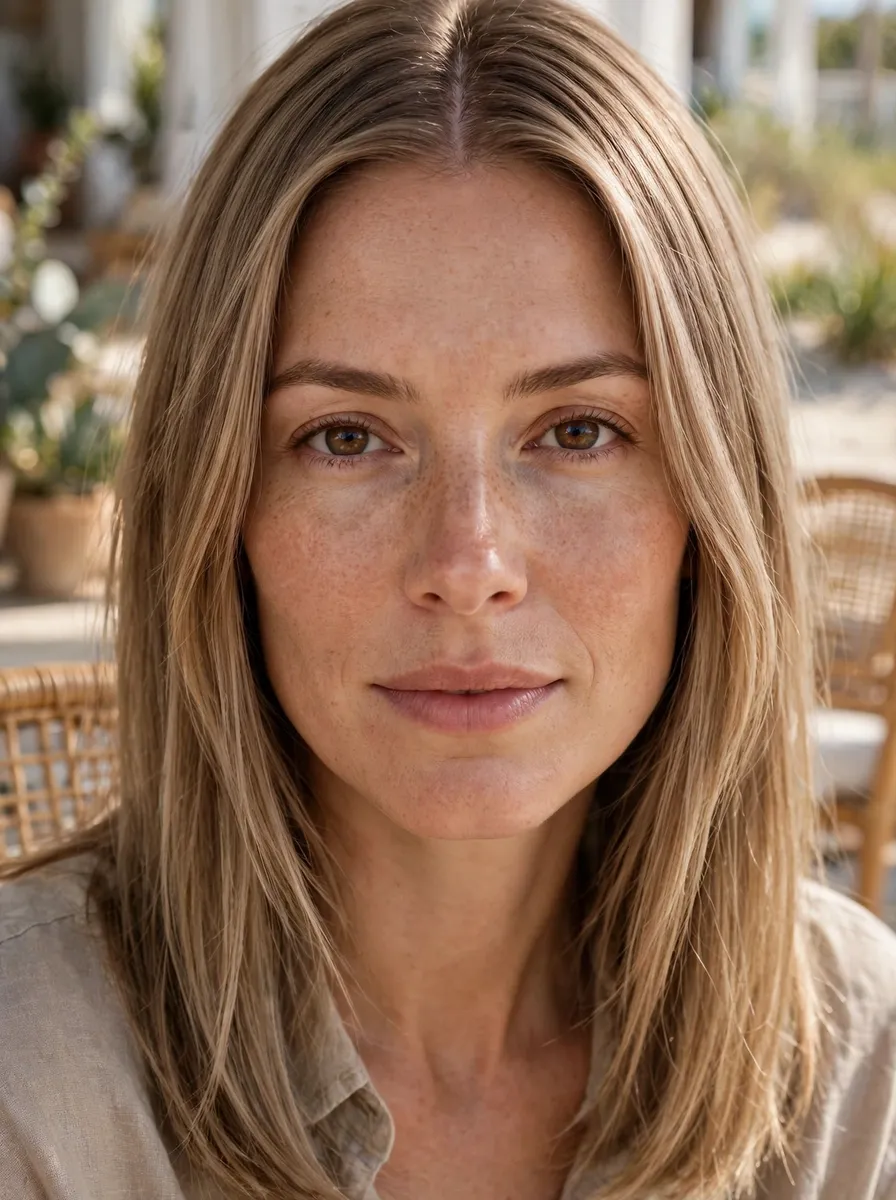
Sandy is the palest, softest shade here: a beige-leaning light brown that sits a breath away from dark blonde, with the gold muted down so it never looks brassy. It flatters neutral and cool undertones, lightens blue and grey eyes, and gives fine hair a sunlit quality without obvious highlights. Reaching it from medium brown or darker takes the most lightening of any shade on this page, so plan it as a process across one long or two shorter appointments. Upkeep is moderate — a violet shampoo weekly keeps the beige clean.
How to Choose Your Light Brown Shade
Start with your undertone. The wrist test is the quickest guide: veins that look greenish suggest warm undertones, blue or purple veins suggest cool, and a mix you cannot call suggests neutral. Gold jewellery flattering you more than silver points warm; the reverse points cool. Warm skin takes honey, caramel, golden, chestnut and cinnamon; cool skin takes ash, mushroom and sandy; neutral skin can borrow from both sides, with mocha as the safest harbour.
Then check your eyes. Warm browns deepen brown eyes and ignite hazel and green ones, while cool browns make blue and grey eyes look icier and brighter. Finally, be honest about maintenance: balayage, mocha and caramel forgive a busy schedule, while ash and cinnamon ask for regular toning. Choose the shade whose upkeep you will actually do — the best light brown is the one that still looks good in week eight.
Frequently Asked Questions
What skin tone suits light brown hair best?
All of them, which is the point of the family — the trick is matching temperature, not lightness. Warm undertones suit honey, caramel and golden shades; cool undertones suit ash, mushroom and sandy; neutral undertones can wear nearly everything, with mocha the most reliable. If a shade makes your skin look grey or flushed in the mirror, its temperature is wrong, not its level.
Is light brown hair high maintenance?
It depends on the shade and the distance from your natural colour. Lived-in techniques like balayage and neutral shades like mocha can run three to five months between appointments. Cool shades such as ash need toning every six to eight weeks, and red-leaning shades like cinnamon need colour-depositing care at home. As a family, light brown is kinder than blonde and roughly equal to other browns.
Can I go light brown from dark brown or black hair?
Yes, but expect lightening, and expect it to be gradual if your hair is very dark or previously coloured. Warm shades like caramel and honey are reached fastest because dark hair lifts warm naturally; ash and sandy shades fight that warmth and may take two sessions. A strand test at the consultation tells your colourist exactly what your hair can do in one visit.
What is the difference between light brown and dark blonde?
Roughly one level of depth and a lot of argument. On the professional level scale, light brown and dark blonde are neighbours, and sandy light brown shades like number 12 sit right on the border. The practical difference is reflect: hair sold as light brown keeps a brown base note even at its lightest, while dark blonde reads neutral-to-golden. If you cannot decide, ask for the border — it is a genuinely flattering place to sit.
How do I stop light brown hair going brassy?
Warmth creeps in as toner fades and the underlying pigment shows. Cool and neutral shades benefit from a purple or blue shampoo once a week; warm shades need the opposite discipline — a gloss refresh before the gold turns orange. Heat protection matters more than most people realise, because repeated high heat strips toner faster than washing does. Hard water is the other silent culprit; a clarifying wash once a month helps.
Which light brown shade is best for a first colour?
Balayage (number 7) or caramel (number 2). Balayage never touches the roots, so there is no regrowth commitment at all, and caramel sits close enough to most natural browns that growing it out — or colouring over it later — is painless. Both read as your hair on its best day rather than a statement, which is what most first-timers actually want.
Final Thoughts
Light brown rewards choosing by temperature first and fashion second: match the shade to your undertone, sanity-check it against your eyes, and pick an upkeep level you will genuinely keep. Do that, and any of these twelve will look like they were made for you. For the red-toned branch of the family, see our cherry cola brunette guide — and when you book, bring two photographs: the shade you want, and the shade you are afraid of ending up with. The second one tells your colourist just as much.