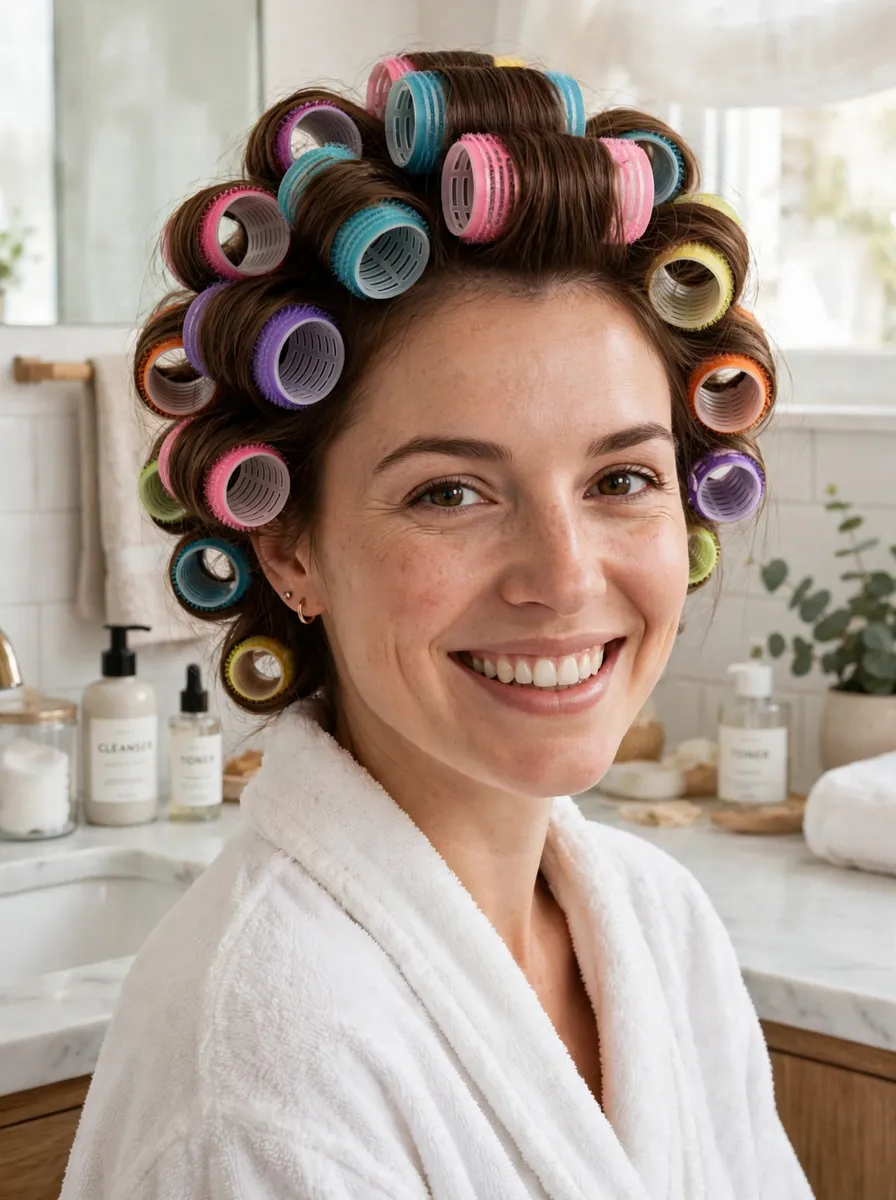
Heatless Curls for Long Hair: 8 Methods That Hold
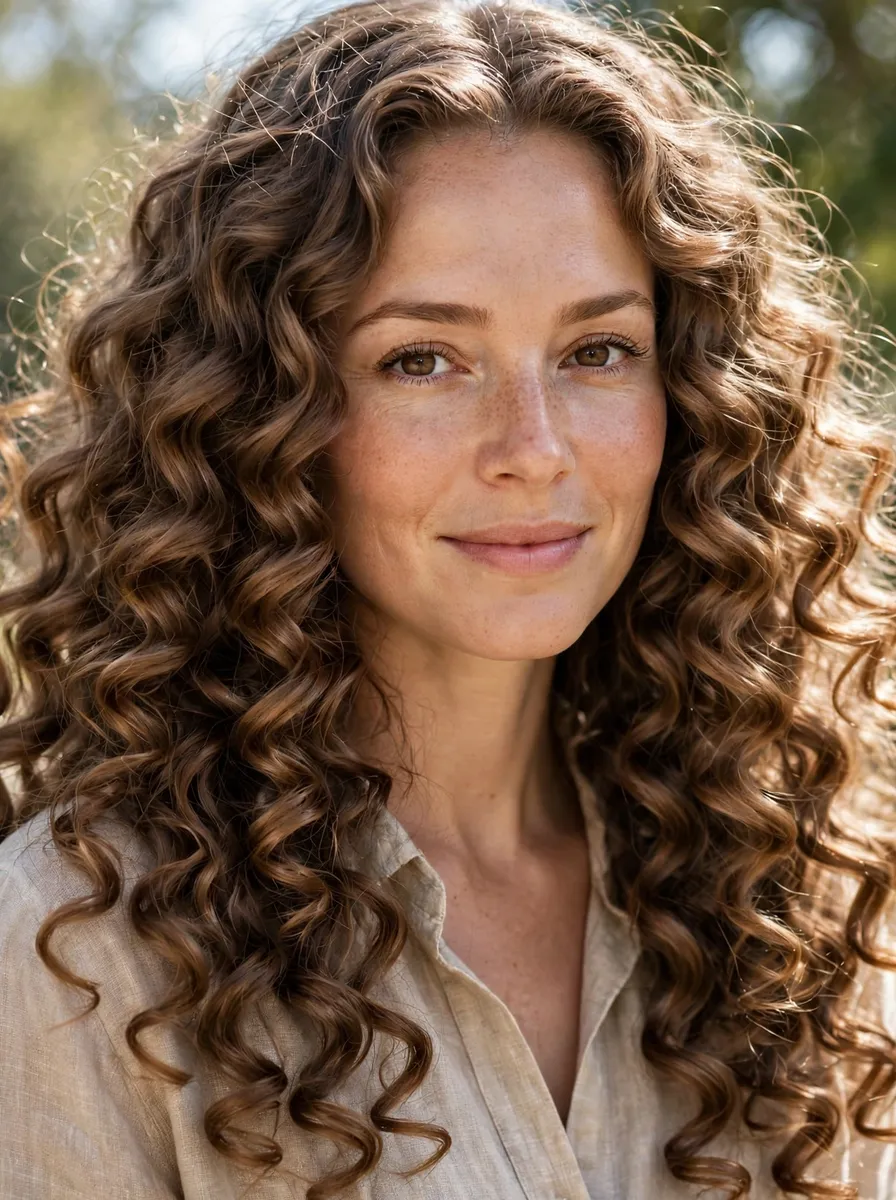
Long hair is where heatless curls get difficult. Short hair holds almost any overnight set; long hair has weight working against it — the length pulls curls straighter as the day goes on, thick sections dry slowly in the middle, and a method that gives waist-length hair soft waves can give shoulder-length hair ringlets. So this guide is specifically about long hair: which methods survive the weight, what curl each one actually produces at this length, and how long each holds.
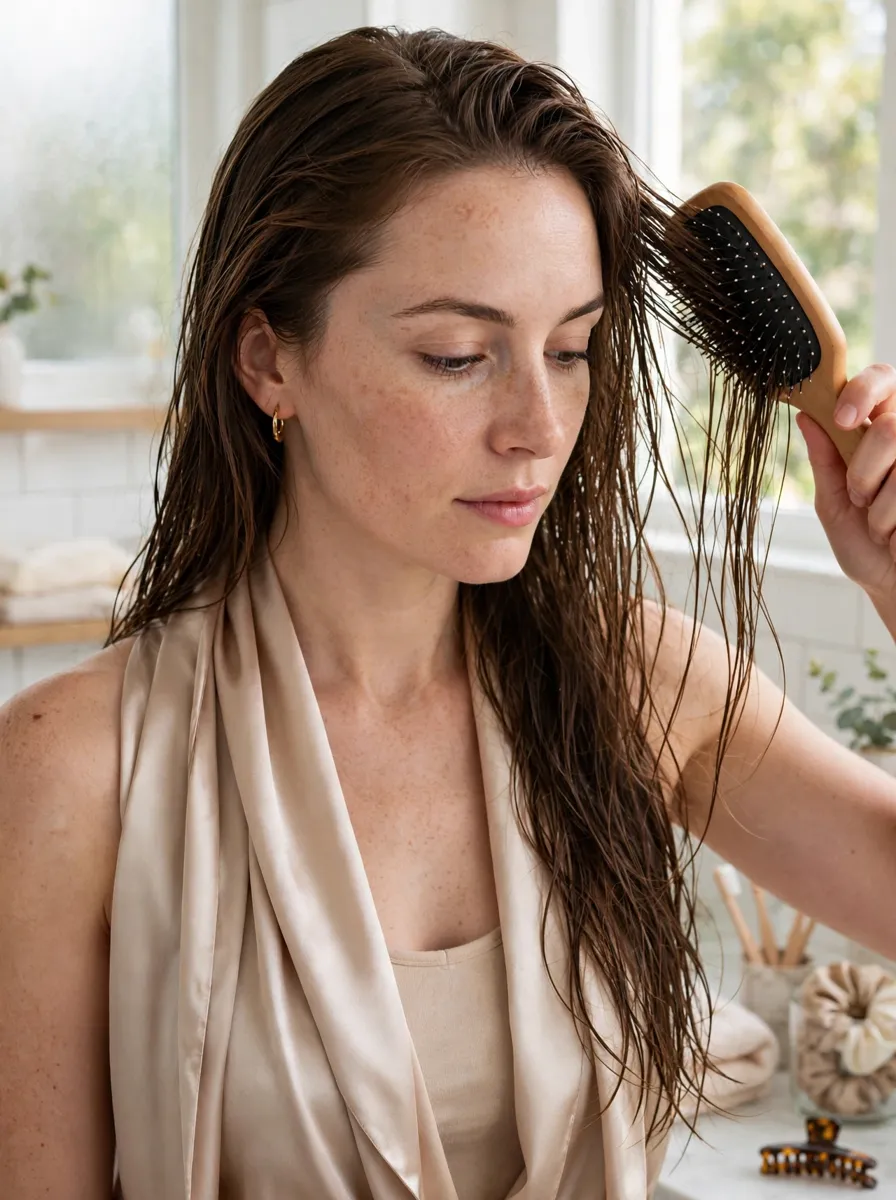
Two rules decide success before the method does. First, dampness: hair should be about 80–90% dry — cool and slightly damp to the touch, never wet. Wet hair won’t dry inside a wrap overnight and sets nothing; bone-dry hair has no hydrogen bonds left to reset. Second, set time: long hair needs a full 6–8 hours. If you are short on either, no method below will save the result. For shorter lengths, our heatless curls for short hair guide covers the methods that work there; the general overnight principles are in heatless curls overnight.
1. The Finished Result: What Good Looks Like
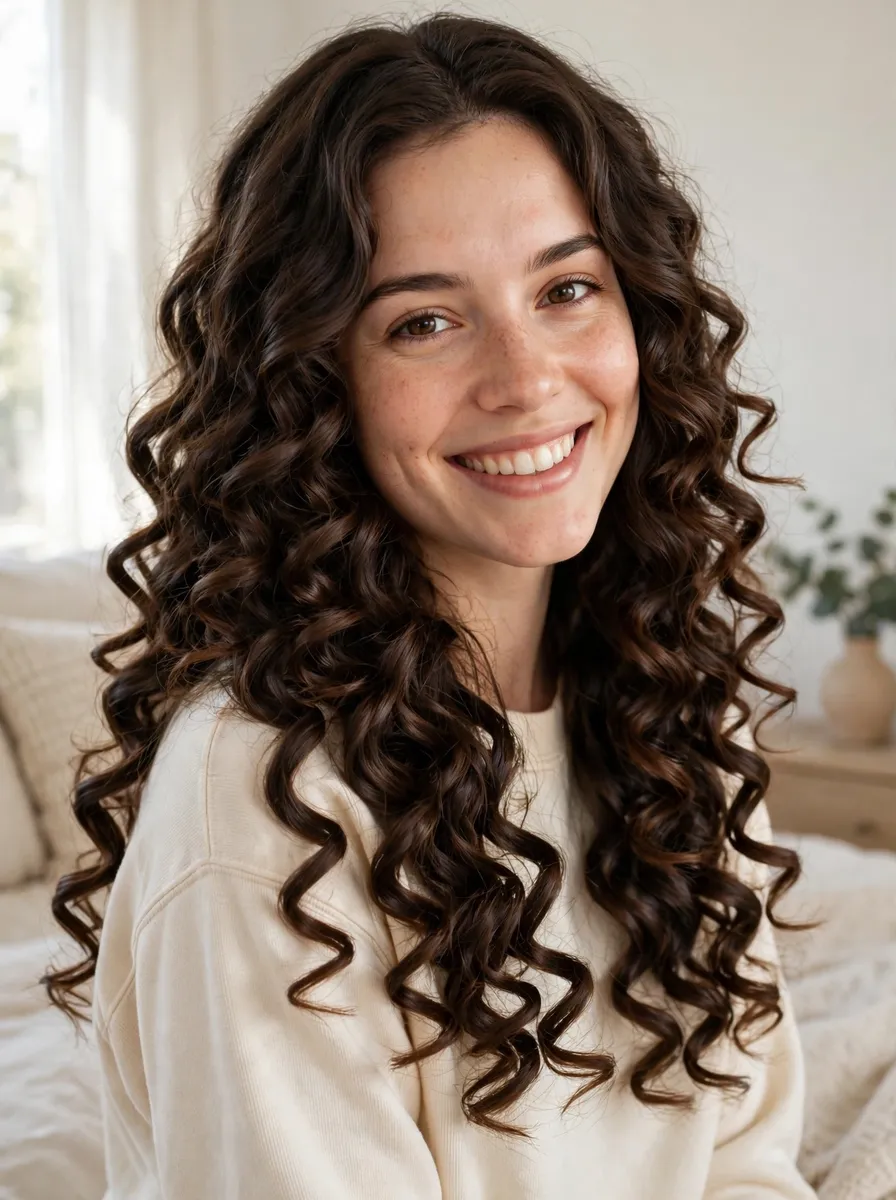
Set expectations first: on long hair, a great heatless result means defined, bouncy curls or waves from the mid-lengths down, relaxed — not tight — at the ends, loosening gracefully through the day into soft waves by evening. If a method promises corkscrew curls at waist length with no heat, it is promising something physics won’t deliver. Every method below is rated against that honest standard.
2. Robe Belt Curls
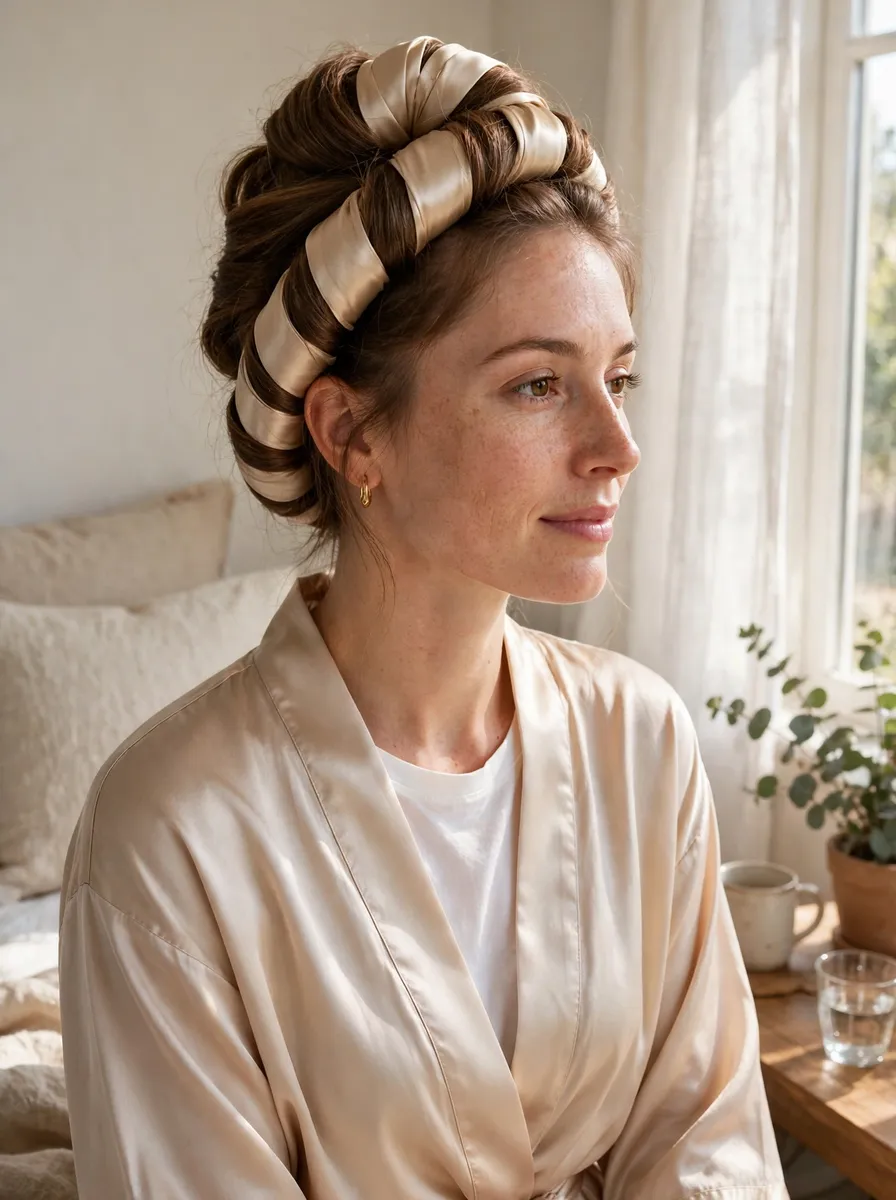
The most popular method for long hair, and the best all-rounder: a satin robe belt (or a purpose-made curler band) draped over the head, hair wound around it in two sections away from the face. It produces smooth, uniform, blowout-style curls and is genuinely comfortable to sleep in because the wrap sits flat. On long hair it needs the belt long enough that the ends don’t run out of fabric — if your hair passes your waist, braid the last few centimetres into the wrap rather than leaving them loose. Hold: a full day on most hair types, the best of any method here.
3. Sock Curls
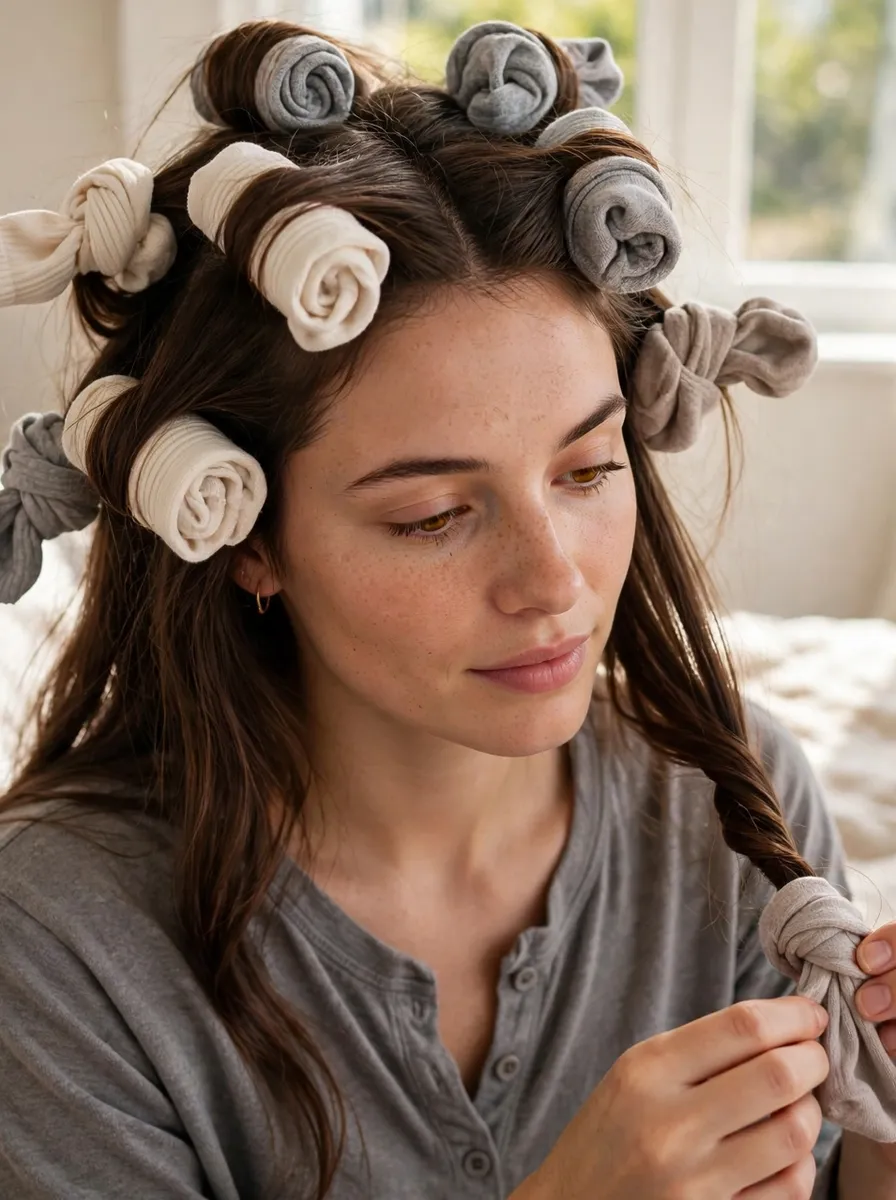
Four to six long socks, hair wound around each and the sock tied or folded to secure. Socks produce a tighter, rounder curl than the belt — closer to a curling-iron ringlet — and on long hair they have one big advantage: each section is small, so thick hair actually dries through. Use the longest socks you own; standard ankle socks run out of length and the last wrap slips. Our full walkthrough is the sock curls tutorial. Hold: strong, usually into a second day as waves.
4. Braids for Waves

The oldest method and the most forgiving: two braids for loose, even waves; one braid for a gentler bend; four or more for a crimped texture. Braids give waves, not curls — the distinction matters, because braiding hoping for ringlets disappoints every time. Start the braids as high as you can manage (a French braid starts the wave at the roots; a regular braid starts it at the nape) and secure the ends with a soft tie that won’t leave a kink. Hold: waves relax by evening but the texture lasts into day two.
5. The Bun Method

Hair twisted into one high bun for soft body and bend, or two space buns for more defined curls: the lazy method, and the most comfortable to sleep in of all. On long hair the results are the loosest here — think salon blow-dry movement rather than curls — because one big twist makes one big wave pattern. Twist in the direction away from your face on both sides so the front falls symmetrically. Hold: half a day at best on heavy hair; best used the night before a wash-day blowout look rather than an event.
6. Flexi Rods
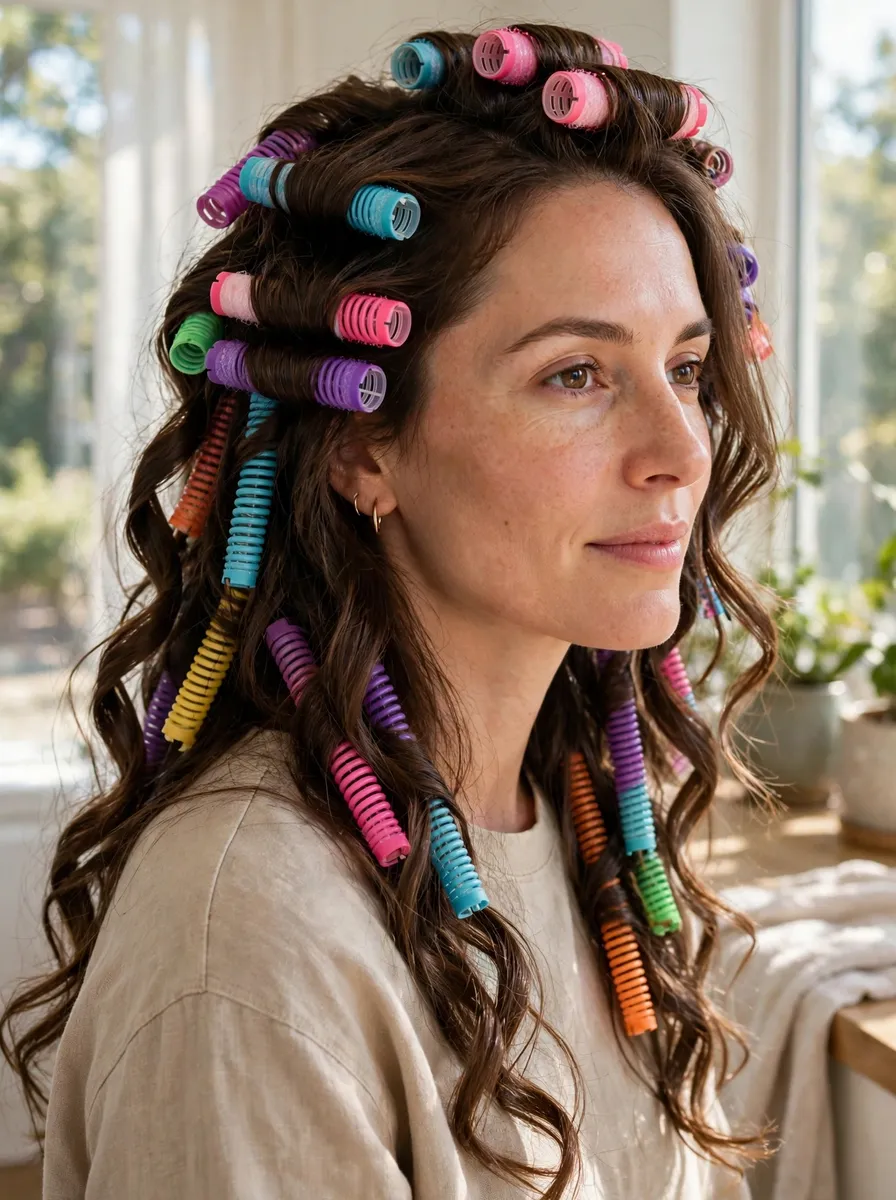
The most controllable method: bendy foam rods in different diameters, hair wound on in sections. Choose rod size by the curl you want — thick rods (2 cm+) for long-hair-appropriate loose curls, medium for defined ones. Rods give the most uniform, salon-like result and the strongest hold of anything here (often two days), at the cost of the least comfortable night’s sleep and the fiddliest setup, around 15 minutes on long hair. Section size is the skill: too much hair per rod and the middle stays straight.
7. Headband Curls
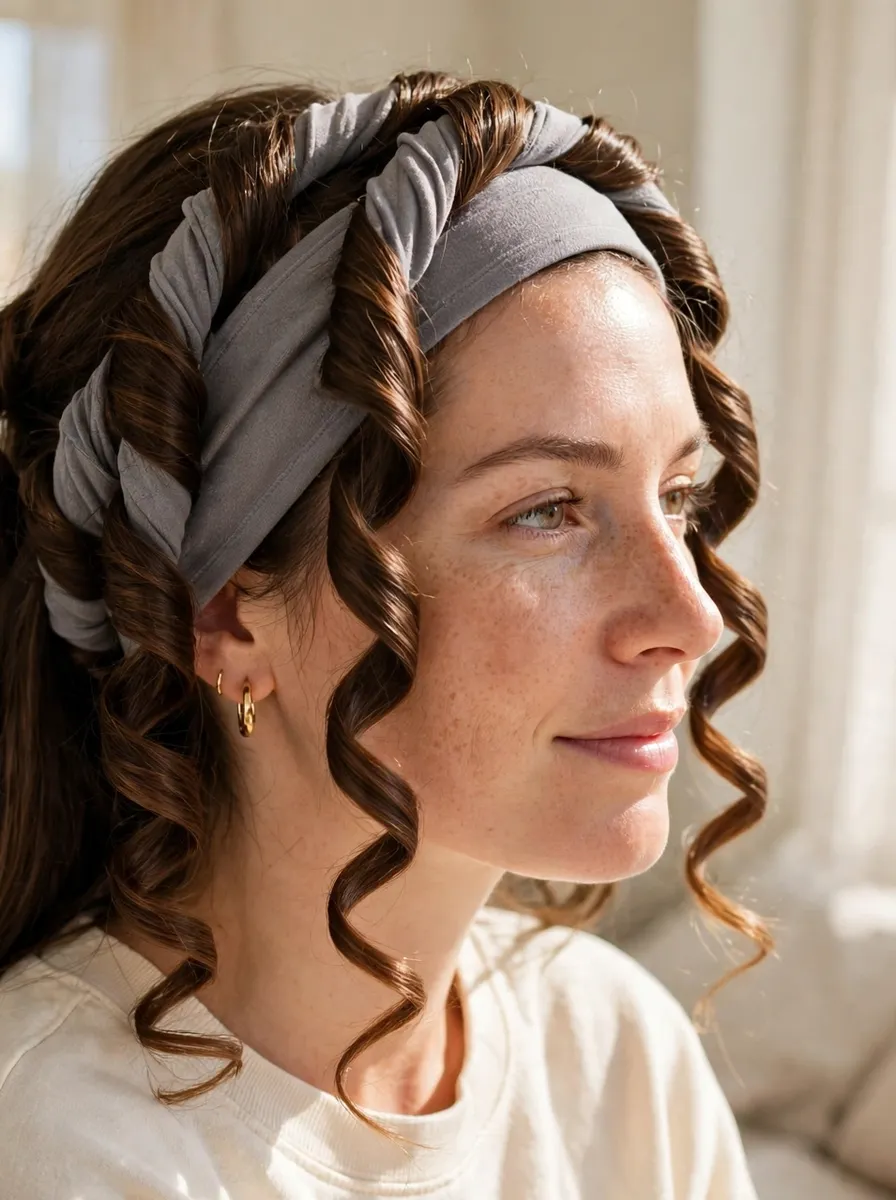
Hair tucked and wound around an elastic headband worn like a halo. It creates soft, vintage-feeling curls that start low — the top stays smooth, the curl lives from the ears down — which suits long hair well and looks deliberate rather than accidental. Long hair needs the band positioned slightly forward on the forehead so there’s room for all the length to wrap; wind in small sections and tuck the ends in fully, or they dry straight. Hold: moderate; the style relaxes evenly, which makes its day-two form prettier than most.
8. Pin Curls
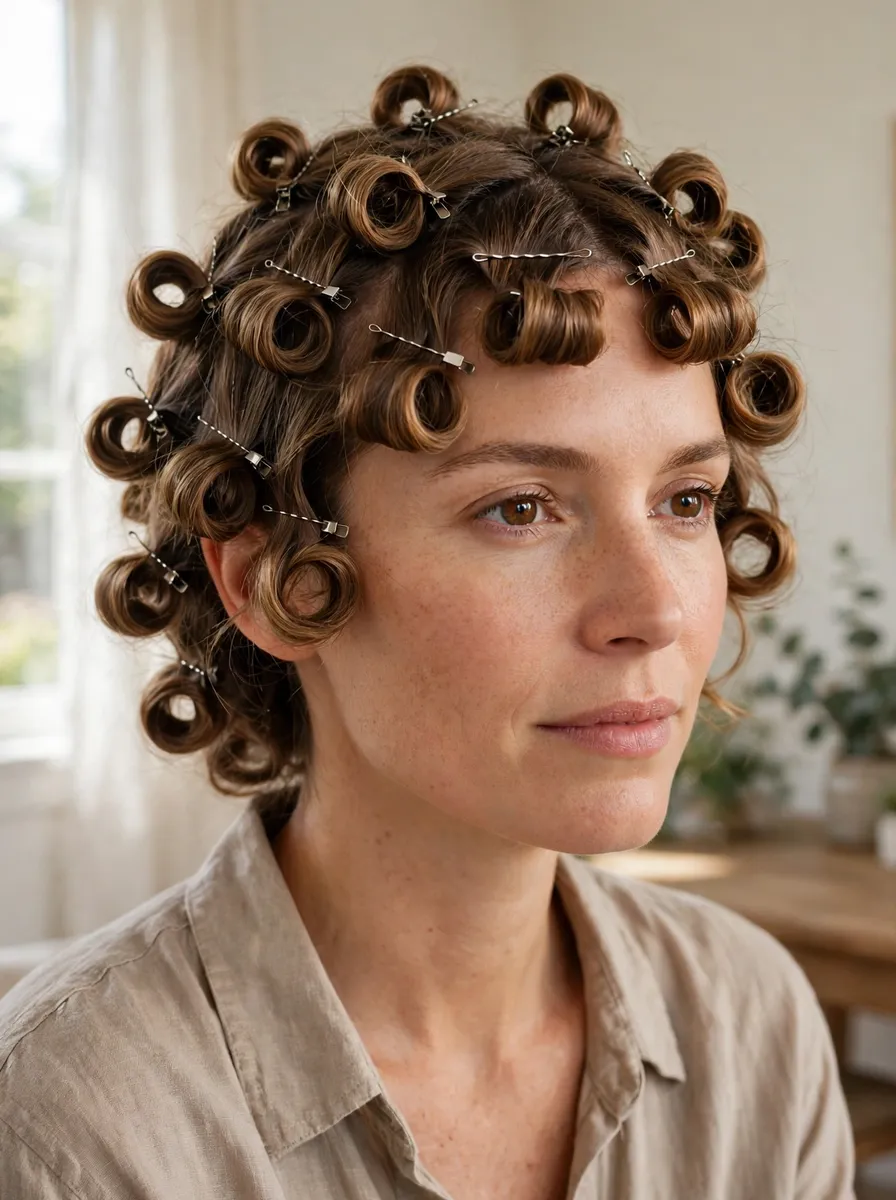
The classic set: sections wound into flat coils and pinned against the head. Pin curls produce the most defined, longest-lasting curl of any heatless method — this is how pre-war hairdressing did it — and on long hair they reward patience with curls that genuinely last two to three days. The learning curve is real (each coil must be wound in a consistent direction and clipped without denting), and sleeping on a head full of clips requires a scarf or bonnet. Choose this when the result matters more than the process.
9. Twist-Outs
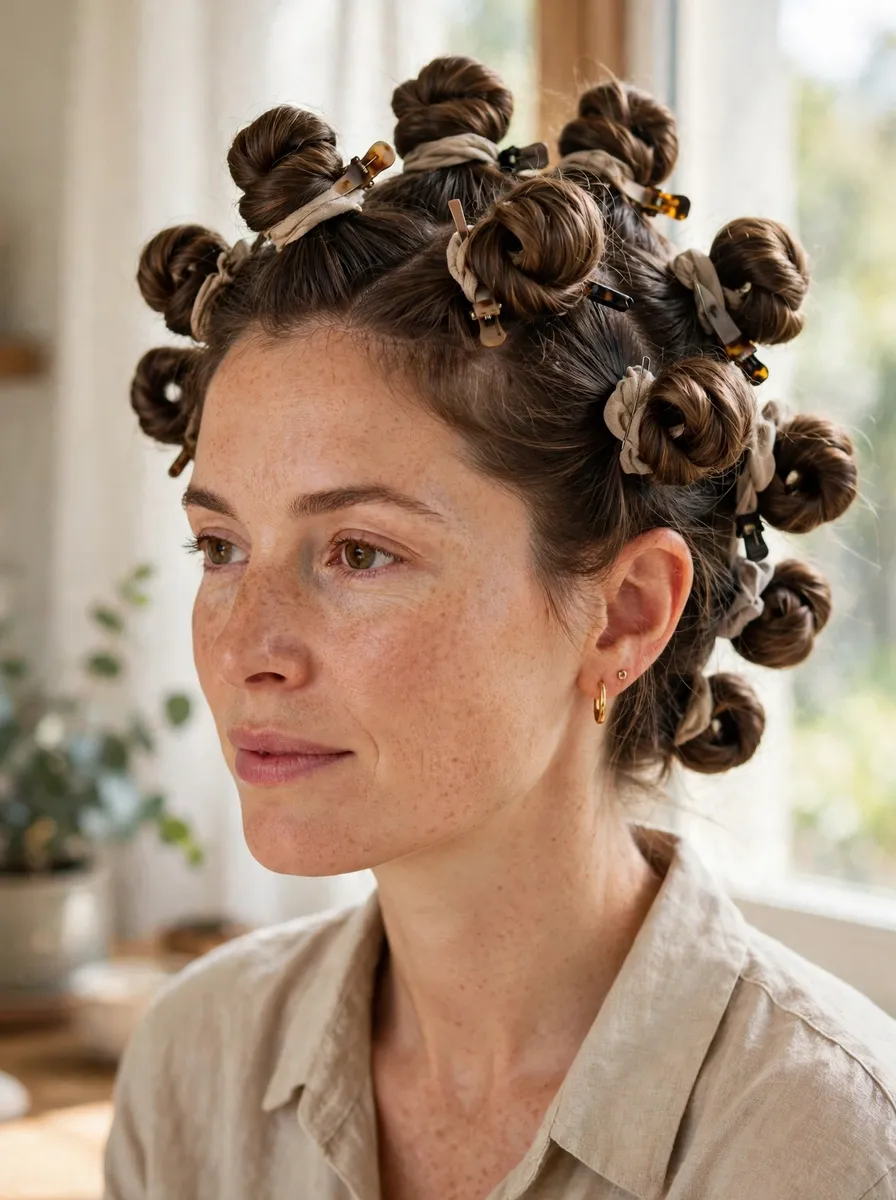
Two-strand rope twists — six to ten of them, pinned up or left hanging — produce spiral waves with more definition than braids and less than rods. Twists are the fastest full-head method after buns (under ten minutes), they are comfortable to sleep in, and they double as a protective style, which is why they’re a staple for textured and curly hair routines. On straight long hair, twist away from the face and keep the sections even; uneven sections are the main cause of a patchy result.
10. The Morning Reveal: Making It Last
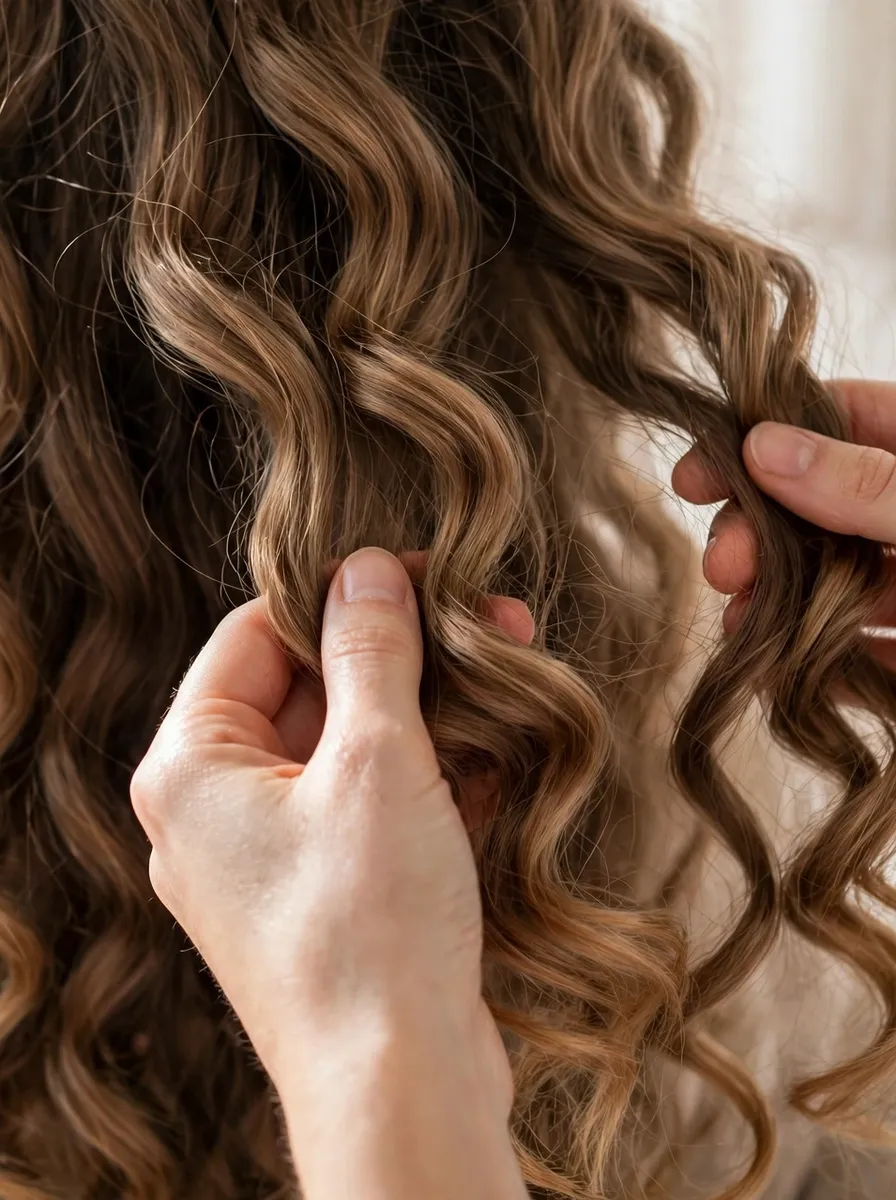
The reveal ruins more good sets than the night does. Unwind — never pull — each section in the reverse of how it went in. Then separate curls with your fingers only; a brush turns a defined set into frizz within seconds (if you want the brushed-out look, that’s a deliberate final step, not the first one). Flip your head, shake at the roots, and finish with the lightest possible oil on the ends if frizz threatens. Resist hairspray on day one unless your hair drops curls notoriously fast — most long hair holds better with a little mousse put in before the set than spray after it.
Which Method Should You Choose?
Match the method to the morning you want. Blowout curls and comfort: robe belt. Defined curls, strongest hold: flexi rods or pin curls. Waves with zero effort: braids or buns. A vintage low-curl shape: headband. And if your hair is very thick, prioritise the methods that divide it into small sections — socks, rods, twists — because drying through is your binding constraint.
Frequently Asked Questions
Why do my heatless curls fall out by lunchtime?
Usually one of three causes: the hair was too dry when set (nothing to reset), too wet (never dried inside the wrap), or the sections were too large for your hair’s thickness. On long hair, also check the product: a light mousse before setting gives most hair types the grip they lack.
How damp should hair be for overnight curls?
Around 80–90% dry: cool and faintly damp when you press a section between your fingers, with no visible wet sheen. If you are starting from freshly washed hair, air-dry or rough-dry it most of the way first. Starting dripping wet is the single most common heatless-curl mistake.
What is the best heatless method for very long, thick hair?
Sock curls or flexi rods, because both split the hair into small sections that actually dry overnight. The robe belt works too if your hair is long rather than extremely thick. Avoid the single-bun method — one thick twist rarely dries through at the core.
Can heatless curls damage long hair?
They are the gentlest styling option there is — no heat damage at all. The only cautions: don’t wind any method painfully tight (tension at the roots, night after night, stresses the hairline), and use soft fabrics and snag-free ties so removal doesn’t snap the ends.
How do I make the curls last a second day?
Sleep with the hair in a loose high ponytail or pineapple, or re-wrap just the front sections for an hour in the morning. Day-two hair usually holds a softer wave version of the set; refresh with dry shampoo at the roots rather than water, which resets the style unevenly.
Do heatless curls work on naturally straight, fine long hair?
Yes, but fine straight hair is the hardest case: it needs the dampness rule observed strictly, a mousse or setting foam before wrapping, and the smaller-section methods (socks, rods, pin curls). Expect waves with curl at the ends rather than ringlets — and that is still a win over straight-by-noon.
Final Thoughts
For long hair, heatless curls are a physics problem before they are a beauty one: get the dampness right, divide the hair small enough to dry, and pick the method whose curl type matches what you actually want. Start with the robe belt if you want one all-round method, and the sock curls tutorial if you want the most defined curl your length can hold. Once the technique clicks, the curling iron becomes the backup rather than the routine — which, for hair you’re trying to keep long and healthy, is rather the point.